
A good steelhead trout recipe air fryer approach gives you a perfectly cooked fillet in under 15 minutes with minimal oil and almost no mess. The trick is knowing the right temperature, timing, and prep steps so the fish stays moist instead of turning into a dry, flaky disappointment. Whether you've got fresh fillets from the counter or a frozen pack you forgot to thaw, the air fryer handles both beautifully once you know what to adjust.
In our research, we found that most air fryer fish recipes fail because they ignore fillet thickness, which changes cook time by as much as 5 minutes. The FDA recommends cooking fish to an internal temperature of 145°F, and steelhead trout hits that sweet spot faster than most people expect. Here's how to get it right every time, no matter what your fillets look like or which air fryer you own.
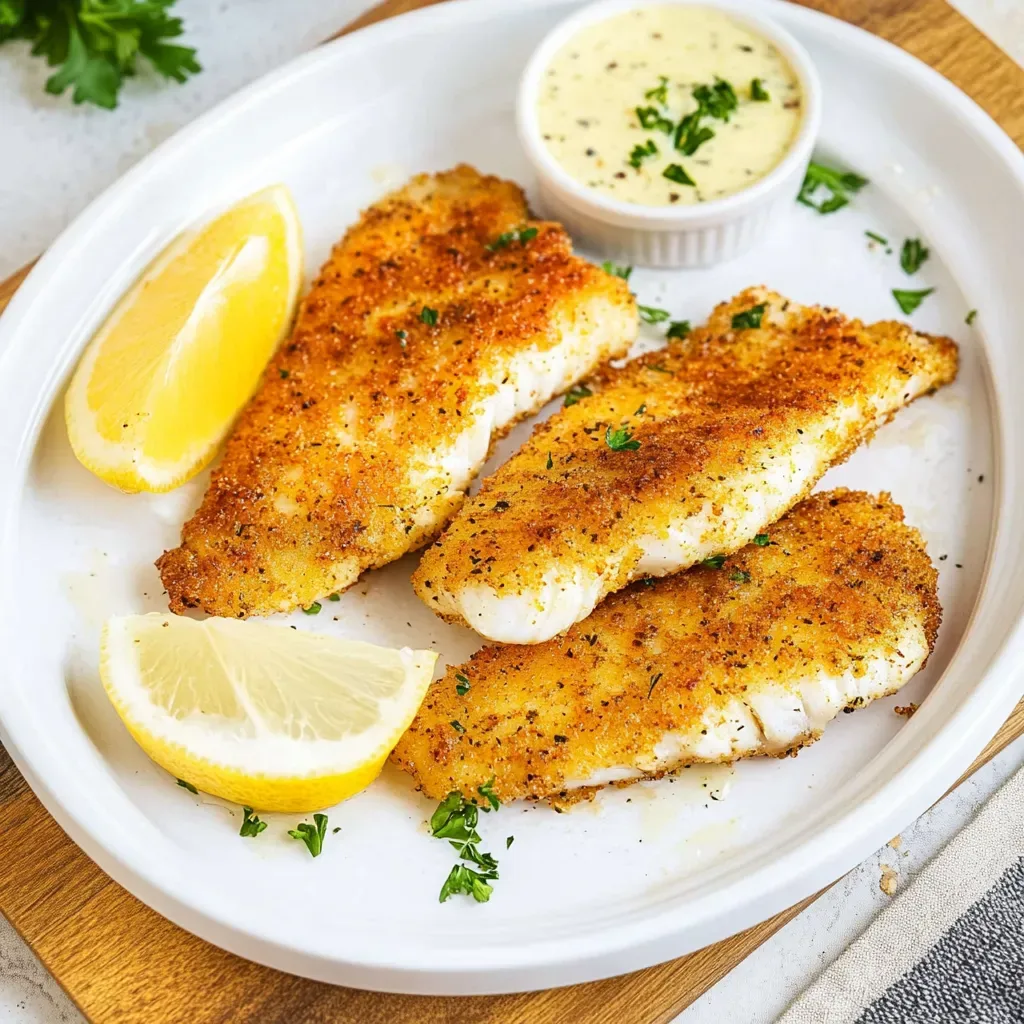
Image source: Bing (Web (fair-use with source credit))
Quick Answer: The Best Temperature and Time for Air Fryer Steelhead
A steelhead trout fillet cooks in an air fryer at 375°F for 8 to 12 minutes depending on thickness. Half-inch fillets need about 8 minutes. One-inch fillets need closer to 12.
The FDA safe minimum internal temperature for fish is 145°F. Always check with a kitchen thermometer at the thickest part. Skip the guesswork and you'll have moist, flaky steelhead every single time.
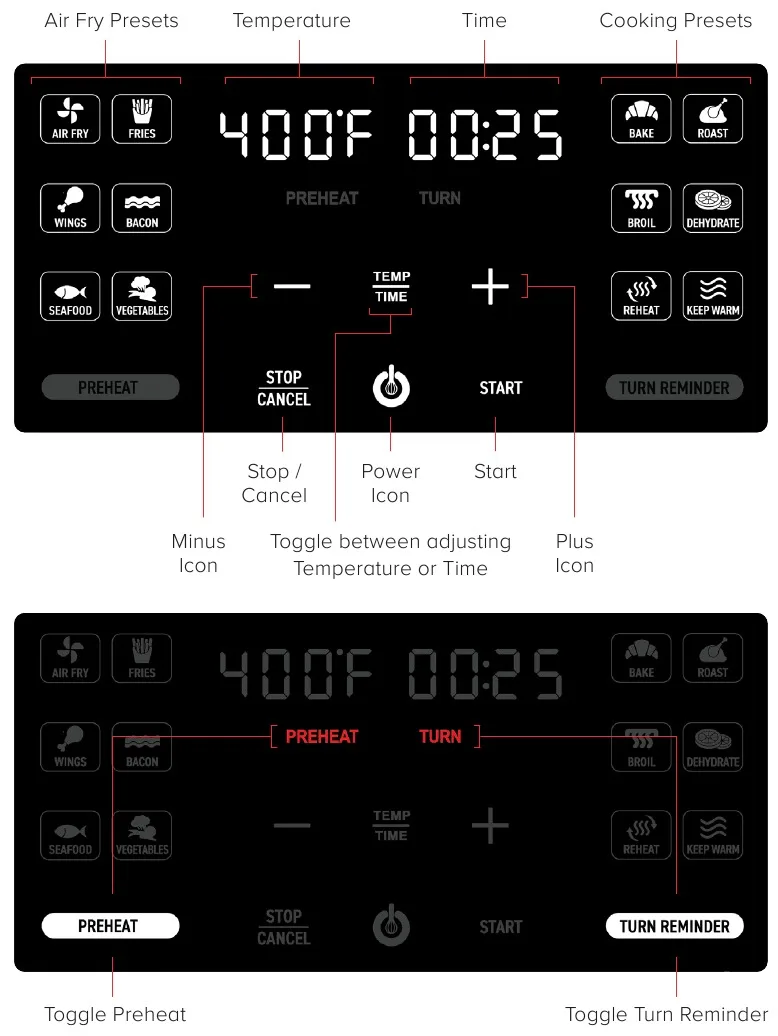
Image source: Bing (Web (fair-use with source credit))
What Makes Steelhead Trout Different from Salmon in the Air Fryer
Steelhead trout (Oncorhynchus mykiss) is the anadromous form of rainbow trout, and it's one of the most popular fish for air fryer cooking as of 2026. It has a milder flavor than salmon, a slightly leaner fat content, and a more delicate texture that falls apart easier when overcooked. That's exactly why getting the timing right matters more here than with heartier fish.
The fat difference matters in the air fryer. A 6-ounce steelhead fillet has roughly 10 grams of fat compared to salmon's 13 to 15 grams for the same serving. Less fat means less built-in moisture protection, so the margin for error is thinner.
Cook it 2 minutes too long and you'll notice the difference immediately.
Color is the easiest way to tell them apart at the store. Steelhead flesh is a softer pink, almost peachy, while Atlantic salmon runs deeper red-orange. Steelhead fillets are also typically thinner, which is actually an advantage in the air fryer since they cook more evenly.
If you've ever made our New York Strip Air Fryer Recipe, you already know how much cook time shifts with thickness. Same principle applies here.
The flavor is clean and buttery without the assertive fishiness some people dislike in salmon. That makes steelhead ideal for simple seasonings like lemon, garlic, dill, and olive oil. You don't need to mask anything.
A little goes a long way.
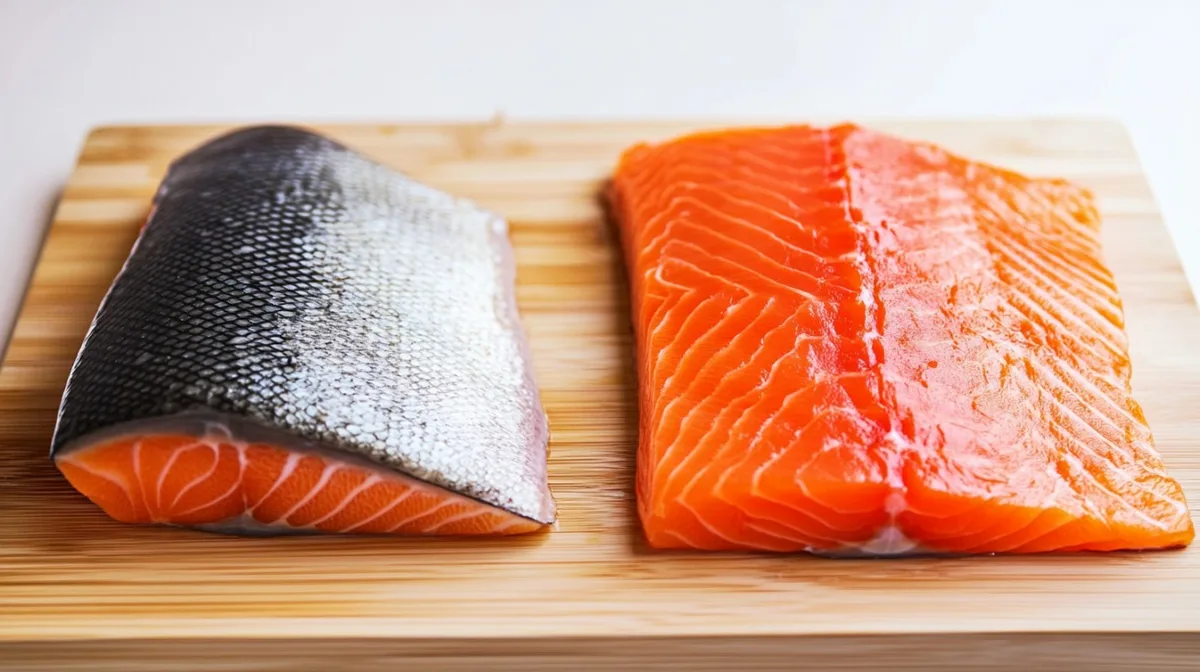
Image source: Bing (Web (fair-use with source credit))
If you accidentally buy rainbow trout instead of steelhead at the store, don't worry. They're the same species' freshwater form and cook identically. Just expect slightly smaller fillets, so shave a minute or two off the cook time.
How to Prep Steelhead Fillets Before Air Frying
Proper prep is the difference between a fillet that crisps beautifully and one that sticks, tears, and dries out. Spend 5 minutes on these steps and the actual cooking becomes almost foolproof.
Pat the fillets completely dry. This is the single most important prep step. Surface moisture is the enemy of crispy skin and a good exterior. Use paper towels and press firmly on both sides.
If the fillets are still damp, the air fryer will steam them instead of crisping them.
Check for pin bones. Run your fingers along the center of the fillet. Steelhead typically has a line of small pin bones near the thick end. Pull them out with clean tweezers or needle-nose pliers.
Missing this step means an unpleasant surprise mid-bite.
Coat lightly with oil. Brush or spray a thin layer of olive oil or avocado oil on both sides. The oil conducts heat evenly and helps the seasoning stick. Don't drown the fish.
A light mist from an oil sprayer is all you need.
Season simply. Salt, pepper, garlic powder, and a squeeze of lemon juice cover the basics. If you want more flavor, a thin layer of Dijon mustard before seasoning adds subtle tang and helps the spices cling. Let the seasoned fillets sit for 5 minutes while the air fryer preheats.
This brief rest helps the salt start drawing out surface moisture, which you can pat off again for even better crisping.
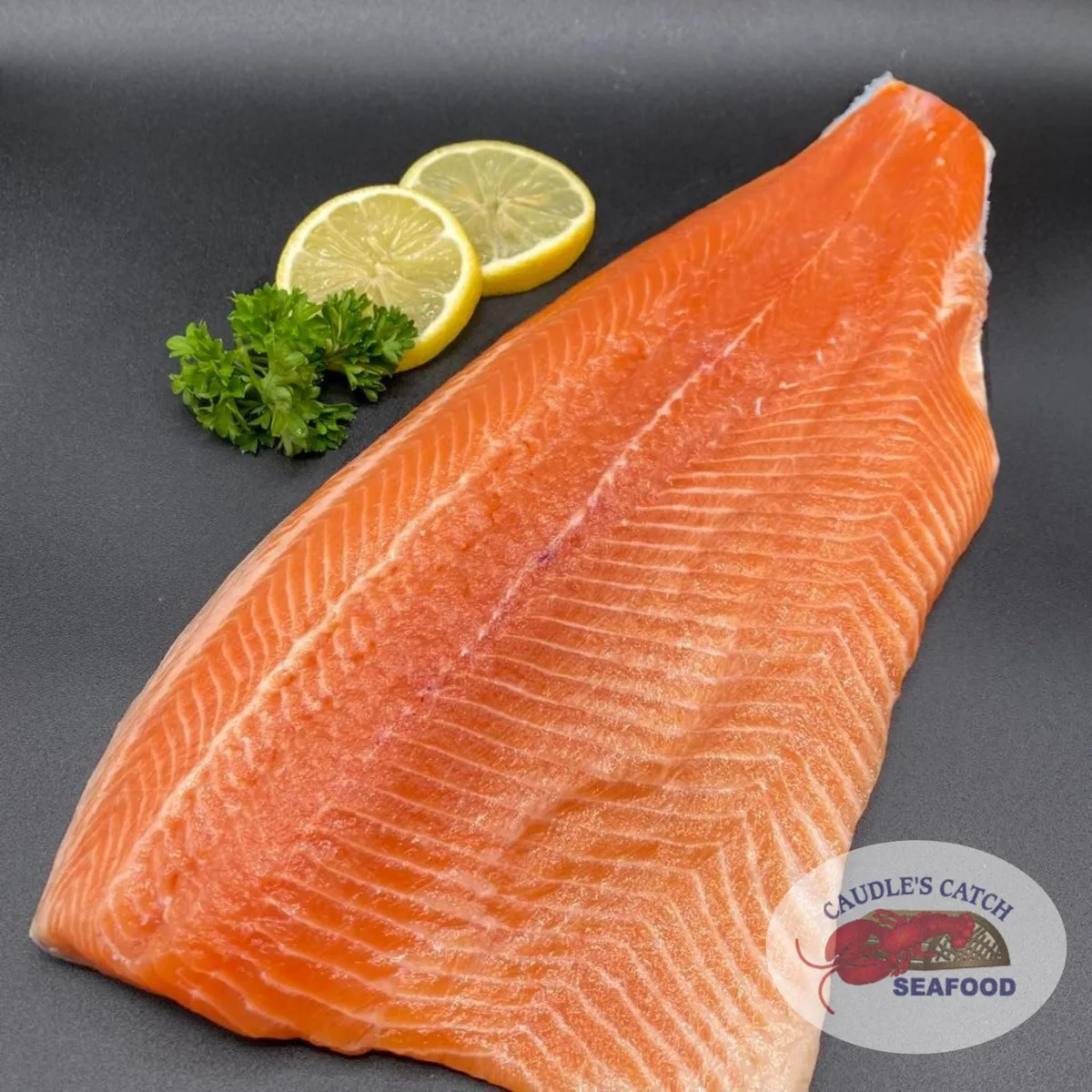
Image source: Bing (Web (fair-use with source credit))
One thing you don't need to do is marinate steelhead for hours. Its delicate flesh absorbs flavor quickly, and acidic marinades like citrus or vinegar can start cooking the surface if left on longer than 20 minutes. If you want a marinade, keep it oil-based and short.
If you're cooking for the family and want something kids will actually enjoy, check out our Kid Friendly Air Fryer Recipes for seasoning ideas that work across the board.
Step-by-Step: Air Fryer Steelhead Trout Recipe
This recipe works for 1 to 4 standard fillets. Scale the seasoning up accordingly and make sure the fillets sit in a single layer with space between them.
Ingredients:
- 2 steelhead trout fillets (6 oz each, skin-on or skinless)
- 1 tablespoon olive oil or avocado oil
- 1 teaspoon kosher salt
- 1/2 teaspoon black pepper
- 1/2 teaspoon garlic powder
- 1/2 teaspoon paprika (optional)
- 1 lemon, half for juice, half for slices
- Fresh dill or parsley for garnish (optional)
Equipment:
- Air fryer (basket or oven style, 3.5 qt or larger)
- Kitchen thermometer
- Oil sprayer or spray cooking oil
- Paper towels
- Parchment liner or perforated parchment (optional but helpful)
Steps:
Thaw if frozen. Submerge frozen fillets in cold water for 20 to 30 minutes until pliable. Pat extremely dry afterward. Cold water thawing is faster than the refrigerator and safe if you cook immediately after. Never use warm or hot water. It creates a breeding ground for bacteria on the outer layers while the center stays frozen.
Preheat the air fryer to 375°F. Most models take 2 to 3 minutes. If your unit has no preheat function, run it empty for 3 minutes at the target temperature. Preheating gives you a consistent cooking environment from the moment the fish goes in.
Prep the fillets. Pat dry. Remove pin bones. Brush both sides with oil. Season evenly with salt, pepper, garlic powder, and paprika. Squeeze lemon juice over the top and let sit 3 to 5 minutes.
Prep the basket. Lightly oil the air fryer basket or tray. For extra insurance against sticking, use a perforated parchment liner. Make sure the liner doesn't cover the entire bottom. Air still needs to circulate underneath.
Arrange fillets in a single layer. Place them skin-side down if skin-on. Leave at least 1/2 inch of space between fillets. Overcrowding blocks airflow and causes steaming, which defeats the entire purpose of using an air fryer.
Cook at 375°F. Set the timer for 8 minutes as a starting point. Don't flip skin-on fillets. Skinless fillets can be flipped at the halfway mark for more even browning on both sides.
Check the internal temperature. Insert a kitchen thermometer into the thickest part of the fillet. You're looking for 145°F. If it's not there yet, cook in 1-minute intervals. Fish goes from perfect to overcooked fast.
Rest 1 to 2 minutes. Let the fillets sit on a plate. The residual heat will carry the internal temperature up another 2 to 3 degrees, and the juices will redistribute instead of running out onto your plate.
Garnish and serve. Top with fresh herbs, a lemon wedge, or a drizzle of melted butter. Pair it with a simple side like roasted vegetables or rice.
Total time: 15 to 18 minutes including prep and preheat.
Serves: 2.
This method pairs well with quick side dishes that use similar timing. If you want to explore other fish preparations while the air fryer is out, our Air Fryer Tuna Recipes guide covers a protein with a very similar cook window.
How to Adjust Cook Time Based on Fillet Thickness
Fillet thickness is the variable that changes everything. Air fryer brands vary in wattage between 1,200W and 1,800W, so use thickness and internal temperature as your primary guides, not just the clock.
Here is a thickness-to-time guide for reference at 375°F:
| Fillet Thickness | Cook Time at 375°F | Notes |
|---|---|---|
| 1/2 inch (tail piece) | 6 to 8 minutes | Cooks fast. Check early to avoid drying. |
| 3/4 inch (standard fillet) | 9 to 11 minutes | Most common thickness. Reliable baseline. |
| 1 inch (thick center cut) | 11 to 14 minutes | Use lower temp (360°F) to prevent burnt exterior. |
| 1.5 inches (steak cut) | 13 to 16 minutes | Reduce to 360°F and consider flipping halfway. |
If you're working with a thinner tail section attached to a thicker center, tuck the tail under itself to create a more even thickness. This simple fold prevents the tail from turning to cardboard while the center finishes cooking.
High-wattage models at 1,700W and above tend to run about 1 minute faster at the upper end of the time range. Lower-wattage compact units may need the full time plus an extra minute. The thermometer never lies, so invest in an instant-read model if you cook fish regularly.
For oven-style air fryers with multiple racks, rotate the racks halfway through cooking. The bottom rack runs slightly cooler in most models. If cooking a full batch of four or more fillets, cook in two rounds for the best results.
Overcrowding is the fastest way to end up with steamed, unevenly cooked fish.
The same thickness principles apply if you're cooking other fish varieties. Our Grouper Recipes Air Fryer guide uses a very similar thickness-based timing method since grouper fillets come in comparable cuts.
Fresh vs. Frozen: How to Cook Steelhead Straight From the Freezer
You don't need to thaw steelhead fillets before air frying them. Cooking from frozen works fine as long as you add 3 to 4 minutes to the cook time and drop the temperature by 15°F. The lower starting temp prevents the outside from overcooking while the center thaws and comes up to temp.
The cold-water thawing method is still the best option if you have the time. Submerge sealed fillets in cold water for 20 to 30 minutes. Change the water once halfway through.
This gives you more even seasoning adhesion and a shorter cook time. Pat the fillets bone-dry after thawing. Any surface moisture left behind will steam instead of crisp.
If you're going straight from freezer to basket, skip the seasoning step until the fillets have been in the air fryer for about 3 minutes. Ice crystals on the surface will wash off dry spices. Pull the basket out quickly, season the now-thawed exterior, and return it to finish cooking.
It's an extra step, but the seasoning actually sticks this way.
NOAA Fisheries notes that properly frozen fish retains its quality well, so there's no nutritional penalty for cooking from frozen. The texture difference is minimal if you follow the adjusted timing. The key is not to rush it at high heat.
A gradual temperature rise through the fillet gives you the most even result.
Skin-On or Skin-Off: Which Works Better in an Air Fryer
Skin-on wins in the air fryer almost every time. The skin acts as a natural barrier that protects the delicate flesh from direct convection heat. It also crisps up beautifully at 375°F, giving you that satisfying contrast between a crunchy exterior and a moist interior.
Place skin-on fillets skin-side down in the basket. Don't flip them. The skin will release from the basket naturally once it's crisped, usually around the 6-minute mark.
If you try to flip too early, it will tear and stick. Patience here pays off.
Skinless fillets work too, but they need more attention. They cook about 1 minute faster and dry out quicker since there's no protective layer. Brush them generously with oil and consider a light coating of panko breadcrumbs for a faux-crisp exterior.
Flip them halfway through for even browning on both sides.
If your fillets came skin-on but you prefer skinless, cook them with the skin on and simply peel it away after cooking. It slides off easily once heated. You get the protection during cooking without having to eat the skin.
One tip from aggregate user reviews: if the skin isn't crisping to your liking, bump the temperature to 400°F for the final 2 minutes. Just watch it closely. That last burst of heat makes a noticeable difference.
How to Keep Steelhead Trout from Sticking to the Basket
Sticking is the most common complaint in air fryer fish cooking. It happens when the proteins in the fish bond to the metal surface of the basket under high heat. A few simple steps eliminate this almost entirely.
Oil the basket before adding the fillets. Not the fillets alone, the basket itself. Use a high-smoke-point oil like avocado or grapeseed.
Olive oil works too but can smoke at higher temps. Apply it with a silicone brush or a light spray. You want a thin, even coat, not puddles.
Perforated parchment liners are the best insurance policy. They let air circulate through the holes while creating a physical barrier between the fish and the metal. Cut them to fit your basket size.
Most air fryer brands sell pre-cut liners, or you can punch holes in standard parchment with a hole punch.
Don't move the fillets too early. The proteins need a few minutes to set and release naturally. If you try to lift a fillet at the 3-minute mark, it will tear.
Wait at least 5 minutes before checking. A thin fish spatula slides under cooked fish cleanly.
If sticking still happens, soak the basket in warm soapy water for 10 minutes after cooking. Never scrub a nonstick basket with abrasive pads. You'll damage the coating and make sticking worse over time.
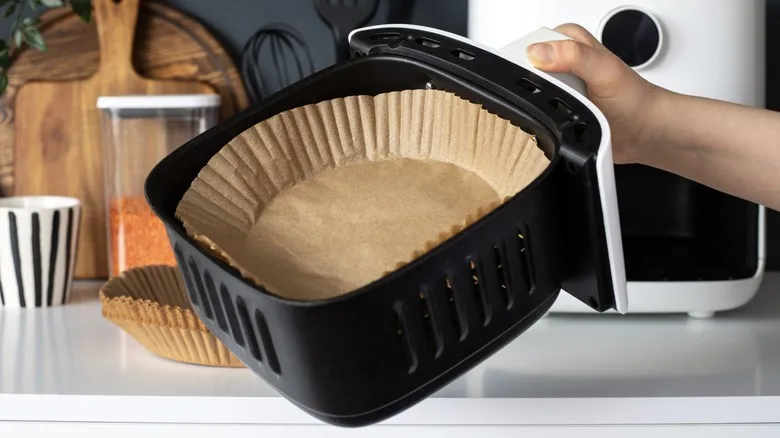
Image source: Bing (Web (fair-use with source credit))
How to Tell When Steelhead Is Done (Without Overcooking It)
Overcooked steelhead is dry, chalky, and falls apart into tiny flakes. The window between perfect and overdone is about 90 seconds in an air fryer. A kitchen thermometer is the only reliable way to nail it every time.
Insert the probe into the thickest part of the fillet at a slight angle. You're looking for 145°F, which is the FDA's recommended safe minimum internal temperature for fish. At this temp, the flesh is opaque, flakes easily with a fork, and still moist.
If you see 150°F or above, you've gone too far.
The fork-flake test works as a backup. Press a fork into the thickest part and gently twist. If the flesh separates into clean, slightly translucent layers, it's done.
If it resists or looks wet and glassy inside, give it another minute. If it crumbles into dry shreds, it's overcooked.
Visual cues help too. Raw steelhead flesh is translucent and glossy. Cooked steelhead is opaque and matte.
The color shifts from pink-cream to a soft, uniform white-pink throughout. If the edges look dried out and curled, the fillet has been in too long.
Carryover cooking adds 2 to 3 degrees after you pull the fish out. Factor that in. Pull fillets at 142°F to 143°F and let them rest for 2 minutes.
They'll land right at 145°F without overshooting.
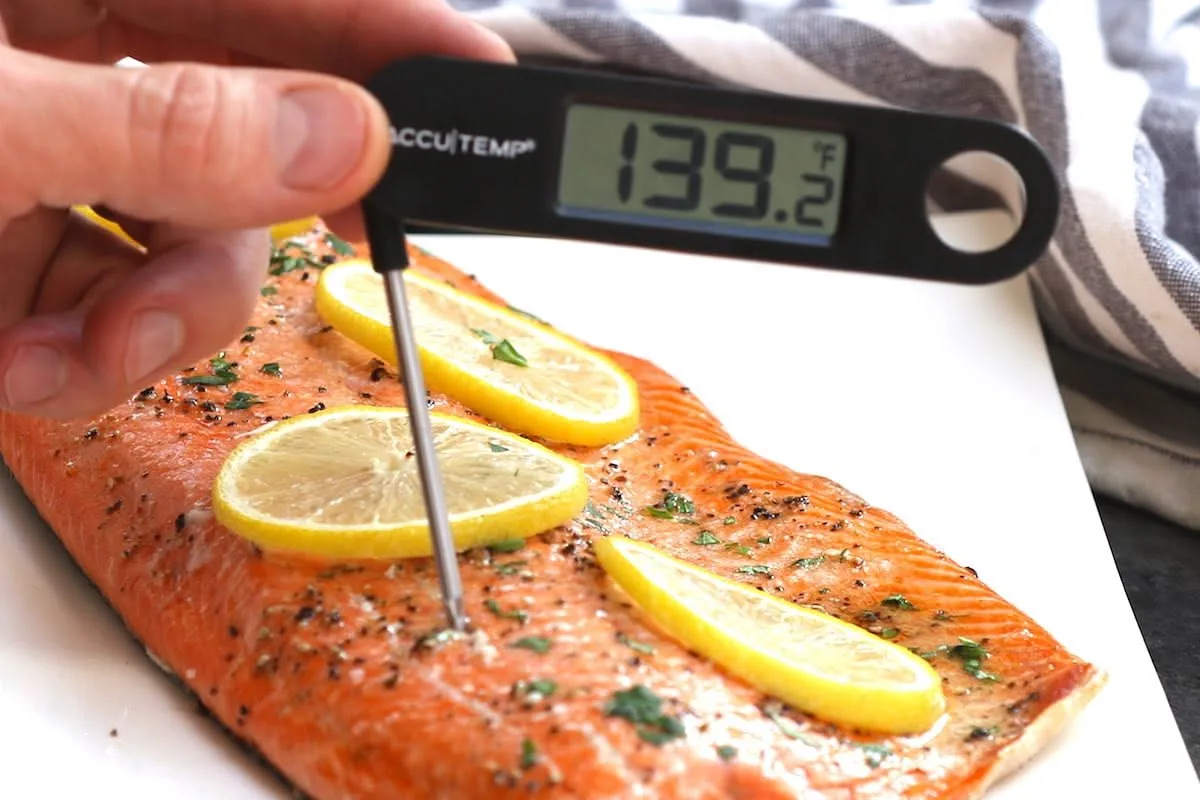
Image source: Bing (Web (fair-use with source credit))
Common Mistakes That Ruin Air Fryer Fish
The same errors come up again and again in user reviews and forum discussions. Avoid these and you'll already be ahead of most home cooks.
Skipping the preheat. A cold basket means the fish starts cooking in a low-heat environment. The exterior never crisps. The texture ends up rubbery.
Always preheat for at least 2 minutes.
Overcrowding the basket. Stacking fillets or packing them too close blocks airflow. The air fryer works by circulating hot air around the food. If air can't reach all surfaces, you get uneven cooking and steaming.
Cook in batches if needed.
Using too much oil. A light coat is all you need. Excess oil drips through the basket, creates smoke, and makes the fish greasy instead of crispy. An oil mister gives you the most control.
Setting the temperature too high. 425°F sounds faster, but it burns the outside before the center cooks. Stick to 375°F for most fillets. Only bump to 400°F for the final minute or two if you want extra crisp on skin-on cuts.
Not patting the fillets dry. Wet fish steams. Dry fish crisps. Take the extra 30 seconds with paper towels before seasoning.
Ignoring the thermometer. Guessing is how fish gets ruined. An instant-read thermometer costs under $15 and removes all uncertainty. It's the single best investment for air fryer cooking.
If you're new to air fryer cooking in general, our Air Fryer Steelhead Trout Recipes page has additional recipe variations that account for different seasoning preferences and side pairings.
Best Seasonings and Flavor Pairings for Steelhead Trout
Steelhead's mild, clean flavor is a blank canvas. You can go simple or bold without overwhelming the fish. These are the combinations that work best in the air fryer format, where high heat concentrates flavors quickly.
Lemon and garlic is the classic pairing for a reason. Fresh lemon juice, minced garlic, olive oil, and a pinch of salt bring out the natural butteriness of the fillet. Squeeze extra lemon over the top after cooking for brightness.
Dill and butter gives you a Scandinavian vibe. Brush the fillets with melted butter, scatter fresh dill, and finish with flaky sea salt. The butter browns slightly in the air fryer and adds a nutty richness that's hard to beat.
Paprika and cumin works if you want warmth and a little smoke. Mix sweet smoked paprika with ground cumin, garlic powder, and a touch of cayenne. Rub it on with oil and you've got a spice-crusted fillet with real character.
Ginger and soy takes it in an Asian direction. A light brush of soy sauce, grated fresh ginger, and a drizzle of sesame oil creates an umami-rich glaze. Add sesame seeds in the last 2 minutes for crunch.
Herb butter compound is the easiest upgrade. Mix softened butter with chopped parsley, chives, a little lemon zest, and salt. Dollop a tablespoon on top of each fillet when it comes out of the air fryer.
It melts into every crevice.
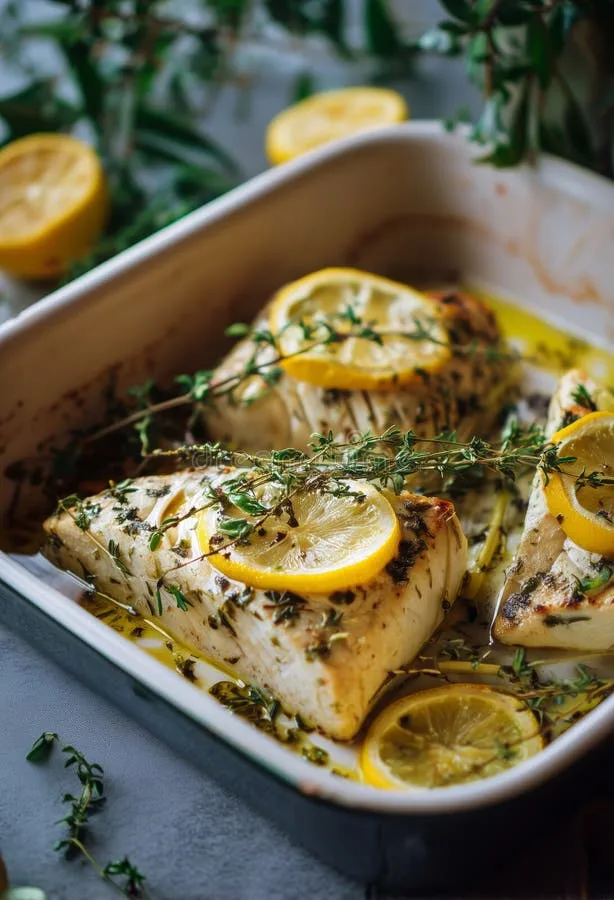
Image source: Bing (Web (fair-use with source credit))
Whatever you choose, keep the seasoning layer thin. Heavy spice rubs can burn at air fryer temperatures. A little restraint lets the fish itself stay the star.
Air Fryer Steelhead vs. Pan-Searing vs. Oven Baking
Each method has strengths. The difference comes down to convenience, texture, and how much attention you want to give the process.
| Method | Cook Time | Effort Level | Best For |
|---|---|---|---|
| Air fryer | 8 to 12 min | Low | Quick weeknight meals. Minimal cleanup. Crispy skin. |
| Pan-searing | 6 to 8 min | Medium | Restaurant-quality crust. Full browning control. |
| Oven baking | 15 to 20 min | Low | Cooking large batches. Hands-off approach. |
The air fryer wins on speed and consistency. The circulating hot air cooks the fillet evenly without you needing to monitor a stovetop. It also uses a fraction of the oil compared to pan-searing.
Pan-searing gives you the best crust if you have the skill and patience. A screaming-hot cast iron skillet with a thin layer of oil produces a golden, crispy exterior that's hard to replicate in any other appliance. But you need to watch it.
Walk away for 30 seconds and you've got a burnt fillet.
Oven baking is the set-it-and-forget-it option. It's ideal when you're cooking for four or more people since a sheet pan holds more fillets than any air fryer basket. The downside is longer cook time and less crisping.
The oven's still air doesn't create the same convection effect.
If you're comparing air fryer brands, check our guide on Is Instant Pot An Air Fryer to understand how combo appliances stack up against dedicated units. The airflow design matters more than most people realize.
How to Reheat Leftover Steelhead in the Air Fryer
Reheating fish sounds risky, but the air fryer actually does it better than a microwave. The microwave creates hot spots that rubberize the flesh. Gentle convection heat brings the fillet back to life without overcooking it further.
Set the air fryer to 300°F. Place the leftover fillet in the basket with a light mist of oil or a small pat of butter on top. Heat for 3 to 4 minutes until the internal temperature reaches 120°F to 130°F.
You're warming it, not cooking it again, so lower heat is key.
If the fillet looks dry after refrigeration, place a thin lemon slice or a few drops of water in the basket next to it. The added moisture creates a gentler environment and prevents the edges from crisping further.
Leftover air fryer steelhead keeps well for up to 3 days in the refrigerator stored in an airtight container. Per USDA FoodData Central, steelhead trout retains its nutritional value through reheating, including its omega-3 fatty acid content. It's one of the better fish for meal prep for exactly this reason.
You can also flake cold leftover steelhead over salads, toss it into pasta, or mix it into a quick fish cake. It doesn't have to be a straight reheat. Our Air Fryer Swai Fish Recipes guide has similar leftover ideas that work with any mild white fish.
Frequently Asked Questions
Can I cook steelhead trout in an air fryer without thawing it first?
Yes. Add 3 to 4 minutes to the cook time and reduce the temperature to 360°F. The lower heat gives the center time to thaw and cook through before the exterior overcooks.
Season after the first 3 minutes once surface ice has melted.
What temperature should I set my air fryer for steelhead trout?
375°F is the sweet spot for most fillets between 1/2 inch and 1 inch thick. Drop to 360°F for fillets over 1 inch. Bump to 400°F only for the final 1 to 2 minutes if you want extra crispy skin.
How do I know when steelhead trout is fully cooked?
The internal temperature should read 145°F at the thickest point. The flesh will be opaque and flake cleanly with a fork. If it still looks translucent in the center, give it another minute.
Does steelhead trout have a fishy taste?
Not compared to most fish. Steelhead has a mild, clean, slightly sweet flavor that's closer to trout than to stronger species like mackerel or sardines. Most people who dislike fishy flavors find steelhead very approachable.
Can I use this recipe for salmon or rainbow trout?
Yes, with minor adjustments. Salmon fillets are fattier and can handle 1 to 2 extra minutes. Rainbow trout fillets are usually thinner, so reduce cook time by 1 to 2 minutes.
The same 375°F baseline works for both.
What sides go well with air fryer steelhead trout?
Roasted asparagus, garlic rice, a simple green salad, or air fryer vegetables all pair well. Since the air fryer is already running, consider roasting vegetables at 400°F for 6 to 8 minutes in a second batch while the fish rests.