
Trying to find easy, healthy air fryer swai fish recipes can feel overwhelming with so many options. Fortunately, swai fish is a lean, mild white fish that cooks quickly and beautifully in the air fryer, offering a delicious, crispy meal with minimal fuss. You can achieve restaurant-quality results right in your kitchen, making weeknight dinners a breeze.
Many home cooks find that swai’s mildness makes it incredibly versatile, easily taking on different flavors and seasonings. A typical air fryer swai recipe can be ready in under 20 minutes, and the U.S. Food and Drug Administration (FDA) recommends cooking fish to an internal temperature of 145°F (63°C) for food safety and optimal texture.
Let's explore how to get perfect swai every time.
Quick Answer
Air fryer swai fish recipes deliver a quick, healthy meal. Pat swai fillets dry. Season or coat them.
Air fry at 375-400°F for 8-15 minutes. This method creates crispy fish with minimal oil.
Why Air Fryer Swai Fish Is a Smart Choice
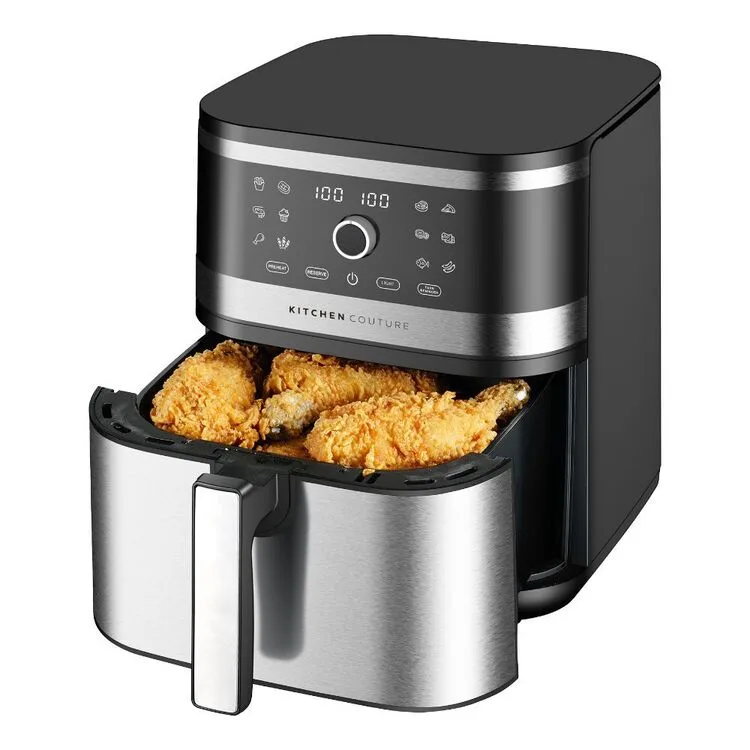
Choosing swai for your air fryer is a decision that pays off in speed, health, and taste. This mild white fish, often sold frozen, transforms into a delightful main course with a satisfyingly crispy exterior and tender, flaky interior. It’s a far healthier alternative to deep-frying, cutting down significantly on fat and calories while still delivering that craveable crunch.
Its neutral flavor also means it pairs exceptionally well with a wide variety of marinades and seasonings, making it a go-to for busy weeknights or when you want a tasty meal without a big effort.
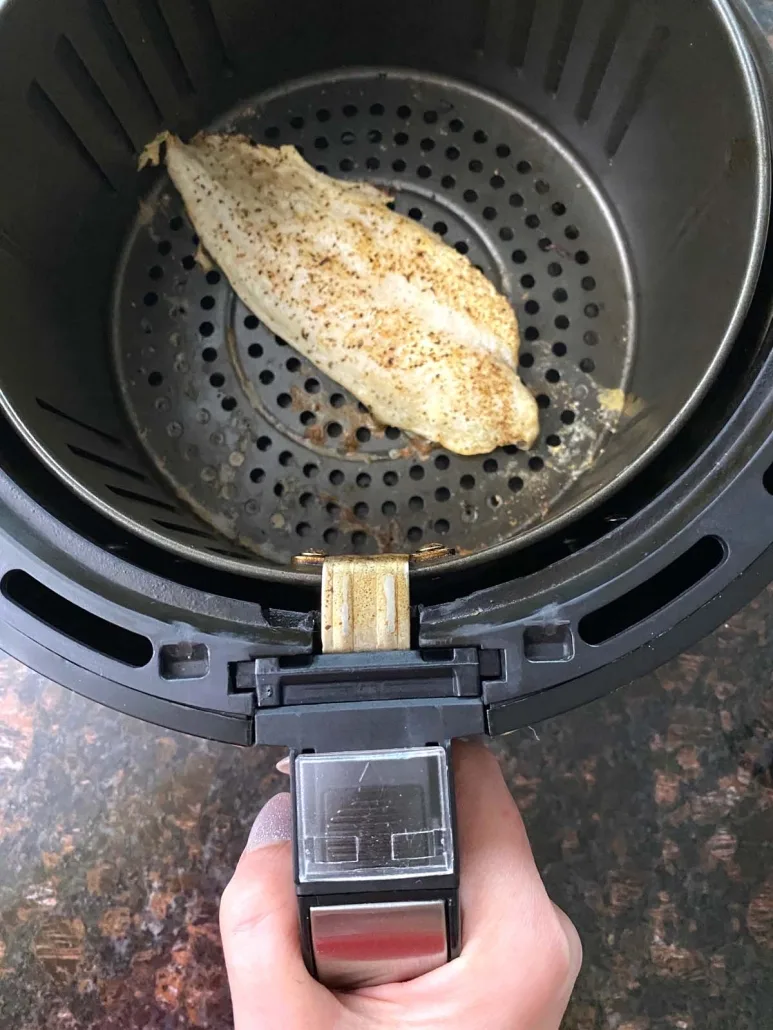
The convenience factor is huge. Using an air fryer means less active cooking time and substantially easier cleanup compared to traditional frying methods. Many recipes can be prepped and cooked in under 30 minutes.
For anyone looking to eat healthier without sacrificing flavor or texture, air fryer swai is a winner. It’s also a fantastic option for families, as its mild taste is usually a hit with kids.
Swai Fish 101: What You Need to Know for Air Frying
Understanding Swai: Texture and Flavor Profile
Swai, scientifically known as Pangasianodon hypophthalmus, is a type of catfish native to Southeast Asia. It's characterized by its very mild, slightly sweet flavor and a delicate, flaky texture. This mildness is one of its biggest selling points, as it means swai is a blank canvas for whatever flavors you want to introduce, whether it's a zesty lemon-herb marinade or a spicy Cajun rub.
Unlike some stronger-flavored fish, swai won't overpower other ingredients in a dish.
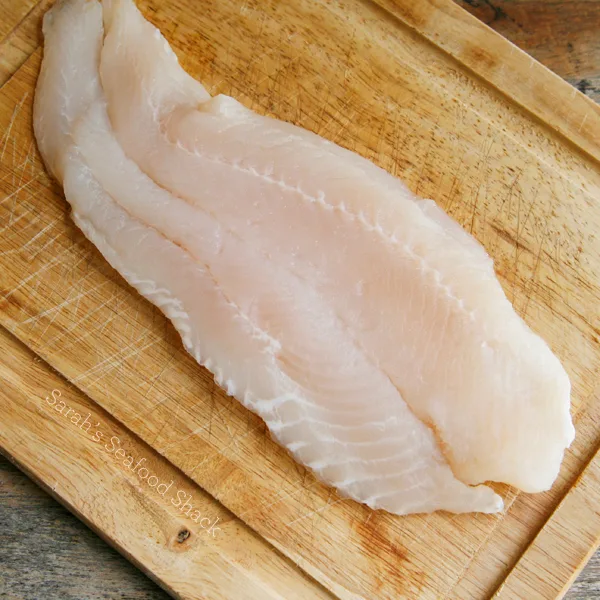
Its lean profile means it’s a healthy protein choice, offering a good amount of nutrients without excessive fat. However, this leanness also means it can dry out if overcooked, making precise cooking times crucial, especially in high-heat appliances like air fryers. Understanding its delicate nature is key to achieving perfectly cooked, moist, and flaky swai every time.
Frozen vs. Fresh Swai: Does It Matter for the Air Fryer?
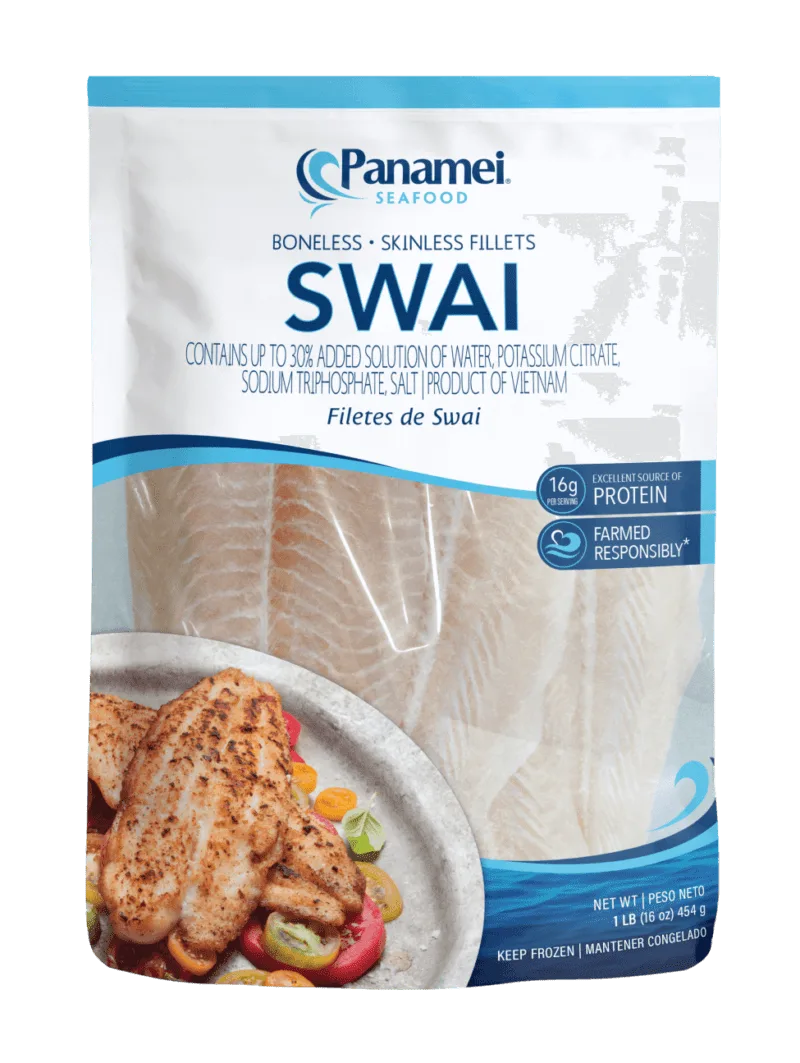
You'll most commonly find swai fish sold frozen, typically in individually sealed fillets. For air frying, frozen swai can work, but it requires a slightly different approach. It’s always best to thaw frozen fish completely before air frying to ensure even cooking.
You can do this by leaving it in the refrigerator overnight or by placing the sealed package in cold water for about 30 minutes. Attempting to cook swai directly from frozen can lead to uneven cooking, where the outside might burn before the inside is cooked through, or you might end up with a mushy texture.
However, if you're in a real hurry and have a resilient air fryer, some very thin, individually frozen fillets might cook directly, though results are less predictable. Ultimately, thawing ensures better texture and more consistent cooking outcomes, making your air fryer swai a guaranteed success. If your goal is speed and you're using a small air fryer, you might find helpful tips in articles about preparing snacks for parties.
Mastering the Air Fryer Swai Fish Recipe: Core Methods
When it comes to air frying swai, there are a few tried-and-true methods that yield fantastic results. Each approach offers a slightly different flavor and texture, allowing you to tailor your meal to your preference. The key is always managing moisture and ensuring proper cooking temperature to avoid drying out this delicate fish.
Understanding these core methods will set you up for success.
Option 1: Simple Seasoned Swai (Minimal Prep)
This is the quickest and most straightforward method. It's perfect for when you're short on time or want to highlight the natural flavor of the swai. You'll start by patting your thawed swai fillets completely dry with paper towels.
This step is critical for allowing the seasonings to adhere and for achieving any crispiness, even without a coating.
Then, you'll lightly brush or spray the fillets with a little olive oil or a cooking spray. This helps the seasonings stick and promotes browning. Generously season both sides with your favorite spice blend.
Think garlic powder, onion powder, paprika, salt, and pepper, or even a pre-made fish seasoning. Place the seasoned fillets in a single layer in your preheated air fryer basket and cook until flaky and opaque. This method truly shines when you pair it with a zesty side dish.
Option 2: Crispy Breaded Swai (Classic Texture)
For that irresistible crunch, a simple breading is your best bet. This method requires a little more prep but delivers a texture that’s hard to beat. Again, start by thoroughly patting your fish dry.
Set up a dredging station: one shallow dish with all-purpose flour (seasoned with salt and pepper), another with beaten eggs or a milk-and-egg mixture, and a third with your chosen breadcrumbs. Panko breadcrumbs are often preferred for their extra crispiness, but regular breadcrumbs or cornmeal also work well.
Dip each swai fillet first in the seasoned flour, shaking off any excess. Then, dip it into the egg wash, letting any excess drip off. Finally, coat it generously with breadcrumbs, pressing gently to help them adhere.
Place the breaded fillets in the air fryer basket without overcrowding and cook until golden brown and the fish is cooked through. Many find this breaded approach very family-friendly.
Option 3: Flavorful Marinated Swai (Deeper Taste)
Marinating adds a layer of depth to swai that simple seasoning can’t quite achieve. It's an excellent way to infuse flavor directly into the fish. The key here is to use a marinade that complements swai's mild profile, avoiding anything too acidic or strong that could break down the delicate flesh too quickly.
Common marinade ingredients include soy sauce, garlic, ginger, lime juice, honey or maple syrup, and herbs.
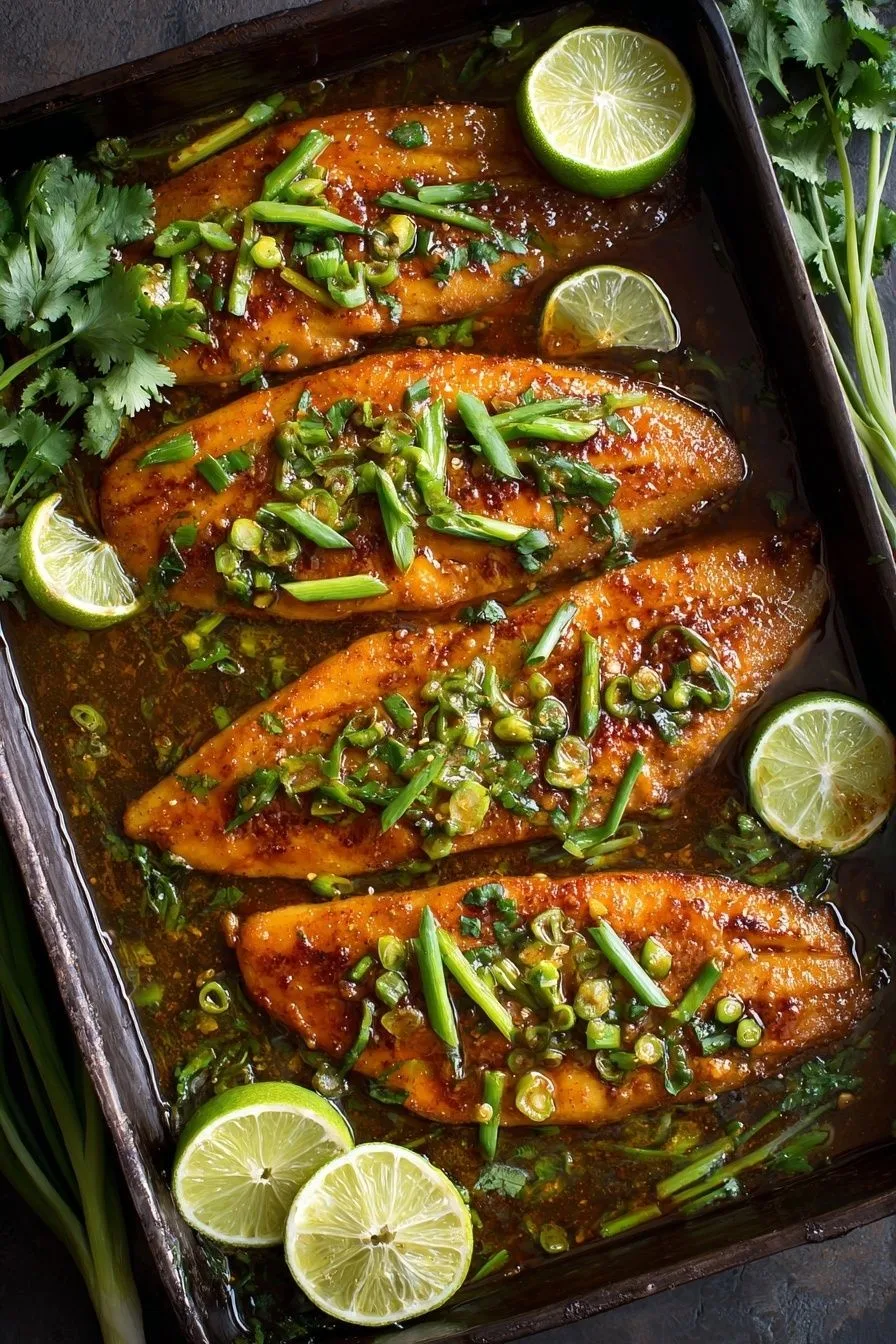
Place your thawed and patted-dry swai fillets in a resealable bag or shallow dish with your marinade. Let them marinate in the refrigerator for at least 15-30 minutes, but no longer than an hour for most marinades, to prevent the fish from becoming mushy. After marinating, remove the fish, let excess marinade drip off, and then proceed to air frying.
You can lightly brush with a little oil if the marinade didn't contain much fat, then cook until done. This is a fantastic method for weeknight meals if you have a little time for the marinade to work its magic.
Critical Steps for Perfect Air Fryer Swai Every Time
Achieving perfectly cooked swai in the air fryer isn't complicated, but a few critical steps make all the difference between a good meal and a great one. These aren't just suggestions; they're non-negotiable if you want flaky, moist fish with a delightful exterior. Focusing on these details ensures you avoid common pitfalls and get the best possible results from your appliance.
Prep Work: Patting Dry is Non-Negotiable
This might sound simple, but it's arguably the most important step for getting crispy swai. Swai, like most fish, releases moisture during cooking. If you don't thoroughly pat it dry with paper towels before seasoning or breading, that surface moisture will steam the fish instead of allowing it to crisp up.
Think of it like trying to fry something wet, it just gets soggy.
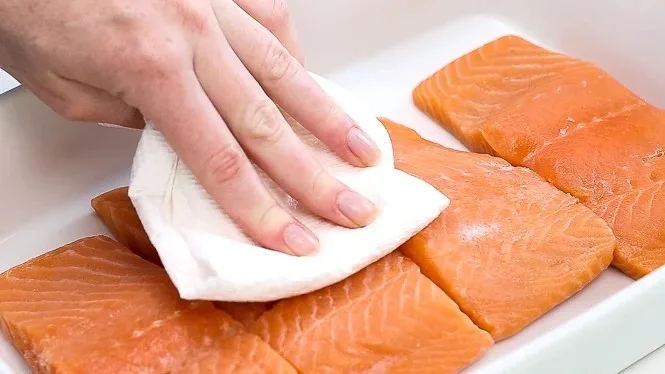
Take your thawed swai fillets and gently press them with paper towels on all sides. You want to remove as much surface moisture as possible. This enhanced dryness allows seasonings to adhere better and provides the surface needed for coatings like breadcrumbs to become truly crisp in the air fryer.
It also helps create a better crust, even if you’re just using oil and spices.
Coating Techniques for Maximum Crispiness
Once your swai is patted dry, the coating is what gives it that satisfying crunch. A good breading system typically involves three steps: flour, egg wash, and breadcrumbs. The flour layer helps the egg adhere, and the egg wash acts as the glue for the breadcrumbs.
For the crispiest results, use panko breadcrumbs. Panko are Japanese-style breadcrumbs that are lighter and crunchier than traditional breadcrumbs because they're made from white bread with the crust removed and are air-dried.
If you're going for a seasoned approach without breadcrumbs, lightly brushing the fish with oil and then pressing your spices firmly onto the surface can create a nice outer layer. Another tip for crispiness is to ensure your air fryer is properly preheated. This jump-starts the cooking process, giving the exterior a chance to crisp up immediately.
You’ll want to make sure your air fryer is suitable for the amount you’re cooking, perhaps like those found in guides for larger air fryer capacities.
Air Fryer Settings: Temperature and Time Guide
Getting the cooking temperature and time right is crucial for swai. For most air fryer swai recipes, a temperature between 375°F (190°C) and 400°F (200°C) is ideal. This high heat is what creates the crispy exterior quickly.
The actual cooking time will vary depending on the thickness of your swai fillets and the specific model of your air fryer, but a general guideline is 8 to 15 minutes.
Thinner fillets, like those often found in pre-portioned frozen packs, might cook closer to the 8-10 minute mark. Thicker fillets could take up to 15 minutes. It’s always best to start checking for doneness around the 8-minute mark.
You’ll want to flip the fish halfway through the cooking time to ensure even browning and cooking on both sides. This is a common step in many air fryer recipes, such as preparing arancini.
When is Swai Cooked? Checking for Doneness
The most reliable way to know if your swai is perfectly cooked is to check its internal temperature. Using an instant-read thermometer inserted into the thickest part of the fillet, you're looking for a temperature of 145°F (63°C), as recommended by the U.S. Food and Drug Administration (FDA).
Fish that has reached this temperature should be opaque throughout and flake easily when gently pressed with a fork.
If you don't have a thermometer, you can test by gently inserting a fork into the thickest part of a fillet and twisting it slightly. If the flesh separates into characteristic flakes, it’s done. If it still looks translucent or feels mushy, give it another few minutes in the air fryer and check again.
Overcooking is the quickest way to turn tender swai into dry, disappointing fish.
Common Air Fryer Swai Fish Mistakes (And How to Fix Them)
Even with the best intentions, a few common errors can turn perfectly good swai fish into a disappointing meal. The most frequent issue is overcooking, which happens quickly given swai's delicate texture and the air fryer's intense heat. Another pitfall is forgetting the crucial step of patting the fish dry, leading to a lack of crispiness.
These mistakes are easily avoidable with a little knowledge.
Understanding these common traps helps you adjust your approach. For instance, if your fish tends to stick, it's often a sign of overcrowding the basket or not using enough oil. By recognizing these signs, you can refine your technique for consistently delicious results.
For those who enjoy home cooking with various appliances, learning about how devices like the Instant Pot performs as an air fryer can offer additional insights into cooking methods.
Avoiding Overcooking: The Biggest Pitfall
Swai fish is lean and cooks fast, so overcooking is the number one enemy of moist, flaky fish. It can go from perfectly cooked to dry and rubbery in a matter of minutes. This is particularly true if you're using thinner fillets or have set your air fryer too high for too long.
Many home cooks, eager to ensure it's cooked through, push the cook time a bit too far.
The solution lies in observation and using the right tools. Start checking your swai a few minutes before the recipe suggests and rely on visual cues or an instant-read thermometer. Aiming for that 145°F (63°C) internal temperature is your best bet for perfect doneness.
If you're unsure, it's always better to pull it out slightly early and let residual heat finish the job, rather than continuing to cook it into oblivion.
Preventing Soggy Fish or Coating
A soggy exterior is a classic air fryer fail, and it usually comes down to two main culprits: insufficient drying of the fish, or excess moisture introduced by the cooking environment. As we've discussed, thoroughly patting the fish dry is paramount. If you skip this, the water on the surface will fight against crisping up.
Another factor can be overcrowding the air fryer basket. When too many pieces of fish are crammed in, they steam more than they fry, trapping moisture. Ensure there's enough space for air to circulate freely around each piece.
If you’re making a larger batch, consider using your air fryer in stages or using a larger model, like those suitable for family meals. A light spritz of oil before cooking can also aid in crisping up breaded coatings.
Dealing with Uneven Thickness
Swai fillets aren't always uniform in thickness, which can lead to uneven cooking. Some parts might be perfectly flaky while thicker portions remain undercooked, or vice-versa if they're cut unevenly. This is a challenge with many types of fish, including swai.
The best strategy is to either trim thicker pieces so they're more uniform in size or adjust cooking time based on the thickest part. You can use an instant-read thermometer to check multiple spots. If you find your fillets are consistently uneven, you might consider cutting them into smaller, more uniform portions before cooking.
This ensures everything cooks at the same rate, leading to more consistent results.
Comparing Swai Air Fryer Coatings and Seasonings
The beauty of air fryer swai lies in its adaptability to different flavor profiles, and the coating or seasoning you choose plays a huge role in the final dish. You can go for a simple, healthy approach or a more decadent, crispy breaded version. Each option offers a unique sensory experience, and knowing the differences can help you decide what's best for your meal.
When comparing, consider your desired texture and flavor. Are you after a subtle herb-infused fish, or do you crave that satisfying crunch of fried chicken coating? The choice of coating can also influence cooking time slightly, as breadcrumbs often take a bit longer to achieve golden-brown crispiness compared to just spices.
Breadcrumbs vs. Panko vs. Cornmeal
When you decide to bread your swai, the type of breadcrumb you use makes a significant difference in texture. Traditional breadcrumbs, made from dried and ground bread, offer a familiar coating. However, for superior crispiness, panko breadcrumbs are highly recommended.
Panko, originating from Japan and made from white bread with the crust removed, are larger, airier flakes that result in a lighter, crispier coating when cooked.
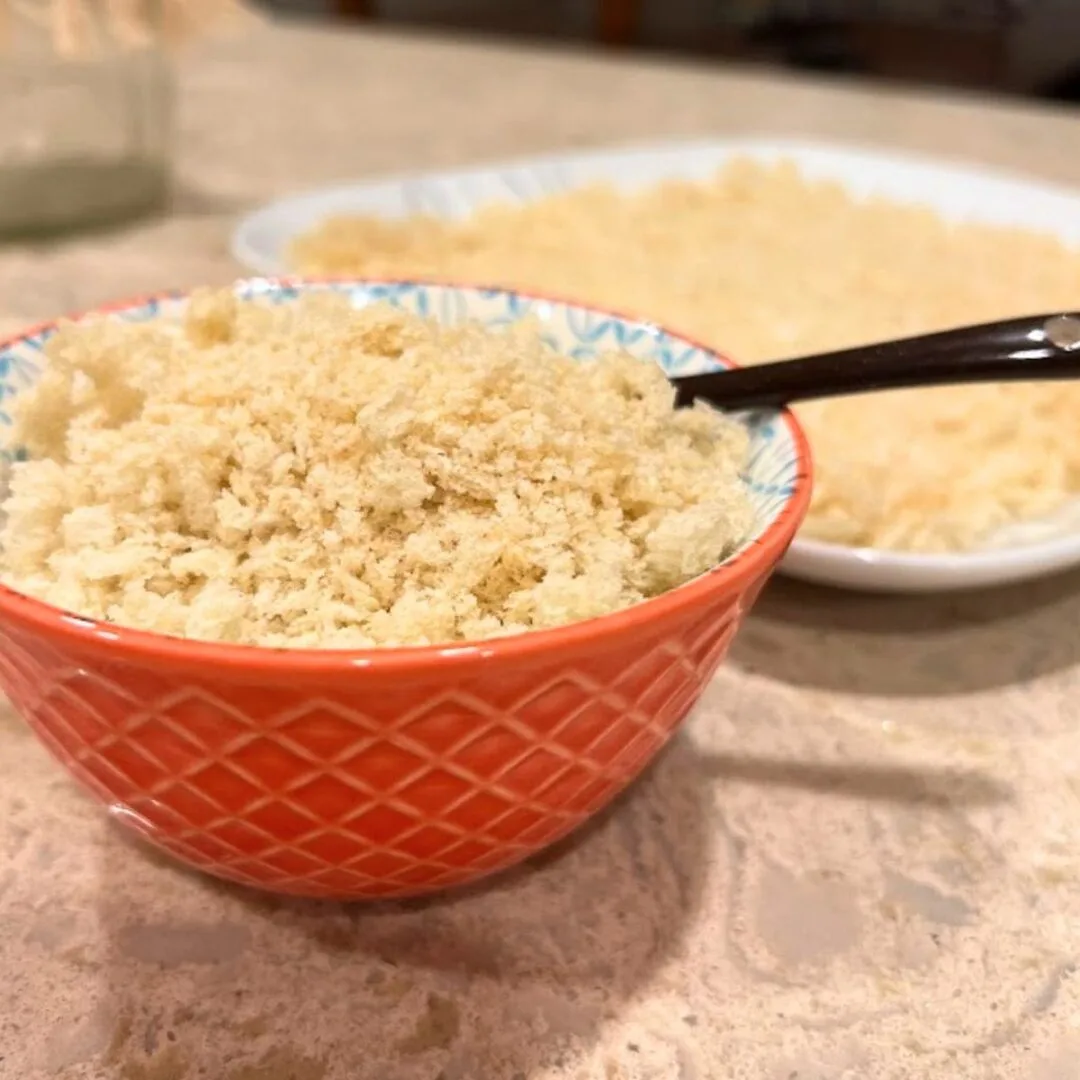
Cornmeal offers a different kind of crunch, with a slightly grainy texture and a mild, nutty flavor that pairs well with certain seasonings. It can be used alone or in combination with flour for a delightfully rustic coating. If you're looking for something akin to Southern-style fried fish, a mix of cornmeal and flour can be excellent.
For a simpler approach, skip the breading altogether and focus on robust spice blends.
Popular Seasoning Blends to Try
Beyond breading, a well-chosen seasoning blend can transform swai into something truly special. The mildness of swai makes it an excellent vehicle for absorbing strong flavors. For a taste of the American South, a Cajun or Creole seasoning blend is fantastic, offering a savory, slightly spicy kick.
These blends often contain paprika, cayenne pepper, garlic powder, onion powder, oregano, and thyme.
If you prefer something lighter and brighter, a lemon-herb blend is always a winner. Combine dried or fresh herbs like parsley, dill, chives, and rosemary with lemon zest and a bit of garlic powder. A garlic-parmesan coating, made by mixing grated Parmesan cheese with garlic powder, salt, and pepper, provides a savory, umami-rich crust.
Don't be afraid to experiment with your own favorite spice combinations; the goal is to complement, not overpower, the delicate fish.
Quick Pairing Ideas for Your Air Fried Swai
Once your air fryer swai is perfectly cooked, the next step is to decide what to serve it with. The mild flavor and flaky texture of swai make it incredibly versatile, pairing well with a wide range of sides, from fresh salads to hearty grains. The goal is to create a balanced meal where the sides complement the main dish without overwhelming it.
Consider the preparation method of your swai as well. A simple seasoned fish might pair well with a bright, fresh salsa, while a breaded version could stand up to a creamy coleslaw. Many of the sides you might prepare for other proteins will work wonderfully with swai.
If you're looking for appliance inspiration, checking out how an 8-quart air fryer can handle family meals might give you ideas for larger sides.
Healthy Sides That Complement Swai
For a light and healthy meal, focus on fresh vegetables and whole grains. Steamed or roasted broccoli, asparagus, or green beans are classic pairings that provide fiber and nutrients without adding heavy calories. A simple side salad with a vinaigrette dressing is another excellent choice, offering a refreshing contrast to the warm, crispy fish.
Quinoa, brown rice, or even a light cauliflower rice pilaf can serve as wholesome bases for your swai. If you're aiming for a low-carb meal, grilled zucchini, bell peppers, or a crisp cucumber salad are refreshing options. Try serving your swai over a bed of mixed greens with a light citrus dressing for a complete and healthy dish.
Kid-Friendly Serving Suggestions
Getting picky eaters to enjoy fish can sometimes be a challenge, but swai's mild flavor makes it a great starting point. The crispy breaded version is often a hit, as it mimics the texture of more familiar "fried" foods. Serve it with classic kid-pleasers like sweet potato fries (also great in the air fryer!), mac and cheese, or apple slices.
Cut the cooked swai into bite-sized pieces or "fish sticks" after cooking, making them easier for small hands to manage. A simple dipping sauce like ketchup, tartar sauce, or even a mild honey mustard can encourage enjoyment. For a fun meal, consider a "build-your-own-taco" night using shredded air fryer swai, soft tortillas, and kid-friendly toppings like shredded lettuce, cheese, and mild salsa.
Food Safety for Air Fryer Swai
Ensuring your swai fish is safe to eat is paramount, and it comes down to proper handling and cooking to the correct internal temperature. Like all seafood, swai can harbor bacteria if not handled or cooked properly. Following basic food safety guidelines will protect you and your family from foodborne illnesses.
The most critical factor for fish safety is reaching an adequate internal temperature. This kills any harmful bacteria that might be present. Always remember to practice good hygiene throughout the preparation process to prevent cross-contamination, especially when working with raw fish.
Internal Temperature Matters (145°F)
The U.S. Food and Drug Administration (FDA) clearly states that fish should be cooked to an internal temperature of 145°F (63°C) to ensure it is safe to consume. This temperature effectively kills harmful bacteria, such as Listeria, which can be present in raw or undercooked seafood.
When using an instant-read thermometer, insert it into the thickest part of the swai fillet to get the most accurate reading.
If you don't have a thermometer, you can test for doneness by appearance and texture. Properly cooked swai will be opaque and should flake easily when gently tested with a fork, indicating the proteins have denatured and are cooked through. If the fish still appears translucent, or if the flesh doesn't separate easily, it needs more cooking time.
Always err on the side of slightly overcooking rather than undercooking when it comes to food safety.
Handling Raw Fish Safely
When you’re prepping your swai, whether it’s thawed from frozen or fresh, it’s essential to practice safe food handling. This means keeping raw fish cold and preventing its juices from contaminating other foods or surfaces. Ideally, thaw fish in the refrigerator overnight to maintain a safe, cold temperature.
If you need to thaw it faster, use the cold-water method, ensuring the fish remains sealed in its packaging.
After handling raw fish, always wash your hands thoroughly with soap and warm water for at least 20 seconds. It’s also vital to clean and sanitize any surfaces, cutting boards, and utensils that came into contact with the raw fish. This prevents cross-contamination, which can spread bacteria to ready-to-eat foods.
For instance, if your cutting board was used for raw swai, it should be washed and sanitized before being used for vegetables or other ingredients.