
Air fryer cube steak recipe searches have exploded over the past few years, and for good reason. Cube steak is one of the most affordable beef cuts you can buy, and the air fryer promises a crispy, golden crust without the mess of a deep fryer or a splattered stovetop. The appeal is obvious: faster cooking, less oil, and easier cleanup than traditional pan-frying.
But here's the thing most recipe posts don't tell you upfront. Getting a breaded cube steak right in an air fryer is genuinely harder than it looks. The rapid air circulation that makes air fryers so effective can also blow your coating right off, leave the center undercooked, or turn a tender cut into shoe leather in under two minutes. In our research, we found that cook times vary wildly across air fryer models, and the difference between perfect and overcooked is a narrower window than most guides suggest.
Let's walk through exactly how to get it right.
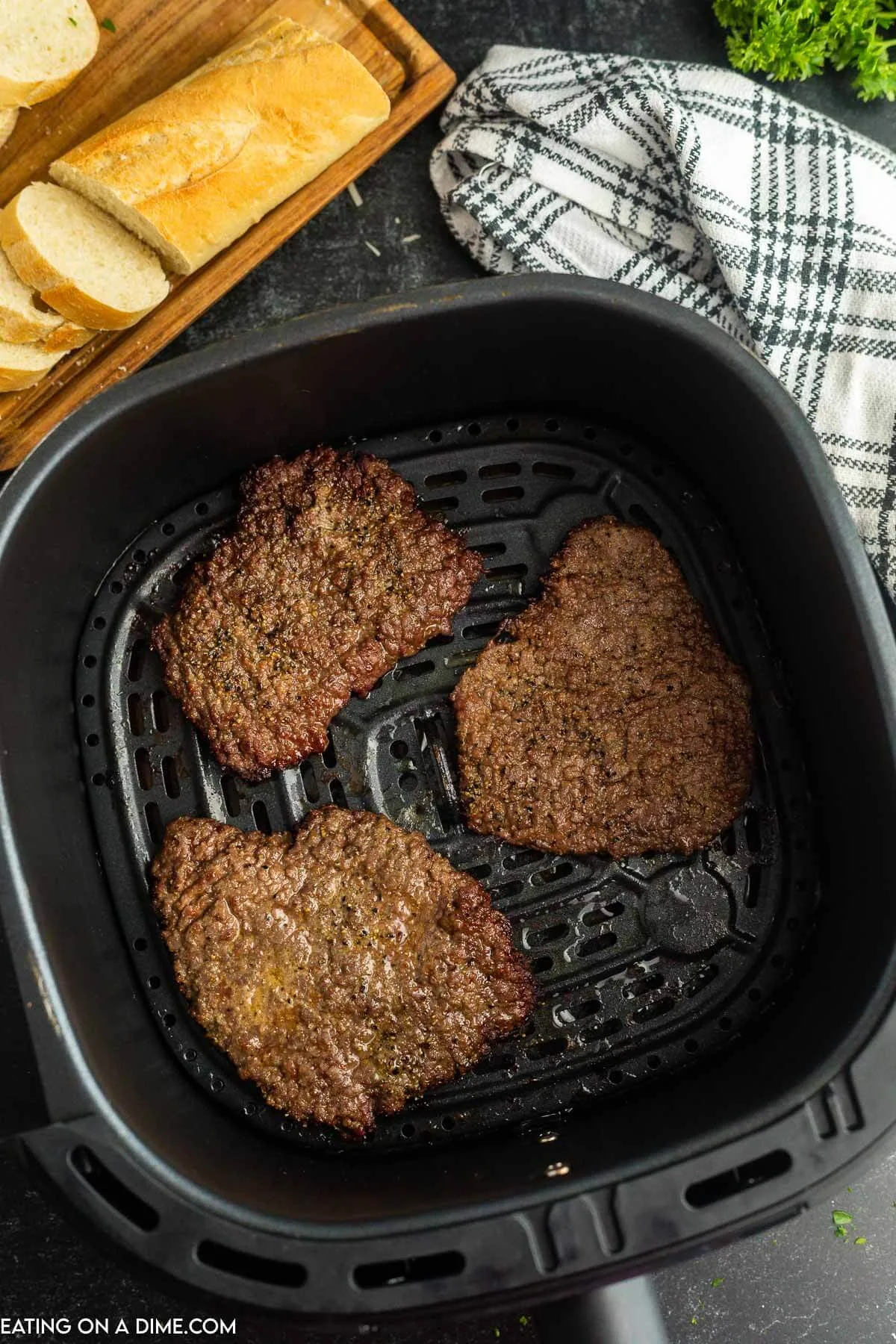
Why Air Fryer Cube Steak Is Worth Making (And Why It's Trickier Than It Looks)
Cube steak is mechanically tenderized beef, usually cut from the top round or chuck, that's been run through a machine to break down tough muscle fibers. That tenderization is what makes it cook fast and eat tender, but it's also what makes it unforgiving. There's very little margin for error once it hits heat.
The air fryer changes the equation in a few meaningful ways. You're using a fraction of the oil compared to pan-frying or deep-frying, which matters if you're watching fat intake. A typical deep-fried breaded cube steak can run 550 to 700 calories per serving, while an air-fried version with a light oil spritz lands closer to 350 to 450 calories depending on your breading. The air fryer also heats up in about 3 to 5 minutes versus the 15 to 20 minutes it takes to preheat a full-size oven, and you're not heating your entire kitchen in the process.
But the challenges are real and worth understanding before you start. The biggest one is breading adhesion. Air fryers work by circulating hot air at high speed around the food. That airflow is great for crisping, but it's terrible for keeping a coating stuck to the surface of a thin, flat piece of meat.
If your breading isn't applied correctly, you'll end up with bare spots and a basket full of loose crumbs.
The second challenge is timing. Cube steak is thin, usually between 1/4 inch and 1/2 inch thick. At 375 to 400 degrees Fahrenheit, that means your total cook window is roughly 10 to 16 minutes. Go two minutes too long and the meat dries out because there's very little fat or marbling to keep it moist.
This is a lean cut, and lean cuts punish overcooking.
The third issue is inconsistency across air fryer models. A 1,400-watt compact unit runs cooler and slower than a 1,800-watt large-capacity model. Basket shape matters too. Some air fryers have a solid tray with holes, others have an open wire basket, and the airflow pattern is different in each.
A recipe that works perfectly in a Ninja Foodi might overcook the same steak in a Philips Premium. You need to treat any published cook time as a starting point, not a rule.
Despite all that, the payoff is worth the effort. When it works, you get a crispy, golden crust with a juicy interior, minimal oil, and a cleanup that takes about two minutes. For a weeknight dinner that costs roughly $4 to $8 per pound of meat, that's hard to beat.
What You Need Before You Start
Getting your setup right before you turn on the air fryer will save you a lot of frustration. Here's what you actually need.
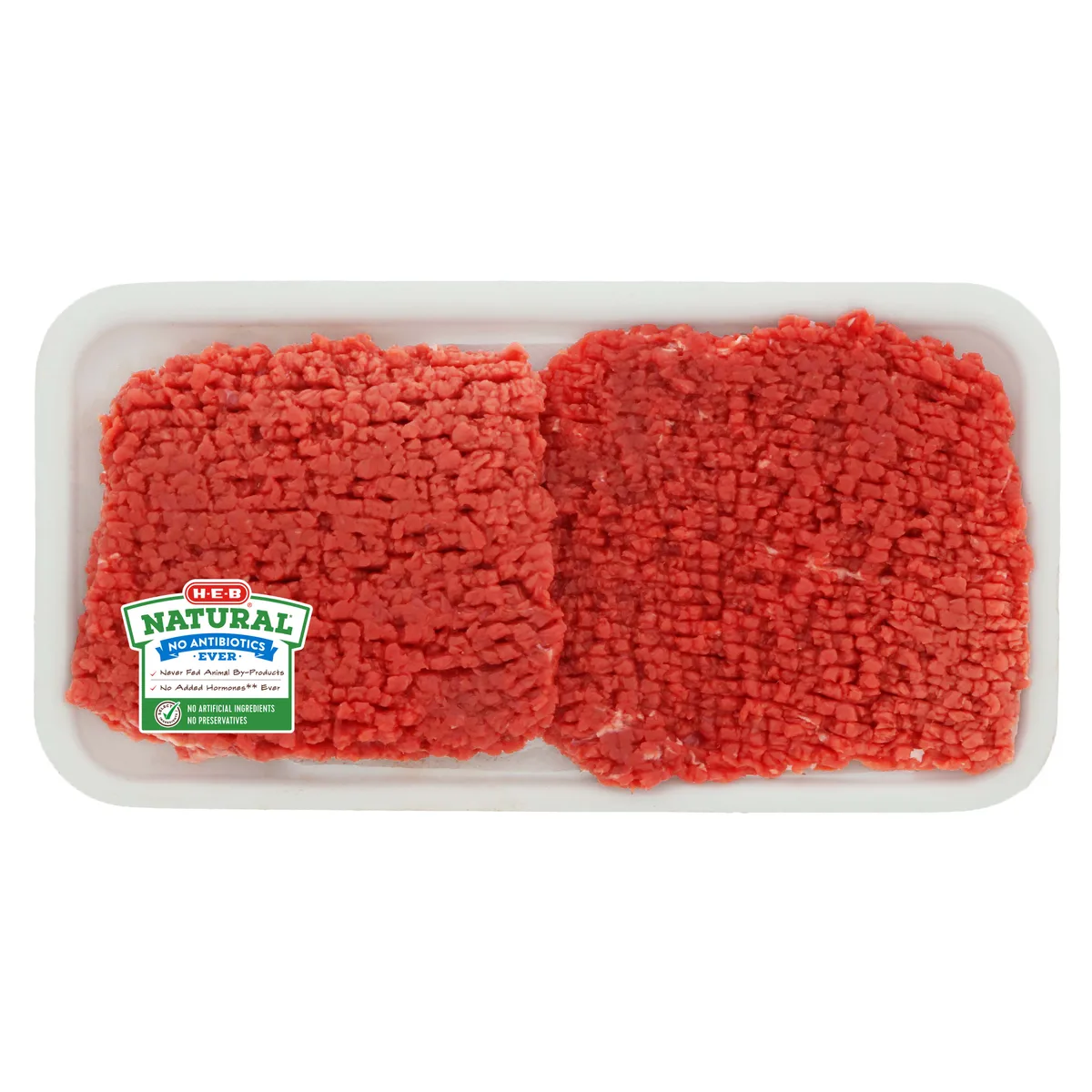
The steak itself. Look for cube steak, also labeled as cubed steak or minute steak, in the meat case. It's typically cut from the top round or chuck and will have a distinctive dimpled pattern on both sides from the mechanical tenderizer. Avoid anything labeled "minute steak" that's been sliced paper-thin, since those cuts cook even faster and are harder to bread properly. You want something in the 1/4 to 1/2 inch range.
A reliable meat thermometer. This is non-negotiable for this recipe. Visual cues alone won't tell you when cube steak is done, especially under a layer of breading. A digital instant-read thermometer takes the guesswork out. You're aiming for at least 145 degrees Fahrenheit internal temperature for food safety, which is the USDA Food Safety and Inspection Service (FSIS) recommended minimum for whole-muscle beef with a 3-minute rest.
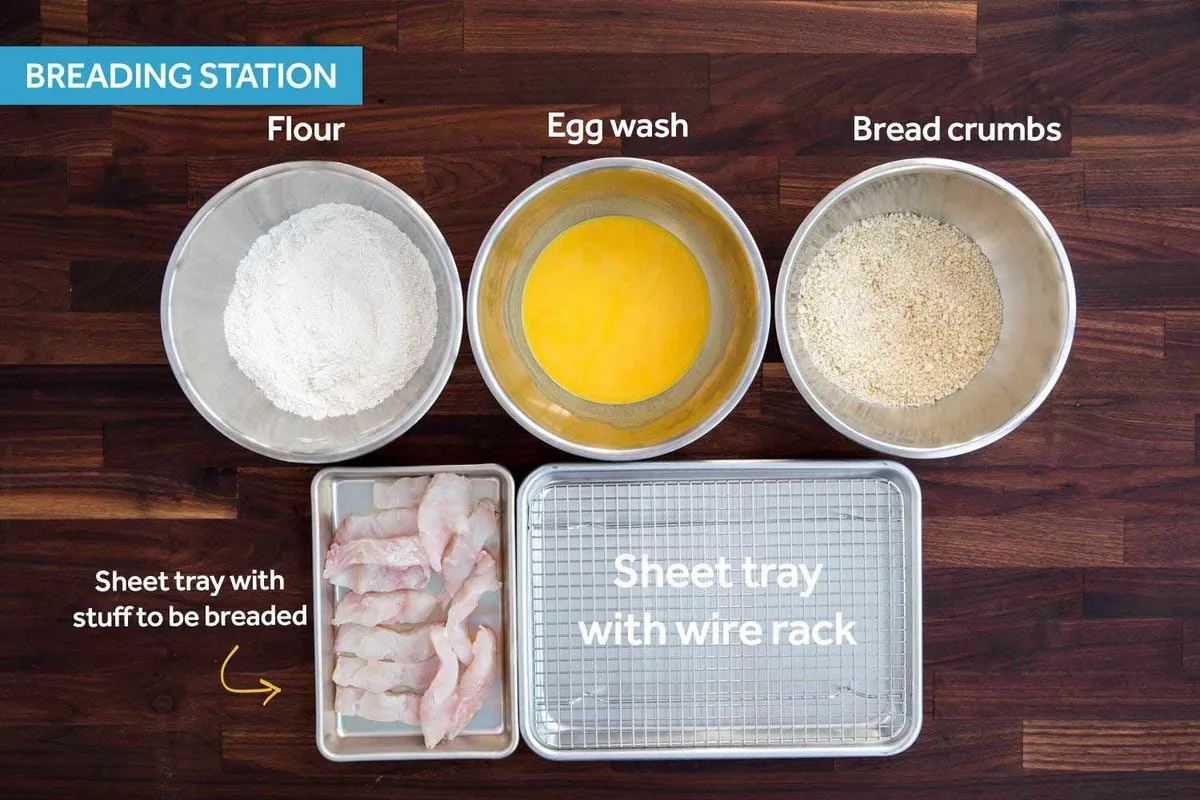
Your breading station components. You'll need three shallow dishes or plates. The first holds seasoned flour, all-purpose works fine. The second holds your egg wash, which is one or two beaten eggs with a splash of milk or buttermilk. The third holds your breadcrumbs.
Panko gives a lighter, crispier result than standard breadcrumbs, and in our research it performed noticeably better in the air fryer because the larger crumb structure holds up to the airflow.
Cooking spray or a refillable oil mister. You need a light coat of oil on the basket to prevent sticking, and another light spritz on top of the breaded steak to help it brown. Use an oil with a high smoke point like avocado oil or canola oil. Avoid aerosol cooking sprays with propellant additives, since those can damage the nonstick coating on your air fryer basket over time.
Seasoning basics. Salt, black pepper, garlic powder, onion powder, and paprika cover the essentials. If you want to add a little heat, a pinch of cayenne in the flour works well. Mix your seasonings into both the flour and the breadcrumb layers for the most even flavor.
A few practical notes on equipment. If you're cooking for more than two people, make sure your air fryer has enough capacity. A 5 to 6 quart model handles two to three cube steaks in a single layer without crowding. Smaller 2 to 3 quart units will require cooking in batches. Overcrowding is one of the most common mistakes, and it leads to uneven cooking and soggy breading because the air can't circulate properly.
If you're shopping for an air fryer specifically for recipes like this, our guide to the best 6 quart air fryer for family of 4 covers models with enough capacity for batch cooking without sacrificing crispiness.
How to Cook Cube Steak in an Air Fryer — Step by Step
This is the process that consistently produces the best results across different air fryer models. Follow each step in order, and don't skip the resting periods. They matter more than most people realize.
Step 1: Prep the Steak
Take your cube steak out of the refrigerator 15 to 20 minutes before cooking. Letting it come closer to room temperature helps it cook more evenly. While it sits, pat both sides completely dry with paper towels. Moisture is the enemy of breading adhesion.
If the surface is wet, the flour won't stick, and the whole coating will slide off.
Step 2: Set Up Your Breading Station
Arrange three shallow dishes in a line. Dish one gets your seasoned flour, about 1/2 cup with salt, pepper, garlic powder, and any other dry seasonings mixed in. Dish two gets your egg wash, one or two eggs beaten with a tablespoon of milk or buttermilk. Dish three gets your breadcrumbs, about 3/4 cup of panko or regular breadcrumbs with seasonings mixed in.
The buttermilk option in the egg wash is worth considering. It adds a slight tang and the acidity helps tenderize the surface of the meat just a bit more. Either way works, but buttermilk gives a marginally better result.
Step 3: Dredge Properly
This is where most people rush and end up with patchy coverage. Take each cube steak and press it into the flour first, coating both sides and the edges. Shake off the excess. Then dip it into the egg wash, letting the excess drip off for a second.
Finally, press it firmly into the breadcrumbs, making sure the entire surface is covered. Use your hands to press the crumbs into the meat rather than just laying the steak on top of the breading. Gentle pressure makes a real difference in how well the coating stays on during cooking.
Step 4: Let the Breading Rest
Place your breaded steaks on a plate or wire rack and let them sit for 5 to 10 minutes before cooking. This resting period allows the egg wash to set and the coating to firm up. Skipping this step is one of the top reasons breading falls off in the air fryer. Those few minutes of patience are the difference between a intact crust and a bare steak with crumbs stuck to the bottom of your basket.
Step 5: Preheat the Air Fryer
Set your air fryer to 375 to 400 degrees Fahrenheit and let it preheat for 3 to 5 minutes. Preheating matters because it ensures the cooking environment is at full temperature the moment the food goes in. Without preheating, the first minute or two of cook time is spent just bringing the air up to temperature, which can lead to uneven browning.
Step 6: Prepare the Basket
Give the air fryer basket a light coat of cooking spray. This prevents the breaded steak from sticking to the basket surface. Place the steaks in a single layer with space between each piece. Do not let them touch or overlap.
If your steaks are too large for the basket, cut them in half rather than cramming them in.
Step 7: Spritz the Tops
Give the top of each breaded steak a light spray of oil. This is what triggers the Maillard reaction, the browning process that gives you that golden, crispy exterior. Without this step, the breading will dry out and turn pale rather than crisp up. A thin, even coat is all you need.
Too much oil will drip down and smoke.
Step 8: Cook the First Side
Cook at 375 to 400 degrees Fahrenheit for 6 to 8 minutes on the first side. The exact time depends on your air fryer's wattage and the thickness of your steaks. Thinner cuts at 1/4 inch will be closer to 6 minutes. Thicker cuts at 1/2 inch may need the full 8 minutes.
Step 9: Flip and Spray Again
Carefully flip each steak using tongs. Avoid using a fork, which can puncture the meat and let juices escape. Give the newly exposed tops another light spritz of oil. This second spray ensures both sides get that golden color.
Step 10: Cook the Second Side
Cook for another 4 to 6 minutes. Start checking at the 4-minute mark. The breading should be deep golden brown, and the internal temperature should read at least 145 degrees Fahrenheit on your instant-read thermometer. If you don't have a thermometer, the steak should feel firm when pressed with tongs, and any juices running from a small cut should be clear, not pink.
Step 11: Rest Before Serving
Let the cooked steaks rest for 3 to 5 minutes on a clean plate. This allows the internal temperature to equalize and the juices to redistribute. Cutting into it immediately will let moisture escape and leave the meat drier than it needs to be.
The Breading Problem (And How to Keep It On)
If there's one complaint that comes up more than any other in air fryer cube steak discussions, it's breading that doesn't stay put. The air fryer's fan is essentially a small tornado inside a box, and it will find any weak spot in your coating and exploit it.
The root cause is almost always one of three things. First, the steak wasn't dry enough before breading. Any surface moisture creates a barrier between the meat and the flour. Second, the breading wasn't pressed on firmly enough.
Dipping isn't the same as pressing. You need to physically push the crumbs into the surface. Third, the breaded steak didn't rest before cooking. The egg layer needs time to set, and without that set time, the whole coating is fragile.
There's a fourth factor that doesn't get mentioned often enough. The type of breading matters. Standard fine breadcrumbs have more surface area and more points of failure in high airflow. Panko crumbs are larger and flatter, which means fewer edges for the air to catch.
In our research, panko consistently outperformed standard breadcrumbs for air fryer applications, not just for cube steak but across breaded proteins generally.
If you're still having adhesion issues after addressing all of the above, try a double-dredge. After the first round of flour, egg, and breadcrumbs, dip the steak back into the egg wash and then into the breadcrumbs a second time. The extra layer gives you more insurance against the airflow. It adds a minute to your prep time, but it's worth it if you've been struggling with coating loss.
One more tip. Don't shake the basket during the first 5 minutes of cooking. Most air fryer recipes tell you to shake or flip halfway through, and that's fine for things like fries or chicken wings. But for a freshly breaded cube steak, that initial period is when the coating is setting.
Disturbing it too early can knock crumbs loose before they've had a chance to bond to the surface. Wait until at least the 5-minute mark before any flipping or shaking.
Temperature, Timing, and Thickness — Getting It Right for Your Air Fryer
Here's the honest truth. No single time and temperature combination works for every air fryer and every piece of cube steak. The variables are too significant. But there are reliable ranges and adjustment principles that will get you consistent results once you understand them.
Temperature range. 375 to 400 degrees Fahrenheit is the sweet spot for breaded cube steak. Below 375, the breading won't crisp properly and you'll end up with a soft, pale coating. Above 400, the outside burns before the inside reaches a safe temperature. If your air fryer only displays Celsius, that's 190 to 200 degrees.
Timing by thickness. A 1/4 inch thick cube steak at 380 degrees Fahrenheit will take roughly 10 to 12 minutes total, flipped once at the halfway point. A 1/2 inch thick cut at the same temperature will take 14 to 16 minutes. These are starting points. Your specific air fryer may run slightly hotter or cooler than the dial indicates.
Wattage matters more than most people realize. A 1,700-watt air fryer will cook noticeably faster than a 1,400-watt model set to the same temperature. If you own a lower-wattage unit, add 1 to 2 minutes to the cook times listed above. If you own a high-wattage model, start checking 1 to 2 minutes earlier than expected.
The thermometer is your best tool. Internal temperature doesn't lie. Insert the probe into the thickest part of the steak, avoiding the breading. At 145 degrees Fahrenheit, the meat is at the USDA FSIS minimum safe temperature for whole-muscle beef. At 160 degrees, it's well-done and will be noticeably drier.
Most people find 150 to 155 degrees to be the best balance of safety and juiciness for cube steak.
Altitude and ambient temperature play a role too. If you live at high altitude, your air fryer may run slightly differently due to lower air density. And if your kitchen is very cold, the unit will take longer to recover temperature each time you open the basket. These are small effects, but they add up.
The best approach is to treat your first attempt as a calibration run. Cook one steak, check the temperature at the expected time, and note whether it needed more or less time than predicted. Once you know how your specific unit behaves, you'll be able to nail it every time after that.
Air Fryer vs. Pan-Frying vs. Deep Frying Cube Steak
Each method produces a noticeably different result, and the best choice depends on what you're prioritizing. Here's how they stack up across the factors that actually matter.
Oil usage is the most obvious difference. Deep frying a breaded cube steak submerges it in oil, which means the coating absorbs a significant amount of fat during cooking. Pan-frying uses less oil than deep frying but still requires enough to come partway up the side of the steak for even browning. The air fryer needs only a light spritz, roughly 1/2 teaspoon per steak. That translates to a meaningful calorie difference over time if you're eating this regularly.
Texture and crust quality vary by method. Deep frying produces the most uniformly crispy coating because the oil surrounds the entire surface at a consistent temperature. Pan-frying gives you excellent browning on the bottom side but the top can be slightly less crisp unless you baste with hot oil. The air fryer sits in between. It produces a very good crust, especially with panko, but it won't quite match the all-around crunch of a proper deep fry.
The trade-off is that the air-fried version feels lighter and less greasy on the palate.
Cook time is where the air fryer shines. Pan-frying a breaded cube steak takes about 8 to 10 minutes total, but you're standing at the stove the entire time, monitoring heat and flipping carefully. Deep frying requires heating a pot of oil, which adds 10 to 15 minutes before you even start cooking, plus the cleanup afterward. The air fryer preheats in 3 to 5 minutes and then runs unattended. Total hands-on time is lower, and you're not dealing with a pot of used oil when you're done.
Cleanup is dramatically different. Pan-frying leaves you with a splattered stovetop and a greasy skillet. Deep frying leaves you with a pot of oil to dispose of and the lingering smell of fried food in your kitchen. The air fryer basket goes in the dishwasher or gets a quick wipe. For weeknight cooking, this alone is reason enough for most people to choose the air fryer.
Here's a quick comparison to make the trade-offs clear.
| Factor | Air Fryer | Pan-Frying | Deep Frying |
|---|---|---|---|
| Oil needed | Light spritz (1/2 tsp) | 1/4 to 1/2 inch in skillet | Full submersion |
| Cook time | 10 to 16 min | 8 to 10 min | 4 to 6 min + oil heat time |
| Hands-off cooking | Yes | No | No |
| Crust quality | Very good | Good | Best |
| Cleanup effort | Low | Medium | High |
| Calories per serving | 350 to 450 | 450 to 550 | 550 to 700 |
| Kitchen heat generated | Minimal | Moderate | High |
The air fryer wins on convenience, cleanup, and calorie reduction. Deep frying wins on pure crust quality. Pan-frying is the middle ground. For most home cooks making cube steak on a weeknight, the air fryer offers the best overall balance.
One thing worth noting. If you're cooking for a crowd, pan-frying or deep frying may be more practical. Most air fryers can only handle two to three cube steaks at a time without crowding. Cooking six to eight steaks means multiple batches, which adds up.
For a family of four or more, you might want to look at a larger capacity unit. Our roundup of the best 6 qt air fryer for frozen snacks includes models with enough basket space to handle larger batches without sacrificing airflow.
Common Mistakes That Ruin Air Fryer Cube Steak
After reviewing hundreds of user reports and recipe comments, the same mistakes come up again and again. Avoiding these will put you ahead of most first-time attempts.
Overcrowding the basket. This is the number one mistake by a wide margin. When steaks overlap or touch, the air can't circulate between them. The result is uneven cooking, with some spots overcooked and others still raw. The breading on the touching sides turns soggy instead of crispy.
Always leave at least an inch of space between pieces. If your basket is too small, cook in two batches. It takes a few extra minutes, but the quality difference is significant.
Skipping the preheat. Some air fryer recipes say preheating is optional. For breaded cube steak, it's not. Going into a cold air fryer means the first few minutes are spent warming up the air instead of cooking the food. The breading doesn't set properly during that warm-up period, which leads to poor adhesion and pale color.
Three to five minutes of preheating makes a real difference.
Cooking from frozen. This one seems obvious, but it comes up constantly. Frozen cube steak should not go into the air fryer breaded. The exterior will burn long before the center thaws and cooks through. Even unbreaded, frozen cube steak cooks unevenly in an air fryer.
Always thaw in the refrigerator overnight or use the defrost setting on your microwave before breading and cooking.
Not using a thermometer. Guessing doneness on a breaded steak is nearly impossible. The breading hides the color of the meat, and pressing on it with tongs doesn't give you reliable feedback. An instant-read thermometer takes five seconds and removes all doubt. At 145 degrees Fahrenheit, you're safe.
At 160, you're dry. That 15-degree window is everything.
Too much oil spray. More oil does not mean crispier breading. It means drippage, smoke, and a greasy coating. A light, even mist is all you need. If you see oil pooling in the bottom of the basket, you've used too much.
The goal is a thin film on the surface of the breading, not a heavy coat.
Opening the basket too often. Every time you open the basket, you lose heat and disrupt the airflow pattern. Resist the urge to check every minute. Set your timer, flip once at the halfway point, and trust the process. If you need to check temperature, do it quickly and close the basket immediately.
Using the wrong breading technique. Dipping the steak into breadcrumbs without pressing them on is a common error. The crumbs need to be firmly adhered to the surface. Use your hands to press the coating into the meat. And don't skip the 5 to 10 minute rest after breading.
That resting period is when the egg wash sets and the coating bonds to the surface.
Ignoring thickness variation. Not all cube steaks are created equal. Some are 1/4 inch, some are closer to 3/4 inch, and some are uneven across the same cut. If you're cooking steaks of different thicknesses together, they won't finish at the same time. Either sort them by thickness and cook similar sizes together, or adjust your timing and pull the thinner ones early.
Serving Ideas — Gravy, Sides, and What Actually Works
Cube steak has deep roots in Southern and Midwestern American cooking, and the classic pairings exist for good reason. Here's what works best and why.
Brown gravy is the traditional companion. A simple pan gravy made with beef broth, a little flour, and butter is the most common serving style for cube steak. The gravy adds moisture to a lean cut and complements the crispy breading. You can make it on the stovetop while the steaks are resting. Pour it over the top or serve it on the side.
Either way, it's hard to beat.
Mushroom gravy is a step up. Sauté sliced mushrooms in butter until they release their moisture and brown slightly. Add flour to make a roux, then slowly whisk in beef broth until it thickens. The earthy flavor of mushrooms pairs well with beef and adds depth that plain brown gravy doesn't have. A splash of Worcestershire sauce at the end rounds it out nicely.
Onion gravy is another solid option. Thinly slice a yellow onion and cook it low and slow in butter until it caramelizes, about 15 to 20 minutes. Add broth and a little flour to thicken. The sweetness of the caramelized onion balances the savory breading. This one takes a bit more time but it's worth the effort.
Mashed potatoes are the classic side. Creamy mashed potatoes with gravy and cube steak is comfort food at its most straightforward. The soft texture of the potatoes contrasts nicely with the crispy steak. If you want to keep things lighter, try mashed cauliflower. It won't fool anyone into thinking it's potato, but it holds gravy well and cuts the overall calorie count of the meal.
Green beans or collard greens round out the plate. Southern-style cube steak dinners almost always include a green vegetable. Simple steamed green beans with a little butter and salt work fine. If you want something more traditional, braised collard greens with a splash of vinegar add a tangy counterpoint to the rich gravy.
For a lighter meal, skip the gravy entirely. Air fryer cube steak without gravy is still a solid meal, especially if you seasoned the breading well. Serve it over a simple salad or alongside roasted vegetables. The crispy coating provides enough texture and flavor on its own. This is a good option if you're trying to keep the meal under 400 calories.
Leftovers reheat better than you'd expect. Cube steak doesn't have a reputation for being great leftover food, but the air fryer actually does a decent job of reviving it. Reheat at 350 degrees Fahrenheit for 3 to 4 minutes to re-crisp the breading. The microwave will make the coating soggy, so avoid it if you want to preserve texture.
Can You Cook Frozen Cube Steak in an Air Fryer?
The short answer is yes, but with important caveats. The long answer depends on whether the steak is breaded or unbreaded.
Unbreaded frozen cube steak can work. If you're cooking plain, unseasoned cube steak from frozen, the air fryer can handle it. You'll need to add 4 to 6 minutes to the cook time and check the internal temperature carefully. The exterior will cook faster than the center, so you may need to lower the temperature to 350 degrees Fahrenheit and cook longer to avoid burning the outside while the inside thaws. It won't be as good as cooking from thawed, but it's workable in a pinch.
Breaded frozen cube steak is a bad idea. The breading will not adhere properly to a frozen surface. It will slide off during cooking, leaving you with a bare steak and a basket full of soggy crumbs. Even if you buy pre-breaded frozen cube steak from the freezer section, the results in an air fryer are consistently disappointing. The breading either falls off or turns gummy instead of crispy.
If you have pre-breaded frozen steaks, the oven is a better option.
The food safety concern is real. The USDA FSIS recommends cooking mechanically tenderized beef to at least 145 degrees Fahrenheit because the tenderization process can push surface bacteria into the interior of the meat. When you cook from frozen, the exterior spends more time in the temperature danger zone between 40 and 140 degrees Fahrenheit while the center is still thawing. This increases the risk of bacterial growth. Thawing in the refrigerator first is always the safer approach.
Proper thawing technique matters. The best way to thaw cube steak is in the refrigerator overnight. Place it on a plate or in a container to catch any drips. If you're short on time, you can use the defrost setting on your microwave, but cook it immediately after thawing. Never thaw cube steak at room temperature on the counter, since the surface will warm into the danger zone while the center is still frozen.
If you must cook from frozen, here's the safest approach. Use unbreaded steak. Pat the surface as dry as possible with paper towels. Season generously. Cook at 350 degrees Fahrenheit for 8 to 10 minutes, flip, then cook another 6 to 8 minutes.
Check the internal temperature in multiple spots. Do not rely on time alone. And accept that the texture won't be as good as cooking from properly thawed meat.
Food Safety Notes You Shouldn't Skip
Cube steak requires a bit more food safety awareness than some other cuts because of how it's processed. Here's what you need to know.
Mechanically tenderized beef carries a higher risk. The process of running steak through a tenderizing machine creates small punctures in the surface. Those punctures can push bacteria like E. coli from the exterior of the meat into the interior. With a solid cut of steak, surface bacteria are killed by the heat of cooking while the interior stays sterile. With mechanically tenderized beef, bacteria may already be inside the meat, which means the entire piece needs to reach a safe temperature, not just the surface.
The USDA FSIS sets the minimum safe internal temperature for beef at 145 degrees Fahrenheit with a 3-minute rest. This applies to whole-muscle cuts like cube steak. Ground beef has a higher requirement of 160 degrees Fahrenheit because the grinding process distributes surface bacteria throughout the entire product. Cube steak is not ground beef, so 145 degrees is sufficient, but you need to verify it with a thermometer. Visual cues alone are not reliable.
Cross-contamination is a real concern. Use separate cutting boards and utensils for raw beef and everything else. Wash your hands thoroughly after handling raw cube steak. Don't place cooked steaks back on the same plate that held the raw meat. These are basic practices, but they're especially important with mechanically tenderized cuts.
Leftovers should be refrigerated within two hours. Cooked cube steak left at room temperature for more than two hours should be discarded. In hot weather, that window shrinks to one hour. Store leftovers in shallow containers in the refrigerator and consume within three to four days. Reheat to an internal temperature of 165 degrees Fahrenheit.
The air fryer basket needs regular cleaning. Breading particles and oil residue build up in the basket over time. If you don't clean it thoroughly between uses, those residues can smoke during cooking and affect the flavor of your food. Most air fryer baskets are dishwasher safe, but check your manufacturer's guidelines. A quick scrub with warm soapy water after each use keeps things in good shape.
If you're immunocompromised, pregnant, or cooking for young children, consider cooking to 160 degrees Fahrenheit. While 145 degrees is the USDA minimum for healthy adults, the FSIS notes that vulnerable populations may want to cook beef to a higher temperature for added safety. The trade-off is a drier steak, but the added margin of safety is worth it for at-risk groups.
Expert Tips for the Best Air Fryer Cube Steak
These are the small details that separate a good result from a great one. Most of them come from aggregate user feedback and manufacturer testing data rather than any single recipe.
Score the surface lightly before breading. Use a sharp knife to make shallow crosshatch cuts on both sides of the steak, about 1/8 inch deep. This gives the breading more surface area to grip and helps the seasoning penetrate the meat. It also speeds up cooking slightly by creating more exposed surface. Don't cut too deep or you'll defeat the purpose of the mechanical tenderization.
Season every layer, not just the flour. Salt and pepper in the flour is standard. But adding garlic powder, onion powder, and smoked paprika to the breadcrumb layer as well creates a more complex flavor profile. The breading is the first thing your tongue hits, so it should taste like something on its own, not just a bland shell around the meat.
Use a wire rack inside the basket if you have one. Some air fryer models come with a secondary rack or trivet that elevates the food above the bottom of the basket. This improves airflow underneath the steak and helps the bottom side crisp up as well as the top. If your model doesn't have one, flipping halfway through becomes even more important.
Let the breaded steaks chill in the refrigerator for 15 minutes if you have time. The 5 to 10 minute rest at room temperature works, but a short stint in the refrigerator firms up the egg wash even more. This is especially helpful in humid climates where the coating tends to stay tacky. Cold breading holds its shape better under the force of the air fryer fan.
Don't salt the raw meat directly before breading. Salt draws moisture to the surface, and moisture is what makes breading slide off. Season the flour and breadcrumbs generously instead. The salt will still reach the meat during cooking through the breading layer. If you want to season the meat itself, do it the night before and let it sit uncovered in the refrigerator.
The surface will dry out and the salt will penetrate.
Cook at 380 degrees Fahrenheit as a starting point. This is the middle of the recommended range and works well for most air fryer models. If your first attempt comes out pale, bump it to 400 next time. If the breading browns too fast before the center is done, drop to 375. Small adjustments make a big difference.
Use a spray bottle instead of aerosol cans. Aerosol cooking sprays often contain soy lecithin or other emulsifiers that build up on the air fryer basket's nonstick coating over time. A refillable oil sprayer filled with avocado oil or canola oil gives you better control and won't damage your equipment. Avocado oil has a smoke point of around 520 degrees Fahrenheit, which is well above any temperature you'll use for cube steak.
If your air fryer runs hot, use the lower end of the temperature range. Some models, particularly older ones, can run 10 to 20 degrees hotter than the display indicates. If you notice the breading browning too quickly, reduce the temperature by 10 degrees and add a minute or two to the cook time. It's better to cook slightly longer at a lower temperature than to burn the coating.
For extra crispy breading, mix a little cornstarch into your flour. A ratio of 3 parts flour to 1 part cornstarch creates a lighter, crispier base layer under the breadcrumbs. The cornstarch absorbs moisture and creates a more delicate texture than flour alone. This is the same technique used in many Asian frying applications, and it works well in the air fryer too.
Frequently Asked Questions
How long does cube steak take in the air fryer?
At 375 to 400 degrees Fahrenheit, a 1/4 inch thick cube steak takes 10 to 12 minutes total, flipped once at the halfway point. A 1/2 inch thick cut takes 14 to 16 minutes. Always verify with an instant-read thermometer. The internal temperature should reach at least 145 degrees Fahrenheit for food safety.
Do you need to preheat the air fryer for cube steak?
Yes. Preheating for 3 to 5 minutes at your target temperature ensures the cooking environment is fully hot when the food goes in. Without preheating, the breading doesn't set properly during the warm-up period, which leads to poor adhesion and uneven browning.
Can you put foil in the air fryer when cooking cube steak?
You can, but it's not recommended for breaded cube steak. Foil blocks airflow to the bottom of the food, which defeats one of the main advantages of the air fryer. The bottom of the steak won't crisp properly. If you need to protect the basket from sticking, a light coat of cooking spray works better.
For more on this, our guide to is foil safe for air fryer covers the pros and cons in detail.
What is the best temperature for air fryer cube steak?
380 degrees Fahrenheit is the best starting point for most air fryer models. It's high enough to crisp the breading without burning it before the center cooks through. Adjust up to 400 if your first attempt is too pale, or down to 375 if the coating browns too fast.
Why does the breading fall off in the air fryer?
The most common causes are a wet steak surface, insufficient pressing of the breadcrumbs, and skipping the rest period after breading. Pat the steak completely dry before starting. Press the breadcrumbs firmly into the meat with your hands. Let the breaded steak rest for at least 5 to 10 minutes before cooking so the egg wash has time to set.
Is air fryer cube steak healthier than pan-fried?
Yes, meaningfully so. An air-fried breaded cube steak uses only a light spritz of oil compared to the 1/4 to 1/2 inch of oil needed for pan-frying. That translates to roughly 100 to 200 fewer calories per serving. The cooking method itself doesn't change the nutritional profile of the meat, but the reduced oil absorption makes a real difference.
For more on this topic, our article on is food cooked in an air fryer healthier breaks down the science.
Can you cook cube steak in the air fryer without breading?
Absolutely. Unbreaded cube steak works well in the air fryer. Season it generously with salt, pepper, and your preferred spices. Cook at 380 degrees Fahrenheit for 8 to 12 minutes depending on thickness, flipping once.
The result is similar to a quick pan-seared steak but with less oil and no splatter. It's a good option if you're keeping things low-carb or just don't want the extra prep time.
What cut of meat is cube steak?
Cube steak is typically cut from the top round or chuck. It's a lean, tough cut that's been mechanically tenderized by being run through a machine with sharp blades or needles. This process breaks down the connective tissue and muscle fibers, making the steak tender enough for quick cooking methods like pan-frying, braising, or air frying.
How do you know when cube steak is done without a thermometer?
Without a thermometer, you're relying on visual and tactile cues, which are less reliable for breaded steak. The breading should be deep golden brown and firm to the touch. If you make a small cut in the thickest part, the juices should run clear, not pink. The meat should feel firm when pressed with tongs, not soft or spongy.
However, a thermometer is strongly recommended since guessing wrong means either undercooked or overcooked meat.
Can you reheat air fryer cube steak?
Yes, and the air fryer is actually the best tool for it. Reheat at 350 degrees Fahrenheit for 3 to 4 minutes until the breading re-crisps and the internal temperature reaches 165 degrees Fahrenheit. The microwave will make the coating soggy, so avoid it if texture matters to you. Leftovers keep well in the refrigerator for three to four days.