
Wondering if you can use aluminum foil in your air fryer? The answer is generally yes, but with important caveats! This guide explains *how* to use foil safely and effectively. Learn when it’s a great tool for easy cleanup and when to steer clear to ensure your air fryer works perfectly and safely. Proper use is key to enjoying the benefits without any downsides.
Is Foil Safe for Air Fryer? Your Ultimate Guide
You’ve embraced the magic of your air fryer, enjoying crispy fries, perfectly cooked chicken, and delicious roasted vegetables. Now, you’re wondering about one of the most common kitchen helpers: aluminum foil. Can you just toss a sheet in there for easier cleanup? This is a question many air fryer enthusiasts ask, and the answer is nuanced. While aluminum foil can be a helpful tool in your air fryer arsenal, it’s not a simple “yes” without some important considerations.
In this comprehensive guide, we’ll dive deep into whether foil is safe for your air fryer. We’ll cover everything you need to know, from the best practices for using it to situations where you should definitely avoid it. Get ready to become an air fryer foil expert!
Key Takeaways
- Foil is generally safe for air fryers when used correctly: It can be a helpful tool for easier cleanup and cooking delicate foods.
- Never block airflow: Ensure the foil doesn’t cover air vents or completely line the bottom of the basket, as this is crucial for air fryer function.
- Avoid acidic foods directly on foil: Acidic ingredients can react with aluminum, potentially affecting taste and causing foil degradation.
- Choose the right type of foil: Standard aluminum foil is suitable; avoid non-stick varieties that may contain coatings that can melt or smoke.
- Secure the foil: Make sure the foil is weighted down by food or secured in a way that prevents it from touching the heating element.
- Consider alternatives: Parchment paper and reusable silicone liners are excellent, often safer, alternatives for lining your air fryer basket.
Understanding How Air Fryers Work
Before we talk about foil, let’s quickly revisit how your air fryer achieves that signature crispiness. An air fryer is essentially a compact countertop convection oven. It works by circulating hot air at high speed around your food. This rapid air circulation is what creates a crispy exterior, mimicking the effect of deep-frying with much less oil.
Key to this process are the vents and the open design of the air fryer basket or rack. The hot air needs to flow freely around the food for even cooking and browning. This is a crucial point when we discuss using foil.
Can You Use Foil in an Air Fryer? The Verdict
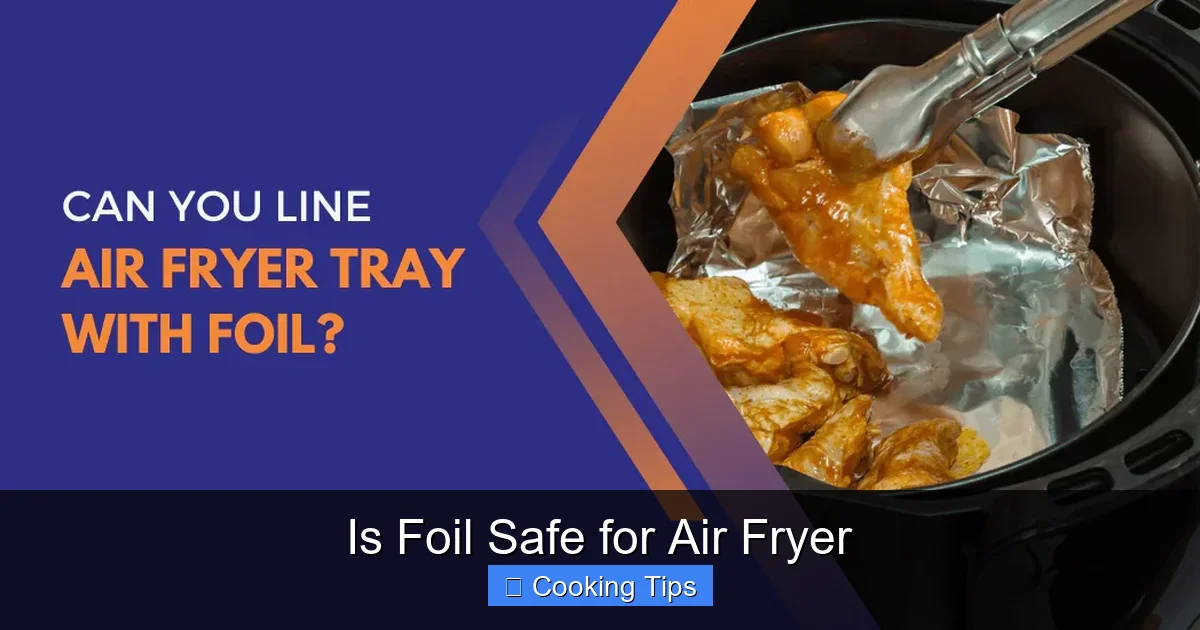
Yes, you can generally use aluminum foil in your air fryer, but with specific precautions. It’s not inherently dangerous if used correctly, and it can be a fantastic tool for making cleanup a breeze. Imagine cooking something messy, like bacon or sticky ribs, and then just peeling away the foil to reveal a clean basket! However, improper use can lead to uneven cooking, smoking, or even damage to your appliance. So, let’s break down how to use it wisely.
Visual guide about Is Foil Safe for Air Fryer
Image source: customtrayliners.com
When Foil is Your Friend: Benefits of Using Foil in an Air Fryer
There are several good reasons why people opt to use foil in their air fryer:
Visual guide about Is Foil Safe for Air Fryer
Image source: tasteofhome.com
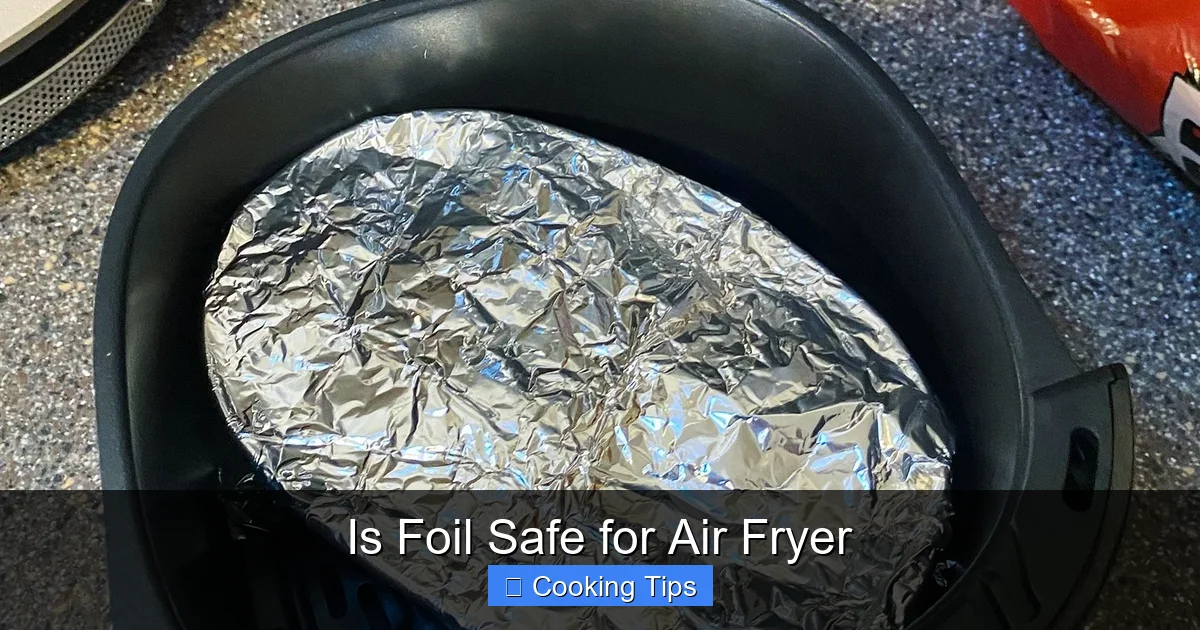
- Easy Cleanup: This is the biggest win. Lining the basket with foil catches grease, crumbs, and drippings, making post-meal tidying significantly faster.
- Prevent Sticking: For delicate or sticky foods that might adhere to the basket, a layer of foil can provide a non-stick surface.
- Cooking Delicate Foods: Certain foods, like fish or small items, might fall through the basket holes. Foil can create a barrier.
- Marinated Foods: When cooking foods with marinades, foil can help contain the juices and prevent them from dripping through, though care must be taken.
When to Be Cautious: Potential Downsides and Risks
Using foil isn’t always the best idea. Here are the main concerns:
Visual guide about Is Foil Safe for Air Fryer
Image source: theconsciousplantkitchen.com
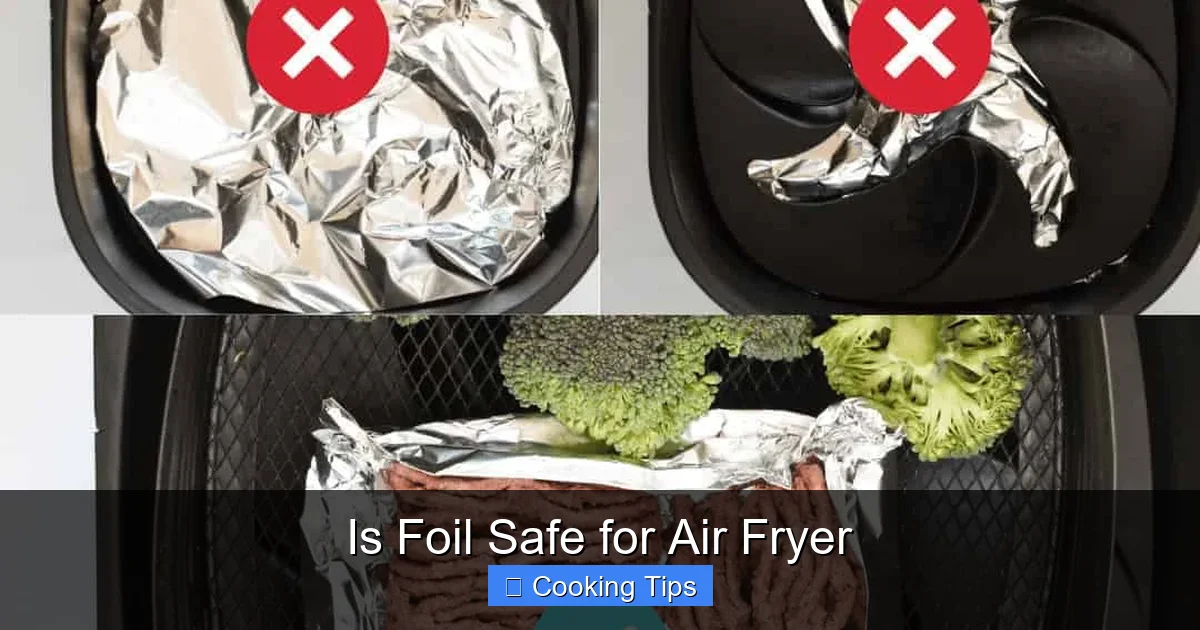
- Blocking Airflow: This is the most significant risk. If foil covers the air vents or completely lines the bottom of the basket without holes, it can impede the circulation of hot air. This leads to uneven cooking – some parts of your food might be cooked while others are pale and soggy.
- Food Sticking to Heating Element: If a piece of foil comes loose, it can potentially come into contact with the heating element at the top of the air fryer. This can cause it to melt, smoke, and create a fire hazard.
- Reactions with Acidic Foods: Highly acidic foods, like tomatoes, citrus fruits, or vinegars, can react with aluminum foil. This reaction can leach small amounts of aluminum into your food and affect the taste. It can also cause the foil to degrade.
- Potential for Smoking: If foil touches the heating element, or if there’s leftover grease that splatters onto it and then gets too hot, it can start to smoke.
- Not Ideal for Crispy Results: Sometimes, a solid sheet of foil can trap moisture, which is the enemy of crispiness. If your goal is maximum crisp, you might want to skip the foil or use it very strategically.
How to Safely Use Foil in Your Air Fryer: Step-by-Step
Ready to give foil a try? Follow these guidelines to ensure safety and optimal results.
Step 1: Choose the Right Foil
Use standard aluminum foil. Avoid heavy-duty foil or non-stick varieties. Non-stick foils often have a coating that can melt or release fumes at high air fryer temperatures, which is undesirable. Standard, plain aluminum foil is your best bet.
Step 2: Prepare the Foil
Don’t just jam a whole sheet in. Think about how the air needs to flow. The most common and effective way to use foil is to create a makeshift liner or a pouch for your food. You can:
- Crumple and Shape: Lightly crumple a piece of foil and shape it to fit the bottom of your air fryer basket. This creates a more irregular surface, allowing air to circulate better than a perfectly flat sheet.
- Create a Foil Tray: Fold the edges of a piece of foil up to create a shallow tray. This is excellent for containing moisture and drippings from foods like crab cakes or small items.
- Make a Foil Packet: For certain recipes, you can wrap food directly in foil, like a steaming pouch. However, be mindful that this will trap steam and prevent crisping. This is better for steaming than for achieving a crispy texture.
Step 3: Ensure Airflow is Maintained
This is non-negotiable.
Never Cover Vents
Locate the air vents in your air fryer basket or the unit itself. Ensure your foil is well away from these vents. Usually, this means not lining the entire basket, especially the sides where air often enters and exits.
Allow for Circulation
If you’re using foil as a liner, make sure there are gaps around the edges where air can escape and circulate. The foil should never form a complete seal with the basket.
Punch Holes (Optional but Recommended)
If you’re concerned about airflow, you can punch a few small holes in the foil with a toothpick or fork, especially if you’re creating a solid liner. This allows air to pass through.
Step 4: Secure the Foil
Loose foil is dangerous.
Weight it Down with Food
The best way to keep foil in place is to put your food on top of it. The weight of the food will hold the foil down.
Avoid the Heating Element
Always double-check that the foil is not so large or so poorly placed that it could reach the heating element, which is typically located at the top of the air fryer cavity.
Step 5: Add Your Food
Place your food directly onto the prepared foil liner or inside your foil creation. If you’re using a foil tray or packet, ensure the food is contained within it.
Step 6: Cook as Usual, but Monitor
Cook your food according to your recipe. However, because foil can sometimes affect cooking times, it’s a good idea to check your food a few minutes earlier than usual.
Step 7: Safe Removal
Once cooking is done, carefully remove the basket. The foil and any drippings will be very hot. Use tongs or oven mitts to remove the foil liner or packet from the basket.
When to Avoid Foil Altogether
While foil can be useful, there are times when you should skip it:
- Cooking Acidic Foods: As mentioned, acidic foods can react with aluminum. If you’re making something like a tomato-based sauce or using a lot of lemon, it’s better to use a different liner or no liner at all.
- When Maximum Crispiness is Key: For foods that rely on direct exposure to hot air for maximum crispiness, like french fries or certain types of breaded items, foil can sometimes hinder that process by trapping moisture. You might get a better result without it. For example, if you’re trying to achieve a super crispy bratwurst, you might opt against foil.
- Delicate Items That Need Direct Airflow: Some very small or light items might need to tumble or have air flow directly around them to cook properly. Foil could prevent this.
- If Your Air Fryer Manual Advises Against It: Always check your air fryer’s user manual. Some manufacturers may have specific recommendations or warnings against using foil.
Alternatives to Aluminum Foil
If you’re still hesitant about using foil, or if you want to explore other options, there are excellent alternatives:
- Parchment Paper: This is a popular choice for air fryers. Ensure you get air-fryer-safe parchment paper, which is typically round and perforated or has a specific weight to prevent it from blowing around. Like foil, make sure it’s weighted down by food and doesn’t block vents.
- Reusable Silicone Liners: These are a fantastic eco-friendly option. They are designed to fit air fryer baskets, are easy to clean, and can withstand high temperatures. Again, check for designs that promote airflow.
- Reusable Silicone Molds: Similar to liners, these can be used to cook specific items or to divide food within the basket.
- Directly in the Basket: For many foods, especially those that are not overly greasy or prone to sticking, cooking directly in the air fryer basket is perfectly fine and often yields the best results for crispiness.
For a family of four, you might find that certain recipes like bone-in chicken thighs or pot pies can be cooked with minimal cleanup even without liners, depending on your air fryer model. If you’re looking for larger capacity air fryers, consider guides on what size air fryer for a family of 6.
Troubleshooting Common Foil Issues
Problem: My food isn’t cooking evenly.
Solution: Your foil is likely blocking airflow. Ensure the foil isn’t covering the vents or completely sealing the basket. Try using a crumpled foil liner or punching holes.
Problem: My air fryer is smoking.
Solution: This is often caused by foil touching the heating element or by grease splattering onto hot foil. Turn off the air fryer immediately, let it cool, and inspect the foil placement. Ensure foil is well-secured and away from the heating element.
Problem: My food tastes metallic.
Solution: This can happen when cooking acidic foods directly on aluminum foil. Try using a different liner or cooking the food without foil.
Conclusion: Foil Can Be Your Air Fryer’s Friend (When Used Wisely)
So, is foil safe for your air fryer? The short answer is yes, but only when used thoughtfully and with caution. By understanding how your air fryer works and following the best practices outlined in this guide, you can safely leverage aluminum foil to simplify your cleanup routine and even enhance your cooking experience for certain dishes. Remember to always prioritize airflow, secure your foil properly, and be mindful of acidic ingredients and the heating element.
When in doubt, or for that ultimate crispy perfection, consider alternatives like parchment paper or reusable silicone liners. With a little knowledge, you can make your air frying adventures even more enjoyable and efficient!