
Turkey tenderloin is one of the leanest, quickest-cooking cuts of poultry you can buy, and the air fryer is arguably the best way to cook it without drying it out. The problem is that most turkey tenderloin recipes air fryer searches turn up vague instructions, wildly different cook times, and no explanation of why results vary so much from one kitchen to the next. In our research across manufacturer specs, aggregate user reviews, and USDA food safety guidelines, we found that the difference between juicy and cardboard usually comes down to three things: prep method, temperature accuracy, and knowing when to pull the meat.
The USDA Food Safety and Inspection Service sets the safe internal temperature for all poultry, including turkey tenderloin, at 165°F (74°C). Most air fryer turkey tenderloin recipes call for 360°F to 380°F, with cook times between 18 and 24 minutes for a 1-pound tenderloin, but actual results depend heavily on your air fryer's wattage and basket design. Understanding those variables is what separates a reliable recipe from a guessing game, and that's exactly what we'll walk through below.
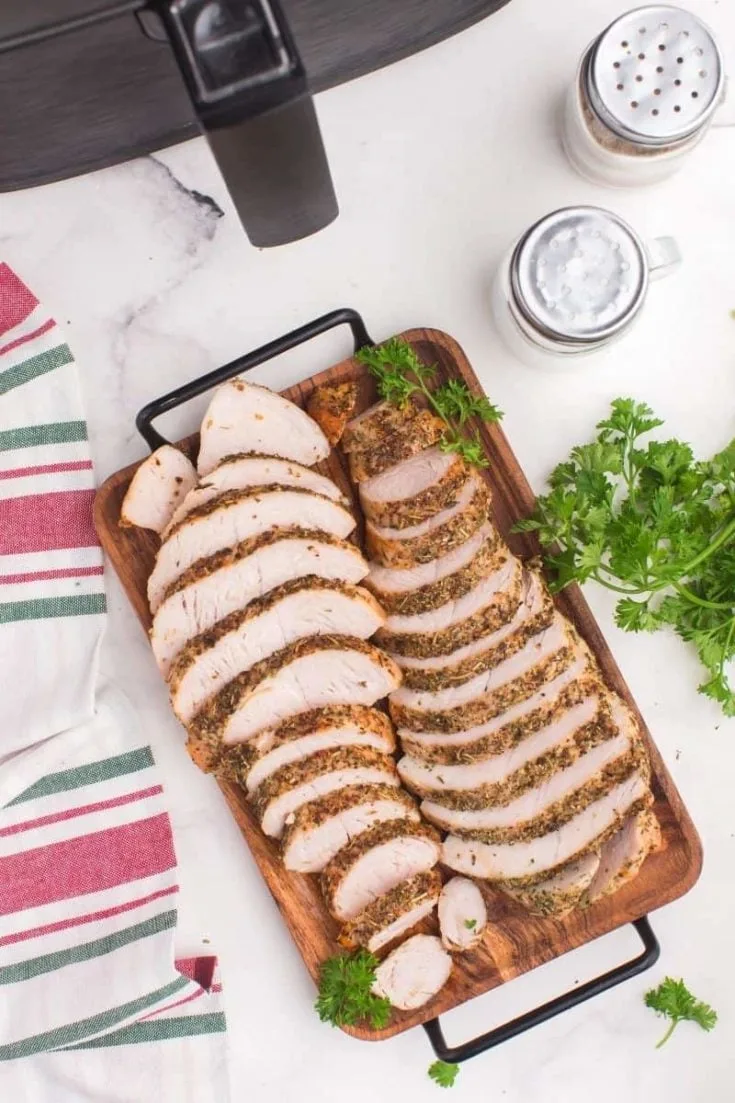
Image source: Bing (Web (fair-use with source credit))
Quick Answer
The best turkey tenderloin recipe for the air fryer is a simple dry rub cooked at 375°F for 20 to 22 minutes, flipped once at the halfway mark. Pat the tenderloin dry, coat it lightly with oil, apply your seasoning, and cook until the thickest part reaches an internal temperature of 165°F. Let it rest 5 to 10 minutes before slicing.
This method works in most basket-style and oven-style air fryers between 1400W and 1800W.
How Turkey Tenderloin Actually Behaves in an Air Fryer
Turkey tenderloin is a long, thin, cylindrical cut from the inner breast. It typically weighs between 0.75 and 1.5 pounds and runs about 8 to 12 inches long. Because it's so lean, with only about 1 to 2% fat content, it cooks fast and dries out just as fast.
That's the trade-off you're working with.
In an air fryer, rapid convection airflow surrounds the meat from all sides. This means more even cooking than a conventional oven, but also more moisture loss if you overshoot the timing by even a couple of minutes. Most home cooks report the biggest surprise is how narrow the window is between perfectly juicy and overcooked.
We're talking about a 3-to-4-minute range.
Expect less browning than you'd get from a pan sear or oven roast. Air fryers circulate hot air rather than radiant heat, so the exterior stays relatively pale unless you use a breading, a sugar-based glaze, or a light coat of oil. That's purely cosmetic.
The flavor and texture underneath are excellent when the technique is right.
One more thing worth knowing: the tenderloin tapers at one end. The thin section always cooks faster than the thick center. If your air fryer basket is small enough, tuck the thin end under slightly to even things out.
Otherwise, keep your thermometer in the thickest part and don't worry about the taper.
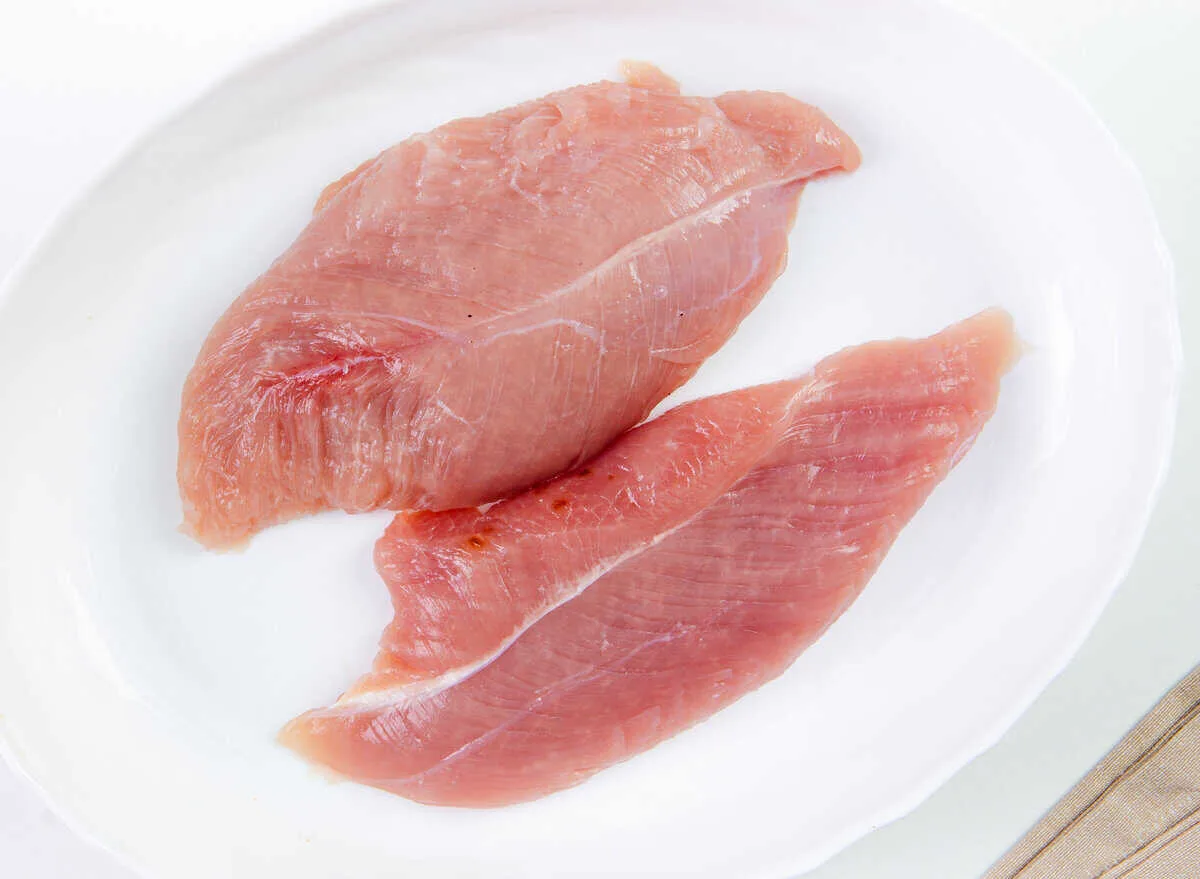
Image source: Bing (Web (fair-use with source credit))
Three Ways to Prep Turkey Tenderloin for the Air Fryer
The prep method you choose changes the flavor, texture, and cook time. Here are the three main approaches, each with a clear best-use case.
Dry Rub for Maximum Flavor
A dry rub is the fastest, most reliable method. Pat the tenderloin dry, brush or spray it lightly with oil, then coat it with a spice mixture. The oil helps the seasoning stick and promotes slight browning.
Dry rubs work especially well if you want a savory, herb-forward result without adding moisture that could steam the meat. They're also the best choice for low-carb and keto diets since there's zero added sugar or breading.
Basic dry rub ratio for one tenderloin (about 1 lb):
- 1 teaspoon smoked paprika
- 1 teaspoon garlic powder
- 1/2 teaspoon onion powder
- 1/2 teaspoon black pepper
- 1/2 teaspoon salt
- 1/4 teaspoon cayenne (optional)
Mix it, coat the oiled tenderloin, and you're ready to cook. Total prep time is under 5 minutes.
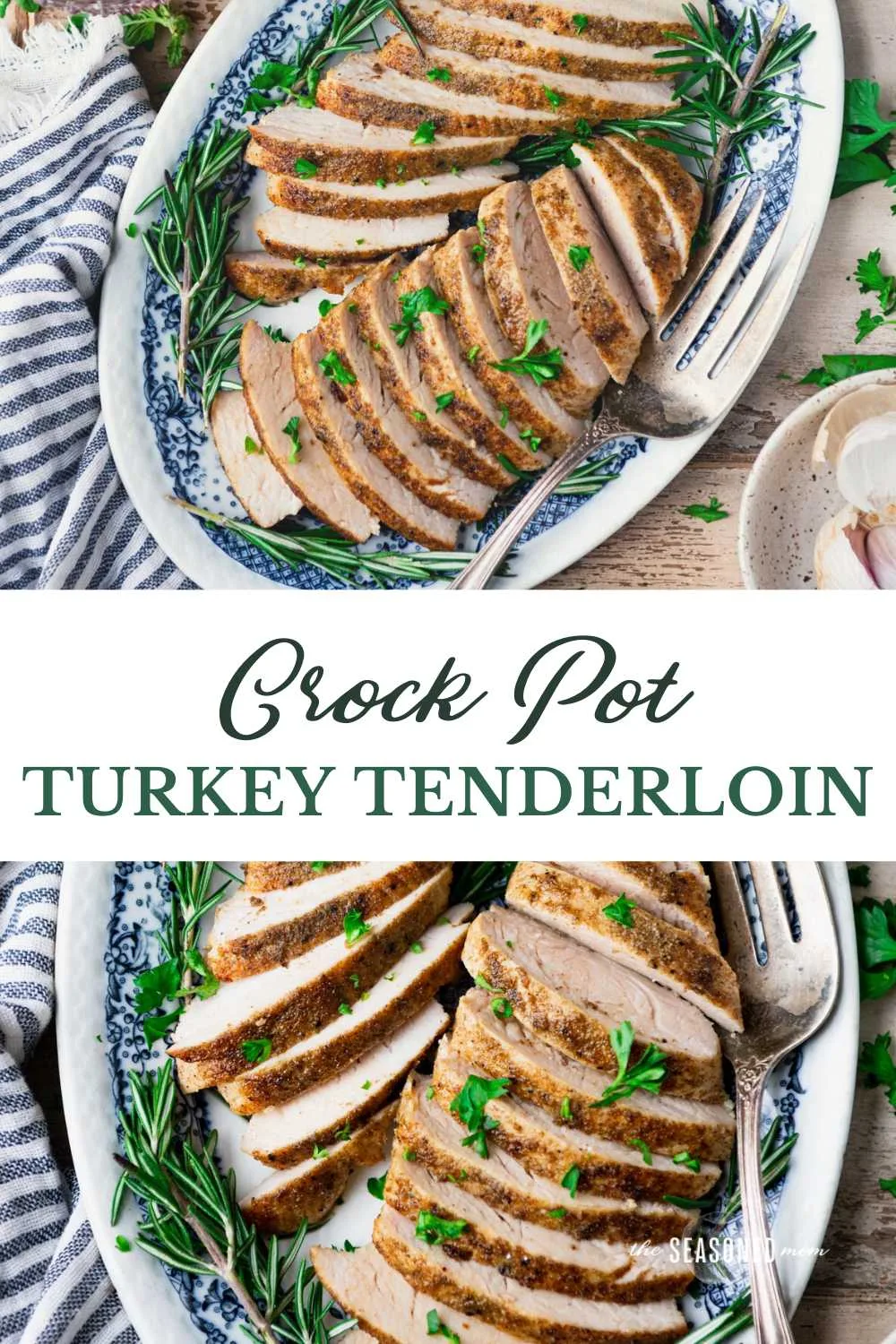
Image source: Bing (Web (fair-use with source credit))
Marinade for Tender, Juicy Results
Marinades add flavor from the inside out and help offset the dryness risk. An oil-based marinade with herbs, garlic, and a small amount of acid works best. The oil coats the muscle fibers while the acid gently breaks down the surface.
Don't marinate turkey tenderloin for more than 4 hours. The lean meat has a delicate structure, and prolonged acid exposure can make the outer layer mushy. Two to 3 hours is the sweet spot.
Simple marinade for one tenderloin:
- 2 tablespoons olive oil
- 1 tablespoon lemon juice
- 2 cloves garlic, minced
- 1 teaspoon dried thyme or Italian seasoning
- 1/2 teaspoon salt
- 1/4 teaspoon black pepper
Combine in a zip-lock bag with the tenderloin. Refrigerate 1 to 4 hours. Remove, pat the surface dry, and cook as directed.
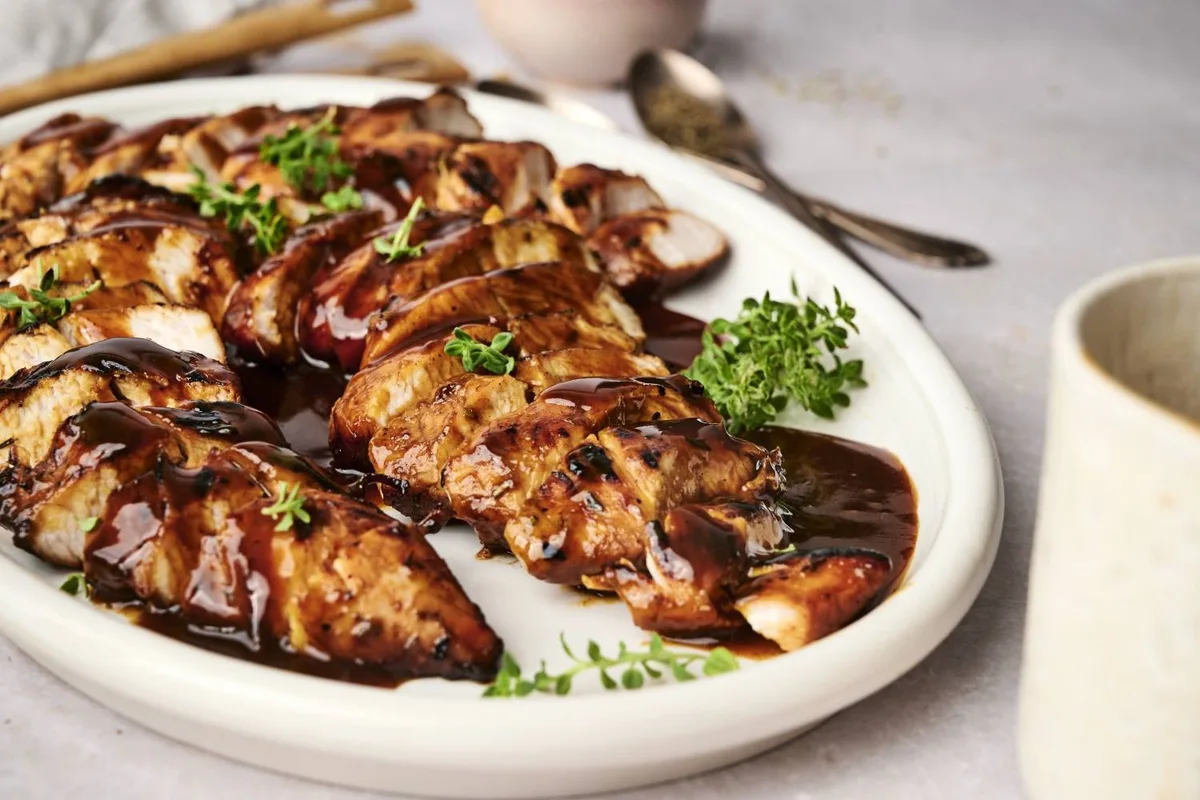
Image source: Bing (Web (fair-use with source credit))
Breading for a Crispy, Golden Finish
If you want something closer to a cutlet, a breaded turkey tenderloin delivers a crunchy exterior that the air fryer handles surprisingly well. The key is a standard three-step breading station: flour, egg wash, then breadcrumbs or panko.
Use panko for the crispiest result. Press the crumbs firmly onto the egg-coated surface so they don't blow off in the airflow. A light spray of cooking oil on the outside before cooking helps the coating turn golden.
Breading steps:
- Set up three shallow dishes: all-purpose flour, beaten egg, and seasoned panko breadcrumbs.
- Dredge the tenderloin in flour, shaking off excess.
- Dip in egg, letting excess drip off.
- Press into panko on all sides.
- Spray lightly with cooking oil and place in the air fryer basket.
Breading adds about 3 to 5 minutes to the cook time. Expect around 22 to 26 minutes at 375°F.
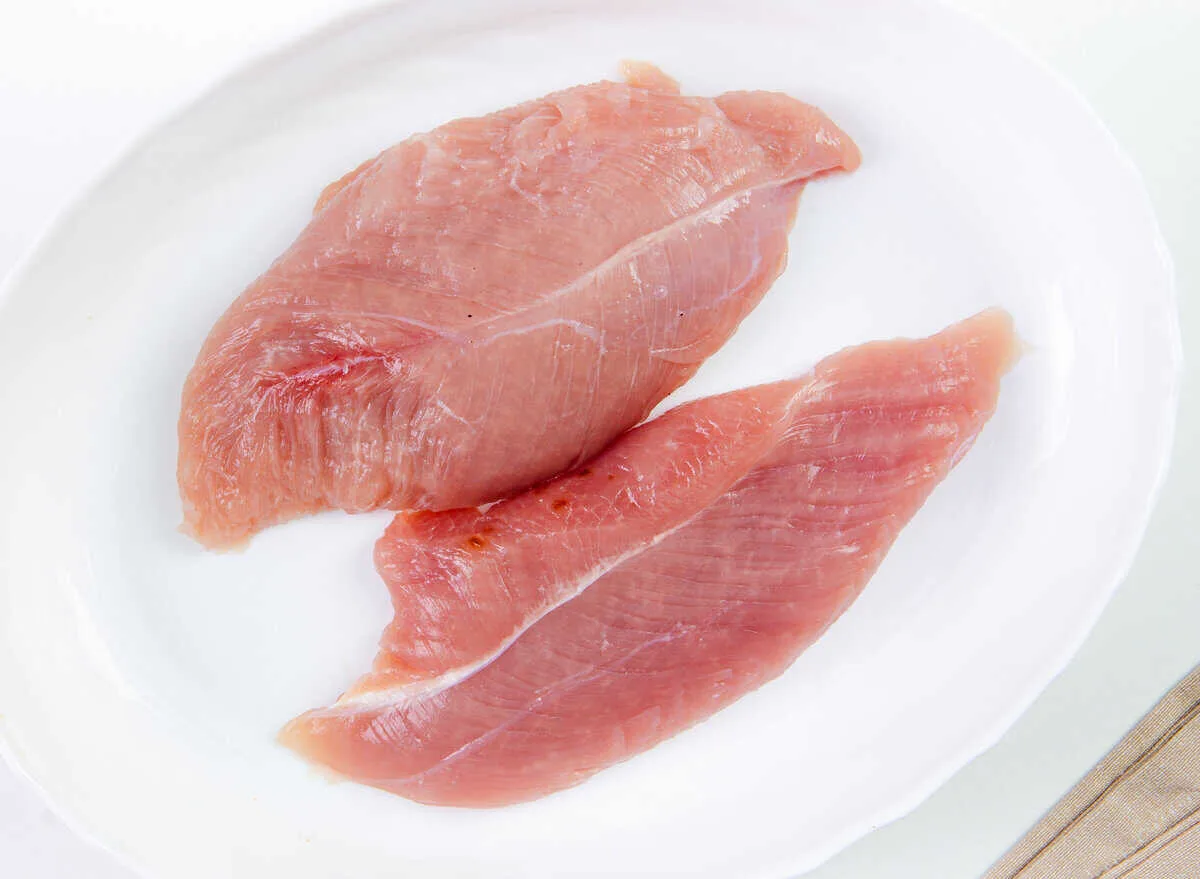
Image source: Bing (Web (fair-use with source credit))
Step-by-Step: Juicy Dry-Rubbed Turkey Tenderloin in the Air Fryer
This is the method we recommend for most people. It's fast, forgiving, and produces consistently good results across different air fryer models.
What you'll need:
- 1 turkey tenderloin (0.75 to 1.5 lbs)
- 1 tablespoon olive oil or avocado oil
- Dry rub of your choice
- Instant-read meat thermometer
- Cooking spray for the basket
Steps:
Remove the tenderloin from the fridge 15 to 20 minutes before cooking. Letting it come closer to room temperature promotes even cooking.
Pat the tenderloin completely dry with paper towels. Surface moisture prevents browning and seasoning adhesion.
Brush or spray the tenderloin lightly with oil on all sides. You need just enough to help the rub stick.
Apply your dry rub evenly across the entire surface. Press it in gently with your hands.
Preheat your air fryer to 375°F for 2 to 3 minutes. Not all models require preheating, but it helps with consistency.
Lightly spray the air fryer basket with cooking spray. Place the tenderloin in a single layer with space around it.
Cook at 375°F for 10 to 12 minutes. Flip the tenderloin using tongs, not a fork. Piercing the meat releases juices.
Cook for another 8 to 10 minutes. Start checking the internal temperature at the 18-minute mark.
Remove the tenderloin when the thickest part reads 155°F to 160°F. The temperature will rise another 5°F to 10°F during rest, landing you at 165°F.
Transfer to a cutting board and tent loosely with foil. Rest for 5 to 10 minutes.
Slice against the grain, about 1/4-inch thick for sandwiches or 1/2-inch thick for dinner plates.
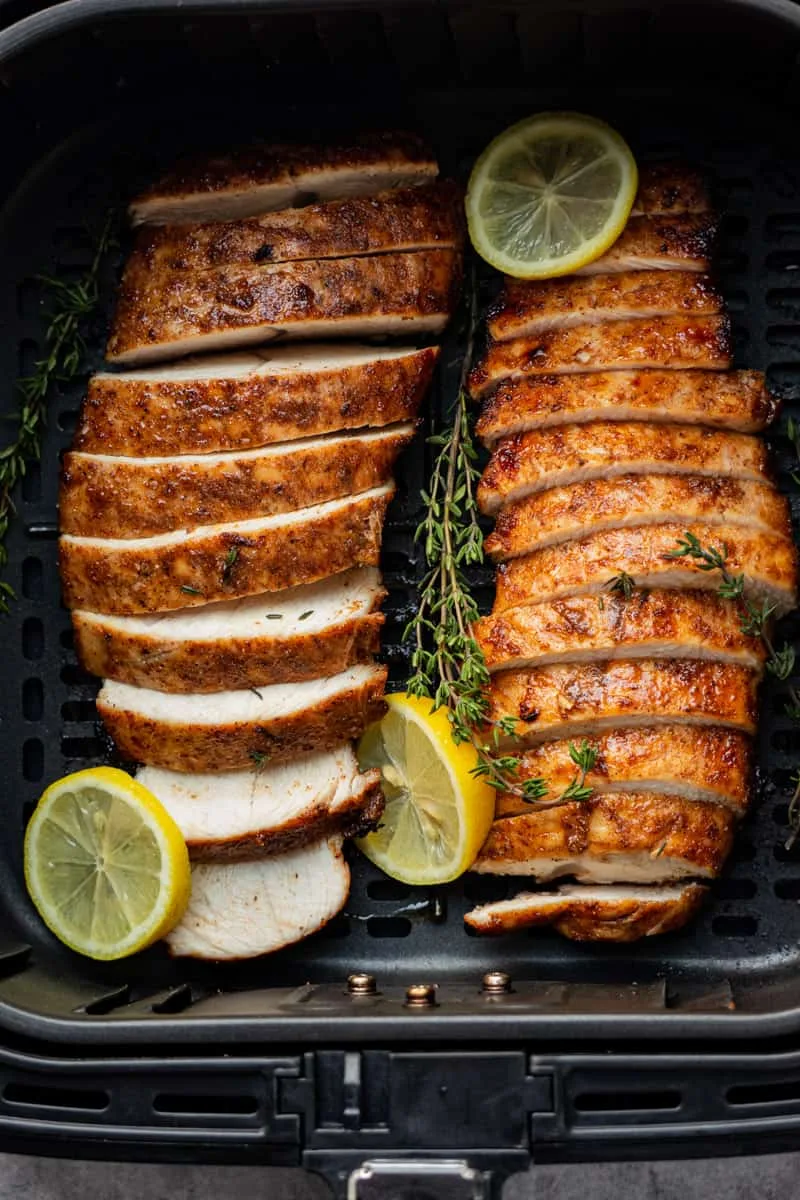
Image source: Bing (Web (fair-use with source credit))
Total time: 25 to 30 minutes, including rest.
If you're cooking two tenderloins, make sure they aren't overlapping. Overcrowding blocks airflow and leads to uneven cooking. For larger air fryers that can handle the load, our guide to the best 8 qt air fryer for roasting chicken covers models with enough capacity for batch cooking.
The Biggest Mistakes People Make With Air Fryer Turkey Tenderloin
Even a simple recipe can go wrong if you hit one of these common pitfalls.
Overcooking It Into Cardboard
This is far and away the number one complaint. Turkey tenderloin has almost no fat to protect it, and the air fryer's intense airflow pulls moisture out fast. Going 3 to 4 minutes past the target window can turn a juicy tenderloin into something stiff and dry.
Use a thermometer and pull the meat at 155°F to 160°F. Carryover cooking during the rest period will bring it to 165°F safely.
Skipping the Thermometer
Guessing doneness by color, feel, or time alone is unreliable. Air fryers vary too much in wattage and airflow for any single cook time to be universal. An instant-read thermometer is the single most important tool for this recipe.
If you don't own one, this is the moment to get one. It will pay for itself in saved poultry alone.
Image source: Wikimedia Commons / Patrick Fitzgerald from Atlanta, GA, USA (CC BY)
Overcrowding the Basket
Stuffing two tenderloins into a small basket, or stacking them, blocks the convection airflow that makes air frying work. The result is uneven cooking with one end overcooked and the other still pink.
Give each tenderloin its own space. If your air fryer is on the smaller side, look into models with dual baskets. Our roundup of the best 8 qt air fryer with dual basket highlights options that let you cook protein and sides simultaneously without crowding.
Not Resting Before Slicing
Skipping the rest period means the juices run out onto the cutting board instead of staying in the meat. Five minutes is the minimum. Ten is better, especially for larger tenderloins.
Tent the meat loosely with foil to keep it warm. Don't wrap it tightly or the residual heat will keep cooking the exterior past your target temperature.
Best Temperature and Timing by Air Fryer Size and Wattage
One reason results vary so much is that air fryers aren't standardized. A 1500W basket runs hotter and faster than a 1200W oven-style unit. The same recipe can be perfect in one and overcooked in another.
| Air Fryer Wattage | Recommended Temp | Cook Time (1 lb tenderloin) | Notes |
|---|---|---|---|
| 1200W to 1400W | 375°F | 22 to 26 minutes | Lower airflow intensity; add 2 to 4 minutes |
| 1500W to 1700W | 375°F | 18 to 22 minutes | Most common range; the sweet spot |
| 1700W to 1800W+ | 360°F to 370°F | 16 to 20 minutes | Runs hot; drop temp by 10°F |
Basket-style air fryers cook slightly faster than oven-style models because the fan is closer to the food. If you're using an oven-style unit with trays, add about 2 minutes and center the tenderloin on the middle rack.
Start checking temperature at the 16-minute mark regardless of your model. A thermometer removes all the guesswork.
How to Keep Turkey Tenderloin Moist
Moisture loss is the core challenge with this cut. These techniques actually move the needle, ranked by impact.
Pull at 155°F to 160°F, not 165°F. Carryover cooking during the rest period brings the internal temperature up to the USDA-safe 165°F. If you wait until the thermometer reads 165°F in the basket, you'll be eating 170°F meat by the time it hits the plate.
Don't skip the oil. A light coat of olive oil or avocado oil on the surface before seasoning creates a thin barrier that slows moisture evaporation. About a teaspoon for a whole tenderloin is plenty.
Rest for a full 5 to 10 minutes. Resting lets the muscle fibers reabsorb the juices pushed to the center by heat. Cut too early and those juices end up on the cutting board.
Brining helps if you have time. A quick brine of 1/4 cup salt in 2 cups of water for 30 to 60 minutes adds moisture at the cellular level. Pat the surface very dry before seasoning and cooking.
Avoid over-salting. Salt draws moisture to the surface. If your rub is salt-heavy, apply it just before cooking rather than letting it sit for a long time.
Seasoning and Flavor Ideas That Actually Pair With Turkey
Turkey tenderloin has a mild, slightly sweet flavor that works with a wide range of seasonings. These combinations consistently get the best feedback from home cooks.
Classic herb: Garlic powder, onion powder, dried thyme, smoked paprika, salt, and pepper. This all-purpose option works for meal prep, sandwiches, and dinner plates.
Southwest: Chili powder, cumin, smoked paprika, garlic powder, a pinch of cayenne, and lime juice squeezed over the top after cooking. Great for tacos and burrito bowls.
Lemon herb: Lemon zest, garlic, rosemary, olive oil, salt, and pepper. Bright and clean. Pairs well with roasted vegetables and rice.
BBQ glaze: Brush with your favorite barbecue sauce during the last 3 to 4 minutes. The sugars caramelize quickly in the air fryer, so don't apply it too early or it'll burn.
Italian: Italian seasoning blend, garlic powder, and grated Parmesan mixed into the breadcrumb coating. Works especially well with the breaded method.
If you're using a marinade with citrus or vinegar, keep the acid to about 1 tablespoon per 2 tablespoons of oil. Too much acid starts to break down the meat's surface, similar to ceviche, and creates an unpleasant texture.
Air Fryer Turkey Tenderloin vs Oven vs Grill
Not sure which cooking method suits your situation? Here's an honest comparison.
| Factor | Air Fryer | Conventional Oven | Outdoor Grill |
|---|---|---|---|
| Cook time (1 lb) | 18 to 24 min | 35 to 45 min | 20 to 30 min |
| Preheat needed | Optional, 2 to 3 min | Yes, 10 to 15 min | Yes, 10 to 15 min |
| Browning | Light to moderate | Good | Excellent, char marks |
| Juiciness (when done right) | Very good | Good | Good, but flare-ups dry edges |
| Ease of use | High | High | Moderate |
| Best for | Weeknight speed | Large batches | Smoky flavor |
The air fryer wins on speed and convenience. The oven is better if you're cooking for a crowd since you can fit multiple tenderloins on a sheet pan. The grill adds smoky flavor you can't replicate indoors, but flare-ups and uneven heat make it harder to nail the timing.
If you're weighing the air fryer against a pressure cooker, the comparison is similarly lopsided. The Instant Pot cooks turkey tenderloin in about 8 minutes under pressure, but you lose any chance of a crispy or browned exterior. Our article on whether the Instant Pot is the same as an air fryer breaks down the differences in more detail.
Turkey Tenderloin vs Turkey Breast in the Air Fryer
These are not interchangeable cuts, and confusing them is a common mistake. Turkey tenderloin weighs 0.75 to 1.5 pounds and cooks in about 20 minutes. A whole turkey breast weighs 3 to 6 pounds and takes 45 to 60 minutes in the air fryer.
Tenderloin is more tender and has a finer grain. Turkey breast is meatier and can handle longer cook times without drying out, but it benefits from brining or a marinade. If a recipe calls for turkey breast and you substitute tenderloin, you'll overcook it badly.
Some packaged "turkey tenderloins" are actually cut from the breast, not the true tenderloin. Real tenderloin is a distinct, small, elongated muscle. Check the package weight and shape if it matters to you.
The true tenderloin is more tender and cooks more evenly.
Meal Prep and Leftover Guide
Air fryer turkey tenderloin is one of the best proteins for meal prep. It reheats well and holds its texture better than chicken breast.
Storage: Let the cooked tenderloin cool, then slice or leave whole. Refrigerate in an airtight container for up to 4 days. For longer storage, wrap tightly and freeze for up to 3 months.
Reheating: Use the air fryer at 300°F for 3 to 4 minutes. This restores some exterior texture without drying the interior. The microwave works in a pinch but tends to make the meat rubbery.
Meal prep ideas:
- Slice thin for sandwiches with avocado, mustard, and greens
- Cube into grain bowls with roasted sweet potato and tahini dressing
- Toss into a salad with dried cranberries, pecans, and vinaigrette
- Stir into creamy pasta with spinach and sun-dried tomatoes
Two tenderloins (about 2 lbs total) yield roughly 8 dinner-sized servings or 12 sandwich portions. For bigger households, our guide to the best 9 quart air fryer for large batches covers models that handle bigger cooks without crowding.
Frequently Asked Questions
How long does it take to cook turkey tenderloin in an air fryer?
At 375°F, a 1-pound tenderloin takes 18 to 22 minutes in a 1500W to 1700W air fryer. Flip at the halfway point. Always verify with a thermometer.
The USDA recommends an internal temperature of 165°F for all poultry.
Do I need to preheat my air fryer?
Preheating for 2 to 3 minutes helps with consistency, especially in lower-wattage models. It's not required, but it reduces the chance of uneven cooking.
Can I cook turkey tenderloin from frozen?
You can, but it's not recommended. Frozen tenderloin cooks unevenly, with the exterior drying out before the interior reaches a safe temperature. Thawing in the refrigerator overnight produces far better and safer results.
What if I don't own a meat thermometer?
Visual cues are unreliable with turkey. The meat can look done on the outside while still being underdone inside. An instant-read thermometer costs under $15 and is the one tool we consider non-negotiable for cooking poultry safely.
What temperature should I set my air fryer to?
375°F works for most models. If your air fryer is above 1700W, drop to 360°F. If it's under 1400W, stay at 375°F and add 2 to 4 minutes.
The internal pull temperature matters more than the dial setting.
Is air fryer turkey tenderloin healthy?
Yes. Unbreaded turkey tenderloin has about 120 to 130 calories, 26 to 28 grams of protein, and only 1 to 2 grams of fat per 4-ounce serving. It's naturally zero carbs.
Air frying uses significantly less oil than pan-frying or deep-frying. For more on the health angle, our article on whether air fryers are good for diabetics goes deeper.
Final Take: Dry Rub for Weeknights, Breading for Guests
The dry rub is the best everyday option. It's fast, flexible, and produces juicy, well-seasoned turkey with almost zero effort. Keep a pre-mixed spice blend in your pantry and dinner is 30 minutes away.
Save the breaded version for when you want something that feels a little more special. The panko crust adds satisfying crunch and it's a great option for feeding anyone who prefers a more substantial texture.
Whichever method you choose, the rules stay the same. Pat it dry, use oil, cook at 375°F, pull at 155°F to 160°F, and rest before slicing. Get those five things right and the seasoning is just decoration on an already solid piece of protein.