
Is an air fryer good for diabetics? The answer is more nuanced than most kitchen appliance guides suggest. An air fryer is a countertop convection device that circulates superheated air around food, producing a crispy exterior with a fraction of the oil that deep frying requires.
For people managing diabetes, that reduction in added fat can be meaningful, but the appliance itself does not make food diabetic-friendly. What you put in the basket and how you cook it matters far more than the gadget.
Research published in the Journal of Food Science confirms that air frying reduces fat content in foods by up to 70, 80% compared to traditional deep frying. That matters for cardiovascular health and weight management, both critical factors in Type 2 diabetes care. But an air-fried breaded chicken tender still carries the same carbohydrate load as its deep-fried counterpart, and that is what drives blood glucose.
Let's break down what actually happens when you use an air fryer, what to watch for, and how to make it work as part of a diabetes-conscious kitchen.
Quick Answer
An air fryer is neither good nor bad for diabetics on its own. It is a cooking tool, and its impact on blood sugar depends entirely on the ingredients you choose and the portions you eat. Air frying lean proteins and non-starchy vegetables can absolutely fit into a diabetic-friendly meal plan.
Air frying breaded, starchy, or sugar-coated foods will still spike your glucose regardless of the reduced oil. The appliance supports healthier cooking habits, but it does not change the fundamental math of carbohydrate counting.
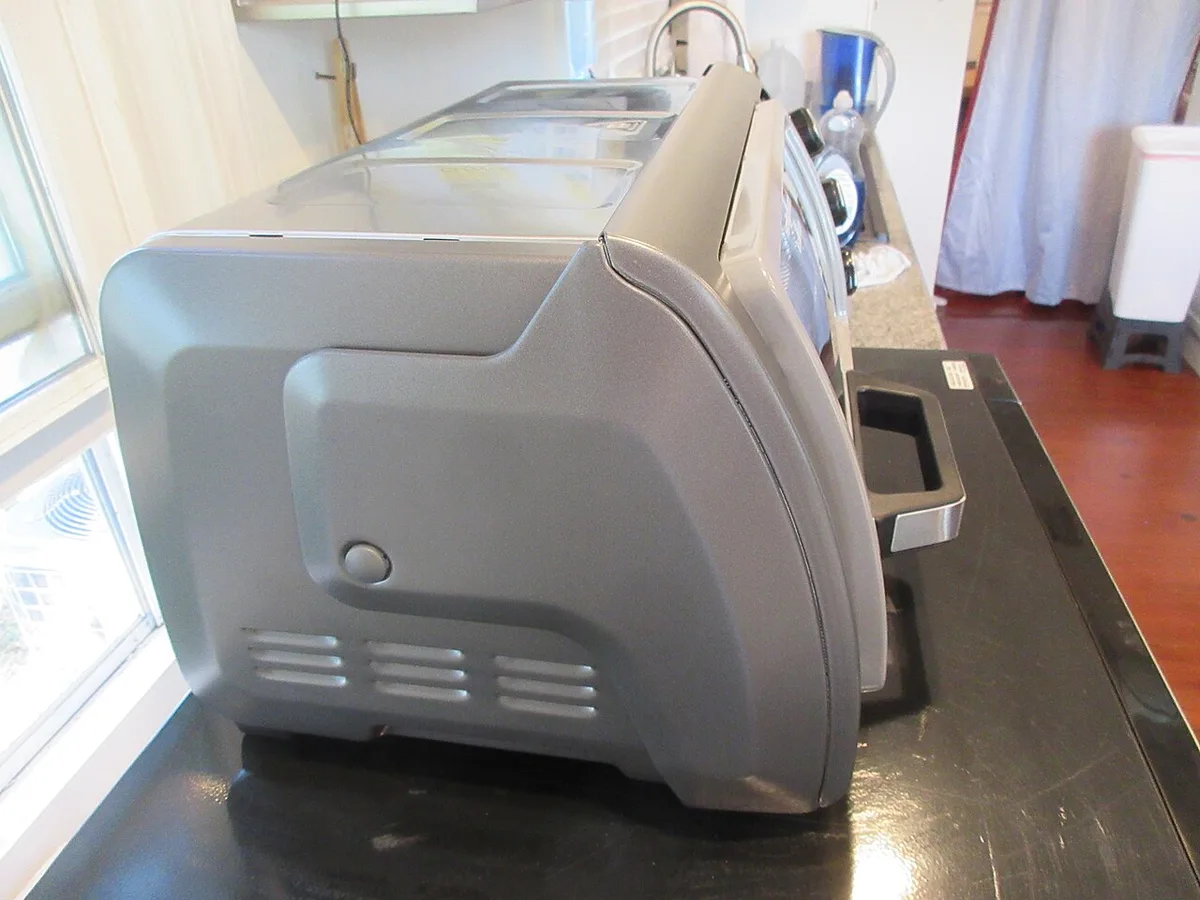
Image source: Wikimedia Commons / Infrogmation of New Orleans (CC BY-SA)
How Air Fryers Change the Food You Eat
An air fryer works by circulating air at temperatures between 200°F and 400°F around food placed in a perforated basket. This rapid air circulation triggers the Maillard reaction, the same browning process that gives seared meats and roasted vegetables their flavor, without submerging anything in oil.

Image source: Bing (Web (fair-use with source credit))
The practical result is that you can achieve a crispy texture using as little as one teaspoon of oil compared to the cups required for deep frying. For someone managing diabetes, this has two direct benefits. First, fewer calories from fat supports weight loss or maintenance, which improves insulin sensitivity.
Second, reducing deep-fried food intake lowers exposure to trans fats and excess saturated fat, both of which the American Diabetes Association flags as cardiovascular risk factors.
However, air frying does not remove carbohydrates from food, and it does not lower the glycemic index of starchy ingredients. A sweet potato cooked in an air fryer still has a glycemic index of approximately 44 to 61 depending on preparation. The appliance changes the fat profile of your meal, not the carbohydrate profile.
One important nuance: air frying at very high temperatures, above 310°F, can increase the formation of advanced glycation end products. These are compounds linked to inflammation and insulin resistance. Temperature control is not just about texture.
It is a health consideration.
What Happens to Blood Sugar When You Switch from Deep Frying
Switching from deep frying to air frying changes the fat and calorie content of your food, but the effect on blood sugar depends entirely on what you are cooking. If you replace deep-fried fish with air-fried fish using the same unbreaded fillet, your blood glucose response will be nearly identical because the protein and carbohydrate content has not changed.

Image source: Bing (Web (fair-use with source credit))
Where it gets complicated is with breaded and starchy foods. A deep-fried mozzarella stick and an air-fried mozzarella stick both deliver a similar carbohydrate payload from the breading. The air-fried version may have 5 to 10 grams less fat per serving, but the blood sugar spike from the refined flour coating remains significant.
Aggregate nutritional data from the USDA FoodData Central database shows that breaded frozen appetizers typically contain 20 to 35 grams of carbohydrates per serving regardless of cooking method.
The real blood sugar benefit comes when air frying replaces deep frying as a habit and shifts your overall dietary pattern. If using an air fryer means you cook more roasted vegetables, grilled-style proteins, and homemade meals instead of ordering takeout, your average daily carbohydrate and calorie intake will likely drop. That is where the meaningful change happens.
A 2023 analysis in the journal Nutrients found that participants who replaced fried food preparation methods with air frying for 12 weeks showed modest improvements in body weight and waist circumference, both of which correlate with improved glycemic control in Type 2 diabetes. The effect was driven by overall dietary change, not by the air fryer alone.
The Hidden Problem: Air-Fried Starchy Foods and Blood Glucose Spikes
This is the section most air fryer guides skip, and it is the one that matters most for anyone managing diabetes. Air frying starchy foods at high temperatures creates a double problem. The food itself is carbohydrate-dense, and the cooking process can make those carbohydrates even more rapidly absorbable.
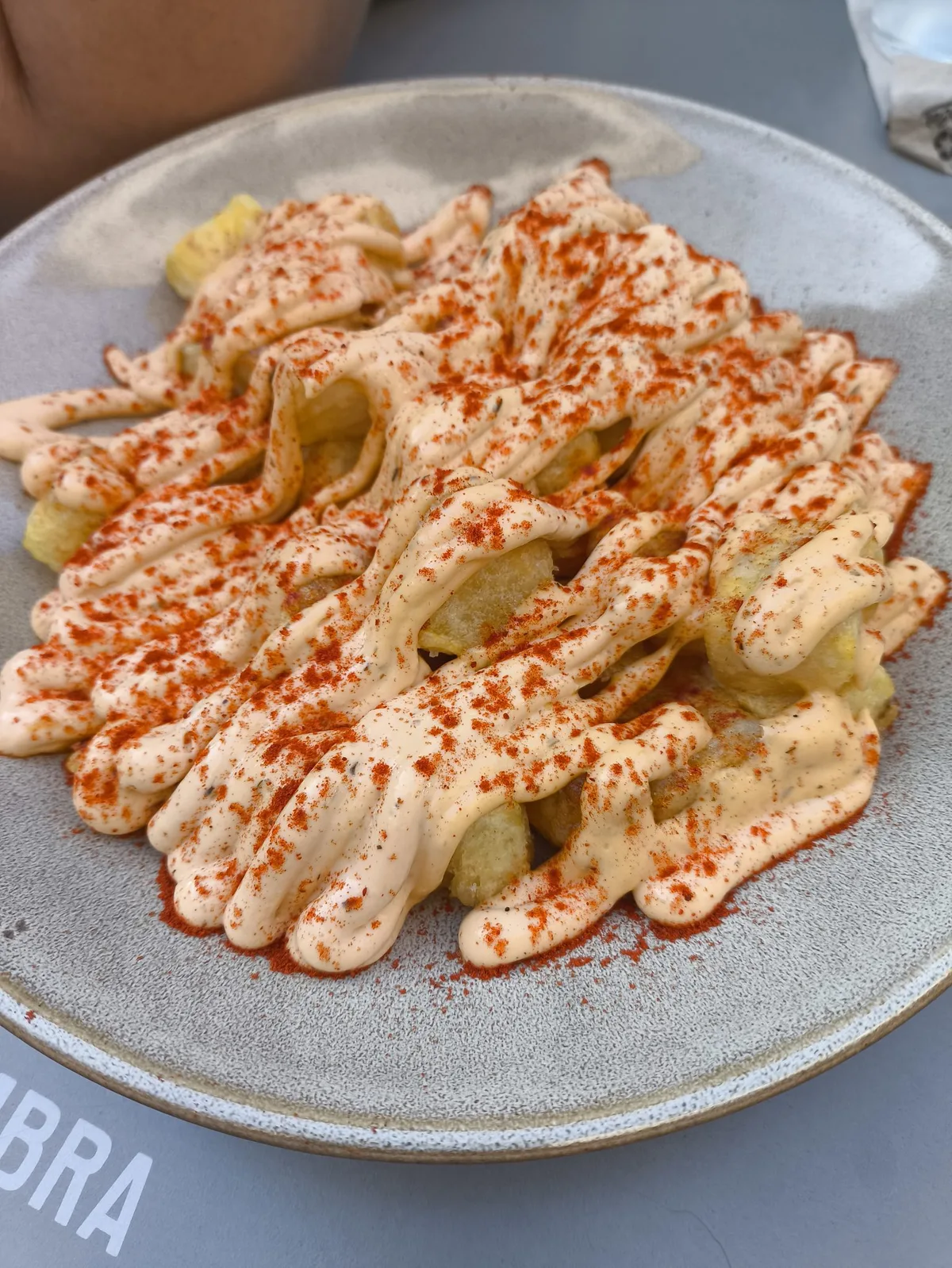
Image source: Openverse / Laulove2001
When starchy foods like potatoes, corn, or breaded items are exposed to high dry heat, the starch undergoes gelatinization. This process breaks down its molecular structure and makes it easier for digestive enzymes to convert it into glucose quickly. The glycemic index of a food can actually increase when it is air-fried at high temperatures compared to gentler methods like steaming or boiling.
Consider a practical example. A boiled white potato has a glycemic index of approximately 78. The same potato cut into wedges and air-fried at 400°F can reach a glycemic index above 90.
For someone counting carbohydrates and managing post-meal glucose, that difference is clinically meaningful.
The same applies to breaded and battered foods. The refined flour and cornmeal coatings on items like chicken tenders, onion rings, and corn dogs are already high-glycemic. Air frying them at high temperatures crisps the exterior, which makes them more appealing, and that palatability can lead to larger portions and faster eating.
If you enjoy these foods occasionally, air frying is still a better choice than deep frying from a fat and calorie standpoint. But do not mistake "less oil" for "blood sugar safe."
Cooking Temperature Matters More Than You Think: AGEs and Acrylamide
Temperature control is one of the most overlooked aspects of air frying, and it has direct implications for people with diabetes. Two compounds formed during high-heat cooking are particularly relevant.
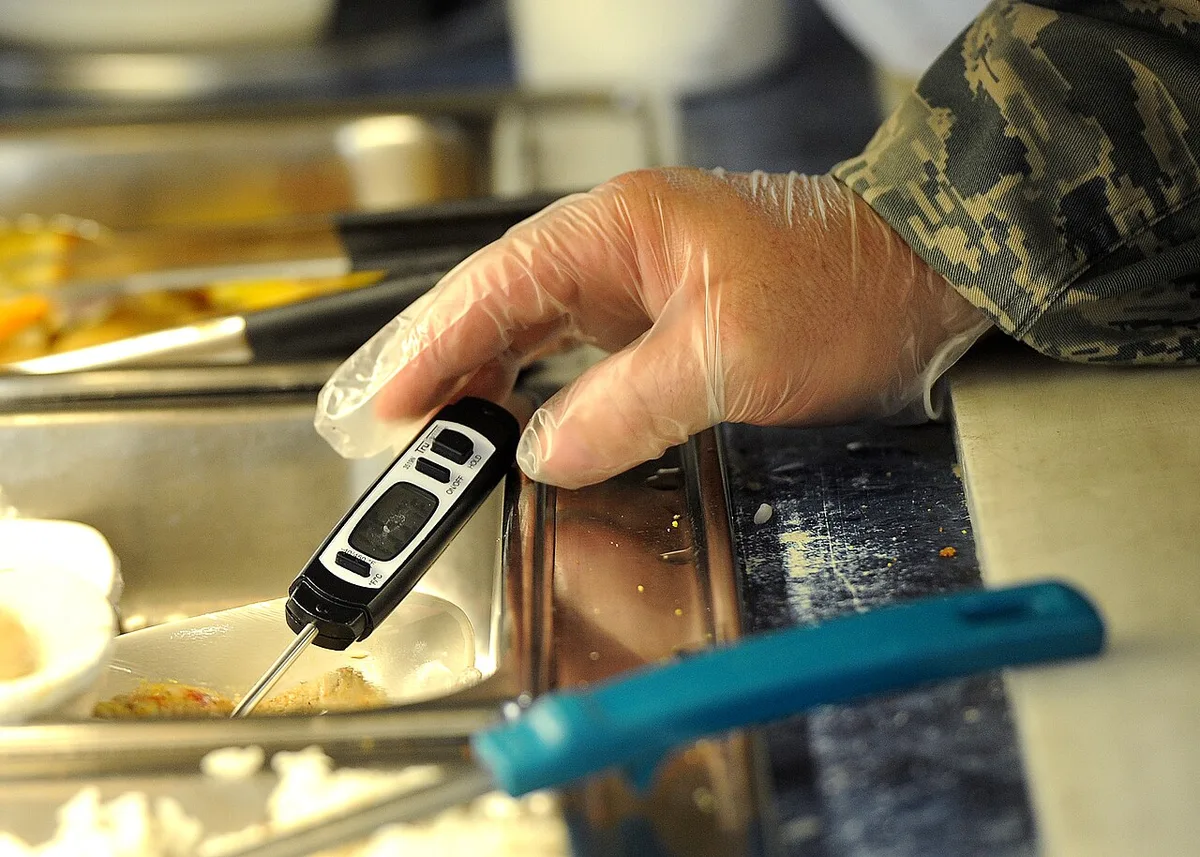
Image source: Wikimedia Commons / U.S. Air Force photo by Airmen 1st Class Levin Boland
Advanced glycation end products form when proteins or fats react with sugars at high temperatures. They are linked to increased oxidative stress, inflammation, and insulin resistance, all of which are already elevated in people with Type 2 diabetes. Research published in Diabetes Care has shown that dietary AGE intake correlates with markers of insulin resistance.
Air frying at temperatures above 310°F, especially with protein-rich foods like chicken and fish, can significantly increase AGE formation compared to lower-temperature methods.
Acrylamide forms when starchy foods are cooked above 248°F. The FDA identifies acrylamide as a potential human carcinogen. The foods that produce the most acrylamide, potatoes, grains, and corn, are the same ones that drive blood glucose spikes.
Here is a practical temperature guide for diabetes-friendly air fryer use:
| Food Type | Recommended Temperature | Reason |
|---|---|---|
| Non-starchy vegetables: broccoli, zucchini, peppers | 350 to 375°F | Achieves browning without excessive AGE formation |
| Lean proteins: chicken breast, fish, tofu | 350 to 375°F | Cooks through without high AGE production |
| Starchy vegetables: potato, sweet potato | 325 to 350°F | Reduces acrylamide and limits starch gelatinization |
| Breaded or coated items | 350°F maximum | Minimizes both acrylamide and AGE formation |
Lower and slower is generally better for blood sugar management. Preheating the air fryer also helps because it reduces total cooking time, which limits cumulative heat exposure.
Best Foods to Cook in an Air Fryer for Diabetes Management
An air fryer genuinely shines when used to prepare foods that align with a diabetic-friendly eating pattern. The key categories are lean proteins, non-starchy vegetables, and high-fiber foods that support stable blood glucose.

Image source: Bing (Web (fair-use with source credit))
Lean proteins are the best-case scenario. Chicken breast, turkey cutlets, firm tofu, salmon fillets, and shrimp all cook quickly and develop a satisfying exterior with minimal added oil. Protein has a negligible direct effect on blood sugar and helps slow the absorption of any carbohydrates eaten alongside it.
A 6-ounce air-fried salmon fillet with roasted broccoli is a textbook diabetes-friendly meal.
Non-starchy vegetables are where the air fryer earns its place. Broccoli, cauliflower, zucchini, bell peppers, asparagus, and Brussels sprouts all caramelize beautifully at 350 to 375°F. These vegetables are low in carbohydrates, typically 3 to 8 grams per cup, high in fiber, and rich in micronutrients.
High-fiber foods like chickpeas and edamame also work well. Air-fried chickpeas, tossed with a light spray of olive oil and spices, make a crunchy snack with roughly 7 grams of fiber per half-cup serving. Fiber slows glucose absorption and improves satiety.
For specific recipes that fit this framework, our guide to chicken shawarma in the air fryer uses lean protein and warm spices without added sugar. Our grouper recipes focus on a fish that is low in saturated fat and cooks perfectly in the basket.
Foods to Avoid or Limit Even in an Air Fryer
Some foods remain problematic for blood sugar management regardless of how they are cooked. The air fryer does not transform these into healthy options.

Image source: Bing (Web (fair-use with source credit))
Breaded and battered frozen foods are the biggest category to watch. Chicken nuggets, fish sticks, mozzarella sticks, and onion rings all carry refined carbohydrate coatings that spike blood glucose. A standard serving of frozen breaded chicken tenders contains 15 to 25 grams of carbohydrates before you add any dipping sauce.
Starchy vegetables in large portions deserve caution too. A whole air-fried potato can deliver 30 to 37 grams of carbohydrates, which is a significant portion of a typical diabetic meal budget of 45 to 60 grams. Our gold potato recipes include portion guidance, and our Japanese sweet potato recipe uses a variety with a slightly lower glycemic index.
Sugar-glazed or honey-coated items are another trap. Some popular air fryer recipes call for honey glazes, maple coatings, or sweet chili sauces that add 10 to 20 grams of sugar per serving.
Processed meats like bacon, sausage, and hot dogs are frequently cooked in air fryers. While they are low in carbohydrates, the ADA recommends limiting processed meat intake due to associations with cardiovascular disease, which is already the leading cause of death among people with diabetes.
Air Fryer vs. Other Cooking Methods: Which Is Best for Blood Sugar
No single cooking method is perfect for diabetes management, but some have clear advantages when blood sugar control is the priority.
| Cooking Method | Fat Added | Glycemic Impact | AGE Formation | Best For |
|---|---|---|---|---|
| Air frying | Minimal: 1 tsp or less | Similar to oven baking | Moderate at high temps | Vegetables, lean proteins |
| Deep frying | High: cups of oil | Similar to air frying for same food | High | Occasional treats only |
| Oven baking or roasting | Low to moderate | Lower than air frying at same temp | Moderate | Large batches, casseroles |
| Steaming | None | Lowest GI impact | Very low | Vegetables, fish |
| Sautéing | Moderate: 1 to 2 tbsp oil | Varies by food | Moderate | Quick vegetable and protein meals |
| Grilling or broiling | Low | Moderate | High at very high temps | Meats, vegetables |
Steaming produces the lowest glycemic impact because it uses water vapor instead of dry heat. However, it does not produce the browning that makes vegetables appealing. Air frying fills a useful middle ground: satisfying texture with far less oil than frying and lower AGE production than grilling.
Oven baking is the closest comparison. An air fryer is essentially a small, powerful convection oven that heats up faster. For blood sugar purposes, the results are nearly identical when cooking the same food at the same temperature.
The Instant Pot with an air fryer lid is another option worth considering. Pressure cooking, in particular, retains more nutrients and produces lower glycemic impact than most dry-heat methods.
How to Use an Air Fryer as Part of a Diabetic-Friendly Meal Plan
Start with a protein or non-starchy vegetable as the main component. This should fill half to two-thirds of your plate. Good options include chicken breast, salmon, cod, shrimp, tofu, broccoli, cauliflower, or zucchini.
Use the minimum amount of oil necessary. A light mist from an oil sprayer, roughly one teaspoon, is sufficient for most foods. Choose heart-healthy options like olive oil or avocado oil.
Set the temperature based on what you are cooking. Keep starchy foods at or below 350°F. Proteins and non-starchy vegetables do well at 350 to 375°F.
Avoid the highest settings unless you are reheating something that is already cooked.
Pair air-fried foods with fiber and healthy fats. A meal of air-fried chicken with a large side salad dressed in olive oil and vinegar will produce a much lower blood glucose response than air-fried chicken alone.
Track your portions and your response. Everyone's blood sugar responds differently to the same food. If you have a glucose monitor, check your levels one to two hours after an air-fried meal and note what you ate.
Our New York Strip air fryer recipe focuses on a lean cut of beef with herb seasoning and no breading. Our BBQ chicken recipes include a sugar-free sauce option that keeps carbohydrate counts low.
Common Mistakes Diabetics Make with Air Fryers
Assuming "air-fried" means "healthy" is the most widespread misconception. An air-fried doughnut is still a doughnut. Always evaluate the food, not the cooking method.
Overcrowding the basket prevents proper air circulation. The result is uneven cooking and often longer times that increase AGE formation. Cook in batches if necessary.
Using too high a temperature out of impatience increases acrylamide in starchy foods and AGEs in proteins. Patience at lower temperatures produces better metabolic outcomes.
Ignoring the breading and coating is another common error. A thin coating of almond flour or crushed pork rinds instead of white flour can cut the carbohydrate content of breaded items by 50% or more.
Skipping the sides means missing fiber that slows glucose absorption. Every air-fried protein should be paired with a generous portion of non-starchy vegetables.
Not cleaning the basket regularly causes residual oil and food particles to degrade. A quick wash after each use takes two minutes and protects both flavor and health.
What the Research Actually Says About Air Frying and Health
A 2015 study in the Journal of Food Science compared deep-fried and air-fried chicken. The air-fried samples had up to 70% less fat but similar protein and moisture levels. The study did not measure glycemic impact directly, but the fat reduction is relevant for cardiovascular risk management.
A 2020 review in Comprehensive Reviews in Food Science and Food Safety found that air frying produced significantly less acrylamide than deep frying for the same foods, though acrylamide was still present in potato-based items cooked above 300°F.
A 2014 study in Diabetes Care found that a low-AGE diet improved insulin sensitivity and reduced inflammatory markers in overweight women. High-AGE cooking methods were associated with worse outcomes than low-AGE methods like steaming and boiling.
The ADA's Standards of Medical Care in Diabetes does not specifically address air frying but emphasizes reducing added fats, choosing whole foods, and managing total carbohydrate intake. An air fryer can support all three goals when used intentionally.
Practical Tips from a Nutrition Perspective
Batch-cook proteins on a day that works for you. Air fry several chicken breasts, salmon fillets, or tofu blocks at once. Store them in portion-sized containers for quick assembly during the week.
Invest in an oil mister. A refillable sprayer gives you precise control over how much oil you use. Many aerosol cooking sprays contain added emulsifiers that add unnecessary chemicals.
Season aggressively with herbs and spices instead of sugar. Garlic powder, smoked paprika, cumin, turmeric, and black pepper add flavor without affecting blood glucose.
Use a food thermometer. Proteins cooked to the correct internal temperature, 165°F for poultry, 145°F for fish, are safe and do not need to be overcooked.
Rotate your cooking methods. Alternating air frying with steaming, slow cooking, and raw preparations reduces cumulative AGE intake.
Read nutrition labels on frozen air fryer foods. Many products marketed as "air fryer ready" are breaded, pre-fried, or sugar-coated.
Our kid-friendly air fryer recipes include options lower in added sugar. Our baked apples recipe uses cinnamon without added sugar for a dessert that fits within a diabetic meal plan.
Frequently Asked Questions
Can an air fryer help lower my A1C?
An air fryer alone will not lower your A1C. However, if using one helps you cook more meals at home, reduce deep-fried takeout, and eat more vegetables and lean proteins, those dietary shifts can contribute to improved A1C over time.
Is air-fried chicken safe for diabetics?
Air-fried unbreaded chicken breast is an excellent choice. It is high in protein, low in carbohydrates, and the air frying process adds minimal fat. Avoid breaded or sugar-glazed versions.
Does air frying destroy nutrients in food?
Air frying retains most nutrients similarly to oven baking. Some water-soluble vitamins like vitamin C may degrade slightly due to high heat, but short cooking times help minimize losses.
What is the best air fryer temperature for diabetes-friendly cooking?
For most diabetes-friendly foods, 350 to 375°F is the sweet spot. This range produces good browning while keeping AGE and acrylamide formation lower than the maximum 400°F setting.
Can I eat air-fried potatoes if I have diabetes?
You can, but portion control is essential. A small serving, half a medium potato, paired with protein and fiber will have a much smaller blood sugar impact than a full basket of air-fried fries.
The Bottom Line: Should a Diabetic Use an Air Fryer?
An air fryer is a genuinely useful kitchen tool for people with diabetes, but only as healthy as the food you put in it. The appliance excels at cooking lean proteins and non-starchy vegetables with minimal added oil, which supports the weight management and cardiovascular health goals central to diabetes care.
It does not make starchy or breaded foods safe for blood sugar. It does not replace carbohydrate counting or portion awareness. Cooking at excessively high temperatures introduces compounds that may worsen insulin resistance over time.
If you use an air fryer to cook more whole foods at home, reduce deep-fried takeout, and develop a habit of pairing proteins with fiber-rich vegetables, it can be a meaningful part of your diabetes management toolkit. If you use it to make "healthier" versions of the same processed, high-carb foods, your blood sugar will tell you the truth regardless of the marketing claims.
The appliance is a helper, not a solution. Use it wisely, keep the temperature moderate, and let the food do the heavy lifting.