
There's something deeply satisfying about pulling a batch of crispy, golden roasted pumpkin seeds straight out of your air fryer. A solid pumpkin seed air fryer recipe gives you that crunch in roughly half the time an oven needs, with less oil and almost no babysitting. Whether you're using seeds from a carved jack-o'-lantern or a bag of raw pepitas from the store, the air fryer turns them into a snack that's hard to stop eating.
In our research, most air fryer pumpkin seed recipes call for 325°F to 350°F for 10 to 15 minutes with a shake at the halfway mark, and that range works across the major basket-style and oven-style models. Let's walk through everything you need to nail this recipe the first time.
Image source: Wikimedia Commons / kernoel.cc (CC BY-SA)
Quick Answer
A pumpkin seed air fryer recipe uses your air fryer to roast raw pumpkin seeds (pepitas) into a crispy, golden snack. Toss the seeds with about one teaspoon of oil and your seasonings per cup. Spread them in a single layer in the basket.
Cook at 325°F to 350°F for 10 to 15 minutes, shaking every four to five minutes. They're done when golden brown and crisp.
Why Air Fryer Pumpkin Seeds Are Worth Making
Air fryers circulate hot air at high speed, which means pumpkin seeds toast evenly without the hot spots you get in a skillet. The result is a uniform crunch that's tough to achieve any other way.
You also use far less oil. A teaspoon per cup of seeds is all you need. That's a fraction of what deep-frying or even some oven recipes call for.
Cleanup is minimal. There's no sheet pan to scrub and no stovetop splatter. The basket wipes out in seconds.
For anyone who's ever ended up with half-burnt, half-chewy seeds from the oven, the air fryer is a genuine upgrade. Aggregate user reviews across Ninja, Cosori, and Instant Vortex models consistently mention even browning and shorter cook times as the top advantages for small-batch snacks like seeds.
What You Need Before You Start
You don't need much. The ingredient list is short, and the equipment is probably already in your kitchen.
Ingredients:
- Raw pumpkin seeds (pepitas), about 1 cup
- 1 teaspoon olive oil, avocado oil, or melted butter
- Salt to taste
- Your choice of seasonings (more on that below)
Equipment:
- Air fryer (basket or oven style)
- Small mixing bowl
- Spoon or spatula for tossing
If you're pulling seeds straight from a pumpkin, you'll need a colander and a clean kitchen towel for the prep work. Store-bought raw pepitas skip that step entirely.
One thing worth noting. Air fryers vary in actual output temperature. Manufacturer specs for models like the Ninja Air Fryer AF101 and the Cosori CP158 show a variance of up to 15°F from the set temperature.
That's why visual cues matter more than the timer alone.
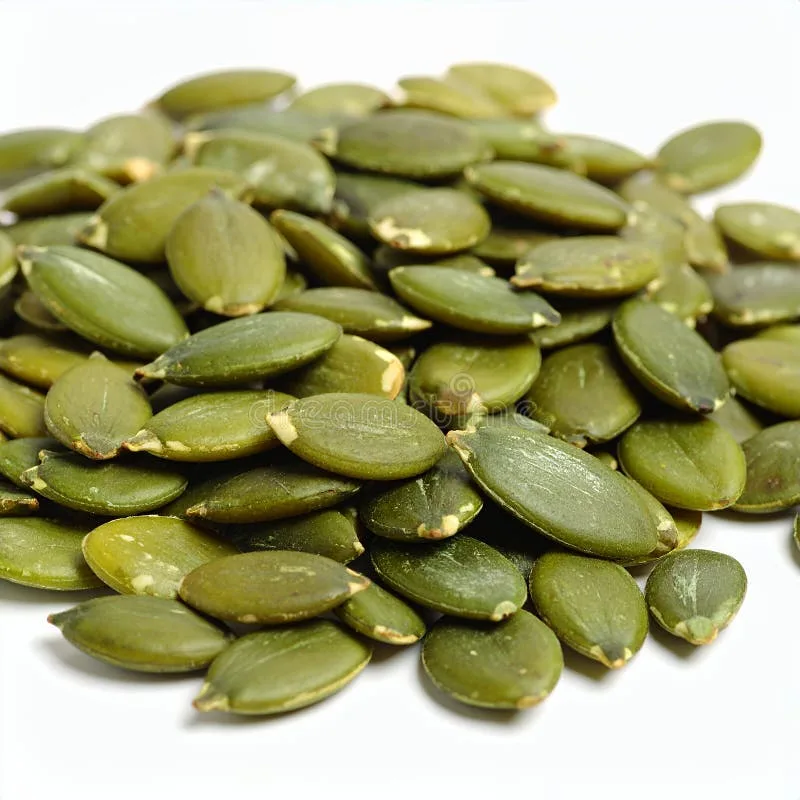
Image source: Bing (Web (fair-use with source credit))
If you're working with a larger air fryer, like a 9-quart model built for big families, check our guide to the best 9 quart air fryer for big family before scaling this recipe up.
How to Clean and Prep Pumpkin Seeds for the Air Fryer
If you're starting with a whole pumpkin, cut around the top and scoop out the seeds and pulp with a large spoon. Drop everything into a colander and run it under cool water, separating the seeds from the stringy bits by hand. It's a little messy but takes about five minutes.
Once the seeds are clean, spread them on a clean kitchen towel or a few layers of paper towel. Pat them dry thoroughly. This step matters more than most people realize.
Excess moisture is the number one reason seeds steam instead of crisp in the air fryer.
For the best texture, let the seeds air-dry for at least 30 minutes after patting. Some cooks spread them on a baking sheet and leave them uncovered overnight on the counter. Either way, the drier they go in, the crunchier they come out.
Image source: Wikimedia Commons / Wikimedia Commons contributor (CC BY)
Store-bought raw pepitas are usually clean and dry right out of the bag. Give them a quick visual check for any debris, but you can skip the washing entirely.
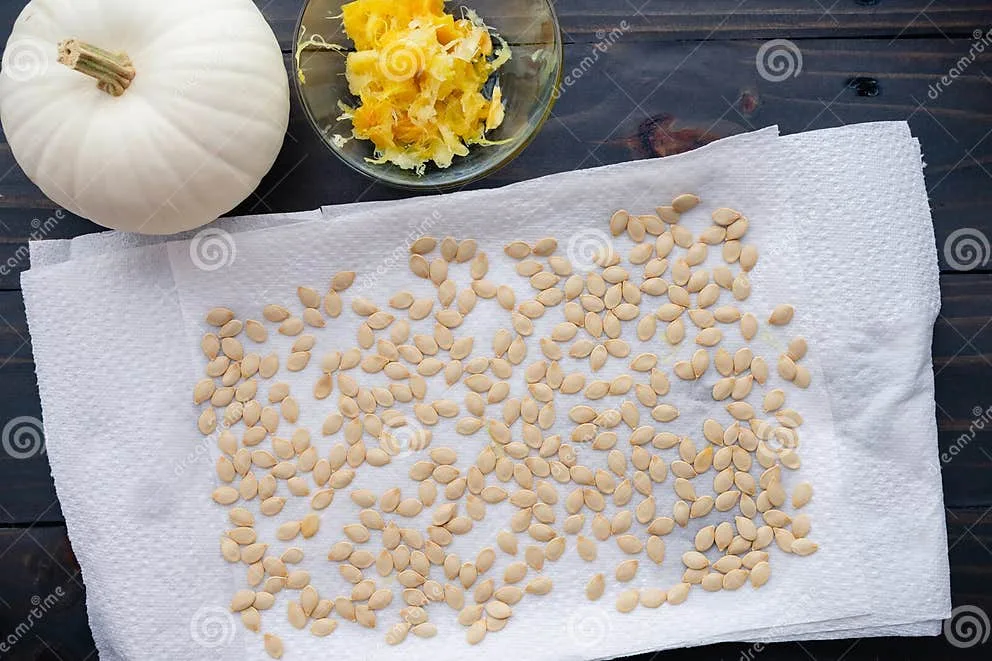
Image source: Bing (Web (fair-use with source credit))
Step-by-Step: Air Fryer Pumpkin Seed Recipe
Here's the full process from raw seeds to finished snack. Total active time is under five minutes. The air fryer does the rest.
Step 1: Toss the seeds with oil.
Put your dry seeds in a bowl. Drizzle with one teaspoon of oil per cup of seeds. Toss until every seed has a light, even coating.
Too much oil makes them soggy, so keep it minimal.
Step 2: Add your seasonings.
Sprinkle with salt and whatever spices you like. Toss again to distribute evenly. If you're doing a sweet version, cinnamon sugar works best when added after cooking.
It can burn at air fryer temperatures, so hold off until the seeds come out.
Step 3: Preheat the air fryer (optional).
Some models benefit from a two to three minute preheat at your target temperature. Check your manufacturer's guide. Basket-style air fryers like the Instant Vortex heat up fast enough that preheating is often unnecessary.
Our guide on whether the Instant Vortex is a good air fryer covers heat-up times across the lineup.
Step 4: Arrange seeds in a single layer.
Spread the seeds across the basket in one even layer. Don't pile them up. Overcrowding blocks airflow and leads to uneven cooking.
If you're doing more than a cup, work in batches.
Step 5: Set temperature and timer.
Set the air fryer to 325°F. Start with a 10-minute timer. Shake the basket or toss the seeds with a spoon at the four-minute and eight-minute marks.
Step 6: Check for doneness.
At 10 minutes, check the color. You're looking for an even golden brown. If they need more time, add two minutes and check again.
It's better to check early than to walk away and come back to burnt seeds.
Step 7: Cool and crisp.
Pull the seeds out and spread them on a plate or cutting board. They'll continue to crisp as they cool for about five minutes. Don't judge the texture straight from the basket when they're still steaming.
The crunch firms up significantly as they rest.
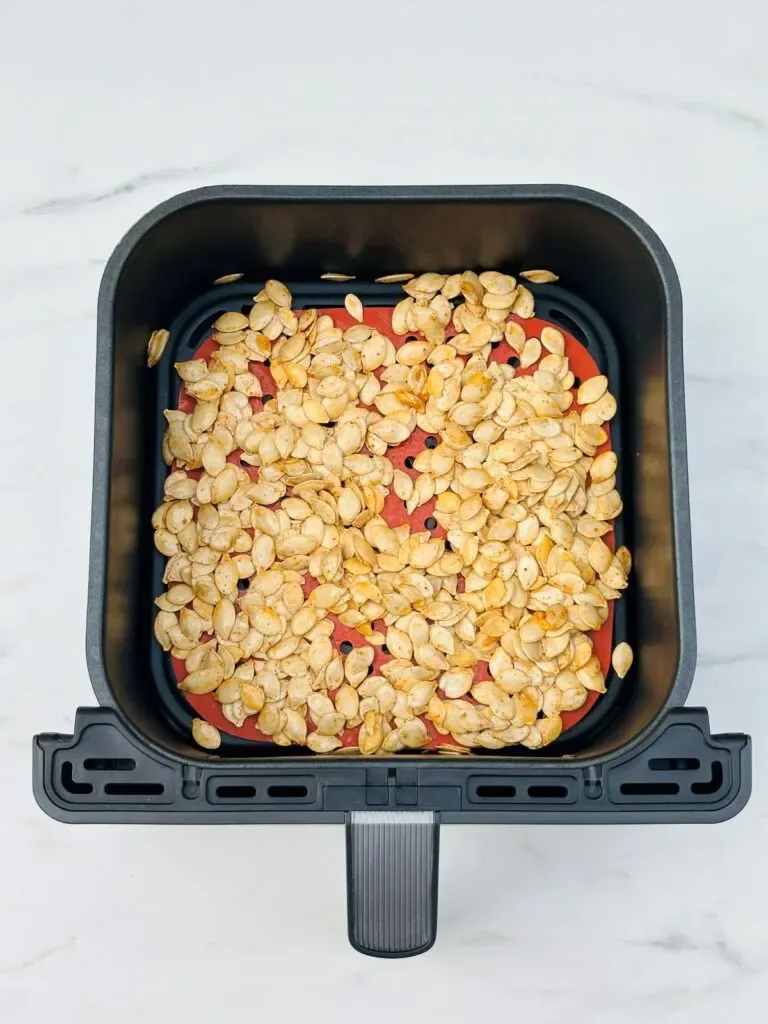
Image source: Bing (Web (fair-use with source credit))
Best Seasoning Combinations for Air Fryer Pumpkin Seeds
This is where the recipe gets fun. Pumpkin seeds take on flavor beautifully, and you can go sweet, savory, or spicy with equal success.
Classic Savory:
Salt, garlic powder, and a pinch of black pepper. Simple and addictive. This is the combination that works as a salad topping, a soup garnish, or a straight-up snack.
Everything Bagel:
Sesame seeds, poppy seeds, dried garlic, dried onion, and coarse salt. Toss the seeds with oil first, then press the seasoning mix onto the coated seeds so it sticks.
Cajun Spice:
Paprika, cayenne, garlic powder, onion powder, oregano, and black pepper. This one has a kick. Start with a quarter teaspoon of cayenne and adjust from there.
Cinnamon Sugar (add after cooking):
One tablespoon of sugar mixed with half a teaspoon of ground cinnamon. Sprinkle over the seeds as soon as they come out of the air fryer while they're still slightly oily. The residue helps the sugar cling.
Chili Lime:
Chili powder, a squeeze of fresh lime juice (added after cooking), and a pinch of salt. Bright, tangy, and a little smoky.
Rosemary Sea Salt:
Finely chopped fresh rosemary and flaky sea salt. The rosemary gets fragrant and slightly crispy in the air fryer, which adds a whole other texture.
The key is to keep the seasoning layer thin. Heavy-handed spice mixes can overwhelm the natural nutty flavor of the seeds. Start light and adjust next time.
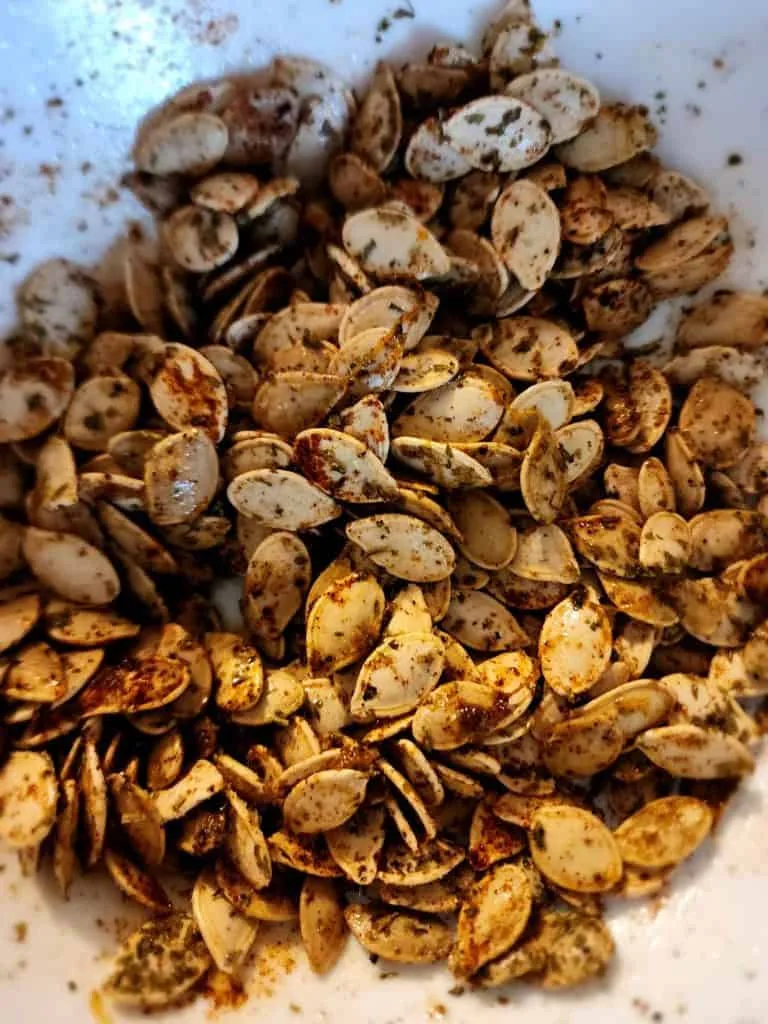
Image source: Bing (Web (fair-use with source credit))
If you're making these for a crowd, a dual-basket air fryer lets you cook two different flavors at once. Our roundup of the best 8 qt air fryer with dual basket has solid options for exactly that kind of multitasking. You could run a cajun batch in one side and a rosemary-sea-salt batch in the other without any flavor crossover.
How to Tell When Your Pumpkin Seeds Are Done
The biggest advantage of the air fryer is speed. The biggest risk is overcooking. Pumpkin seeds go from perfect to burnt in about 90 seconds, so you need to know what to watch for.
Color is your first signal.
Raw pepitas are a flat, pale green. As they cook, they shift to a warm golden brown. You want an even, light-to-medium gold across the batch.
If some seeds are dark brown while others are still pale, the batch needs another shake and another minute or two.
Texture is the second check.
Pull a seed out at the 10-minute mark and let it cool for 30 seconds. A properly roasted seed snaps cleanly when you bite it. A chewy or rubbery center means it needs more time.
If it tastes bitter or acrid, you've gone too far.
Listen for the pops.
Pumpkin seeds contain residual moisture that releases as tiny pops during the first few minutes of cooking. When the popping slows down and nearly stops, the seeds are close to done. This is a reliable indicator that most written recipes don't mention.
The cooling test matters.
Seeds continue to cook from residual heat after you pull them from the basket. They also crisp up significantly as they cool. If they feel slightly soft straight out of the air fryer but snap after five minutes on the counter, they were done.
Pull them a touch early rather than pushing for maximum crunch while hot.
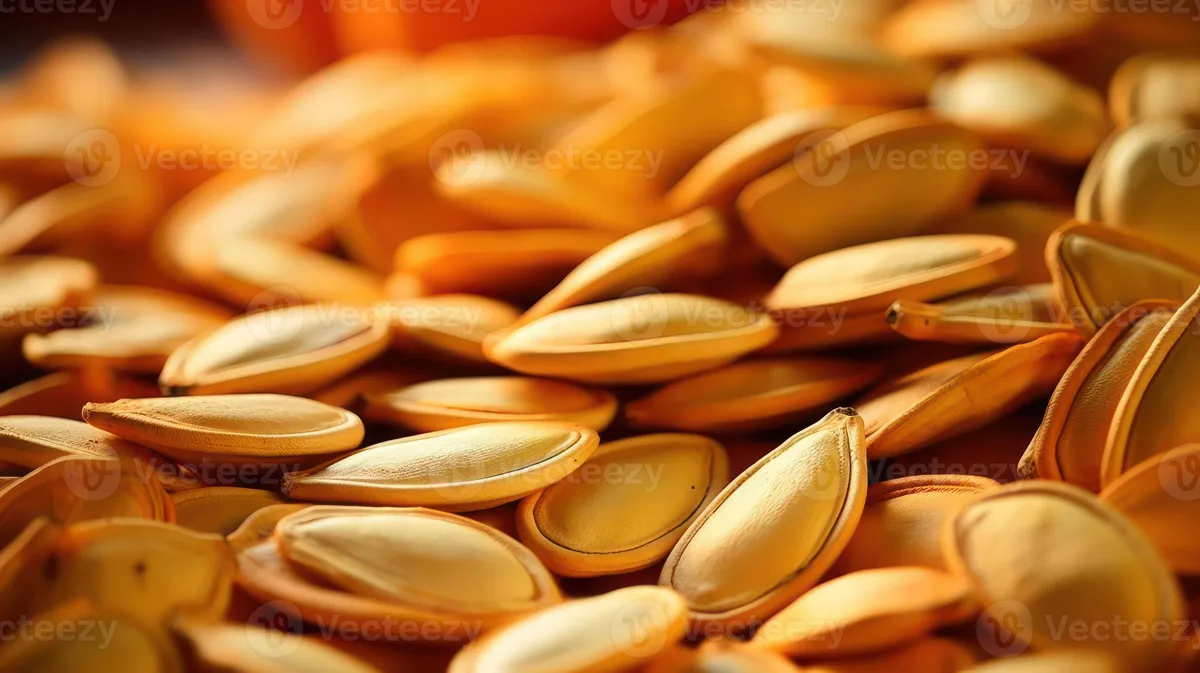
Image source: Bing (Web (fair-use with source credit))
Common Mistakes That Ruin Air Fryer Pumpkin Seeds
Most failures come down to a handful of repeatable errors. Here's what goes wrong and how to fix it.
Overcrowding the basket.
This is the single most common mistake. When seeds pile on top of each other, the hot air can't circulate. The bottom layer toasts while the top layer steams.
Always work in a single layer. If you need to do a large batch, cook in two rounds instead of cramming everything in at once.
Skipping the drying step.
Wet or damp seeds will steam instead of roast. Even seeds that look dry on the surface can hold enough moisture to ruin the texture. Pat them thoroughly and give them at least 30 minutes of air-drying time after washing.
Using too much oil.
More oil does not mean more crispiness. It means soggy, greasy seeds. One teaspoon per cup is the ceiling.
A light mist from an oil sprayer works even better than drizzling.
Setting the temperature too high.
Some recipes call for 375°F or even 400°F. That's too aggressive for something this small and light. At those temperatures, the outside chars before the inside crisps.
Stick to 325°F for the most control. You can always add time. You can't un-burn a batch.
Forgetting to shake.
Seeds in an air fryer sit in a direct stream of hot air on one side. Without shaking, you get uneven browning every time. Set a mental timer for every four minutes and give the basket a firm shake or stir with a spoon.
Adding sugar-based seasonings before cooking.
Brown sugar, honey glazes, and even some cinnamon-sugar mixes will burn and turn bitter at air fryer temperatures. If you want a sweet coating, add it in the first 60 seconds after the seeds come out while they're still warm and slightly oily.
Air Fryer vs. Oven vs. Stovetop: Which Method Wins
Each method works, but they produce noticeably different results. Here's how they compare on the factors that matter.
| Factor | Air Fryer | Oven | Stovetop |
|---|---|---|---|
| Cook time | 10 to 15 min | 25 to 40 min | 8 to 12 min |
| Hands-off level | High | High | Low (constant stirring) |
| Evenness | Very even | Moderate | Uneven without attention |
| Oil needed | 1 tsp per cup | 1 to 2 tsp per cup | 1 to 2 tbsp per cup |
| Batch size | Small to medium | Large | Small |
| Cleanup | Minimal | Sheet pan to scrub | Sticky skillet |
| Risk of burning | Moderate | Low | High |
The air fryer wins on speed, evenness, and oil efficiency. The oven wins on batch size. The stovetop gives you the most control but demands constant attention and uses more oil.
For a single person or a small household making a cup or two of seeds at a time, the air fryer is the clear winner. If you're prepping seeds for a party or a week of meal prep, the oven handles larger quantities more practically.
The stovetop method is best when you want to toast seeds in a dry pan with no oil at all. It's the leanest approach, but you have to stand there and stir the entire time. One distracted moment and half the batch scorches.
If you're already using your air fryer for other recipes, like our air fryer banana chips recipe, the pumpkin seeds slot right into the same workflow. Same basket, similar temperature range, same shake intervals.
How to Store Roasted Pumpkin Seeds So They Stay Crispy
Proper storage is the difference between seeds that stay crunchy for two weeks and seeds that go stale overnight.
Cool them completely first.
Never put warm seeds into a sealed container. Trapped steam creates moisture, and moisture kills crispness. Spread them on a plate and wait at least 15 minutes.
Use an airtight container.
A glass jar with a tight lid, a zip-top bag with the air pressed out, or a food storage container with a gasket seal all work well. The goal is to keep humidity out.
Store at room temperature.
Refrigeration introduces condensation every time you open the container. A cool, dark pantry or cupboard is ideal. Seeds stored this way hold their texture for up to two weeks.
Add a desiccant packet if you have one.
Those little silica gel packets that come in vitamin bottles or shoe boxes work perfectly. Toss one in the container to absorb any residual moisture.
Don't mix flavors.
If you made a savory batch and a sweet batch, store them separately. The seasonings will migrate and blend, and you'll end up with cinnamon-garlic seeds that nobody asked for.
For meal prep, portion the seeds into individual servings right after cooling. Grab-and-go bags make it easy to toss them into a lunchbox or keep a snack at your desk without opening the main container repeatedly.
Nutritional Benefits of Pumpkin Seeds
Pumpkin seeds are one of the most nutrient-dense snacks you can make in an air fryer. A quarter-cup serving of raw pepitas delivers serious nutritional value.
Per USDA FoodData Central, a quarter-cup serving of raw pepitas contains approximately 180 calories, 8 grams of protein, 14 grams of fat (mostly unsaturated), and 3 grams of fiber. They're also rich in magnesium, zinc, and manganese.
Magnesium supports muscle function and sleep quality. Zinc plays a role in immune function and wound healing. Manganese contributes to bone health and metabolism.
A single serving delivers roughly 35% of the daily value for magnesium and 20% for zinc based on USDA reference data.
The air fryer method preserves these nutrients well. A 2015 study published in the Journal of Food Science found that air frying retained comparable or higher levels of fat-soluble vitamins and minerals compared to conventional deep frying, largely because of the shorter cook time and lower oil absorption.
Pumpkin seeds also contain tryptophan, an amino acid that the body converts to serotonin and then melatonin. That's part of why roasted pumpkin seeds are a popular evening snack in several cultures.
For anyone tracking macros, the air fryer version adds minimal extra fat compared to raw seeds. One teaspoon of oil spread across a full cup of seeds adds roughly 1.5 grams of fat per quarter-cup serving. That's a reasonable trade for the texture upgrade.
If you're exploring air fryer recipes for health reasons, our article on whether air fryers are good for diabetics covers how this cooking method fits into blood sugar management. Pumpkin seeds themselves have a low glycemic impact, making them a solid choice for that context. They're also naturally gluten-free, keto-friendly, and vegan, which makes them one of the most versatile snack options in any air fryer recipe collection.
Air Fryer Pumpkin Seeds for Special Diets
Pumpkin seeds are naturally friendly to most dietary frameworks. The air fryer method keeps them that way without adding much.
Vegan:
Use olive oil or avocado oil instead of butter. Skip the honey-based glazes. Every seasoning combination in this recipe is plant-based as written.
Keto and low-carb:
A quarter-cup serving of pepitas has roughly 3 grams of net carbs. That fits comfortably within most keto macros. Stick to savory seasonings and avoid the cinnamon-sugar version.
Gluten-free:
Pumpkin seeds are naturally gluten-free. Just verify that any pre-mixed spice blend you use doesn't contain maltodextrin or wheat-based anti-caking agents. Most single-ingredient spices are safe.
Whole30 and paleo:
Use ghee or compliant cooking fat. Skip the sugar entirely. Salt, garlic, and smoked paprika make a solid Whole30-friendly batch.
If you're cooking for a family with mixed dietary needs, a dual-basket air fryer lets you make two versions at the same time. Our guide to the best 8 qt air fryer with dual basket covers models that handle this well without any flavor crossover between baskets.
Troubleshooting: Why Your Seeds Aren't Turning Out Right
Even with a solid recipe, things can go sideways. Here's what's happening and how to fix it.
Seeds are chewy, not crispy.
They need more time or more heat. Bump the temperature to 350°F and add two to three minutes. If they're still chewy, they may not have been dry enough before cooking.
Pat them more thoroughly next batch.
Seeds are burnt on the outside, raw inside.
The temperature is too high. Drop to 300°F and cook for a longer window, around 14 to 16 minutes. Low and slow gives you more control with small items like seeds.
Seeds are flying around inside the air fryer.
Pumpkin seeds are light enough to get pushed by the fan. Place a small wire rack or a piece of perforated parchment paper on top of the seeds to hold them down. Some air fryer accessory kits include a mesh screen specifically for this.
Seasoning won't stick.
Toss the seeds with oil first, then add the dry seasoning. The oil acts as a binder. If you add spices to dry seeds, most of them fall to the bottom of the basket.
Seeds taste bitter.
They're overcooked. Even slightly burnt pumpkin seeds develop a sharp, acrid bitterness. Reduce your next batch by two minutes and check earlier.
Seeds are sticking to the basket.
A light oil coating on the basket before adding the seeds helps. So does shaking every four minutes. For persistent sticking, a silicone air fryer liner or parchment insert makes cleanup easier.
Our article on whether the Instant Vortex air fryer is dishwasher safe covers which parts can go in the dishwasher for faster cleanup.
Frequently Asked Questions
Can I air fry pumpkin seeds without oil?
Yes. Dry-roasted pumpkin seeds work in the air fryer with no oil at all. The texture is slightly less rich but still crispy.
You may need to add an extra minute or two since oil helps conduct heat. Seasonings are harder to make stick without oil, so add them right after cooking while the seeds are still warm.
How long do air fryer pumpkin seeds last?
Stored in an airtight container at room temperature, they stay fresh and crispy for up to two weeks. Humidity is the enemy. If your kitchen runs humid, a desiccant packet in the container extends shelf life.
Avoid the fridge since condensation builds every time you open the door.
Can I use seeds from a carved pumpkin?
Absolutely. Scoop them out, clean off the pulp, dry them thoroughly, and follow the same recipe. Seeds from carving pumpkins tend to be larger than store-bought pepitas, so they may need an extra two to three minutes in the air fryer.
The flavor is the same once they're toasted.
What temperature is best for air fryer pumpkin seeds?
325°F is the sweet spot for most models. It gives you even browning without the risk of burning. If your air fryer runs cool, 350°F works.
Avoid anything above 375°F. Seeds are small and go from golden to charred fast at higher temperatures.
Do I need to soak pumpkin seeds before air frying?
It's optional. Soaking seeds in salted water for 30 minutes to an hour before drying and cooking can improve crispiness. The theory is that the soak drives moisture out of the seed coat.
In practice, thorough air-drying after washing gets you close to the same result without the extra step.
Can kids eat air fryer pumpkin seeds?
Yes, for children old enough to handle small, hard foods safely. For toddlers and young children, pulse the seeds in a food processor to make a powder and sprinkle it on yogurt or oatmeal instead of serving whole seeds. Whole seeds are a choking risk for kids under four.