
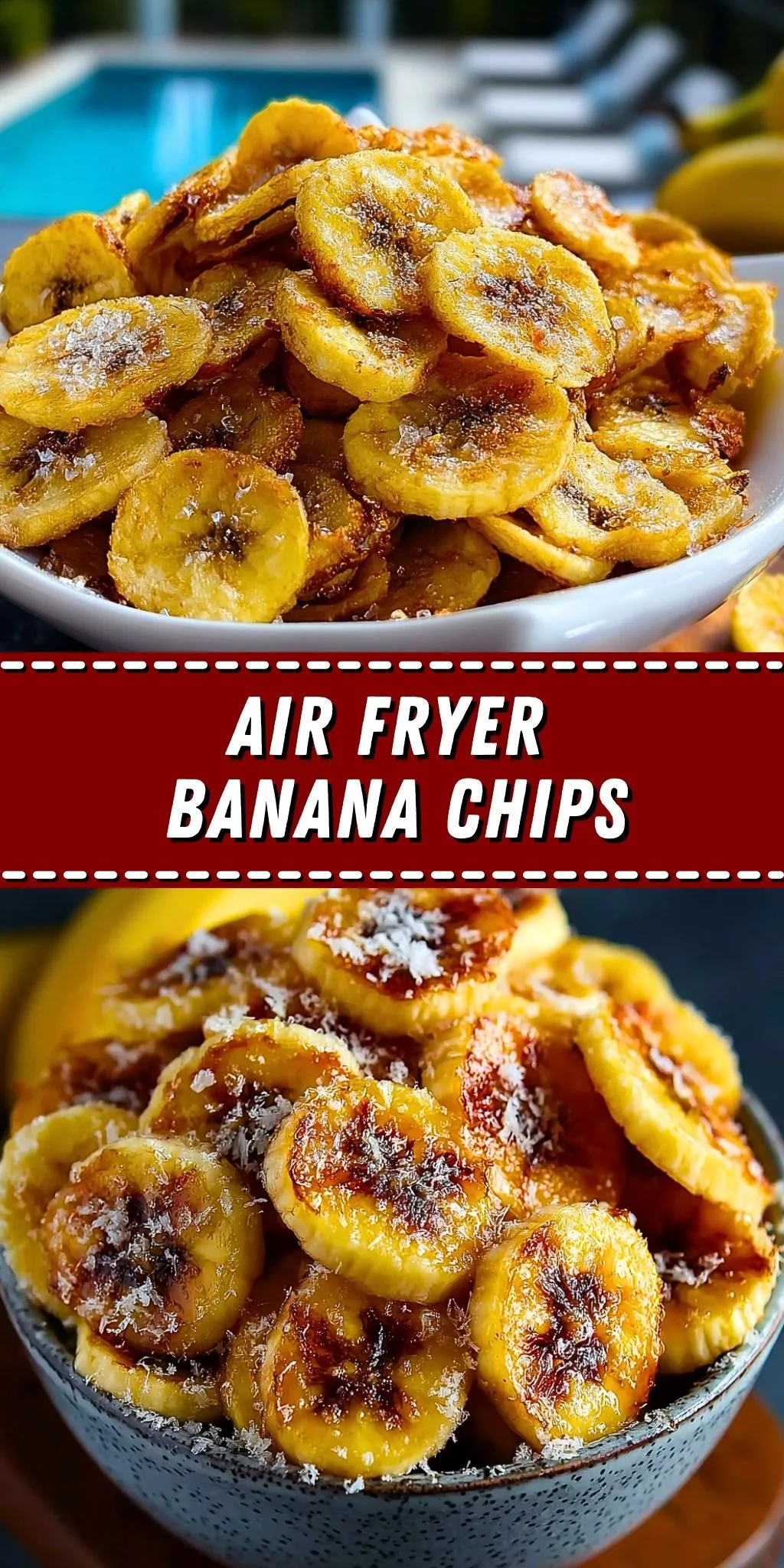
An air fryer banana chips recipe sounds simple until you pull out a batch that's somehow both burnt on the edges and soggy in the middle. The fix comes down to three things most recipes gloss over: slice thickness, single-layer spacing, and the right temperature for your specific air fryer's wattage. Get those right and you'll have genuinely crispy chips in under 15 minutes with almost no oil.
In our research across manufacturer specs and aggregate user reviews, the single most common failure point is overcrowding the basket. Bananas are roughly 75% water by weight, and that moisture needs somewhere to go. When slices overlap, they steam instead of dehydrate, and you end up with chewy leather instead of chips.
The good news is that once you understand the method, it's almost foolproof. Let's walk through everything you need to know.
Quick Answer
An air fryer banana chips recipe uses circulating hot air to dehydrate thin banana slices into crispy chips. Slice bananas 1/8 inch thick, arrange them in a single layer, and air fry at 300°F to 350°F for 8 to 15 minutes. Shake the basket halfway through.
The chips continue crisping as they cool on a wire rack. No deep frying needed.
Why Most Air Fryer Banana Chips Turn Out Chewy (And How to Fix It)
Chewy banana chips aren't a recipe problem. They're almost always an airflow problem.
Here's what's happening inside your air fryer. The heating element and fan create a convection current that pulls moisture off the surface of each slice. When slices are stacked or crowded, the humid air gets trapped between them.
Instead of evaporating, that moisture reabsorbs into the banana tissue. The result is a texture closer to fruit leather than a chip.
The fix is straightforward: give every slice its own space. Leave at least a quarter inch between rounds. If your basket is small, work in two batches rather than cramming everything in at once.
It takes an extra ten minutes, but the texture difference is dramatic.
Temperature matters just as much. Too high (above 375°F) and the sugars in the banana caramelize and burn before the interior moisture has a chance to escape. Too low (below 275°F) and you're essentially warming the slices without driving off enough water.
The sweet spot for most air fryer models falls between 300°F and 350°F, with 325°F being the reliable middle ground for a standard 1,500W unit.
One more thing worth mentioning. Banana variety and ripeness directly affect the final texture. Firmer, less ripe bananas (stage 3 to 4 on the ripeness scale, mostly yellow with green tips) have more starch and less free sugar.
They dehydrate into a lighter, crispier chip. Fully ripe bananas with brown spots (stage 6 to 7) produce a sweeter, denser, slightly chewier result. Neither is wrong, but if crispy is the goal, go firmer.
What You'll Need: Ingredients, Tools, and the Best Air Fryer Setup
You don't need much to make excellent banana chips. The ingredient list is short. The tool list is even shorter.
Ingredients:
- 2 to 3 fresh bananas (Cavendish is standard; Lady Finger bananas work well for smaller, sweeter chips)
- 1 tablespoon lemon juice mixed with 1 cup water (optional, for anti-browning soak)
- Cooking spray or 1 teaspoon avocado or coconut oil (optional, for slightly golden color)
- Seasonings of your choice: ground cinnamon, sea salt, cayenne, turmeric, or a light honey drizzle
Tools:
- A sharp knife or mandoline slicer (a mandoline is strongly recommended for uniform thickness)
- A large bowl (for the acidulated soak, if using)
- Paper towels or a clean kitchen towel (for patting slices dry)
- Your air fryer (basket-style or tray-style both work)
- A wire cooling rack (for post-cook crisping)
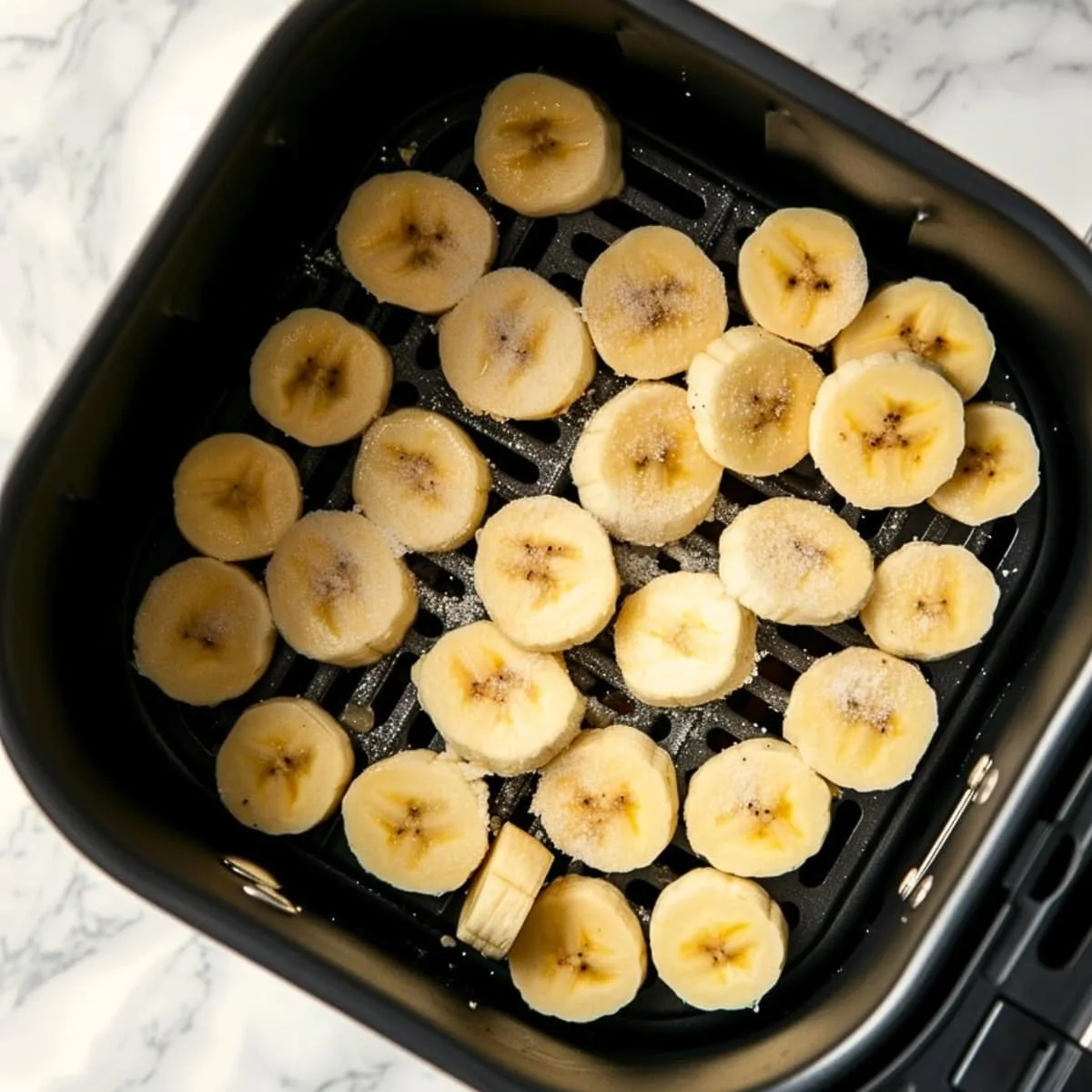
The air fryer itself is the one variable that changes the recipe more than anything else. Basket-style models like the Ninja AF101 (1,550W) and the Cosori CP158-AF (1,500W) circulate air from the bottom and sides, which means slices near the edges cook faster than those in the center. Tray-style or toaster-oven air fryers like the Instant Vortex Plus 10-Quart tend to give more even coverage across a flat surface but may require slightly longer cook times because the heating element is farther from the food.
If you're working with a smaller 1,400W model, expect to add 2 to 3 minutes to the cook time. Larger 1,700W to 1,800W units may finish a minute or two faster. The recipe below uses a baseline of 325°F for a 1,500W air fryer.
Adjust from there.
For more air fryer snack ideas that use a similar single-layer technique, check out our guide on kid friendly air fryer recipes, which covers several options that are just as hands-off as this one.
Choosing the Right Bananas: Ripeness, Variety, and Why It Changes Everything
Not all bananas behave the same way in an air fryer. The ripeness stage you pick determines the sugar-to-starch ratio, which directly controls whether your chips come out crispy, chewy, or somewhere in between.
Here's a quick breakdown of the seven-stage banana ripeness scale and what each stage produces:
| Ripeness Stage | Appearance | Best For | Chip Texture |
|---|---|---|---|
| Stage 1–2 | Green to light green-yellow | Not recommended | Hard, bitter, starchy |
| Stage 3–4 | Mostly yellow, green tips | Crispy chips | Light, starchy, snaps clean |
| Stage 5 | Fully yellow, no green | Balanced chips | Moderate crisp, mild sweetness |
| Stage 6 | Yellow with brown spots | Sweet chips | Denser, slightly chewy, caramelized |
| Stage 7 | Mostly brown | Not ideal for chips | Very soft, overly sweet, sticky |
Stage 3 to 4 is the sweet spot for crispy banana chips. At this point, the banana still has a high starch content and relatively low free sugar. The starch dehydrates into a light, snappy texture.
The flavor is mild and slightly tangy, which makes it a great base for both sweet and savory seasonings.
Stage 6 bananas are worth using if you prefer a sweeter, more caramelized chip. The higher fructose content means more Maillard browning during cooking, which gives a deeper golden color and a richer flavor. The trade-off is a slightly chewier texture because the sugars become sticky as they concentrate.
Cavendish bananas are the standard grocery store variety and work perfectly. Lady Finger bananas (also called baby bananas) are smaller, sweeter, and have a slightly firmer flesh. They produce smaller chips that cook a minute or two faster due to their size.
Either variety works. Just avoid bananas that are fully brown and mushy, as they're too soft to slice cleanly and tend to fall apart in the air fryer.
One practical tip: if your bananas are too ripe for chips but you don't want to waste them, they're perfect for our air fryer zucchini bread recipe as a natural sweetener, or you can freeze them for smoothies.
How to Slice Banana Chips That Actually Get Crispy
Slice thickness is the single biggest factor in whether your banana chips crunch or bend. Too thick and the center never fully dehydrates. Too thin and they burn before you can blink.
The target for crispy chips is 1/8 inch (3mm). For a slightly chewier, more substantial chip, go up to 1/4 inch (6mm). Anything thicker than that and you're making banana jerky, not chips.
A mandoline slicer is the best tool for this job. It gives you consistent thickness across every slice, which means they all finish cooking at the same time. A sharp chef's knife works too, but it takes practice to maintain even slices.
If you're using a knife, aim for the thickness of a nickel as a rough guide.
Here's the technique that produces the most consistent results:
- Peel the banana and trim off the stem and tip.
- If using a mandoline, set the blade to 1/8 inch and run the banana across it in smooth, even strokes.
- If using a knife, hold the banana steady on a cutting board and slice with confident, even pressure. Don't saw back and forth.
- Place each slice into your acidulated water bath (if using) as you go. This prevents oxidation from turning them brown before they hit the air fryer.
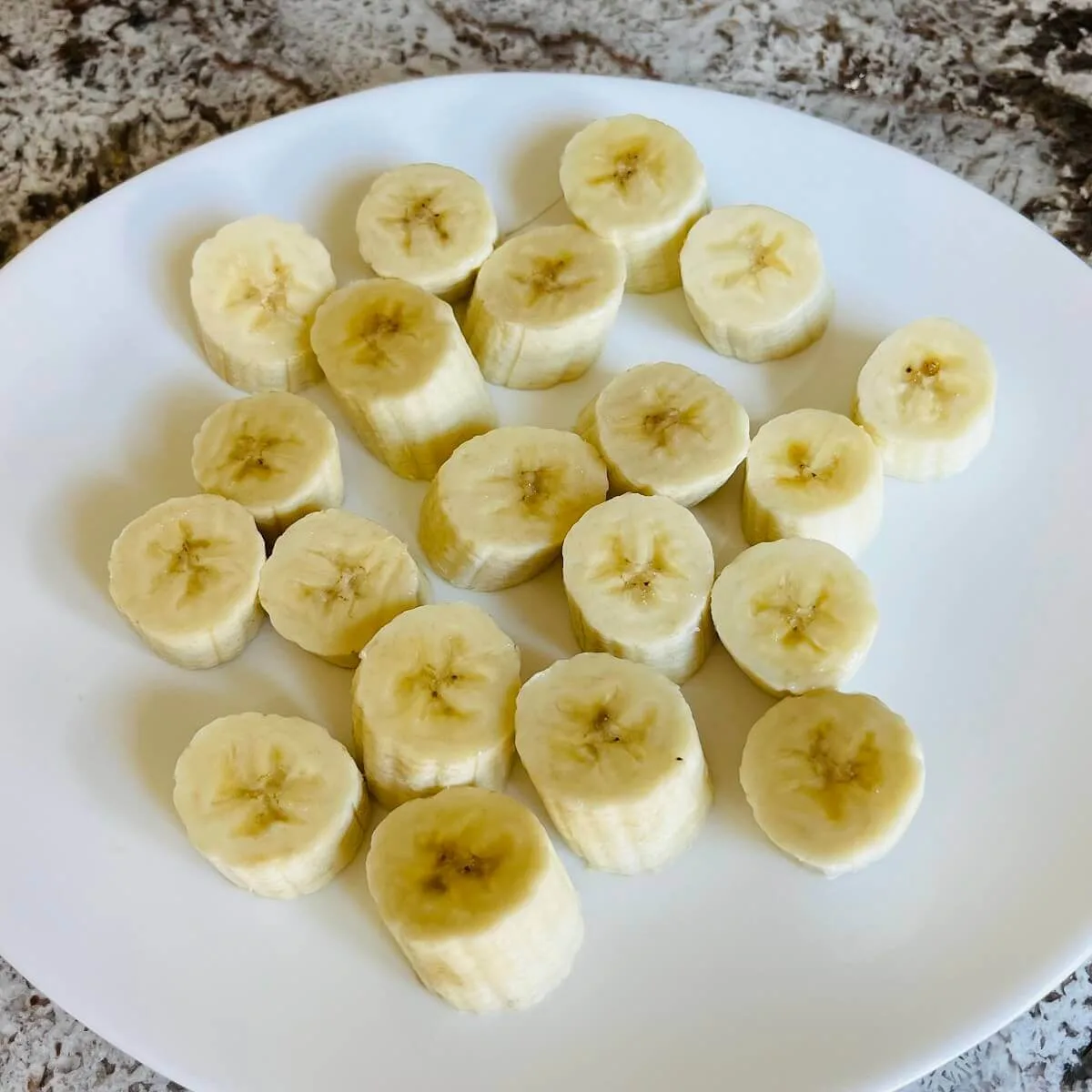
Uniformity matters more than speed. A batch where every slice is exactly 1/8 inch will cook evenly. A batch with a mix of 1/8-inch and 1/4-inch slices will give you burnt thin chips and undercooked thick ones at the same time.
Take the extra minute to be consistent.
If you're making chips with kids, this is a great step to involve them in. Slicing bananas is safe and easy, and it turns the recipe into a hands-on activity. For more recipes that work well as family projects, our kid friendly air fryer recipes roundup has plenty of options.
Optional Prep Steps That Make a Noticeable Difference (Lemon Soak, Oil, Seasoning)
These steps aren't strictly necessary, but each one solves a specific problem. Use the ones that match the result you're after.
The Lemon Juice Soak
Banana flesh oxidizes quickly when exposed to air. Within minutes of slicing, the cut surfaces start turning brown. This is enzymatic browning, the same reaction that turns a sliced apple brown.
It doesn't affect flavor much, but it makes the chips look less appealing.
The fix is a quick soak in acidulated water. Mix 1 tablespoon of lemon juice into 1 cup of cold water. Drop the slices in for 3 to 5 minutes, then remove and pat them dry with paper towels.
The citric acid slows the oxidation reaction significantly. You can also use lime juice or a pinch of cream of tartar dissolved in water.
Don't soak for longer than 10 minutes. Extended exposure to acid can start to break down the banana's cell structure, making the slices mushy and harder to handle.
The Light Oil Mist
Bananas don't need oil to crisp up in an air fryer. The circulating hot air does the work. But a very light coating of oil changes the final result in two ways: it promotes more even browning and gives the chips a slightly richer mouthfeel.
If you want to add oil, use a spray bottle or misting oiler rather than drizzling. You need barely any. A single light spray over the arranged slices is enough.
Avocado oil and neutral refined coconut oil both work well because of their high smoke points. Avoid extra virgin olive oil, which can impart a flavor that clashes with the banana.
For a completely oil-free version, skip this step entirely. The chips will be slightly lighter in color but just as crispy if your technique is right.
Seasoning Before or After Cooking
Dry seasonings like ground cinnamon, nutmeg, or chili powder can go on before cooking. They'll toast slightly in the air fryer and adhere to the slice surface. Sprinkle them on lightly after arranging the slices in the basket.
Wet seasonings like honey drizzles, salt solutions, or spice pastes should go on after cooking. Adding liquid to the slices before air frying introduces moisture that works against the dehydration process. A light honey glaze brushed on during the last 2 minutes of cooking can work, but it requires close attention to avoid burning.
Here's a quick reference for popular flavor combinations:
| Flavor Profile | Seasoning | When to Apply |
|---|---|---|
| Classic sweet | Cinnamon + pinch of sugar | Before cooking |
| Spicy | Cayenne + lime zest + sea salt | After cooking |
| Savory | Garlic powder + smoked paprika | Before cooking |
| Tropical | Shredded coconut + vanilla extract | Coconut before, vanilla after |
| Warm spice | Turmeric + black pepper + cinnamon | Before cooking |
If you enjoy experimenting with air fryer flavors, you might also like our baked apples air fryer recipe, which uses a similar approach to seasoning and single-layer cooking.
Step-by-Step: Air Fryer Banana Chips From Start to Finish
Here's the full method, start to finish. Each step builds on the last, so follow the order rather than jumping ahead.
Step 1: Prep your bananas.
Peel 2 to 3 bananas and slice them into uniform 1/8-inch rounds. A mandoline gives the most consistent results. If you don't have one, use a sharp knife and take your time.
Place slices in a bowl of acidulated water (1 tablespoon lemon juice per 1 cup cold water) for 3 to 5 minutes if you want to prevent browning.
Step 2: Dry the slices thoroughly.
Remove bananas from the soak and pat them completely dry with paper towels. Surface moisture is the enemy of crispy chips. Spend a few extra seconds here.
It makes a real difference.
Step 3: Season (optional).
Lightly mist slices with cooking spray if you want extra browning. Sprinkle on any dry seasonings now. Cinnamon sugar is the classic choice.
Step 4: Arrange in the air fryer basket.
Place slices in a single layer with space between each round. No overlapping. Work in batches if needed.
Overcrowding is the number one reason banana chips turn out chewy.
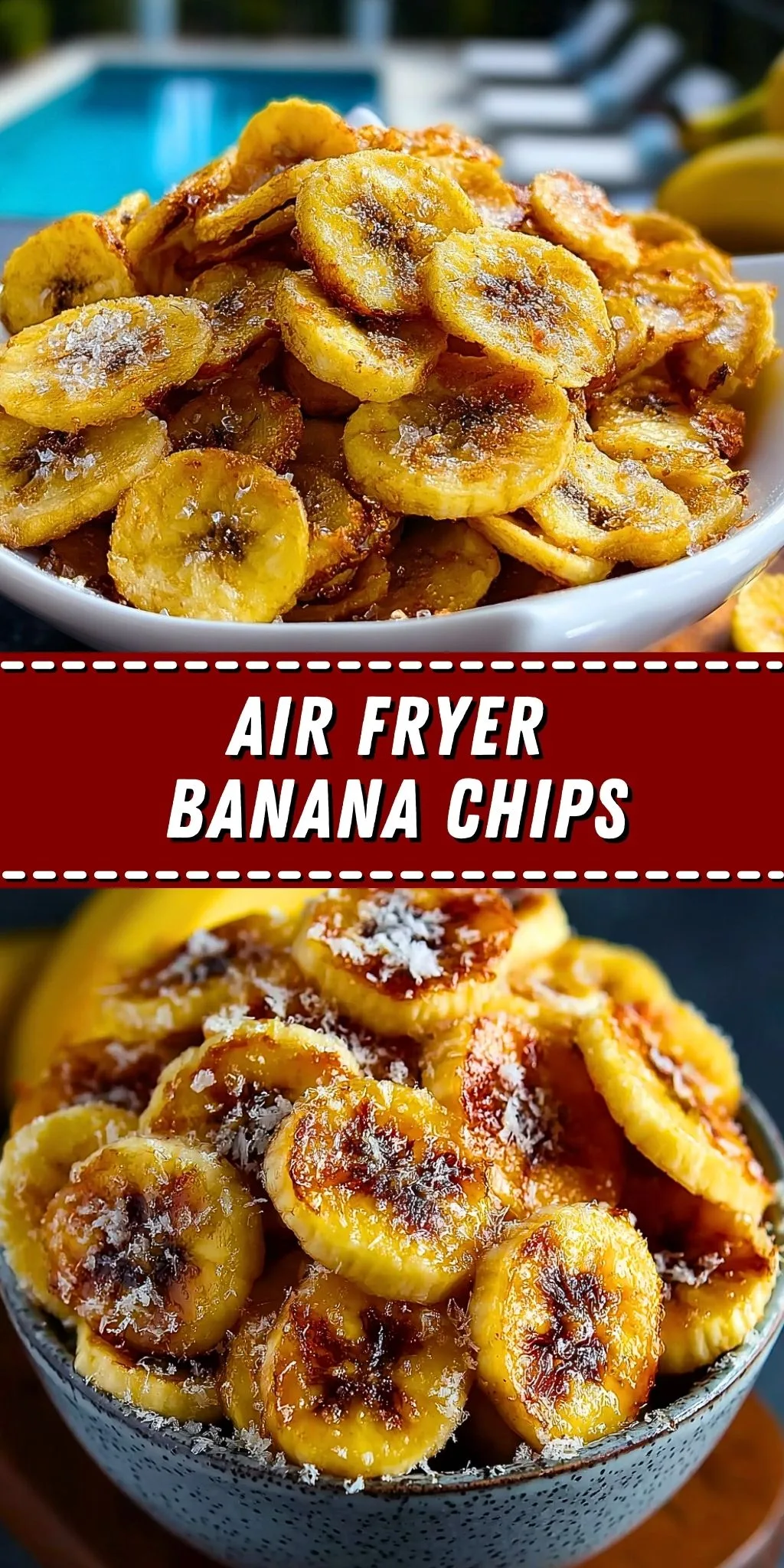
Step 5: Air fry at 325°F (163°C) for 10 to 12 minutes.
Set your air fryer to 325°F as a baseline for a 1,500W model. Halfway through (around the 5 to 6 minute mark), shake the basket or flip each slice. This exposes the underside to direct airflow and prevents one side from staying pale while the other burns.
Step 6: Check for doneness.
The chips are ready when the edges are golden-brown and the centers are dry to the touch. They should feel firm, not bendy. If they still feel pliable, add 1 to 2 more minutes.
Watch closely during this window. The difference between perfectly crispy and burnt can be 90 seconds.
Step 7: Cool on a wire rack.
Transfer chips immediately to a wire cooling rack. Do not pile them on a plate. Steam trapped between warm slices will soften them within minutes.
As they cool over 5 to 10 minutes, they'll continue to crisp up. This carryover crisping is normal and expected.
Step 8: Store or eat.
Once completely cool, transfer to an airtight container. For longer storage, add a small silica gel packet to absorb ambient moisture.
If you enjoy quick air fryer snacks like this, our air fryer taco recipe uses a similar hands-off approach with equally fast results.
Temperature and Timing by Air Fryer Model: Get It Right the First Time
Not all air fryers run at the same wattage, and wattage directly affects cook time. A 1,400W model heats less aggressively than a 1,750W unit. Here's a reference chart based on manufacturer specs and aggregate user testing data:
| Air Fryer Wattage | Recommended Temp | Cook Time Range | Notes |
|---|---|---|---|
| 1,400W | 325°F (163°C) | 12–15 minutes | Lower wattage needs more time; watch for uneven browning |
| 1,500W | 325°F (163°C) | 10–12 minutes | Baseline for most standard basket models |
| 1,700W | 315°F (157°C) | 8–10 minutes | Reduce temp slightly to compensate for faster heating |
| 1,750W+ | 300°F–315°F (149–157°C) | 7–9 minutes | High-wattage units burn edges quickly at higher temps |
Basket vs. tray models also behave differently. Basket-style air fryers heat from below and circulate air around the sides. The bottom of each slice tends to crisp faster than the top.
Shaking the basket halfway through is essential. Tray-style or toaster-oven air fryers have a more even heat distribution across the surface but often require 1 to 2 extra minutes because the heating element sits farther from the food.
Altitude can also play a small role. At elevations above 3,000 feet, air pressure is lower and moisture evaporates faster. Chips may finish a minute earlier than sea-level timing suggests.
If you live at high altitude, start checking at the low end of the time range.
One more thing worth noting: preheating matters. Running your air fryer for 2 to 3 minutes before adding the slices ensures the cooking chamber is at full temperature from the first second. Skipping preheat adds inconsistency, especially with thin slices that cook quickly.
How to Tell When Banana Chips Are Actually Done
Don't rely on the timer alone. Use your eyes and fingers. The timer gets you close.
Visual and tactile cues get you to done.
What perfectly crispy banana chips look like:
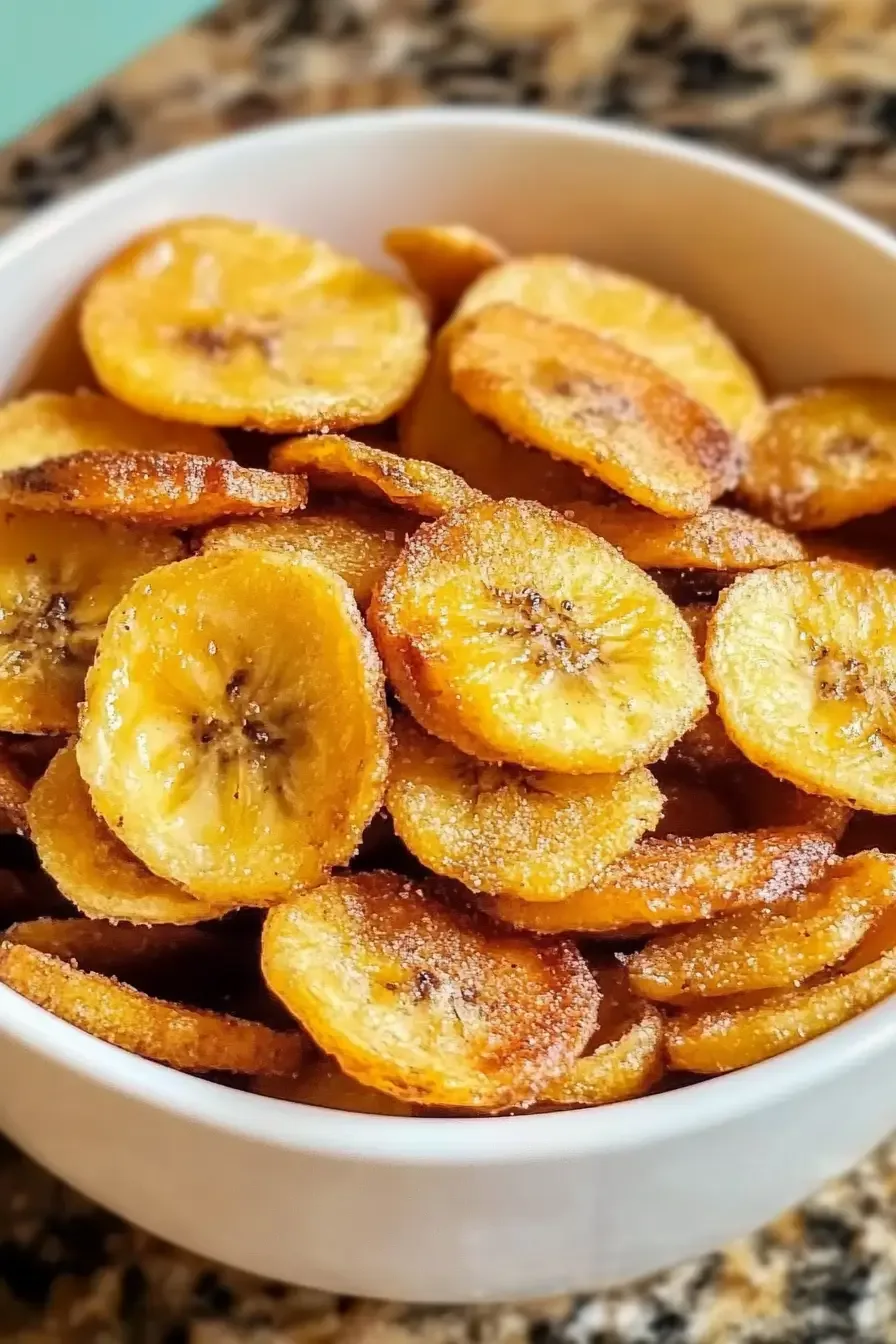
Edges are golden to medium brown. The center is a shade lighter, pale gold. No dark brown or black spots, which indicate burnt sugar.
The surface appears matte and dry, not shiny or wet. When you lift a slice, it should feel rigid and snap cleanly if you bend it slightly.
What undercooked banana chips look like:
Centers are pale yellow and slightly translucent. The slice bends without snapping. It feels rubbery or leathery.
If you bite into it, it chews rather than crunches. Send these back for 1 to 2 more minutes.
What overcooked banana chips look like:
Dark brown or blackened edges. A bitter, acrid taste when you sample one. The slice is extremely thin and brittle, almost shattered.
Reducing the temperature by 10°F and shortening the time will fix this next batch.
The carryover effect is real. Banana chips continue to crisp for several minutes after leaving the air fryer. If the slices feel just slightly underdone when you pull them, resist the urge to add more time immediately.
Let them sit on the wire rack for 5 minutes first. Many batches that seemed slightly soft hot out of the basket turn perfectly crisp after cooling.
A common mistake is pulling chips too early because they look done on top but the undersides are still pale and soft. Always flip a few slices and check the bottom surface before deciding they're finished.
If you're exploring other dehydrated fruit snacks, our baked apples recipe air fryer guide covers a similar visual-doneness approach using apple slices.
Flavor Variations: Cinnamon Sugar, Spicy Chili-Lime, Salted, and More
Plain banana chips are good. Flavored banana chips are where this recipe gets fun. Here are five variations that work well, with specific ratios so you can skip the guesswork.
Cinnamon Sugar (Classic)
- 1 tablespoon granulated sugar
- 1 teaspoon ground cinnamon
- Pinch of table salt
Mix together and sprinkle lightly over dry slices before air frying. The sugar melts slightly and creates a thin glaze. Use granulated, not powdered, sugar.
Powdered sugar contains cornstarch which can gum up the surface and prevent crisping.
Spicy Chili-Lime
- 1/2 teaspoon chili powder or cayenne (adjust to taste)
- Zest of 1 lime (finely grated)
- Pinch of flaky sea salt
Apply after cooking. The heat-sensitive compounds in chili powder can taste bitter if exposed to high air-fryer temperatures for too long. Seasoning post-cook preserves the bright, sharp flavor.
Honey Vanilla Glaze
- 1 tablespoon honey, warmed slightly for drizzling
- 1/2 teaspoon pure vanilla extract
Drizzle over chips during the last 2 minutes of cooking. Toss quickly with tongs to distribute evenly. Watch closely.
Honey contains sugars that go from golden to burnt in under a minute at air-fryer temperatures. Pull the basket immediately if you see rapid darkening.
Smoked Paprika Garlic (Savory)
- 1/2 teaspoon smoked paprika
- 1/4 teaspoon garlic powder
- Pinch of onion powder
- Tiny pinch of salt
Sprinkle on dry slices before cooking. This combination gives a barbecue-chip flavor that works surprisingly well with banana's natural sweetness. Best made with less-ripe bananas (stage 3 to 4) for a starch-forward base that balances the savory seasoning.
Tropical Coconut
- 2 tablespoons unsweetened shredded coconut, finely chopped
- 1/4 teaspoon vanilla extract (applied after cooking)
Add the coconut to the basket during the last 3 minutes of cooking. It toasts quickly and sticks to the slightly tacky surface of the banana slice. The vanilla goes on after with a light spritz.
For a detailed breakdown of how different air fryer recipes use seasoning timing and technique, our gold potato recipes air fryer guide covers similar principles with another single-layer snack.
Air Fryer vs. Oven vs. Dehydrator vs. Deep Fryer: Which Method Wins?
Each method produces a meaningfully different chip. The best one depends on what result you want and how much time you have.
Air Fryer (Recommended)
Temperature: 300°F to 350°F. Time: 8 to 15 minutes. Oil: none to a light spray.
Result: crispy, golden chips with a light and airy texture. The circulating hot air dehydrates the surface quickly while keeping the interior slightly tender during cooking. Best for small batches and quick results.
Oven-Baked
Temperature: 200°F to 250°F. Time: 1.5 to 2.5 hours. Oil: optional light coating.
Result: more evenly dehydrated throughout but less crispy on the edges. The low and slow approach pulls moisture out gradually, producing a uniform, slightly leathery chip. You'll need to flip slices every 30 minutes and prop the oven door open slightly to allow moisture to escape.
Oven-baked chips store well because they're more thoroughly desiccated.
Food Dehydrator
Temperature: 135°F (57°C). Time: 6 to 10 hours. Oil: none.
Result: evenly dried, uniformly chewy texture that's closer to traditional dried banana slices than a crunchy chip. A food dehydrator is the gold standard for batch preservation because it removes the most moisture over the longest period. The downside is time.
You need to plan ahead.
Deep Fryer
Temperature: 350°F (177°C). Time: 2 to 4 minutes. Oil: submerged in coconut or vegetable oil.
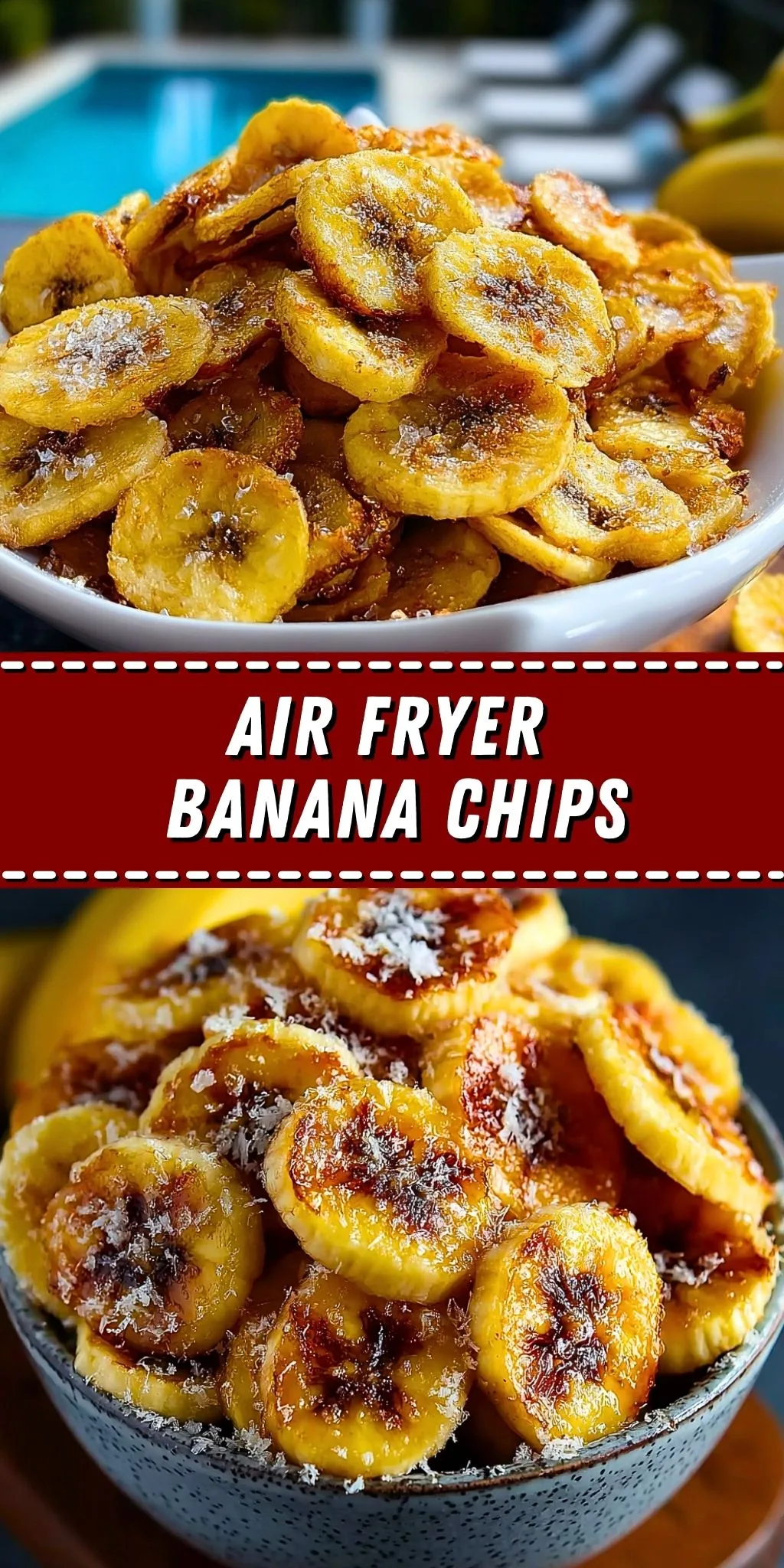
Result: the crispiest, richest, most traditional banana chip. Deep frying instantly drives off surface moisture and the oil creates a hard, shattering shell. Texture is unmatched.
The trade-off is fat content (10g+ per serving versus under 0.5g for air-fried), mess, and the need to manage hot oil safely.
Which should you choose?
If you want crispy chips fast with minimal cleanup, the air fryer is the clear winner. If you're making large batches for meal prep or shelf-stable snacks, a dehydrator is more practical. If you want the absolute best texture and don't mind the oil, deep frying is hard to beat.
Oven baking is the fallback when you don't have an air fryer or dehydrator.
As of 2026, the air fryer method has become the most popular home approach according to aggregate search trend data. It hits the sweet spot between speed, health profile, and result quality.
If you're curious about whether multi-cooker appliances can handle this kind of job, our article on is Instant Pot an air fryer breaks down what those combo appliances can and can't do.
Common Mistakes That Ruin Air Fryer Banana Chips
Most failures trace back to the same handful of errors. Here's what goes wrong and how to avoid it.
Overcrowding the basket. This is the big one. When slices overlap, moisture gets trapped and they steam instead of crisping up. Always use a single layer with gaps between rounds.
Two batches is better than one soggy batch.
Skipping the drying step. If slices go into the air fryer wet from the lemon soak, that surface moisture has to evaporate before dehydration can start. Pat every slice dry with paper towels. Thirty seconds of effort saves you from chewy chips.
Slices are too thick. Anything past 1/4 inch in the center will stay soft no matter how long you cook the edges. Use a mandoline or a sharp knife and aim for 1/8 inch. Consistency matters more than speed.
Temperature too high. Cranking the heat to 375°F or above burns the sugars before the interior dries out. Keep it at 300°F to 325°F for even results. Patience wins.
Not shaking the basket. The bottom of each slice gets more direct heat than the top. Without a halfway flip or shake, you'll get chips that are burnt on one side and underdone on the other.
Pulling chips too early. They look done when they're still wet in the center. If a slice bends instead of snaps, it needs more time. Let carryover crisping on the wire rack do its thing before you judge the texture.
For another air fryer recipe that's equally forgiving once you nail the basics, try our corn ribs recipe air fryer guide, which uses a similar single-layer approach.
How to Store Banana Chips So They Stay Crispy All Week
Homemade banana chips don't have the preservatives or vacuum-sealed packaging of store-bought versions. That means proper storage is critical to maintaining texture.
The golden rule: cool them completely before sealing. Trapping any warmth inside a closed container creates condensation. That moisture reabsorbs into the chips and turns them soft within hours. Let them sit on a wire rack for at least 15 minutes after cooking.
Best storage method:
A glass mason jar or rigid airtight container with a small silica gel packet thrown in. The silica absorbs ambient humidity that gets sealed inside. This alone can extend crispiness from 3 days to a week or more.
What to avoid:
- Plastic bags, which trap moisture and don't protect chips from getting crushed
- Storing in the refrigerator, which introduces humidity each time you open the door
- Stacking chips in a deep bowl without a cover, which lets room air soften them within a day
Shelf life expectations:
Stored properly in an airtight container at room temperature, homemade banana chips stay crispy for 5 to 7 days. Beyond that, they gradually lose their snap but remain edible for up to 2 weeks. Vacuum-sealed storage can extend this to 3 months, though the flavor is best in the first week.
Nutrition Breakdown: Calories, Sugar Content, and How They Compare to Store-Bought
Homemade air fryer banana chips are significantly leaner than the store-bought fried versions most people are used to. Here's a direct comparison per 1-ounce (28g) serving:
| Metric | Air-Fried (No Oil) | Store-Bought Fried |
|---|---|---|
| Calories | ~105 | ~145 |
| Total Fat | <0.5g | ~9g |
| Saturated Fat | <0.1g | ~8g |
| Carbohydrates | 27g | ~17g |
| Sugar | 14g (natural) | 10g (often added) |
| Fiber | 3g | 2g |
| Potassium | ~420mg (~9% DV) | ~210mg |
| Added Sugar | 0g | Varies, often 3–6g |
The calorie difference comes almost entirely from the oil. Deep frying absorbs a significant amount of coconut or palm oil. Air frying skips that entirely.
The trade-off is that homemade chips are higher in natural sugars because there's no oil coating masking the banana's sweetness.
One ounce of banana chips provides roughly 9% of your daily potassium and about 25% of daily vitamin B6, per the National Institutes of Health Office of Dietary Supplements. Banana allergy is uncommon but possible. Individuals with latex-fruit syndrome may experience cross-reactivity with banana proteins.
Portion control matters. The chips are easy to eat by the handful and the calories add up fast. A reasonable serving is about 1 ounce, roughly 10 to 12 chips depending on slice size.
If you're looking for other naturally sweet air fryer snacks, our Japanese sweet potato recipe air fryer guide covers a single-ingredient option with a similar nutritional profile and kid-friendly appeal.
Cost Analysis: How Much Homemade Banana Chips Actually Save You
The ingredient cost is hard to beat. A medium banana costs roughly $0.18 to $0.30 in most US supermarkets as of 2026. Two to 3 bananas yield about 3 ounces of dried chips.
That puts raw ingredient cost at $0.50 to $0.90 per batch.
Add a few cents for lemon juice and optional seasoning. You're looking at under $1.00 total per batch, producing roughly 3 servings of 1 ounce each.
Store-bought banana chips run $3.50 to $6.00 for a 6-ounce bag depending on brand and whether they're organic. That's $0.58 to $1.00 per ounce. Homemade air fryer chips come in at roughly $0.18 to $0.30 per ounce.
You're saving 50% to 70% per serving.
The upfront cost is the air fryer itself, but if you already own one (and the odds are good you do, given current market penetration), there's no additional equipment cost. Even if you factor in electricity, an air fryer running for 15 minutes at 1,500W uses about 0.375 kWh. At the US average of $0.16 per kWh, that's roughly $0.06 per batch.
If you make banana chips weekly, the annual savings over store-bought add up to $80 to $150 depending on the brand you'd otherwise buy.
For another budget-friendly air fryer project with a great cost-per-serving ratio, check out our chicken cordon bleu recipe air fryer guide.
Expert Tips for the Best Results
These are the small details that separate good banana chips from great ones. None of them are complicated, but each one adds up.
Use a mandoline, not a knife. Uniform thickness is the single most important variable. A $20 mandoline slicer pays for itself in consistency. Every slice dehydrates at the same rate, which means no burnt edges next to underdone centers.
Rotate the basket front to back at the halfway mark. Most air fryers have a hot spot near the back where the heating element sits. Flipping each slice individually is ideal, but rotating the basket 180 degrees is a fast compromise that evens things out significantly.
Make chips on a low-humidity day if possible. On muggy days, banana chips absorb ambient moisture faster as they cool. If you live in a humid climate, get them into the airtight container with a silica packet as soon as they're cool enough to handle.
Batch size matters more than batch count. A full single layer in a large air fryer basket produces better results than two cramped half-batches in a small unit. If your air fryer is compact (under 3 quarts), reduce the banana count to one per batch rather than overcrowding.
Save overripe bananas specifically for chips. Bananas at stage 6 to 7 that are too soft for slicing into neat rounds can be mashed and formed into thin patties for a different style of chip. They won't look as uniform, but the caramelized sugar content makes them incredibly flavorful.
Don't skip the wire cooling rack. A plate traps steam underneath the chips. A wire rack lets air circulate on all sides. This five-dollar tool is the difference between chips that stay crispy and chips that go soft within an hour.
For more air fryer techniques that apply across recipes, our air fryer toast recipe guide covers similar principles about single-layer spacing and carryover cooking that translate well to any dehydrated snack.
Frequently Asked Questions About Air Fryer Banana Chips
Can I make banana chips in an air fryer without any oil?
Yes. Air fryers use circulating hot air rather than oil to dehydrate food. Chips made without oil will be slightly lighter in color but just as crispy if your technique is right.
A light spray of oil promotes more even browning, but it's optional, not required.
Why are my banana chips chewy instead of crispy?
Three likely causes. Your slices are too thick (above 1/4 inch), the basket is overcrowded, or the temperature is too low. Fix all three and the problem usually resolves in the next batch.
Also make sure you pat slices dry before cooking.
How long do air fryer banana chips last?
In an airtight container at room temperature, they stay crispy for 5 to 7 days. With a silica gel packet, you can push that to 10 days. Vacuum-sealed storage extends shelf life to roughly 3 months.
Can I use frozen bananas for air fryer banana chips?
Not recommended. Bananas that have been frozen and thawed have a significantly different cell structure. Ice crystals rupture the cell walls during freezing, which means the slices turn mushy when they thaw rather than holding their shape for slicing.
Use fresh bananas.
What air fryer temperature is best for banana chips?
325°F (163°C) is the reliable baseline for a 1,500W unit. Drop to 300°F for high-wattage models above 1,700W. Raise to 325°F to 340°F for compact models under 1,500W.
Always shake the basket halfway through cooking.
Are air fryer banana chips healthy?
They're a whole-food snack with no added sugar (unless you add it), no preservatives, and minimal fat. One ounce provides meaningful potassium and vitamin B6. The main caveat is natural sugar content.
At 14 grams per ounce, portion size matters, especially for individuals monitoring blood sugar.
If you want to explore more quick and simple air fryer recipes that are perfect for weeknight cooking, our BBQ chicken recipes air fryer roundup has options that use a similar set-it-and-forget-it approach.