
If you have ever felt a crushing energy crash an hour after lunch, you already know how blood sugar spikes feel from the inside. What are the 5 worst foods for blood sugar? The answer is more specific than "skip dessert." It comes down to how fast a food converts to glucose, how much fiber or protein is present to slow that spike, and how processed the ingredient is before it reaches your plate.
A 2023 meta-analysis in The BMJ linking ultra-processed foods to a 12% higher risk of type 2 diabetes for every 10% increase in dietary share confirms what clinical dietitians see daily. The most damaging offenders share a common profile: stripped of fiber, loaded with refined starch or added sugar, and designed for speed over nutrition. Let's break them all down.
Quick Answer
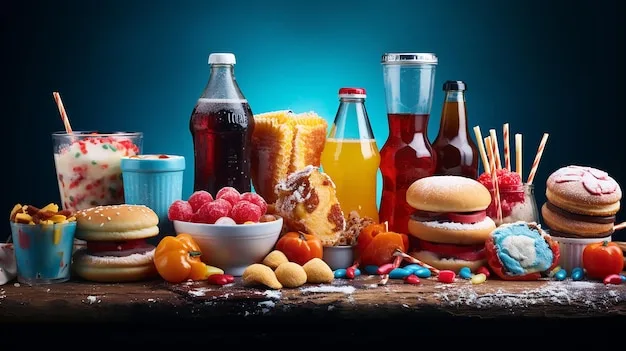
The 5 worst foods for blood sugar are sugar-sweetened sodas, white bread, commercial fruit juice, sugary breakfast cereals, and pastries or candy. These foods are high in refined carbohydrates and added sugars but low in fiber, protein, and fat. That combination causes blood glucose to spike rapidly after eating.
Swapping them for whole-food alternatives with more fiber and protein helps keep blood sugar stable.
The 5 Worst Foods for Blood Sugar, Ranked
We ranked these five based on glycemic index (GI), typical added sugar per serving, and how quickly each one raises blood glucose in clinical testing. All five score at or above 70 on the GI scale, which classifies them as high-glycemic foods. Pure glucose is the reference at 100.
1. Sugar-Sweetened Sodas and Soft Drinks
A single 12-ounce can of cola contains roughly 39 grams of sugar, almost all of it in the form of high-fructose corn syrup or sucrose. That is nearly 10 teaspoons in one can. Because it is a liquid, the sugar hits your bloodstream faster than almost any solid food.
There is no fiber, no protein, and no fat to slow absorption.
Clinical data from the Harvard T.H. Chan School of Public Health shows that people who drink one to two servings of sugar-sweetened beverages per day have a 26% greater risk of developing type 2 diabetes compared to those who rarely drink them. The Centers for Disease Control and Prevention (CDC) identifies sugary drinks as the largest source of added sugar in the American diet.
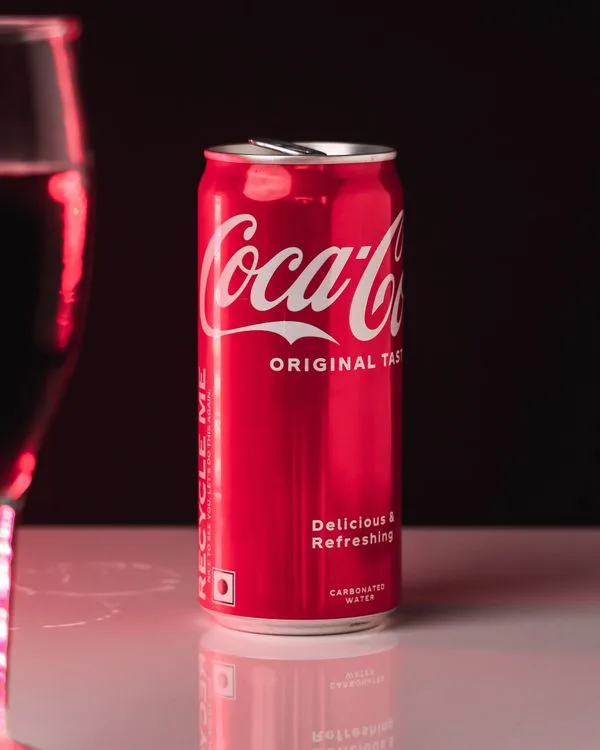
What makes it so damaging: The combination of liquid form, massive added sugar load, and zero fiber or protein.
Smarter swap: Sparkling water with a splash of citrus, or unsweetened iced tea. If you crave sweetness, try water infused with berries and mint.
2. White Bread and Refined-Grain Products
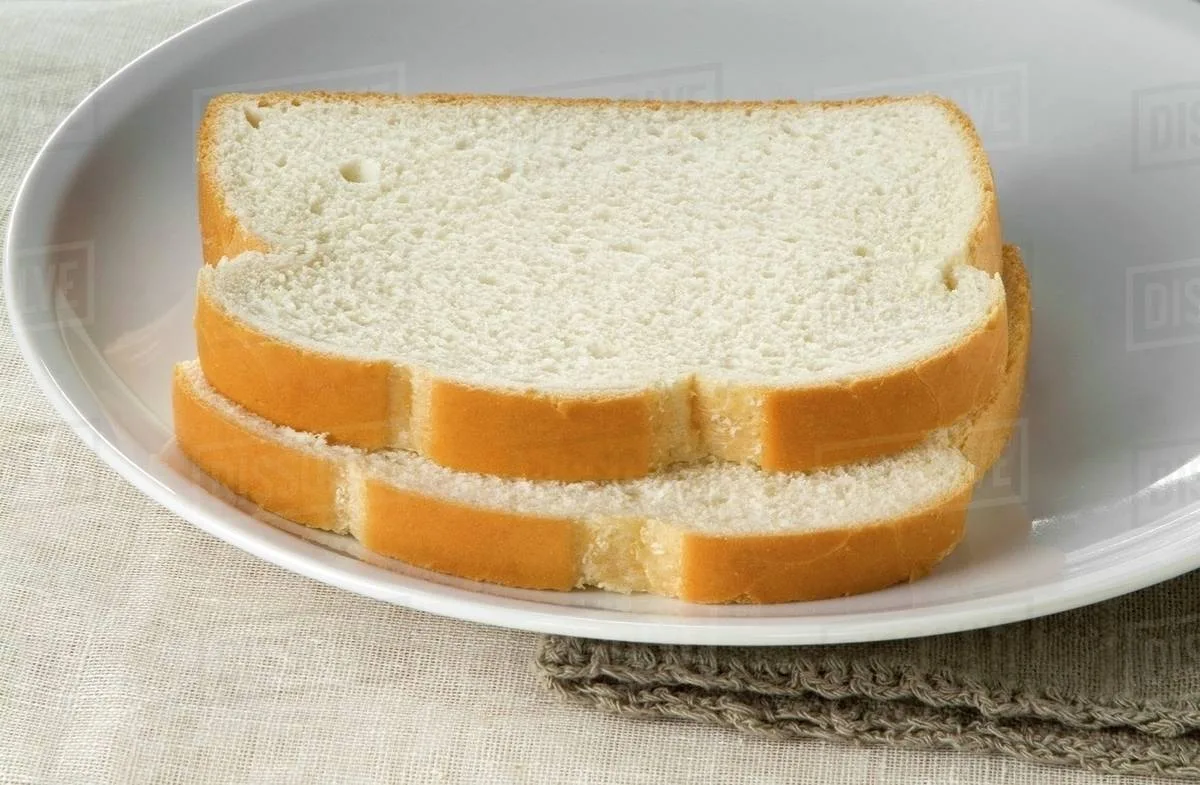
White bread is made from refined wheat flour, meaning the bran and germ have been stripped away during milling. What is left is mostly starch with very little fiber. Two slices of standard white bread have a GI of around 75 and deliver roughly 26 grams of carbohydrate with only 1 to 2 grams of fiber.
The same category includes bagels, white flour tortillas, hamburger buns, and most packaged sandwich rolls. A 2018 study in the British Journal of Nutrition found that higher intake of white bread was significantly associated with increased risk of type 2 diabetes in a cohort of over 100,000 participants across Europe.
What makes it so damaging: Refined flour converts to glucose almost as fast as drinking sugar water. The lack of fiber means nothing slows digestion.
Smarter swap: Sprouted grain bread, such as Ezekiel bread, which retains the whole grain and typically contains 3 to 5 grams of fiber per slice. You can learn more about making smart swaps on our site, including how using an air fryer for homemade breaded proteins can cut refined breading dramatically. Check out our chicken shawarma recipe air fryer guide for a practical example of skipping the white-bun trap entirely.
3. Fruit Juice (Yes, Even 100% Pure)
This is the one that surprises most people. An 8-ounce glass of orange juice contains about 21 grams of sugar and virtually no fiber. Eating a whole orange gives you the same vitamins plus 3 grams of fiber, which dramatically slows the glucose response.
The juice delivers a near-instant sugar load.
A 2013 study published in The BMJ analyzed data from over 187,000 participants and found that whole fruit consumption was associated with lower diabetes risk, while higher fruit juice intake was linked to a modestly increased risk. The fiber matrix in whole fruit is what makes the difference.
What makes it so damaging: Fiber is removed during juicing, turning a healthy whole food into a concentrated sugar source.
Smarter swap: Eat the whole fruit. If you want a drink, try infusing water with sliced oranges and strawberries. You can also explore our baked apples air fryer recipe for a naturally sweet, fiber-rich dessert that will not spike your glucose the way juice does.

4. Sugary Breakfast Cereals
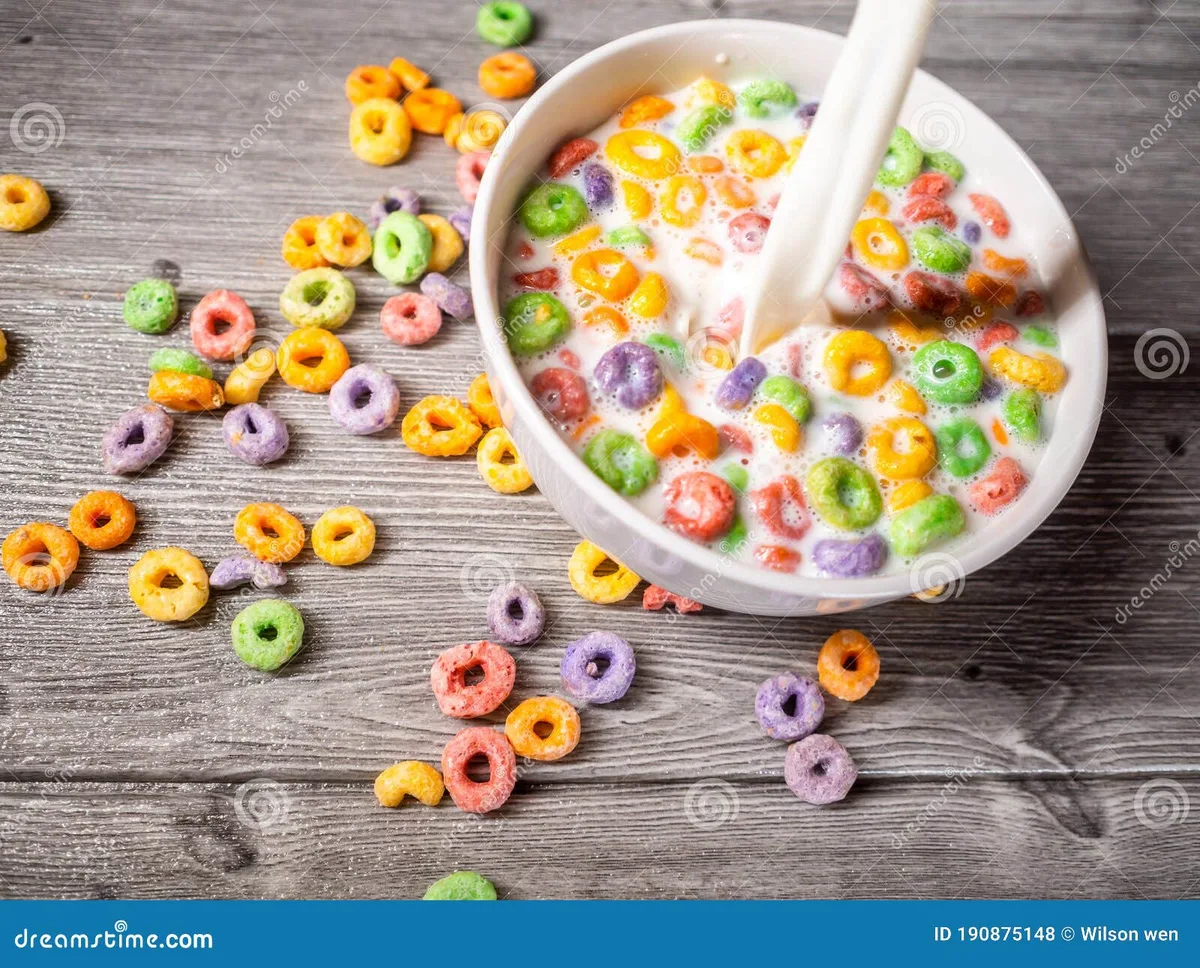
Many popular breakfast cereals marketed to children contain 10 to 15 grams of added sugar per serving. Some exceed 20 grams. The base is refined grain, and the fiber content is typically 1 gram or less per bowl.
Even cereals with "whole grain" on the box can be heavily sweetened.
A study in Pediatrics found that children who ate high-sugar cereals consumed roughly twice the amount of sugar at breakfast compared to those who ate low-sugar options, and they ate larger portion sizes because the sugary versions were less satiating.
What makes it so damaging: High sugar, refined starch, and low fiber create a rapid spike followed by a crash that fuels mid-morning cravings.
Smarter swap: Steel-cut oats or plain Greek yogurt with berries and nuts. If you want something crunchy, try making homemade granola with oats, nuts, and a small amount of honey, then controlling the portion size yourself.
5. Pastries, Cakes, and Candy
This category includes donuts, muffins, cookies, candy bars, and most packaged snack cakes. A single glazed donut contains about 15 to 22 grams of sugar and 3 to 5 grams of fat, but almost zero fiber or significant protein. Candy bars are even more concentrated, often delivering 25 to 35 grams of sugar in a compact package.
The American Heart Association (AHA) recommends no more than 25 grams of added sugar per day for women and 36 grams for men. One pastry can hit or exceed that limit before you have eaten anything else.
What makes it so damaging: Ultra-processed combination of refined flour, added sugar, and unhealthy fats with virtually no fiber or protein to buffer the glucose response.
Smarter swap: Dark chocolate with at least 70% cacao, a handful of mixed nuts, or homemade energy bites made with oats and nut butter.

Why These Foods Spike Blood Sugar So Fast
Understanding the mechanism helps you make better choices even when you are not looking at a specific list. The speed of a blood glucose spike depends on three main factors: how refined the carbohydrate is, how much fiber accompanies it, and whether protein or fat is present to slow absorption.
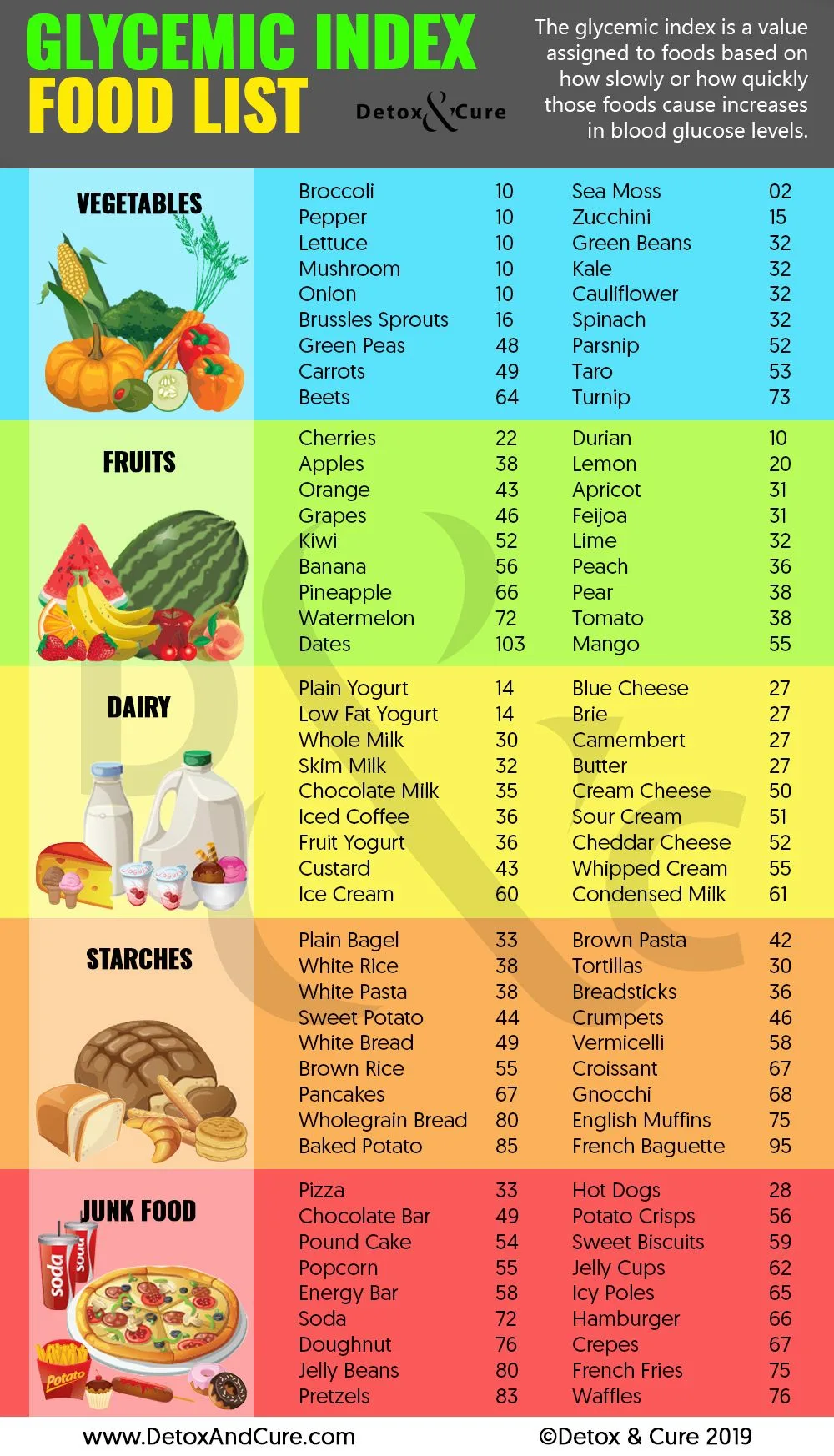
The Role of Glycemic Index and Glycemic Load
The glycemic index (GI) measures how quickly a carbohydrate-containing food raises blood glucose compared to pure glucose, which is set at 100. Foods with a GI of 70 or above are classified as high-glycemic.
Glycemic load (GL) goes a step further by factoring in the actual serving size. GL gives a more realistic picture of a food's real-world impact. A food can have a moderate GI but a very high GL if the typical serving is large.
| Food | Glycemic Index | Typical Serving (g) | Glycemic Load |
|---|---|---|---|
| Cola (12 oz can) | 63 | 39 g sugar | 25 (high) |
| White bread (2 slices) | 75 | 26 g carb | 18 (medium) |
| Orange juice (8 oz) | 50 | 21 g sugar | 11 (medium) |
| Sugary cereal (1 cup) | 82 | 33 g carb | 27 (high) |
| Glazed donut | 76 | 22 g sugar | 17 (medium) |
All five worst foods score high on at least one of these metrics. That is what puts them on the list.
What Happens in Your Body After You Eat Them
When you consume a high-GI, low-fiber food, it breaks down into glucose within minutes. Your blood sugar rises sharply. Your pancreas responds by releasing a surge of insulin to move that glucose into your cells.
The result is often a rapid drop in blood sugar, sometimes below baseline, which triggers hunger, fatigue, and cravings within one to two hours.
This cycle, sometimes called reactive hypoglycemia, can become a pattern. Over time, repeated spikes increase the demand on your pancreas and contribute to insulin resistance, a hallmark of prediabetes and type 2 diabetes. The American Diabetes Association (ADA) notes that managing post-meal glucose spikes is one of the most effective strategies for long-term blood sugar control.
If you are building a meal pattern focused on stable blood sugar, we recommend starting with kid friendly air fryer recipes that emphasize protein and vegetables over refined starches. Whole-food cooking methods make it easier to avoid the trap of hidden sugars and refined carbs, especially for families.
Hidden Foods That Quietly Raise Blood Sugar
The five foods on our main list are the obvious culprits. But some of the biggest blood sugar offenders hide behind "healthy" labels or sit in your daily routine so consistently that you stop noticing them. These four deserve just as much attention.
Flavored Yogurt
A single 6-ounce container of fruit-flavored yogurt can contain 19 grams of added sugar. That is more than a fun-size candy bar. The fruit on the bottom is essentially jam, and the base yogurt is often low-fat, meaning the manufacturer replaced fat with sugar to preserve flavor.
Plain Greek yogurt, by comparison, has about 4 to 6 grams of naturally occurring lactose sugar and 15 to 20 grams of protein per serving. That protein dramatically slows the glucose response. The CDC's dietary guidelines specifically call out flavored yogurt as a hidden source of added sugar that most consumers underestimate.
What to do: Buy plain Greek yogurt and add your own berries. You control the sweetness and keep the fiber.
Energy Drinks and Sweetened Coffee Drinks
A 16-ounce energy drink can pack 52 grams of sugar. Even the "sugar-free" versions often contain artificial sweeteners that some research suggests may still affect insulin response, though the evidence is mixed. Sweetened coffee drinks from major chains are just as bad.
A 16-ounce flavored latte with syrup can contain 35 to 50 grams of sugar.
A 2019 study in Diabetes Care found that sugar-sweetened beverage consumption, including energy drinks, was significantly associated with higher fasting glucose and insulin resistance markers in adults aged 20 to 34.
What to do: Black coffee or coffee with a splash of unsweetened oat or almond milk. If you need an electrolyte boost, look for sugar-free electrolyte tablets dissolved in water.
White Rice and French Fries
White rice has a GI of around 73 and a glycemic load of 29 for a typical 1-cup serving. It is a staple food for billions of people, which makes it harder to address culturally, but the glucose impact is real. French fries are a double hit: refined starch from the potato plus the high-temperature frying process, which breaks down cell walls and makes the starch even more accessible to digestive enzymes.
A 2012 meta-analysis in The BMJ found that higher white rice consumption was associated with a significantly increased risk of type 2 diabetes, particularly in Asian populations where average intake is highest. The risk increased with each additional daily serving.
What to do: Swap white rice for brown rice, quinoa, or cauliflower rice. For a satisfying side dish that will not spike your glucose, try our gold potato recipes air fryer guide. Roasting potatoes in an air fryer with olive oil and rosemary gives you the comfort-food factor without the deep-frying effect.
Alcohol, Especially Beer and Sugary Cocktails
Alcohol's effect on blood sugar is complicated. Initially, it can cause a spike, particularly from beer (which contains maltose, a sugar with a GI of 105) and cocktails mixed with juice or syrup. Then, as your liver processes the alcohol, it stops releasing stored glucose, which can lead to a dangerous drop hours later.
The National Institute on Alcohol Abuse and Alcoholism (NIAAA) notes that chronic heavy drinking impairs glucose regulation and increases insulin resistance over time. Even moderate drinking with sugary mixers can push a single drink past 30 grams of sugar.
What to do: If you drink, choose dry wine or spirits with soda water and lime. Avoid beer, sweet cocktails, and pre-made mixers.
How to Read a Nutrition Label for Blood Sugar Impact
Most people glance at calories and move on. For blood sugar control, three numbers on the Nutrition Facts panel matter far more.
What to Look For: Added Sugars, Fiber, and Total Carbohydrates
The FDA requires a separate line for "Added Sugars" on all labels as of the 2020 update. This is the number to watch first. The AHA recommends no more than 25 grams of added sugar per day for women and 36 grams for men.
One serving of a processed food can eat through half that budget.
Next, check dietary fiber. Fiber is a carbohydrate that your body cannot digest, so it does not raise blood glucose. A food with 3 or more grams of fiber per serving is generally a better choice than one with less than 1 gram.
Subtract fiber from total carbohydrates to get the "net carbs" that actually affect your blood sugar.
Finally, look at total carbohydrates. This includes starch, sugar, and fiber combined. A food with 30 grams of total carbs and 1 gram of fiber will spike your blood sugar far more than one with 30 grams of total carbs and 10 grams of fiber.
Quick label checklist:
- Added sugars: aim for under 5 grams per serving
- Dietary fiber: aim for 3 grams or more per serving
- Total carbs minus fiber: this is your real glucose load
Serving Size Traps Most People Miss
A bag of chips might list 15 grams of carbohydrates per serving. But the serving size is 1 ounce, and the bag holds 8 ounces. If you eat the whole bag, you are consuming 120 grams of carbohydrates, not 15.
This is one of the most common ways people unknowingly spike their blood sugar.
The FDA's serving size standards are based on reference amounts customarily consumed, not on what is healthy. Always multiply the per-serving values by the number of servings you actually eat.
Smarter Swaps That Keep Blood Sugar Steady
Cutting the worst foods is only half the equation. Replacing them with options that actively stabilize glucose is what makes a real difference over time.
Replace the 5 Worst Foods, Practical Alternatives
| Worst Food | Smarter Swap | Why It Works |
|---|---|---|
| Soda | Sparkling water with citrus | Zero sugar, no glucose spike |
| White bread | Sprouted grain bread | 3 to 5 g fiber per slice slows absorption |
| Fruit juice | Whole fruit with skin intact | Fiber matrix delays glucose entry |
| Sugary cereal | Steel-cut oats with nuts | High fiber, moderate protein, low GI |
| Pastries and candy | Dark chocolate (70%+) or nuts | Lower sugar, healthy fats, some fiber |
Each swap preserves the satisfaction factor while dramatically lowering the glycemic impact. You do not have to give up flavor. You just have to change the delivery system.
The Power of Food Pairing: Protein, Fat, and Fiber
Eating a carbohydrate alone is the fastest way to spike your blood sugar. But when you pair that same carb with protein, fat, or fiber, the glucose response flattens significantly. This is not a small effect.
A 2015 study in Diabetes Care found that eating protein before carbohydrates reduced post-meal glucose excursions by up to 40% in people with type 2 diabetes.
Practical pairing examples:
- Apple with almond butter instead of apple alone
- Brown rice with grilled chicken and broccoli instead of rice alone
- Whole grain toast with avocado and eggs instead of toast with jam
The principle is simple. Never eat a refined or starchy carbohydrate in isolation. Always anchor it with something that slows digestion.
If you are looking for meal ideas that put this principle into practice, our bbq chicken recipes air fryer guide is a solid starting point. Protein-forward meals with vegetables on the side are exactly the kind of plate composition that keeps blood sugar steady.
Common Mistakes People Make When Trying to Control Blood Sugar
Even well-intentioned changes can backfire if you fall into these traps.
Thinking "Natural Sugar" Always Means Safe
Agave nectar, honey, and maple syrup are all marketed as natural alternatives to table sugar. But agave nectar is up to 90% fructose, which the liver processes in ways that can worsen insulin resistance over time. Honey has a GI of around 58, which is lower than table sugar but still raises blood glucose meaningfully.
"Natural" does not mean "blood sugar friendly." The source matters less than the total amount and what else accompanies it.
Ignoring Portion Size
Even whole grains and legumes can spike blood sugar if you eat too much at once. A half cup of cooked quinoa has a moderate glycemic load. Three cups does not.
Portion control is not about deprivation. It is about matching the amount to what your body can handle without a spike.
Using a food scale for the first week or two can be eye-opening. Most people underestimate their portions by 30 to 50%.
Relying on "Low Fat" or "Whole Grain" Labels Alone
When manufacturers remove fat from a product, they almost always add sugar or refined starch to compensate for flavor. Low-fat salad dressings, low-fat yogurt, and low-fat peanut butter are classic examples. The "low fat" label can actually steer you toward a worse blood sugar outcome.
"Whole grain" is similarly misleading. A bread can contain whole grains and still have a GI above 70 if the whole grain is finely ground into flour. The physical structure of the grain matters.
Intact or cracked grains digest more slowly than finely milled whole grain flour.
What to do: Ignore front-of-package claims. Flip the product over and read the actual numbers. Added sugars, fiber, and total carbohydrates tell you everything the marketing will not.
For a practical example of how cooking method affects blood sugar impact, check out our Japanese sweet potato recipe air fryer guide. Japanese sweet potatoes have a lower GI than regular white potatoes, and air frying them preserves more of their natural fiber structure than boiling or mashing.
What the Research Actually Says
Large-scale studies consistently link high-glycemic diets to insulin resistance and type 2 diabetes risk. A 2015 meta-analysis in The Lancet covering over 40,000 participants found that replacing just one daily serving of white rice with brown rice reduced type 2 diabetes risk by 16%. The evidence for ultra-processed food reduction is similarly strong.
Key Findings from Clinical Studies
A landmark 2019 randomized controlled trial published in Cell demonstrated that individuals eating ultra-processed diets consumed approximately 500 more calories per day and gained weight compared to those on unprocessed diets, even when macronutrient profiles were matched. Post-meal glucose spikes were significantly higher in the ultra-processed group.
A 2023 study in The BMJ confirmed that every 10% increase in ultra-processed food as a share of total calories was associated with a 12% higher incidence of type 2 diabetes. Liquid carbohydrates, like soda and juice, showed the strongest individual associations.
What the American Diabetes Association Recommends
The ADA 2024 Standards of Care emphasize minimizing sugar-sweetened beverages and refined grains as a first-line dietary strategy. They recommend prioritizing whole foods with a GI below 55 and pairing carbohydrates with protein or healthy fat at every meal. The organization also advises reading nutrition labels for added sugars and choosing foods with at least 3 grams of fiber per serving.
For actionable meal prep that follows these guidelines, our corn ribs recipe air fryer is a fiber-forward side dish that pairs well with lean protein. Corn retains more of its structural fiber compared to refined grains, making it a smarter starch choice.
How to Build a Blood-Sugar-Friendly Meal Pattern
Managing blood sugar is not about one perfect meal. It is about the pattern that repeats across your entire day.
Meal Sequencing: Eat This, Not First
A 2015 study in Diabetes Care found that eating vegetables and protein before carbohydrates at the same meal reduced post-meal glucose spikes by up to 73% compared to eating carbs first. The order you eat your food within a single meal matters almost as much as what you eat.
Start with your vegetables. Follow with protein and fat. Eat starchy or sweet foods last.
This simple shift requires no calorie counting and works even if the overall meal composition stays the same.
A Sample Day of Eating for Stable Glucose
Breakfast: Steel-cut oats with walnuts, chia seeds, and blueberries. No added sugar. Around 8 grams of fiber and 12 grams of protein.
Lunch: Large mixed greens salad with grilled chicken, avocado, chickpeas, and olive oil dressing. A small serving of quinoa on the side.
Snack: Apple slices with 2 tablespoons of almond butter. The fiber in the apple and the fat in the butter slow glucose absorption.
Dinner: Baked salmon with roasted broccoli and a half cup of sweet potato. High protein, high fiber, moderate complex carbohydrates.
This pattern keeps blood sugar steady from morning to evening without requiring you to eliminate entire food groups. For more dinner ideas built around this principle, our grouper recipes air fryer guide offers a high-protein, zero-sugar main course that fits perfectly into a glucose-stabilizing meal plan.
Frequently Asked Questions
Does the Order I Eat My Food Matter?
Yes. Research published in Diabetes Care shows that eating vegetables and protein before carbohydrates at the same meal can reduce post-meal blood glucose spikes by up to 73%. Start your meal with greens or protein.
Save the starch or bread for last.
Is Fruit Bad for Blood Sugar?
No. Whole fruit contains fiber, which slows glucose absorption and blunts the spike. The problem is fruit juice, where the fiber is removed and the sugar hits your bloodstream rapidly.
Eat the fruit. Skip the juice.
Can I Ever Eat These Foods Again?
Occasional consumption is unlikely to cause lasting harm if your overall dietary pattern is strong. The danger is habitual daily intake, which keeps your blood sugar on a constant roller coaster and strains your pancreas over time. One donut at a party is different from one donut every morning.
How Quickly Does Blood Sugar Rise After Eating?
Blood glucose typically peaks 30 to 90 minutes after a meal, depending on the food's glycemic index and what else is on the plate. High-GI foods like white bread or soda can cause detectable spikes within 15 to 20 minutes. Adding protein, fat, or fiber to the same meal delays and flattens that peak significantly.