
Are short ribs healthy to eat? The honest answer is yes, but with real caveats that depend on how you cook them, how much you eat, and what you pair them with. Short ribs pack serious protein and essential minerals, yet they're also one of the fattier cuts of beef on the shelf.
A 3 oz cooked serving of beef short ribs delivers roughly 20 to 25 g of protein, 2 to 3 mg of iron, and 5 to 8 mg of zinc, according to USDA FoodData Central. The trade-off is 18 to 28 g of total fat and 7 to 12 g of saturated fat in that same serving. Context matters more than any single number, and that's exactly what we'll break down below.
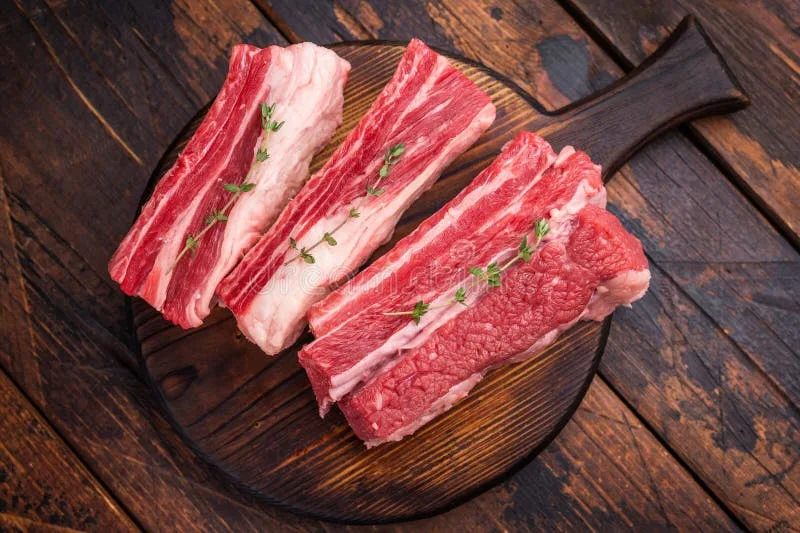
Image source: Bing (Web (fair-use with source credit))
Quick Answer
Short ribs are nutrient-dense and can fit into a healthy diet when eaten in moderation. They provide high-quality protein, heme iron, zinc, and B12. The main concern is their high saturated fat and calorie content.
Choosing leaner preparations, trimming visible fat, and limiting portions to 3 to 4 oz makes a significant difference. Eating them once or twice a week as part of a balanced plate is reasonable for most healthy adults.
What's Actually in Short Ribs: A Breakdown of Nutrients and Calories
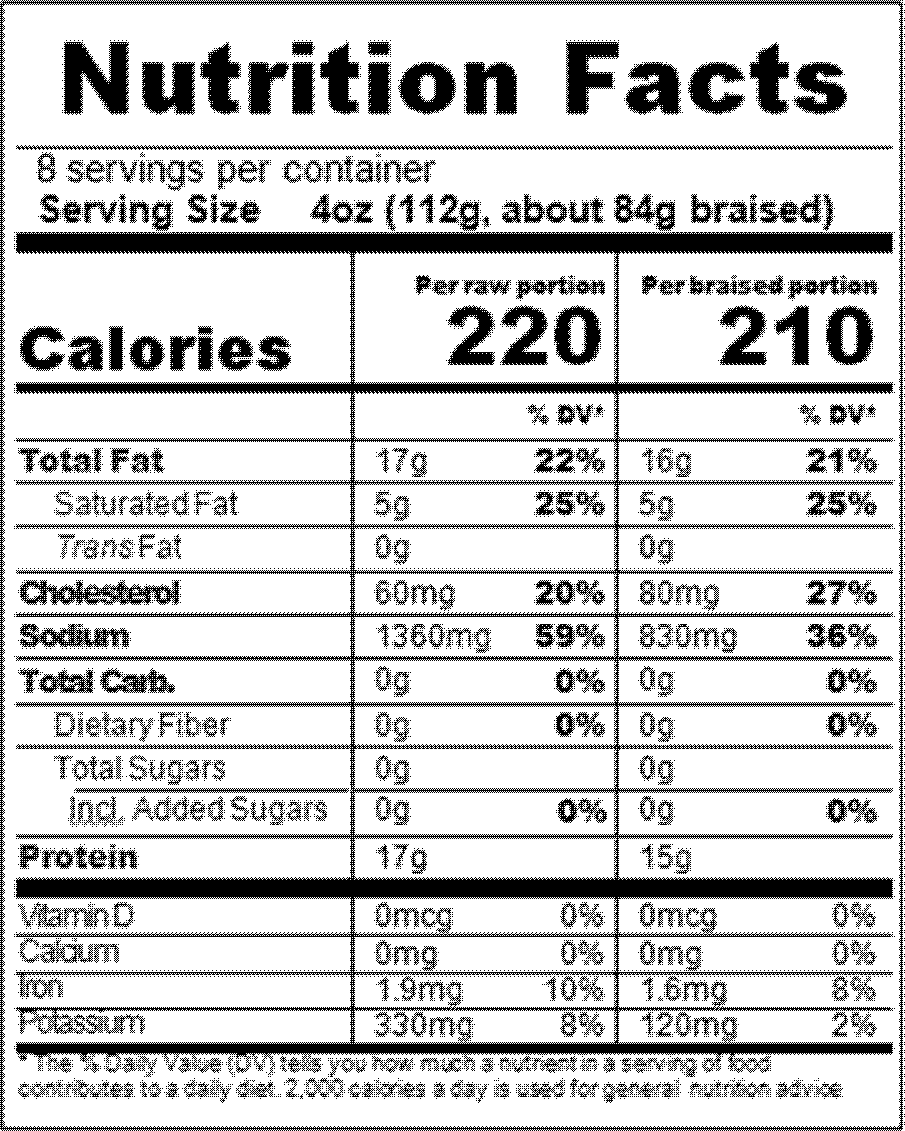
Image source: Bing (Web (fair-use with source credit))
Short ribs come from the chuck or plate section of the cow, known for heavy marbling and rich flavor. That marbling drives their nutritional profile in both directions.
Here's what you get in a standard 3 oz cooked serving, based on USDA reference data:
| Nutrient | Amount per 3 oz Cooked | % Daily Value (approx.) |
|---|---|---|
| Calories | 250 to 350 kcal | 12 to 17% |
| Total Fat | 18 to 28 g | 23 to 36% |
| Saturated Fat | 7 to 12 g | 35 to 60% |
| Protein | 20 to 25 g | 40 to 50% |
| Iron | 2 to 3 mg | 11 to 17% |
| Zinc | 5 to 8 mg | 33 to 50% |
| Vitamin B12 | 2 to 3 mcg | 83 to 125% |
The protein is complete, meaning it contains all nine essential amino acids your body can't produce on its own. The iron in short ribs is heme iron, which your body absorbs at roughly 15 to 35% efficiency compared to just 2 to 20% for non-heme iron from plant sources. That makes short ribs one of the most bioavailable iron foods available.
The saturated fat numbers are where things get worth paying attention to. The American Heart Association recommends limiting saturated fat to about 13 g per day on a 2,000 calorie diet. A single generous serving of short ribs can hit or exceed that ceiling.
Bone-in and boneless short ribs have slightly different profiles. Bone-in cuts tend to have more collagen and connective tissue, which breaks down into gelatin during slow cooking. Boneless short ribs are often trimmed of the thick external fat cap, which can reduce total fat by 20 to 30% depending on the butcher's cut.
If you want a leaner beef comparison, our New York Strip Air Fryer Recipe covers a cut that's significantly lower in fat while still delivering strong protein.
The Health Benefits of Eating Short Ribs
Short ribs aren't just a guilty pleasure. They deliver genuine nutritional value that's hard to replicate with leaner cuts.
High-quality complete protein. The 20 to 25 g of protein per serving supports muscle maintenance, satiety, and recovery. For anyone focused on building or preserving muscle mass, that's a meaningful contribution from a single food.
Exceptional iron and zinc content. Heme iron from short ribs is absorbed far more efficiently than plant-based iron. Zinc supports immune function, wound healing, and testosterone production. A single serving covers a third to half of your daily zinc needs.
Rich in vitamin B12. B12 is essential for nerve function and red blood cell formation, and it's found almost exclusively in animal products. One serving of short ribs can exceed your entire daily B12 requirement.
Collagen from bone-in preparations. When you braise bone-in short ribs low and slow, the connective tissue breaks down into gelatin. Research published in the Journal of Food Science suggests that dietary collagen peptides may support joint health, though more clinical trials are needed to confirm therapeutic doses.
Satiety factor. The combination of protein and fat makes short ribs deeply satisfying. For people on low-carb or ketogenic diets, that satiety can help reduce overall calorie intake across the day by curbing cravings.
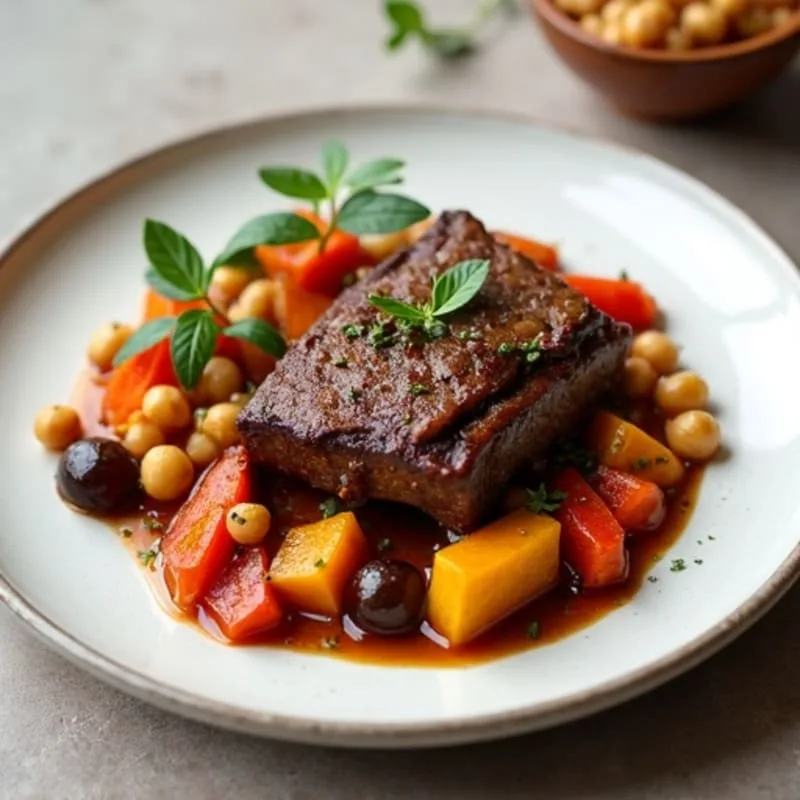
Image source: Bing (Web (fair-use with source credit))
Pairing short ribs with nutrient-dense sides is what turns a heavy cut into a genuinely balanced meal. Braised short ribs over roasted root vegetables or alongside fiber-rich farro is the difference between a splurge and a strategic choice.
The Downsides: Saturated Fat, Calories, and Red Meat Concerns
Let's be straightforward about the risks, because they're real.
Saturated fat is the primary concern. At 7 to 12 g per serving, short ribs can push you past the American Heart Association's daily recommended limit in a single sitting. Consistently high saturated fat intake is associated with elevated LDL cholesterol and increased cardiovascular disease risk.
Caloric density adds up fast. Restaurant portions of short ribs often run 8 to 12 oz or more, which can mean 700 to 1,000 calories from the meat alone before sides or sauces. At home, it's easier to control portions, but the richness of the cut can encourage overeating.
Red meat and chronic disease risk. The World Health Organization's International Agency for Research on Cancer (IARC) classifies unprocessed red meat as a Group 2A probable carcinogen. This doesn't mean a single serving causes harm. It means habitual, high-frequency red meat consumption is associated with increased colorectal cancer risk in epidemiological studies.
Sodium in prepared versions. Korean-style marinated short ribs (galbi), pre-rubbed cuts, and restaurant preparations can pack 500 to 800 mg of sodium per serving. That's a third to half the AHA's ideal daily limit of 1,500 mg.
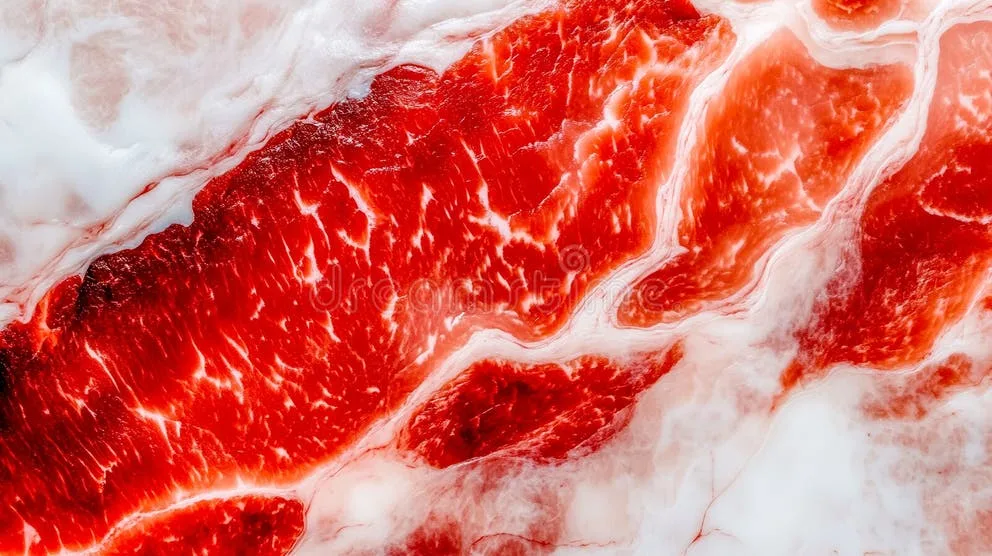
Image source: Bing (Web (fair-use with source credit))
None of this means you should never eat short ribs. It means the "how often" and "how much" questions matter as much as the "is it healthy" question.
How Cooking Method Changes Everything
The way you prepare short ribs has a bigger impact on their health profile than almost any other variable.
Grilling and broiling are the leanest options. Fat drips away from the meat as it cooks, and you can trim the external fat cap before it hits the heat. A grilled 3 oz serving can have 30 to 40% less total fat than a braised version.
Braising and slow cooking produce the most tender results but retain more fat in the cooking liquid. If you braise short ribs, refrigerate the cooking liquid overnight and skim the solidified fat from the top before reheating. This simple step can remove a significant portion of the saturated fat.
Smoking falls in between. The low, indirect heat renders some fat, but the meat still retains much of its marbling.
Air frying is an underrated option. It creates a caramelized exterior with less added fat than pan-searing. Our Beef Short Ribs Recipe Air Fryer walks through a preparation that keeps the flavor while cutting unnecessary grease.
Deep frying and heavy saucing are the least healthy approaches. Breading and frying adds empty calories, and cream-based or sugar-heavy sauces can double the calorie count.
| Cooking Method | Estimated Calories (3 oz) | Fat Retention |
|---|---|---|
| Grilled / Broiled | 220 to 280 kcal | Low |
| Air Fried | 240 to 300 kcal | Low to moderate |
| Smoked | 260 to 320 kcal | Moderate |
| Braised (unskimmed) | 300 to 380 kcal | High |
| Braised (fat skimmed) | 250 to 310 kcal | Moderate |
| Deep Fried / Breaded | 350 to 450 kcal | Very high |
You don't have to give up braised short ribs to eat well. Just skim the fat, watch your portion, and balance the plate with vegetables and fiber.
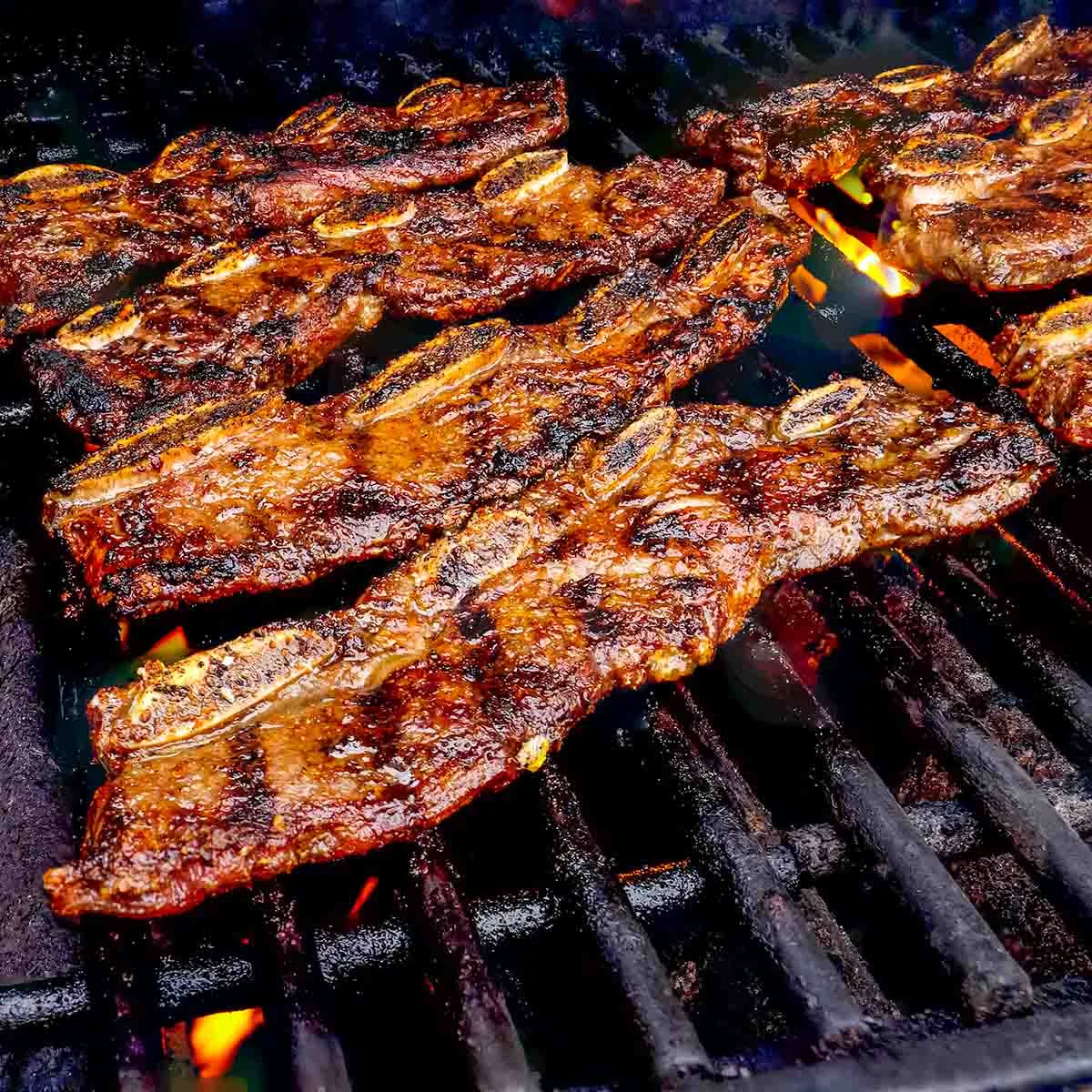
Image source: Bing (Web (fair-use with source credit))
How Short Ribs Compare to Other Common Proteins
Context helps. Here's how short ribs stack up against other popular proteins on a 3 oz cooked basis:
| Protein Source | Calories | Total Fat (g) | Saturated Fat (g) | Protein (g) | Iron (mg) |
|---|---|---|---|---|---|
| Beef Short Ribs | 250 to 350 | 18 to 28 | 7 to 12 | 20 to 25 | 2 to 3 |
| Rib-Eye Steak | 230 to 280 | 15 to 22 | 6 to 9 | 22 to 26 | 2 to 3 |
| Chicken Breast (skinless) | 120 to 140 | 2 to 3 | 0.5 to 1 | 26 to 30 | 0.5 to 1 |
| Salmon (Atlantic) | 170 to 200 | 10 to 14 | 2 to 3 | 19 to 22 | 0.5 to 1 |
| Tofu (firm) | 80 to 100 | 4 to 6 | 0.5 to 1 | 8 to 10 | 1.5 to 3 |
Short ribs are clearly the highest in saturated fat among common proteins. But they also deliver more iron and zinc per serving than chicken breast or salmon. They're not the leanest option, but they're far from empty calories.
If your primary goal is maximizing protein while minimizing fat, chicken breast or fish wins. If you're looking for nutrient density, bioavailable iron, and a food that keeps you full for hours, short ribs hold their own when eaten in reasonable portions.
For a lighter protein option, our Air Fryer Tuna Recipes offer a high-protein, low-saturated-fat alternative that's quick to prepare.
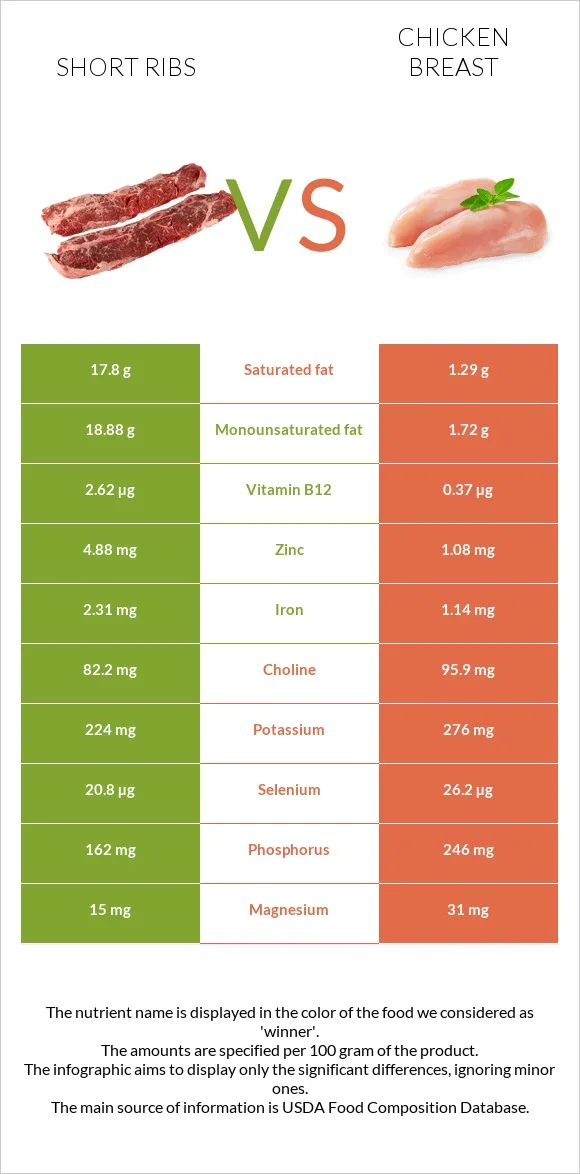
Image source: Bing (Web (fair-use with source credit))
How Often Should You Realistically Eat Short Ribs?
The Dietary Guidelines for Americans suggest limiting red meat to about 12 to 18 oz per week as part of a healthy eating pattern. That works out to roughly two to three moderate servings of short ribs per week, assuming you're not also eating other red meat on top of that.
A practical approach for most healthy adults:
- Once or twice a week is reasonable if portions are kept to 3 to 4 oz and the rest of your diet is rich in vegetables, whole grains, and lean proteins.
- Once every week or two is safer if you have existing high cholesterol, a family history of heart disease, or are managing weight closely.
- Special occasion only makes sense if your overall diet is already heavy in red meat or saturated fat from other sources.
People with gout should be more cautious. Red meat is high in purines, which can elevate uric acid levels. Anyone managing that condition should consult their healthcare provider about frequency.
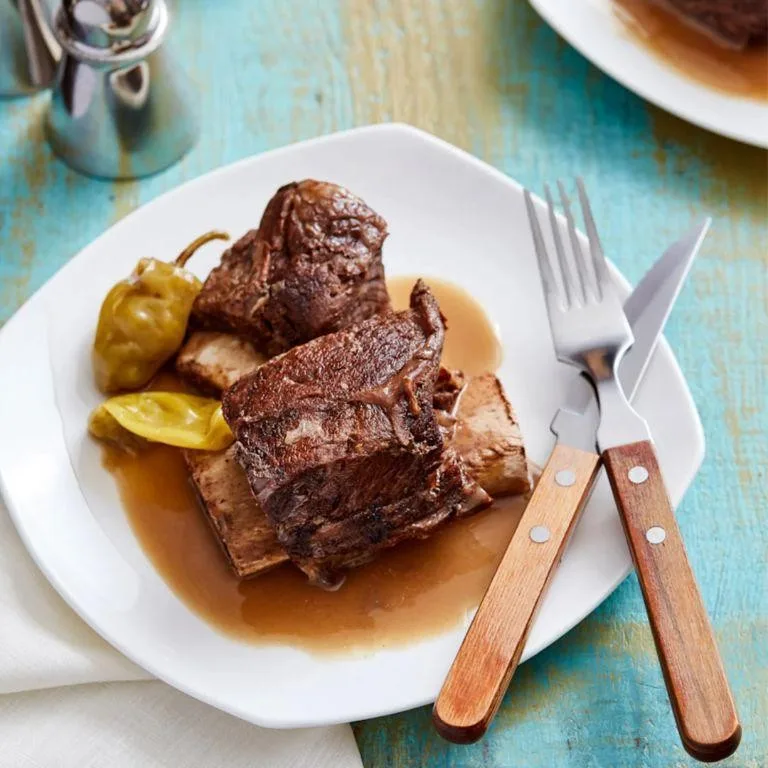
Image source: Bing (Web (fair-use with source credit))
Portion control is the single most impactful lever you have. A 3 to 4 oz serving of short ribs alongside roasted vegetables and a whole grain is a completely different meal than a 12 oz plate smothered in sauce with fries on the side.
Leaner Ways to Enjoy Short Ribs Without the Guilt
You don't have to swear off short ribs to eat well. A few smart adjustments cut the downsides dramatically.
Trim the external fat cap before cooking. Removing it before the meat hits heat can cut total fat by 20 to 30% without sacrificing the intramuscular marbling that gives short ribs their flavor.
Choose boneless over bone-in. Boneless short ribs are typically trimmed more aggressively at the butcher counter. You get a higher ratio of lean meat to fat.
Skim braised cooking liquid. Refrigerate the pot overnight after cooking. The fat solidifies on top and lifts off easily. This can remove 5 to 10 g of saturated fat per serving.
Pair with high-fiber sides. Short ribs have zero fiber. Serving them alongside roasted Brussels sprouts, a lentil salad, or whole grain farro balances the plate and slows digestion.
Go Korean-style with portion control. Galbi-style short ribs use a thin flanken cut. The marinade adds flavor without heavy fat, and the thin slices naturally encourage smaller portions.
Who Benefits Most From Adding Short Ribs to Their Diet?
People with iron deficiency or anemia. The heme iron in short ribs is absorbed at 15 to 35% efficiency, far outpacing plant-based sources. For anyone diagnosed with low ferritin, short ribs are one of the most effective dietary interventions.
Athletes and strength trainees. The combination of 20 to 25 g of complete protein plus zinc and B12 supports muscle recovery and performance.
Older adults concerned about muscle loss. Research in the Journal of the American Geriatrics Society suggests that higher protein intake from bioavailable sources helps preserve lean mass after age 50.
People on low-carb or ketogenic diets. With virtually zero carbohydrates and a strong fat-to-protein ratio, short ribs fit naturally into keto macros.
Anyone recovering from surgery or illness. The zinc, protein, and calorie density support tissue repair and immune function during recovery periods.
Common Mistakes That Make Short Ribs Unhealthy
Most health problems with short ribs come down to preparation and portion errors, not the cut itself.
Eating restaurant-sized portions. A typical restaurant plate runs 8 to 12 oz. That's two to three times a reasonable serving. At home, weigh your portions.
Three to four oz is plenty.
Choosing heavily sauced preparations. Bourbon glazes and sweet barbecue sauces can add 150 to 300 calories and 20 to 40 g of sugar per serving. A simple dry rub gives you flavor without the penalty.
Cooking with added butter or oil. Short ribs have enough internal fat to self-baste during braising. Adding extra fat is redundant and pushes saturated fat higher.
Ignoring the sides. A plate of short ribs with mashed potatoes and creamed spinach is a saturated fat avalanche. Swap in roasted vegetables or a simple salad.
Eating them too frequently. Even a perfectly prepared 3 oz serving delivers a hefty saturated fat load. Making them a daily habit stacks up quickly.
Grass-Fed, Organic, and Other Quality Considerations
Grass-fed vs. grain-fed. Grass-fed short ribs tend to have a better fatty acid profile, with higher omega-3s and CLA. A 2010 review in Nutrition Journal found grass-fed beef had an omega-6 to omega-3 ratio closer to 2:1, compared to grain-fed ratios of 4:1 or higher.
USDA grading. Prime has the most marbling and highest fat. Choice offers a good balance of flavor and moderate fat. Select is leanest but less tender.
For fat-conscious eaters, Choice or Select with a longer braise is the sweet spot.
Price context. As of 2026, grass-fed bone-in short ribs run $10 to $16 per lb at retail. Conventional Choice grade runs $7 to $12 per lb. Prime and organic options can push past $18 per lb.
When to Skip Short Ribs and Choose Something Else
If you have high LDL cholesterol or cardiovascular disease. Opt for salmon, chicken breast, or legumes instead.
When you're trying to lose weight on a calorie-controlled diet. Chicken breast or white fish gives you equal protein at roughly half the calories.
If you eat red meat multiple times a week already. The Dietary Guidelines recommend keeping total red meat to 12 to 18 oz per week. If you've already had a burger and a steak, skip the short ribs.
For everyday meal prep. Short ribs are a special-occasion protein. They take time and carry a premium price. For batch cooking, simpler proteins like chicken thighs or air fryer fish are more practical.
If gout or high uric acid is a concern. Red meat is high in purines. Anyone managing gout should limit short ribs significantly.
Frequently Asked Questions
Are short ribs healthier than other beef cuts?
Short ribs are higher in fat and calories than lean cuts like sirloin or eye of round. They're comparable to rib-eye in fat content but offer more collagen due to the bone-in preparation. For nutrient density per bite, they're hard to beat.
For low-fat eating, other cuts win.
Can I eat short ribs on a diet?
Yes, if you control portions and frequency. A 3 to 4 oz serving fits into most calorie-controlled plans. Pair it with non-starchy vegetables and skip heavy sauces.
The protein and fat will keep you satisfied, which helps with adherence.
Are bone-in or boneless short ribs healthier?
Boneless short ribs are typically leaner because the external fat cap is trimmed during processing. Bone-in short ribs offer more collagen and gelatin, which may benefit joint health. The difference in total fat is modest, around 20 to 30% less for boneless.
How do short ribs fit into a heart-healthy diet?
In moderation. The American Heart Association emphasizes replacing saturated fat with unsaturated fats when possible. If you enjoy short ribs, keep portions to 3 oz, trim visible fat, and balance the rest of your day's meals with lean proteins, whole grains, and vegetables.
Are Korean galbi short ribs healthier than braised short ribs?
Galbi-style short ribs are sliced thin, which naturally limits portion size. The soy-based marinade adds sodium but not significant fat. Braised short ribs retain more internal fat unless you skim the cooking liquid.
Galbi is generally the lighter option, though sodium is a trade-off.
Is grass-fed beef worth the extra cost for short ribs?
Grass-fed short ribs have a modestly better fatty acid profile and are often leaner. If your budget allows, it's a worthwhile upgrade. If not, conventional Choice grade with smart preparation still delivers strong nutrition.