
Short ribs are one of the most rewarding cuts you can cook, and knowing what spices go well with short ribs is the single biggest factor between a good plate and a great one. Their heavy marbling, dense connective tissue, and deep beefy flavor create a canvas that practically begs for bold seasoning. The right spice blend doesn't just sit on the surface.
It penetrates the fat, complements the collagen as it breaks down, and transforms the entire dish.
The best approach depends on how you're cooking them. A braised short rib wants a completely different spice strategy than a grilled or smoked one, and the difference shows up in every bite. Here's how to match the right spices to the right method and build flavor that actually works.
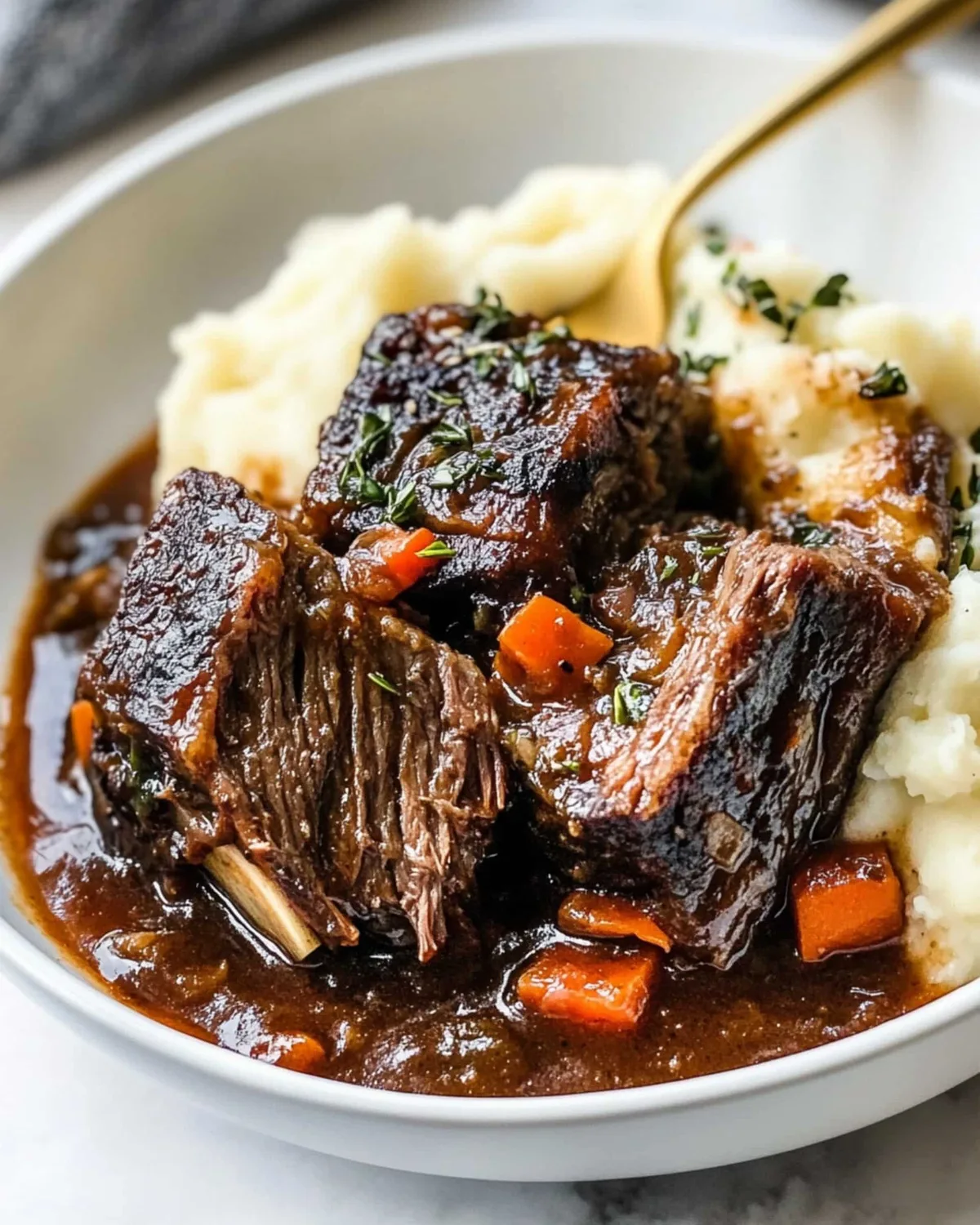
Quick Answer
Short ribs pair best with warm spices like cinnamon, clove, and star anise for braising. Smoked paprika, cumin, and black pepper excel on grilled or smoked preparations. Gochugaru, sumac, and coriander add brightness and complexity.
The key is matching your spice profile to your cooking method and building flavor in layers rather than relying on a single blend.
Why Short Ribs Are a Spice Lover's Dream Cut
Short ribs carry more intramuscular fat and connective tissue than almost any other beef cut. That fat isn't a problem. It's an advantage.
Fat-soluble flavor compounds in spices dissolve into the marbling as the meat cooks, which means the seasoning doesn't just coat the surface. It becomes part of the meat itself.
Collagen breaks down into gelatin over long, slow cooking. That gelatin-rich environment holds onto spice flavors and releases them gradually as you eat. It's the same reason a well-spiced braise tastes deeper and more complex than a quick-seared steak with the same rub.
There's also the bark factor. When you grill or smoke short ribs, the high heat caramelizes sugars and spice compounds on the exterior, creating a crust that contrasts with the tender interior. That crust is where your spice rub does its most dramatic work.
The takeaway: short ribs reward aggressive seasoning. Under-seasoning is the most common mistake. This cut can handle more spice intensity than you think.
The Best Spices for Short Ribs — Ranked by Flavor Profile
Not all spices play the same role. Some add warmth, some bring heat, and others cut through richness with acidity. Breaking them into categories makes it easier to build a blend that actually makes sense.
Warm & Sweet Spices
Warm spices are the backbone of braised short rib recipes. They complement the meat's natural richness without competing with it.
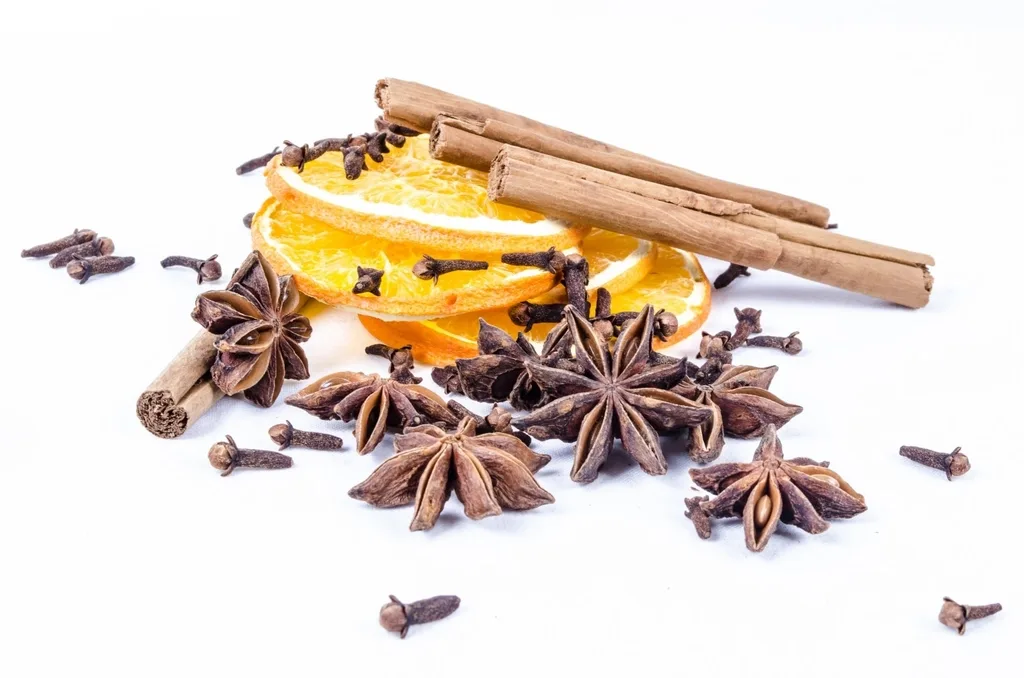
- Cinnamon adds a subtle sweetness that rounds out red wine braises
- Clove brings depth but goes fast. One or two whole cloves are plenty for a full pot
- Star anise contributes a licorice-like warmth that's classic in Korean and Chinese braised preparations
- Allspice tastes like a blend of cinnamon, clove, and nutmeg. It's the secret weapon in Caribbean jerk profiles
- Nutmeg in small amounts adds an almost savory warmth. Think of it as background support, not a lead player
These spices work because their essential oils are fat-soluble. As the short ribs braise, the spices infuse directly into the rendered fat and braising liquid, creating a unified flavor that you can't achieve by just seasoning the surface.
Earthy & Smoky Spices
Earthy spices ground the flavor of short ribs and give the dish a sense of weight and substance.
- Cumin is arguably the single most versatile spice for beef. Its warm, slightly bitter earthiness pairs with almost any cuisine
- Coriander (ground seed, not the herb) adds a citrusy, floral note that lifts heavier spices
- Smoked paprika delivers actual smoke flavor without needing a smoker. It's essential for indoor preparations
- Turmeric adds color and a mild earthiness. It's more of a supporting player but shows up in many Indian and Moroccan blends
- Mustard powder brings a sharp, almost horseradish-like bite that cuts through fat
A blend of cumin, smoked paprika, and coriander forms the base of countless short rib rubs across Mexican, Tex-Moroccan, and general American BBQ traditions. It's a proven combination for a reason.
Heat-Forward Spices
Heat serves a specific purpose with short ribs. It counterbalances the richness of the fat and keeps each bite from feeling heavy.
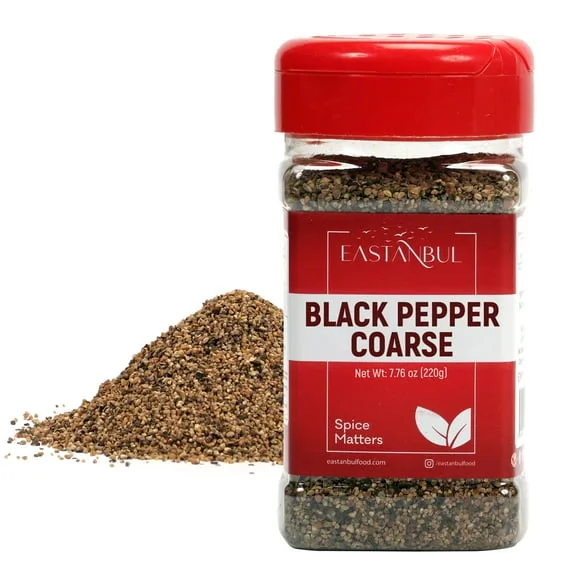
- Cracked black pepper is non-negotiable. Its sharp, pungent bite is the backbone of Texas-style BBQ rubs
- Cayenne pepper brings clean, direct heat. A little goes a long way on a cut this rich
- Gochugaru (Korean red pepper flakes) offers a fruity, slightly sweet heat that's less aggressive than cayenne
- Chipotle powder combines heat with smokiness. It's a two-in-one spice that simplifies your blend
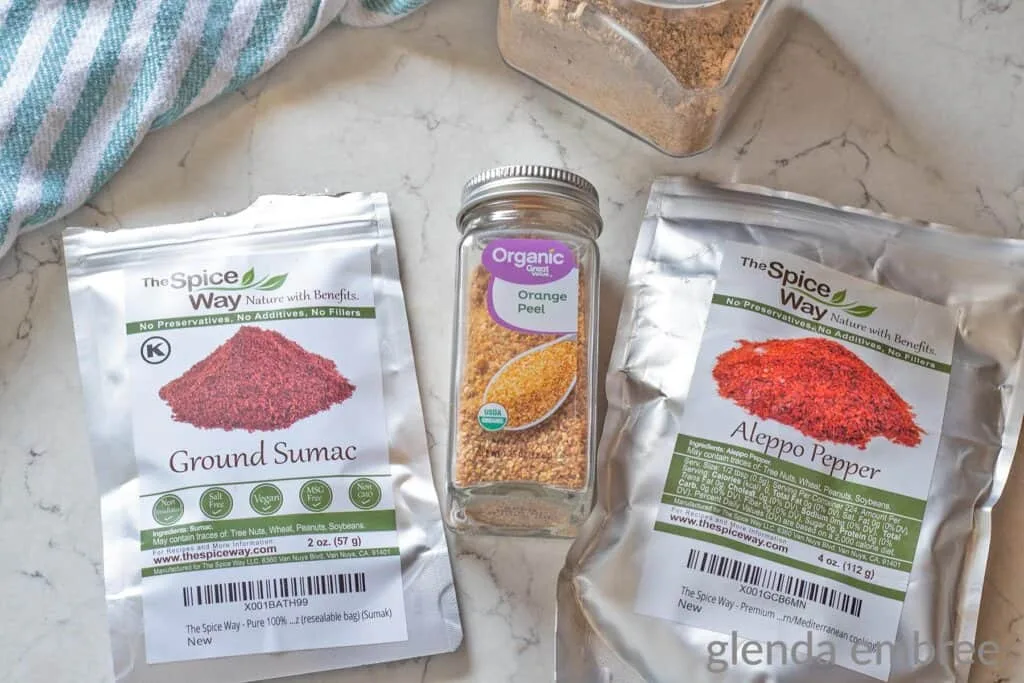
- Aleppo pepper delivers moderate heat with a raisin-like sweetness. It's underused in short rib cooking and worth seeking out
The goal with heat isn't to make the dish spicy. It's to create contrast. A short rib with no heat at all can taste one-dimensional, even when everything else is seasoned well.
Bright & Acidic Spices
This category is the one most people overlook, and it's often the difference between good and memorable.
- Sumac delivers a tangy, almost lemony acidity without any liquid. It's a dried spice that brightens heavy dishes instantly
- Amchur (dried mango powder) adds fruity sourness common in Indian cooking
- Dried citrus peel (orange or lemon) contributes aromatic acidity that lifts braised preparations
- Fennel seed brings a mild anise note with a slight sweetness that complements beef surprisingly well
These spices work as finishing elements or as part of the initial rub. A pinch of sumac over finished braised short ribs can transform the entire dish. It's the culinary equivalent of squeezing lemon over grilled fish.
How Cooking Method Changes Your Spice Choice
The same short rib can taste completely different depending on how you cook it, and your spice strategy needs to shift accordingly. A rub designed for a low braise will disappoint on a hot grill, and vice versa.
Spices for Braised Short Ribs
Braising is a wet, low-and-slow method. Spices need to survive hours of cooking and infuse into both the meat and the liquid.
Whole spices outperform ground spices in braises. Whole cumin seeds, star anise, cinnamon sticks, and cloves release their flavor gradually and won't turn muddy or bitter over long cook times. Ground spices can work too, but they should be added early and in moderation.
Your braising liquid is part of the spice equation. If you're braising with red wine, warm spices like clove and star anise complement the wine's tannins. If you're using a soy-based liquid, ginger, garlic, and gochugaru make more sense.
The rub and the liquid need to speak the same flavor language.
A classic braised short rib spice profile looks like this:
| Spice | Role | Amount (per 4 lbs ribs) |
|---|---|---|
| Kosher salt | Base seasoning | 2 tablespoons |
| Black pepper | Bite and warmth | 1 tablespoon, coarsely ground |
| Smoked paprika | Depth and color | 1 tablespoon |
| Cumin | Earthy backbone | 2 teaspoons |
| Cinnamon | Warmth | 1 teaspoon |
| Star anise | Aromatic complexity | 2 whole |
| Bay leaf | Herbal background | 2 leaves |
If you're looking for a complete braised short rib method, our beef short ribs recipe air fryer guide covers a faster approach that still builds deep flavor.
Spices for Grilled Short Ribs
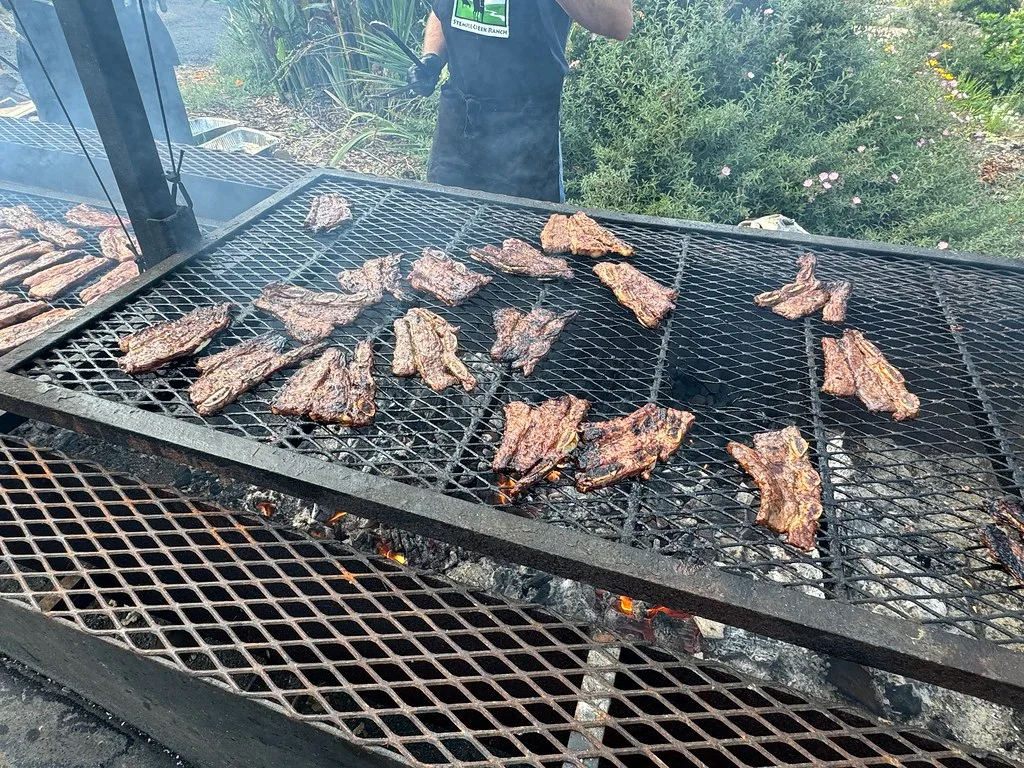
Grilling demands a dry rub that can withstand direct high heat and form a flavorful crust. Sugar becomes important here because it caramelizes and creates bark.
Korean-style galbi is the gold standard for grilled short ribs. The marinade relies on soy sauce, Asian pear, garlic, sesame oil, and gochugaru. It's a wet approach rather than a dry rub, and the sugar in the pear helps create that sticky, lacquered exterior.
For a dry rub on grilled short ribs, you want:
- Coarse black pepper as the primary spice
- Smoked paprika for color and depth
- A small amount of brown sugar for caramelization
- Garlic powder and onion powder for savory backbone
- Cayenne or chipotle for heat
Keep the sugar content moderate. Too much sugar burns before the meat is done. A ratio of about 1 part sugar to 4 parts total rub works well over direct heat.
Spices for Smoked Short Ribs
Smoking is where simplicity often wins. The smoke itself is a flavoring agent, so your spice rub needs to complement it rather than compete with it.
The Texas "dalmatian rub" is just coarse black pepper and kosher salt, roughly equal parts. That's it. The smoke does the heavy lifting, and the pepper provides just enough bite to keep things interesting.
If you want to go beyond the dalmatian approach, add:
- Smoked paprika (reinforces the smoke flavor)
- Garlic powder
- A touch of cumin
- Cayenne for those who want heat
Avoid sugar-heavy rubs on long smokes. They tend to turn bitter after several hours. If you want sweetness, apply a glaze or sauce in the final 30 minutes instead.
5 Spice Blends That Work Perfectly with Short Ribs
Building a spice blend from scratch is rewarding, but having a few proven combinations in your back pocket saves time and delivers consistent results. These five cover the major flavor directions short ribs can take.
Classic BBQ Rub
This is the all-purpose American BBQ blend. It works on smoked, grilled, or oven-roasted short ribs.
- 2 tablespoons smoked paprika
- 1 tablespoon kosher salt
- 1 tablespoon brown sugar
- 2 teaspoons black pepper
- 2 teaspoons garlic powder
- 1 teaspoon onion powder
- 1 teaspoon cumin
- 1/2 teaspoon cayenne
Mix everything and store in an airtight container. It keeps for about 6 months before the flavors start to fade. This rub creates a deep reddish bark with moderate heat and a slight sweetness that plays well against the beef's richness.
Korean Galbi-Inspired Blend
This is technically a marinade rather than a dry rub, but it's the most popular short rib preparation in Korean cuisine and worth understanding.
- 1/2 cup soy sauce
- 1/4 cup brown sugar or Asian pear puree
- 2 tablespoons sesame oil
- 1 tablespoon gochugaru
- 6 cloves garlic, minced
- 1 tablespoon fresh ginger, grated
- 2 green onions, chopped
- 1 tablespoon rice vinegar
The Asian pear isn't just a sweetener. It contains natural enzymes that tenderize the meat, which is why galbi marinades are so effective on short ribs. Let the ribs marinate for at least 4 hours, or overnight for the best results.
If you enjoy Korean-inspired flavors, our chicken shawarma recipe air fryer uses a similar philosophy of building flavor through marination.
Moroccan Ras El Hanout Mix
Ras el hanout translates to "head of the shop." It's the best blend a spice merchant has to offer, and recipes vary widely. A solid version for short ribs includes:
- 1 teaspoon cinnamon
- 1 teaspoon cumin
- 1 teaspoon coriander
- 1/2 teaspoon turmeric
- 1/2 teaspoon cardamom
- 1/2 teaspoon nutmeg
- 1/4 teaspoon clove
- 1/4 teaspoon black pepper
- 1/4 teaspoon allspice
Toast the whole spices in a dry pan for 2 to 3 minutes until fragrant, then grind them fresh. The difference between pre-ground and freshly toasted ras el hanout is dramatic. This blend pairs beautifully with a braise that includes dried apricots, preserved lemon, or olives.
Caribbean Jerk Profile
Jerk seasoning is built on two pillars: allspice and scotch bonnet peppers. Everything else supports those two.
- 2 tablespoons allspice (ground)
- 1 tablespoon thyme (dried)
- 1 tablespoon black pepper
- 1 teaspoon cinnamon
- 1 teaspoon nutmeg
- 1/2 teaspoon clove
- 2 teaspoons cayenne (or 1 minced scotch bonnet)
- 2 teaspoons garlic powder
- 1 teaspoon brown sugar
The allspice is doing most of the work here. It's warm, slightly peppery, and unlike any other spice. Combined with the heat from the scotch bonnet, it creates a flavor that's immediately recognizable.
Braise the short ribs with coconut milk and lime juice to complete the Caribbean profile.
Coffee and Ancho Rub
Coffee in a beef rub sounds unusual until you try it. The roasted bitterness of coffee amplifies the meat's savory depth in a way that's hard to replicate with any other ingredient.
- 2 tablespoons finely ground coffee
- 1 tablespoon ancho chili powder
- 1 tablespoon brown sugar
- 1 tablespoon kosher salt
- 2 teaspoons smoked paprika
- 1 teaspoon cumin
- 1 teaspoon black pepper
- 1/2 teaspoon cinnamon
The coffee should be finely ground, almost powdery. Coarse grounds won't adhere to the meat and will create a gritty texture. This rub is best on grilled or smoked short ribs where the high heat can caramelize the coffee and sugar into a dark, complex crust.
How to Build Your Own Short Rib Rub From Scratch
Once you understand the basic principles, creating your own blend is straightforward. The key is balancing five elements: salt, heat, sweetness, earthiness, and aromatics.
The Base Ratio
Start with this framework and adjust to taste:
| Component | Starting Ratio | Examples |
|---|---|---|
| Salt | 2 parts | Kosher salt, seasoned salt |
| Dominant spice | 1 part | Cumin, smoked paprika, black pepper |
| Heat | 1/2 part | Cayenne, chipotle, gochugaru |
| Sweetness | 1/2 part | Brown sugar, coconut sugar |
| Aromatics | 1/4 part each | Garlic powder, onion powder, mustard powder |
For 4 pounds of short ribs, a total of about 1/4 cup of rub is a good starting point. You want enough to coat all surfaces generously without caking on in thick layers.
Toasting and Grinding Whole Spices
This single step will do more for your rub than any other technique. Whole spices contain essential oils that are locked inside the seed or bark. Toasting releases those oils and activates flavors that pre-ground spices simply cannot match.
Here's the process:
- Place whole spices in a dry skillet over medium heat
- Shake the pan frequently for 2 to 3 minutes
- Remove from heat the moment you smell a strong aroma
- Transfer to a plate to stop the cooking
- Grind in a spice grinder, mortar and pestle, or coffee grinder
The window between toasted and burned is narrow. Don't walk away from the pan. Burnt spices taste bitter and acrid, and there's no fixing them.
Layering Spices Across Cooking Stages
The most flavorful short rib preparations use spices in multiple stages rather than dumping everything into one rub.
Stage 1: The dry rub or dry brine. Apply salt and spices to the meat at least 1 hour before cooking, or up to 24 hours for a dry brine. The salt penetrates the muscle fibers and the spice flavors begin to adhere to the surface fat.
Stage 2: The sear or initial cook. If you're searing before braising, the high heat blooms the spices on the surface, creating new flavor compounds through the Maillard reaction.
Stage 3: The braising liquid or mop sauce. Add complementary aromatics and spices to the liquid. This is where whole spices like star anise and cinnamon sticks shine.
Stage 4: The finish. A sprinkle of flaky salt, cracked pepper, or a bright spice like sumac right before serving adds a final layer that wakes up everything underneath.
This approach is the same principle behind our BBQ chicken recipes air fryer guide, where building flavor in stages produces better results than a single heavy-handed seasoning pass.
Common Spice Mistakes That Ruin Short Ribs
The fastest way to undermine a great cut of short ribs is getting the spices wrong. These are the errors that show up most often, and they're all avoidable.
Over-spicing is the number one problem. Short ribs have a deep, beefy flavor that deserves to lead. When you pile on too many competing spices, everything turns muddy. The meat loses its identity and you're left tasting "spice mix" instead of short ribs.
Stick to a clear flavor direction and let three or four spices do the heavy lifting.
Using stale spices is another silent killer. Ground spices lose most of their potency within 6 to 12 months. If that jar of cumin has been sitting in your cabinet since before last year's holidays, it's contributing dust, not flavor. Whole spices last longer, about 2 to 3 years, but even they degrade.
When in doubt, smell it. If it doesn't have a strong aroma, it won't add much to your food.
Not accounting for salt in the braising liquid catches people off guard. If your rub is salted and your braising liquid is also salted, the final dish can be overwhelming. Season the rub well, then go easy on salt in the liquid.
You can always adjust at the end.
Applying sugar-heavy rubs over direct high heat leads to burnt, bitter crusts. Sugar caramelizes at around 320°F and burns quickly past 375°F. If you're grilling over direct flame, keep sugar to a minimum in your rub and save any sweet glaze for the last few minutes.
How to Match Spices to Your Braising Liquid
Your braising liquid isn't just a cooking medium. It's a second chance to build flavor, and the spices in your rub need to harmonize with whatever liquid you're using.
Red wine braises pair naturally with warm spices. Cinnamon, clove, star anise, and black pepper all complement the tannins and fruit in red wine. A classic French-inspired short rib braise might include bay leaf, thyme, black peppercorns, and a single star anise.
The wine amplifies the warmth of these spices and creates a sauce that tastes greater than the sum of its parts.
Soy-based braises call for an entirely different approach. Ginger, garlic, gochugaru, sesame, and a touch of brown sugar create an Asian-inspired profile that works with soy's saltiness and umami. Star anise and cinnamon also work here, bridging the gap between Korean and Chinese braising traditions.
Beef stock or bone broth braises are more neutral, which gives you freedom. This is where earthy spices like cumin, coriander, and smoked paprika shine. They add complexity without clashing with the stock's savory depth.
Tomato-based braises benefit from spices that can stand up to acidity. Cumin, oregano, smoked paprika, and a small amount of cinnamon work well. The tomato's brightness needs spices with enough weight to hold their own.
The general rule: taste your braising liquid before adding the ribs. If the spice level in the liquid tastes slightly stronger than you want the final dish to be, you're in the right range. The meat will absorb some of that intensity during cooking.
Finishing Spices and Garnishes That Elevate the Dish
What you add at the end matters almost as much as what you put in at the start. Finishing spices hit the palate fresh, before the cooked flavors have a chance to mute them.
Flaky salt like Maldon or similar flaky sea salt sprinkled right before serving adds a burst of salinity and a slight crunch that table salt can't replicate. It's a small touch that makes the dish feel finished.
Cracked black pepper added after cooking retains its sharp, pungent bite. Pepper that's been simmering for hours mellows out significantly. A last-minute crack of fresh pepper brings back that brightness.
Sumac is the secret finishing spice most home cooks don't know about. A light dusting over braised short ribs adds a tangy, almost citrusy note that cuts through the richness. It's common in Middle Eastern cooking and works beautifully with beef.
Fresh herbs like chopped parsley, cilantro, or scallions add color and a fresh contrast to long-cooked spices. They don't add heat or warmth. They add life.
Toasted sesame seeds are a simple garnish that adds nuttiness and texture. They're especially effective on Asian-inspired short rib preparations.
Think of finishing spices as the final adjustment. They're your chance to brighten, sharpen, or add contrast after hours of slow cooking have melded everything together.
Spices to Avoid — What Doesn't Work and Why
Most spices can work on short ribs if used thoughtfully, but a few tend to cause problems.
Pre-mixed pumpkin pie spice is formulated for desserts. The proportions of cinnamon, nutmeg, ginger, and allspice are calibrated for sweetness, not savory beef. If you want those same spices, build the blend yourself with ratios that make sense for meat.
Excessive dried herbs like oregano, basil, or Italian seasoning can taste dusty and one-dimensional on short ribs. Herbs work better as part of a braising liquid's aromatic base (bay leaf, thyme sprigs) rather than as the primary seasoning in a dry rub.
Celery seed has a strong, almost bitter flavor that competes with beef rather than complementing it. It works in some sausage applications but tends to clash with short ribs' richness.
Pre-made taco seasoning blends often contain anti-caking agents, silicon dioxide, and excessive salt. They're convenient but rarely deliver the depth you'd get from blending cumin, smoked paprika, garlic powder, and oregano yourself.
More than one strongly aromatic spice at a time creates confusion. Pick one lead aromatic (star anise or cinnamon or cardamom) and build around it. Two competing aromatics cancel each other out and leave the dish tasting unfocused.
The broader point: short ribs reward intentionality. Every spice in the blend should have a clear job. If you can't articulate why a spice is there, leave it out.
Frequently Asked Questions
Can I use the same spice rub for braised and grilled short ribs?
Not ideally. Braised short ribs benefit from whole spices and ground spices that infuse slowly into liquid. Grilled short ribs need a dry rub with coarse pepper, a touch of sugar for caramelization, and spices that can withstand direct high heat without burning.
Adjust your blend for the method.
How far in advance should I season short ribs?
For the best results, apply your rub at least 4 hours before cooking, or up to 24 hours for a full dry brine. The salt needs time to penetrate the muscle fibers. Even 1 hour makes a noticeable difference compared to seasoning right before cooking.
What's the single best spice for short ribs?
Black pepper. It's the one spice that works across every cooking method and every cuisine style. Coarse cracked pepper provides bite, warmth, and a slight floral note that enhances beef without masking it.
If you could only pick one, make it pepper.
Do I need to toast spices before adding them to a rub?
Toasting isn't required, but it makes a significant difference. Whole spices that are toasted for 2 to 3 minutes in a dry pan before grinding release essential oils and develop deeper, more complex flavors. Pre-ground spices can't be toasted effectively, which is one reason whole spices produce superior rubs.
Can I use fresh garlic and ginger instead of powder in a rub?
Fresh garlic and ginger work better in wet marinades than in dry rubs. Powdered forms distribute more evenly and won't burn as easily. If you're making a Korean-style galbi marinade, fresh is the way to go.
For a dry rub, stick with the powdered versions.
How do I fix short ribs that are too spicy?
If your braising liquid is too spicy, add a small amount of sugar, coconut milk, or tomato paste to buffer the heat. For finished ribs that are too hot on the surface, serve them with a cooling side like cucumber salad, yogurt sauce, or pickled vegetables. You can't remove spice once it's cooked in, but you can balance it on the plate.
Final Thoughts — Trust Your Palate
Short ribs are forgiving. They're fatty enough to handle bold seasoning and sturdy enough to take long, slow cooking without falling apart. That makes them one of the best cuts for experimenting with spice combinations.
Start with a clear flavor direction. Pick your cooking method first, then choose spices that complement it. Build in layers: a solid dry rub, complementary aromatics in the braising liquid, and a bright finishing touch.
That three-stage approach works every time.
The blends and ratios in this guide are starting points. Taste as you go, adjust for your own preferences, and don't be afraid to try something unexpected. Some of the best short rib dishes come from combining spice traditions that don't normally share a table.
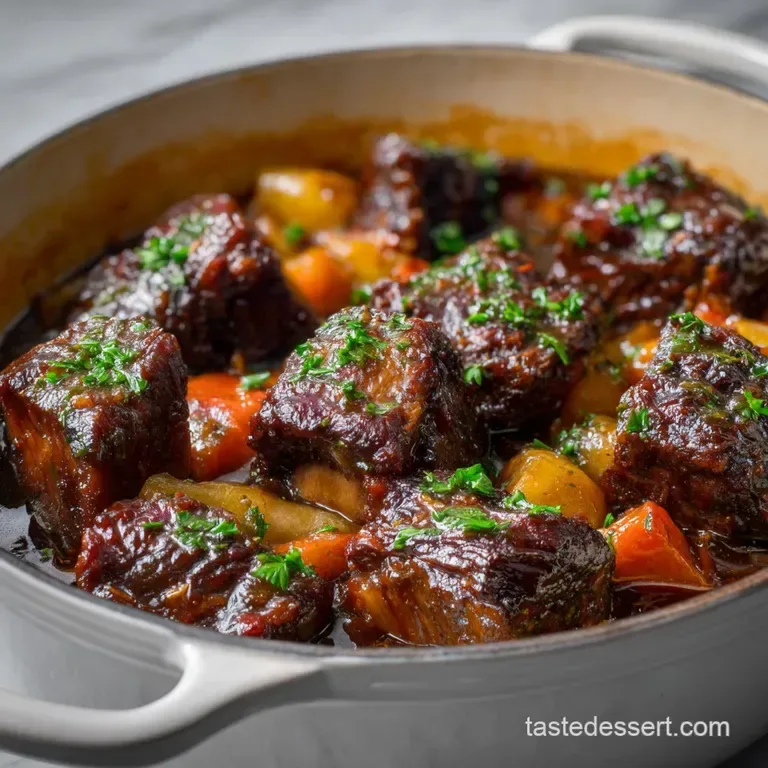
Image source: Bing (Web (fair-use with source credit))