
Do doctors recommend air fryers? The short answer is: some do, some don't, and most will tell you it depends on what you're cooking and why. Air fryers have exploded in popularity as a "healthier" way to get that crispy fried texture, but the medical community's take is more nuanced than the marketing suggests.
What the research actually shows might surprise you, and it's worth understanding before you decide whether one belongs in your kitchen.
Here's the thing. Air fryers do reduce the amount of oil you use dramatically compared to deep frying. That part is well-supported.
But "less oil" doesn't automatically mean "healthy," and some cooking methods introduce their own risks that most people never hear about. Let's walk through what the evidence actually says.
Quick Answer
Doctors don't universally recommend air fryers. Many physicians and registered dietians support them as a tool for reducing dietary fat intake compared to deep frying. The American Heart Association notes that lowering saturated and trans fat consumption benefits cardiovascular health.
However, air frying is not risk-free. High-temperature cooking of starchy foods produces acrylamide, a potential carcinogen. The healthiest approach depends on what you cook, how often, and what you'd otherwise be eating.
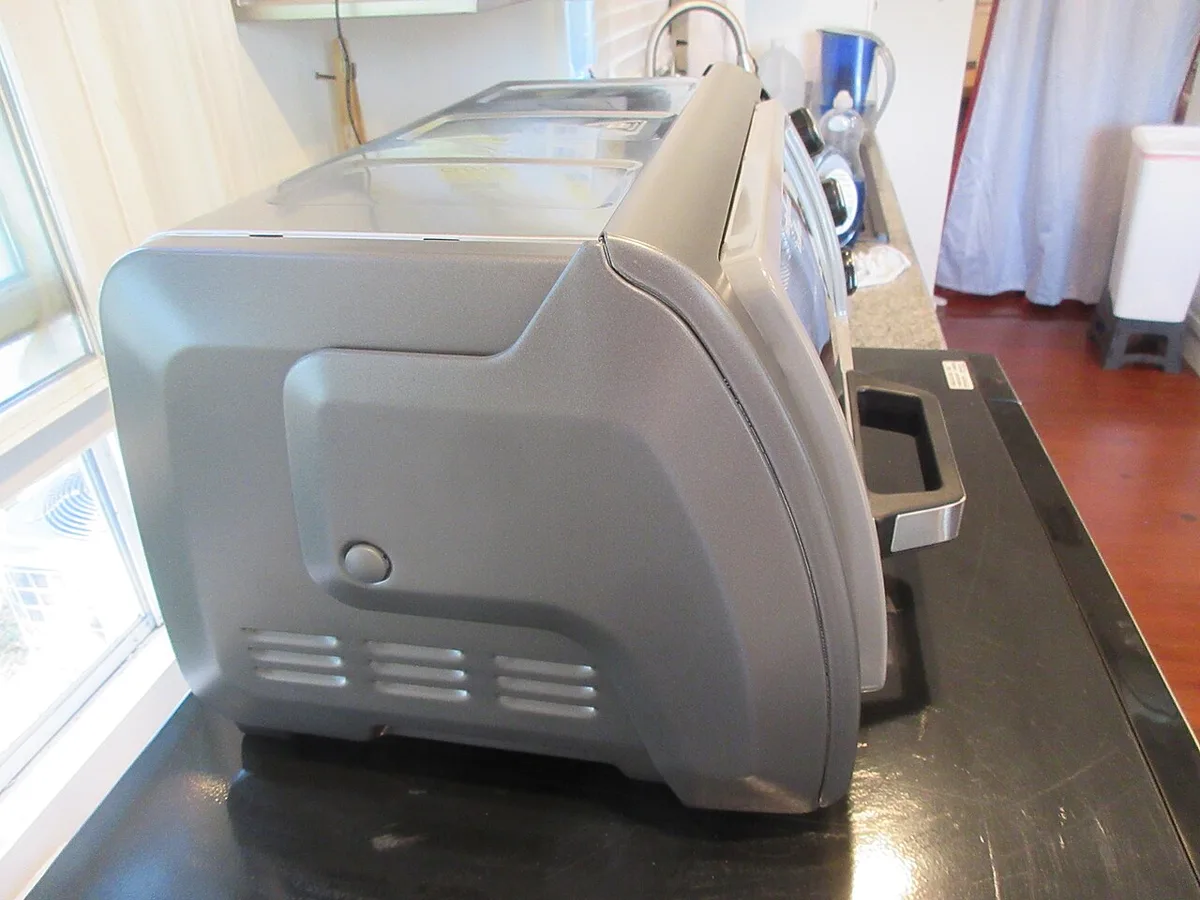
Image source: Wikimedia Commons / Infrogmation of New Orleans (CC BY-SA)
What Happens to Your Food When You Air Fry Instead of Deep Fry
Air fryers work by circulating extremely hot air around food at high speed. This rapid air circulation creates a crispy outer layer through the Maillard reaction, the same chemical process that browns food during any high-heat cooking. The key difference from deep frying is that you're using a light spray or brush of oil, sometimes as little as one to two teaspoons, instead of submerging food in several cups of oil.
That reduction matters. Deep frying typically requires 3 to 4 cups of oil per batch, and a significant amount absorbs into the food. Air frying cuts that added fat by roughly 70 to 80 percent according to manufacturer testing and some independent analyses.
For someone eating fried foods regularly, swapping to an air fryer can meaningfully lower daily caloric and fat intake.
But the cooking process itself changes the food in ways beyond just fat content. The high surface temperatures in an air fryer, often between 300°F and 400°F, drive moisture off the exterior quickly. That's what creates the crunch.
It also means the surface of the food can reach temperatures high enough to trigger chemical reactions that don't occur as intensely in lower-heat methods like baking or steaming.
One of those reactions produces advanced glycation end products, commonly called AGEs. AGEs form when proteins or fats react with sugars at high heat. Research published in the Journal of the American Dietetic Association has linked high dietary AGE intake to increased inflammation and oxidative stress, both of which are associated with chronic conditions like type 2 diabetes and cardiovascular disease.
Air frying produces fewer AGEs than deep frying in some cases, but more than gentler methods like boiling or steaming.
The takeaway here is straightforward. Air frying changes your food less drastically than deep frying, but it's not a neutral cooking method. What you gain in reduced fat, you may partially offset with compounds formed at high heat.
The net effect depends heavily on what you're cooking.
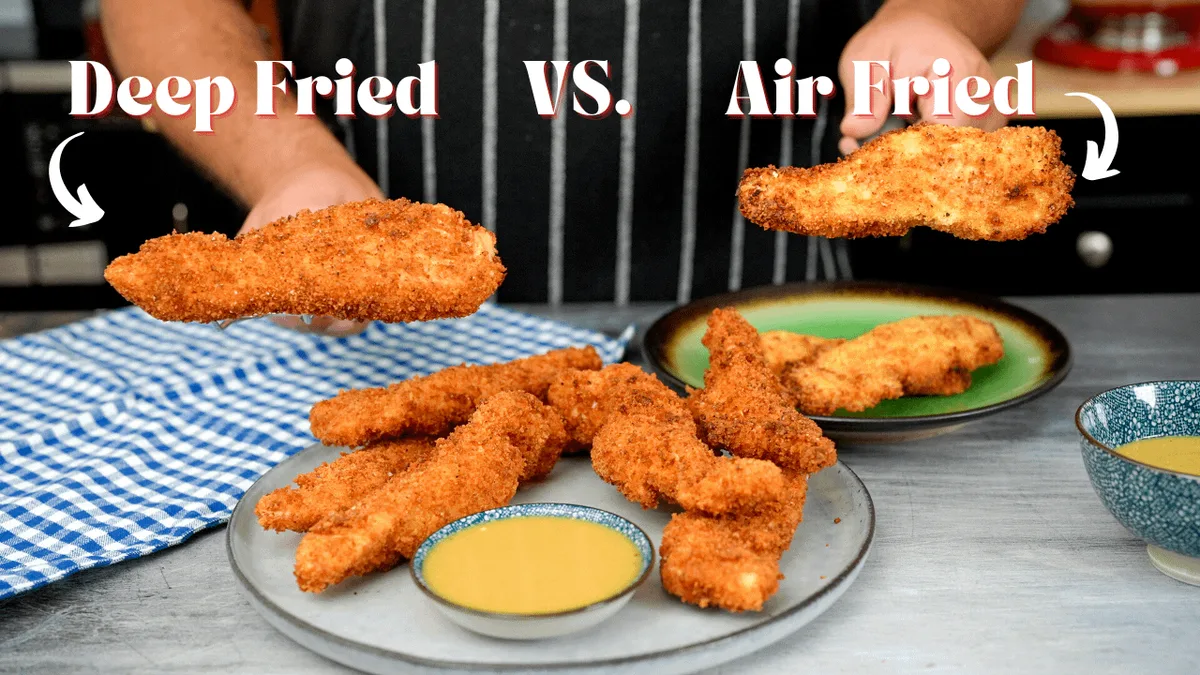
Image source: Bing (Web (fair-use with source credit))
What the Research Says About Air Frying and Heart Health
Cardiovascular disease remains the leading cause of death in the United States, according to the Centers for Disease Control and Prevention (CDC). Dietary fat intake, particularly saturated and trans fats, is one of the modifiable risk factors doctors focus on when counseling patients. This is where air fryers have the strongest case.
A 2015 study published in the Journal of Food Science and Technology compared the fatty acid composition of air-fried versus deep-fried chicken. The air-fried samples showed significantly lower levels of saturated fat and no detectable trans fats, while the deep-fried samples contained measurable trans fat from the partially hydrogenated oils used. Trans fats are strongly associated with increased LDL cholesterol and decreased HDL cholesterol, a pattern that raises cardiovascular risk.
The American Heart Association recommends limiting saturated fat to less than 6 percent of total daily calories and avoiding trans fats entirely. For someone consuming 2,000 calories per day, that means keeping saturated fat under 13 grams. A single serving of deep-fried chicken can contain 8 to 12 grams of saturated fat on its own.
The same chicken prepared in an air fryer might contain 2 to 4 grams, depending on the cut and whether skin is left on.
That difference is clinically meaningful. Aggregate data from dietary studies consistently shows that replacing saturated fat sources with lower-fat preparation methods is associated with reduced cardiovascular event risk over time. Doctors who do recommend air fryers are typically thinking about this specific swap: helping patients who already eat fried foods find a version that's easier on their arteries.
It's also worth noting that air fryers can make it practical to cook at home more often. Restaurant fried foods are often cooked in oils reused many times, which increases trans fat formation and oxidation products. Cooking at home in an air fryer gives you control over the oil type and freshness, which is a genuine advantage.
If you're looking for heart-healthy air fryer recipes, our guide to BBQ chicken in the air fryer uses skinless chicken and minimal oil, which aligns well with what cardiologists typically recommend for protein preparation.

Image source: Bing (Web (fair-use with source credit))
The Acrylamide Problem Nobody Talks About
Here's where the conversation gets less comfortable. Acrylamide is a chemical compound that forms when starchy foods are cooked at temperatures above 248°F (120°C). It's produced through the Maillard reaction between the amino acid asparagine and reducing sugars.
The U.S. Food and Drug Administration (FDA) has acknowledged acrylamide as a potential human carcinogen based on animal studies, though the evidence in humans remains limited and inconclusive.
What makes this relevant to air fryers is a counterintuitive finding. A 2020 study published in the Journal of Food Science found that air-fried potatoes contained higher levels of acrylamide than deep-fried potatoes cooked at the same temperature. The reason appears to be that air fryers remove surface moisture more efficiently, allowing the food's exterior to reach higher local temperatures faster.
Deep frying, by contrast, keeps the surface temperature closer to the oil's boiling point, which can actually limit acrylamide formation in some scenarios.
The European Food Safety Authority (EFSA) has classified acrylamide as a substance of concern and established benchmark levels for its presence in various food products under EU Commission Regulation 2017/2158. The FDA issued guidance in 2016 encouraging food manufacturers to reduce acrylamide in processed foods, though no binding limits exist in the United States as of 2026.
This doesn't mean air fryers are dangerous. Acrylamide exposure from home cooking is generally lower than from commercially processed snack foods like chips and crackers. But it does mean that the "air fryers are automatically healthier" narrative is incomplete.
If you're air frying potatoes, sweet potatoes, or breaded foods at high temperatures regularly, you may be increasing your acrylamide intake compared to gentler cooking methods.
Practical steps to reduce acrylamide when air frying include keeping cooking temperatures at or below 350°F when possible, avoiding heavy browning or charring on starchy foods, and soaking cut potatoes in water for 15 to 20 minutes before cooking to reduce surface sugars. These small adjustments meaningfully lower acrylamide formation without sacrificing much in the way of texture.
For a starchy side dish that works well at moderate air fryer temperatures, our Japanese sweet potato air fryer recipe uses a lower temperature setting that helps keep acrylamide formation in check while still delivering good caramelization.
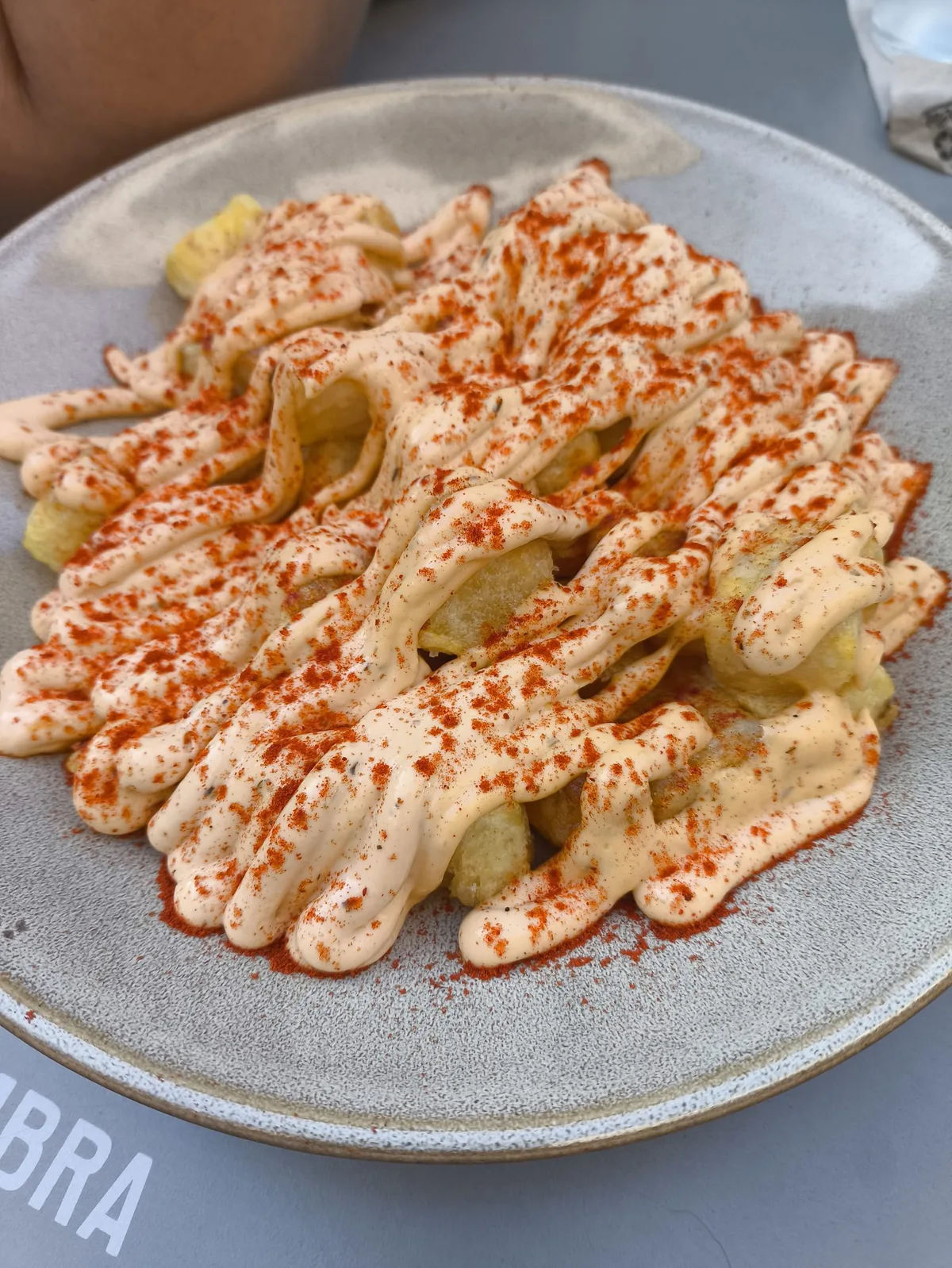
Image source: Openverse / Laulove2001
How Air Frying Compares to Other Cooking Methods
No cooking method exists in isolation. To understand where air fryers fit, it helps to compare them against the alternatives you'd realistically use.
Deep frying remains the benchmark for texture and speed, but it adds the most fat and calories. A standard serving of deep-fried french fries contains roughly 365 calories and 17 grams of fat. The same serving air fried comes in around 140 calories and 3 to 5 grams of fat.
That's a substantial difference if fried potatoes are a regular part of your diet.
Conventional oven baking uses no added oil if you don't add any, but it takes longer and often produces a less crispy result. Baking at 425°F for 25 to 30 minutes can approximate the texture of air frying, but you lose the speed advantage. Air fryers typically cook 20 to 30 percent faster than conventional ovens because the smaller chamber and focused airflow transfer heat more efficiently.
Pan frying gives you control over oil amount but requires attention and produces splatter. It's a reasonable middle ground for small batches, but it doesn't match the hands-off convenience of an air fryer.
Steaming and boiling produce the lowest levels of acrylamide and AGEs, but they won't give you anything close to a crispy texture. These are the methods most aligned with what nutritionists recommend for general health, but they're not realistic replacements for someone who wants fried food.
Grilling and broiling share some of the same high-heat concerns as air frying, including AGE formation and, in the case of charring meat, production of heterocyclic amines (HCAs) and polycyclic aromatic hydrocarbons (PAHs). These are also classified as potential carcinogens.
Here's a quick comparison:
| Method | Added Oil | Cook Time | Acrylamide Risk | AGE Formation |
|---|---|---|---|---|
| Deep frying | High (3-4 cups) | Fast | Moderate | High |
| Air frying | Low (1-2 tsp) | Fast | Moderate to High | Moderate |
| Oven baking | None to low | Slow | Low to Moderate | Low to Moderate |
| Pan frying | Moderate | Moderate | Low to Moderate | Moderate |
| Steaming | None | Moderate | Very Low | Very Low |
| Grilling | None to low | Fast | Low (non-starchy) | High (meats) |
The pattern is clear. Every high-heat cooking method involves tradeoffs. Air frying sits in a reasonable middle zone: less fat than frying, faster than baking, but not without its own chemical byproducts at high temperatures.
If you're wondering whether a multi-cooker like an Instant Pot can do the same job, our breakdown of whether an Instant Pot is an air fryer covers the functional differences and which tasks each appliance handles best.

Image source: Wikimedia Commons / NeoBatfreak (CC BY-SA)
When Air Fryers Make Sense — And When They Don't
Air fryers earn their place in specific situations. They're not a universal kitchen upgrade, and nobody should buy one thinking it solves their diet on its own.
Air fryers work best for people who already eat fried foods regularly. If french fries, chicken wings, or mozzarella staples show up in your rotation multiple times a week, switching to an air fryer cuts a meaningful amount of fat and calories from your diet without asking you to give up the foods you actually enjoy.
Anyone managing cardiovascular risk benefits most from reducing saturated fat intake. Air frying lets patients with high LDL cholesterol keep crispy textures while dropping fat per serving by 60 to 80 percent compared to deep frying.
Home cooks who want speed without a deep fryer's mess appreciate that air fryers heat in 2 to 3 minutes and barely need cleanup beyond wiping the basket. Heating, filtering, and disposing of cups of oil every time you want fries is a chore most people avoid.
Families trying to shift kids toward home-cooked meals find that children who resist steamed vegetables will often eat crispy air-fried chicken or sweet potato fries. It's not a perfect swap from raw veggies, but aggregate reviews from parents consistently report that air fryers get children eating more whole foods. If you need ideas, our collection of kid-friendly air fryer recipes focuses on approachable meals that work well at moderate temperatures.
Air fryers don't help when your diet is already built around lean proteins and vegetables. If you're already eating grilled chicken and steamed greens, an air fryer adds little. You'd get more from a steamer or a sheet pan.
They also don't help when you expect them to make unhealthy food healthy. Air-fried processed foods are still processed foods. The reduction in added oil is real, but it doesn't transform frozen nuggets into something a dietian would call health food.
If you only occasionally want something crispy, a regular oven with a wire rack gets you close enough. Buying another appliance for rare use isn't worth the counter space.
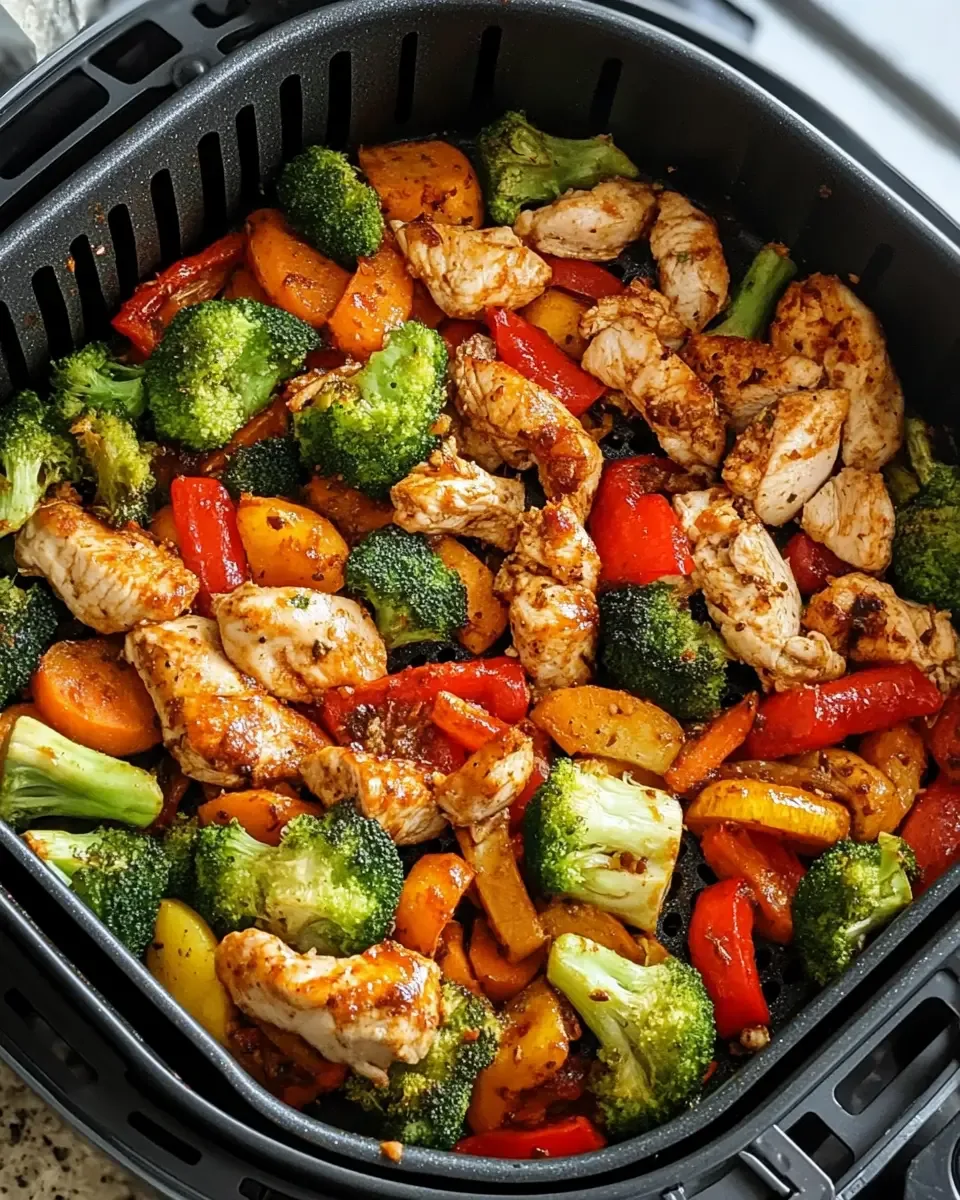
Image source: Bing (Web (fair-use with source credit))
What Doctors and Dietitians Actually Say About Air Fryers
Most physicians won't prescribe an air fryer the way they'd prescribe a medication. But many will acknowledge them as one useful tool inside a broader dietary strategy, especially for patients who struggle to give up fried food entirely.
Registered dietians tend to be the most specific in their feedback. In professional practice, they frequently encounter patients who either refuse to give up fried textures or lack the culinary skills to prepare vegetables in appealing ways. For those patients, an air fryer becomes a practical compromise.
The patient eats more vegetables because they taste better with a crispy coating, and the overall fat load drops.
Cardiologists generally support the fat reduction angle. The American Heart Association's dietary guidelines emphasize reducing saturated fat, and air frying aligns with that goal when it replaces deep frying. No major cardiology organization has issued a formal position on air fryers specifically, but the principle of lowering cooking fat is well established in clinical guidance.
Some oncologists and researchers have raised concerns about the acrylamide angle, particularly for people who air fry starchy foods daily. The National Toxicology Program's Report on Carcinogens lists acrylamide as "reasonably anticipated to be a human carcinogen" based on animal data. While the risk from occasional home cooking is low, the concern is frequent, long-term consumption of high-temperature-cooked starchy foods.
The honest bottom line from the medical community is this. Air fryers are better than deep frying for most people, worse than steaming or boiling, and roughly comparable to oven baking. They're a step in the right direction, not a destination.
If a doctor recommends one, it's usually because you told them you eat fried food and they're meeting you where you are, not because air fryers are a health food.
For a protein-heavy meal that works well in an air fryer at moderate temperatures, our New York strip air fryer recipe gives you a restaurant-quality result with minimal added fat. It's the kind of meal a dietitian could get behind without hesitation.

Image source: Bing (Web (fair-use with source credit))
Common Mistakes That Make Air Frying Less Healthy
Buying an air fryer is easy. Using it in a way that actually supports your health takes a bit more thought. These are the mistakes we see most often.
Cranking the temperature to max for everything. Many people run their air fryers at 400°F regardless of what's inside. That's overkill for most foods and pushes acrylamide formation higher than necessary. Chicken breasts do well at 360°F to 375°F.
Vegetables like broccoli and zucchini crisp up nicely at 350°F to 370°F. Save 400°F for foods that truly need it.
Overcrowding the basket. Air fryers work because hot air circulates around every surface of the food. If you pack the basket full, the air can't reach the middle. You end up with unevenly cooked food where some pieces are charred and others are raw inside.
Cook in batches when needed.
Using aerosol cooking sprays. Those convenience sprays contain soy lecithin and other emulsifiers that build up on non-stick coatings over time. The residue is nearly impossible to clean and can degrade the surface. Use a manual oil mister filled with olive oil or avocado oil instead.
Assuming "air fried" means calorie-free. The health halo effect is real with air fryers. Aggregate user reviews and dietian reports suggest that some people eat larger portions or more frequent fried-style meals because they believe the air fryer makes it guilt-free. Portion control still matters.
Skipping preheating. Most air fryers reach target temperature in 2 to 3 minutes. Tossing food in before the unit is hot means the food sits in warm, circulating air that slowly steams it instead of crisping it. That leads to soggy results and longer cooking times.
Preheat every time.
Never cleaning the heating element. Grease and food particles accumulate on the heating element and interior surfaces over time. This creates smoke, off-flavors, and potentially harmful fumes during cooking. A quick wipe-down after each use and a deeper monthly cleaning keeps the unit performing safely.
If you're cooking potatoes specifically, our gold potato air fryer recipe includes a soak step that reduces surface sugars before cooking. That small move lowers acrylamide formation meaningfully.
How to Use an Air Fryer in a Way That Actually Supports Your Health
Getting the health benefits from an air fryer without the downsides mostly comes down to how you use it. Here are the habits that make the biggest difference.
Choose your oil wisely and sparingly. Use oils with high smoke points and favorable fat profiles. Avocado oil (smoke point around 520°F) and extra-light olive oil (around 465°F) are solid choices. One to two teaspoons is enough for most baskets of food.
The goal is a micro-coat, not a mist that pools at the bottom.
Prioritize whole foods over processed ones. Air frying works beautifully for chicken thighs, salmon fillets, tofu cubes, whole vegetables, and homemade breaded items. It works less well, nutritionally speaking, for frozen nuggets, pre-breaded convenience foods, and heavily processed snacks. The more whole the ingredient, the more the air fryer is actually improving your diet.
Vary your cooking methods. Don't make the air fryer your only tool. Pair it with steaming, slow cooking, raw salads, and gentle roasting throughout the week. A 2023 review in Nutrients noted that dietary variety in cooking methods is associated with better overall nutrient intake and lower exposure to any single set of heat-generated byproducts.
Watch the clock and temperature. Set a timer for 2 to 3 minutes less than the recipe suggests and check. Food continues cooking from residual heat after you pull it out. Pulling food just before it hits deep brown keeps acrylamide and AGE formation lower while still delivering good texture.
Pair air-fried foods with something raw or steamed. If you're having air-fried chicken, add a big side salad or steamed broccoli. The fiber, water content, and raw nutrients from the vegetables balance the meal and slow fat absorption. It's a simple move that shifts the overall nutritional profile of the plate significantly.
For fish lovers, our air fryer swai recipes and steelhead trout recipes use moderate temperatures and short cook times that preserve the omega-3 fatty acids these fish provide. That's exactly the kind of preparation that aligns with what the research supports.
Are Air Fryers Safe? What You Need to Know About Coatings and Chemicals
The safety question around air fryers centers on two things: the non-stick coatings and the fumes produced during cooking.
Most air fryer baskets use a polytetrafluoroethylene (PTFE) coating, commonly associated with non-stick cookware. PTFE itself is considered stable and inert at normal cooking temperatures. The concern arises above 500°F (260°C), where PTFE can begin to degrade and release fumes that cause polymer fume fever in humans, a temporary flu-like condition.
Most air fryers max out at 400°F, which is well below the degradation threshold. As long as you're following normal recipes and not running the unit empty at maximum heat, the PTFE exposure risk is minimal.
The bigger concern with non-stick coatings is physical degradation. Scratched, chipped, or peeling coating exposes the metal underneath and can flake into food. This happens most often when people use metal utensils, stack items in the basket, or clean with abrasive sponges.
Use silicone or wooden utensils, hand-wash with a soft sponge, and replace the basket if the coating shows significant wear.
Per- and polyfluoroalkyl substances (PFAS), sometimes called "forever chemicals," were historically used in non-stick coating manufacturing. However, major manufacturers phased out PFOA (a specific PFAS of concern) from PTFE coatings by 2015. Reputable brands sold in 2025 and 2026 should be PFOA-free, but budget off-brand units from unknown manufacturers may not adhere to the same standards.
If chemical exposure is a priority concern, look for brands that explicitly state PFOA-free and PFAS-free coatings, or opt for a stainless steel or ceramic-coated basket model.
Smoke and volatile organic compounds (VOCs) are the other safety angle. When grease drips onto the heating element or accumulated residue burns off, it produces smoke containing acrolein and other irritants. This is more of a nuisance and respiratory irritant than a serious health threat in a ventilated kitchen.
Still, it's worth noting if you or someone in your household has asthma or chronic respiratory issues. Keep the unit clean and cook in a well-ventilated area.
Electrical safety is straightforward but worth repeating. Buy units with UL certification or equivalent safety marks in your country. Don't use extension cords rated below the unit's wattage, typically 1,200 to 1,800 watts.
Keep the unit on a stable, heat-resistant surface with adequate clearance on all sides.
The Bottom Line: Should You Use an Air Fryer for Better Health?
Air fryers are a genuinely useful tool for specific people. If you currently eat deep-fried food several times a week, switching to an air fryer will likely reduce your saturated fat intake, lower your overall calorie consumption from cooking oil, and make home cooking more convenient. Those are real, measurable benefits that align with what the American Heart Association and most registered dietians recommend.
But an air fryer is not a health food machine. It won't fix a poor diet on its own. It produces acrylamide at high temperatures, especially on starchy foods, and it can encourage overconsumption of fried-style meals if you're not paying attention to portions and frequency.
The doctors who recommend air fryers are usually recommending a swap, not an upgrade. They're saying that if you're going to eat fried food, this version is easier on your heart than the alternative. That's honest, practical advice, and it's the right framing.
If you decide one makes sense for your kitchen, use it for whole foods at moderate temperatures, pair it with plenty of raw or steamed vegetables, and don't let the "air fried" label trick you into thinking the laws of nutrition don't apply. For recipe ideas that put these principles into practice, browse our full collection of air fryer recipes.
Frequently Asked Questions
Do air fryers reduce calories compared to deep frying?
Yes, significantly. Air frying typically cuts added fat by 70 to 80 percent compared to deep frying. A serving of deep-fried french fries contains roughly 365 calories, while the same serving air fried comes in around 140 calories.
The food itself still has calories, but the oil contribution drops dramatically.
Is air frying healthier than oven baking?
It depends on the food and the goal. Air frying produces a crispier texture with less oil and in less time. However, oven baking at lower temperatures generates less acrylamide on starchy foods.
For most proteins and non-starchy vegetables, the health difference between the two methods is minimal.
Can air fryers cause cancer?
Air fryers themselves don't cause cancer. However, cooking starchy foods at high temperatures produces acrylamide, which the National Toxicology Program lists as "reasonably anticipated to be a human carcinogen" based on animal studies. The risk from occasional home cooking is low.
Keeping temperatures at or below 350°F and avoiding heavy browning reduces acrylamide formation.
What do dietians recommend cooking in an air fryer?
Dietians tend to recommend whole, minimally processed foods: chicken breasts, fish fillets, tofu, and fresh vegetables like broccoli, zucchini, and bell peppers. These foods benefit from the crispy texture without the drawbacks of processed frozen items. Our chicken shawarma air fryer recipe is a good example of a whole-food meal that works well.
How often is it safe to eat air fried food?
There's no established safe frequency specific to air frying. The general dietary guidance from the CDC and WHO emphasizes limiting fried food intake overall, regardless of the method. Eating air fried whole foods a few times a week as part of a varied diet that includes steamed, raw, and gently cooked foods is a reasonable approach.
Are air fryer non-stick coatings safe?
PTFE-coated baskets are considered safe at normal cooking temperatures below 500°F. Most air fryers operate at 400°F or lower. Avoid scratching the coating with metal utensils, and replace the basket if the surface is peeling or significantly damaged.
Look for PFOA-free labels when purchasing, as major manufacturers phased out PFOA by 2015.