
If you've ever wished you could whip up a warm, golden skillet of cornbread without heating your whole kitchen, a cornbread air fryer recipe is exactly what you need. It's faster than the oven, uses less energy, and gives you those crispy edges with a tender, moist center that's hard to beat. In our research, most air fryer cornbread recipes call for 330°F to 350°F and cook in just 12 to 20 minutes, compared to 25 to 35 minutes in a conventional oven.
The trick is getting the batter consistency right, choosing a vessel that fits your air fryer with enough airflow, and knowing when it's actually done. This guide walks you through every step so you can nail it the first time.
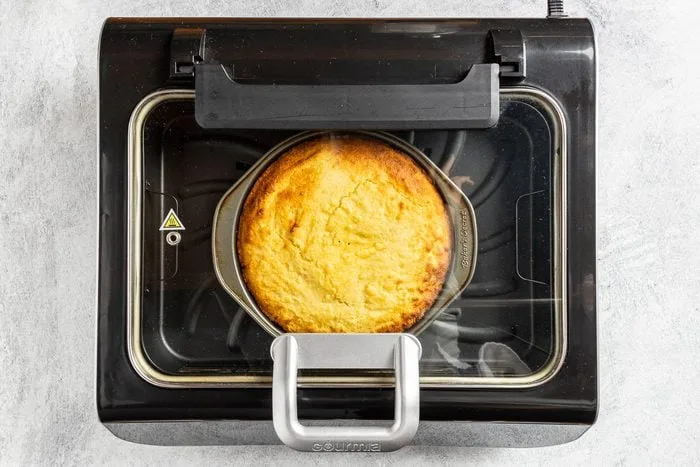
Image source: Bing (Web (fair-use with source credit))
Quick Answer
A cornbread air fryer recipe uses your air fryer to bake cornbread in a small cast iron skillet or ramekins. Preheat the air fryer to 350°F. Mix cornmeal, flour, leavening, egg, buttermilk, and melted butter into a thick batter.
Pour into a greased vessel and bake for 14 to 18 minutes. Check doneness with a toothpick. It's done when the top is golden and the toothpick comes out clean.
Why Air Fryer Cornbread Is Worth Making
Air fryer cornbread isn't just a novelty. It's a genuinely practical way to get great results with less time and energy. The circulating hot air in an air fryer creates a crust that's noticeably crispier than what you'd get from a standard oven, while the interior stays moist and tender.
One thing that sets this method apart is speed. Most air fryer cornbread recipes are done in under 20 minutes, start to finish. You don't need to wait for a full oven to preheat to 400°F or higher.
For weeknight dinners, small-batch cooking, or summer days when you don't want to heat up the house, it's hard to beat.
The key is understanding that air fryers cook differently than ovens. The concentrated, circulating heat means the top and edges set faster. If you just blindly follow an oven recipe's temperature and time, you'll likely end up with burnt edges and a raw center.
The sections below cover exactly how to adjust so you get perfect results.
What You Need: Ingredients and Equipment
Ingredients
The ingredient list for air fryer cornbread is the same as any good cornbread recipe. You probably already have most of these in your pantry.
- 1 cup yellow cornmeal (stone-ground gives the best texture)
- 1 cup all-purpose flour
- 1 tablespoon baking powder
- ½ teaspoon baking soda
- 1 teaspoon salt
- 1 large egg
- 1 cup buttermilk
- ¼ cup melted butter (or neutral oil)
- 1 to 2 tablespoons sugar or honey (optional, depending on sweet vs. savory preference)
If you don't have buttermilk, add 1 tablespoon of white vinegar or lemon juice to 1 cup of regular milk and let it sit for 5 minutes. It won't be identical, but it works well enough for cornbread.
Image source: Bing (Web (fair-use with source credit))
Equipment
The vessel you use matters as much as the batter. It needs to fit inside your air fryer basket with at least a half-inch gap on all sides for airflow.
- 6-inch cast iron skillet, The most popular choice. It holds heat well and gives you that classic cornbread crust. Make sure it fits in your specific air fryer model before committing.
- 4-ounce ramekins, Great for individual portions. You can usually fit 3 to 4 in a standard basket-style air fryer.
- Silicone baking cups, Easy to remove and clean, but they don't develop as much crust on the outside.
- Air fryer parchment liners, Helpful for easier cleanup, especially with ramekins.
You'll also need a whisk, two mixing bowls (one for dry ingredients, one for wet), and a spoon or spatula for combining.
Image source: Bing (Web (fair-use with source credit))
If you're working with a larger air fryer, like a 9 qt model for large batches, you'll have more flexibility with vessel size. But for cornbread, smaller is actually better since you want concentrated heat around a modest amount of batter.
Step-by-Step Cornbread Air Fryer Recipe
This recipe makes one 6-inch skillet of cornbread, which cuts into 4 to 6 wedges. Double the batter if you're using ramekins and want individual portions.
Step 1: Preheat the Air Fryer
Set your air fryer to 350°F and let it run for 3 to 5 minutes. Preheating matters here because cornbread batter starts setting as soon as it hits heat. If the air fryer isn't up to temperature, the batter sits too long before cooking begins, which can lead to a denser, less fluffy result.
Step 2: Mix the Dry Ingredients
In a medium bowl, whisk together the cornmeal, flour, baking powder, baking soda, and salt. If you're adding sugar, whisk it in now. Make sure everything is evenly distributed so you don't get pockets of baking powder in the finished bread.
Step 3: Mix the Wet Ingredients
In a separate bowl, whisk the egg until smooth. Add the buttermilk, melted butter, and honey if using. Whisk until everything is combined.
Step 4: Combine Wet and Dry
Pour the wet mixture into the dry ingredients. Stir with a spatula or spoon until just combined. The batter should be thick but pourable, similar to a heavy pancake batter.
Don't overmix. A few small lumps are fine and actually preferable. Overmixing develops gluten and makes the cornbread tough instead of tender.
Image source: Bing (Web (fair-use with source credit))
Step 5: Prepare the Vessel
Grease your skillet or ramekins generously with butter or cooking spray. Get into the corners and up the sides. Cornbread loves to stick, and there's nothing worse than pulling it out in pieces.
Step 6: Pour the Batter
Pour the batter into your prepared vessel, filling it no more than three-quarters full. The cornbread will rise during cooking, and overfilling leads to overflow and a mess in your air fryer basket.
Step 7: Place in the Air Fryer
Set the skillet or ramekins in the air fryer basket. Make sure there's at least a half-inch gap around each vessel for air circulation. Don't stack anything on top.
Image source: Bing (Web (fair-use with source credit))
Step 8: Cook
Set the temperature to 350°F and cook for 14 to 18 minutes. Start checking at 12 minutes. The exact time depends on your air fryer model, the vessel you're using, and how thick the batter is.
Step 9: Check for Doneness
Insert a toothpick or skewer into the center of the cornbread. It should come out clean or with just a few moist crumbs. The top should be golden brown, and the edges should pull slightly away from the sides of the pan.
If it's not done, add 2 more minutes and check again.
Step 10: Cool and Remove
Let the cornbread cool in the skillet for 3 to 5 minutes before removing. This helps it set and makes it easier to cut cleanly. Run a knife around the edge, then flip or scoop out wedges.
Temperature, Timing, and Doneness
Getting the temperature and timing dialed in is where most people either succeed or give up on air fryer cornbread. The range is narrow, and small differences matter.
Temperature Guidelines
| Vessel | Temperature | Time Range |
|---|---|---|
| 6-inch cast iron skillet | 350°F | 15 to 18 minutes |
| 4-oz ramekins (individual) | 340°F | 12 to 15 minutes |
| Silicone cups | 330°F | 12 to 14 minutes |
Lower temperatures work better for thinner vessels because the heat penetrates faster. Cast iron holds and distributes heat more evenly, so it can handle the higher end of the range.
How to Tell It's Done
The toothpick test is the most reliable method. Insert it into the thickest part of the cornbread. Clean or with just a few crumbs attached means it's ready.
Wet batter on the toothpick means it needs more time.
Image source: Bing (Web (fair-use with source credit))
Visual cues help too. The top should be evenly golden, not pale or dark brown. The edges should have pulled away from the pan slightly.
And when you press the center gently with your finger, it should spring back rather than leave a dent.
If you have an instant-read thermometer, the internal temperature should be around 200°F to 205°F when fully baked.
Adjusting for Your Air Fryer
Not all air fryers run at the same actual temperature. Basket-style models like the Instant Vortex tend to have stronger top-down heat, which can brown the top faster than the center cooks. If you notice this happening, drop the temperature by 10°F and add 2 to 3 minutes to the cook time.
Oven-style air fryers with a front door and tray system distribute heat more evenly but may need an extra minute or two since the airflow pattern is different. The first time you make this recipe, check early and often. Once you know how your specific model behaves, you can set it and walk away with confidence.
Common Mistakes That Ruin Air Fryer Cornbread
Most air fryer cornbread failures come down to a handful of predictable errors. Knowing what to avoid is just as important as knowing the recipe itself.
Cooking at Too High a Temperature
This is the number one mistake. Air fryers concentrate heat in a small space, and the top heating element in basket-style models is close to your food. If you set the temperature to 400°F like a traditional oven recipe calls for, you'll get a burnt top and a raw center every time.
Stick to the 330°F to 350°F range. If your air fryer runs hot (some models do, especially compact ones), start at 330°F and adjust up after your first attempt.
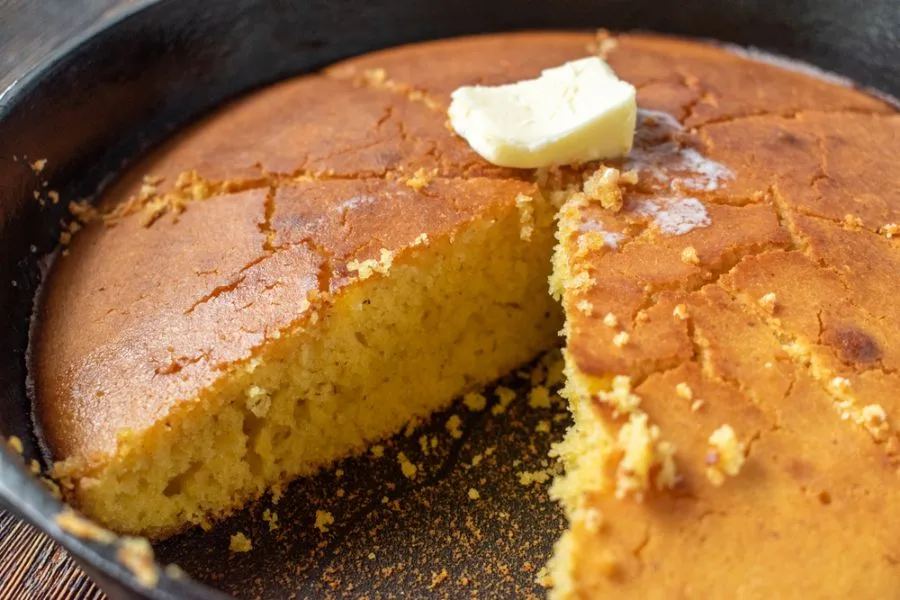
Image source: Bing (Web (fair-use with source credit))
Overfilling the Skillet or Ramekins
Cornbread rises more than you'd expect, especially with a full tablespoon of baking powder in the mix. Fill your vessel no more than three-quarters full. If you're using ramekins, aim for two-thirds full to be safe.
Overflow doesn't just waste batter. It drips into the air fryer basket and creates smoke, burnt smells, and a cleanup headache.
Skipping the Preheat
When you skip preheating, the batter sits at room temperature while the air fryer slowly climbs to temperature. This delays the setting of the crust and can result in a denser, gummier texture. Three to five minutes of preheating makes a noticeable difference.
Overmixing the Batter
Stirring the batter until it's completely smooth is tempting, but it's a mistake. Overmixing activates the gluten in the flour and turns tender cornbread into something chewy and tough. Stir until the dry ingredients are just incorporated.
A few lumps are perfectly fine.
Opening the Basket Too Often
Every time you pull the basket out, you lose heat and disrupt the cooking cycle. Resist the urge to check before the 12-minute mark. After that, one quick check with a toothpick is all you need.
Sweet vs. Savory: Choosing Your Cornbread Style
The sweet versus savory debate is one of the oldest arguments in cornbread. Both styles work beautifully in an air fryer, and the recipe above can go either direction with one small adjustment.
Southern-Style (Savory)
Traditional Southern cornbread uses little to no sugar. The flavor comes from the cornmeal itself, the buttermilk's tang, and the butter. It's denser, crumblier, and pairs perfectly with chili, collard greens, smoked brisket, or a bowl of pinto beans.
For savory cornbread, leave out the sugar entirely. You can also swap the all-purpose flour for a bit more cornmeal to get a grittier, more rustic texture.
Northern-Style (Sweet)
Northern-style cornbread is lighter, sweeter, and more cake-like. It typically includes 2 to 4 tablespoons of sugar or honey and a higher ratio of flour to cornmeal. This style works well as a standalone snack or alongside lighter meals like roasted chicken or soup.
Add 2 tablespoons of sugar or honey to the recipe above for a mildly sweet version. Go up to ¼ cup if you want it closer to cornbread cake.
Which Should You Make?
If you're serving cornbread alongside bold, savory dishes, go savory. The cornbread acts as a neutral base that soaks up sauces and balances rich flavors. If you're eating it on its own or with lighter fare, the sweet version is more satisfying as a standalone bite.
Best Vessels and Pans for Air Fryer Cornbread
Your choice of vessel affects the crust, the shape, and how evenly the cornbread cooks. Not every pan belongs in an air fryer, so here's what actually works.
6-Inch Cast Iron Skillet
This is the gold standard. Cast iron retains heat exceptionally well, which means a better crust and more even cooking from bottom to top. A pre-seasoned 6-inch skillet fits in most basket-style air fryers with room for airflow.
The downside is weight. A cast iron skillet is heavy and gets extremely hot. Use oven mitts every time you handle it.
Ceramic Ramekins
Ramekins are great for portion control and they heat up quickly. Ceramic develops a decent crust, though not as crispy as cast iron. The main advantage is that you can make 3 to 4 individual servings at once, which is handy for families or meal prep.
Make sure your ramekins are oven-safe to at least 400°F. Not all ceramic dishes are rated for high heat.
Silicone Baking Cups
Silicone is the easiest option for cleanup and removal. The cornbread pops right out. The tradeoff is that silicone doesn't conduct heat well, so you won't get much crust on the sides or bottom.
The texture will be softer overall.
Silicone cups work best if you prioritize convenience over texture.
What to Avoid
- Glass dishes, Most glass isn't rated for the rapid temperature changes inside an air fryer. It can crack or shatter.
- Plastic containers, Never use plastic. It will melt.
- Oversized pans, If the pan touches the sides of the basket or leaves less than a half-inch gap, airflow is blocked and cooking will be uneven.
If you're using a larger air fryer with a tray system, like some 8 qt models with dual baskets, you have more room to work with. But the same vessel guidelines apply.
How Air Fryer Cornbread Compares to Oven-Baked
Both methods produce good cornbread, but they're not identical. Understanding the differences helps you choose the right method for the situation.
| Factor | Air Fryer | Conventional Oven |
|---|---|---|
| Cook time | 12 to 18 minutes | 25 to 35 minutes |
| Preheat time | 3 to 5 minutes | 10 to 15 minutes |
| Crust texture | Crispier edges, thinner crust | Even crust throughout |
| Interior texture | Slightly denser, very moist | Fluffier, more even crumb |
| Batch size | 1 to 6 servings | 8 to 12 servings |
| Kitchen heat | Minimal | Significant |
| Energy use | Lower | Higher |
The air fryer wins on speed, energy efficiency, and convenience for small batches. The oven wins when you're cooking for a crowd and want a larger, more uniformly textured result.
For a single skillet of cornbread on a Tuesday night, the air fryer is the better call. For a holiday dinner where you need two full skillets, the oven makes more sense.
One thing the air fryer does noticeably better is edge crispiness. The circulating hot air hits the sides of the skillet directly, creating a crust that's harder to replicate in a standard oven. If you're someone who fights over the corner pieces, the air fryer has your back.
Easy Variations and Add-Ins
Once you've got the base recipe down, it's easy to customize. These variations all work within the same temperature and time framework.
Jalapeño Cheddar Cornbread
Add 1 to 2 diced jalapeños (seeds removed for less heat) and ½ cup of shredded cheddar cheese to the batter before pouring. The cheese melts into the crumb and the jalapeños add a gentle kick. This version pairs well with BBQ and smoked meats.
Honey Butter Cornbread
Increase the honey to 2 tablespoons in the batter. After the cornbread comes out of the air fryer, brush the top with melted butter and drizzle with extra honey while it's still warm. It's simple but makes the cornbread feel special.
Herb and Scallion Cornbread
Fold in 2 tablespoons of chopped fresh chives or green onions and 1 teaspoon of chopped fresh thyme or rosemary. Skip the sugar entirely. This version works as a sophisticated side for roasted chicken or grilled fish.
Gluten-Free Cornbread
Replace the all-purpose flour with a gluten-free flour blend in a 1:1 ratio. Add ½ teaspoon of xanthan gum if your blend doesn't already include it. The texture will be slightly more crumbly, but the flavor holds up well.
Vegan Cornbread
Swap the egg for a flax egg (1 tablespoon ground flaxseed mixed with 3 tablespoons water, rested 5 minutes). Replace buttermilk with a non-dairy milk plus 1 tablespoon of vinegar. Use oil instead of butter.
The result is slightly less rich but still moist and flavorful.
If you're already making other air fryer recipes, like air fryer banana chips or air fryer bratwurst, you know how versatile these appliances are. Cornbread is another solid addition to the rotation.
Storing, Reheating, and Meal Prep Tips
Air fryer cornbread stores well and actually reheats better than most breads. The key is keeping it airtight so it doesn't dry out.
Storing leftovers: Wrap cooled cornbread tightly in plastic wrap or place in an airtight container. It keeps at room temperature for up to 2 days, or in the fridge for up to 5 days. For longer storage, wrap individual wedges in plastic and freeze them for up to 3 months.
Reheating in the air fryer: This is where the air fryer earns its keep. Set it to 300°F and heat refrigerated cornbread for 3 to 4 minutes. Frozen wedges need 5 to 7 minutes.
The circulating air restores the crispy edges without drying out the center. It tastes nearly as good as fresh.
Meal prep tip: Make a batch on Sunday and portion wedges into individual bags. They reheat fast on busy weeknights alongside air fryer BBQ chicken legs or a quick soup.
Expert Tips for Perfect Cornbread Every Time
A few small details separate good cornbread from great cornbread. These are the things that experienced home cooks swear by.
Use room temperature ingredients. Cold buttermilk and eggs don't emulsify as smoothly, which can lead to a slightly uneven crumb. Pull them out of the fridge 20 minutes before you start.
Let the batter rest for 5 minutes. After mixing, give the batter a short sit before pouring. This lets the cornmeal hydrate and the leavening start activating. The result is a better rise and a more tender texture.
Don't skip the fat in the pan. Greasing the skillet isn't optional. Butter gives the best flavor and browning. Cooking spray works in a pinch, but butter creates a noticeably better crust.
Rotate the skillet halfway through. If your air fryer has a hot spot (most do), rotate the skillet 180 degrees at the halfway mark. This prevents one side from browning more than the other.
Serve it warm. Cornbread is at its best within 10 minutes of coming out of the air fryer. The contrast between the crispy exterior and the soft, steamy interior is what makes it worth making. Add a pat of butter and let it melt right on top.
Frequently Asked Questions
Can I use Jiffy cornbread mix in an air fryer?
Yes. Prepare the Jiffy mix according to the box directions, then pour it into a greased 6-inch skillet or ramekins. Cook at 340°F for 12 to 15 minutes.
Check with a toothpick at 12 minutes. The batter is slightly thinner than homemade, so it cooks a bit faster.
Why is my air fryer cornbread dry?
The most common cause is cooking at too high a temperature or leaving it in too long. Drop the temperature by 10 to 15 degrees and check for doneness 2 minutes earlier than the recipe suggests. Also make sure you're measuring the buttermilk accurately.
Too little liquid makes dry cornbread.
Can I make cornbread muffins in an air fryer?
Absolutely. Use silicone cups or greased ramekins and fill them two-thirds full. Cook at 330°F for 10 to 13 minutes.
You'll get 4 to 6 muffins depending on the size of your air fryer basket. They won't have the exact same shape as oven-baked muffins, but the flavor and texture are spot on.
Do I need to preheat the air fryer for cornbread?
Yes, preheating matters for cornbread. Without it, the batter sits too long before the heat kicks in, which leads to a denser texture. Three to 5 minutes at your target temperature is enough.
What size air fryer do I need for cornbread?
Any standard air fryer works. A 6-inch cast iron skillet fits in most 5 to 6 quart basket-style models. If you're using ramekins, even a compact 3.5 quart air fryer can handle 3 to 4 at a time.
Just make sure there's a half-inch gap around each vessel for airflow.
Can I double the recipe?
You can double the batter, but don't cook it all in one vessel. Split it between two skillets or use ramekins. Doubling the batter in a single skillet makes it too thick for the center to cook through before the edges overbrown.
Cook in batches if needed.