
If you've ever opened a bag of store-bought kale chips and winced at the price or the ingredient list, an air fryer kale chip recipe is the answer. You can make a batch at home for a couple of dollars, control exactly what goes on them, and have them ready in under ten minutes. The air fryer method is faster than the oven, uses barely any oil, and gives you a crispy snack that actually holds up.
That said, most home cooks burn their first batch or end up with something chewy instead of crunchy. In our research, the difference between perfect kale chips and a disappointing handful comes down to a few specific prep steps and timing. Once you understand those, it's hard to mess this up.
Let's walk through everything you need to know.
Image source: Wikimedia Commons / I am R. (CC BY)
Quick Answer
Air fryer kale chips are made by tossing dried kale leaves in a small amount of oil and seasoning, then cooking them in a single layer at 300°F for 5 to 7 minutes. The key is thoroughly drying the kale before cooking and not overcrowding the basket. Done right, you get crispy chips in under 10 minutes with about 50 to 80 calories per serving.
Shake the basket halfway through for even cooking.
Why Air Fryer Kale Chips Are Worth Making (And Why Most People Get Them Wrong)
Air fryer kale chips take about 5 to 8 minutes of cook time. The oven method takes 20 to 25 minutes. That alone makes the air fryer worth it for a quick weeknight snack.
Air fryers circulate hot air rapidly around the food. This removes moisture from the kale leaves fast, which is exactly what creates that crisp texture. The oven heats more slowly and unevenly, so the edges often burn before the rest of the leaf dries out.
About half the people who try kale chips at home end up with something soggy or burnt. The most common problems are skipping the drying step, using too much oil, or piling too many leaves into the basket. All three block airflow and trap moisture.
Fix those three things and the recipe basically makes itself.
From a nutritional standpoint, kale is loaded with vitamins A, K, and C, plus fiber. USDA FoodData Central lists one cup of raw kale at roughly 33 calories. Even with a light coating of oil, a full serving of homemade kale chips comes in well under 100 calories.
That makes them one of the most calorie-efficient crunchy snacks you can make.
What You Need: Ingredients, Tools, and Kale Varieties That Actually Work
You don't need much. A bunch of kale, a little oil, and some seasoning is really all it takes. But the details matter more than you'd think.
Kale Varieties
Curly kale is the most common choice for chips. The ruffled leaves hold seasoning well and crunch up evenly. Lacinato kale (also called dinosaur kale or Tuscan kale) works too, but the flatter leaves cook faster and can go from done to burnt in under a minute.
If you're using Lacinato, check them at the 3-minute mark.
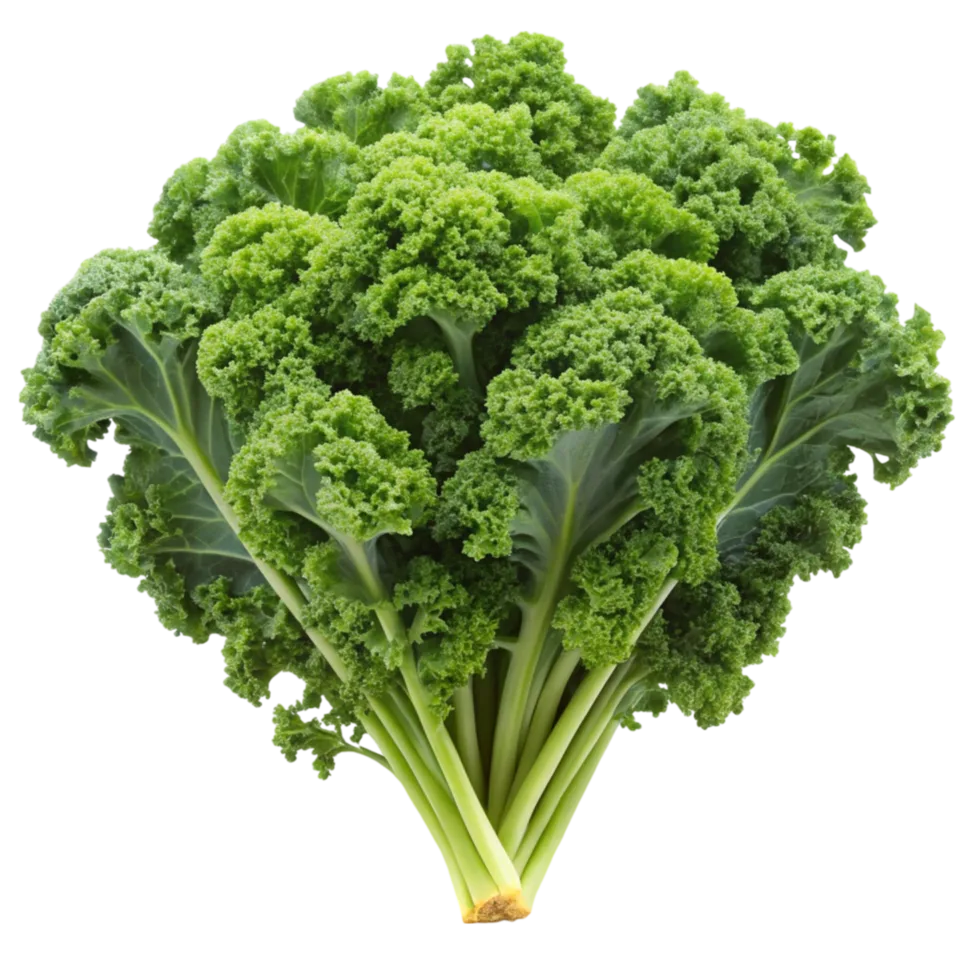
Image source: Bing (Web (fair-use with source credit))
Image source: Bing (Web (fair-use with source credit))
Oil
A small amount of olive oil or avocado oil does the trick. You want just enough to coat the leaves lightly, not saturate them. One to two teaspoons per bunch is the sweet spot.
Too much oil is the number one reason kale chips turn out soggy instead of crispy.
Seasoning Ideas
Salt is the baseline. From there, the options are wide open.
- Nutritional yeast for a cheesy, vegan-friendly flavor
- Garlic powder and smoked paprika for a savory smoky kick
- Cayenne or chili flakes if you want heat
- Everything bagel seasoning for a crunchy, salty finish
- Grated Parmesan for a salty, umami-rich coating
Tools
Any standard basket-style air fryer works for this. A salad spinner is the single most useful tool because it dries the kale faster than paper towels. You'll also want a large mixing bowl for tossing and a pair of tongs or your hands for transferring the leaves to the basket.
If you're working with a larger air fryer, something like a 9 quart model gives you more surface area for a single layer, which means fewer batches.

Image source: Bing (Web (fair-use with source credit))
How to Prep Kale for the Air Fryer — The Step Most People Skip
Prep is where most batches succeed or fail. Skip these steps and you'll be fighting soggy leaves and uneven cooking the whole time.
Step 1: Wash and Dry Thoroughly
Wash the kale under cold running water to remove any dirt or grit. Then dry it completely. A salad spinner is the fastest method.
Spin the leaves, lay them on a clean kitchen towel, and pat them dry. Any remaining moisture on the surface of the leaves will steam them in the air fryer instead of crisping them.
Step 2: Remove the Stems
Kale stems don't crisp. They stay rubbery and fibrous no matter how long you cook them. Grab the base of the stem with one hand and strip the leaf off with the other, running your fingers along the stalk.
You can also cut them out with a knife, but the hand method is faster.
Image source: Bing (Web (fair-use with source credit))
Step 3: Tear Into Uniform Pieces
Rip the leaves into rough 2 to 3 inch pieces. They don't need to be perfect, but try to keep them close to the same size. Small pieces cook faster, and if they're mixed with large ones, the small ones will burn before the big ones crisp.
Think chip-sized, bite-sized.
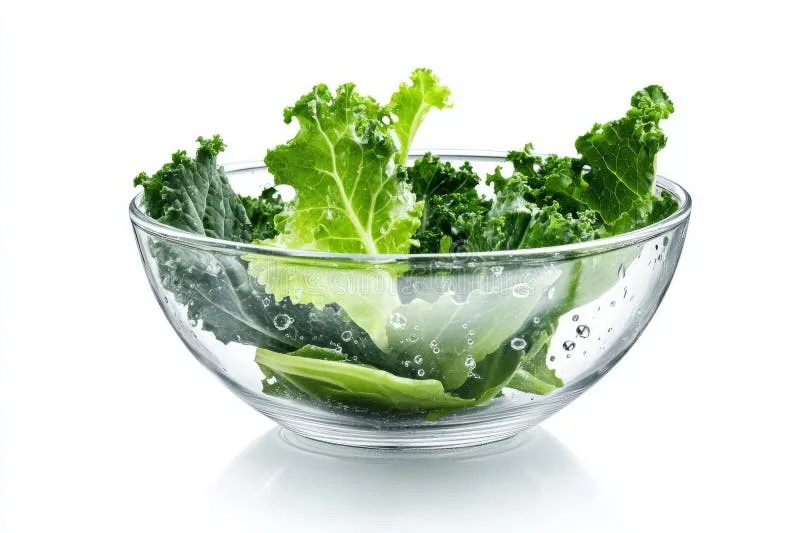
Image source: Bing (Web (fair-use with source credit))
Step-by-Step: How to Make Perfect Air Fryer Kale Chips
Here's the full process from start to crispy finish. Total time is about 10 to 12 minutes including prep.
Oil and Season the Kale
Put the dried, stemmed kale pieces in a large bowl. Drizzle 1 to 2 teaspoons of oil over them. Toss with your hands until every leaf has a light, even sheen.
You should not see any pooled oil at the bottom of the bowl. Add your base seasoning now, toss again, and season to taste.
Image source: Bing (Web (fair-use with source credit))
Preheat the Air Fryer
Set your air fryer to 300°F and let it run for 2 to 3 minutes. Preheating isn't absolutely mandatory, but it gives you more consistent results. Some models, like the Instant Vortex, heat up in under 90 seconds, so this step is quick.
Arrange in a Single Layer
Place the kale in the basket in one layer with minimal overlap. This is non-negotiable. Overlapping leaves block airflow, trap steam, and cook unevenly.
If your basket can't fit the whole batch without piling, cook in two rounds. It takes an extra 5 minutes and makes a real difference.
Cook and Shake
Set the timer for 6 minutes at 300°F. At the 3-minute mark, pull the basket out and shake it or toss the leaves with tongs. This exposes the underside of every piece to direct heat.
Some models cook more unevenly than others, so don't skip this.
Check and Remove
Start checking at 4 minutes. Kale chips go from perfect to burnt fast. They're done when the edges are curled and slightly translucent, the color is a deep green, and they feel dry to the touch.
If some pieces are done early, pull them out and let the rest finish. Transfer the finished chips to a plate or cooling rack immediately. Don't leave them in the hot basket or they'll keep cooking from residual heat.
Best Seasoning Combinations for Kale Chips
The basic oil and salt version is solid on its own, but seasoning is where you can really make this recipe yours. Here are five combinations that work well.
Classic Cheesy Vegan
Nutritional yeast, garlic powder, a pinch of salt. The yeast melts slightly onto the warm kale and creates a savory, almost parmesan-like coating. This is the most popular seasoning in our research of online recipe communities.
Smoky and Spicy
Smoked paprika, garlic powder, a small pinch of cayenne, salt. The smokiness pairs well with the earthy flavor of kale, and the cayenne adds a slow build of heat.
Everything Bagel
Everything bagel seasoning straight from the jar. The sesame seeds, dried garlic, onion, and flaky salt give you a lot of flavor with zero measuring.
Simple Parmesan
Grated Parmesan and black pepper. Add the Parmesan in the last 2 minutes of cooking so it melts onto the chips without burning.
Tangy and Bright
A light squeeze of fresh lemon juice and flaky sea salt after the chips come out. The acid cuts through the richness of the oil and makes the chips taste lighter. This works best as a finishing step, not something you add before cooking.
If you're interested in other air fryer snacks along these lines, our air fryer banana chips recipe follows a similar oil-and-single-layer method that's just as straightforward.
Air Fryer Kale Chips vs. Oven-Baked vs. Store-Bought
Not all kale chips are created equal. The method you choose changes the texture, the time investment, and the final cost per serving. Here's how the three main approaches stack up.
Air Fryer
The air fryer wins on speed and texture. At 300°F, most batches are done in 5 to 7 minutes. The rapid hot-air circulation removes moisture fast, which gives you a more consistently crispy chip than the oven.
You also use less oil, and you're not heating up your whole kitchen.
The downside is capacity. A standard basket air fryer fits about 3 to 4 cups of raw kale in a single layer. If you're making chips for a family or a party, you'll be running two or three batches.
Oven-Baked
The oven lets you make a large batch all at once. A full sheet pan holds roughly twice what an air fryer basket does. But the trade-off is time and consistency.
Oven-baked kale chips take 20 to 25 minutes at 275°F to 300°F, and the edges of the pan cook faster than the center. You'll need to rotate the pan and pull early-done pieces partway through.
Oven chips also tend to be slightly less crispy overall. The slower heat means more moisture escapes gradually rather than all at once, which can leave the centers a bit chewy.
Store-Bought
Brands like Brad's, Trader Joe's, and Rhythm Superfoods sell bags of kale chips at most grocery stores. They're convenient, but the cost adds up fast. A 2-ounce bag runs $4 to $6, which works out to roughly $32 to $48 per pound.
A bunch of raw kale costs $2 to $3 and makes the equivalent of two to three bags.
Store-bought versions also tend to contain more oil and sodium than homemade. Ingredient lists often include added starches, flours, or preservatives that you won't find in a from-scratch batch.
| Factor | Air Fryer | Oven-Baked | Store-Bought |
|---|---|---|---|
| Cook time | 5 to 7 min | 20 to 25 min | None |
| Batch size | Small (3 to 4 cups raw) | Large (full sheet pan) | N/A |
| Oil needed | 1 to 2 tsp | 2 to 3 tsp | Pre-cooked |
| Cost per serving | $0.50 to $1.00 | $0.50 to $1.00 | $2.00 to $3.00 |
| Crispness | High | Medium to high | High |
| Convenience | High | Medium | Highest |
If you already own an air fryer, the homemade route is a clear winner on cost and control. If you're deciding whether an air fryer is worth the counter space for recipes like this, our guide on whether the Instant Vortex is a good air fryer covers the strengths and weaknesses of one of the most popular models.
Common Mistakes That Lead to Soggy or Burnt Kale Chips
Two outcomes ruin most kale chip batches: soggy or burnt. Both come from the same root causes, and both are easy to avoid once you know what to watch for.
Not Drying the Kale Enough
This is the single biggest mistake. Water on the surface of the leaves turns to steam in the hot basket, and steam is the enemy of crispiness. If your kale is even slightly damp when it goes in, you'll get limp chips every time.
Spin it dry, then pat it with a towel. Take the extra 60 seconds.
Using Too Much Oil
More oil does not mean crispier chips. It means greasy, heavy chips that never fully dry out. You want the lightest possible coating.
A teaspoon of oil for a full bunch is usually enough. Toss the leaves by hand and check the bottom of the bowl. If you see oil pooling, you've used too much.
Overcrowding the Basket
Piling kale into the basket blocks airflow. The leaves on top shield the ones underneath, and the trapped moisture has nowhere to go. Always cook in a single layer with minimal overlap.
If that means two batches, that's the right call. Five extra minutes of waiting beats a whole batch of steamed, chewy leaves.
Cooking at Too High a Temperature
Some recipes call for 375°F or even 400°F. That's too hot for kale. The thin leaves scorch before the moisture has time to evaporate.
Stick to 275°F to 300°F. If your air fryer doesn't go that low, reduce the cook time and watch the basket like a hawk starting at the 2-minute mark.
Forgetting to Shake
The kale in the center of the basket cooks slower than the edges. If you don't shake or toss at the halfway point, you'll pull a batch that's burnt on the outside and underdone in the middle. Set a timer for the halfway mark so you don't forget.
Leaving Chips in the Hot Basket
Residual heat keeps cooking the kale after the timer goes off. Transfer the chips to a plate or cooling rack as soon as they're done. Leaving them piled in the basket steams the bottom layer and softens everything.
How to Store Kale Chips So They Stay Crispy
Kale chips are at their best within the first hour of cooking. After that, they start absorbing moisture from the air. Proper storage slows that down, but it won't stop it completely.
Short-Term Storage (Same Day)
Spread the cooled chips in a single layer on a plate or wire rack. Don't stack them. If you need to cover them, use a loose piece of paper towel rather than anything airtight.
Trapped steam from residual warmth is what softens them fastest.
Airtight Container (1 to 3 Days)
Once the chips are completely cool, transfer them to an airtight container. A glass jar or a container with a silicone seal works best. Add a small piece of dry paper towel to the bottom to absorb any residual moisture.
Store at room temperature in a cool, dry spot. Avoid the fridge. The humidity inside a refrigerator will soften them within hours.
Can You Re-Crisp Them?
Yes, partially. Spread the softened chips back in the air fryer basket in a single layer and run them at 275°F for 2 to 3 minutes. They won't be quite as good as fresh, but it's better than tossing them.
This works best within the first 24 hours.
What Not to Do
Don't store kale chips with other snacks that have different moisture levels. Don't put them in a plastic bag without an airtight seal. And don't make a huge batch expecting them to last a week.
Plan to eat them within 2 to 3 days for the best texture.
Nutritional Breakdown: How Kale Chips Compare to Regular Chips
Kale chips aren't just a trendy snack. The nutritional difference between them and standard potato chips is significant.
Calories and Macronutrients
One cup of raw kale contains roughly 33 calories, 0.6 grams of fat, and 6 grams of carbohydrates, according to USDA FoodData Central. After air frying with a teaspoon of oil, a full serving of kale chips (about 1 cup of the finished product) comes in at approximately 50 to 80 calories.
A single ounce of standard potato chips (about 15 chips) runs 150 to 160 calories, 10 grams of fat, and 15 grams of carbohydrates. You'd need to eat roughly three times the volume of kale chips to match the calorie count of a small handful of potato chips.
Vitamins and Minerals
Kale is one of the most nutrient-dense vegetables available. It's high in vitamin A (from beta-carotene), vitamin K, vitamin C, and manganese. It also provides calcium, potassium, and fiber.
Most of these nutrients survive the air frying process, though some vitamin C is lost to heat exposure.
Potato chips offer potassium and some B vitamins, but they don't come close to kale's micronutrient density. The frying oil adds fat and calories without adding meaningful nutrition.
Sodium
This is where homemade has a real advantage. Store-bought potato chips contain 150 to 200 mg of sodium per ounce. Store-bought kale chips are similar or higher.
When you make them at home, you control the salt. A light pinch of flaky sea salt adds roughly 300 to 400 mg for the entire batch, which you can divide across multiple servings.
Fiber
Kale provides about 1.3 grams of fiber per cup raw. Potato chips give you roughly 1 gram per ounce. The difference is small, but kale chips deliver that fiber with a fraction of the calories and fat.
For anyone managing blood sugar or looking for a lower-calorie crunch, kale chips are a strong swap. If you're curious about how air fryer cooking fits into a broader health-focused diet, our article on whether air fryers are good for diabetics covers the research on reduced-oil cooking and blood sugar management.
Expert Tips for Getting Crispy Results Every Time
These are the small details that separate a good batch from a great one. None of them add much time, but they all make a noticeable difference.
Use perforated parchment liners. They keep small leaf pieces from falling through the basket slots and make cleanup easier. Just make sure the liners don't cover the entire bottom surface. You still need airflow through the basket holes.
Tear, don't cut. Ragged edges from hand-tearing actually crisp better than clean knife cuts. The irregular surface area dries out faster. It's a small thing, but it adds up.
Season in two rounds. Add your base seasoning (garlic powder, paprika, etc.) before cooking. Then add your finishing salt or nutritional yeast right after the chips come out, while they're still warm. The heat helps the final seasoning stick without burning.
Cook in batches, even if it feels inefficient. A crowded basket is the fastest route to uneven results. Two perfect batches are better than one mediocre one. If you have a dual-basket air fryer, you can run both baskets at once and cut your total time in half.
Start checking early. Every air fryer runs a little differently. Some models cook 10 to 15% faster than others. Set your timer for the low end of the range and start peeking at 3 minutes.
You can always add time. You can't un-burn a chip.
Let them cool before judging. Kale chips continue to crisp as they cool on the plate. They often feel slightly soft right out of the basket and then firm up within 2 to 3 minutes. Don't assume they need more cook time until they've had a chance to sit.
Use Lacinato kale for speed, curly kale for texture. If you want chips in the shortest possible time, Lacinato leaves are thinner and dry faster. If you want a sturdier, crunchier chip that holds up to heavier seasonings, curly kale is the better choice. Both work.
It's a matter of preference.
If you're looking for more air fryer recipes that use the same single-layer, low-oil approach, our air fryer asparagus with parmesan recipe is another quick vegetable side that follows a nearly identical method.
Frequently Asked Questions About Air Fryer Kale Chips
What temperature should I cook kale chips in the air fryer?
300°F is the sweet spot. It's hot enough to evaporate moisture quickly without scorching the thin leaves. If your model doesn't allow precise temperature settings, go with the lowest available option and start checking at 3 minutes.
Why are my kale chips soggy?
The most likely cause is excess moisture on the leaves before cooking. Dry your kale thoroughly with a salad spinner and paper towels. The second most common cause is too much oil or an overcrowded basket.
Both trap steam and prevent crisping.
Do I need to preheat the air fryer?
It helps. A preheated basket crisps the kale more evenly from the first second. Most models reach temperature in 2 to 3 minutes.
If you skip preheating, add an extra minute to the cook time and watch closely.
Can I make kale chips without oil?
You can, but the results are less consistent. Oil helps conduct heat evenly across the leaf surface and gives you a better crunch. If you skip oil, use a very light mist of cooking spray instead.
The chips will be more fragile but still edible.
How long do kale chips last?
Stored in an airtight container at room temperature, they stay crispy for 2 to 3 days. After that, they gradually absorb moisture from the air and soften. Adding a dry paper towel to the container helps extend freshness by a day.
Can I use frozen kale?
Frozen kale releases a lot of water as it thaws, which makes it very difficult to crisp properly. Fresh kale gives significantly better results. If frozen is all you have, thaw it completely, squeeze out as much water as possible, and pat it dry before oiling.