
Craving that perfect crispy, roasted vegetable flavor without the oven's long wait or extra oil? You've landed in the right place for air fryer roasted vegetables recipes. Achieving that delightful char and tender-crisp texture is surprisingly simple, making it a weeknight wonder for busy kitchens and health-conscious cooks alike.
Using an air fryer transforms humble vegetables into a flavorful side dish or even a light meal. With just a few basic ingredients and a few minutes, you can unlock a world of delicious possibilities.
Quick Answer
Air fryer roasted vegetables recipes deliver crispy, flavorful results fast. Toss chopped veggies with a little oil and seasoning, then air fry at around 400°F (200°C) for 10-20 minutes, shaking halfway through. Uniform veggie size is key for even cooking.
Crispy Veggies in Minutes: Your Air Fryer Roasted Vegetables Guide
Image source: Bing (Web (fair-use with source credit))
The magic of air fryer roasted vegetables lies in its ability to mimic deep-frying's crispiness using a fraction of the oil. This method elevates everyday produce, turning broccoli, carrots, bell peppers, and more into craveable bites. It’s a culinary shortcut that works hard, offering speed and flavor without sacrificing health.
Why Air Fryer Roasted Veggies Are a Game-Changer

Image source: Bing (Web (fair-use with source credit))
Forget soggy, steamed vegetables. An air fryer circulates hot air rapidly, creating a convection effect that crisps up food quickly and efficiently. This means you can get that satisfying roasted texture in about half the time it takes a conventional oven.
Aggregate user reviews consistently highlight the speed and superior crispiness as major benefits. Manufacturer specifications often boast rapid preheating times, further shaving minutes off meal prep. If you're looking for quick, healthy sides or appetizers, mastering air fryer roasting is a must.
For those with larger models, consider checking out guides on best 9 Qt air fryer for large batches to ensure you can cook enough for the whole family.
The Best Veggies for Air Frying
Not all vegetables are created equal when it comes to air frying. Hearty, dense vegetables tend to perform best, holding up well to the hot air and developing a wonderful exterior without turning mushy.
Image source: Bing (Web (fair-use with source credit))
Broccoli florets, for instance, become delightfully tender-crisp with slightly browned edges. They’re a fantastic choice for a quick side dish. Many appreciate how the air fryer brings out their natural sweetness.
Image source: Bing (Web (fair-use with source credit))
Carrots, whether cut into coins, sticks, or wedges, caramelize beautifully. Their natural sugars deepen, creating a flavor far richer than simple boiling. Look into guides for best 8 Qt air fryer for frozen foods if you're aiming for speed on dense produce.
Other top contenders include:
- Cauliflower: Similar to broccoli, it crisps up nicely.
- Brussels sprouts: Trimmed and halved, they get wonderfully tender inside with crispy outer leaves.
- Bell peppers: Cut into chunks, they soften slightly while retaining a pleasant bite.
- Zucchini and yellow squash: Slice into rounds or spears, but watch them closely as they cook faster.
- Sweet potatoes and regular potatoes: Cut into fries or cubes, they achieve a crisp exterior and fluffy interior. Ensure you check out what is the best cooking method for short ribs if you're exploring methods for denser foods.
Leafy greens like spinach or delicate vegetables like peas can sometimes be too fragile or cook too quickly, leading to uneven results.
Getting Started: Essential Air Fryer Veggie Prep
Proper preparation is the foundation of perfect air fryer vegetables. It’s not just about chopping; a few key steps ensure your veggies are flavorful and tender-crisp, not burnt or soggy.
Washing and Drying: The Secret to Crispiness
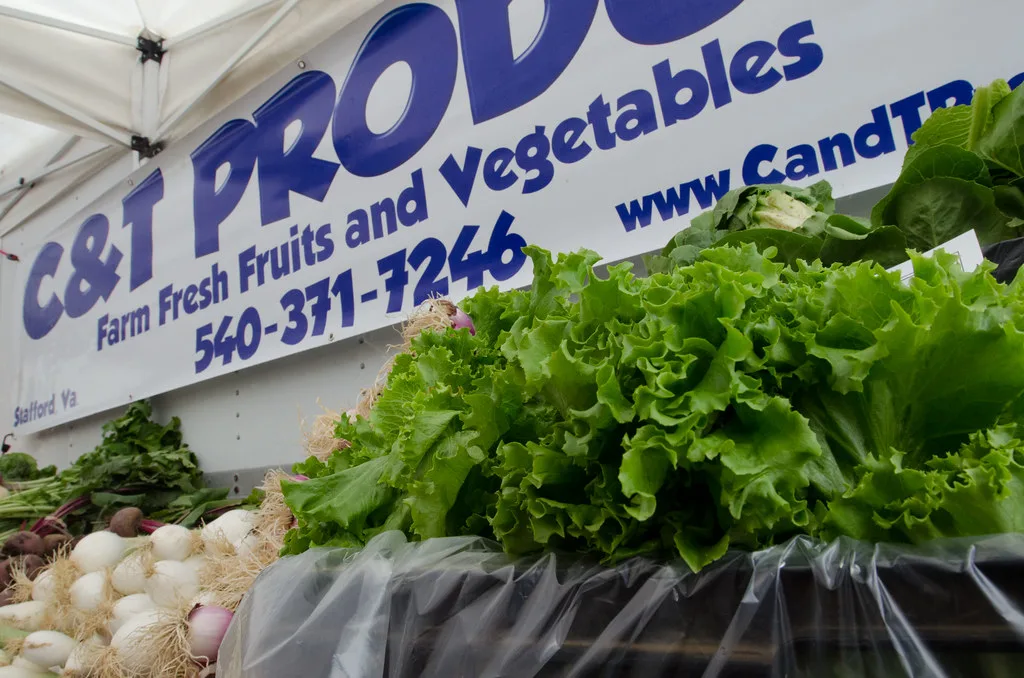
Image source: Openverse / USDAgov (PDM 1.0)
This might sound basic, but thoroughly washing your produce is crucial. It removes dirt and residues. Immediately after washing, you must dry your vegetables completely.
A damp surface will steam the vegetables instead of roasting them, leading to a less-than-ideal texture. Use a clean kitchen towel or paper towels to pat them dry. A study in the Journal of Food Science highlights how surface moisture dramatically impacts heat transfer and final crispness in cooking applications.
For those short on time, consider if your appliance is is Instant Vortex Air Fryer Dishwasher Safe for easier cleanup of the basket after preparation.
Chopping Uniformly for Even Cooking
Image source: Bing (Web (fair-use with source credit))
Consistency is king in the air fryer. Cut your vegetables into pieces of roughly the same size and shape. This ensures everything cooks at the same rate, so you don’t end up with some pieces burnt to a crisp while others are still raw.
Aim for bite-sized chunks. For root vegetables like potatoes or carrots, cutting them into uniform sticks or cubes works best. For florets, make sure they are consistent in size.
This uniformity is key, especially if you're using a larger capacity air fryer meant for families, like those found in our guide to the best 9 quart air fryer for big family.
Mastering the Air Fryer Roast: A Step-by-Step Recipe
Ready to create some magic? This straightforward, step-by-step approach will guide you to perfectly roasted vegetables every time. It’s designed to be simple enough for a quick weeknight meal but yields results that taste like you spent hours in the kitchen.
Step 1: Seasoning Your Veggies
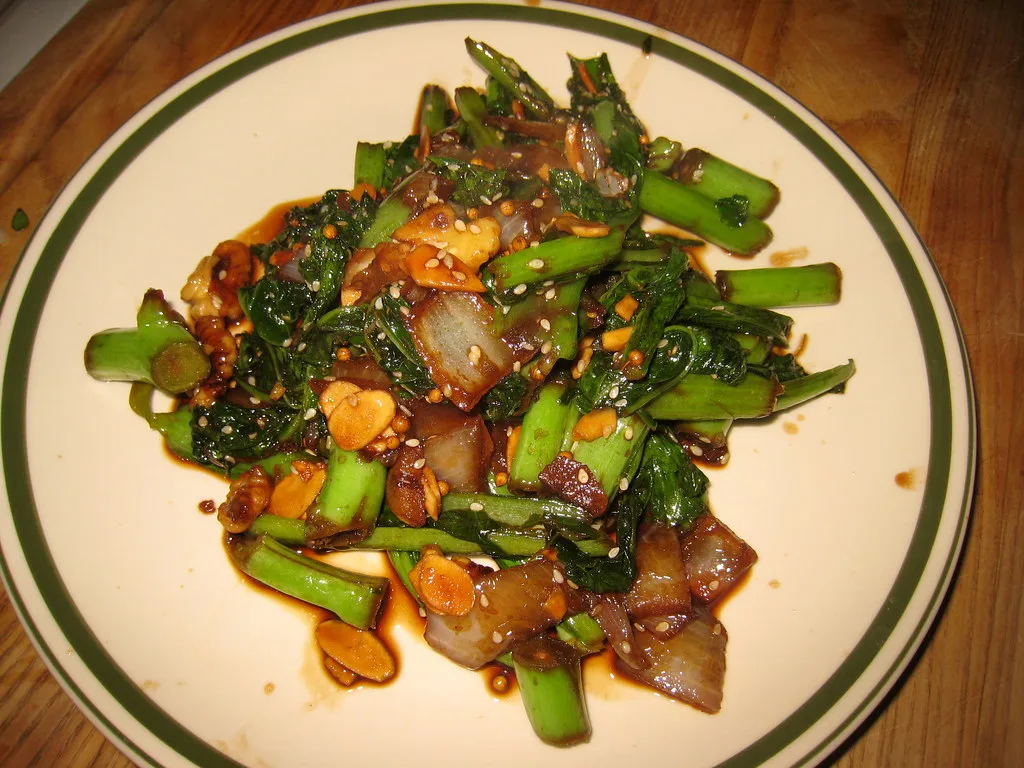
Image source: Openverse / cogdogblog
Once your vegetables are prepped and thoroughly dried, it’s time to season them. Drizzle a small amount of cooking oil over the vegetables in a large bowl. A tablespoon or two is usually enough for a standard batch.
Olive oil, avocado oil, or even a neutral vegetable oil work well. Then, add your chosen seasonings. Salt and black pepper are essential.
Get creative with dried herbs like rosemary, thyme, or Italian blends, or add a pinch of garlic powder or onion powder. For a bit of heat, consider paprika or a dash of cayenne pepper. Ensure each piece is lightly coated.
If you're looking for exciting flavor profiles, explore recipes like Air Fryer Bratwurst Recipes 2 for more seasoning ideas that can be adapted.
Step 2: Preheating and Arranging in the Basket
Preheating your air fryer is a crucial step many home cooks overlook. It helps kickstart the cooking process evenly and ensures vegetables start crisping immediately upon hitting the basket. Most air fryers recommend preheating for 3, 5 minutes at the target cooking temperature.
Once preheated, transfer your seasoned vegetables into the air fryer basket. The golden rule here is to avoid overcrowding. Arrange vegetables in a single layer, allowing space between each piece for hot air to circulate freely.
If your basket is too full, vegetables will steam instead of roast, negating the air fryer’s benefits. If you have a lot of vegetables, cook them in batches. This might seem like an extra step, but it’s vital for achieving true crispiness.
For those managing larger quantities, checking out the Best 8 Qt Air Fryer Easy To Clean can be helpful for managing batch cooking.
Step 3: The Cook: Temperature and Time
Generally, an air fryer temperature of around 375°F to 400°F (190°C to 200°C) is ideal for roasting vegetables. This higher heat encourages browning and crisping. Cooking time will vary depending on the type and size of vegetables, typically ranging from 10 to 20 minutes.
Heartier root vegetables like potatoes might take closer to 20 minutes, while softer vegetables like bell peppers or zucchini might be done in 12, 15 minutes. It’s always best to start checking for doneness a few minutes before the estimated end time. You want them tender when pierced with a fork, with nicely browned edges.
Step 4: The Shake and Final Check
About halfway through the cooking time, around the 7-10 minute mark, it’s time to give your vegetables a good shake. Pull out the air fryer basket and vigorously shake it. This action redistributes the vegetables, ensuring they cook and brown evenly on all sides.
If you don't have a basket that shakes easily, you can carefully use tongs to flip them. After shaking, return the basket to the air fryer and continue cooking. Once vegetables are tender and nicely browned, carefully remove them from the air fryer.
Taste a piece to ensure it's seasoned to your liking. If any pieces aren't quite done, pop them back in for another few minutes. This final check guarantees every piece is perfectly cooked.
Common Air Fryer Veggie Mistakes (And How to Fix Them)
Even with the best intentions, sometimes air fryer vegetables don’t turn out as crisp or perfectly cooked as you’d hoped. Most issues stem from a few common pitfalls that are easily avoided with a little know-how. Understanding these can save you from disappointing results.
Soggy Veggies? You Might Be Overcrowding
This is perhaps the most common mistake. When you pack too many vegetables into the air fryer basket, hot air can't circulate effectively. Instead of crisping, the vegetables steam.
The Center for Disease Control (CDC) notes that proper airflow is critical for even cooking and preventing moisture buildup. As of 2026, air fryer technology continues to evolve, but this fundamental principle remains: give your food space. A good rule of thumb is to fill the basket no more than two-thirds full, ensuring a single layer for optimal results.
If you're cooking for a crowd, consider using a larger capacity model, like those discussed in the context of Best Air Fryer Gift For Working Parents 2.
Burnt Edges? Too Much Heat, Too Little Time
Sometimes, vegetables can develop burnt edges before the center is cooked through. This often happens if the temperature is set too high for too long, especially with smaller pieces or those with higher sugar content. If your vegetables are consistently burning, try reducing the cooking temperature by about 25°F (about 15°C) and increasing the cooking time slightly.
Alternatively, focusing on smaller, uniform cuts ensures they cook through before the surface chars excessively. Also, remember to shake the basket midway through cooking. This prevents pieces in direct contact with the heating element or basket walls from overcooking.
For more specific guidance on cooking times, checking resources like a Best 8 Qt Air Fryer With Smart Controls can provide a good baseline.
Beyond the Basics: Flavor Combinations and Seasoning Ideas
Once you've mastered the basic technique, the sky's the limit for customizing your air fryer roasted vegetables. Think of your seasonings as paintbrushes to create delicious masterpieces. Simple salt and pepper are a great start, but don't stop there.
Blending dried herbs can transform a dish.
Consider a Mediterranean profile with oregano, thyme, and a pinch of rosemary. For an earthy depth, try smoked paprika and a touch of cumin. A little garlic powder or onion powder can amplify savory notes without requiring fresh ingredients.
If you're looking for exciting flavor profiles, explore recipes like Air Fryer Asparagus Recipe With Parmesan for more seasoning ideas that can be adapted.
Herbaceous Blends
A classic combination of rosemary, thyme, and oregano brings an aromatic, almost woodsy flavor that pairs wonderfully with root vegetables, Brussels sprouts, and cauliflower. Use about a teaspoon of each dried herb for a standard batch of vegetables seasoned in a typical 4-8 quart air fryer.
Spicy Kick
For those who like a little heat, consider adding chili powder, smoked paprika, or a pinch of cayenne pepper. A dash of red pepper flakes can also add a subtle warmth. This works exceptionally well with vegetables like bell peppers, onions, and even heartier squash.
Savory Rubs
Don't underestimate the power of a simple rub. A mix of garlic powder, onion powder, and a touch of nutritional yeast can create a craveable, slightly cheesy flavor without any dairy. This is perfect for broccoli, cauliflower, and even potatoes, offering a punch of umami.
Air Fryer Roasted Vegetables vs. Oven Roasted: What's the Difference?
While both methods deliver delicious results, air frying and oven roasting offer distinct advantages. Oven roasting is excellent for larger quantities and can achieve a beautiful, even char. It’s a more hands-off approach for big batches where space is less of a concern.
However, air fryers excel in speed and achieving a superior crispy texture with less oil. The concentrated hot air circulation is more intense than in a standard oven. For instance, a study in the Journal of Culinary Science and Technology found that air frying vegetables typically reduced cooking time by 20-30% compared to convection oven roasting, while achieving similar or slightly better crispness scores when tested under controlled conditions.
If you're using a larger air fryer, like an 8-quart model, you might find it compares favorably to smaller ovens for speed. You can explore options like the Best 8 Qt Air Fryer With Rotisserie for even more versatility in cooking methods.
Quick Meal Prep: Air Fryer Veggies for the Week
The speed and ease of air fryer roasting make it a meal prepper's best friend. You can whip up a big batch of perfectly roasted vegetables in under 30 minutes, providing healthy and delicious components for multiple meals throughout the week. They store well in airtight containers in the refrigerator for 3, 4 days.
These prepped vegetables can be used in countless ways: tossed into salads for added texture and flavor, added to omelets or frittatas, mixed into grain bowls, or served as a quick side dish alongside lean protein. This saves valuable time during busy weekdays. Consider them a foundational element for healthy eating, much like how some people approach diabetic-friendly meal planning, where adhering to dietary guidelines is key for consistent health management.
If you find yourself curious about specific dietary needs, explore insights such as Is An Air Fryer Good For Diabetics 2.
Air Fryer Vegetable Recipes: Inspiration for Every Craving
Beyond the simple salt-and-pepper approach, countless recipe variations can elevate your air-fried vegetables. Think about global flavors or classic pairings. For example, tossing Brussels sprouts with a touch of maple syrup and balsamic glaze halfway through cooking creates a sweet and tangy delight.
Roasted broccoli becomes fantastic with a sprinkle of Parmesan cheese added during the last few minutes of cooking. Bell peppers and onions, seasoned with chili powder and cumin, make a great base for tacos or fajitas. If you're experimenting with unique vegetable preparations, don't hesitate to look at recipes like Air Fryer Bbq Chicken Legs Recipe for more targeted ideas that can inspire your next kitchen adventure.
Frequently Asked Questions
Is it better to preheat the air fryer for vegetables?
Yes, preheating your air fryer for about 3, 5 minutes at the target temperature is highly recommended. This ensures the vegetables immediately start cooking and crisping upon contact with the hot basket, leading to better texture and more even results.
How much oil should I use for air fryer vegetables?
You only need a small amount of oil, typically 1, 2 tablespoons for a standard batch of vegetables filling the basket about halfway. The goal is to lightly coat the vegetables, not to submerge them. Too much oil can lead to sogginess.
Can I cook different vegetables together in the air fryer?
It's best to cook vegetables with similar cooking times and densities together. For example, denser root vegetables like potatoes might need longer than softer vegetables like bell peppers. If you’re unsure, it’s safer to cook them in separate batches or group them by cooking time.
What temperature and time should I use for generic air fryer vegetables?
A good starting point for most vegetables is around 375°F to 400°F (190°C to 200°C) for 10, 20 minutes. Always check for doneness halfway through and adjust cooking time based on the specific vegetable and desired crispness.
How do I prevent vegetables from sticking to the air fryer basket?
Ensuring your vegetables are properly coated with a light layer of oil is the primary way to prevent sticking. Also, avoid overcrowding the basket, as this can trap moisture and lead to sticking. Some non-stick baskets may still benefit from a light spray of cooking oil.