
Wondering if tin foil is safe in your air fryer? This guide clarifies the safety and effectiveness of using foil. We’ll cover when it’s a good idea, when to avoid it, and how to use it properly to enhance your air frying experience. Proper usage ensures both safety and delicious results.
Key Takeaways
- Yes, tin foil can be safe in an air fryer when used correctly. The primary concern is ensuring it doesn’t block airflow, which is essential for the air fryer’s function.
- Never cover the entire bottom of the air fryer basket with foil. This prevents hot air from circulating, leading to uneven cooking and potential overheating.
- Use foil to line the basket or pan for easier cleanup. This is one of the most popular and effective uses for foil in an air fryer.
- Ensure foil is weighed down by food. Loose foil can be blown into the heating element, creating a fire hazard and damaging the appliance.
- Avoid acidic foods cooked directly on foil. Some sources suggest that acidic foods can react with aluminum, though the risk in typical air fryer cooking is generally low.
- Consider alternatives like parchment paper for more consistent results, especially when delicate items or a crispy exterior are paramount.
- Always consult your air fryer’s manual for specific manufacturer guidelines regarding the use of foil.
Is Tin Foil Safe in Air Fryer? Your Ultimate Guide
The air fryer has revolutionized home cooking, offering a healthier and often faster way to achieve crispy, delicious results. As you explore the versatility of this appliance, you might wonder about using common kitchen tools like tin foil. Specifically, is tin foil safe in an air fryer? The short answer is yes, but with important caveats. This comprehensive guide will break down everything you need to know about using tin foil in your air fryer, ensuring safety, efficiency, and perfectly cooked food every time.
We’ll delve into the reasons behind the safety concerns, the best ways to utilize tin foil, and common mistakes to avoid. By the end of this guide, you’ll be confident in your ability to use tin foil as a helpful tool in your air frying adventures.
Understanding How Air Fryers Work
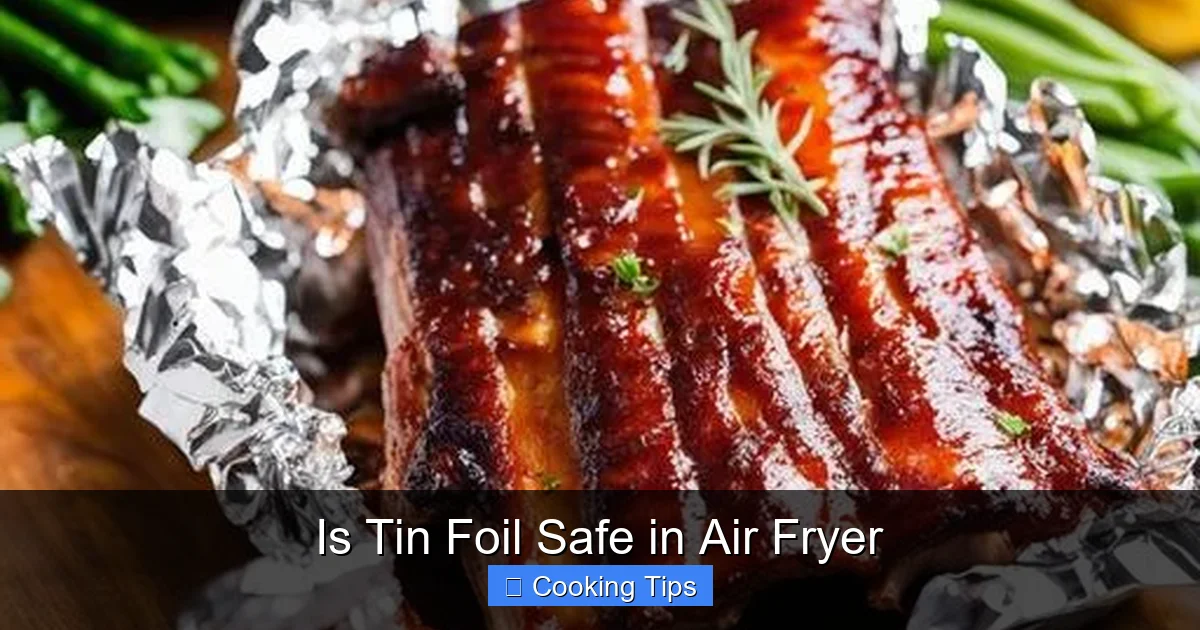
Visual guide about Is Tin Foil Safe in Air Fryer
Image source: airfryeryummyrecipes.com
Before we dive into tin foil, it’s crucial to understand the fundamental principles of air frying. Air fryers are essentially countertop convection ovens. They work by circulating hot air at high speeds around your food. This rapid air circulation is what creates that signature crispy texture similar to deep-frying, but with significantly less oil.
The key to this process is unimpeded airflow. The heating element, usually at the top, blows hot air down into the basket or tray. This air then circulates around the food and is drawn back up, creating a continuous loop. Any obstruction to this airflow can hinder the cooking process, leading to unevenly cooked food and potentially straining the appliance. This is where the concern about tin foil arises.
The Big Question: Is Tin Foil Safe in an Air Fryer?

Visual guide about Is Tin Foil Safe in Air Fryer
Image source: mashed.com
So, is tin foil safe in an air fryer? For the most part, yes, it is. However, its safety and effectiveness depend entirely on how you use it. When used improperly, tin foil can pose risks, but when used thoughtfully, it can be a valuable tool for easier cleanup and more controlled cooking.
The primary concern with using tin foil in an air fryer revolves around airflow. If you completely block the vents or the bottom of the basket, you’ll disrupt the convection process. This can lead to food that’s soggy on one side and overcooked on another. In extreme cases, blocking airflow can cause the appliance to overheat, posing a fire risk.
When is it Safe and Smart to Use Tin Foil in Your Air Fryer?
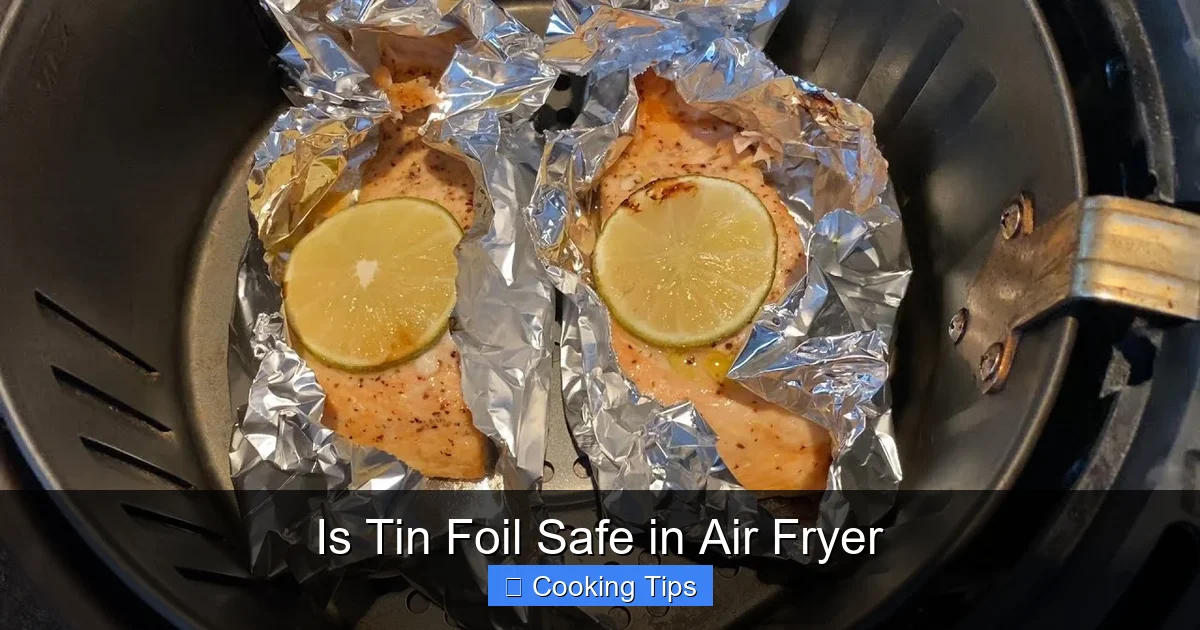
Visual guide about Is Tin Foil Safe in Air Fryer
Image source: i.ytimg.com
There are several scenarios where using tin foil in your air fryer is not only safe but highly recommended.
1. For Easier Cleanup
This is arguably the most common and beneficial use of tin foil in an air fryer. Lining the bottom of the air fryer basket or tray with a piece of foil can catch drips, grease, and small food particles. This makes cleaning up after cooking a breeze.
* How to do it:
* Tear off a piece of foil large enough to cover the bottom of your basket or tray.
* Crumple it up slightly and then smooth it out to better fit the shape.
* **Crucially, do NOT cover the entire surface.** Leave about an inch of the edges of the basket or tray uncovered to allow air to circulate.
* Ensure the foil is firmly in place and preferably weighed down by food.
This method is perfect for foods that tend to leave a lot of residue, like marinated meats or baked goods. If you’re cooking something like bone-in chicken thighs or pork steaks, lining the basket will save you a lot of scrubbing.
2. To Prevent Sticking
Some foods, especially delicate items or those with sticky coatings, can adhere to the air fryer basket. A layer of foil can prevent this, ensuring your food comes out perfectly without sticking.
* How to do it:
* Lightly grease the foil with cooking spray or a bit of oil.
* Place the food on the greased foil.
* Again, ensure the foil doesn’t block the airflow. You might even poke a few small holes in the foil if you’re concerned about trapped moisture.
This is useful for items like crab cakes or certain types of pastries.
3. For Delicate Foods or Small Items
When cooking very small or delicate items that might fall through the basket’s grates or get blown around by the fan, using foil can be beneficial. You can create a makeshift pouch or container with the foil.
* How to do it:
* Form a loose pouch or boat shape with the foil, ensuring the top is open.
* Place your food inside.
* Make sure the pouch doesn’t seal completely and allows air to circulate around the food.
This can be helpful for smaller snacks or items that might otherwise be difficult to manage.
4. To Shield from Direct Heat
In some cases, you might want to shield certain parts of your food from direct, intense heat to prevent burning, especially if the air fryer runs very hot.
* How to do it:
* Tear off a small piece of foil.
* Loosely tent it over the part of the food that is browning too quickly.
* Ensure the foil is not touching the heating element.
This is a technique sometimes used when cooking larger items that take a long time to cook through, like a whole roast, where the exterior might brown too fast.
When Should You AVOID Using Tin Foil in Your Air Fryer?
While tin foil has its uses, there are specific situations where it’s best to leave it out.
1. Blocking Airflow Completely
This is the cardinal sin of using foil in an air fryer. Never, ever cover the entire bottom of the basket or tray with a solid sheet of foil.
* Why it’s bad: Air fryers rely on the free movement of hot air to cook your food evenly and efficiently. Blocking the vents or the entire base of the basket will prevent this, leading to:
* Soggy food.
* Uneven cooking (raw spots and overcooked spots).
* Longer cooking times.
* Potential overheating of the appliance.
2. Using Loose Foil that Can Blow Around
The powerful fan in an air fryer can easily lift lightweight, loose pieces of foil. If a piece of foil becomes detached and gets sucked into the heating element, it can cause a fire hazard or damage the appliance.
* **How to prevent this:** Always ensure any foil you use is secured by the food itself. If you’re just lining the basket, make sure it fits snugly and the food will hold it down. If you’re making a pouch, ensure it’s sturdy.
3. Cooking Highly Acidic Foods Directly on Foil
Some sources suggest that acidic foods (like tomatoes, lemon juice, or vinegar-based marinades) can react with aluminum foil, potentially leaching small amounts of aluminum into the food. While the health implications of this are debated and generally considered minimal for occasional use, it’s something to be aware of.
* **What to do instead:** If you’re cooking something very acidic, consider using a silicone liner, parchment paper, or a small oven-safe dish that fits inside the air fryer basket. For instance, if you’re making a tomato-based sauce, it might be better to cook it in a small ceramic dish rather than directly on foil.
4. When Crispy Texture is Paramount
While foil can help prevent sticking, it can also sometimes hinder the development of a truly crispy exterior if it traps too much moisture.
* **What to use instead:** For maximum crispiness, especially with foods like fries or breaded items, consider cooking directly in the basket or using perforated parchment liners that allow air to circulate freely. If you must use foil for cleanup, ensure it doesn’t directly contact the food surface you want to be crispy.
Best Practices for Using Tin Foil in Your Air Fryer
To get the most out of tin foil while staying safe, follow these best practices:
1. Check Your Air Fryer Manual
Every air fryer is a little different. Always refer to your appliance’s instruction manual. Some manufacturers may have specific recommendations or warnings against using foil. Adhering to the manufacturer’s guidelines is the safest approach.
2. Use Heavy-Duty Foil
If possible, opt for heavy-duty aluminum foil. It’s less likely to tear and more resistant to blowing around compared to regular-duty foil.
3. Don’t Overlap Foil Extensively
If you need to use a larger piece of foil than what fits in one sheet, try to overlap it minimally. Excessive overlap can further restrict airflow.
4. Ensure Food is Placed on Top of Foil
The food should always be placed on top of the foil. The foil should never be the primary cooking surface that the food sits on without anything else. This ensures the food is exposed to the hot air as much as possible.
5. Poke Holes if Necessary
If you’re concerned about moisture buildup under the foil, especially when cooking things like vegetables or certain proteins, you can gently poke a few small holes in the foil. This allows steam to escape.
6. Cool Before Removing
Allow the foil and the air fryer to cool down completely before attempting to remove the foil. This prevents burns and makes it easier to handle.
Alternatives to Tin Foil for Air Fryer Use
If you’re still hesitant about using tin foil or want to explore other options, here are some excellent alternatives:
1. Parchment Paper Liners
These are specifically designed for air fryers and come in pre-cut rounds or squares, often with perforations to aid airflow. They are fantastic for preventing sticking and making cleanup easier. They are a great option for most foods, from waffle fries to biscuits.
2. Silicone Liners
These are reusable and eco-friendly. They come in various shapes and sizes and can be a great investment. Ensure the one you choose allows for adequate airflow.
3. Baking Dishes or Foil Containers
For certain recipes, you can use small oven-safe baking dishes or disposable aluminum foil containers that fit inside your air fryer basket. This is a good choice for wet dishes or recipes where you want to contain the food entirely, like a small pot pie.
Common Myths About Tin Foil in Air Fryers
Let’s debunk a few common myths:
* Myth: Foil will melt or catch fire easily. While a fire hazard is possible if foil is misused (e.g., blown into the heating element), it’s unlikely to melt unless exposed to extremely high temperatures beyond typical air frying ranges.
* Myth: Foil completely ruins the crispiness. This isn’t entirely true. While it can slightly reduce crispiness if it traps too much moisture, when used correctly (e.g., not fully sealing the basket), the impact is often minimal, especially for cleanup purposes.
* Myth: You can never use foil in an air fryer. This is false. As this guide illustrates, there are many safe and effective ways to use foil.
Troubleshooting Common Issues
* **Food is soggy:** You likely blocked too much airflow with the foil. Ensure the foil is only lining the bottom and not covering vents, or use perforated liners.
* **Foil is blowing around:** The foil is too light or not secured. Use heavier foil or ensure food is placed on top to weigh it down.
* **Food is sticking to the foil:** You may not have greased the foil adequately, or the foil is too thin. Try greasing with oil or using a thicker foil.
Conclusion
So, is tin foil safe in an air fryer? Yes, it is a safe and useful tool when wielded with knowledge and care. The key is to always prioritize airflow. Never let loose foil become a hazard, and understand that its primary benefits lie in simplifying cleanup and preventing sticking.
By following the guidelines in this comprehensive how-to, you can confidently incorporate tin foil into your air frying routine, enjoying the convenience it offers without compromising safety or the quality of your delicious, crispy creations. Remember to always consult your appliance’s manual and prioritize smart usage for the best results. Happy air frying!