
Air fryer perch recipes give you crispy, golden fish without the mess, the oil, or the guilt of a deep fryer. If you've got a bag of perch fillets sitting in the freezer and an air fryer on the counter, you're already ten minutes away from a seriously good meal. The method works because perch is a thin, mild white fish that cooks fast and takes on seasoning beautifully, which makes it practically built for convection cooking.
Perch is one of the most popular freshwater sport fish in the Great Lakes region, and anglers across Michigan, Wisconsin, and Minnesota bring home buckets of it every season. The U.S. Food and Drug Administration (FDA) recommends cooking all fish to an internal temperature of 145°F (63°C), and an air fryer hits that target quickly while keeping the flesh moist. Whether you're working with fresh-caught fillets or a store-bought bag, the approach is the same, and the results are hard to beat.
Let's walk through why perch and air fryers are such a natural match.
Why Air Fryer Perch Is Worth Your Time
Air frying perch delivers a crispy exterior and a tender, flaky interior using a fraction of the oil that deep frying requires. You get the texture people love about fried fish without standing over a pot of hot oil or dealing with greasy cleanup. For anyone who wants a quick weeknight dinner that actually feels like a treat, this is the method to learn.
The numbers back it up. Air frying typically uses 70% to 80% less fat than traditional deep frying, which matters if you're watching calories but still want that crunch. Perch fillets are thin enough to cook through in under 12 minutes, so you're not waiting around. And because the air fryer basket drains excess oil away from the fish as it cooks, you end up with a lighter result that doesn't sit heavy in your stomach.
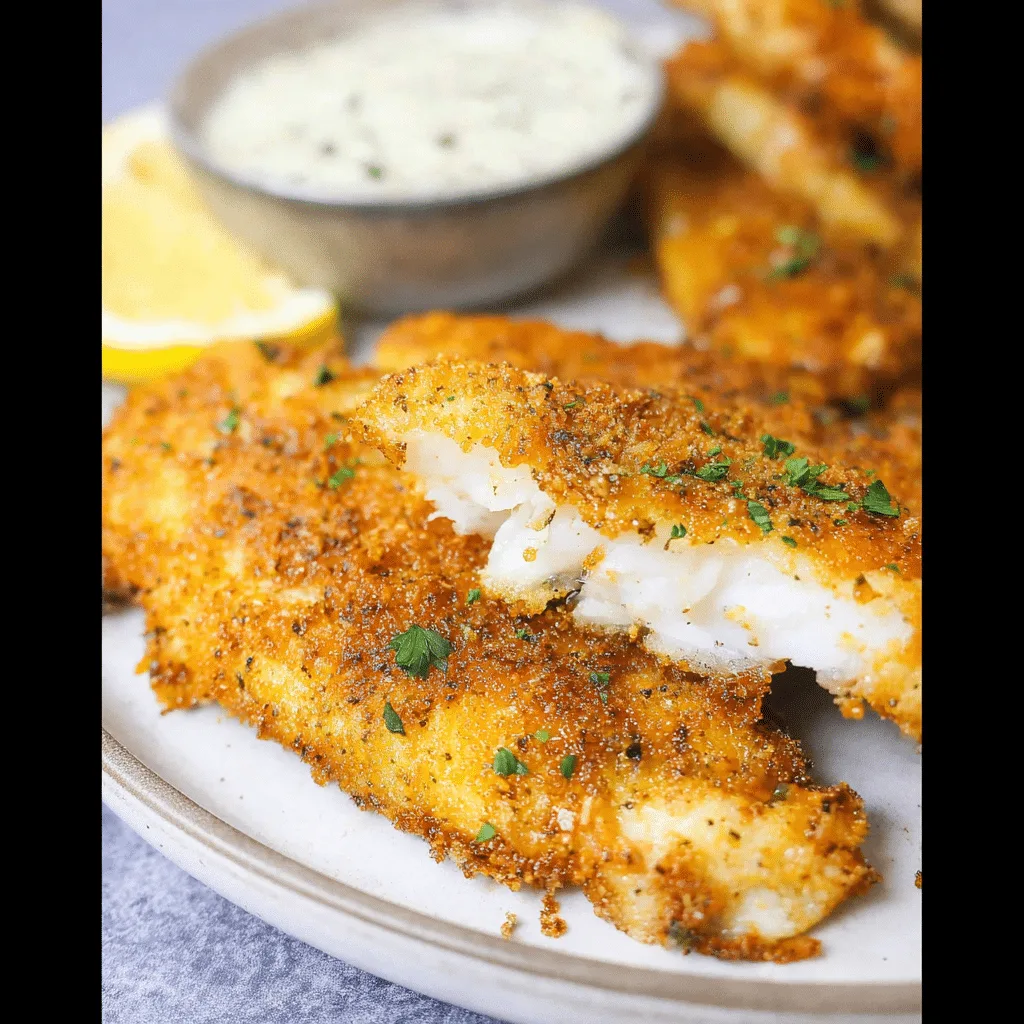
If you're cooking for kids or picky eaters, air fried perch is a gateway fish. The mild flavor doesn't taste "fishy," and a simple coating of seasoned breadcrumbs or cornmeal makes it feel like pub food at home. You can also scale this up easily. A standard 5-quart air fryer handles four to six fillets in a single layer, which is enough for a family of four with sides.
One thing to keep in mind: air fryers vary in power and basket design. If you're using a compact model, you may need to cook in smaller batches to avoid overcrowding. Overcrowding is the single biggest mistake people make, and it leads to steaming instead of crisping. Give each fillet some breathing room and you'll see the difference immediately.
What Makes Perch Perfect for the Air Fryer
Perch is a thin, delicate white fish with a mild, slightly sweet flavor that pairs well with almost any seasoning. Its fillets are typically half an inch to three-quarters of an inch thick, which means they cook evenly and quickly in the high-heat convection environment of an air fryer. That combination of thinness and mildness is exactly what you want for this cooking method.
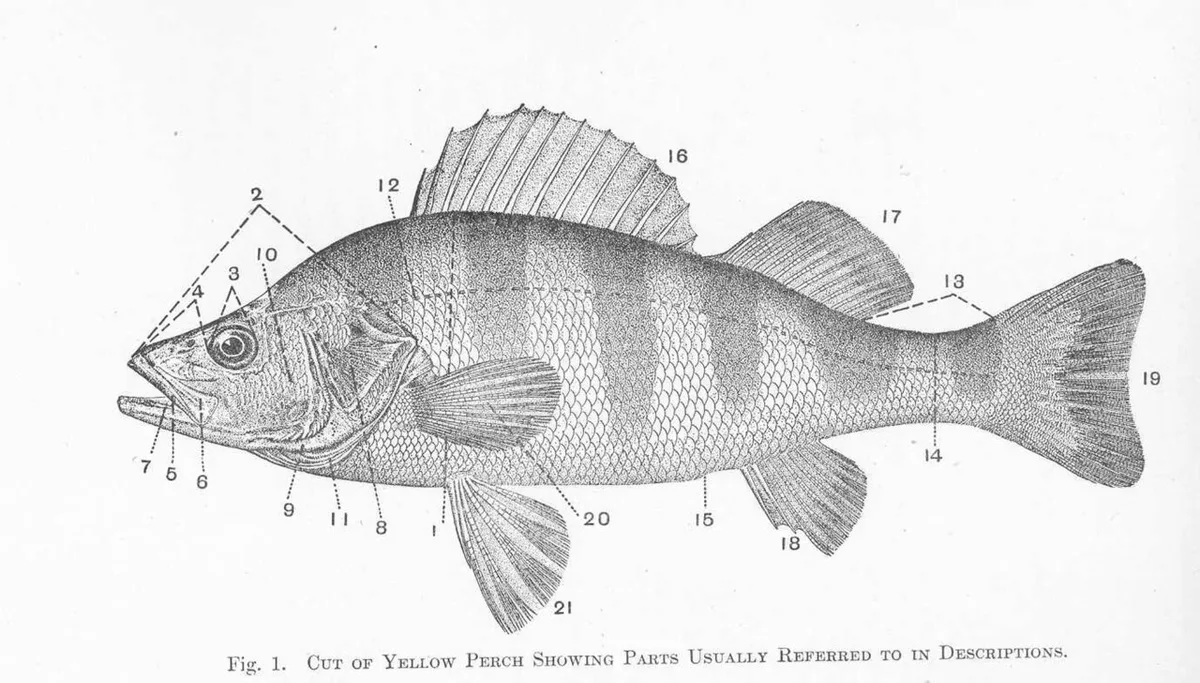
Yellow perch (Perca flavescens) is the species most commonly found in North American markets and freezers. It's a freshwater fish native to the Great Lakes Basin and inland lakes across the upper Midwest. European perch (Perca fluviatilis) is its close cousin found across Scandinavia and northern Europe, and it works just as well in an air fryer. Both species have lean, white flesh that flakes apart easily when cooked properly.
The lean nature of perch is actually an advantage in the air fryer. Fatty fish like salmon can sometimes produce too much smoke or splatter at high temperatures, but perch stays clean and manageable. The trade-off is that lean fish dries out faster if you overcook it, so timing matters more here than with oilier species. That's not a drawback, just something to be aware of.
Perch also takes on coatings and seasonings exceptionally well. Because the flavor is so mild, you can go in almost any direction: lemon pepper, Old Bay, Cajun spice, garlic herb, parmesan crust, or a simple beer batter. The air fryer's circulating hot air sets the coating fast, which locks in moisture and creates that satisfying crunch. If you've ever been disappointed by soggy oven-baked fish, the air fryer fixes that problem directly.
From a practical standpoint, perch fillets are affordable and widely available frozen. A one-pound bag of frozen perch fillets typically costs between $8 and $14 depending on your region and whether you're buying wild-caught or farm-raised. That makes it one of the most budget-friendly fish options for regular weeknight cooking.
How to Prep Perch Fillets for the Air Fryer
Proper prep is the difference between crispy, golden perch and a soggy, falling-apart mess. The single most important step happens before any seasoning touches the fish: you need to pat the fillets completely dry with paper towels. Moisture on the surface of the fish creates steam instead of browning, and steam is the enemy of crispiness.
If you're working with frozen fillets, thaw them first. The safest method is to move them from the freezer to the refrigerator the night before you plan to cook. If you're short on time, you can seal the fillets in a zip-top bag and submerge them in cold water for 20 to 30 minutes. Never thaw fish at room temperature, and never cook it straight from frozen in the air fryer, because the outside will overcook before the center thaws.
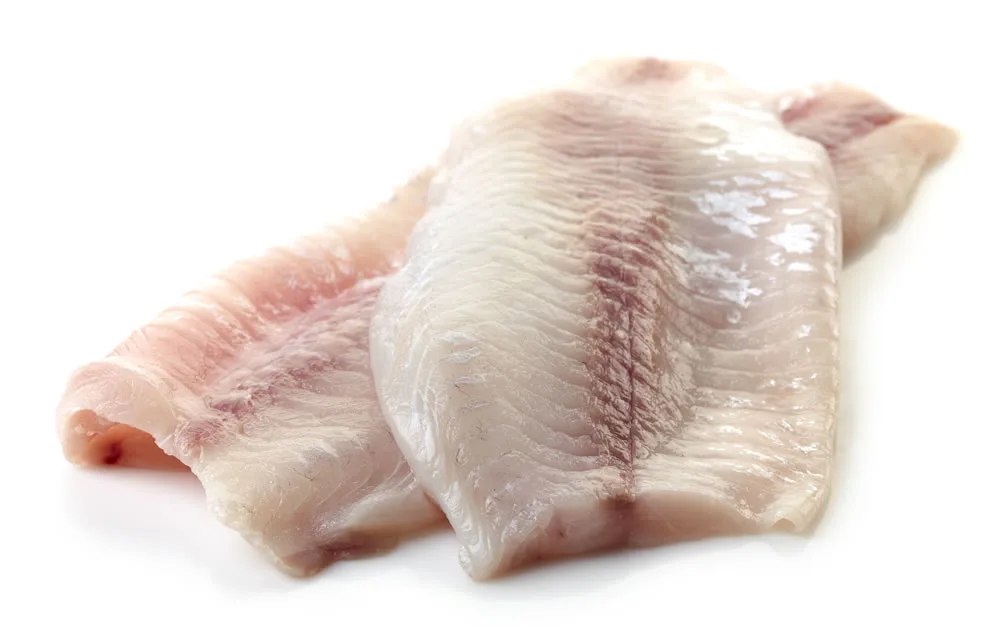
Once the fillets are thawed and dried, inspect them for any remaining bones. Perch has a row of small pin bones along the center of each fillet that can be removed with tweezers or needle-nose pliers. This step takes an extra minute or two but makes the eating experience much better, especially if you're serving kids.
Now you're ready to season. A light dusting of salt and pepper is the bare minimum, but most people want more flavor than that. You can brush the fillets with a thin layer of mayonnaise or mustard before applying a dry coating, which helps the breading stick better than using egg alone. This is a trick that a lot of experienced air fryer cooks swear by, and it works especially well with delicate fish that might fall apart during a traditional egg wash.
If you're using a dry rub or spice blend, apply it directly to the dried fillets and press it in gently. Let the seasoned fish sit for five to ten minutes before cooking. This short rest allows the salt to draw out a tiny bit of surface moisture, which then reabsorbs and helps the seasoning adhere. It's a small step, but it makes a noticeable difference in the final result.
The Best Coatings and Seasonings for Air Fryer Perch
The coating you choose changes the entire character of the dish, so it's worth understanding your options before you start. A simple dry rub gives you the lightest, most delicate result. A breaded coating gives you that classic fish-fry crunch. And a batter gives you something in between, with a thin, crispy shell that shatters when you bite into it.
For a basic dry rub, mix equal parts garlic powder, onion powder, paprika, salt, and black pepper. Add a pinch of cayenne if you want some heat. This blend works on its own with no additional coating, and it lets the natural flavor of the fish come through. It's the fastest option and the lowest in calories, which makes it a good choice if you're keeping things light.
A classic breaded coating uses three steps: flour, egg wash, and breadcrumbs. Dredge each fillet in all-purpose flour first, shaking off the excess. Then dip it in a beaten egg. Finally, press it into seasoned breadcrumbs or panko.
Panko gives you a lighter, crunchier texture than standard breadcrumbs, and most air fryer cooks prefer it for fish. Press the coating firmly onto both sides so it doesn't blow off in the circulating air.
Cornmeal is another excellent option, especially if you want a Southern-style fish fry vibe. Mix fine or medium-ground cornmeal with salt, pepper, and a little cayenne. You can use the same flour-egg-cornmeal sequence as the breadcrumb method, or you can simply press the cornmeal directly onto fillets that have been brushed with mustard or mayo. The result is a rustic, golden crust with a slightly gritty texture that people either love or don't, so know your audience.
For a beer batter, whisk together one cup of flour, one teaspoon of baking powder, a pinch of salt, and enough beer to make a thin, pourable batter. The carbonation in the beer creates tiny bubbles that expand in the hot air, giving you an extra-crispy shell. The trick with air fryer batter is to make it slightly thicker than you would for deep frying, because thin batter tends to drip through the basket holes before it sets. Let the battered fillets rest on a wire rack for two to three minutes before putting them in the air fryer, which helps the coating firm up.
Here's a quick comparison of the most common coating options:
| Coating Type | Texture | Prep Time | Best For |
|---|---|---|---|
| Dry rub | Light, delicate | 2 minutes | Low-calorie, quick meals |
| Breadcrumb / panko | Classic crunchy | 8 minutes | Fish-fry style dinners |
| Cornmeal | Rustic, gritty | 8 minutes | Southern-style flavor |
| Beer batter | Thin, shattery | 10 minutes | Pub-style fish bites |
No matter which coating you choose, always finish with a light spritz of cooking oil. Avocado oil or olive oil in a pump sprayer works best. Aerosol sprays can damage the nonstick coating on some air fryer baskets over time, so a refillable oil sprayer is the safer long-term choice. A thin, even coat of oil is what pushes the coating from "browned" to "golden and crispy."
Step-by-Step: How to Air Fry Perch Fillets
Now that your fillets are prepped and coated, it's time to cook. The process is straightforward, but a few details matter more than you might think. Follow these steps and you'll get consistent results every single time.
Step 1: Preheat the air fryer. Set it to 400°F (200°C) and let it run for three minutes. Not all models require preheating, but it helps the coating set immediately when the fish goes in, which prevents sticking. Check your manufacturer's instructions to see if your specific model recommends it.
Step 2: Arrange the fillets in a single layer. Place them in the basket with at least half an inch of space between each piece. Do not stack or overlap them. If you have more fillets than fit in one layer, cook in batches. This is the step most people skip, and it's the reason most air fryer fish turns out soggy instead of crispy.
Step 3: Cook for the first half. Set the temperature to 380°F (193°C) and cook for five minutes if your fillets are about half an inch thick. For fillets closer to three-quarters of an inch, start with six minutes. The goal is to get the bottom side set and lightly browned before you flip.
Step 4: Flip carefully. Use a fish spatula or a pair of tongs to gently turn each fillet over. If the coating sticks, give it another minute before trying again. A properly set coating releases easily. If it's tearing or falling off, the fillets weren't dry enough before coating, or the basket wasn't preheated.
Step 5: Cook the second side. Return the basket to the air fryer and cook for another four to six minutes. The total cook time for most perch fillets falls between nine and twelve minutes, depending on thickness. The fish is done when the coating is golden brown and the flesh flakes easily when pressed with a fork.
Step 6: Check the internal temperature. If you have an instant-read thermometer, insert it into the thickest part of the fillet. The FDA safe minimum internal temperature for fish is 145°F (63°C). Perch reaches this quickly because the fillets are thin, so don't walk away during the last few minutes.
Step 7: Rest briefly. Let the fillets sit on a plate for one to two minutes before serving. This allows the residual heat to finish cooking the center and lets the coating firm up so it doesn't slide off when you pick up the fish.
A few practical notes. If you're cooking skin-on fillets, place them skin-side down first. The skin protects the delicate flesh from direct heat and gets extra crispy, which most people enjoy. You can also score the skin with a sharp knife in a few places before cooking, which prevents it from curling up during the cook.
If you're making perch nuggets or bites for appetizers, cut the fillets into one-inch pieces before coating. Reduce the cook time to six to eight minutes total, shaking the basket gently at the halfway point. These are great with tartar sauce, ranch, or a squeeze of lemon.
For anyone cooking in an RV or on the road, a compact air fryer works well for perch fillets since the portions are small. If you're looking at models for travel cooking, our guide to the best air fryer for outdoor travel covers the key features to prioritize. And if you're feeding a family, a 6-quart model gives you enough basket space to cook a full batch without crowding.
How to Tell When Perch Is Done (Without Overcooking It)
Perch goes from perfectly cooked to dry and rubbery in about two minutes, so knowing when to pull it out is the most important skill in this whole process. The good news is that perch gives you several clear signals, and once you learn to read them, you'll nail it every time.
The most reliable method is the fork test. Press the tines of a fork gently into the thickest part of the fillet at a slight angle and twist. If the flesh flakes apart in clean, white layers, it's done. If it still looks translucent or resists separating, give it another minute and check again.
Perch cooks so fast that checking early and often is the right approach, not a sign of inexperience.
Internal temperature is the gold standard. An instant-read thermometer inserted into the center of the thickest fillet should read 145°F (63°C). That's the FDA safe minimum for all fish, and perch reaches it quickly because the fillets are thin. Many experienced cooks pull perch at 140°F (60°C) and let carryover cooking during the rest period bring it up to 145°F.
This keeps the flesh slightly more moist and tender.
Visual cues matter too. A properly cooked perch fillet will have an opaque, white interior with no translucent or raw-looking spots in the center. The coating should be golden brown, not pale or dark. If the coating is browning too fast but the inside still looks underdone, drop the temperature by 20°F and add a couple more minutes.
This happens most often with thicker fillets or models that run hot.
Texture tells you what you need to know. Cooked perch flesh should feel firm but still yield slightly when pressed. If it feels mushy, it needs more time. If it feels tough or bouncy, you've gone too far.
The line between the two is narrow with lean white fish, which is why people who are new to perch tend to either undercook or overcook until they've done it a few times.
One practical tip: if you're cooking a batch of mixed thicknesses, pull the thin fillets first and let the thicker ones go an extra minute or two. Trying to cook all of them to the same endpoint in the same batch is a recipe for inconsistency. You can hold the early ones on a warm plate while the rest finish.
Common Mistakes That Ruin Air Fryer Perch
The same handful of mistakes show up again and again in user reviews and cooking forums. Most of them are easy to avoid once you know what to watch for, and fixing even one of them can transform your results from disappointing to genuinely great.
Not drying the fillets enough. This is the number one problem across every air fryer fish recipe, not just perch. Surface moisture turns to steam the moment the fish hits the hot basket, and steam prevents browning. Pat every fillet thoroughly with paper towels on both sides. If the towels come away wet, keep going.
Overcrowding the basket. This is the second most common mistake. When fillets are packed too close together, hot air can't circulate between them, and the fish steams instead of crisps. Leave at least half an inch of space between each piece. If your basket is small, cook in two batches.
The extra five minutes are worth it.
Skipping the oil spritz. Perch is an extremely lean fish with almost no fat of its own. Without a thin coating of oil on the outside, the coating browns unevenly and the fish can dry out. A light spray of avocado oil or olive oil on both sides of each fillet before cooking solves this. You don't need much, just enough to give the heat something to work with.
Using aerosol cooking sprays. Many canned cooking sprays contain propellants and emulsifiers that build up on air fryer baskets over time and degrade the nonstick coating. A refillable oil sprayer gives you the same result without the residue. If you only have aerosol, spray it onto the fillets on a plate instead of directly into the basket.
Setting the temperature too high. Cranking the air fryer to 400°F or above seems like it would make things crispier, but with delicate fish it usually just burns the coating before the inside cooks through. 375°F to 385°F is the sweet spot for most perch fillets. You can bump it to 400°F for the last minute if the coating isn't browning fast enough, but don't start there.
Flipping too early or too aggressively. If you try to flip a fillet before the coating has set, it will tear off and stick to the basket. Wait at least four to five minutes on the first side before attempting to turn. Use a thin fish spatula rather than tongs, which can crush the fillet or break it apart.
Not preheating. A cold basket means the fillets sit on a warm surface instead of a hot one. That delay is enough to cause sticking and uneven cooking. Three minutes of preheat at your target temperature makes a real difference, especially with breaded coatings.
Air Fryer Perch vs. Deep Fried vs. Pan Fried vs. Baked
Each method produces a noticeably different result, and the "best" one depends on what you value most: speed, texture, health, or convenience. Here's how they stack up for perch specifically.
Deep frying produces the crispiest, most traditional result by fully submerging the fillet in 350°F to 375°F oil. The entire surface crusts at once, giving you that classic fish-fry crunch with a tender interior. The downside is the oil itself. A single deep-fried perch fillet absorbs roughly 80 to 150 calories of additional fat compared to the raw fish.
Cleanup is also a hassle, and not everyone wants to store or dispose of used cooking oil, especially in a small kitchen or an RV.
Pan frying gives you excellent browning on one side at a time, with the ability to control the crust carefully. You need about two to three tablespoons of oil in a skillet for a batch of four fillets, which is significantly less than deep frying but more than air frying. The texture is close to deep fried, with a crisp bottom and a slightly less crisp top. Flip control is easier than in an air fryer because you can see what's happening, but you do have to stand at the stove and manage splatter.
Oven baking is the most hands-off method. You set the temperature, slide in the pan, and wait. The problem is that standard ovens don't circulate air the way an air fryer does, so you don't get the same all-around crispiness. Baked perch tends to be more steamed than fried, even on a sheet pan with parchment.
It's a fine option if you don't own an air fryer, but the texture difference is noticeable.
Air frying sits in the middle ground. You get about 80% of the crispiness of deep frying with roughly 75% less added fat. The cook time is comparable to pan frying, but you don't have to stand over a stove. The trade-off is capacity.
Most air fryer baskets handle only four to six fillets at a time, whereas a deep fryer or full sheet pan can handle more. For a family dinner of two to four people, that's not an issue.
Here's a side-by-side comparison for quick reference:
| Method | Added Fat | Crispiness | Cook Time | Cleanup | Capacity |
|---|---|---|---|---|---|
| Deep frying | High (80-150 cal/fillet) | 10/10 | 4-6 min | Difficult | High |
| Pan frying | Medium (2-4 tbsp oil) | 8/10 | 6-8 min | Moderate | Medium |
| Air frying | Low (spritz only) | 7.5/10 | 9-12 min | Easy | Low-Medium |
| Oven baking | Very low (brushing) | 4/10 | 15-20 min | Easy | High |
If you're cooking on the road or in a small space, the air fryer's easy cleanup and minimal oil use give it a real edge. Our guide to the best air fryer for truck camping covers models that work well in tight setups. And if you're curious about whether air fried food is actually healthier overall, our research on air fryer nutrition breaks it down in more detail.
Quick Air Fryer Perch Recipes You Can Make Tonight
Here are three straightforward recipes that cover the most popular styles. Each one uses the same basic air fryer method from earlier, so the prep and cook steps stay familiar. The differences are in the coating and seasoning, which change the character of the final dish completely.
Lemon Pepper Perch
This is the simplest option and a great starting point. Season both sides of dried fillets with lemon pepper seasoning, garlic powder, and a pinch of salt. Press the seasoning in gently. Spritz lightly with oil and air fry at 380°F for nine to eleven minutes, flipping halfway.
Serve with lemon wedges and a side of coleslaw. The citrus brightens the mild fish flavor without overpowering it.
Classic Breaded Perch
This is the crowd-pleaser that tastes like a Friday fish fry at home. Set up three shallow bowls: one with all-purpose flour seasoned with salt and pepper, one with a beaten egg, and one with panko breadcrumbs mixed with a teaspoon of paprika. Dredge each fillet in flour, dip in egg, then press firmly into panko. Spritz with oil and cook at 380°F for ten to twelve minutes, flipping at the halfway point.
The panko gives you a light, extra-crunchy crust that holds up well even after a few minutes on the plate.
Cajun Cornmeal Perch
This version has a bit more heat and a rustic Southern vibe. Mix half a cup of fine cornmeal with one tablespoon of Cajun seasoning powder. Brush each fillet with yellow mustard or mayonnaise, then press both sides into the cornmeal mixture. Spritz with oil and cook at 375°F for ten to twelve minutes.
The mustard gives the cornmeal something to grip, and the Cajun spice adds a smoky, peppery kick. Pair this one with a creamy dipping sauce to balance the heat.
All three recipes serve two to four people depending on how many fillets you cook. A one-pound bag of frozen perch fillets typically contains four to six pieces, which is enough for a family meal with sides. If you're scaling up for a crowd, cook in batches rather than crowding the basket. It takes a few extra minutes, but the quality difference is worth it.
How to Clean Your Air Fryer After Cooking Fish
Fish leaves behind odor and residue faster than most other foods you'll cook in an air fryer. Cleaning promptly after each use keeps the basket from developing a lingering smell that transfers to your next meal. The good news is that air fryer cleanup is straightforward if you do it while the basket is still warm.
Start by removing the basket and shaking out loose crumbs into the trash. Don't rinse the basket while the coating is still hot and loosely attached, because water can push food particles into the mesh or vents. Give it two to three minutes to cool slightly, then wash it by hand with warm soapy water and a non-abrasive sponge or brush. Most air fryer baskets are dishwasher safe, but hand washing extends the life of the nonstick coating and removes stuck-on bits more thoroughly.
For stubborn residue, soak the basket in hot soapy water for ten to fifteen minutes before scrubbing. Baked-on breading or batter softens quickly and comes off with gentle pressure. Never use steel wool or abrasive pads on a nonstick surface, because scratches create spots where food sticks even harder next time.
The interior of the air fryer unit itself needs attention too. Wipe down the inside with a damp cloth after each fish cook, paying attention to the heating element area. Grease and crumbs can accumulate there over time, which causes smoke on subsequent cooks. A quick wipe takes thirty seconds and prevents a smoky mess later.
To remove lingering fish odor, fill the basket with hot water and add two tablespoons of white vinegar or the juice of half a lemon. Let it soak for fifteen minutes, then rinse and dry. Baking soda paste also works well for scrubbing away smell from the basket mesh. Both methods are safe for nonstick surfaces and won't leave their own strong scent behind.
If your air fryer has a removable liner or parchment round, replace it after cooking fish. These liners trap oil and seasoning that would otherwise sit in the basket and develop odor over time. Disposable liners are inexpensive and make the whole cleanup process faster, especially if you cook fish regularly.
One thing to avoid: never submerge the main air fryer unit in water. The heating element and electrical components are not waterproof. Wipe the exterior with a damp cloth only, and make sure the unit is unplugged and completely cool before cleaning.
Serving Suggestions and Sides That Pair Well with Air Fried Perch
Air fried perch is versatile enough to go in a lot of different directions, but some pairings just work better than others. The mild, sweet flavor of the fish means it plays well with both bright, acidic sides and rich, creamy ones. The key is balancing the crispy, savory coating with something that cuts through or complements it.
Classic pairings are classic for a reason. A squeeze of fresh lemon juice over hot perch brightens the whole dish and balances the richness of the coating. Tartar sauce is the traditional companion, and a good homemade version made with mayo, chopped pickles, capers, and a dash of lemon is far better than anything from a jar. Coleslaw on the side adds crunch and acidity that keeps each bite feeling fresh.
For starchy sides, you have solid options. French fries cooked in the same air fryer right after the fish make a complete meal with minimal cleanup. Rice pilaf works well too, especially with a squeeze of lemon and some fresh parsley stirred in. If you want something lighter, a simple green salad with a vinaigrette dressing keeps the whole plate from feeling too heavy.
If you're going the appetizer route, serve perch bites with a few dipping sauces and let people mix and match. Ranch, remoulade, and honey mustard all work well. A spicy aioli made with mayo, sriracha, and lime juice pairs especially well with the Cajun cornmeal version.
For drinks, a cold pilsner or a light wheat beer matches the crispiness perfectly. If you're not drinking, iced tea with lemon or a sparkling water with cucumber keeps things refreshing without competing with the fish.
Frequently Asked Questions About Air Fryer Perch
How long should I air fry perch fillets?
For fillets that are about half an inch thick, cook at 380°F for nine to eleven minutes, flipping at the halfway point. Thicker fillets closer to three-quarters of an inch may need ten to twelve minutes. The FDA minimum safe internal temperature for fish is 145°F, so check with an instant-read thermometer if you're unsure. When the flesh flakes easily with a fork, you're good.
Can I air fry perch from frozen?
It's not recommended. Frozen fillets release a lot of moisture as they thaw, which creates steam and prevents the coating from crisping. The outside will overcook before the center reaches a safe temperature. Thaw fillets overnight in the refrigerator or in a sealed bag submerged in cold water for 20 to 30 minutes before cooking.
What temperature is best for air frying perch?
380°F is the sweet spot for most fillet thicknesses. If the coating is browning too fast and the inside still looks translucent, drop to 375°F and add two minutes. If the coating isn't browning enough, bump it to 400°F for the last minute or two. Avoid starting above 400°F because lean fish dries out quickly.
Do I need to flip perch in the air fryer?
Yes, flipping at the halfway point gives you even browning on both sides. Use a thin fish spatula and wait at least four to five minutes before flipping so the coating has time to set. If the coating sticks when you try to turn it, give it another minute and try again.
What's the best oil for air frying perch?
Avocado oil and olive oil both have high smoke points and neutral flavors that work well. Use a refillable pump sprayer rather than aerosol cans, because aerosol sprays can damage nonstick coatings over time. A light, even coat is all you need. Too much oil makes the coating greasy instead of crispy.
Can I use this recipe for other types of fish?
Absolutely. The same method works for other thin, mild white fish like tilapia, cod, crappie, and walleye. Thicker fish like salmon need adjustments, longer cook times and lower temperatures. But for any fillet in the half-inch to three-quarter-inch range covered, this recipe is a solid starting point.
How do I stop perch from sticking to the air fryer basket?
Three things prevent sticking. First, dry the fillets thoroughly before coating them. Second, preheat the basket so it's hot when the fish goes in. Third, spritz the fillets lightly with oil before cooking.
You can also use a parchment liner designed for your air fryer model, which creates a physical barrier between the fish and the basket mesh.
What if my air fryer doesn't have a Flip or Turn Reminder?
Set a timer on your phone for the halfway point of your estimated cook time. For a ten-minute cook, set it for five minutes. This small habit makes a big difference, because leaving perch in too long on one side leads to uneven browning and a higher chance of drying it out.
How can I add more flavor without adding calories?
Dry rubs are your best option. Spice blends like lemon pepper, Old Bay, Cajun seasoning, and garlic herb add a lot of flavor with virtually zero calories. Acidic ingredients like lemon juice or a vinegar-based hot sauce served on the side also boost perceived flavor without adding fat. A sprinkle of fresh herbs like dill or parsley after cooking adds a bright finish.
How do I reheat leftover air fried perch without drying it out?
Refrigerate leftovers in an airtight container and use them within two days. Reheat in the air fryer at 350°F for three to four minutes. This restores some of the crispiness that microwaving will destroy. You can also eat leftover perch cold over a salad, or flaked into a wrap with lettuce and tartar sauce, which is honestly one of the best ways to use it.