
Cooking wings in an air fryer recipe is one of the easiest ways to get crispy, golden results without heating a pot of oil or turning your kitchen into a grease splatter zone. The circulating hot air hits every surface of the wing, giving you that crunchy skin and juicy interior in roughly half the time an oven needs. If you've been deep frying or ordering takeout, this method will genuinely surprise you.
The USDA recommends cooking all poultry, including chicken wings, to an internal temperature of 165°F (74°C) for food safety. Most air fryer wing recipes call for 380°F to 400°F and 18 to 26 minutes with a flip at the halfway mark, though exact timing depends on wing size and your specific model. Here's everything you need to nail it on the first try.
Quick Answer
Air fryer wings cook at 380°F to 400°F for 18 to 26 minutes. Flip them halfway through for even browning. Pat the wings dry and season before cooking.
Always check that the internal temperature reaches 165°F (74°C). Toss in sauce after cooking to keep the skin crispy.
Why Air Fryer Wings Are Worth Making
Air fryer wings deliver the crunch of deep-fried wings with a fraction of the oil and mess. The rapid circulating hot air creates a Maillard reaction on the skin surface, which is the same browning process that gives fried chicken its signature flavor and texture. You get that result using little to no added oil.
The time savings are real. An oven typically needs 40 to 45 minutes at 425°F to crisp wings properly. An air fryer does it in 18 to 26 minutes because the smaller chamber heats faster and the fan circulates air directly around each wing.
For weeknight dinners or last-minute game day snacks, that difference matters.
Cleanup is simpler too. There's no oil pot to dispose of, no splattered stovetop, and most air fryer baskets go right in the dishwasher. If you're wondering whether your specific model handles wings well, our guide on is Instant Vortex a good air fryer breaks down how one of the most popular models performs with proteins like chicken.

Image source: Openverse / lanclave
How to Cook Wings in Air Fryer — Step by Step
The process is straightforward, but a few details make the difference between soggy wings and perfectly crispy ones. Follow these steps and you'll get consistent results regardless of which air fryer you own.
Step 1: Pat the Wings Dry
This is the single most important step. Moisture on the skin surface creates steam instead of crispiness. Use paper towels to thoroughly pat every wing dry, paying attention to the crevices around the joint.
If you have time, let them sit uncovered on a wire rack in the fridge for 30 to 60 minutes. The air circulation dries the skin even further.
Step 2: Season or Coat the Wings
Toss the dried wings with a light coating of oil, just enough to help the seasoning stick and promote browning. About one teaspoon per pound of wings is plenty. Then add your seasoning or dry rub.
For a basic dry rub, combine:
- 1 teaspoon garlic powder
- 1 teaspoon paprika
- 1/2 teaspoon salt
- 1/2 teaspoon black pepper
- 1/4 teaspoon cayenne (optional)
If you want extra crispy skin, add one teaspoon of baking powder to the mix. The alkaline surface raises the skin's pH, which accelerates browning and creates a crunchier texture. This is the same technique used in many restaurant-style roasted wing recipes.
Step 3: Preheat the Air Fryer
Preheating to 400°F for 3 to 5 minutes helps the wings start crisping immediately when they hit the basket. Not every model requires preheat, but aggregate user reviews across Ninja, Cosori, and Instant Vortex models consistently show better results when the fryer is hot before loading.
Step 4: Arrange in a Single Layer
Place wings in the basket in a single layer with space between each one. Overcrowding traps steam and leads to rubbery skin. If you're cooking more than a pound, work in batches.
For larger families or party prep, a 9 qt air fryer for large batches gives you the capacity to cook more wings at once without stacking.
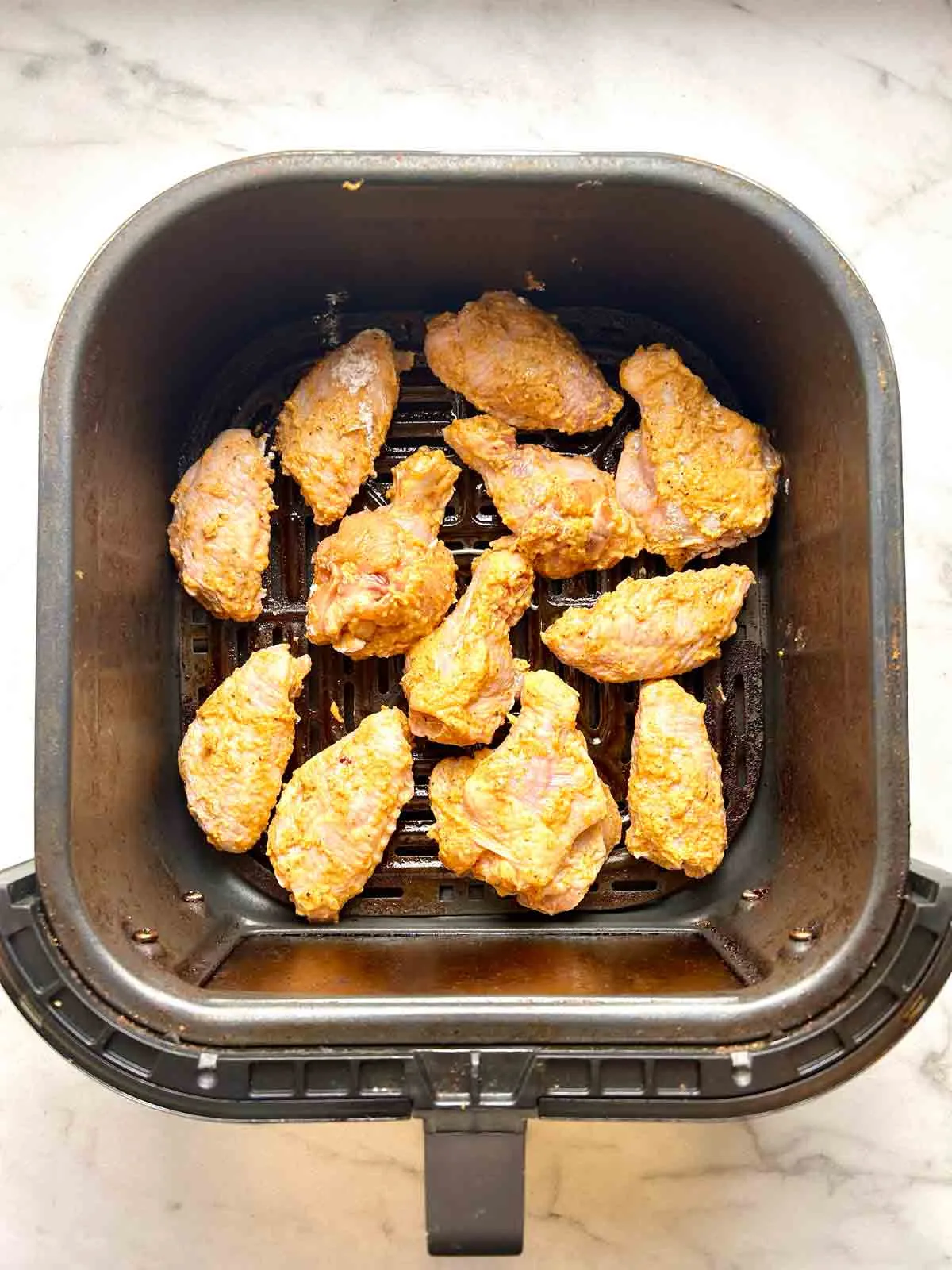
Image source: Bing (Web (fair-use with source credit))
Step 5: Cook and Flip
Set the temperature to 400°F (200°C). Cook for 10 minutes, then flip each wing. Return to the fryer for another 8 to 12 minutes.
Total cook time runs 18 to 22 minutes for medium bone-in wings. Larger wings may need up to 26 minutes.
The flip is non-negotiable for even browning. The heating element in most basket-style air fryers sits at the top, so the bottom side of the wings cooks slower. Flipping ensures both sides get direct airflow.
Step 6: Check the Temperature
Use an instant-read thermometer and insert it into the thickest part of the drumette, avoiding bone. The internal temperature should read at least 165°F (74°C). If it's not there yet, cook in 2-minute increments until it hits the target.
Step 7: Sauce and Serve
Let the wings rest for 2 to 3 minutes after cooking. Then toss them in your favorite sauce. Adding sauce before cooking burns the sugars and creates a sticky, charred mess.
Post-cook toss preserves the crispiness.
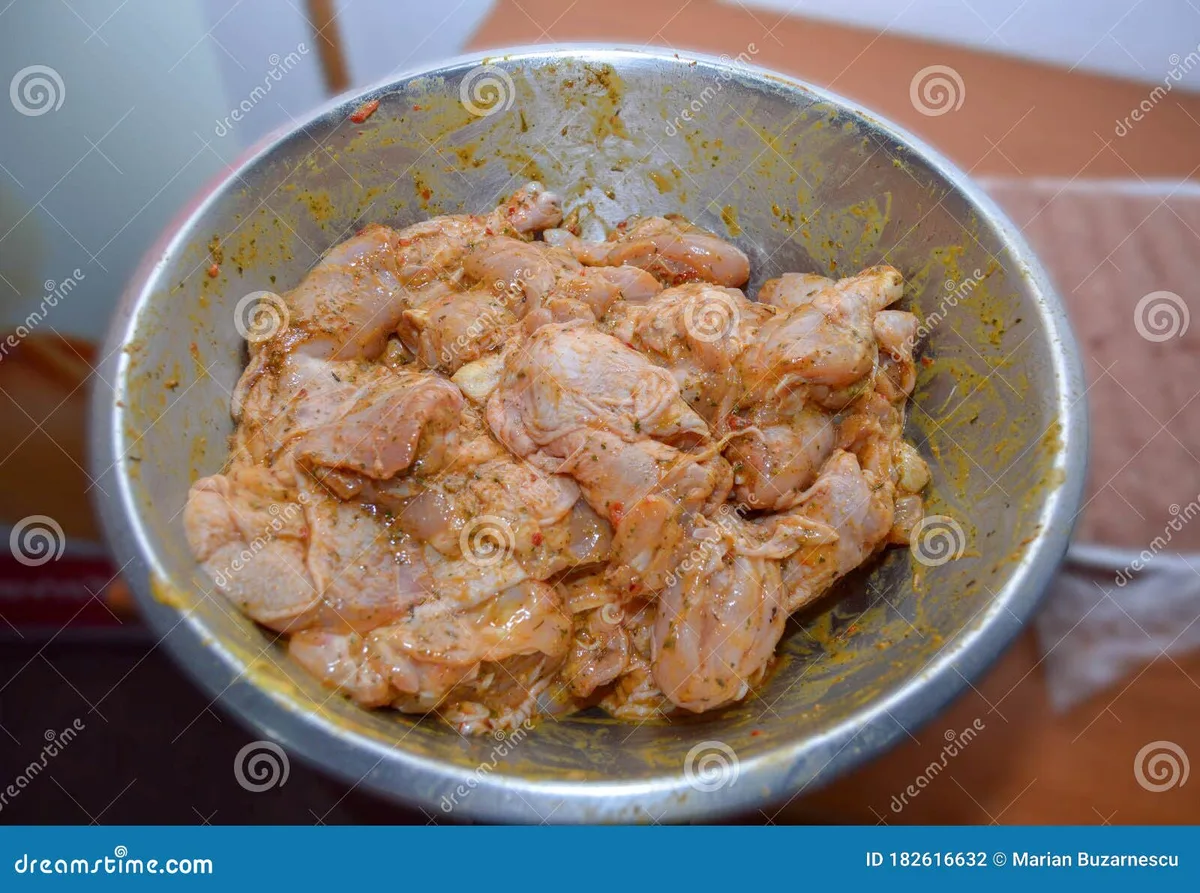
Image source: Bing (Web (fair-use with source credit))
Best Seasonings and Sauces for Air Fryer Wings
The seasoning you choose affects both flavor and texture. Dry rubs work best for maximum crispiness because they don't add moisture to the skin. Wet sauces are better added after cooking.
Dry Rubs
Dry rubs create the crispiest skin because they don't interfere with the surface dehydration that leads to crunch. Here are three reliable options:
Classic Buffalo Rub: Paprika, garlic powder, cayenne, salt, and a touch of brown sugar. The sugar caramelizes slightly in the high heat, adding depth.
Lemon Pepper: Lemon zest (dried), cracked black pepper, garlic powder, and salt. Bright and sharp, this works especially well with a light oil coating.
Smoked Paprika and Cumin: Smoked paprika, ground cumin, garlic powder, onion powder, salt, and a pinch of chipotle powder. This gives a warm, slightly smoky flavor without any sauce needed.
Wet Sauces (Add After Cooking)
Buffalo Sauce: Frank's RedHot mixed with melted butter in a 2:1 ratio is the standard. Toss wings immediately before serving.
Honey Garlic: Soy sauce, honey, minced garlic, and a splash of rice vinegar simmered until slightly thickened. Sticky and sweet with a savory edge.
BBQ: Use your favorite store-bought brand or make your own with ketchup, brown sugar, apple cider vinegar, Worcestershire sauce, and smoked paprika.
Teriyaki Glaze: Soy sauce, mirin, brown sugar, ginger, and garlic reduced until syrupy. Brush on the wings and let them sit for a minute before serving.
The key rule: always sauce after cooking. Wet coatings applied before air frying steam instead of crisp, and sugar-based sauces burn at the high temperatures needed for browning.
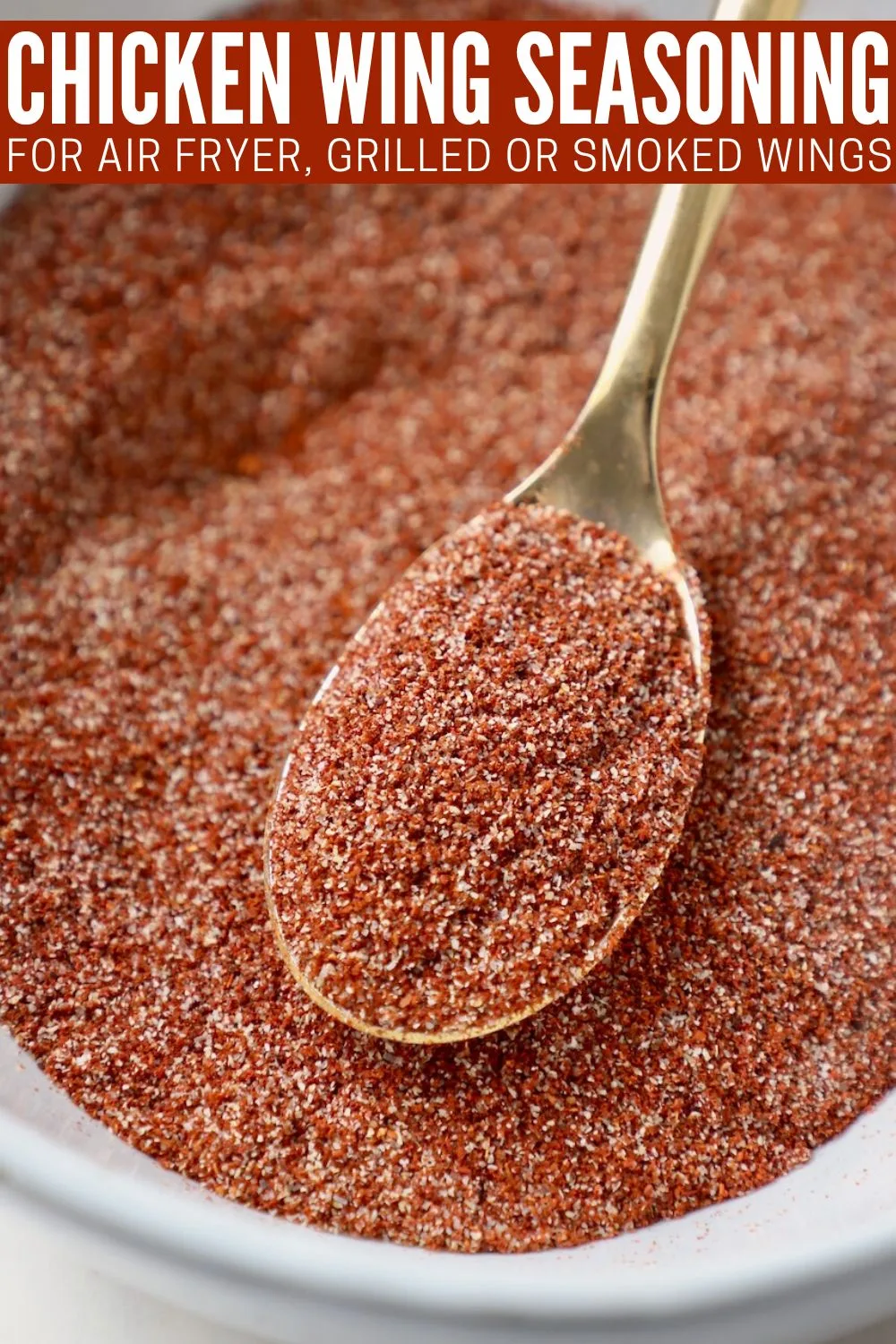
Image source: Bing (Web (fair-use with source credit))
Crispy Skin Without the Oil — What Actually Works
Crispy air fryer wing skin comes down to three factors: dryness, heat, and airflow. Understanding each one helps you troubleshoot when results aren't what you expected.
Dry the skin thoroughly. Any surface moisture turns to steam in the fryer, which softens the skin instead of crisping it. Pat wings dry with paper towels and let them air-dry in the fridge if you have even 20 minutes. Some cooks go as far as leaving them uncovered overnight, which produces noticeably crispier results.
Use baking powder in your rub. Baking powder (not baking soda) raises the skin's pH level, which breaks down proteins faster and promotes browning at lower temperatures. Use one teaspoon per pound of wings mixed into your dry rub. The difference is visible: wings with baking powder develop a deeper golden color and a shatteringly crisp surface.
Don't overcrowd the basket. Wings need airflow on all sides. When they're touching or stacked, the trapped moisture has nowhere to go and the skin steams. Cook in batches if needed.
A single layer with visible space between each wing is the goal.
Cook at 400°F. Lower temperatures, like 350°F or 360°F, cook the meat through but don't generate enough surface heat for proper crisping. The 400°F setting gives you the browning reaction you want without overcooking the interior.
Flip halfway. The top of the wings gets more direct heat from the element. Flipping ensures the bottom side crisps up instead of staying pale and soft.
If your wings are coming out rubbery, the most likely culprits are insufficient drying, overcrowding, or a temperature that's too low. Fix those three things and the texture changes dramatically.
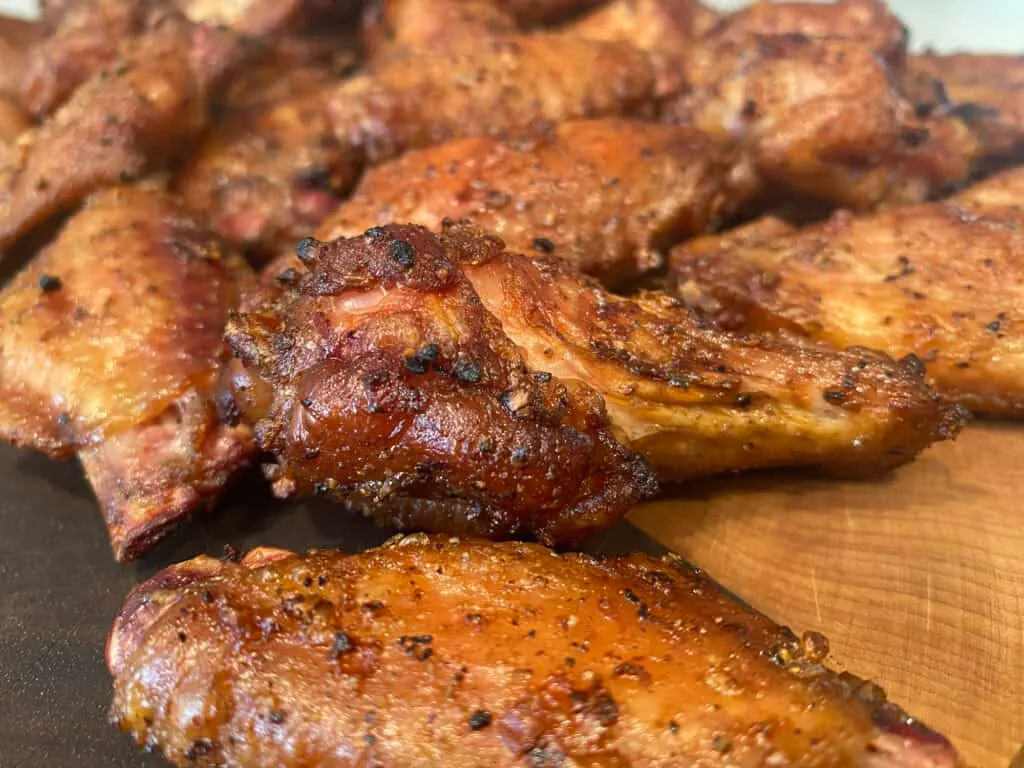
Image source: Bing (Web (fair-use with source credit))
Bone-In vs. Boneless Wings in the Air Fryer
The choice between bone-in and boneless wings affects cook time, flavor, texture, and how much effort goes into eating them. Both work well in an air fryer, but they're not interchangeable in terms of results.
Bone-In Wings
Bone-in wings come as flats (the middle section with two small bones) or drumettes (the single-bone section that looks like a mini drumstick). Many people buy whole wings and separate them at the joint with a sharp knife.
Pros:
- More flavor from the bone and surrounding connective tissue
- Crispier skin because the bone conducts heat from the inside
- Better texture contrast between the crunchy exterior and juicy interior
- Traditional wing experience
Cons:
- Longer cook time (18 to 26 minutes)
- More effort to eat
- Slightly more prep if separating whole wings
Bone-in wings are the standard for most air fryer recipes. The bone acts as an internal heat conductor, helping the meat cook more evenly while the skin gets direct airflow exposure.
Boneless Wings
Boneless wings are typically made from breast meat cut into chunks and coated, or from skinless boneless chicken thighs. Some stores sell pre-formed boneless wing pieces specifically for this purpose.
Pros:
- Faster cook time (12 to 16 minutes)
- Easier to eat, especially for kids
- More sauce coverage per bite since there's no bone
- Good for meal prep and portion control
Cons:
- Less crispy because there's often less skin surface
- Can dry out faster since breast meat has less fat
- Flavor is milder without the bone
If you're using boneless thighs instead of breast meat, you'll get better moisture retention and a richer flavor. Thighs have more fat and connective tissue, which keeps them juicy even at the higher temperatures needed for browning.
Quick Comparison
| Factor | Bone-In Wings | Boneless Wings |
|---|---|---|
| Cook Time | 18 to 26 min | 12 to 16 min |
| Flavor | Richer, more complex | Milder |
| Crispiness | Higher (more skin, bone heat) | Moderate |
| Ease of Eating | Requires hands, napkins | Fork-friendly |
| Best For | Game day, traditionalists | Kids, meal prep, quick dinners |
For a full game day spread, bone-in wings are the way to go. For a quick Tuesday dinner with the family, boneless gets food on the table faster and with less mess.
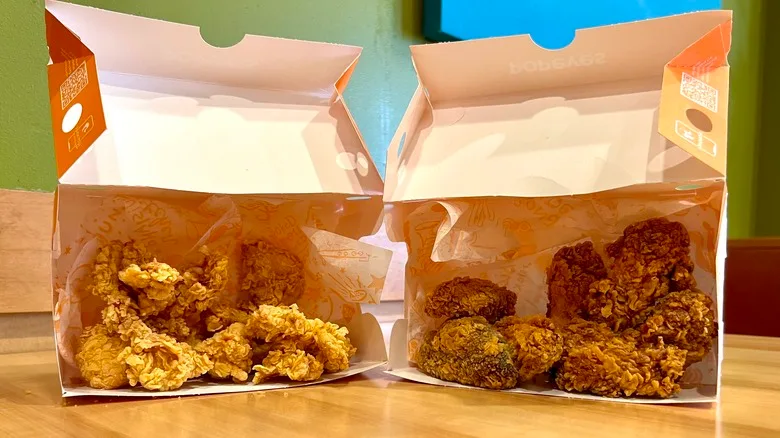
Image source: Bing (Web (fair-use with source credit))
Frozen Wings in Air Fryer — Can You Skip Thawing?
Yes, you can cook frozen wings directly in the air fryer without thawing. It's one of the biggest conveniences of this method. The trade-off is a longer cook time and slightly less crispiness compared to fresh or thawed wings.
Frozen wings release more moisture as they cook because the ice crystals on the surface need to evaporate before browning can start. This extra steam softens the skin during the first few minutes. To compensate, add 5 to 8 minutes to the total cook time and keep the temperature at 400°F.
Here's the approach that works best. Spread the frozen wings in a single layer. Cook at 400°F for 12 minutes.
Flip them, then cook another 12 to 15 minutes until the internal temperature hits 165°F. The total runs 24 to 27 minutes for medium frozen wings.
For better results, pat the wings dry with paper towels after the first flip. This removes the surface moisture that's melted off during the initial cook phase. Some cooks also give the wings a light spray of oil at this point to help the second side crisp up.
If you have the time, thawing in the fridge for 8 to 12 hours produces noticeably crispier skin. But for those nights when you forgot to plan ahead, straight from the freezer still delivers solid results.
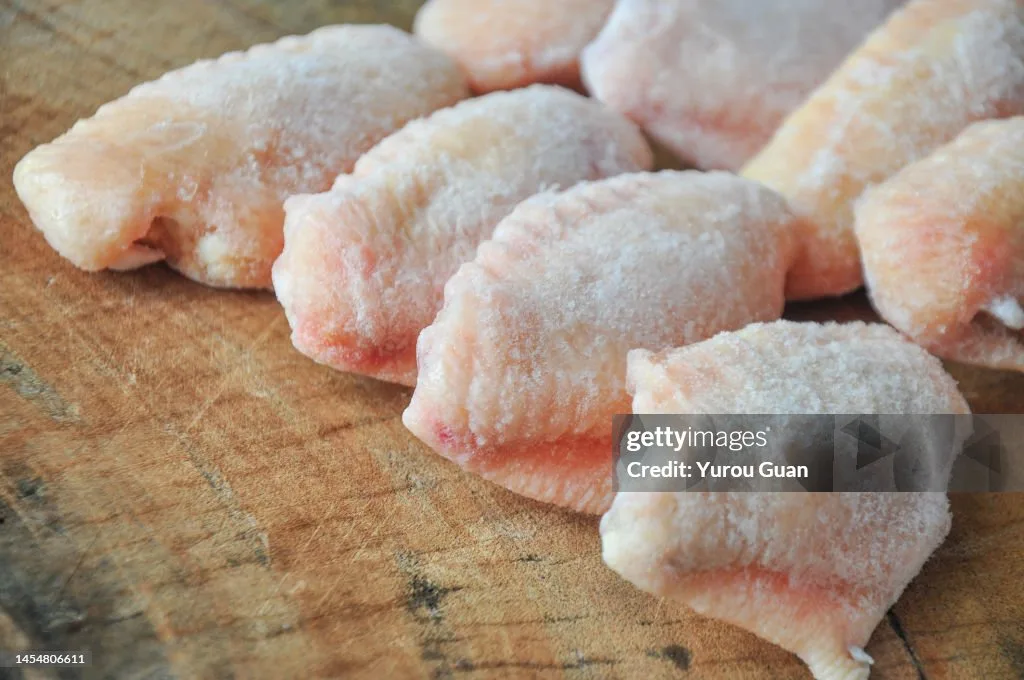
Image source: Bing (Web (fair-use with source credit))
Common Mistakes That Ruin Air Fryer Wings
Most air fryer wing failures come down to the same handful of errors. Knowing what to avoid saves you from batch after batch of disappointing results.
Skipping the dry step. Wet wings steam instead of crisp. Always pat them dry before seasoning. This is the number one reason people get rubbery skin.
Overcrowding the basket. It's tempting to cram everything in at once, but wings need space for air to circulate. Overlapping pieces cook unevenly and trap moisture. Work in batches if your fryer is small.
A dual basket model lets you cook two batches simultaneously, which helps when you're feeding a crowd.
Cooking at too low a temperature. Anything below 380°F won't generate enough surface heat for proper browning. The wings cook through, but the skin stays pale and soft. Stick with 400°F for the best texture.
Not flipping the wings. The heating element sits at the top of most air fryer baskets. Without flipping, the top side browns while the bottom stays undercooked. A simple halfway flip fixes this completely.
Adding sauce too early. Sugar-based sauces burn at high temperatures. Always toss wings in sauce after they come out of the fryer. If you want a glazed finish, brush sauce on during the last 2 minutes only.
Ignoring the thermometer. Guessing doneness leads to either dry, overcooked wings or undercooked centers. An instant-read thermometer takes the guesswork out. Insert it into the thickest part of the drumette and confirm 165°F before pulling them.
Air Fryer Wings vs. Deep Fried vs. Oven Baked
Each method produces a different result. Understanding the differences helps you pick the right approach for the situation.
Air Fryer
Air fryer wings cook in 18 to 26 minutes at 400°F. The circulating hot air creates a crispy exterior with minimal oil, typically one teaspoon or less per pound. The skin gets crunchy, though not quite as shatteringly crisp as deep frying.
The interior stays juicy because the high heat seals the surface quickly.
Cleanup is fast. Most baskets are dishwasher safe, and there's no oil to dispose of. For a deeper look at how popular models handle cleanup, our guide on whether the Instant Vortex is dishwasher safe covers what to expect.
Deep Fried
Deep frying produces the crispiest, most traditional wing texture. The oil temperature, usually 375°F, surrounds the wing evenly and creates rapid moisture evaporation on the surface. Cook time is short, about 10 to 12 minutes.
The downsides are significant. You need several cups of oil, which is expensive and messy to handle. The kitchen fills with grease odor.
Cleanup takes time, and there's a real burn risk from handling hot oil. Deep frying also adds considerably more fat to the final product.
Oven Baked
Oven baking is the most hands-off method but the slowest. Wings need 40 to 45 minutes at 425°F on a wire rack set over a sheet pan. The results are decent but rarely as crispy as air frying or deep frying, even with a wire rack.
Oven baking works well for large batches since you can spread wings across multiple sheet pans. But the longer cook time dries out the meat more than the other two methods.
Side-by-Side Comparison
| Factor | Air Fryer | Deep Fried | Oven Baked |
|---|---|---|---|
| Cook Time | 18 to 26 min | 10 to 12 min | 40 to 45 min |
| Oil Needed | 1 tsp or less | Several cups | 1 to 2 tbsp |
| Crispiness | High | Highest | Moderate |
| Cleanup | Easy | Difficult | Moderate |
| Best For | Weeknight dinners | Special occasions | Large batches |
Air fryer wings hit the sweet spot for most people. They're fast, relatively healthy, and produce results close enough to deep frying that the trade-off is worth it for everyday cooking.
Best Air Fryer Models for Cooking Wings
Not all air fryers handle wings equally. Basket size, wattage, and airflow design all affect how well your wings turn out. Here's what to look for when choosing a model specifically for cooking chicken wings.
Capacity matters most. Wings need space. A 3-quart basket fits about a pound of wings in a single layer, which works for one or two people. For families or game day, look at 5.8-quart or larger models.
A 9-quart air fryer for big families can handle 2 to 3 pounds of wings at once without crowding.
Wattage affects cook time. Most air fryers run between 1,200 and 1,800 watts. Higher wattage means faster preheating and slightly shorter cook times. The difference is a few minutes, but it adds up when you're cooking multiple batches.
Basket style vs. oven style. Basket-style fryers (Ninja, Cosori, Instant Vortex) have a pull-out drawer with a perforated basket. They're compact and heat quickly. Oven-style fryers (Cuisinair, Breville) look like small toaster ovens with a door that opens outward.
They often have multiple rack positions, which is useful for cooking wings on two levels, though you still need to rotate them for even browning.
Smart controls help with consistency. Models with preset programs for chicken or wings take some of the guesswork out. A smart control air fryer lets you set exact temperatures and times, and some even adjust automatically based on the food load.
Easy cleaning is non-negotiable. Wings leave grease residue in the basket and drip tray. Models with dishwasher-safe parts save real time. Non-stick coatings help, but they wear down over time.
Check whether replacement baskets are available before buying.
For most people, a 5.8 to 8-quart basket-style air fryer hits the right balance of capacity, speed, and counter space. If you regularly cook for four or more, step up to a 9-quart or dual-basket model.
How to Tell When Wings Are Done — Temperature and Timing
Cook time alone isn't reliable enough. Wing size, air fryer wattage, and whether the wings started fresh or frozen all affect how long they need. The only way to confirm doneness is with an instant-read thermometer.
Target temperature: 165°F (74°C). This is the USDA's recommended safe minimum for poultry. Insert the thermometer probe into the thickest part of the drumette, angling it away from the bone. Bone conducts heat differently and can give a false reading if the probe touches it.
Visual cues help but aren't enough. Fully cooked wings have golden-brown, crispy skin and the juices run clear when pierced. The meat pulls back slightly from the bone at the tip. These are good signs, but they don't guarantee the interior has reached a safe temperature.
Timing guidelines by wing size:
- Small wings (2 to 3 oz each): 16 to 20 minutes at 400°F
- Medium wings (3 to 4 oz each): 20 to 24 minutes at 400°F
- Large wings (4 to 5 oz each): 24 to 28 minutes at 400°F
- Frozen wings (any size): add 5 to 8 minutes to the above ranges
Always flip at the halfway mark. Check the temperature during the last 3 to 4 minutes of cooking. If the wings are close but not quite there, cook in 2-minute increments rather than guessing.
Resting matters. Let the wings sit for 2 to 3 minutes after cooking. The internal temperature carries over by a few degrees, and the juices redistribute throughout the meat. Cutting or saucing immediately releases moisture and makes the wings taste drier than they are.
If you don't own a thermometer, this is the one kitchen tool that pays for itself quickly. A basic instant-read model costs under $15 and removes all the uncertainty from cooking chicken, pork, and beef.
Game Day and Meal Prep — Best Use Cases
Wings are the unofficial food of game day, and the air fryer makes hosting easier. You can cook batch after batch without tying up the oven or dealing with gallons of oil. A 5.8-quart fryer handles about a pound per batch, so you can cycle through 3 to 4 pounds in under two hours while keeping earlier batches warm in a 200°F oven.
For meal prep, air fryer wings hold up well for 3 to 4 days stored in the fridge. Reheat them in the air fryer at 375°F for 4 to 5 minutes to bring the skin back to life. The microwave works in a pinch but softens the texture noticeably.
If you're prepping for a party, season the wings the night before and store them uncovered in the fridge. The dry-brine effect seasons the meat deeper and dries the skin further, which means better browning when you cook.
Safety Tips for Cooking Chicken in an Air Fryer
Raw chicken requires careful handling. Always wash your hands with soap and warm water for at least 20 seconds after touching raw wings. Use separate cutting boards and utensils for raw poultry and everything else.
Never rinse raw wings under running water. This splashes bacteria onto surrounding surfaces. Pat them dry with paper towels instead and discard the towels immediately.
Clean the air fryer basket and drip tray after every use. Grease buildup is a fire hazard, especially at the 400°F temperatures used for wings. Most baskets are dishwasher safe, which makes this step quick.
The USDA Food Safety and Inspection Service confirms that poultry must reach 165°F internally to be safe. Color alone is not a reliable indicator. Always verify with a thermometer.
Expert Tips for Perfect Wings Every Time
A few small techniques separate good wings from great ones. These are the details that experienced air fryer cooks rely on.
Brine for juiciness. Soak wings in a saltwater brine (1/4 cup salt per quart of water) for 2 to 4 hours before cooking. The salt penetrates the muscle fibers and helps the meat retain moisture during the high-heat cook.
Use a wire rack insert. If your air fryer came with a secondary rack or you can buy one that fits, cooking wings on a raised rack improves airflow underneath. This reduces the need for flipping and produces more even browning.
Toss in cornstarch. For boneless wings especially, a light dusting of cornstarch mixed into the seasoning creates an extra-crispy coating. Use about one tablespoon per pound of wings.
Rest before saucing. Let cooked wings sit for 2 to 3 minutes before tossing in sauce. This brief rest lets the skin firm up slightly, which helps it hold the sauce without turning soggy.
Frequently Asked Questions
How long do wings take in the air fryer?
Bone-in wings take 18 to 26 minutes at 400°F, flipped halfway. Boneless wings take 12 to 16 minutes. Frozen wings need an additional 5 to 8 minutes.
Always verify with a thermometer that the internal temperature reaches 165°F.
Do you need to use oil for air fryer wings?
A light coating of oil, about one teaspoon per pound, helps the seasoning stick and promote browning. You don't need to deep fry or use heavy oil. A quick spray from an oil mister is enough.
Can you stack wings in an air fryer?
Stacking wings traps steam and prevents crispy skin. Always arrange them in a single layer with space between each piece. Cook in batches if your basket is small.
What temperature should air fryer wings be?
Set the air fryer to 400°F (200°C) for the best balance of crispy skin and juicy meat. Lower temperatures cook the wings through but don't brown the surface properly.
How do you keep air fryer wings crispy?
Pat wings dry before cooking, use baking powder in your rub, don't overcrowd the basket, and add sauce only after cooking. Reheat leftovers in the air fryer at 375°F for 4 to 5 minutes instead of using the microwave.
Are air fryer wings healthier than deep fried?
Air fryer wings use roughly 70 to 80 percent less oil than deep frying. Research published in the Journal of Food Science found that air frying reduced fat content in chicken by up to 75 percent compared to conventional deep frying, while maintaining similar texture and flavor profiles.