
Here's the opening and first five H2 sections of the article:
If you've landed on this page, you're probably looking for walleye recipes air fryer style, and you want to know if it actually works or if you'll end up with dry, flavorless fish. The short answer: air frying walleye is one of the best ways to cook it. You get a crispy, golden exterior with tender, flaky flesh inside, and you do it in about 12 minutes with a fraction of the oil a deep fryer demands.
Walleye (Sander vitreus) is a lean freshwater fish with mild, sweet flesh that responds beautifully to the circulating hot air an air fryer produces. Per FDA Food Code guidelines, fish is safe to eat at an internal temperature of 145°F (63°C), and an air fryer hits that target fast without the guesswork of pan frying. Whether you pulled a fillet from the freezer this morning or brought one home from a weekend trip to the lake, here's exactly how to nail it.
Quick Answer
Air fryer walleye cooks in 8 to 14 minutes at 375°F to 400°F depending on fillet thickness. Pat fillets dry, apply a light coating of oil and your choice of breading, and arrange them in a single layer without overlapping. Flip halfway through.
The fish is done when the internal temperature reaches 145°F and the flesh flakes easily with a fork.
Why Air Fryer Walleye Is Worth Your Time
Air frying walleye solves the biggest problem most home cooks have with fish: the gap between "raw" and "ruined" is about 90 seconds. Walleye is lean, which means it dries out fast in a skillet or oven. An air fryer's circulating hot air cooks the exterior and interior more evenly, giving you a window of a few minutes instead of a few seconds.
The oil savings are real, too. A traditional fish fry uses a quart or more of oil at 350°F to 375°F. An air fryer needs about one to two seconds of spray oil per side.
That drops a breaded walleye fillet from roughly 450 to 550 calories (deep fried) down to about 250 to 300 calories. If you're cooking for yourself or a small household, you also avoid the hassle of heating a large pot of oil for just two fillets.
Cleanup is another win. There's no oil splatter on the stovetop, no smoky kitchen, and most air fryer baskets go straight into the dishwasher. If you've ever debated whether frying fish at home was worth the mess, the air fryer tips the answer firmly to yes.
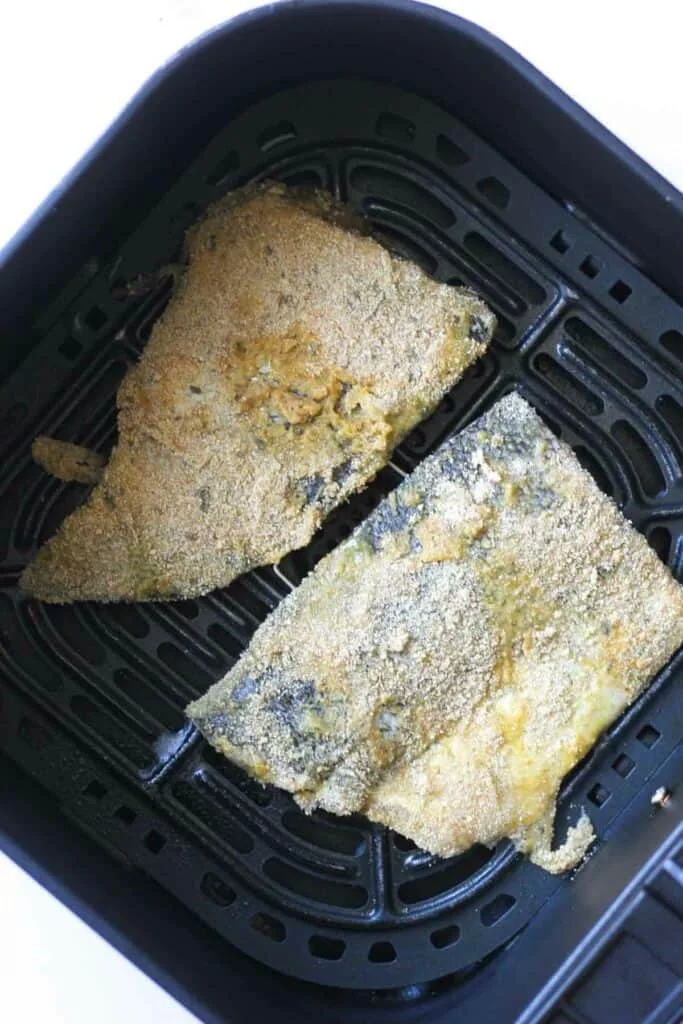
Image source: Bing (Web (fair-use with source credit))
What Walleye Fillets Work Best in an Air Fryer
Not every fillet behaves the same in an air fryer. The ones that work best share a few traits.
Thickness matters most. Fillets that are ¾ inch to 1 inch thick give you the best results. Thin fillets (under ½ inch) cook in under 8 minutes and go from perfect to overcooked fast. Thick fillets (over 1¼ inches) can brown on the outside before the center hits 145°F.
If your fillet is uneven, tuck the thin end under itself or trim it so the thickness is consistent.
Skin-on holds up better. The skin acts as a natural barrier that protects the flesh from direct airflow and helps breading stay attached. Skinless fillets work fine, but you need to be more generous with oil spray and gentler when flipping.
Fresh is ideal, frozen works with adjustments. Fresh walleye fillets have better texture and moisture. If you're starting from frozen, thaw them in the refrigerator overnight or submerge the sealed fillet in cold water for 30 to 60 minutes. Pat them very dry with paper towels before coating.
Excess moisture is the number one reason breading turns soggy in an air fryer.
Portion size should match your basket. Most standard air fryers (3 to 5 quarts) handle two to three fillets at a time without crowding. If you're cooking for a family, a larger model like a 9 qt air fryer for large batches lets you fit four to six fillets in a single layer. Overcrowding blocks airflow and gives you steamed fish instead of crispy fish.
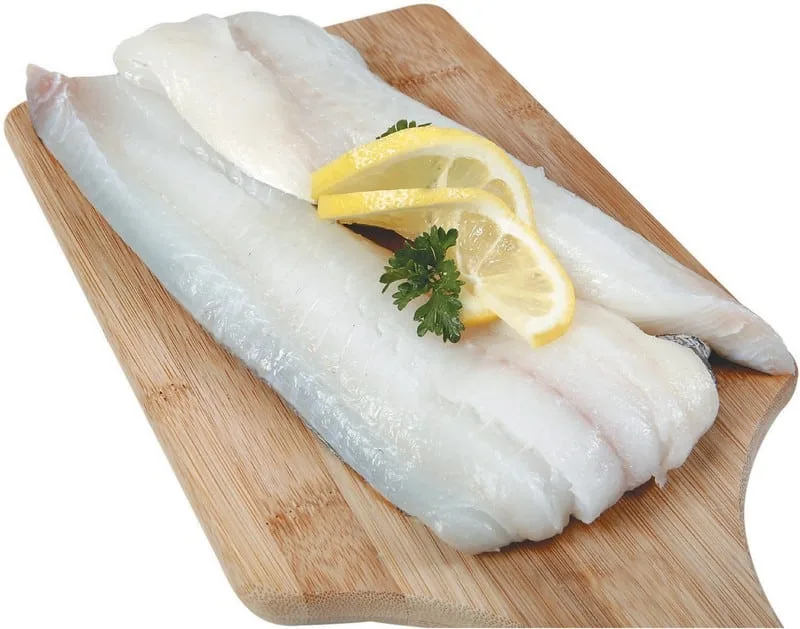
Image source: Bing (Web (fair-use with source credit))
How to Prep Walleye for the Air Fryer (Step by Step)
Proper prep is the difference between a fillet that comes out golden and one where the breading slides off in a single sheet. Here's the process that works every time.
Step 1: Thaw and Dry
If your fillets are frozen, thaw them completely. Place them on a plate lined with paper towels, then press another layer of towels on top. Apply gentle pressure for 10 to 15 seconds.
The surface should feel matte and dry, not slick. This single step prevents more air fryer failures than any other.
Step 2: Season the Fish
Keep it simple. A light sprinkle of kosher salt, black pepper, and garlic powder on both sides is enough. If you're using a seasoned breading, go lighter on the fish itself since the coating will carry most of the flavor.
Let the seasoned fillets sit for 2 to 3 minutes while you set up the dredge station.
Step 3: Set Up a Three-Stage Dredge
Arrange three shallow dishes in a row:
- Flour (all-purpose or seasoned flour)
- Egg wash (one beaten egg plus one tablespoon of water or milk)
- Breading (panko, cornmeal, or your chosen coating)
The flour gives the egg something to grip. The egg gives the breading something to grip. Skip the flour step and your breading will peel off in the air fryer's airflow.
Step 4: Coat Each Fillet
Dredge the fillet in flour first, shaking off the excess. Dip it into the egg wash, letting the extra drip off. Press it firmly into the breading on both sides.
Use your hands to pat the coating onto the fish. Place the breaded fillet on a plate or wire rack and repeat with the remaining fillets.
Step 5: Spray with Oil
This is the step most people skip, and it's the step that makes or breaks the crust. Hold an oil sprayer 6 inches from the fillet and apply a light, even mist to both sides. You're not trying to soak the coating.
You're trying to give the hot air something to work with. Avocado oil and canola oil spray both work well because of their high smoke points.
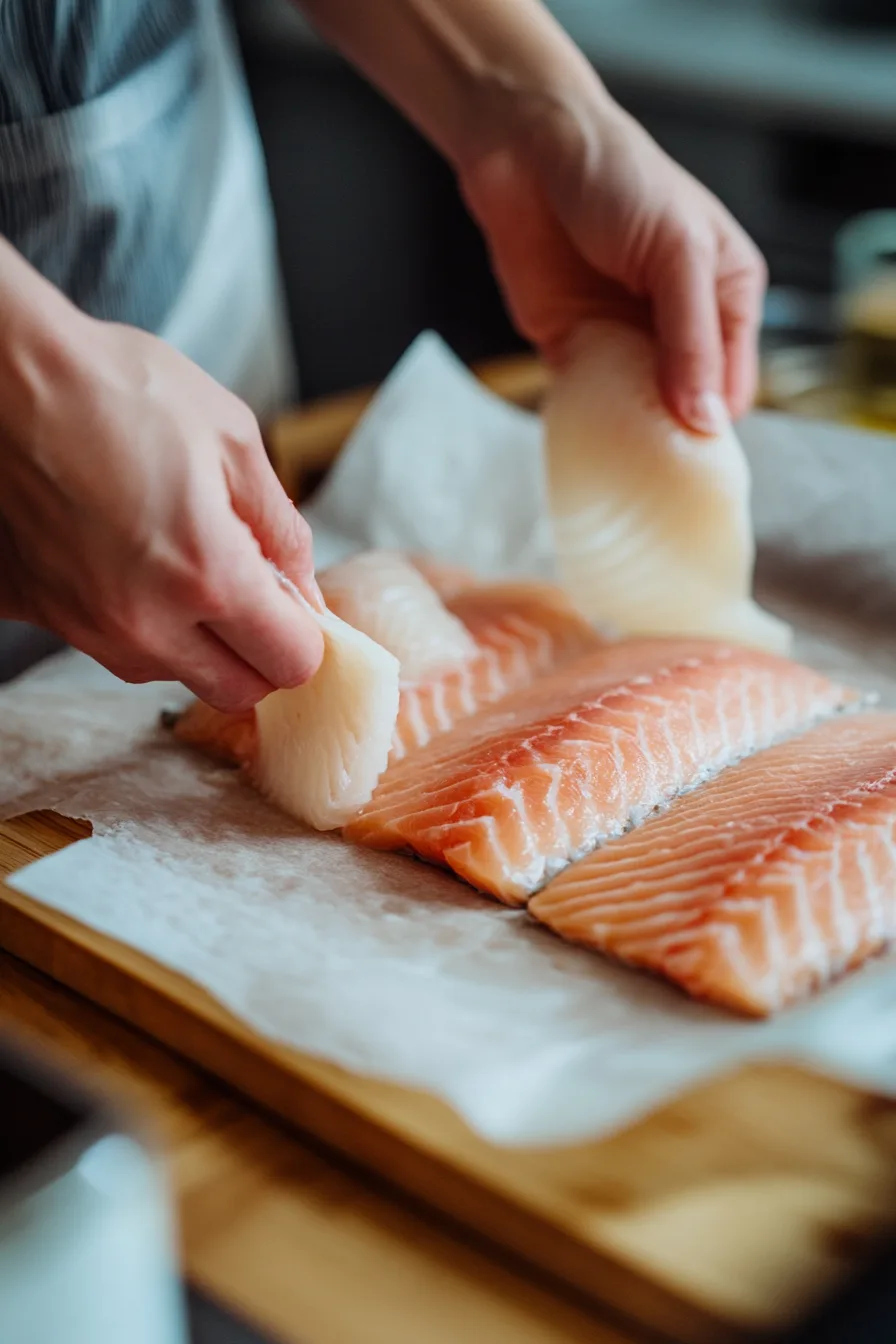
Image source: Bing (Web (fair-use with source credit))
The Best Breading and Coating Options for Crispy Results
The coating you choose changes the texture, flavor, and calorie count of the finished fillet. Here are the options that actually work in an air fryer.
Panko Breadcrumbs
Panko is the default choice for a reason. The flakes are larger and more irregular than standard breadcrumbs, which creates more surface area and a crunchier texture. In an air fryer, panko browns evenly and stays crisp for 10 to 15 minutes after cooking.
One cup of panko breads about four to six fillets depending on size.
Cornmeal
If you want a Southern fish fry vibe, cornmeal is the move. Use fine or medium grind. Coarse cornmeal can feel gritty.
Mix it with a little flour (about 3 parts cornmeal to 1 part flour) for better adhesion. Cornmeal gives a slightly nuttier flavor and a denser, more substantial crust.
Seasoned Flour Dredge (No Breadcrumbs)
For a thinner, lighter coating, skip the breadcrumbs entirely. Use seasoned flour as your final layer instead of just the first step. A mix of flour, paprika, garlic powder, onion powder, and cayenne gives you a crispy shell that's more like a diner-style fish fry.
This is also the lowest-carb option.
Almond Flour (Low-Carb / Keto)
Almond flour works as a one-to-one substitute for breadcrumbs if you're avoiding carbs. It browns faster than panko, so drop the temperature by 25°F (to 375°F) and check for doneness a minute or two early. The flavor is slightly sweeter and nuttier, which pairs well with walleye's mild taste.
Beer Batter (Adapted)
Traditional beer batter doesn't work in a standard air fryer because the batter drips through the basket. But you can get close by making a thick batter (beer plus flour, thick enough to coat the back of a spoon), dredging the fillet in it, then pressing panko into the wet surface. It's an extra step, but the result is a puffy, crispy coating that's closer to a pub-style fish fry.
| Coating Type | Texture | Best For | Cook Temp |
|---|---|---|---|
| Panko breadcrumbs | Light, crispy, golden | All-purpose, crowd-pleaser | 400°F |
| Cornmeal blend | Dense, crunchy, nutty | Southern-style fish fry | 400°F |
| Seasoned flour | Thin, diner-style | Low-carb, quick prep | 375°F to 400°F |
| Almond flour | Slightly sweet, crisp | Keto / low-carb diets | 375°F |
| Beer batter + panko | Puffy, pub-style | Special occasion, thicker crust | 375°F |
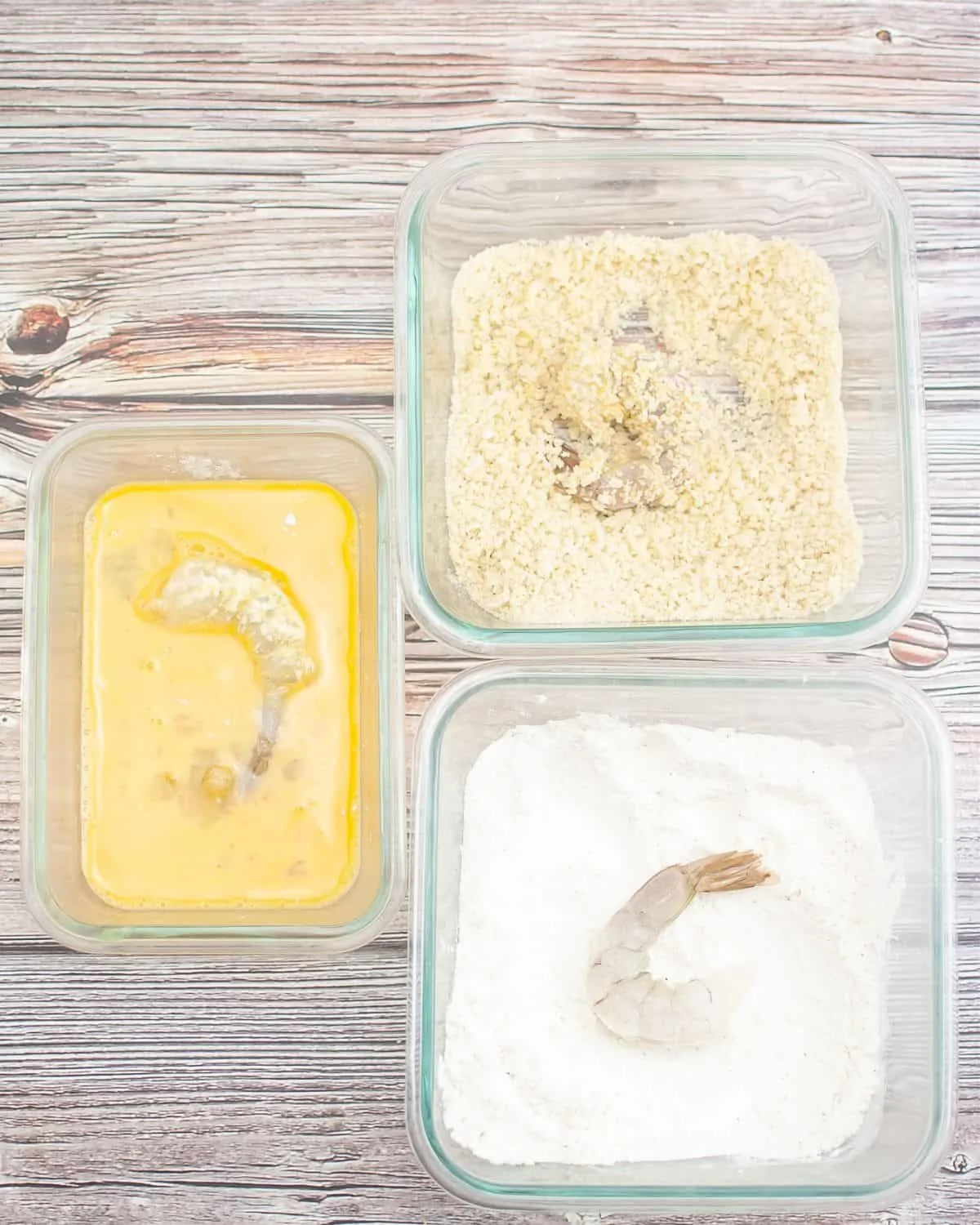
Image source: Bing (Web (Web (fair-use with source credit))
Air Fryer Settings: Temperature, Timing, and Thickness Guide
Here's where most generic recipes fail. They give you one time and one temperature and call it done. But a ½-inch fillet and a 1-inch fillet are two completely different cooks.
Use this guide as your baseline, then adjust based on your specific air fryer.
Temperature
Set your air fryer to 375°F for delicate coatings (almond flour, thin flour dredges) or 400°F for sturdy coatings (panko, cornmeal). Preheat for 2 to 3 minutes before loading the basket. Preheating matters because it means the coating starts crisping on contact instead of steaming.
Timing by Thickness
| Fillet Thickness | Temperature | Cook Time | Flip At |
|---|---|---|---|
| ½ inch | 400°F | 7 to 9 minutes | 4 minutes |
| ¾ inch | 400°F | 10 to 12 minutes | 5 minutes |
| 1 inch | 375°F to 400°F | 12 to 14 minutes | 6 minutes |
| 1¼ inches | 375°F | 14 to 16 minutes | 7 minutes |
These times assume fresh or properly thawed fillets. Add 2 to 3 minutes if the fillet is cold from the fridge.
Model Differences
Basket-style air fryers (like the Instant Vortex) tend to cook slightly faster than oven-style models because the fan is closer to the food. If you're using an oven-style air fryer with a tray instead of a basket, add 1 to 2 minutes to the times above. Convection intensity varies by wattage, too.
A 1,700W unit will cook faster than a 1,400W unit at the same temperature setting.
The Halfway Flip
Flip the fillets at the halfway point using tongs. A spatula can scrape off the coating. After flipping, give the fillets another light spray of oil on the newly exposed side.
This is what gives you even browning on both sides instead of a golden top and a pale bottom.
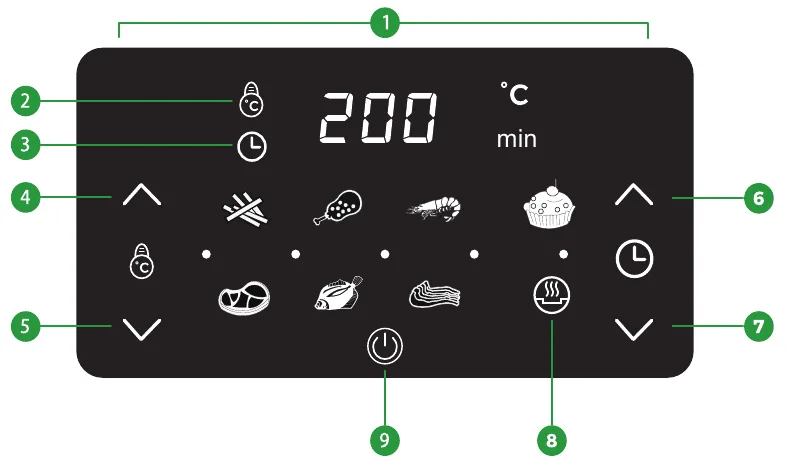
Image source: Bing (Web (fair-use with source credit))
How to Tell When Walleye Is Done Without Overcooking It
Overcooked walleye goes from tender and flaky to dry and mealy in about two minutes. The window is narrow, so you need reliable ways to check doneness before you pull the basket.
Use a Thermometer
The most accurate method is an instant-read thermometer inserted into the thickest part of the fillet. Per FDA Food Code, fish reaches a safe minimum internal temperature at 145°F (63°C). Pull the fillets at 140°F to 142°F.
Residual heat will carry them the rest of the way while they rest for one to two minutes on a clean plate.
If you don't have a thermometer, look for three visual cues. The flesh should turn from translucent to opaque white. The coating should be golden brown, not pale or dark brown.
And when you press the fillet gently with a fork, it should flake apart in clean layers. If it's still translucent in the center or resists flaking, give it another minute.
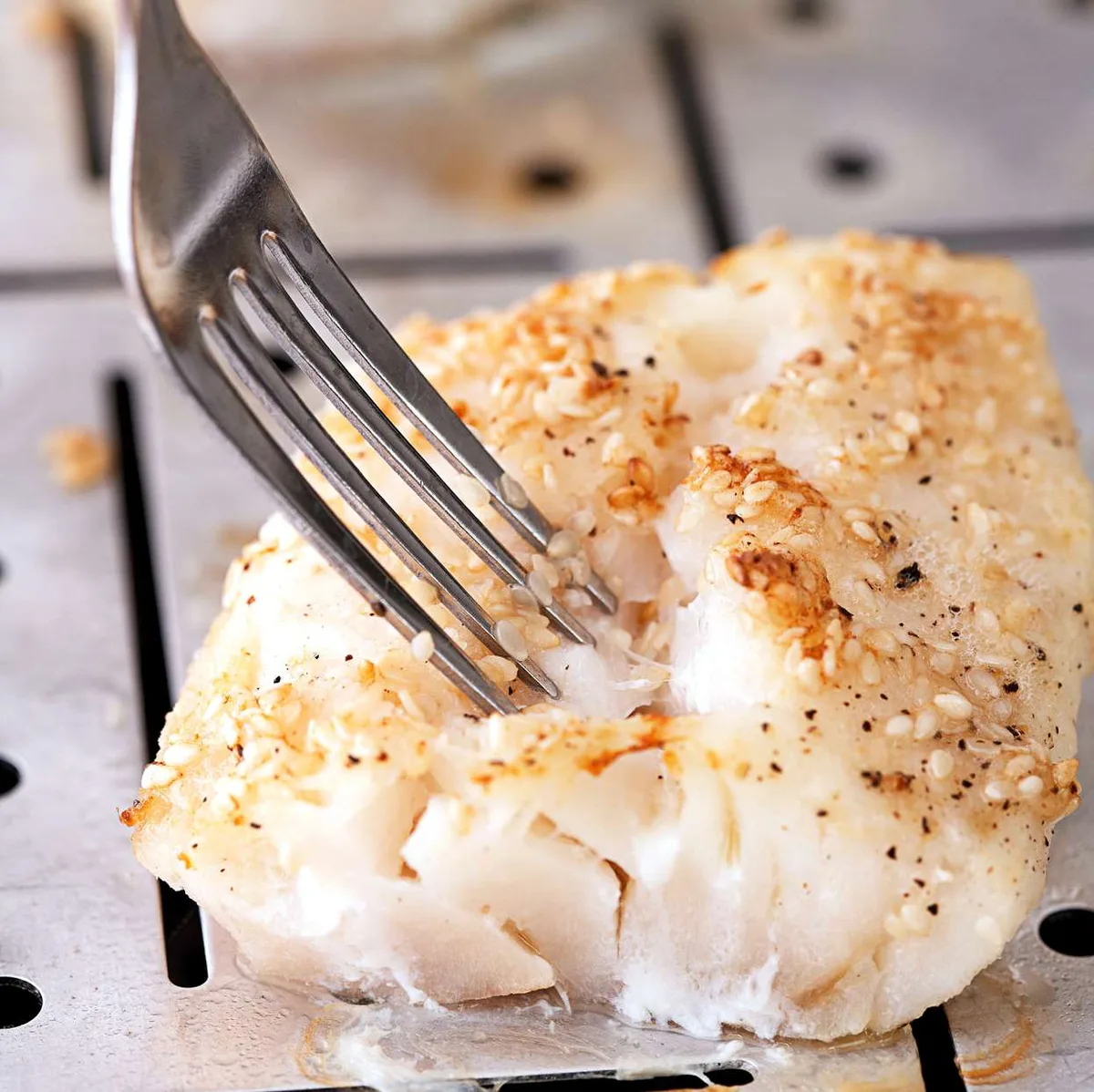
Image source: Bing (Web (fair-use with source credit))
The Common Mistake: Trusting Time Over Cues
Every air fryer runs slightly different. Wattage, basket style, altitude, and even how cold the fillet was when it went in all affect actual cook time. The times in the earlier guide are starting points.
Always check the fillet one to two minutes before the suggested time ends. You can always add a minute. You can't uncook a fillet.
Common Mistakes That Ruin Air Fryer Walleye
Most air fryer walleye failures come down to the same handful of errors. Here's what to watch for.
Skipping the drying step. Wet fillets steam instead of crisp. The breading slides off, and you end up with a soggy mess stuck to the basket. Always pat dry thoroughly.
Overcrowding the basket. Stacking or overlapping fillets blocks airflow. The bottom fillet steams underneath while the top one browns. Cook in batches if you need to.
A single layer with space between each fillet is non-negotiable even when using a larger air fryer with good capacity, and if you're upgrading your setup, models like the best 8 qt air fryer with dual basket let you cook two separate batches simultaneously.
Not using oil spray. The air fryer's convection heat needs a thin film of oil to create browning. Without it, the coating dries out and turns chalky. A quick two-second mist on each side makes all the wrong.
Setting the temperature too high. Cranking to 420°F or above browns the outside before the inside cooks. Stick to the 375°F to 400°F range. If you want more color, bump to 400°F for the last two minutes instead of starting there.
Peeling the fillet out with a spatula. A thin metal spatula can shear the coating right off the fish. Use silicone-tipped tongs and lift from the side. If the coating sticks to the basket, the basket either wasn't sprayed or the fillet went in before the preheat finished.
Air Fryer Walleye vs. Deep Fried, Pan Seared, and Baked
Each method has tradeoffs. Here's how air frying stacks up against the alternatives.
Deep frying gives you the crispiest, most uniform coating and that classic fish fry flavor. But it uses a quart of oil, takes 15 to 20 minutes to heat up, and leaves you with oil disposal and stovetop cleanup. Pan searing gives great crust on the bottom but uneven cooking on top, and the oil splatter is no joke.
Baking is the healthiest on paper, but the coating never gets truly crisp. It's more "toasted breadcrumbs" than "crunchy crust."
Air frying splits the difference. The coating gets genuinely crispy on all sides thanks to the circulating hot air. Cook time is 10 to 14 minutes with no preheat for oil.
And cleanup is a basket in the dishwasher. The texture isn't identical to a deep fryer. The crust is lighter and slightly less greasy.
But for a weeknight dinner, it's close enough that most people won't miss the difference.
| Method | Cook Time | Oil Used | Crust Quality | Cleanup |
|---|---|---|---|---|
| Air fryer | 10 to 14 min | 1 to 2 tsp spray | Crispy, light | Easy (basket) |
| Deep fryer | 4 to 6 min | 1+ quart | Very crispy, uniform | Difficult |
| Pan sear | 6 to 8 min | 2 to 3 tbsp | Crispy bottom only | Moderate |
| Oven bake | 18 to 25 min | 1 to 2 tbsp | Soft, not crunchy | Easy (sheet pan) |
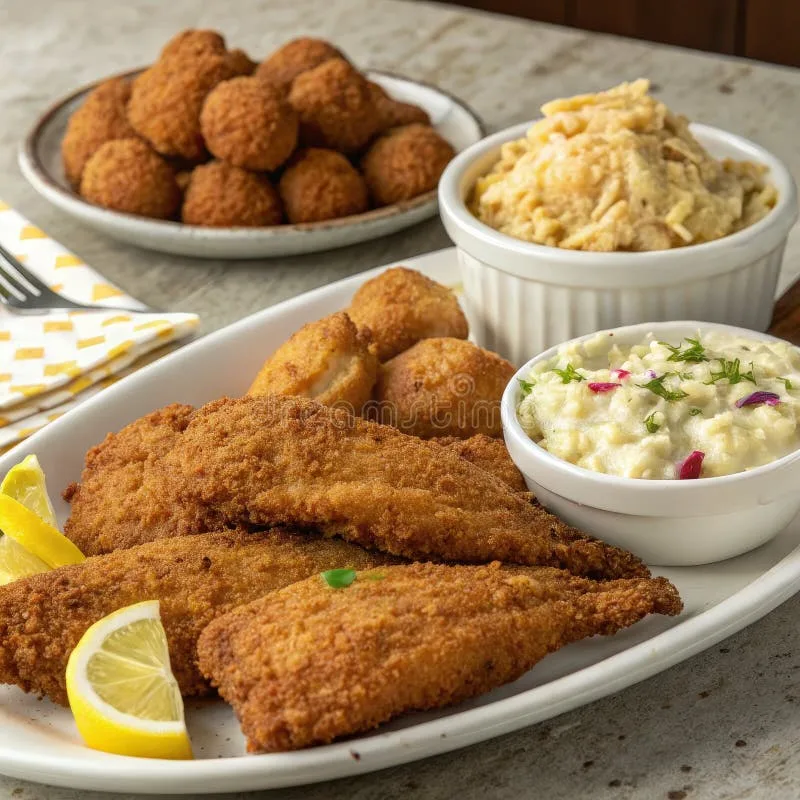
Image source: Bing (Web (fair-use with source credit))
Simple Seasoning Ideas and Flavor Combinations
Walleye's mild flavor is a blank canvas. These combinations work well with the air fryer's dry heat.
Classic lemon pepper. Lemon pepper seasoning, a squeeze of fresh lemon after cooking, and a pinch of flaky salt. Simple and bright. This is the go-to for a reason.
Cajun blackened. Paprika, cayenne, garlic powder, onion powder, dried oregano, and black pepper. Rub it on the fillet before breading. The air fryer's heat blooms the spices and gives a smoky, spicy crust.
Garlic herb butter. Skip the breading entirely. Brush the fillet with melted butter, minced garlic, and chopped parsley. Air fry at 375°F for 8 to 10 minutes.
The butter browns into a nutty, savory coating. This works especially well with skin-on fillets.
Old Bay and cornmeal. Toss cornmeal with Old Bay seasoning (about one tablespoon per cup of cornmeal). Dredge the fillet in flour, egg, then the seasoned cornmeal. It's a Chesapeake-style approach that pairs perfectly with walleye's sweetness.
Dijon and panko. Spread a thin layer of Dijon mustard on the fillet before pressing it into panko. The mustard adds tang and helps the breading cling. It's a subtle flavor that most people can't quite place but everyone likes.
How to Cook Frozen Walleye in the Air Fryer
You can cook walleye straight from frozen, but it requires a few adjustments. The exterior will overcook before the center thaws if you don't account for the temperature difference.
Don't bread frozen fillets. The coating won't stick to a frozen surface. Instead, season the frozen fillet with salt, pepper, and oil spray. Air fry at 375°F for 6 minutes.
The outside will thaw and begin to cook. At that point, pull the basket, apply your breading or a quick flour-and-spice dredge, spray with oil, and return to the air fryer for another 6 to 8 minutes at 400°F.
Expect a slightly softer crust. Even with the two-stage method, breading on previously frozen fish never gets quite as crisp as on fresh. The extra moisture released during thawing softens the coating slightly. It's still good.
Just set expectations accordingly.
Thawing is always better. If you have time, thaw the fillet in the fridge overnight or in a cold water bath for 30 to 60 minutes. Pat dry and follow the standard process from the prep section above. The texture and crust quality are noticeably better.
If you cook frozen fish often, an air fryer with strong smart controls makes it easier to program multi-stage cooks. Models like the best 8 qt air fryer with smart controls let you set a lower temp phase followed by a higher temp phase without manually pulling the basket.
Serving Suggestions: What Goes Well with Air Fryer Walleye
Air fryer walleye is the star, but the right sides turn it into a full meal.
Classic fish fry sides. Coleslaw, tartar sauce, and lemon wedges are the traditional trio. A squeeze of fresh lemon right before serving brightens everything. Homemade tartar sauce (mayo, diced pickles, capers, lemon juice, and dill) takes two minutes and blows the store-bought stuff away.
Lighter options. A simple green salad with a vinaigrette or steamed green beans keeps the meal balanced. Walleye is already lean, so pairing it with something fresh instead of more fried food makes the whole plate feel less heavy.
Starches that work. French fries (air fried, obviously), hush puppies, or a baked potato all hold up well alongside the fish. If you're already running the air fryer, fries go in first at 400°F for 12 to 15 minutes, then the fish while the fries stay warm in a low oven.
Tips for Different Air Fryer Models and Basket Styles
Not all air fryers cook the same, and your model affects results more than most recipes admit.
Basket-style air fryers (Ninja, Instant Vortex, Cosori) have the fan above the food. Heat comes from the top, so the upper surface browns fastest. Flip at the halfway mark for even results.
These models typically run hotter than their oven-style counterparts, so start with the lower end of the time range.
Oven-style air fryers (Breville Smart Oven Air, Cuisinart) use a rear-mounted fan. Airflow wraps around the food more evenly, but the larger cavity means slightly longer cook times. Add 1 to 2 minutes compared to basket-style times.
Dual-basket models are great for cooking fish and sides simultaneously. If you're using a dual basket air fryer, put the fries in one basket and the fish in the other. Sync the finish times by starting the fries 5 minutes before the fish.
Non-stick matters. If your basket's coating is worn or scratched, fish will stick regardless of how much oil you use. A light coat of cooking spray before loading the fillets adds insurance. For oven-style trays, a sheet of parchment paper with holes punched through helps with both sticking and airflow.
Frequently Asked Questions About Air Fryer Walleye
Can I air fry walleye without breading?
Absolutely. Brush the fillet with melted butter or olive oil, season with salt, pepper, and your favorite herbs, and air fry at 375°F for 8 to 12 minutes depending on thickness. The result is more like a pan-seared fillet with a lightly browned exterior.
It's a great option if you're keeping carbs low.
Do I need to preheat the air fryer for walleyer?
Yes. A 2 to 3 minute preheat at your target temperature ensures the coating starts crisping immediately. Without preheat, the first few minutes are essentially steaming the fish, which leads to soggy breading.
How do I keep the breading from falling off?
Three things: pat the fish dry, use the full three-step dredge (flour, egg, breading), and spray with oil before it goes in the basket. The oil essentially glues the coating in place once it hits the hot air. Also, don't flip too early.
Let the first side set for at least 4 minutes before turning.
What's the best air fryer temperature for walleye?
375°F to 400°F is the sweet spot. Use 375°F for thicker fillets and delicate coatings. Use 400°F for thinner fillets and sturdy breadings like panko or cornmeal.
Going above 400°F risks burning the coating before the center reaches 145°F.
Can I reheat leftover air fryer walleye?
Yes, and the air fryer is actually the best way to do it. Reheat at 325°F for 3 to 4 minutes. The coating re-crisps nicely.
Avoid the microwave, which turns the breading rubbery. Leftover walleye keeps in the fridge for up to 2 days stored in a sealed container.
Is air fryer walleye healthy?
Compared to deep frying, yes. You're using roughly 90% less oil. A breaded air fryer walleye fillet runs about 250 to 300 calories versus 450 to 550 for the deep-fried version.
Walleye itself is high in protein (about 28 grams per 6-ounce fillet) and low in fat (about 2 grams raw). It's one of the healthier ways to enjoy a breaded fish dinner.