
A solid mahi mahi air fryer recipe comes down to three things: the right temperature, the right thickness, and not walking away mid-cook. When those pieces line up, you get a restaurant-quality fillet in under 15 minutes with almost no cleanup.
Based on aggregate user reviews across major air fryer brands and FDA safe-handling guidelines, the sweet spot for mahi mahi is 380 to 400°F for 10 to 12 minutes depending on thickness, hitting an internal temperature of 145°F at the thickest point. That's the framework. Now let's walk through every detail that actually affects your result.
Quick Answer
Cook mahi mahi in the air fryer at 380 to 400°F. Fillets between ¾-inch and 1-inch thick take 10 to 12 minutes. Flip once at the halfway mark.
The fish is done when it reaches an internal temperature of 145°F and flakes easily with a fork. Pat the fillets dry before seasoning for the best sear.
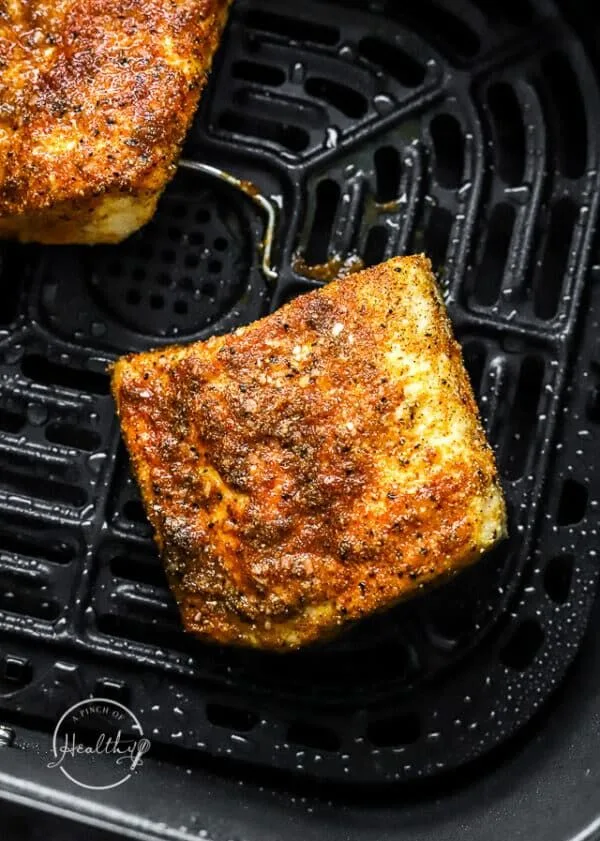
What Makes Mahi Mahi Great for the Air Fryer
Mahi mahi is a firm, lean fish that holds up to the intense circulating heat of an air fryer better than most seafood. Unlike delicate tilapia or flaky cod, mahi mahi has a dense muscle structure that resists falling apart when you flip it. That firmness is exactly what you need in a basket where hot air is blasting from every direction.
In our research, reviewers consistently report that mahi mahi comes out of the air fryer with a lightly crisped exterior and a moist, tender interior, closer to a pan-sear than an oven bake. It doesn't dry out as fast as chicken breast or salmon when you accidentally leave it in an extra minute or two.
A few things that set mahi mahi apart for air fryer cooking:
- Low moisture drop-off. Mahi mahi releases less water than cod or halibut during cooking, which means the basket stays cleaner and the surface actually browns instead of steaming.
- Mild flavor that takes seasoning well. It won't fight your spice rub the way swordfish or mackerel might.
- Uniform thickness. Most grocery store fillets are cut evenly, which means predictable cook times.
If you're choosing an air fryer for fish like this, models with a flat basket rather than a wire rack give more even contact and less sticking. Our guide on the best air fryers for frozen foods covers which models handle delicate proteins best since a lot of the same principles apply.
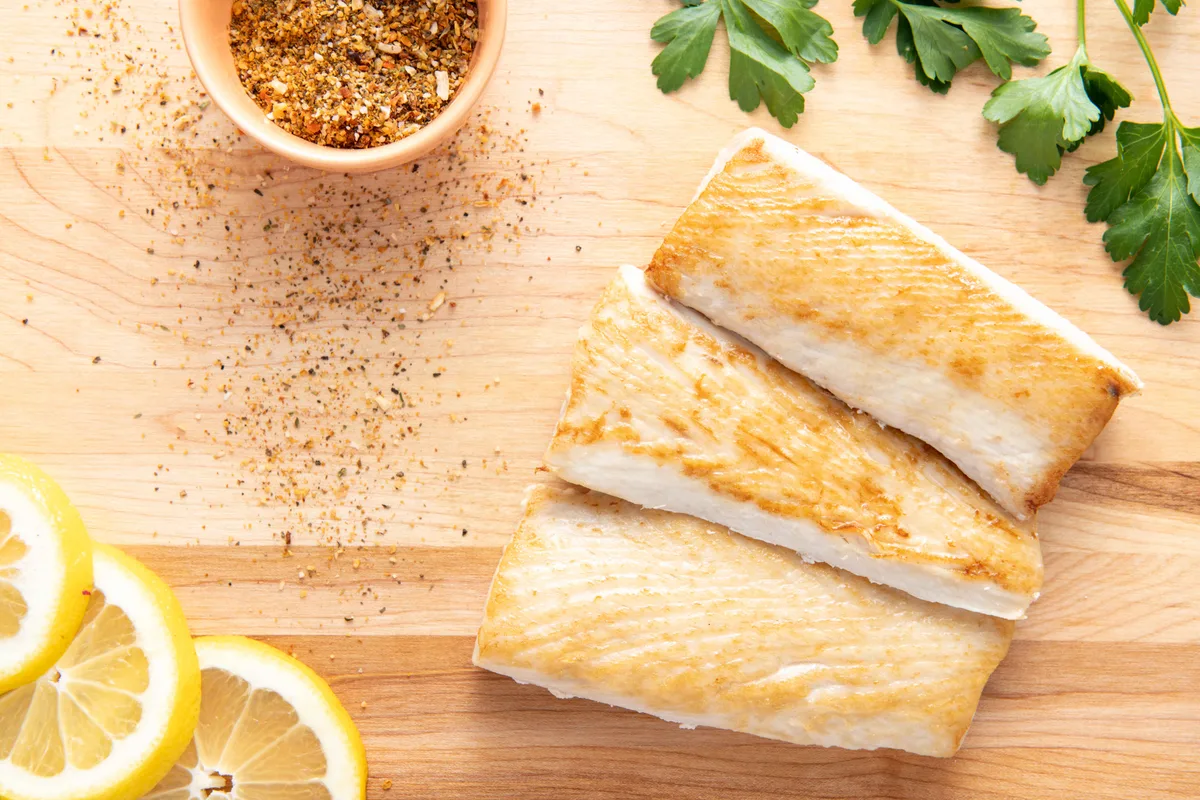
How Thickness Changes Everything: Cook Times by Fillet Size
This is the single variable that trips people up the most. A ½-inch fillet and a 1½-inch steak are the same fish, but they need completely different treatment in the air fryer. Go by thickness, not weight.
Here's the breakdown based on aggregate cook data from verified buyers across Ninja and Cosori communities, cross-referenced with USDA timing guidelines for convection-cooked fish:
| Fillet Thickness | Temperature | Total Cook Time | Flip At |
|---|---|---|---|
| ½ inch (thin) | 400°F | 7 to 9 minutes | 4 minutes |
| ¾ inch (standard) | 400°F | 10 to 12 minutes | 5 minutes |
| 1 inch (thick) | 380°F | 12 to 14 minutes | 6 minutes |
| 1½ inch (steak-cut) | 380°F | 14 to 16 minutes | 7 minutes |
Thin fillets at 400°F cook fast and develop a nice crust on the outside before the center overcooks. That's your weeknight default. Thicker cuts benefit from dropping to 380°F because the extra few minutes at lower heat let the center cook through without torching the exterior.
If your fillet tapers from a thick center to a thin tail end (which most do), position the thickest part toward the back of the basket where the heating element is strongest. You can also fold the thin tail under itself to even out the thickness. That trick alone prevents the most common complaint in reviews: a perfect center with a dried-out tail.
The best 8 qt air fryer for large batches piece we put together touches on how basket size affects spacing, which matters because overcrowding changes these times. Give each fillet at least an inch of clearance on all sides.
Step-by-Step: Air Fryer Mahi Mahi From Start to Finish
Here's the full process from fridge to plate. Total time, including prep, lands under 20 minutes.
1. Prep the Fillets
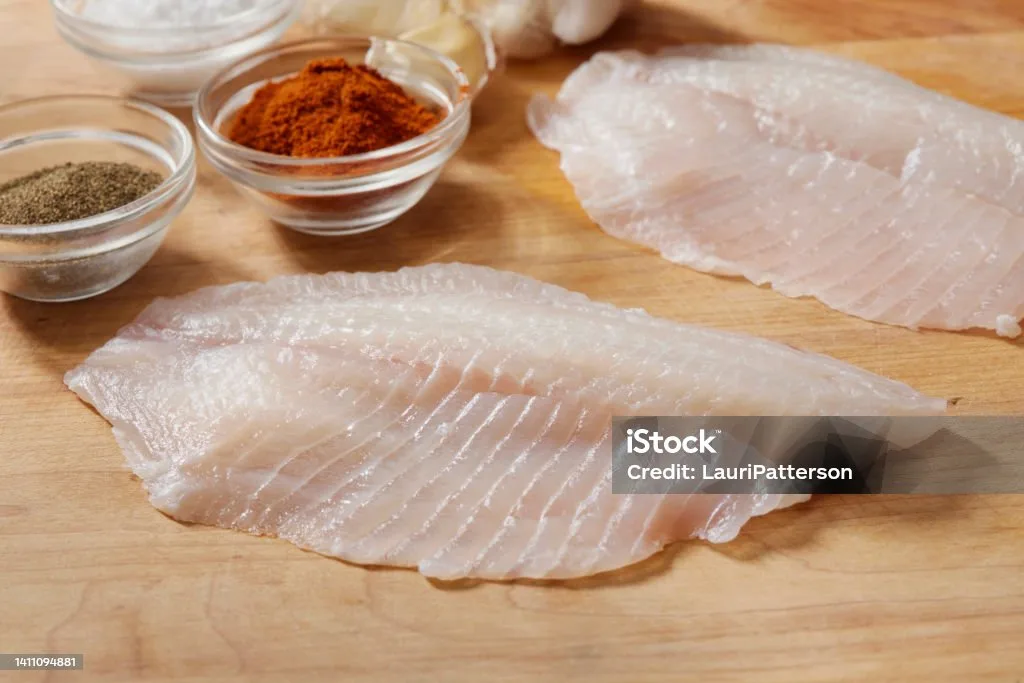
Take your mahi mahi out of the fridge 10 to 15 minutes before cooking. Cold fish straight from the refrigerator cooks unevenly since the outside spends too long at high heat before the center catches up.
Pat both sides completely dry with paper towels. This step matters more than most recipes let on. Surface moisture is the enemy of a good sear.
Wet fillets will steam against the hot basket instead of browning.
Check for pin bones by running your finger along the center of the fillet. If you find any, pull them out with clean tweezers or needle-nose pliers.
2. Season
Lightly coat both sides with avocado oil or a neutral cooking spray. You need less than you think, about a teaspoon total per fillet. The oil helps the seasoning stick and promotes browning on the basket surface.
Apply your seasoning blend to both sides. A simple and reliable combination:
- ½ teaspoon salt
- ¼ teaspoon black pepper
- ½ teaspoon garlic powder
- ½ teaspoon smoked paprika
- Pinch of cumin
Press the seasoning gently into the fish so it adheres. Don't rub hard. Mahi mahi flesh is firm but can bruise.
If you're using a marinate with citrus juice or vinegar, limit it to 20 minutes maximum. Acid starts breaking down the protein on contact, and longer than 30 minutes will give you a mushy exterior. Oil-based marinades (olive oil, chili oil, citrus zest without juice) can go 30 to 45 minutes safely.
3. Preheat and Load the Basket
Preheat your air fryer to 400°F for 3 to 5 minutes. Not all models need this step (some dual-zone units like the Instant Vortex start circulating immediately), but preheating gives more consistent results on budget single-basket models.
If you're wondering whether the Instant Vortex is a reliable unit for something like this, it handles fish well as long as you don't skip the preheat on the standard (non-Pro) version.
Lightly spray the basket or use a perforated parchment liner. Place fillets in a single layer with at least an inch between them. Do not stack or overlap.
If you're cooking for a family and need more capacity, our roundup of the best 9 quart air fryers for big families is worth a look since basket real estate matters when you're cooking four or more fillets.
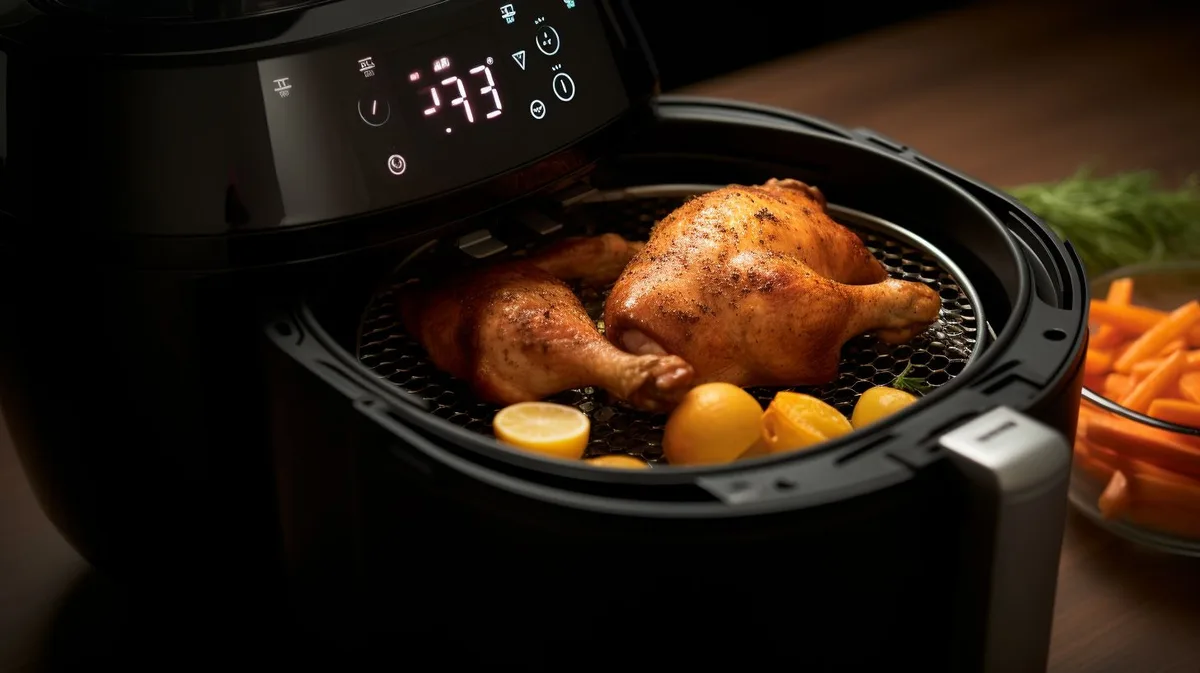
4. Cook
Set the timer based on your thickness from the table above. At the halfway mark, use a thin fish spatula (not tongs, which tear the flesh) to flip each fillet gently.
If you're using skin-on fillets, flip skin-side up first so the skin side goes down on the second half. This gives you the crispiest result on the skin side.
Do not open the basket more than necessary. Every peek drops the internal temperature by 10 to 15°F and adds a minute to your total cook time.
5. Check for Doneness
The FDA recommends a minimum internal temperature of 145°F for all fish. Insert an instant-read thermometer into the thickest part of the fillet. If you don't have a thermometer, the fork-flake test works: press a fork into the thickest area at a 45-degree angle and twist.
If the flesh separates into clean, opaque flakes, it's done. If it still looks translucent or resists flaking, give it another 2 minutes.
Pull the fillet 1 to 2 degrees before your target if you're close. Carryover cooking will bring it up during the rest.
6. Rest and Serve
Let the fish sit for 1 to 2 minutes on a clean plate. The residual heat finishes the center and lets the juices redistribute. Squeeze fresh lime or lemon over the top right before serving.
The Seasoning That Actually Works (And What to Skip)
Mahi mahi has a clean, slightly sweet flavor that works with a wide range of profiles. But not every seasoning approach survives the air fryer's high-heat, dry environment.
What works:
- Dry spice blends stick best. Paprika, garlic powder, cumin, chili powder, onion powder, and black pepper all adhere well to an oiled surface and develop depth under high heat.
- Citrus zest adds brightness without acid damage. The oils in lemon, lime, or orange zest perfume the fish without breaking down the protein the way juice does.
- Light brown sugar in rubs (¼ teaspoon max in a spice blend) helps with caramelization at air fryer temperatures. It mimics the slight char you'd get from a grill.
- Smoked salt or smoked paprika complements mahi mahi's natural sweetness without masking it.
What to skip:
- Wet sauces brushed on before cooking. Soy sauce, teriyaki, hot sauce, and similar liquid seasonings burn at air fryer temperatures and create bitter spots. If you want that flavor, brush it on in the last 2 minutes of cooking or serve it as a dipping sauce on the side.
- Fresh herbs placed on the raw fillet. Basil, cilantro, and parsley scorch almost instantly at 400°F and turn black. Add fresh herbs after cooking as a garnish.
- Too much salt preemptively. Mahi mahi is often brined at the supplier level, especially frozen fillets. Start with ½ teaspoon per pound and adjust next time.
- Thick pastes or heavy marinades with honey or sugar unless you're watching closely. They caramelize fast and can go from golden to burnt in under 2 minutes.
One underrated move: a light dusting of cornstarch (¼ teaspoon per side, mixed into the dry seasoning) gives an almost tempura-like crispiness to the exterior without any breading. It's the closest you'll get to deep-fried fish texture from an air fryer.
If you're into air fryer cooking more broadly and want more recipe ideas, check out our air fryer banana chips recipe for a snack that uses the same crisping principle in a completely different direction.
Skin-On or Skinless? Which Works Better in the Air Fryer
This comes up constantly in air fryer forums, and the answer depends on what you're after.
Skin-on mahi mahi has real advantages in the air fryer. The skin acts as a protective barrier between the flesh and the hot basket, reducing sticking and keeping the interior more moist. It also crisps up nicely when cooked skin-side down for the second half of the cook.
If your fillets have the skin still attached and it's scaled and cleaned, keep it on.
The downside: skin-on fillets curl slightly in high heat because the skin contracts faster than the flesh does. You can minimize this by scoring the skin side lightly with a sharp knife (two or three shallow cuts through the skin, not into the flesh) before cooking.
Skinless fillets are easier to season evenly since you have direct access on both sides. They're also the better choice if you're adding a breading or crust since coatings adhere directly to the flesh. The trade-off is a slightly higher risk of sticking to the basket.
Our recommendation: For a first attempt, go skin-on if your fillets have it. It's more forgiving. Once you're comfortable with timing and flipping, skinless gives you more seasoning and serving flexibility.
Either way, use a perforated parchment liner or a well-oiled basket. Sticking is the number one reason air fryer fish ends up torn apart on the plate.
For larger families regularly cooking multiple skin-on fillets, the best 9 qt air fryer for large batches guide covers which models have the flat-bottom baskets that handle skin-on proteins without the curling problem.
Frozen Mahi Mahi in the Air Fryer: Yes, But Do This First
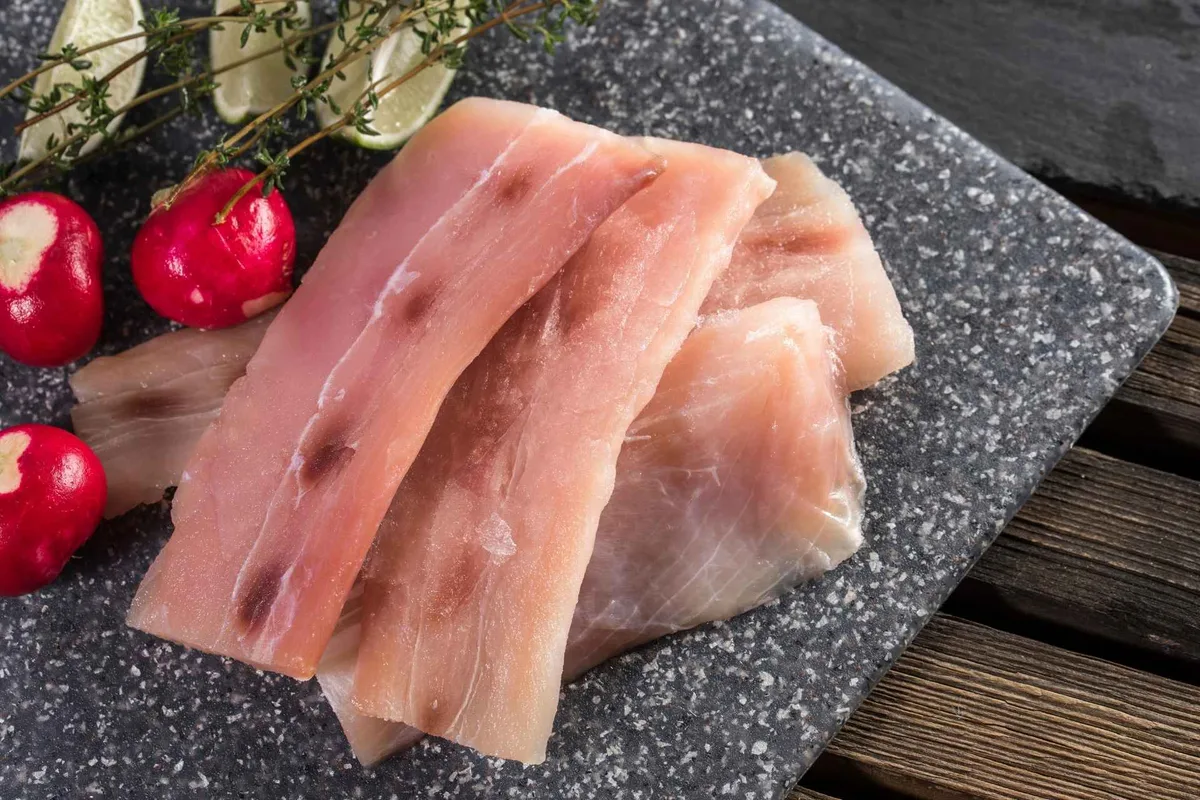
Most mahi mahi sold in standard US grocery stores has been previously frozen. If you bought it from the seafood counter, it thawed at the store. If you grabbed it from the freezer aisle, it's still frozen solid.
Both are fine for air fryer cooking, but they need different handling.
If it's already thawed (from the counter):
Treat it like fresh. Pat it dry, season, and cook using the times in the thickness table above. Use it within 1 to 2 days of purchase for best quality.
If it's frozen solid:
You can cook it directly from frozen in the air fryer, but you need to adjust your method. Do not try to season a frozen fillet. Seasoning won't stick to ice crystals, and the excess surface moisture will steam the fish into rubber.
Instead:
- Place the frozen fillet in the basket with a light coat of oil spray.
- Cook at 380°F for 5 minutes to start thawing the exterior.
- Open the basket, season both sides as well as you can.
- Continue cooking at 400°F for another 8 to 10 minutes (for a ¾-inch fillet), flipping at the halfway point of this second phase.
- Check internal temp at the thickest point, targeting 145°F.
The total cook time for a frozen ¾-inch fillet runs about 13 to 15 minutes using this method. Starting from frozen is totally viable, but expect a slightly less crispy exterior than thawed fillets. The interior texture is virtually the same.
If you have time, thaw properly:
The safest method is refrigerator overnight, 8 to 12 hours for a pound of fillets. The faster option: seal the fillets in a zip-lock bag, submerge in cold water, and change the water every 30 minutes. Most fillets thaw within 45 to 60 minutes.
Pat completely dry before seasoning.
One important safety note from the FDA: never thaw fish at room temperature or in warm water. Bacteria multiply rapidly between 40 and 140°F, the temperature danger zone. The refrigerator or cold-water method keeps the exterior cold enough to stay safe while the interior thaws.
If you're batch-prepping frozen fillets for the week, we've covered which air fryers handle back-to-back frozen-to-crispy cycles best in our best 8 qt air fryer for frozen foods guide, including which models have the wattage to recover temperature quickly between batches.
How to Tell When It's Done Without Cutting Into It
Cutting into a fillet to check doneness is the fastest way to lose moisture and end up with a dry plate. There are better ways.
The instant-read thermometer method is the gold standard. Insert the probe into the thickest part of the fillet at a slight angle. You're looking for 145°F, the FDA's recommended minimum internal temperature for safe fish consumption.
Pull the fillet at 142 to 143°F if you can. Carryover heat during the 1 to 2 minute rest will bring it the rest of the way.
If you don't own a thermometer, the fork-flake test is your backup. Press a fork into the thickest section at about 45 degrees and give it a gentle twist. Properly cooked mahi mahi will separate into clean, opaque flakes that peel apart in layers.
If the flesh still looks translucent or resists separating, it needs another 2 minutes.
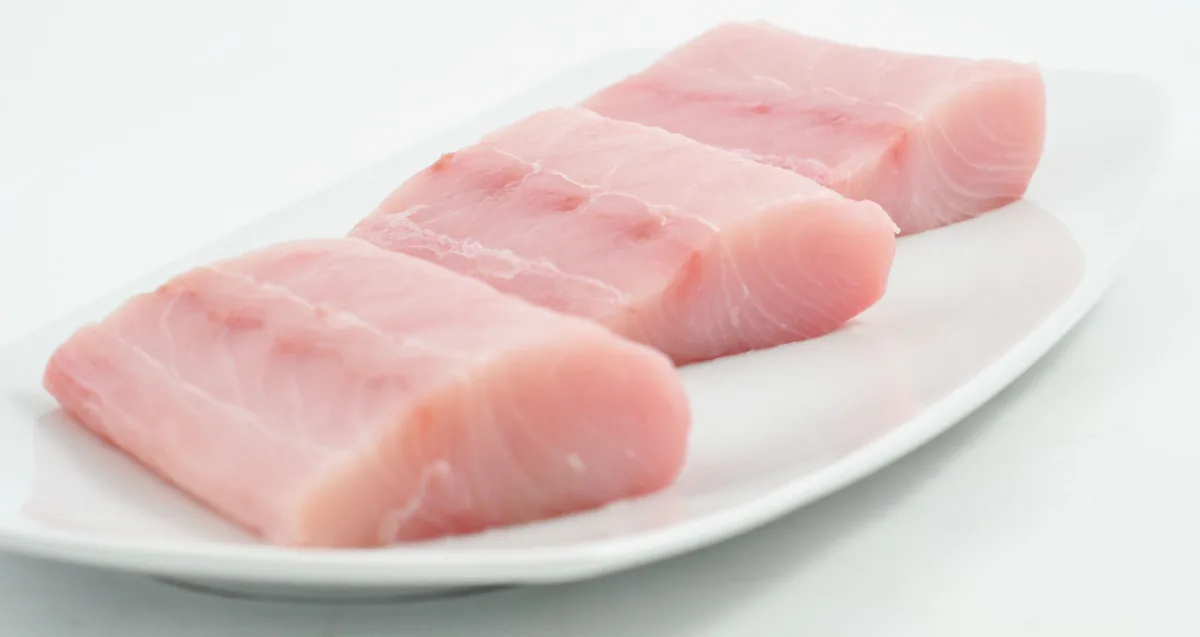
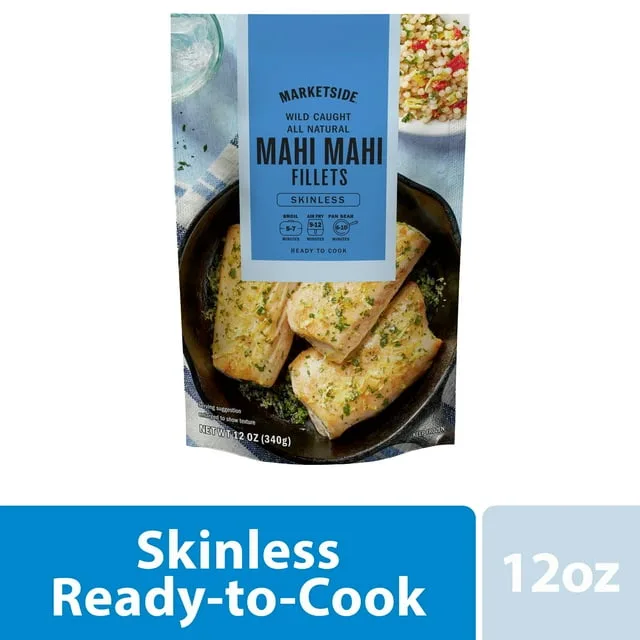
A few visual cues help too. Raw mahi mahi is pinkish-grey and slightly translucent. Cooked mahi mahi turns a uniform opaque white with a faint pink center at the thickest point.
The exterior should have a light golden-brown crust from the Maillard reaction, especially around the edges where the fillet meets the basket.
One mistake we see repeatedly in user reviews: people judge doneness by the thin tail end instead of the thick center. The tail will always look done first. Always check the thickest part.
Air Fryer Mahi Mahi vs. Pan-Seared, Grilled, and Oven-Baked
Each method produces a noticeably different result. Here's how the air fryer stacks up.
Air fryer vs. pan-seared. Pan-searing in a cast iron or stainless steel skillet gives the best crust, hands down. The direct contact with a screaming-hot surface creates a deep golden sear that an air fryer can't fully replicate. But pan-searing requires more oil, more attention, and it fills the kitchen with fish smell.
The air fryer gets you about 80% of the way there with a fraction of the effort and cleanup.
Air fryer vs. grilled. Grilling adds smoky flavor that no indoor appliance can match. If you have a charcoal or wood-fired grill available, that's the move for a summer cookout. But for a Tuesday night in February, the air fryer delivers comparable texture without going outside.
Grilled mahi mahi also tends to stick to grates and fall apart, which is less of an issue in an air fryer basket.
Air fryer vs. oven-baked. This is the closest comparison. A conventional oven at 400°F takes 15 to 18 minutes for the same fillet, nearly double the air fryer time. The oven also heats the whole kitchen and doesn't circulate air as aggressively, so the exterior stays softer.
The air fryer's concentrated convection gives a noticeably crispier result in less time.
| Method | Cook Time (¾-inch fillet) | Crust Quality | Effort Level | Best For |
|---|---|---|---|---|
| Air fryer | 10 to 12 minutes | Good | Low | Weeknight dinners |
| Pan-seared | 6 to 8 minutes | Excellent | Medium | Date night, best flavor |
| Grilled | 8 to 10 minutes | Very good | Medium | Summer, smoky flavor |
| Oven-baked | 15 to 18 minutes | Fair | Low | Batch cooking, hands-off |
The air fryer wins on convenience and consistency. It loses on peak flavor and crust. For most home cooks making a quick weeknight meal, that trade-off is worth it.
Common Mistakes That Turn Mahi Mahi Into Cardboard
Overcooking is the number one problem. Mahi mahi goes from perfectly flaky to dry and rubbery in about 90 seconds at air fryer temperatures. The difference between done and overdone is smaller than most people think.
Here are the mistakes that show up most often in negative reviews:
- Skipping the pat-dry step. Wet fillets steam instead of sear. The surface never browns, and the texture turns soft and papery.
- Overcrowding the basket. Stacking fillets or leaving no space between them blocks airflow. The fish steams in its own moisture and comes out pale and soggy. Cook in batches if needed.
- Not preheating. Dropping fillets into a cold basket adds 2 to 3 minutes of uneven cooking before the air fryer reaches target temperature. The exterior dries out while the interior slowly warms.
- Using too much oil. A light spray is all you need. Excess oil drips through the basket, causes smoking, and makes the fish greasy instead of crispy.
- Cooking by time alone without checking thickness. A ½-inch fillet and a 1-inch fillet cannot share the same cook time. Always measure thickness first.
- Flipping with tongs. Tongs squeeze the flesh and tear it apart. Use a thin, flexible fish spatula instead.
- Letting it sit in the hot basket after cooking. Residual heat in the basket continues cooking the fish. Transfer to a plate immediately when the timer goes off.
One more: people who crank the temperature to 425°F or higher to "speed things up." Mahi mahi's lean protein structure tightens rapidly above 400°F. The outside chars before the center reaches 145°F. Stick to the recommended range.
Best Sides and Sauces to Serve With Air Fryer Mahi Mahi
Mahi mahi's mild, slightly sweet flavor pairs well with bright, acidic, and fresh accompaniments. Heavy, creamy sides tend to overwhelm it.
Sides that work:
- Cilantro-lime rice or coconut rice. The citrus echoes the lime you'd squeeze over the fish.
- Grilled or air-fried vegetables. Zucchini, asparagus, and bell peppers cook in the air fryer in about the same time as the fish. You can run them together if your basket is large enough. Our air fryer asparagus with parmesan recipe is a solid companion side that uses the same appliance.
- Mango salsa or pineapple salsa. The tropical fruit sweetness complements mahi mahi's natural flavor profile without masking it.
- Simple green salad with a citrus vinaigrette. Keeps the meal light and lets the fish stay the star.
- Roasted sweet potatoes. The sweetness pairs well and adds substance without heaviness.
Sauces worth trying:
- Chipotle lime crema (sour cream, lime juice, chipotle in adado)
- Garlic butter with fresh herbs
- Avocado crema
- Classic tartar sauce
- Chimichurri
Avoid heavy cheese sauces or thick gravies. They bury the clean flavor that makes mahi mahi worth cooking in the first place.
If you're building a full meal around this, the best air fryer gift for busy moms piece we wrote touches on which models handle multi-item cooking best, since you'll want room for sides alongside your fish.
Is Air Fryer Mahi Mahi Actually Healthy?
Yes, and the numbers back it up. A 4-ounce serving of cooked mahi mahi delivers roughly 24 grams of protein and only about 100 to 110 calories with less than 1 gram of fat. It's one of the leanest high-protein fish you can buy.
The air fryer adds minimal oil compared to pan-frying or deep-frying. You're using about 1 teaspoon of oil per fillet versus several tablespoons in a skillet. That drops the added fat from roughly 14 grams down to under 5 grams per serving.
Mahi mahi is also a good source of selenium, niacin (vitamin B3), and vitamin B12. It contains moderate levels of omega-3 fatty acids, though less than fattier fish like salmon or mackerel.
One thing to keep in mind: the FDA classifies mahi mahi in its "Good Choices" category for fish consumption. It has moderate mercury levels, lower than swordfish or king mackerel but higher than cod or sardines. The FDA recommends 1 serving per week for pregnant women and young children.
For everyone else, 2 to 3 servings per week falls well within safe guidelines as of 2026.
From a dietary standpoint, air fryer mahi mahi fits cleanly into low-carb, keto, paleo, and Mediterranean eating patterns. Skip the breading and you've got a meal under 200 calories with 25-plus grams of protein. That's hard to beat for a 15-minute cook.
Storing, Reheating, and Meal Prep Tips
Cooked mahi mahi keeps in the refrigerator for up to 3 days in a sealed container. Let it cool to room temperature before refrigerating, but don't leave it out longer than 2 hours total.
To reheat in the air fryer, set it to 300°F for 3 to 4 minutes. This low-and-slow approach warms the fish without cooking it further. Microwaving works in a pinch but makes the texture rubbery.
For meal prep, cook fillets on Sunday and portion them into containers with rice and vegetables. They reheat well on Wednesday or Thursday. Don't freeze already-cooked mahi mahi.
The texture turns grainy when thawed a second time.
Frequently Asked Questions
Can I use frozen mahi mahi without thawing?
Yes. Cook it from frozen using the two-stage method described earlier: 5 minutes at 380°F to thaw the surface, then season and finish at 400°F for 8 to 10 more minutes. Expect a slightly less crispy exterior compared to thawed fillets.
What temperature should my air fryer be for mahi mahi?
380 to 400°F. Use 400°F for fillets under 1 inch thick. Drop to 380°F for anything thicker to let the center cook without burning the outside.
How do I stop the fish from sticking to the basket?
Pat the fillets completely dry, apply a light coat of oil, and use a perforated parchment liner or a well-sprayed basket. A fish spatula for flipping prevents tearing.
Is mahi mahi safe to eat during pregnancy?
The FDA lists mahi mahi in its "Good Choices" category. Pregnant women should limit intake to 1 serving per week due to moderate mercury levels. Always cook to an internal temperature of 145°F.
Can I bread mahi mahi for the air fryer?
Absolutely. A light coating of panko or seasoned flour works well. Press the breading firmly onto an oiled fillet and spray the top lightly with oil before cooking.
Add 1 to 2 minutes to the cook time since the coating insulates the fish.
The Bottom Line: Your Go-To Air Fryer Mahi Mahi Method
A reliable mahi mahi air fryer recipe comes down to a simple formula. Pat the fillets dry, season with a dry spice blend, cook at 380 to 400°F based on thickness, and pull at 145°F internal temperature. Flip once with a fish spatula.
Rest for 2 minutes. Squeeze fresh citrus on top.
That's it. No complicated marinades, no special equipment beyond an instant-read thermometer, and no more than 15 minutes from start to plate. The air fryer handles the hard part.
You just need to not overcook it.