
There's a reason chicken fajita recipe air fryer searches keep climbing. You get the same smoky, charred peppers and juicy seared chicken you'd expect from a sizzling skillet, but with a fraction of the oil and almost none of the mess. The air fryer's circulating hot air hits every surface of the food at once, which means faster cook times and a texture that's hard to replicate any other way.
In our research, aggregate user reviews across major air fryer brands consistently report cook times of 12 to 18 minutes for fajita chicken at 380 to 400 degrees Fahrenheit, with internal chicken temperature reaching the USDA-recommended safe minimum of 165 degrees. That speed, plus the hands-off nature of the method, is exactly why this recipe has become a weeknight staple for so many home cooks. Let's walk through everything you need to nail it.
Quick Answer
A chicken fajita recipe air fryer method cooks seasoned chicken strips with bell peppers and onions in 12 to 18 minutes at 380 to 400 degrees Fahrenheit. Slice the chicken into half-inch strips against the grain. Toss everything with oil and fajita seasoning.
Arrange in a single layer in the basket. Shake halfway through. Check that the chicken hits 165 degrees internally before serving.
Image source: Bing (Web (fair-use with source credit))
Why Air Fryer Chicken Fajitas Are Worth Making Tonight
Air fryer fajitas cut your active cooking time to roughly 20 minutes from start to plate. You're not standing over a smoking skillet or heating up the whole oven for one meal. The air fryer does the work while you prep toppings or set the table.
The health angle matters too. Traditional skillet fajitas can call for a quarter cup or more of oil. In the air fryer, one to two tablespoons is all you need.
That drops the fat content per serving significantly without sacrificing flavor or texture.
Cleanup is another win. One basket, one quick wash. Compare that to a greasy stovetop, a splattered range, and multiple pans.
If you're cooking for a family on a busy weeknight, that simplicity adds up fast.
Here's what makes the air fryer version stand out:
- Speed: 12 to 18 minutes of cook time, no preheating the oven for 10 minutes first.
- Less oil: One to two tablespoons versus a quarter cup or more for stovetop.
- Even cooking: Circulating hot air hits all sides of the chicken and vegetables at once.
- Less mess: One basket to wash instead of multiple pans and a stovetop to scrub.
- Consistent results: Set the temp, set the timer, shake once. Hard to mess up.
If you've got a larger air fryer, like a 9 qt model for big families, you can cook a full pound of chicken plus vegetables in a single batch. Smaller baskets mean working in two rounds, which adds a few minutes but still beats the stovetop.
What You Need: Ingredients and Equipment
You don't need anything fancy. Most of these ingredients are pantry staples, and if you've already got an air fryer, you're 90% there.
For the fajitas:
| Ingredient | Amount (per pound of chicken) | Notes |
|---|---|---|
| Boneless skinless chicken breast or thigh | 1 lb (about 2 large breasts or 4 thighs) | Thighs are more forgiving if slightly overcooked |
| Bell peppers (mixed colors) | 2 large | Slice into quarter-inch strips |
| Onion (yellow or white) | 1 medium | Same width as the peppers |
| Olive oil or avocado oil | 1 to 2 tbsp | Just enough to coat everything lightly |
| Fajita seasoning blend | 1 to 1.5 tbsp | Homemade or store-bought |
| Fresh lime | 1 | Squeezed over the top at the end |
| Flour or corn tortillas | 8 to 12 | Warm before serving |
For the homemade fajita seasoning (if not using a packet):
- 1 tsp chili powder
- 1 tsp smoked paprika
- 1 tsp ground cumin
- 1/2 tsp garlic powder
- 1/2 tsp onion powder
- 1/4 tsp cayenne pepper (adjust to taste)
- 1 tsp salt
- 1/2 tsp black pepper
Mix it all together and store any extra in a jar. It keeps for months.
Equipment:
- Air fryer (any size, but 5 qt or larger is ideal for a full batch)
- Instant-read meat thermometer
- Sharp knife and cutting board
- Tongs or a spatula for shaking the basket
- Large mixing bowl
That thermometer is non-negotiable. Color alone won't tell you if chicken is safe to eat. The USDA Food Safety and Inspection Service sets the safe minimum internal temperature for chicken at 165 degrees Fahrenheit.
An instant-read thermometer takes the guesswork out and costs under ten dollars.
How to Season Chicken for Fajitas (Homemade Blend vs. Store-Bought)
The seasoning is where fajitas go from bland to crave-worthy. You've got two solid options here, and both work great in the air fryer.
Homemade blend gives you full control over salt, heat, and smokiness. The recipe above takes about two minutes to mix and tastes fresher than most packets. Smoked paprika is the secret weapon.
It adds that campfire depth without any actual fire.
Store-bought packets, like McCormick Fajita Seasoning, are convenient and consistent. They tend to be saltier, so use closer to one tablespoon per pound instead of one and a half. Check the label if you're watching sodium intake.
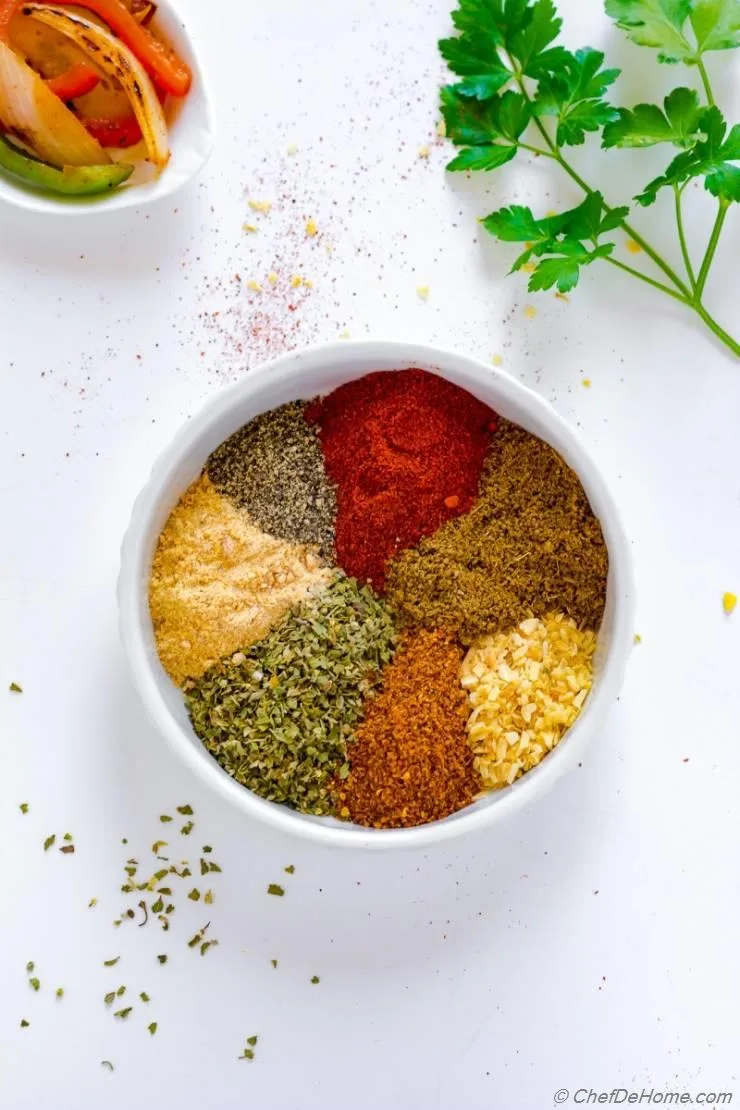
Image source: Bing (Web (fair-use with source credit))
Whichever route you go, the key is coating the chicken evenly. Toss the sliced chicken and vegetables with the oil first, then sprinkle the seasoning over everything and mix again. Every piece should have a light, even layer.
Don't just dump the spice on top and hope for the best.
A few seasoning tips that make a real difference:
- Toast your spices if you have an extra minute. Heat the dry blend in a dry skillet for 30 seconds before mixing with oil. It blooms the flavors.
- Add a pinch of brown sugar (about half a teaspoon) to the homemade blend. It helps with caramelization in the air fryer.
- Don't skip the salt if your store-bought blend is low-sodium. Under-seasoned fajitas taste like nothing.
- Marinate for 15 to 30 minutes if you have time. Even a short rest lets the salt penetrate the chicken and improves texture.
If you're cooking for kids or anyone who doesn't like heat, drop the cayenne entirely and add an extra half teaspoon of smoked paprika. You'll still get plenty of flavor without the burn.
Step-by-Step: How to Make Chicken Fajitas in the Air Fryer
This is the part you came for. Follow these steps and you'll have restaurant-quality fajitas in under 25 minutes.
Step 1: Prep the chicken. Pat the chicken dry with paper towels. Slice it into strips about half an inch thick and two to three inches long. Cut against the grain.
This shortens the muscle fibers and makes every bite more tender.
Image source: Bing (Web (fair-use with source credit))
Step 2: Slice the vegetables. Cut the bell peppers and onion into strips roughly a quarter to half an inch wide. Try to keep them uniform so everything cooks at the same rate.
Image source: Bing (Web (fair-use with source credit))
Step 3: Season everything. In a large bowl, toss the chicken and vegetables with one to two tablespoons of oil. Add the fajita seasoning and mix until everything is evenly coated.
Step 4: Preheat the air fryer (optional but recommended). Set it to 400 degrees Fahrenheit and let it run for two to three minutes. A hot basket from the start gives you better sear on the chicken.
Step 5: Load the basket. Arrange the chicken and vegetables in as close to a single layer as possible. Don't dump it all in a pile. If your basket is small, cook in two batches.
Overcrowding is the number one mistake, and we'll cover why in the next section.
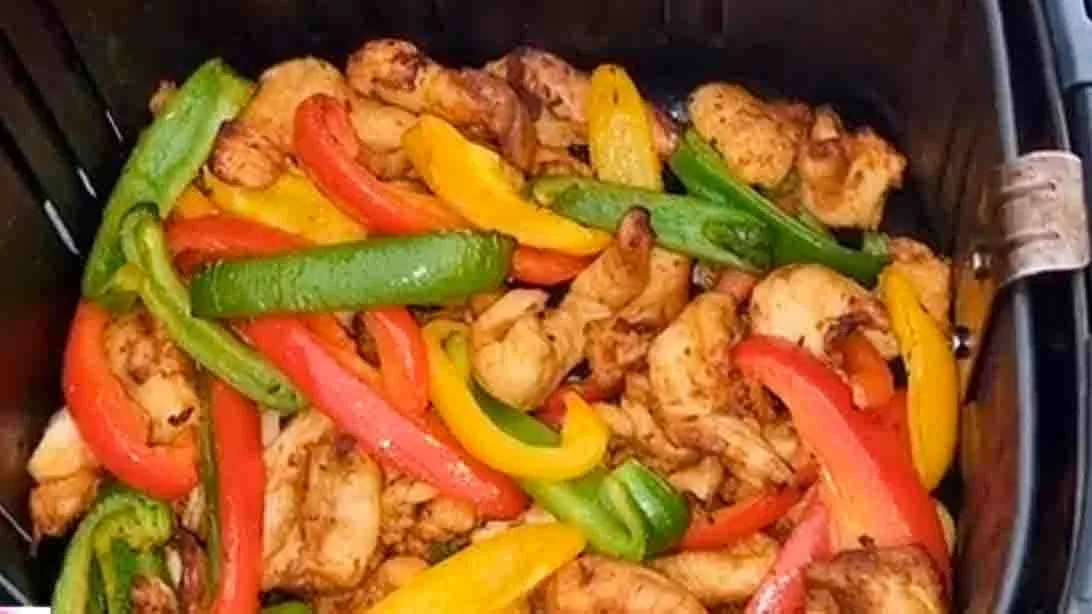
Image source: Bing (Web (fair-use with source credit))
Step 6: Cook. Set the air fryer to 380 to 400 degrees Fahrenheit. Cook for 12 to 16 minutes. At the halfway mark (around minute six or seven), pull the basket out and shake it or toss everything with tongs.
This ensures even browning on all sides.
Step 7: Check the temperature. Insert an instant-read thermometer into the thickest chicken strip. You're looking for 165 degrees Fahrenheit. If it's not there yet, cook for another two to three minutes and check again.
Step 8: Rest the chicken. Let it sit for three to five minutes in the basket or on a cutting board. This lets the juices redistribute so the meat stays moist when you slice or serve it.
Step 9: Finish with lime. Squeeze fresh lime juice over the chicken and vegetables. This brightens everything up and ties the flavors together.
Step 10: Warm the tortillas and assemble. Heat flour or corn tortillas in a dry skillet for 20 seconds per side, or wrap them in a damp paper towel and microwave for 30 seconds. Load them up with the chicken, peppers, onions, and whatever toppings you like.
If you're using a dual-basket air fryer, like one of the best 8 qt dual basket models, you can cook the chicken in one basket and the vegetables in the other at slightly different times. The chicken usually needs a minute or two longer, so stagger the start by two minutes and they'll finish together.
The Right Temperature and Cook Time for Perfect Fajitas
Temperature and timing are where most air fryer recipes fall short. They give you one number and act like it works for every machine. It doesn't.
Here's what our research and aggregate user feedback show works best:
| Air Fryer Size | Temperature | Cook Time | Notes |
|---|---|---|---|
| 3.5 to 4 qt | 400°F | 14 to 18 min | Smaller basket, less airflow. Cook in 2 batches. |
| 5 to 6 qt | 380 to 400°F | 12 to 16 min | Most common size. Single batch works. |
| 8 to 9 qt | 380°F | 12 to 15 min | Largest home models. Best airflow, fastest results. |
The variation comes down to wattage and airflow design. A 1,400-watt air fryer runs cooler than a 1,800-watt model at the same setting. If your machine runs hot, start at 380.
If it's on the lower end, go to 400.
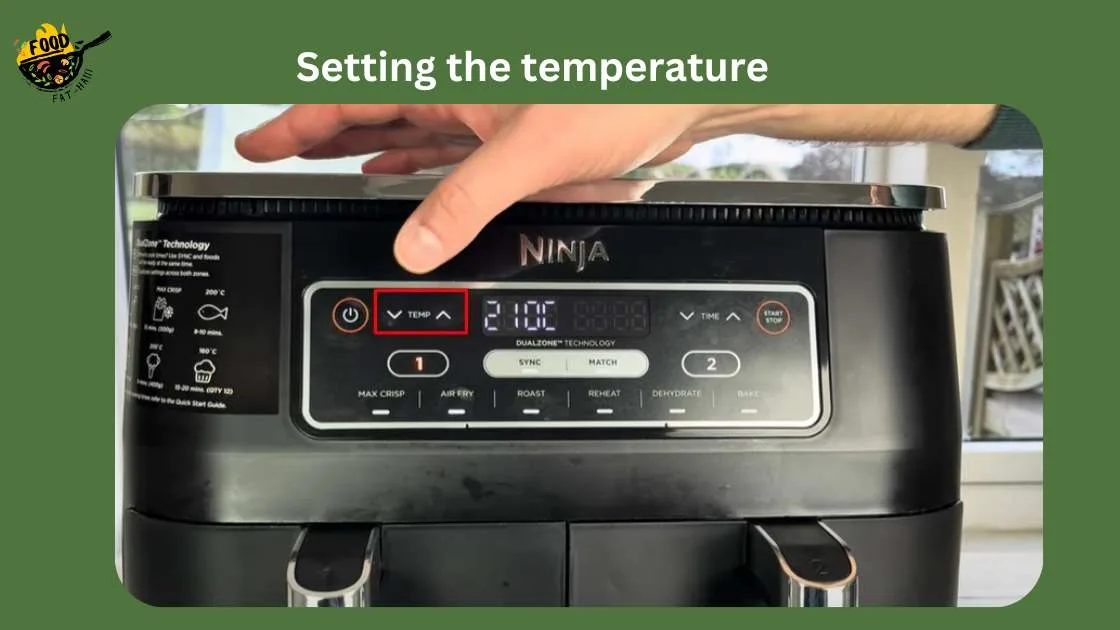
Image source: Bing (Web (fair-use with source credit))
Visual cues matter more than the clock. You're looking for slightly charred edges on the peppers and onions, and golden-brown spots on the chicken. If everything looks pale and steamed at the 12-minute mark, give it another two to three minutes.
If the edges are darkening fast, drop the temp by 10 degrees.
The instant-read thermometer is your best friend here. Chicken is safe at 165 degrees Fahrenheit, but pull it at 160 if you're letting it rest for a few minutes. Carryover cooking will bring it up the rest of the way.
This prevents the dreaded dry, rubbery chicken that happens when you overshoot.
One more thing: altitude affects air fryer performance. If you're cooking above 3,000 feet, you may need to add two to three minutes since the lower air pressure changes how heat circulates. It's a small adjustment, but it makes a noticeable difference.
Common Mistakes That Ruin Air Fryer Fajitas
Most air fryer fajita failures come down to the same handful of errors. Fix these and you're already ahead of 90% of home cooks attempting this recipe.
Overcrowding the basket is the big one. When you pile chicken and vegetables on top of each other, the hot air can't circulate. Everything steams instead of searing.
You end up with pale, soggy peppers and rubbery chicken that never develops any color.
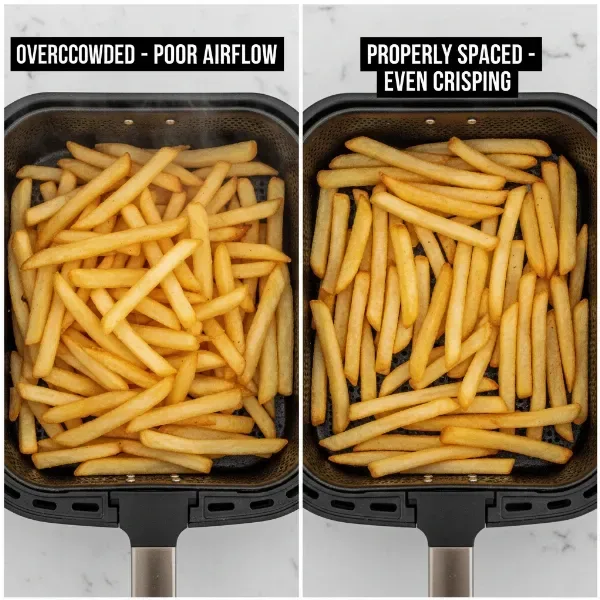
Image source: Bing (Web (fair-use with source credit))
Skipping the shake or toss at the halfway mark is another common miss. The food sitting at the bottom of the basket cooks faster than what's on top. Without redistributing, you get some pieces charred and others barely warm.
Not patting the chicken dry before seasoning is a subtle one. Wet chicken won't take the seasoning well, and the surface moisture creates steam in the first few minutes of cooking. That delays browning and muddles the flavor.
Here are the mistakes to watch for:
- Cooking everything at the same time when batching is needed. If your basket is small, two batches beat one overcrowded one every time.
- Using too much oil. More than two tablespoons and you'll get smoke, splatter, and greasy vegetables instead of a light sear.
- Ignoring the thermometer. Guessing doneness leads to either dry, overcooked chicken or undercooked meat that's unsafe to eat.
- Forgetting to rest the chicken. Cutting into it immediately lets all the juices run out onto the board instead of staying in the meat.
- Cold tortillas. Serving fajitas in room-temperature tortillas kills the experience. Warm them. Every time.
One mistake people don't expect: cutting the vegetables too thin. Strips thinner than a quarter inch will overcook and go limp before the chicken is done. Keep them sturdy and uniform so everything finishes together.
Chicken Breast vs. Thigh: Which Is Better for Air Fryer Fajitas?
Both work, but they behave differently in the air fryer. Your choice depends on what you prioritize: lean protein or forgiving, juicy meat.
Chicken breast is the leaner option. A four-ounce serving of boneless skinless breast packs about 26 grams of protein and only 1 to 1.5 grams of fat, per USDA FoodData Central data. It's the go-to for anyone tracking calories or macros.
The downside is a narrow window between perfectly cooked and dry. Even two extra minutes in the air fryer can push it past the point of no return.
Chicken thigh has more fat, roughly 5 to 6 grams per four-ounce serving, but that fat is what keeps it moist when the heat is on. Thighs are far more forgiving if your timing is off or your air fryer runs hot. They also have a richer, deeper flavor that stands up well to bold fajita seasoning.
Here's a quick comparison:
| Factor | Chicken Breast | Chicken Thigh |
|---|---|---|
| Protein per 4 oz | ~26g | ~22g |
| Fat per 4 oz | ~1.5g | ~5.5g |
| Forgiveness | Low (dries out fast) | High (stays juicy) |
| Flavor | Mild, clean | Richer, more savory |
| Best for | Low-fat diets, meal prep | Flavor-first cooks, beginners |
| Cook time in air fryer | 12 to 15 min | 14 to 18 min |
If you're new to air fryer cooking, start with thighs. They're harder to mess up. Once you know your machine's quirks, breast becomes a reliable option too.
Either way, slice against the grain and keep the strips around half an inch thick for the best texture.
How to Avoid Overcrowding and Get a Good Sear
Overcrowding is the single most common reason air fryer fajitas turn out steamed instead of seared. Here's how to get it right every time.
Know your basket's capacity. A 3.5-quart air fryer handles about half a pound of chicken plus vegetables in a single layer. A 5 to 6-quart model fits a full pound. If you're cooking for a family of four, you'll likely need two batches in anything under 6 quarts.
Work in batches without guilt. Yes, it adds a few minutes. But the first batch stays warm on a plate while the second cooks, and both batches come out with actual color and texture. One overcrowded batch gives you uniformly mediocre results.
Leave gaps between pieces. You want hot air hitting every surface. If the chicken strips are touching or stacked, the overlapping sections steam. Spread them out like you're arranging cookies on a sheet pan.
A few practical tips:
- Preheat the basket for two to three minutes before loading. A hot surface hits the chicken immediately and starts the sear.
- Don't mix chicken and vegetables in the same layer if your basket is tight. Cook the chicken first, then the vegetables, or use a dual-basket model to run both at once.
- Shake at minute six or seven, then again at minute ten if you're cooking a full 15-minute cycle. Two shakes beat one.
- Use a light oil coating, not a heavy drizzle. Too much oil pools at the bottom and creates smoke instead of sear.
If you've got a larger air fryer, like one of the best 8 qt models for roasting chicken, you'll have plenty of room for a full fajita batch in one go. That extra space makes a real difference in how evenly everything cooks.
Serving Ideas: Toppings, Tortillas, and Sides
The fajita is only as good as what you put on it. Here's how to build a plate that feels complete.
Tortillas first. Flour tortillas are the classic choice. They're pliable, mild, and hold up to juicy fillings without tearing. Corn tortillas work great too, especially if you're going gluten-free.
Either way, warm them. A dry skillet over high heat for 20 seconds per side gives you slight char spots and a pliable texture. Microwaving wrapped in a damp paper towel for 30 seconds is the fast backup.
Toppings that actually matter:
- Pico de gallo: Fresh tomato, onion, cilantro, lime. Adds brightness and crunch.
- Guacamole or sliced avocado: Creamy fat that balances the spice.
- Sour cream or Mexican crema: Cool and tangy against the warm, seasoned chicken.
- Shredded cheese: Cheddar, pepper jack, or queso fresco all work.
- Pickled jalapeños: For anyone who wants more heat and acid.
- Shredded lettuce or cabbage: Adds a fresh crunch that contrasts the warm fillings.
Sides that round out the meal:
- Cilantro-lime rice
- Black beans or refried beans
- Mexican street corn (elote)
- Simple green salad with lime vinaigrette
- Chips and salsa on the side
If you're building a fajita bar for a group, set out the toppings in small bowls and let everyone assemble their own. It's low effort for you and people love customizing their plates. This approach works especially well for families with kids who might pick around certain toppings.
For a low-carb version, skip the tortilla entirely and serve the chicken and peppers over a bed of shredded lettuce or cauliflower rice. You still get all the flavor without the extra carbs.
Meal Prep and Storage: Making Fajitas Ahead
Air fryer fajitas are one of the best meal prep options out there. The chicken and vegetables reheat well, and you can prep everything in under 30 minutes on a Sunday.
Cook once, eat all week. Make a double or triple batch of the seasoned chicken and peppers. Let them cool completely before storing. Divide into individual portions in airtight containers.
Storage guidelines:
| Storage Method | Duration | Notes |
|---|---|---|
| Refrigerator | 3 to 4 days | Store chicken and vegetables together or separately |
| Freezer | Up to 3 months | Freeze in portion-sized bags. Thaw overnight in the fridge before reheating. |
Reheating tips:
- Air fryer: 350 degrees Fahrenheit for 4 to 6 minutes. This is the best method. It brings back the slight crispness that microwaving kills.
- Skillet: Medium heat for 3 to 4 minutes with a splash of water to keep things moist.
- Microwave: 60 to 90 seconds on high. Fast but soft. No crunch.
Prep-ahead shortcuts:
- Slice the chicken and vegetables the night before. Store them raw in separate containers in the fridge.
- Mix a big batch of homemade fajita seasoning and keep it in a jar. It stays fresh for months.
- Warm tortillas in bulk and wrap them in foil. They stay warm for 20 to 30 minutes if you're serving a group.
If you're prepping for the week, keep the tortillas and toppings separate from the cooked chicken and peppers. Assemble each day so nothing gets soggy. A little extra effort on Sunday saves you from sad, wilted leftovers by Wednesday.
Air Fryer Fajitas vs. Stovetop, Oven, and Grill
Each method produces a different result. Here's how they stack up for weeknight fajitas.
Stovetop skillet gives you the most control. A ripping-hot cast iron pan delivers serious char in 8 to 10 minutes. The downside is the splatter, the smoke, and the fact that you can't walk away for a second.
You're standing there the whole time, flipping and stirring.
Oven sheet pan is hands-off but slow. You're looking at 20 to 25 minutes at 425 degrees Fahrenheit, plus preheating time. The vegetables tend to steam more than char unless you spread them thin and crank the heat.
It works for large batches but isn't fast.
Outdoor grill delivers the best smoky flavor, no contest. But it's weather-dependent, takes time to heat up, and requires more cleanup. Not a Tuesday night solution for most people.
Air fryer hits the sweet spot. Fast cook time, minimal oil, almost no cleanup, and consistent results across different models. You won't get the same level of char as a screaming-hot skillet or grill, but you'll get better browning than the oven with a fraction of the effort.
| Method | Cook Time | Oil Needed | Cleanup | Best For |
|---|---|---|---|---|
| Air fryer | 12 to 18 min | 1 to 2 tbsp | Minimal (1 basket) | Weeknight speed, small kitchens |
| Stovetop skillet | 8 to 10 min | 3 to 4 tbsp | Moderate (pan + stovetop) | Maximum char, experienced cooks |
| Oven sheet pan | 20 to 25 min | 2 to 3 tbsp | Moderate (sheet pan) | Large batches, hands-off cooking |
| Outdoor grill | 10 to 15 min | 1 to 2 tbsp | Heavy (grill grates) | Smoky flavor, weekend cooking |
If you're choosing based on convenience alone, the air fryer wins. If flavor is your top priority and you don't mind the mess, the stovetop skillet still delivers the best sear. The oven is your backup for feeding a crowd.
The grill is for when you want the full experience and have the time to spare.
Expert Tips for the Best Air Fryer Fajitas Every Time
These are the small moves that separate good fajitas from great ones.
Salt the chicken 30 minutes ahead if you have the time. A dry brine lets the salt penetrate the meat, seasoning it through rather than just on the surface. The result is noticeably more flavorful and moist chicken, even if you're using lean breast meat.
Use a light coat of cooking spray on the basket before loading. Non-stick spray prevents the chicken from sticking without adding enough oil to cause smoke. One quick spritz is all you need.
Cut vegetables slightly thicker than the chicken. Peppers and onions release moisture as they cook and shrink down. If you cut them the same thickness as the chicken, they'll be limp and overcooked by the time the meat is done. Quarter-inch strips hold up better.
Layer strategically if you must crowd. If your basket is small and you're doing one batch anyway, put the vegetables on the bottom and chicken on top. The vegetables benefit from the direct heat at the bottom, and the chicken drips flavor down onto them as it cooks.
Finish with fresh lime and flaky salt. A squeeze of citrus and a pinch of Maldon or kosher salt right before serving brightens every other flavor on the plate. It's a small step that makes the whole dish taste more intentional.
Double the seasoning blend if you're cooking more than a pound and a half of chicken. The seasoning doesn't scale linearly. A little extra ensures every bite is well-coated.
Frequently Asked Questions About Air Fryer Chicken Fajitas
Can I use frozen chicken for air fryer fajitas?
Yes, but add 4 to 6 minutes to the cook time. Pat the frozen strips dry before seasoning so the spice blend sticks. Check the internal temperature carefully.
The outside can look done while the center is still undercooked. Thawing in the fridge overnight gives better results.
Do I need to preheat the air fryer?
It's not required, but it helps. A two to three minute preheat at 400 degrees Fahrenheit gives you better browning from the first second the chicken hits the basket. If you skip it, add a minute or two to the total cook time.
What size air fryer is best for fajitas?
A 5 to 6-quart model handles a full pound of chicken and vegetables in one batch. Anything smaller means cooking in two rounds. If you're feeding a family regularly, an 8 or 9-quart model, like the options covered in our best 9 qt air fryer guide, is worth the counter space.
Can I make air fryer fajitas without oil?
You can, but the results won't be as good. A small amount of oil, one to two tablespoons, helps the seasoning stick and promotes browning. Without it, the chicken and vegetables tend to dry out and the spices can burn before the food cooks through.
How do I keep the chicken from drying out?
Use thighs instead of breast, or pull breast meat at 160 degrees Fahrenheit and let carryover cooking bring it to 165. Don't skip the rest period. And don't overcook.
An instant-read thermometer is the single best tool for juicy chicken.
What toppings go best with air fryer fajitas?
Pico de gallo, guacamole, sour cream, shredded cheese, and pickled jalapeños are the classics. Fresh lime juice and chopped cilantro right before serving tie everything together. Set out a few options and let everyone build their own.