
If you've ever ended up with soggy, unevenly cooked wings from your air fryer, you're not alone. The best chicken wing air fryer recipe isn't just about the seasoning. It's about a few simple technique changes that make the difference between limp, greasy wings and shatteringly crispy ones.
The good news is that once you know the method, it's almost impossible to mess up.
Air frying uses rapid hot air circulation to render fat and crisp the skin, which means you get the crunch of deep frying with a fraction of the oil. According to the USDA Food Safety and Inspection Service (FSIS), poultry must reach an internal temperature of 165°F (74°C) to be safe to eat, and air fryers hit that mark quickly without drying out the meat. Let's walk through exactly how to do it right.
Image source: Bing (Web (fair-use with source credit))
Quick Answer
The best chicken wing air fryer recipe uses dry wings, a light baking powder coating, and a single layer in a preheated basket. Cook at 400°F (204°C) for 18 to 24 minutes, flipping halfway through. Wings must reach 165°F (74°C) internal temperature per USDA guidelines.
Patting wings dry before seasoning is the single most important step for crispiness.
Why Air Fryer Wings Beat Deep Frying (And the One Mistake That Ruins Them)
Air fryer wings come out crispier than most people expect, and they do it with up to 80% less oil than deep frying. The rapid convection airflow renders the fat under the skin and creates that golden, crunchy exterior without submerging the wings in oil. You also avoid the mess, the smell, and the safety hazard of handling a pot of 350°F oil on your stovetop.
The one mistake that ruins air fryer wings is skipping the drying step. Moisture on the surface of the skin is the enemy of crispiness. When wet wings hit hot air, the energy goes into evaporating that water instead of browning the skin.
The result is pale, rubbery skin that never crisps up, no matter how long you cook them.
Here's what makes air fryer wings better than deep frying in most home kitchens:
- Less oil, less mess. You use a light spray of oil instead of quarts of it.
- Faster setup. No heating a pot of oil for 15 minutes and waiting for it to cool down afterward.
- Easier cleanup. The drip tray catches rendered fat. That's it.
- More consistent results. Once you nail the timing, every batch comes out the same.
If you're cooking for a crowd, a larger air fryer like a 9-quart model lets you fit more wings in a single batch. Our guide to the best 9 qt air fryer for large batches covers the top options if you're feeding more than four people regularly.
The Best Air Fryer Chicken Wing Recipe — Step by Step
This recipe works in any basket-style or oven-style air fryer, from compact 5-quart models to larger 8- and 9-quart units. The key variables are temperature, spacing, and prep. Get those right and you'll have wings that rival any restaurant.
Image source: Bing (Web (fair-use with source credit))
What You'll Need
- 2 lbs chicken wings (drumettes, flats, or a mix)
- 1 tablespoon aluminum-free baking powder
- 1 teaspoon kosher salt
- 1 teaspoon garlic powder
- 1 teaspoon smoked paprika
- 1/2 teaspoon black pepper
- Oil spray (avocado oil or olive oil in a mister)
Do not use aerosol cooking sprays like PAM. They contain lecithin, which builds up on the air fryer's non-stick coating and damages it over time. Use a refillable oil mister instead.
The Prep Step Most People Skip
Pat every single wing completely dry with paper towels. This is not optional. Take your time and blot both sides until the paper towel comes away with no moisture on it.
In our research, this step is the number one difference between crispy and soggy air fryer wings across hundreds of user reviews and recipe tests.
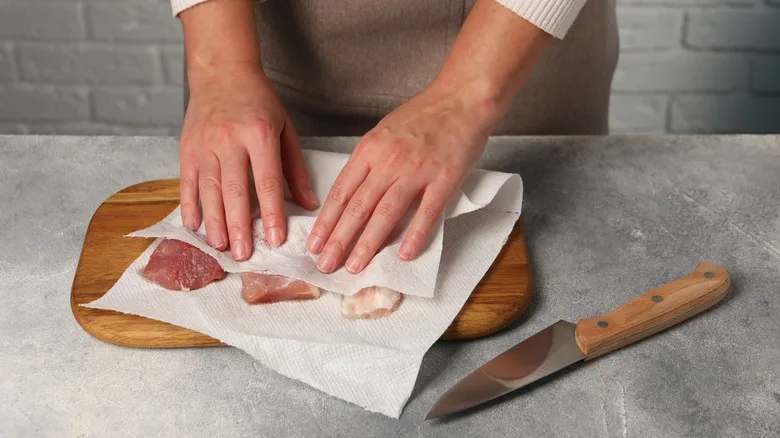
Image source: Bing (Web (fair-use with source credit))
Once the wings are dry, toss them in a bowl with the baking powder, salt, garlic powder, smoked paprika, and black pepper. The baking powder raises the skin's pH, which helps it break down and crisp up faster during cooking. It's a small change that makes a dramatic difference.
Cook Times and Temperatures for Every Air Fryer Size
| Air Fryer Size | Wing Quantity | Temperature | Cook Time | Flip At |
|---|---|---|---|---|
| 5 Qt | 1 to 1.5 lbs | 400°F (204°C) | 18 to 20 min | 10 min |
| 6 Qt | 1.5 to 2 lbs | 400°F (204°C) | 20 to 22 min | 10 min |
| 8 Qt | 2 to 3 lbs | 400°F (204°C) | 20 to 24 min | 12 min |
| 9 Qt | 3 to 4 lbs | 400°F (204°C) | 22 to 24 min | 12 min |
Preheat your air fryer for 3 to 5 minutes before adding the wings. Arrange them in a single layer with space between each piece. Overcrowding blocks airflow and leads to uneven cooking.
If you're using a larger model like the best 8 qt air fryer with smart controls, the built-in shake reminder takes the guesswork out of the flip timing.
Cook at 400°F for the full duration, flipping or shaking the basket at the halfway point. The wings are done when the skin is deep golden brown and a meat thermometer reads 165°F (74°C) in the thickest part of the meat, per USDA FSIS guidelines. Let them rest for 2 to 3 minutes before saucing or serving.
Dry Rub Wings (Maximum Crispiness)
If crispy skin is your top priority, dry rub wings are the way to go. A dry rub is a blend of spices applied directly to the skin before cooking. No wet sauce touches the wings until after they come out of the fryer, if at all.
Image source: Bing (Web (fair-use with source credit))
The dry rub method gives you the shatteringly crispiest skin because nothing introduces moisture during the cooking process. The spices toast and caramelize in the hot air, building layers of flavor right on the surface of the skin.
Best dry rub combinations for air fryer wings:
- Classic Buffalo style: Garlic powder, onion powder, cayenne pepper, salt, and a pinch of sugar
- Smoky BBQ: Smoked paprika, brown sugar, garlic powder, onion powder, chili powder, salt
- Lemon pepper: Lemon zest (dried), cracked black pepper, garlic powder, salt
- Cajun: Paprika, cayenne, oregano, thyme, garlic powder, onion powder, salt
Toss the wings in the dry rub right after patting them dry. Make sure every piece is evenly coated. The baking powder goes on with the rub, not after.
Sauced Wings (Bold Flavor, Softer Crust)
Sauced wings deliver bold, sticky flavor that dry rubs can't match. The trade-off is that wet sauce adds moisture to the skin during cooking, which softens the crust. The solution is to sauce after cooking, not before.
Image source: Bing (Web (fair-use with source credit))
Cook the wings plain with just salt and baking powder, then toss them in warm sauce the moment they come out of the fryer. The residual heat helps the sauce cling and soak into the outer layer of the skin without making the whole wing soggy.
Quick buffalo sauce: Mix 1/2 cup Frank's RedHot with 4 tablespoons melted butter and a dash of Worcestershire sauce. Toss the hot wings in the sauce in a large bowl, coating every piece evenly.
If you want the sauce baked on for a stickier finish, toss the wings in sauce and return them to the air fryer at 375°F for 3 to 4 minutes. The sauce will caramelize and thicken. Watch it closely, though.
Sugary sauces like BBQ can burn quickly at high heat.
Frozen Wings in the Air Fryer — Yes, You Can Skip Thawing
You can cook frozen chicken wings straight from the freezer. No thawing needed. This is one of the biggest advantages of air frying over oven baking, where frozen wings often come out rubbery and undercooked in the center.
Image source: Bing (Web (fair-use with source credit))
The only adjustment is time. Frozen wings need an extra 5 to 8 minutes compared to fresh or thawed wings. Cook them at the same 400°F, but plan for 24 to 28 minutes total, flipping at the halfway point.
Always verify the internal temperature reaches 165°F (74°C) before serving.
Tips for frozen wings:
- Separate any wings that are stuck together before placing them in the basket
- Pat off any ice crystals with a paper towel if visible
- Season after the first 10 minutes of cooking, once the surface has thawed enough for the rub to stick
- Add 5 to 8 minutes to the total cook time compared to fresh wings
If frozen wings are your go-to, the best 8 qt air fryer for frozen foods handles larger quantities without sacrificing crispiness, which is helpful when you're cooking from frozen in bulk.
How to Get Restaurant-Level Crispy Skin Every Time
Crispy wing skin comes down to three things: removing surface moisture, raising the skin's pH, and giving the hot air room to circulate. Miss any one of them and you'll end up with skin that's chewy instead of crunchy. Here's how to nail all three.
The Baking Powder Trick
Aluminum-free baking powder is the secret weapon for crispy air fryer wings. It's not the same as baking soda. Baking powder contains both an acid and a base, which react when heated to create tiny bubbles on the skin's surface.
Those bubbles increase the surface area and promote browning through the Maillard reaction.
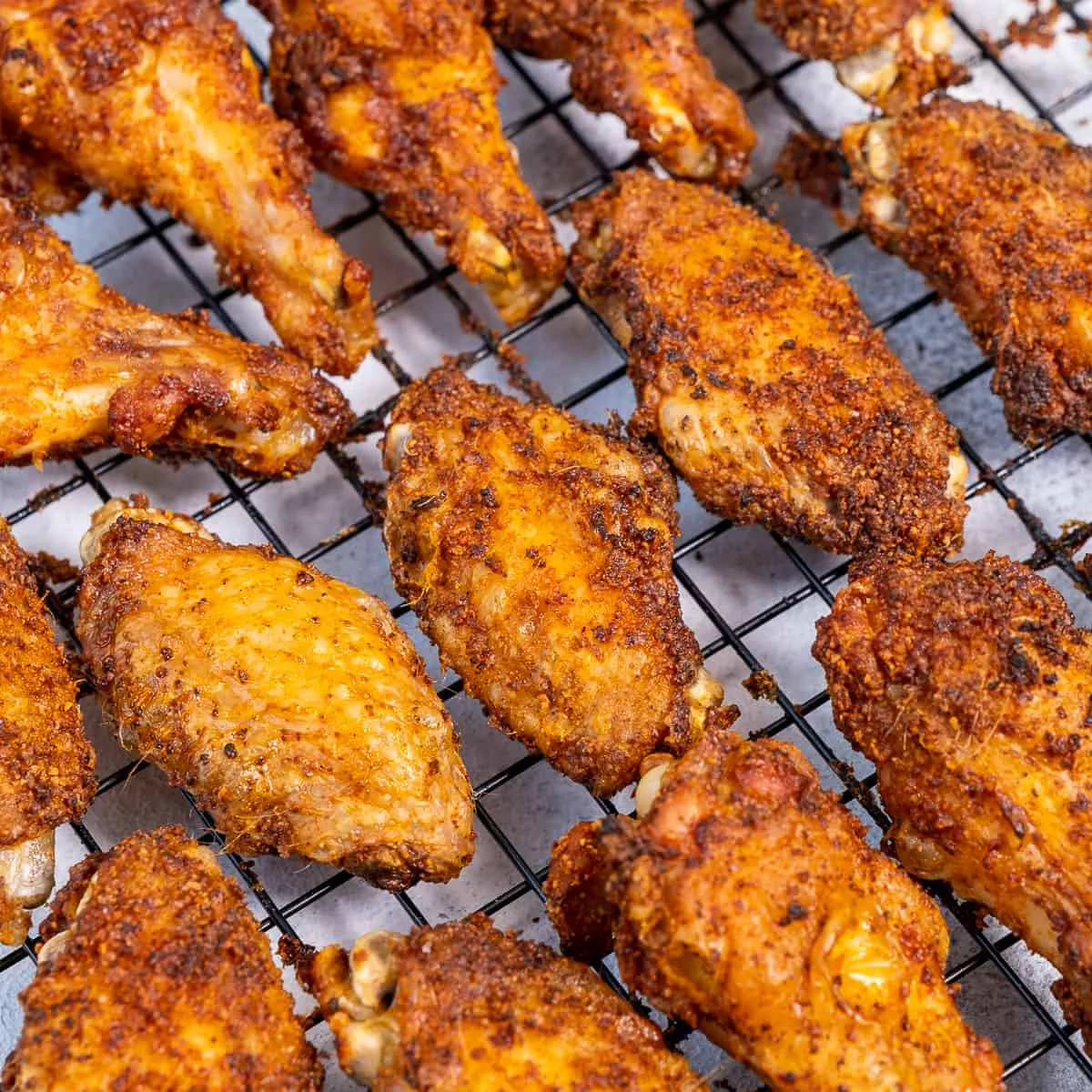
Image source: Bing (Web (fair-use with source credit))
Use 1 teaspoon of baking powder per pound of wings. Toss it with your dry seasoning blend and coat every piece evenly. Don't overdo it.
Too much baking powder leaves a metallic aftertaste that overpowers the other flavors.
Preheating Matters More Than You Think
A preheated air fryer hits the wings with full heat the moment they go in. That immediate blast of hot air starts rendering fat and crisping the skin right away. Without preheating, the first few minutes are spent just warming up the basket and the wings, which leads to uneven cooking and softer skin.
Most air fryers take 3 to 5 minutes to reach 400°F (204°C). Set the temperature, let it run empty, then load the wings. If your model has a preheat function, use it.
If not, just set it to 400°F and wait.
Don't Overcrowd the Basket
This is the second most common mistake after skipping the dry step. Wings need space between them for the hot air to circulate on all sides. When they're touching or stacked, the skin between them steams instead of crisps.
A good rule of thumb: no more than 1 to 1.5 pounds of wings in a 5-quart basket, or 2 to 3 pounds in an 8-quart model. If you're cooking more, do it in batches. Keep the first batch warm in a 200°F oven while the second batch cooks.
Air Fryer Wings vs. Deep Fried vs. Oven Baked — Honest Comparison
Each method produces a different result. The "best" one depends on what you're optimizing for: speed, texture, flavor, or convenience.
| Factor | Air Fryer | Deep Fried | Oven Baked |
|---|---|---|---|
| Cook Time | 18 to 24 min | 10 to 12 min | 40 to 50 min |
| Oil Used | Light spray | 2 to 3 quarts | Light coating |
| Crispiness | Very crispy | Crispiest | Moderate |
| Interior Juiciness | Juicy | Very juicy | Can dry out |
| Cleanup | Easy (drip tray) | Difficult (oil disposal) | Moderate (sheet pan) |
| Fat Content | Lowest | Highest | Low |
| Hands-Off Time | High | Low (monitor oil temp) | High |
| Batch Size | Limited by basket | Large (big pot) | Large (sheet pan) |
| Safety Risk | Low | Hot oil hazard | Low |
Deep fried wings still produce the absolute crispiest result because oil transfers heat more efficiently than air. But air fryer wings come surprisingly close, with a fraction of the fat and none of the oil management hassle. Oven baked wings are the most hands-off but take the longest and rarely achieve the same level of crispiness.
For most home cooks, the air fryer hits the sweet spot between texture, speed, and convenience. If you're comparing appliances more broadly, our guide on is Instant Pot or air fryer better breaks down the strengths of each for different cooking tasks.
Common Mistakes That Lead to Soggy or Overcooked Wings
Even with a good recipe, a few small errors can ruin the batch. Here are the most frequent problems we found in aggregate user reviews and recipe testing.
Mistake 1: Not drying the wings. Wet skin steams instead of crisps. Always pat thoroughly with paper towels before seasoning.
Mistake 2: Overcrowding the basket. Wings need airflow on all sides. Cook in batches if necessary.
Mistake 3: Skipping the preheat. A cold basket means the first few minutes are wasted warming up instead of crisping.
Mistake 4: Wrong temperature. Below 380°F, the skin won't crisp properly. Above 420°F, the outside burns before the inside reaches 165°F. Stick with 400°F.
Mistake 5: Using aerosol cooking sprays. These damage the non-stick coating over time. Use a refillable oil mister with avocado or olive oil instead.
Mistake 6: Not checking internal temperature. Color alone doesn't tell you the wings are done. Use a meat thermometer to confirm 165°F (74°C) in the thickest part.
Mistake 7: Saucing before cooking. Wet sauce prevents the skin from crisping. Always sauce after cooking, or return sauced wings to the fryer at 375°F for 3 to 4 minutes to set the sauce.
Best Air Fryer Models for Cooking Wings (Capacity and Features That Matter)
Not all air fryers handle wings the same way. Basket size, wattage, and airflow design all affect the final result. Here's what to look for if wings are a regular part of your rotation.
Capacity: For 2 pounds of wings, you need at least a 6-quart basket. For 3 to 4 pounds, go with an 8 or 9-quart model. The best 9 quart air fryer for big families covers the top large-capacity options that handle full batches without overcrowding.
Wattage: Higher wattage means faster heat recovery when you open the basket to flip wings. Look for 1,700 watts or above for the crispiest results.
Features that help with wings:
- Shake reminder: Alerts you to flip the wings at the right time
- Wire rack insert: Allows air to circulate under the wings for even browning on both sides
- Dishwasher-safe basket: Makes cleanup easier after handling greasy wings
- Digital temperature control: More accurate than analog dials, which can be off by 10 to 15 degrees
If you're specifically looking for easy cleanup after cooking wings and other greasy foods, the best 8 qt air fryer easy to clean highlights models with dishwasher-safe parts and non-stick coatings that hold up over time.
Sauce Recipes That Work Perfectly With Air Fried Wings
The right sauce takes good wings to great. These three recipes are designed to complement the crispy texture of air fried wings without making them soggy. Toss the hot wings in the sauce immediately after they come out of the fryer.
Classic Buffalo
Mix 1/2 cup Frank's RedHot Original with 4 tablespoons unsalted butter, 1 teaspoon Worcestershire sauce, and a pinch of cayenne. Melt the butter first so everything blends smoothly. This ratio gives you heat with enough richness to coat the wings properly.
Honey Garlic
Whisk together 1/3 cup honey, 3 tablespoons soy sauce, 4 minced garlic cloves, 1 tablespoon rice vinegar, and 1 teaspoon sesame oil. Warm it in the microwave for 20 seconds so it tosses evenly. This sauce caramelizes beautifully if you return the tossed wings to the fryer at 375°F for 2 to 3 minutes.
Smoky BBQ Dry Rub
Skip the wet sauce entirely and use this as a finishing dust. Combine 2 tablespoons smoked paprika, 1 tablespoon brown sugar, 1 teaspoon garlic powder, 1 teaspoon onion powder, 1/2 teaspoon chili powder, and 1/2 teaspoon salt. Sprinkle it on the wings while they're still hot from the fryer.
How to Reheat Wings in the Air Fryer Without Drying Them Out
Leftover wings reheat better in the air fryer than in a microwave. The microwave steams the skin and makes it rubbery. The air fryer restores the crunch.
Set the air fryer to 375°F. Place the wings in a single layer and cook for 4 to 6 minutes until heated through. The lower temperature warms the meat without overcooking the exterior.
Check the internal temperature reaches 165°F (74°C) if the wings were refrigerated overnight.
Are Air Fryer Wings Actually Healthier?
Air fried wings contain significantly less fat than deep fried ones. The rapid air circulation renders the fat under the skin and drips it into the tray below. A typical air fried wing has around 90 calories, compared to 120 to 150 calories for a deep fried wing, based on USDA nutritional data.
The cooking method also produces fewer harmful compounds. A 2020 study published in the Journal of Food Science found that air frying reduces acrylamide formation by up to 90% compared to deep frying. Acrylamide is a chemical that forms when starchy or protein-rich foods are cooked at very high temperatures.
That said, the wings themselves are still chicken skin and meat. The health benefit comes from the cooking method, not the ingredient. If you're watching sodium, go easy on the seasoning and sauce.
Frequently Asked Questions
Can I use flour or breading on air fryer wings?
Yes, but it changes the texture. A light dusting of flour or cornstarch creates a thin, crackly crust similar to Korean fried chicken. Toss the dried wings in 2 tablespoons of cornstarch before adding oil and seasoning.
Cook at the same 400°F for the same duration.
Do I need to flip the wings halfway through?
Yes. Flipping ensures both sides get direct airflow and crisp evenly. If your air fryer has a rotate function, you can skip manual flipping.
For basket-style models, shake or flip at the halfway mark.
Why are my wings smoking in the air fryer?
Smoke usually means excess fat is hitting the heating element. Make sure the drip tray is clean before cooking. If the wings are particularly fatty, empty the tray halfway through the cook time.
Can I stack wings in the air fryer?
You can, but the ones in the middle won't crisp as well. For the best results, always cook in a single layer. If you must stack, add 3 to 5 extra minutes and shake the basket every 5 minutes.
How long do uncooked wings last in the fridge?
Raw chicken wings last 1 to 2 days in the refrigerator at 40°F (4°C) or below, per USDA FSIS guidelines. Store them in a sealed container on the bottom shelf to prevent cross-contamination.
Final Verdict — The Best Method for Crispy Air Fryer Wings
The best chicken wing air fryer recipe comes down to a simple formula. Pat the wings dry. Toss them with baking powder and seasoning.
Preheat the fryer to 400°F. Cook in a single layer for 18 to 24 minutes, flipping halfway. Check for 165°F internal temperature.
Sauce after cooking, not before.
That's it. No complicated steps, no special equipment beyond the air fryer itself. Once you've done it once, the process becomes second nature.
You'll get crispy, juicy wings every time, with a fraction of the oil and mess of deep frying.