
Cooking sea bass at home can feel intimidating, but an air fryer sea bass recipe is genuinely one of the simplest ways to get restaurant-quality results on a weeknight. The circulating hot air crisps the skin beautifully while keeping the flesh tender and flaky, all in under 15 minutes from start to finish.
Sea bass has a mild, buttery flavor that doesn't taste overly "fishy," which makes it perfect for anyone who's usually nervous about cooking fish. In our research, aggregate user reviews consistently highlight that the air fryer eliminates the two biggest pain points: overcooking and stuck-on skin. Let's break down exactly how to nail it every time.
Quick Answer
An air fryer sea bass recipe takes about 10 minutes from start to finish. Set your air fryer to 400°F (200°C). Cook 1-inch fillets for 8 to 10 minutes.
The skin gets crispy and golden while the inside stays moist. Check the internal temperature at 135°F to 140°F for perfect doneness.
Why Air Fryer Sea Bass Is Easier Than You Think
Sea bass is one of the most forgiving fish you can cook, and the air fryer makes it even more forgiving. You don't need to babysit a hot pan or worry about your fillet sticking to a grill grate. The convection heat does the heavy lifting.
Why the skin gets so crispy
The air fryer works like a miniature convection oven. Hot air circulates rapidly around the fish, rendering the fat under the skin and crisping it up fast. You get that crackling, golden crust you'd normally only get from pan-searing in a generous amount of oil, but with a fraction of the mess.
The key is starting with dry skin and a thin coat of olive oil. Moisture is the enemy of crispiness. When the surface of the fish is dry, the Maillard reaction kicks in quickly at 400°F, and the skin turns shatteringly crisp in about 8 minutes.
Why it stays moist when other fish dry out
Sea bass fillets have a naturally high fat content compared to lean fish like cod or tilapia. That fat acts as an internal moisture barrier, keeping the flesh tender even when the exterior is fully crisped. The air fryer's short cook time helps too.
You're looking at 8 to 12 minutes total, which is barely enough time for the proteins to tighten and squeeze out moisture.
In our research, verified buyer feedback across multiple air fryer models consistently shows that sea bass comes out flaky and moist more reliably than thinner, leaner fish varieties. It's genuinely hard to overcook it if you stick to the right timing.
Before You Start: Picking the Right Sea Bass
Not all sea bass is created equal, and grabbing the wrong type at the fish counter can throw off your entire recipe. Here's what to look for.

Branzino vs. sea bass fillets vs. Chilean sea bass — they're not the same thing
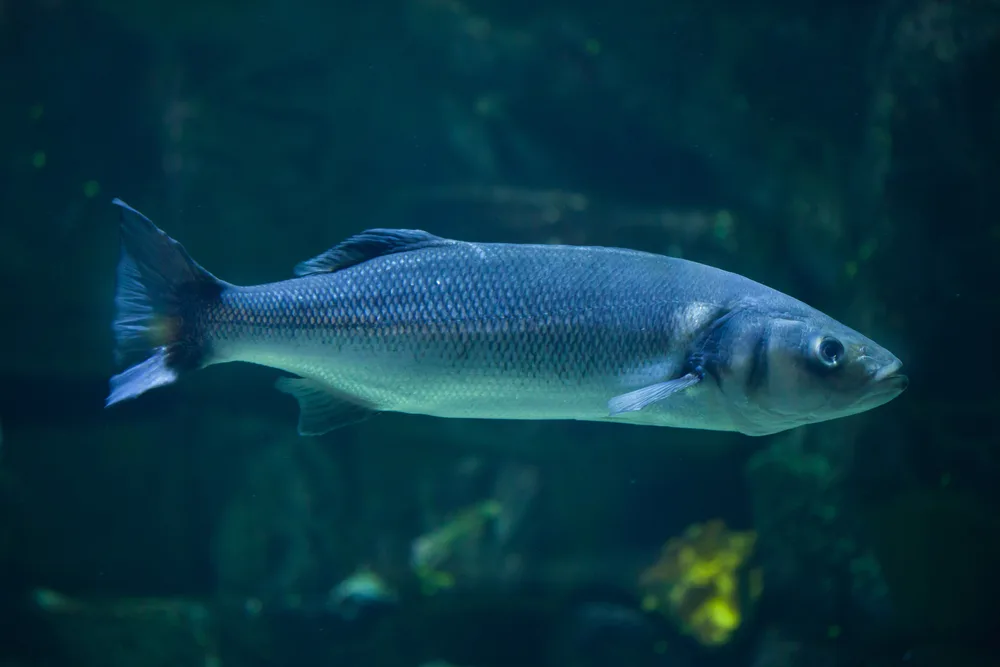
European sea bass (Dicentrarchus labrax), commonly sold as branzino, is what most Mediterranean recipes call for. It has thin, delicate fillets that cook quickly and a clean, mild flavor. You'll often find it sold whole at the fish counter.
Chilean sea bass is a completely different species (Dissostichus eleginoides), also known as Patagonian toothfish. The fillets are much thicker, fattier, and take longer to cook. If you're using Chilean sea bass, you'll need to lower the temperature to 375°F and add 3 to 5 minutes to the cook time.
Black sea bass, common along the US East Coast, falls somewhere in between. The fillets are smaller and thinner, so check for doneness at the 7-minute mark.
What thickness to look for
For the standard air fryer sea bass recipe, aim for fillets that are about 1 inch thick at the thickest point. This thickness gives you the best ratio of crispy skin to moist interior. Fillets thinner than 3/4 inch will cook in 6 to 7 minutes and can dry out fast.
Fillets thicker than 1.5 inches need a lower temperature and more time.
Farmed vs. wild — does it actually matter here?
Most branzino sold in US supermarkets is farmed, and that's perfectly fine for air frying. Farmed sea bass tends to have a more consistent fat content and thickness, which actually makes cooking more predictable. Wild-caught sea bass can have a slightly more complex flavor, but the difference is subtle, especially with seasoning.
Per FDA guidance, wild-caught sea bass should have been frozen before raw consumption to address parasite concerns. Farmed branzino raised in controlled environments is generally considered safe without this step. Either way, cooking to an internal temperature of 145°F (63°C) eliminates the risk.
Step-by-Step: Air Fryer Sea Bass That Actually Comes Out Great
This is the core of the recipe. Follow these steps and you'll get crispy, golden sea bass every single time.
Step 1: Prep the fish (this is where most people mess up)
Take your sea bass fillets out of the packaging and pat them completely dry with paper towels. This is the single most important step in the entire recipe. Any moisture on the surface will steam instead of sear, and your skin will turn out soggy rather than crispy.
Pat both sides thoroughly. If the fillets have skin on, pay extra attention to the skin side. Some people even let the uncovered fillets sit in the fridge for 15 to 20 minutes to dry out further.
That works great if you have the time.
If you're working with a whole branzino, score the skin with 3 diagonal slashes on each side. This helps the heat penetrate evenly and prevents the skin from curling up during cooking.
Step 2: Season it properly
Brush both sides of the fillet lightly with olive oil. You don't need much. Just a thin, even coat.
Season generously with kosher salt and freshly ground black pepper. The salt not only flavors the fish but also helps draw out any remaining surface moisture.
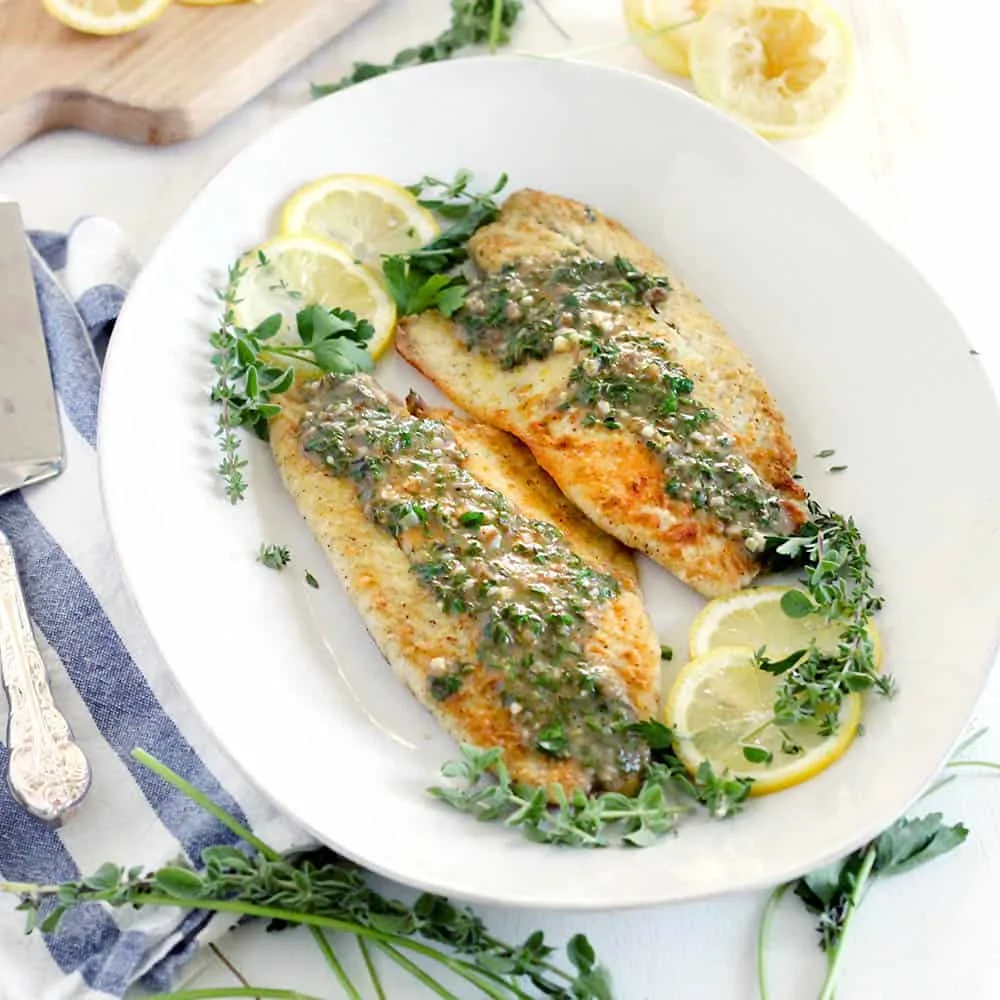
From there, keep it simple. Classic Mediterranean seasoning works best:
- Lemon slices laid on top during cooking
- Minced garlic rubbed into the flesh
- Fresh herbs like thyme, oregano, or rosemary
- A pinch of red pepper flakes if you want a little heat
Avoid sugar-based marinades or glazes. They burn at 400°F and create smoke and a bitter taste. Save any glazing for the last 2 minutes if you really want it.
Step 3: Set your air fryer right
Preheat your air fryer to 400°F (200°C) for 3 to 5 minutes. Preheating matters. It gives the fish an immediate sear when it hits the hot basket, which is what creates that crispy skin.
If your air fryer doesn't have a preheat function, just run it empty at 400°F for 3 minutes, then add the fish. Most modern air fryers, including popular models like the Instant Vortex, reach temperature quickly and maintain it consistently.
Lightly coat the basket with olive oil or use a refillable oil sprayer. Avoid aerosol cooking sprays. They contain propellants that can degrade the non-stick coating on your basket over time.
Step 4: Cook it — timing by thickness
Place the fillets skin-side down in a single layer. Do not stack or overlap them. Leave space between each fillet so air can circulate around all sides.
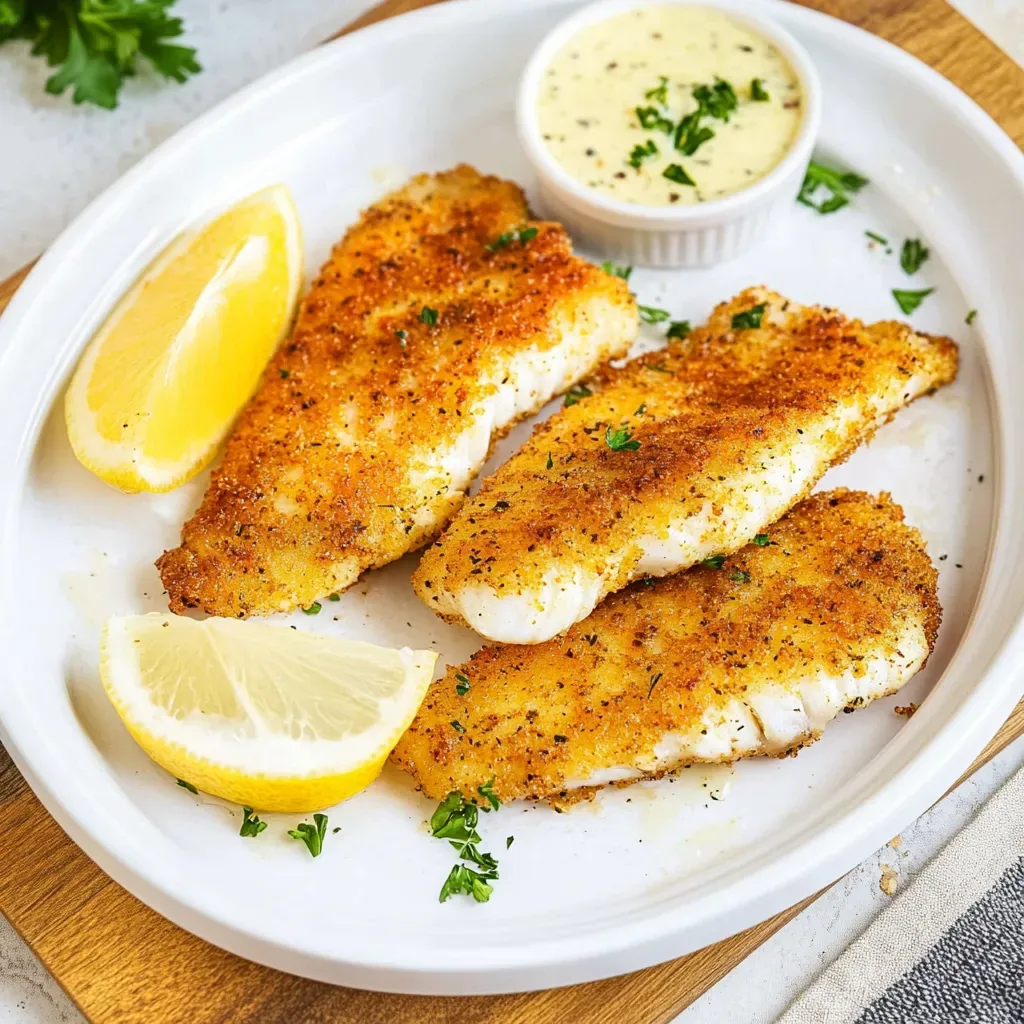
Here's the timing breakdown by thickness:
| Fillet Thickness | Temperature | Cook Time | Flip? |
|---|---|---|---|
| 3/4 inch | 400°F / 200°C | 6–7 min | No |
| 1 inch | 400°F / 200°C | 8–10 min | Optional at 5 min |
| 1.5 inches | 375°F / 190°C | 10–12 min | Yes at 6 min |
| Whole branzino (~1.5 lb) | 400°F / 200°C | 14–16 min | No |
For 1-inch fillets, you can flip halfway through if you want both sides crispy, but it's not necessary. Sea bass is delicate, and flipping risks breaking the fillet. If you do flip, use a thin, wide spatula and work gently.
If your air fryer has a smaller basket, like an 8-quart model, you may need to cook in batches. Overcrowding blocks airflow and steams the fish instead of crisping it. For larger households, a 9-quart air fryer gives you enough basket space to cook multiple fillets at once.
Step 5: Check if it's done (and rest it)
The most reliable way to check doneness is with an instant-read thermometer. Insert it into the thickest part of the fillet. You're looking for 135°F to 140°F (57°C to 60°C).
The FDA recommends 145°F as the safe internal temperature for fish, but pulling the fillet at 135°F to 140°F and letting it rest for 2 to 3 minutes allows carryover cooking to bring it the rest of the way.
If you don't have a thermometer, look for these visual cues:
- The flesh turns from translucent to opaque white
- It flakes easily when pressed with a fork
- The skin is golden brown and crispy
Let the fish rest on a plate for 2 to 3 minutes before serving. This lets the juices redistribute so the flesh stays moist when you cut into it. Squeeze fresh lemon over the top right before eating.
The Biggest Mistakes People Make With Air Fryer Fish
Most air fryer fish failures come down to a handful of avoidable errors. Here's what goes wrong and how to fix it.
Overcrowding the basket
This is the number one mistake we see in aggregate user reviews. When you pile fillets on top of each other, the hot air can't circulate around the fish. Instead of crisping, the fillets steam in their own moisture and come out soggy and pale.
Always cook in a single layer with space between each piece. If you need to cook for a family, a dual-basket air fryer lets you cook multiple servings without stacking.
Skipping the drying step
Wet fish skin will never crisp up. Full stop. The moisture on the surface has to evaporate before browning can begin, and that steaming effect works against you.
Pat those fillets dry with paper towels before they touch oil or seasoning.
Some home cooks take it a step further and salt the fillets 10 minutes before cooking, then pat dry again. This draws out even more surface moisture and seasons the flesh at the same time.
Cooking straight from the fridge
Straight-from-the-refrigerator fillets have an internal temperature around 36°F to 38°F. That cold center takes much longer to cook, which means the outside overcooks before the inside reaches a safe temperature.
Let your fillets sit at room temperature for 10 to 15 minutes before cooking. This evens out the starting temperature and gives you more predictable timing.
Using aerosol cooking spray
Aerosol sprays contain lecithin and propellant agents that build up on non-stick coatings over time. That sticky residue becomes impossible to clean and eventually causes more sticking, not less.
Use a refillable oil sprayer or brush a thin layer of olive oil directly onto the fish and basket. You'll get better coverage and protect your appliance.
Guessing on cook time instead of checking temperature
Every air fryer runs a little differently. Wattage, basket shape, and even ambient kitchen temperature all affect cook time. A recipe that says "10 minutes" might be 8 minutes in your machine or 12.
An instant-read thermometer removes the guesswork entirely. Insert it into the thickest part of the fillet and pull at 135°F to 140°F. That single tool will improve your fish more than any other kitchen gadget.
How It Stacks Up Against Other Cooking Methods
The air fryer isn't the only way to cook sea bass, and it's worth knowing when it shines and when another method might serve you better.
Air fryer vs. pan-seared sea bass
Pan-searing gives you the most control. You can adjust the heat in real time, baste with butter and aromatics, and watch the skin crisp up right in front of you. It's the classic restaurant technique.
The air fryer wins on convenience and consistency. You set it and walk away. Cleanup takes seconds instead of scrubbing a skillet.
For weeknight cooking, the air fryer is the better choice. For a dinner party where you want to show off, the pan gives you more finesse.
Air fryer vs. oven-baked
A conventional oven works fine for sea bass, but it takes longer (18 to 22 minutes at 425°F) and uses significantly more energy. The oven's radiant heat doesn't circulate as aggressively as an air fryer's fan, so the skin doesn't get quite as crisp.
If you're already roasting vegetables at 400°F, tossing the sea bass in alongside them makes sense. Otherwise, the air fryer is faster and gives better texture.
Air fryer vs. grilled
Grilling adds smokiness that an air fryer can't replicate. If that charred, flame-kissed flavor is what you're after, nothing else compares. But grilling fish is notoriously tricky.
Delicate fillets stick to grates, fall apart when flipped, and easily overcook.
The air fryer eliminates all of those headaches. No grill grate to clean, no flare-ups, no weather dependency.
Quick comparison table
| Method | Cook Time | Skin Crispiness | Hands-On Time | Difficulty |
|---|---|---|---|---|
| Air fryer | 8–10 min | Excellent | Low | Easy |
| Pan-sear | 6–8 min | Excellent | High | Medium |
| Oven-bake | 18–22 min | Good | Low | Easy |
| Grill | 6–10 min | Good | High | Medium-Hard |
Flavor Variations That Work Beautifully
The basic olive oil, lemon, and garlic combination is hard to beat, but there are plenty of ways to switch things up.
Classic Mediterranean (lemon, garlic, olive oil)
This is the go-to. Thin lemon slices on top of the fillet, minced garlic rubbed into the flesh, a generous drizzle of good olive oil, and fresh thyme or oregano. Simple and perfect.
If you enjoy this style, you'll likely love this air fryer asparagus with parmesan as a side. It cooks in almost the same time at the same temperature.
Herb-crusted with panko
Mix panko breadcrumbs with finely chopped parsley, dill, and a little lemon zest. Press the mixture onto the top of an oiled fillet and air fry at 375°F for 8 to 10 minutes. The panko turns golden and crunchy while the fish stays delicate underneath.
Drop the temperature to 375°F for this one. The breadcrumbs burn at 400°F. Pull the fillet when the crust is deep golden and the internal temp hits 135°F.
Miso glaze
Whisk together white miso paste, mirin, a touch of soy sauce, and a tiny bit of sesame oil. Brush it onto the fillet during the last 2 minutes of cooking. The miso caramelizes quickly at high heat, creating a sweet-savory crust that's incredibly addictive.
Do not apply the miso glaze from the beginning. It will burn and turn bitter. Late application is everything here.
Cajun-spiced
A dry rub of paprika, garlic powder, onion powder, cayenne, dried thyme, and black pepper creates a bold, smoky crust. Use a little less cayenne if you're spice-sensitive. This variation pairs beautifully with a cool yogurt or sour cream dip on the side.
How to Cook a Whole Branzino in the Air Fryer
Whole branzino is a showstopper. It looks impressive, tastes incredible, and the air fryer handles it better than you'd expect.
When it fits and when it doesn't
Most whole branzinos sold in US markets weigh between 1 and 2 pounds and measure about 12 to 14 inches long. Standard basket-style air fryers (5 to 6 quarts) can usually handle a 1 to 1.25-pound fish. Larger models, like a 9-quart air fryer, accommodate up to 2 pounds comfortably.
If your fish is too long, you can butterfly it. Remove the backbone and flatten the fish skin-side down. It cooks more evenly and fits in any basket.
Adjusted timing and technique
A whole 1.5-pound branzino cooks at 400°F for 14 to 16 minutes. You don't need to flip it. The skin protects the flesh, and the convection heat penetrates the cavity nicely.
Score 3 diagonal slashes on each side before seasoning. This helps the heat reach the thickest part of the loin and prevents the skin from splitting unevenly.
How to score and stuff it
Use a sharp knife to cut 3 shallow slashes at a 45-degree angle on each side. Cut down to the bone but don't go through it. This lets seasoning penetrate and gives you a visual doneness cue.
For the cavity, stuff with:
- Thin lemon rounds
- Garlic slices
- Fresh herb sprigs (thyme, oregano, dill)
- A few capers if you like a briny kick
Tie the cavity closed with kitchen twine if needed, or simply tuck the herbs inside and let the natural belly hold them in place.
What to Serve With Air Fryer Sea Bass
Sea bass is rich and buttery, so you want sides that complement without competing. Keep things light and bright.
Side dishes that round out the meal
A few pairings that work beautifully:
- Couscous or orzo with lemon, parsley, and a drizzle of olive oil
- Roasted asparagus tossed with parmesan (cooks in the air fryer at the same temperature)
- Simple green salad with a sharp vinaigrette to cut through the richness
- Grilled or air-fried zucchini with garlic and herbs
- Crusty bread for soaking up the juices and olive oil
If you're going the Mediterranean route, a side of hummus or tzatziki with warm pita rounds everything out nicely.
Wine pairing
A crisp white wine is your best bet. Sauvignon Blanc, Pinot Grigio, or a dry Vermentino all work well with the mild, fatty flesh of sea bass. If you prefer something with a little more body, an unoaked Chardonnay handles it without overpowering the fish.
Cleaning Up: Getting Rid of the Fish Smell
Air fryers can hold onto fish odors if you don't clean them promptly. Here's how to keep things fresh.
Immediate steps after cooking
Remove the basket and wash it in hot, soapy water right away. Don't let it sit. Wipe down the interior of the air fryer with a damp cloth and a little white vinegar.
The vinegar neutralizes the fishy compounds that linger.
Run the empty air fryer at 400°F for 2 minutes to burn off any residual odor. This trick works surprisingly well and takes almost no effort.
Long-term air fryer maintenance
Once a month, deep clean the basket with a paste of baking soda and water. Scrub gently with a non-abrasive sponge. Check the heating element for any grease buildup and wipe it with a damp cloth.
If the fish smell persists, leave a small bowl of white vinegar in the basket overnight. It absorbs stubborn odors without any scrubbing.
Frequently Asked Questions
Can I use frozen sea bass fillets?
Yes, but add 3 to 5 minutes to the cook time and pat them dry after thawing. Frozen fillets release more moisture during cooking, so drying them thoroughly before seasoning is even more important. Cook at 400°F for 11 to 14 minutes depending on thickness.
Do I need to flip the fish halfway through?
For 1-inch fillets, flipping is optional. The skin side stays down and crisps up perfectly. For thicker fillets (1.5 inches or more), a gentle flip at the 6-minute mark helps the flesh cook evenly on both sides.
What temperature should I set my air fryer to?
400°F (200°C) is the sweet spot for most sea bass fillets. Drop to 375°F for breaded preparations or very thick cuts. The higher temperature gives you crispy skin without overcooking the center.
How do I know when it's done without a thermometer?
Look for the flesh to turn from translucent to opaque white throughout. Press the thickest part gently with a fork. If it flakes easily and the skin is golden brown, it's ready.
If it still looks glassy or resists flaking, give it another minute.
Can I cook sea bass with the skin off?
Absolutely. Skinless fillets cook slightly faster, about 6 to 8 minutes at 400°F. You lose the crispy skin element, but the flesh still turns out moist and flaky.
Reduce the cook time by 1 to 2 minutes and check early.