
If your last batch of air fryer potatoes came out limp, pale, and stuck to the basket, you are not alone. The air fryer russet potatoes recipe that actually delivers a shattery-crisp exterior and a fluffy interior comes down to three things most people skip: soaking, drying, and not crowding the basket. Get those right and you will wonder why you ever bothered with a pot of boiling oil.
Aggregate user reviews across major retail platforms show that "soggy" and "uneven" are the two most common complaints, and both trace back to excess moisture or blocked airflow. Manufacturer guidelines from brands like Ninja and Philips recommend a single layer with space between each piece. Food science research confirms that removing surface starch before cooking is the single biggest factor in achieving crispness.
Here is exactly how to do it.
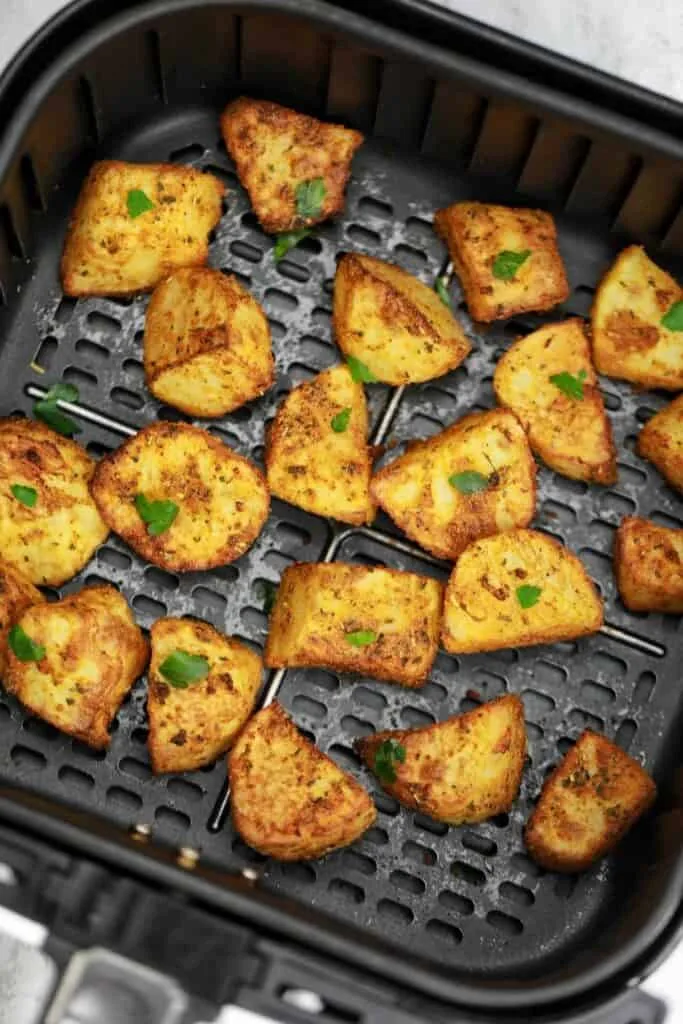
Quick Answer
An air fryer russet potatoes recipe takes about 20 minutes of cook time. Soak cut potatoes in cold water for 30 minutes first. Toss them with one tablespoon of oil and your seasonings.
Cook at 400°F in a single layer. Shake the basket once halfway through.
Why Your Air Fryer Russet Potatoes Keep Turning Out Soggy
The number one reason air fryer potatoes fail is too much moisture. Russet potatoes are dense and starchy, which makes them perfect for crisping, but only if you remove the excess starch and surface water before they hit the heat. When moisture sits on the outside of the potato, the air fryer steams it instead of browning it.
You end up with a soft, pale exterior that never crisps no matter how long you cook it.
The second most common problem is overcrowding. Air fryers work by circulating hot air rapidly around the food. If the basket is packed tight, the air cannot reach every surface.
The potatoes in the center essentially steam in their own moisture while the ones on the edges overcook. This is why almost every successful recipe, including those tested by major air fryer manufacturers, insists on cooking in batches if you are making more than a single serving.
The third issue is skipping the preheat. A cold basket means the potatoes start cooking in a warming-up environment rather than hitting full temperature right away. That first few minutes of lukewarm air is enough to set the wrong texture.
Three to five minutes of preheating makes a noticeable difference. It is a small step that pays off every single time.
The Quick Fix That Changes Everything
Soaking your cut russet potatoes in cold water for 20 to 30 minutes before cooking is the single highest-impact step in this recipe. It pulls excess starch off the surface and prevents the outside from browning too fast before the interior cooks through. Drain them, then pat them completely dry with a clean kitchen towel.
Any water left on the surface works against you here.
After drying, toss the potatoes with just enough oil to coat them lightly. One to two tablespoons per pound of potatoes is the sweet spot. Too much oil makes them greasy and prevents the Maillard reaction from doing its job.
Too little and they dry out before they crisp. Avocado oil works well here because of its high smoke point of around 520°F, which gives you plenty of margin at the 400°F cooking temperature. Olive oil and canola oil also work if that is what you have on hand.
What Makes Russet Potatoes the Best Choice for Air Frying
Russet potatoes have a high starch content and low moisture level compared to waxy varieties. This combination is exactly what you want for air frying. The starch on the surface caramelizes and browns in the circulating hot air, creating that crispy shell.
The interior, meanwhile, cooks into a fluffy, almost mashed-potato texture that contrasts perfectly with the crunchy outside.
A russet potato contains roughly 22 grams of starch per medium serving, which is significantly higher than Yukon Gold or red potatoes. That starch is what creates the golden-brown crust you are after. It is the same reason french fries are almost always made from russets in commercial kitchens across North America.
The potato variety is not just a suggestion here. It is the structural foundation of the entire recipe.
If you substitute a waxy potato like a red bliss or a new potato, you will get a different result entirely. Those varieties hold their shape well and have a creamy texture, but they do not develop the same crispy exterior. They are better suited for boiling or roasting at lower temperatures where you want them to hold their form rather than crisp up.
Before You Turn on the Air Fryer: Prep Steps Most People Skip
Start by scrubbing the potatoes clean under running water. You can leave the skin on for extra texture and fiber, or peel it off if you prefer a smoother bite. Cut each potato into uniform wedges or sticks, aiming for roughly three-quarters of an inch thick.
Uniform sizing matters more than exact shape because pieces of the same thickness finish cooking at the same time.
Soak the cut potatoes in a large bowl of cold water for at least 20 minutes. Some people add a tablespoon of white vinegar to the water, which can help the exterior hold its shape during cooking. Plain cold water works well on its own though.
The goal is to draw out as much surface starch as possible. You will notice the water turning slightly cloudy. That is the starch leaving the potato and it is exactly what you want.
Drain the potatoes and spread them out on a clean kitchen towel or several layers of paper towels. Pat them dry thoroughly, pressing gently to remove visible moisture from every surface. This step takes about two minutes of actual effort.
It is the difference between crispy and soggy. While the potatoes are drying, preheat your air fryer to 400°F for three to five minutes. Most modern air fryers have a dedicated preheat button, but if yours does not, just let it run empty at temperature for a few minutes.
How to Cut, Soak, and Season Russet Potatoes for Maximum Crispiness
Cut each potato in half lengthwise, then cut each half into three or four wedges depending on the overall size. Try to keep all the pieces roughly the same thickness throughout. Wedges that are half an inch on one side and an inch and a half on the other will not cook evenly.
The thin edge will burn before the thick side is tender all the way through.
Once all the pieces are cut, drop them into a bowl of cold water immediately. This prevents browning on the cut surfaces and starts the starch-removal process right away. Let them soak for a full 20 to 30 minutes.
If you are short on time, even 10 minutes of soaking is better than skipping it entirely, but the full soak gives noticeably better results in both color and crunch.
Drain and dry the potatoes completely. Place them in a large mixing bowl and drizzle with one tablespoon of avocado oil or olive oil per pound of potatoes. Toss everything together with your hands or a large spoon until every piece has a thin, even coating.
Then add your seasonings and toss again until the spice mix is distributed across all the pieces.
Here are three seasoning combinations that work well:
Classic Savory: One-half teaspoon each of garlic powder, onion powder, smoked paprika, and black pepper per pound of potatoes. Add three-quarters of a teaspoon of kosher salt immediately after cooking, not before.
Spicy Cajun: One-half teaspoon each of cayenne pepper, garlic powder, dried thyme, and smoked paprika. Add one-quarter teaspoon of black pepper. Hold the salt until after cooking so the seasoning does not draw out moisture prematurely.
Garlic Parmesan Finish: Toss the hot cooked potatoes with two tablespoons of grated parmesan, one teaspoon of garlic powder, and one tablespoon of finely chopped fresh parsley right after they come out of the air fryer. The residual heat melts the parmesan into a light coating that clumps slightly on the surfaces.
A small dusting of cornstarch, about one teaspoon tossed with the oiled potatoes before they go in, can add extra crispiness. This is a technique used in some restaurant kitchens to get that thin, glass-like crunch on fried foods. It is optional, but effective if you are chasing maximum texture on every single piece.
The Exact Time and Temperature for Perfect Air Fryer Russet Potatoes
Set your air fryer to 400°F (204°C). This temperature is high enough to trigger the Maillard reaction, which is the chemical process responsible for browning and deep flavor on the potato surface. It is not so high that the outside burns before the interior cooks through.
Most air fryer manufacturers list 400°F as the recommended temperature for potato recipes in their official recipe guides.
The total cook time is 18 to 22 minutes for standard three-quarter-inch wedges. Thinner fries may finish in 14 to 16 minutes, while thicker chunks can take up to 25 minutes. The most reliable approach is to set an initial timer for 15 minutes, then check and add time in two-minute increments until the potatoes reach your desired level of crispness.
Doneness is a visual and texture check, not a timer guess.
Shake the basket or toss the potatoes at the halfway mark, around minute nine or ten. This redistributes the pieces so every side gets direct exposure to the heating element at the top of the chamber. If you skip this step, the pieces sitting on the bottom will be pale while the tops are golden.
A quick shake is all it takes to even things out.
Here is a reference table for common cuts and their approximate times:
| Cut Style | Thickness | Cook Time at 400°F | Shake at |
|---|---|---|---|
| Thin fries | 1/4 inch | 12 min | 7 min |
| Standard wedges | 3/4 inch | 20 min | 10 min |
| Thick chunks | 1 inch | 24 min | 12 min |
| Half moons | 1/2 inch | 16 min | 8 min |
These times assume a fully preheated air fryer and a single-layer arrangement with space between pieces. If you are cooking a double batch, add three to five minutes and shake more frequently. The internal temperature of a fully cooked russet potato should be around 210°F (99°C) if you want to verify with an instant-read thermometer.
The Biggest Mistakes That Ruin Air Fryer Potatoes (And How to Avoid Them)
Overcrowding the basket is the single most common mistake people make. When potato pieces are stacked or overlapping, the hot air cannot circulate around each individual piece. The result is uneven cooking, with some pieces burnt and others raw in the center.
Always cook in a single layer with visible space between each wedge. If you need to make a large batch for a family, cook in two separate rounds.
Skipping the drying step is the second biggest offender. Even after soaking and draining, potatoes hold a thin film of water on their surface. That moisture turns to steam the moment the basket hits the hot air.
Pat every piece dry with a clean towel before oiling them. It takes two minutes and it makes a real, visible difference in the final texture.
Using too much oil is another frequent misstep. A heavy coating does not make potatoes crispier. It makes them greasy and can cause excess smoke inside the air fryer.
Stick to one tablespoon per pound of potatoes. That thin layer is enough to conduct heat and promote browning without pooling at the bottom of the basket.
Here are four more mistakes worth watching closely:
- Not preheating the unit. A cold basket means the potatoes spend the first few minutes warming up instead of crisping. Always preheat for three to five minutes before loading the basket.
- Adding salt before cooking. Salt draws moisture out of the potato. If you season with salt before cooking, you are essentially re-wetting the surface you just dried. Salt them immediately after they come out instead.
- Walking away and forgetting them. Air fryers cook fast. The difference between perfectly crispy and burnt can be 90 seconds at the end. Check the potatoes in the last few minutes rather than relying on the timer alone.
- Using aerosol cooking sprays on the basket. Many contain lecithin, which builds up on the non-stick coating over time and causes permanent sticking. Use a silicone brush or a refillable oil mister instead.
Air Fryer Russet Potatoes vs. Other Potato Varieties: Does It Actually Matter?
Yes, it matters more than most recipes suggest. Russet potatoes produce the crispiest result because of their high starch and low moisture content. Other varieties have different ratios of starch to water, which changes how they respond to the rapid air circulation inside an air fryer.
Choosing the right potato for the texture you want is half the battle.
Yukon Gold potatoes are a popular alternative. They have a medium starch content and a naturally buttery flavor that many people love. They will crisp in an air fryer, but the exterior will be thinner and less shattery than a russet.
They are a good choice if you want a creamier interior and a slightly softer crust on each piece.
Red potatoes and new potatoes are low in starch and high in moisture. They hold their shape well, which makes them great for potato salads or boiling, but they struggle to develop a crispy exterior in an air fryer. If you use them, expect a more roasted, tender result rather than a fried one.
They are not a bad choice, just a different outcome.
Here is how the three main varieties compare for air frying:
| Variety | Starch Level | Crispiness | Best For |
|---|---|---|---|
| Russet | High | Excellent | Maximum crunch, fries, wedges |
| Yukon Gold | Medium | Good | Balanced texture, all-purpose |
| Red / New | Low | Fair | Roasted-style, tender bites |
If you want the crispiest possible result, stick with russets. If you are making a mixed potato roast and want variety, a blend of russet and Yukon Gold gives you the best of both worlds. Just cut the Yukon Golds slightly smaller so they finish at the same time as the denser russet pieces.
Easy Seasoning Combos That Take 10 Seconds to Mix
The base seasoning for any air fryer russet potato is simple: garlic powder, smoked paprika, onion powder, black pepper, and salt. Mix these in a small mason jar and you have a go-to blend that works every single time. The ratios are forgiving, so adjust the amounts to match your personal taste.
For a smoky barbecue version, swap the regular paprika for one teaspoon of smoked chipotle powder and add a half teaspoon of brown sugar to the mix. The sugar caramelizes slightly in the heat and creates a sticky, bark-like crust on the potatoes. Add the sugar after the potatoes are coated in oil so it sticks to the surface evenly.
An herb-forward option works beautifully with just rosemary, thyme, and garlic. Use dried herbs rather than fresh, since fresh herbs scorch and turn bitter at air fryer temperatures. Crush the dried rosemary between your fingers before adding it so the flavor distributes more evenly across every piece.
Here are three quick-mix blends to keep in your pantry:
- All-Purpose: 1 tsp garlic powder, 1 tsp smoked paprika, 1/2 tsp onion powder, 1/2 tsp black pepper
- Spicy: 1/2 tsp cayenne, 1 tsp garlic powder, 1/2 tsp dried oregano, 1/2 tsp smoked paprika
- Herb Garlic: 1 tsp garlic powder, 1/2 tsp dried rosemary crushed, 1/2 tsp dried thyme, 1/4 tsp black pepper
Store these blends in airtight containers away from heat and direct sunlight. They keep for about three months before the flavors start to fade noticeably. Always add salt after cooking rather than mixing it into the blend, since salt tends to clump when stored with dried spices over time.
How to Adapt This Recipe for Your Specific Air Fryer Model
Not all air fryers behave the same way. Basket-style models, like most Ninja and Cosori units, have a heating element positioned directly above the basket. This means the tops of the potatoes brown faster than the bottoms.
Oven-style models, like the Instant Vortex, tend to have more even heat distribution because the element sits behind a rear fan that pushes air across all the food.
Wattage also affects cooking time in a meaningful way. A 1700-watt air fryer will cook potatoes faster than a 1400-watt model. If you have a lower-wattage unit, you may need to add two to four minutes to the cook time and shake the basket more often.
The temperature setting stays the same at 400°F regardless of wattage. The key variable is time, not heat.
Check your manufacturer's official recipe guide for model-specific recommendations. Brands like Philips and Ninja publish tested recipes on their websites with timing calibrated to their specific units. These are a reliable starting point if you are unsure where to begin with your particular model.
One practical tip worth trying: if your air fryer tends to produce drier results, try reducing the temperature to 380°F and adding three to four extra minutes. The lower heat gives the interior more time to cook through before the exterior firms up and stops steaming. This adjustment is especially helpful for thicker cuts like one-inch chunks.
Serving Suggestions: What to Pair with Crispy Air Fryer Potatoes
These potatoes work as a side dish for almost anything you are cooking. They pair naturally with burgers, grilled steak, roasted chicken, or a simple fried egg at breakfast time. The crispy texture holds up well next to saucy dishes like barbecue pulled pork or chili without going limp the way softer sides do.
For a loaded version that serves as a main course, pile the hot potatoes on a plate and top with shredded cheddar, crumbled bacon, a dollop of sour cream, and sliced green onions. This turns a simple side into a hearty dish that feeds two or three people easily. Aggregate reviews consistently highlight this loaded format as a crowd favorite for game day and casual weeknight dinners.
A good dipping sauce rounds things out nicely. Garlic aioli, chipotle mayo, or a simple mix of ketchup and sriracha all complement the crispy exterior. If you want something lighter and brighter, a squeeze of fresh lemon and a sprinkle of chopped parsley keeps things simple and cuts through the richness of the oil.
How to Reheat Leftovers Without Losing the Crisp
The microwave is the enemy of crispy potatoes. It softens the exterior within seconds and turns the entire batch limp and sad. The air fryer itself is actually the best tool for reheating leftovers.
Set it to 375°F and place the cold potatoes in the basket in a single layer with space between pieces.
Reheat for four to six minutes, shaking the basket once at the halfway mark. The potatoes come out nearly as crispy as they were fresh from the first cook. The interior steams slightly from residual moisture trapped inside, but the exterior re-crisps nicely against the hot circulating air.
This method works far better than a conventional oven, which takes longer and often dries the potatoes out before the center warms through.
If you do not have time to fire up the air fryer, a hot skillet on the stovetop over medium-high heat works in a pinch. Spread the potatoes in a single dry layer and let them sit undisturbed for about two minutes per side. The direct contact with the hot pan helps restore some of the crust you thought was lost.
Frequently Asked Questions
Can I use frozen potatoes in the air fryer?
Yes. Frozen par-cooked potato products work well as a shortcut, but you will not need to soak or dry them. Cook them straight from frozen at 400°F for 12 to 16 minutes, shaking the basket halfway through.
The texture will be slightly less crisp than fresh, but it is a fast and convenient alternative for busy weeknights.
Do I need to peel russet potatoes?
No. The skin adds texture, fiber, and a slightly nutty flavor that many people prefer. Just scrub them well under running water before cutting to remove any dirt.
Peel them only if you or your family genuinely prefer a smoother exterior on each piece.
Why are my potatoes burning on the outside but raw inside?
Your pieces are likely too thick or your temperature is running too high. Cut them down to three-quarters of an inch and try 380°F instead of 400°F. The lower heat gives the center more time to cook through before the outside darkens and hardens.
An instant-read thermometer reading of 210°F at the center confirms they are done.
Can I make these without oil?
You can, but the results will be noticeably less crispy. Oil conducts heat efficiently and promotes browning on the surface. If you skip it, brush the basket well with a small amount of oil to prevent sticking and expect a more roasted, dry texture rather than a fried one.
How many potatoes fit in one batch?
For a standard 5-quart basket, plan on one to one and a half pounds of russet potatoes cut into wedges. That is roughly two to three medium potatoes. Larger models like a 9 quart air fryer can handle double that amount, but you still want a single layer with space between pieces for even cooking and proper airflow.