
You pull a pack of frozen salmon from the freezer and dinner feels impossible. Thawing takes hours. Pan-searing from frozen sounds messy.
But air fryer recipes for frozen salmon skip the wait entirely and deliver flaky, restaurant-quality fish in under 20 minutes. No thawing. No guesswork.
Just set the temp, set the timer, and go.
The USDA recommends cooking fish to a minimum internal temperature of 145°F (63°C) for food safety, and an air fryer hits that target reliably without drying the fillet out. Aggregate user reviews across major air fryer brands consistently report that frozen salmon comes out better than oven-baked, with crispier edges and a more moist center. The trick is knowing how to adjust for your specific cut.
Let's walk through it.
Quick Answer
Yes, you cook frozen salmon directly in the air fryer without thawing. Set the temperature to 400°F (204°C). Cook a 1-inch fillet for 12 to 15 minutes.
Cook a 1.5-inch steak for 15 to 20 minutes. Check the internal temperature reaches 145°F (63°C). Let it rest 2 minutes before serving.
Can You Cook Frozen Salmon in an Air Fryer? (Spoiler: Yes, and It's Great)
Image source: Bing (Web (fair-use with source credit))
Cooking salmon straight from frozen in an air fryer isn't just possible, it's arguably the best quick-cook method for it. The circulating hot air thaws and cooks the fillet evenly, giving you a crispy exterior and a tender, flaky center without the rubbery texture you get from microwaving or the dried-out edges that oven baking can produce.
Here's why it works so well. An air fryer is essentially a compact convection oven that moves hot air around the food at high speed. That rapid airflow means the surface of the salmon starts cooking immediately, which creates a light crust while the interior gently thaws and steams in its own moisture.
You end up with a texture that's hard to achieve any other way when starting from frozen.
The practical upside is real. Most frozen salmon fillets go from freezer to plate in 15 to 20 minutes. There's no planning ahead, no cold-water bath, no waiting.
If you've got a pack of frozen salmon and 20 minutes, you've got dinner.
One thing to keep in mind: air fryer wattage varies. Most consumer models run between 1400W and 1800W, and a higher-wattage unit will cook slightly faster. If you're using a lower-wattage compact model, add 2 to 3 minutes to whatever time the recipe suggests.
The internal temperature is what matters most, not the clock.
How to Cook Frozen Salmon in an Air Fryer — Step by Step
Image source: Bing (Web (fair-use with source credit))
This is the core workflow. Follow these steps and you'll get consistent results every time, regardless of which air fryer you own.
Step 1: Remove the salmon from its packaging. Take the fillets out of the plastic wrap or vacuum seal. If they're stuck together in a block, don't force them apart. You can cook them as a block and separate them after.
Step 2: Pat the surface dry (optional but recommended). Use a paper towel to blot any ice crystals or excess moisture off the top of the fillet. This helps seasoning stick and promotes better browning.
Step 3: Brush with oil and season. Lightly coat the top of each fillet with olive oil, avocado oil, or cooking spray. Season with salt, pepper, and whatever flavors you like. Garlic powder, paprika, lemon pepper, and dried dill all work great.
If you're using a pre-seasoned or breaded frozen salmon, skip this step.
Step 4: Preheat the air fryer (optional). Preheat to 400°F for 3 minutes. Some people skip this step with frozen salmon since the fillet needs a few minutes to thaw anyway. Either approach works.
Preheating gives slightly crispier results on the bottom.
Step 5: Place salmon in the basket. Lay the fillets in a single layer with at least half an inch of space between them. Don't stack or overlap. Skin-side down if the fillet has skin.
Good airflow is the whole point of an air fryer, and overcrowding kills that.
Step 6: Cook at 400°F (204°C). Set the timer based on thickness. You generally do not need to flip frozen salmon halfway through. The bottom thaws and cooks against the basket while the top gets blasted with hot air.
Step 7: Check for doneness. Use an instant-read thermometer inserted into the thickest part of the fillet. You're looking for 145°F (63°C). If you don't have a thermometer, the salmon should flake easily with a fork and look opaque all the way through.
Step 8: Rest for 1 to 2 minutes. Let it sit on a plate for a minute or two before serving. The residual heat will carry the internal temperature up a few more degrees and let the juices redistribute.
If you're cooking for a larger household and need to batch multiple fillets, check out our guide on the best 8 qt air fryer for frozen foods for models with enough capacity to handle it without crowding.
What Temperature and Time to Use for Frozen Salmon
Image source: Bing (Web (fair-use with source credit))
Temperature and time are the two variables that matter most, and they depend almost entirely on how thick your fillet is. Here's the framework.
The standard starting point: 400°F (204°C).
This is the sweet spot for most frozen salmon. It's hot enough to create browning on the outside while giving the interior time to thaw and cook through without drying out. Some people drop to 375°F for thicker cuts or breaded fillets, which gives a more gentle cook.
But 400°F works for the majority of situations.
Here's a quick reference:
| Salmon Type | Thickness | Temperature | Time |
|---|---|---|---|
| Thin fillet | 0.5 to 0.75 inches | 400°F (204°C) | 10 to 12 minutes |
| Standard fillet | 1 inch | 400°F (204°C) | 12 to 15 minutes |
| Thick fillet | 1.25 to 1.5 inches | 400°F (204°C) | 15 to 18 minutes |
| Salmon steak | 1.5+ inches | 385°F to 400°F | 18 to 22 minutes |
| Breaded frozen fillet | 1 inch | 375°F to 385°F | 14 to 17 minutes |
These times assume a standard 1500W to 1700W air fryer. If your model runs on the lower end, add 2 to 3 minutes. If it's a high-wattage unit like the Ninja Foodi or Instant Vortex, start checking at the low end of the range.
The most reliable method is always a thermometer. Pull the salmon at the low end of the time range, check the temp, and give it another 2 to 3 minutes if it hasn't hit 145°F yet. Overcooked salmon goes from flaky to chalky fast, so it's better to check early.
How to Adjust for Fillet Thickness and Size
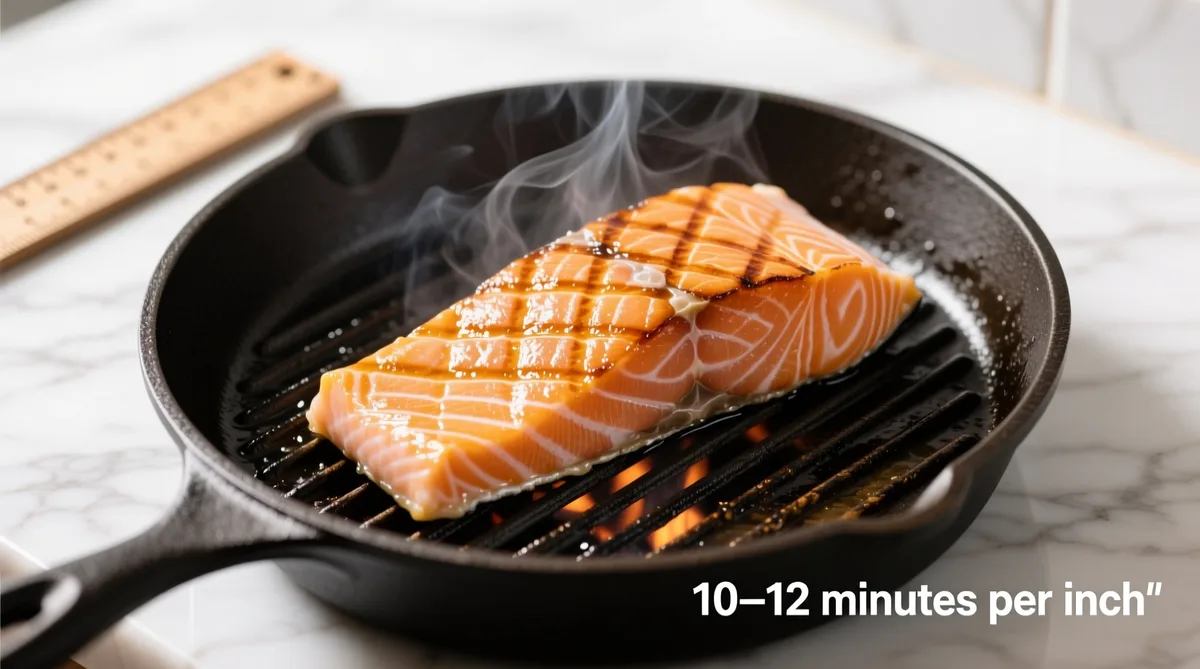
Image source: Bing (Web (fair-use with source credit))
Thickness is the single biggest variable in cooking frozen salmon. A thin tail-end fillet and a thick center-cut steak are completely different jobs, even in the same air fryer.
Thin fillets (under 0.75 inches): These cook fast. Too fast, actually. At 400°F, a thin fillet can go from perfect to overcooked in about 3 minutes.
Start checking at 8 minutes. If you're cooking multiple fillets of different thicknesses, put the thin ones in last or pull them out first.
Standard fillets (1 inch): This is the most common thickness for individually frozen portions. The 12 to 15 minute range at 400°F works reliably here. You don't need to flip.
The basket crisps the bottom and the circulating air handles the top.
Thick fillets and steaks (1.25 inches and up): These need more time and sometimes a slightly lower temperature. The risk is burning the outside before the center thaws. Drop to 385°F and give them 18 to 22 minutes.
If the top is browning too fast, tent a small piece of foil over the basket for the last few minutes.
Multiple fillets at once: If you're cooking for a crowd, make sure every fillet is roughly the same thickness. Mixing a thin fillet with a thick steak in the same batch means one will be overcooked by the time the other is done. When in doubt, group by size and cook in rounds.
For bigger batches, a larger air fryer makes a real difference. Our roundup of the best 9 qt air fryer for large batches covers models that handle four or more fillets without stacking.
Skin-On vs. Skinless Frozen Salmon — Does It Matter?
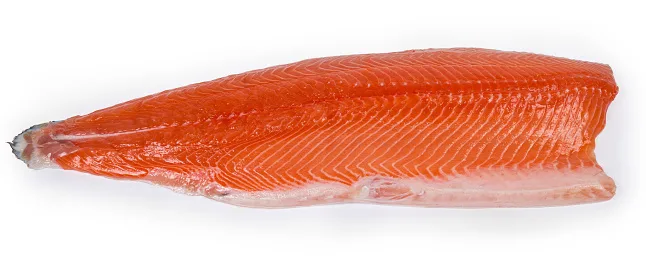
Image source: Bing (Web (fair-use with source credit))
It matters, but not in the way you might think. Both work perfectly well in the air fryer. The difference is in the result you're after.
Skin-on salmon gives you the option of crispy skin, which is one of the best things an air fryer does. Place the fillet skin-side down in the basket. The skin presses against the hot basket grate and crisps up almost like pan-frying, but without the oil splatter.
After cooking, the skin peels right off if you don't want to eat it, or you can serve it as-is for the crunch.
The skin also acts as a natural barrier. It protects the flesh from direct heat, which means the bottom of the fillet stays more moist. For frozen salmon specifically, that extra protection helps because the bottom is the last part to thaw.
Skinless salmon is simpler. There's no right-side-up or upside-down decision. Season the top, drop it in, and cook.
The exposed flesh will develop a light crust from the circulating air. The trade-off is that the bottom can stick to the basket more easily, so a light coating of oil on the basket or using a perforated parchment liner helps.
Which should you buy? If you like crispy skin, go skin-on. If you want zero fuss and don't care about skin, skinless is fine. From a cooking standpoint, both perform well in the air fryer from frozen.
The time and temperature are the same either way.
One tip for skin-on: don't try to peel the skin off before cooking. It's nearly impossible on a frozen fillet and you'll tear the flesh. Cook it skin-side down, then decide whether to eat or remove the skin after.
Breaded Frozen Salmon in the Air Fryer
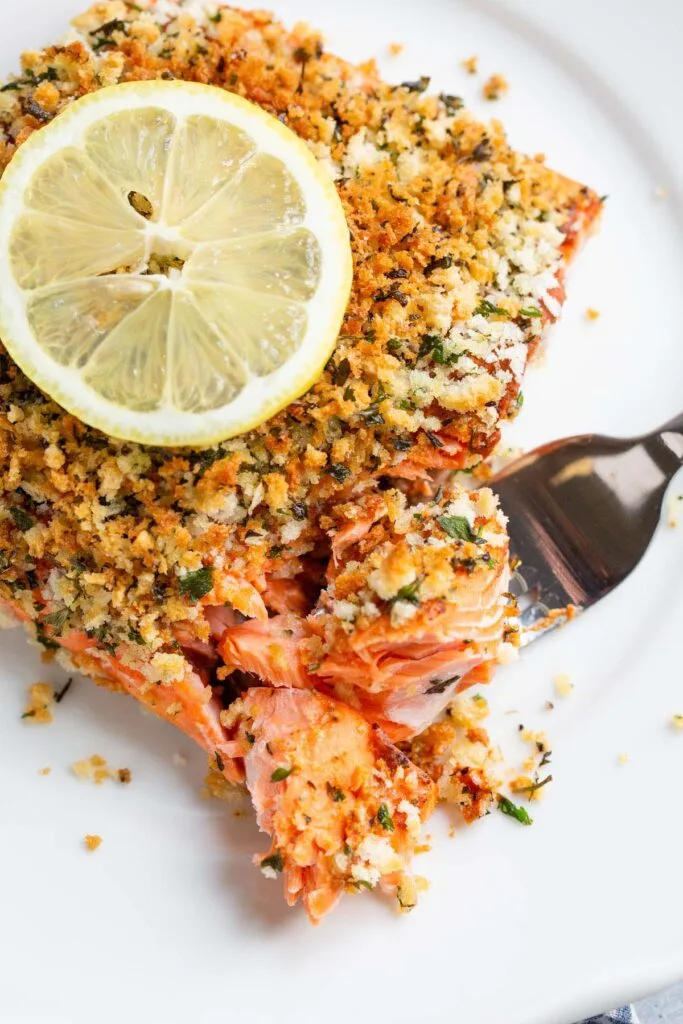
Image source: Bing (Web (fair-use with source credit))
Store-bought breaded frozen salmon fillets are basically made for air fryers. The circulating hot air hits the breading from every angle, giving you an evenly golden crust that oven baking rarely matches. If you've got a bag of Gorton's or similar in the freezer, this is the fastest path to a crispy fish dinner.
The one adjustment you need: drop the temperature slightly. Breaded coatings brown faster than plain salmon flesh, so running at full 400°F can burn the outside before the inside thaws. Set your air fryer to 375°F (190°C) and cook for 14 to 17 minutes for a standard 1-inch fillet.
No flipping needed.
Don't thaw breaded salmon before cooking. The breading relies on the moisture from the frozen fillet to steam-cook the interior. If you thaw it first, the coating gets soggy and won't crisp properly.
Straight from the bag to the basket.
A light spritz of cooking spray on top of the breading before cooking helps it go from golden to deep golden. It's not required, but it makes a noticeable difference in color and crunch.
How to Season Frozen Salmon Before Air Frying
Image source: Bing (Web (fair-use with source credit))
Seasoning frozen salmon is straightforward, but there's one catch. Ice crystals on the surface repel dry spices. If you sprinkle seasoning directly onto a frosty fillet, most of it falls off or clumps in patches.
The fix is simple. Brush the fillet with a thin layer of oil first. Olive oil, avocado oil, or even a light coat of cooking spray works.
The oil gives the spices something to stick to, and it also promotes better browning during cooking.
Here are a few seasoning combinations that work well with air fryer salmon:
- Classic lemon pepper: Lemon pepper seasoning, a pinch of garlic powder, salt
- Garlic butter style: Garlic powder, onion powder, paprika, salt, pepper (add a small pat of butter on top halfway through)
- Smoked paprika: Smoked paprika, cumin, garlic powder, a squeeze of lime after cooking
- Simple and clean: Just salt, pepper, and olive oil. Let the salmon flavor speak for itself
Apply seasoning to the top and sides. There's no need to season the bottom since it sits against the basket. If you're using a glaze like honey or teriyaki, add it in the last 3 to 4 minutes of cooking.
Sugar-based glazes burn fast, so applying them too early gives you char instead of caramelization.
How to Tell When Frozen Salmon Is Done
Undercooked salmon is a food safety concern. Overcooked salmon is just sad. Hitting the sweet spot comes down to one tool: an instant-read thermometer.
The USDA recommends cooking fish to a minimum internal temperature of 145°F (63°C). Insert the thermometer probe into the thickest part of the fillet, angling it toward the center. If it reads 145°F or above, you're done.
The flesh should also look opaque and flake apart easily when pressed with a fork.
If you don't have a thermometer, here's what to look for. The salmon should have turned from translucent pink to opaque pink all the way through. Press the top gently with a fork.
If it separates into clean flakes, it's done. If it still looks shiny and resists flaking, give it another 2 minutes.
A few things that can throw you off. The thin tail end of a fillet cooks faster than the thick center. If your fillet is uneven, check the thickest section.
Also, carryover cooking is real. Pulling salmon at 140°F and letting it rest for 2 minutes will bring it up to 145°F from residual heat. This actually gives you a more forgiving window and helps prevent overcooking.
One more tip: if the top looks done but the center is still under, don't crank the heat. Tent a small piece of foil loosely over the basket and cook for another 2 to 3 minutes. The foil traps steam and helps the center catch up without burning the exterior.
Common Mistakes That Ruin Air Fryer Salmon
Most air fryer salmon failures come down to the same handful of errors. Here's what goes wrong and how to avoid it.
Overcrowding the basket. This is the number one mistake. Stacking fillets or cramming too many in at once blocks airflow. The salmon steams instead of crisps, and cook times go out the window.
Give each fillet at least half an inch of space on all sides. Cook in batches if you have to.
Cooking at too high a temperature. Cranking to 425°F or higher seems like it'll save time, but it burns the outside before the interior thaws. Stick to 375°F to 400°F. Patience pays off with fish.
Skipping the oil. Dry salmon sticks to the basket and tears apart when you try to remove it. A light brush of oil on the fillet (and optionally on the basket grate) prevents this entirely.
Not checking thickness. A one-size-fits-all time recommendation is where most people go wrong. A 0.5-inch fillet and a 1.5-inch steak need completely different cook times. Always adjust for the thickest part of your cut.
Peeling skin off before cooking. If you're working with skin-on frozen salmon, don't try to remove the skin while it's still frozen. You'll rip the flesh. Cook it skin-side down, then peel or serve as-is after.
Forgetting to rest the salmon. Cutting into it immediately lets all the juices run out onto the plate. One to two minutes of rest makes a real difference in how moist the final result tastes.
Air Fryer vs. Oven vs. Stovetop for Frozen Salmon
Each method works, but they produce different results. Here's how they compare for cooking frozen salmon.
Air fryer: Fastest method for most home cooks. The concentrated airflow gives you a lightly crispy exterior and moist interior in 12 to 20 minutes. Minimal oil needed.
Best for single servings or small batches. Cleanup is easy, especially with a parchment liner.
Oven baking: Reliable but slow. A frozen salmon fillet takes 20 to 28 minutes in a 400°F oven, and the exterior doesn't crisp the way it does in an air fryer. Better for cooking multiple fillets on a sheet pan at once.
Good option if you're already using the oven for side dishes.
Stovetop pan-searing: Risky with frozen salmon. The outside can burn before the center thaws, and the oil splatter is real. If you go this route, start with a cold pan, medium heat, and cover with a lid to trap steam.
It works, but it requires more attention than the other two methods.
| Method | Cook Time (1-inch fillet) | Crispiness | Ease of Use | Best For |
|---|---|---|---|---|
| Air fryer | 12 to 15 min | High | Very easy | 1 to 3 fillets |
| Oven | 20 to 28 min | Low to medium | Easy | 4+ fillets |
| Stovetop | 15 to 20 min | Medium | Moderate | Experienced cooks |
For most people cooking frozen salmon on a weeknight, the air fryer wins on speed, texture, and convenience. If you're feeding a big family, the oven makes more sense for volume. The stovetop is best reserved for thawed salmon where you have more control over the cook.
Best Air Fryer Models and Settings for Frozen Salmon
Not all air fryers handle frozen salmon the same way. Wattage, basket size, and airflow design all affect the result. Here's what to look for.
Wattage matters. Models rated at 1500W to 1700W cook frozen salmon most consistently. Lower-wattage compact units (around 1200W to 1400W) work fine but need an extra 2 to 4 minutes. High-wattage models at 1800W+ cook faster but can overcook thin fillets if you're not watching the clock.
Basket style vs. oven style. Basket-style air fryers (like the Ninja Foodi or Cosori) tend to crisp the bottom of the fillet better because the salmon sits directly on the grate. Toaster-oven-style models (like the Instant Vortex) give you more surface area for multiple fillets but sometimes produce slightly less browning on the underside.
Capacity for families. If you're regularly cooking four or more fillets, a 6-quart or larger basket is worth it. Our guide to the best 8 qt air fryer with dual basket covers models that let you cook salmon and a side dish simultaneously in separate zones.
For most people, any reputable air fryer in the 5 to 8 quart range will handle frozen salmon well. The brand matters less than the wattage and your willingness to check doneness with a thermometer.
Tips for Crispy Skin and Moist, Flaky Results
Crispy skin on air fryer salmon is absolutely achievable. It comes down to three things: placement, temperature, and patience.
Place skin-side down from the start. The skin makes direct contact with the hot basket grate, which is what crisps it. Don't flip the fillet. Let the circulating air cook the top while the bottom crisps.
Start at 400°F for the first 8 minutes, then check. If the skin isn't crisping yet, bump to 425°F for the last 3 to 4 minutes. The higher heat at the end finishes the crust without overcooking the interior.
Don't move the fillet around. Once it's in the basket, leave it alone. Moving it before the skin sets up causes it to tear and stick. After 8 to 10 minutes, the skin should release naturally when you slide a spatula under it.
For the moistest interior, pull the salmon at 140°F internal temp and let it rest. Carryover heat brings it to 145°F while the fibers relax. This two-minute rest is the difference between good salmon and great salmon.
A light coat of oil on the skin side before cooking also helps. It conducts heat more evenly and promotes that golden, crackly texture most people are after.
How to Clean Your Air Fryer After Cooking Salmon
Salmon leaves behind odor and residue if you don't clean promptly. Here's the fastest way to handle it.
While the basket is still warm, remove any large food bits with a paper towel. Don't run cold water into a hot basket, as the temperature shock can warp cheaper models over time.
Wash the basket and tray with warm soapy water and a non-abrasive sponge. Most air fryer baskets have a non-stick coating that scratches easily. Avoid steel wool or harsh scrubbers.
For lingering fish smell, wipe the inside of the air fryer with a cloth dampened with white vinegar or run a lemon wedge through a 3-minute air fry cycle at 350°F. The steam from the lemon neutralizes odor fast.
Deep clean once a month by soaking the basket in warm water with a tablespoon of baking soda for 15 minutes. This breaks down grease buildup that regular washing misses.
If your air fryer basket is dishwasher safe, that's even easier. Check our guide on whether the Instant Vortex air fryer is dishwasher safe for model-specific guidance on what can and can't go in the dishwasher.
Using a perforated parchment liner every time you cook salmon cuts cleaning time dramatically. The liner catches drips and residue, and you just toss it after. Make sure the liner is rated for air fryer temperatures (most are rated to 450°F) and that it has perforations for airflow.
Frequently Asked Questions
Do you need to thaw salmon before air frying?
No. You can cook salmon directly from frozen. In fact, cooking from frozen often gives better texture than thawing first, since the gradual thaw inside the air fryer keeps the interior moist.
Just add 3 to 5 minutes to the cook time compared to thawed salmon.
Can you put frozen salmon straight into an air fryer?
Yes. Remove it from the packaging, brush with oil, season, and place it in the basket. No pre-treatment needed.
The air fryer thaws and cooks it in one step.
How long does frozen salmon take in the air fryer?
A standard 1-inch frozen fillet takes 12 to 15 minutes at 400°F. Thicker steaks (1.5 inches or more) take 18 to 22 minutes. Always check with a thermometer.
The target internal temperature is 145°F (63°C) per USDA guidelines.
Why is my air fryer salmon dry?
The most common cause is overcooking. Salmon goes from moist to dry quickly once it passes 145°F internally. Pull it at 140°F and let it rest.
Other causes include cooking at too high a temperature or not using any oil on the fillet.
Can you reheat cooked salmon in an air fryer?
Yes. Set the air fryer to 300°F and heat for 3 to 5 minutes until warmed through. Spritz the salmon with a little water or oil first to prevent it from drying out during reheating.
This works better than a microwave, which tends to overcook the edges.
Is air fryer salmon healthy?
Salmon is one of the best sources of omega-3 fatty acids, with roughly 1.5 to 2.3 grams per 3.5-ounce serving according to USDA FoodData Central. Air frying uses significantly less oil than pan-frying, which keeps the calorie count lower. A plain air fryer salmon fillet runs about 208 calories per 3.5-ounce serving with roughly 20 grams of protein.