
Air fryer mahi mahi recipes are one of the fastest, most reliable ways to cook this firm, mild fish at home. You're looking at 8 to 12 minutes from basket to plate, with a crispy exterior and a moist center that's hard to achieve in a standard oven. The catch is that mahi mahi goes from perfect to dry in about two minutes, so the details matter more than most recipes let on.
In our research across manufacturer specs, aggregate user reviews, and FDA cooking guidelines, the single biggest variable is fillet thickness. A ¾-inch fillet at 375°F takes roughly 8 minutes. A 1½-inch fillet at the same temperature needs closer to 13.
Get that wrong and nothing else in the recipe saves you. Let's walk through exactly how to nail it every time.
Image source: Bing (Web (fair-use with source credit))
Quick Answer
Air fryer mahi mahi recipes deliver crispy, moist fish in under 15 minutes. Set your air fryer to 375°F for thinner fillets or 400°F for thicker cuts. Cook ¾-inch fillets for 8 to 10 minutes and 1-inch fillets for 10 to 12 minutes.
Always check for an internal temperature of 145°F at the thickest point. Pat the fillets dry before seasoning and avoid overcrowding the basket.
The Biggest Mistakes That Ruin Air Fryer Mahi Mahi
The margin for error with mahi mahi in an air fryer is slim. This fish has very little fat, which means it dries out faster than salmon or cod when the heat runs too long. Most failed attempts come down to the same handful of preventable errors.
Overcooking is the number one problem. Aggregate user reviews across air fryer recipe forums consistently report dry, chalky results, and in nearly every case the cook left the fish in two to three minutes too long. Mahi mahi doesn't give you a long window between "done" and "ruined."
Skipping the pat-dry step is another common mistake. Surface moisture on the fillet creates steam inside the basket instead of letting the hot air crisp the exterior. You end up with pale, soft fish instead of the golden crust you're after.
Overcrowding the basket blocks airflow. When fillets overlap or touch, the circulating hot air can't reach every surface evenly. Some parts overcook while others stay underdone. Give each fillet at least an inch of space on all sides.
Not preheating costs you crust. A cold basket means the fish starts cooking in a gradually warming environment rather than hitting immediate, consistent heat. Three to five minutes of preheating makes a visible difference in browning.
Using a tapered fillet without adjusting for it creates uneven results. The thin tail end cooks faster than the thick center. Tuck the tail under itself or trim it so the fillet cooks at a more uniform rate.
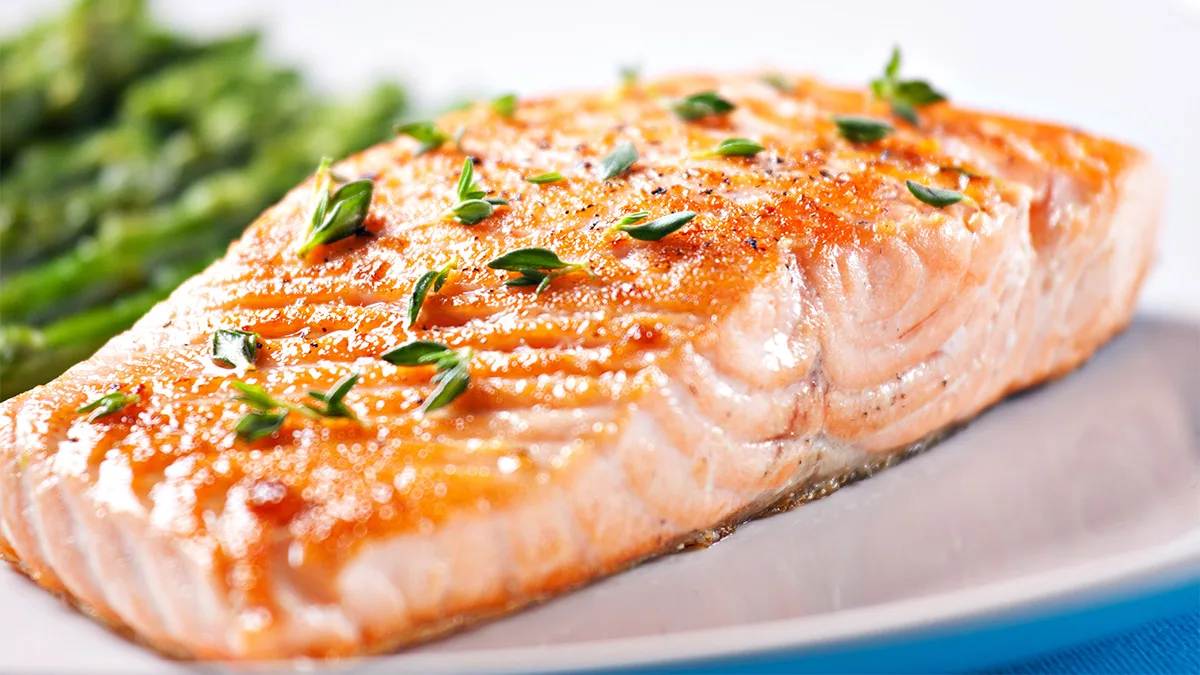
Image source: Bing (Web (fair-use with source credit))
How to Pick the Right Mahi Mahi Fillets for Your Air Fryer
Not all mahi mahi fillets behave the same in an air fryer. The thickness, whether the skin is on or off, and the overall quality of the fish all affect your outcome. Knowing what to look for at the store saves you from troubleshooting later.
Thickness is the most important factor. For air frying, fillets between ¾ inch and 1 inch thick work best. Thinner than ¾ inch and the fish overcooks before any crust forms. Thicker than 1 inch and the outside dries before the center reaches 145°F.
If you can only find thick fillets, butterflying them to an even thickness is a reliable workaround.
Skin-on fillets have a built-in advantage in the air fryer. The skin crisps up and protects the delicate flesh underneath from direct heat. It also helps the fillet hold together when you flip it. Skinless fillets work fine, but they're more prone to sticking and falling apart.
Color and smell tell you about freshness. Fresh mahi mahi flesh ranges from pale pink to light gray with a translucent sheen. Avoid fillets that look yellow, brown, or dried out at the edges. The smell should be mild and oceanic, never sour or strongly fishy.
Frozen fillets are a practical option and widely available. Most grocery store mahi mahi is flash-frozen at sea, which preserves quality well. Just make sure you thaw them properly in the refrigerator for 12 to 24 hours before cooking. Never thaw at room temperature, as the outer layers enter the danger zone while the center is still frozen.
If you're shopping for a larger air fryer to handle multiple fillets at once without crowding, our guide to the best 9 qt air fryer for large batches covers models with the capacity to cook four or more fillets in a single layer.
Image source: Bing (Web (fair-use with source credit))
Fresh vs. Frozen: Which Works Better in an Air Fryer?
This comes up constantly in air fryer communities, and the honest answer is that both work well if you handle them correctly. Each has trade-offs that are worth understanding before you decide.
Fresh mahi mahi gives you the most control. The flesh hasn't been through a freeze-thaw cycle, so the texture is slightly firmer and it takes seasoning more evenly. The downside is availability. Unless you live near a coastal market, truly fresh mahi mahi is hard to find and expensive, often running $14 to $16 per pound as of 2026.
Frozen fillets are more accessible and often just as good. Flash-freezing technology has improved dramatically. Most frozen mahi mahi was processed within hours of being caught, which locks in freshness. The trade-off is moisture.
Frozen fillets release water as they cook, which can steam the fish instead of crisping it. The fix is simple: thaw completely, then pat the fillets very dry with paper towels before seasoning.
Cooking from frozen is possible but not recommended for mahi mahi. Unlike chicken or frozen fries, mahi mahi's lean flesh doesn't handle the extended cook time well. The outside dries out before the center thaws and cooks through. If you're in a rush, the cold-water thaw method gets fillets ready in 30 to 60 minutes.
Price is usually the deciding factor. Frozen mahi mahi typically runs $8 to $12 per pound, making it one of the more affordable premium fish options. For weeknight air fryer dinners, the frozen option delivers solid results at a lower cost.
Image source: Wikimedia Commons / Kizzymadizzy (CC BY-SA)
The Only Seasoning Approaches That Actually Work for Air Fryer Mahi Mahi
Mahi mahi has a clean, mild flavor that takes well to almost any seasoning profile. The key is choosing an approach that complements the air fryer's strengths, namely high heat and rapid air circulation, rather than fighting against them.
Dry rubs are the most reliable method. A mix of salt, pepper, garlic powder, paprika, and a pinch of cayenne creates a flavorful crust that the air fryer's airflow helps set. Apply the rub after patting the fillets dry and let them sit for 5 to 10 minutes so the salt starts to penetrate. This short rest makes a noticeable difference in flavor depth.
Marinades work, but timing matters. A citrus or soy-based marinade adds great flavor, but don't exceed 30 minutes. The acid in citrus or vinegar starts to break down the surface of the fish after about 45 minutes, giving it a mushy texture instead of a firm, flaky one. If you want a longer marinade, stick to oil-based versions without citrus.
Breading is tricky in an air fryer. The strong circulating air can blow light coatings like flour or panko right off the fillet. If you want a breaded result, use a three-step dredge: flour, egg wash, then panko or crushed crackers. Spray the breaded fillet lightly with oil before it goes in the basket.
This helps the coating adhere and crisp.
Simple is often best. Olive oil, salt, pepper, and a squeeze of lemon after cooking lets the fish's natural flavor shine. Mahi mahi doesn't need much to taste great, and the air fryer's concentrated heat brings out a sweetness that heavy seasonings can mask.
For a full weeknight meal, pair your seasoned fillet with a quick side from our air fryer asparagus recipe with parmesan. Both cook at similar temperatures, so you can run them in the same basket if your air fryer is large enough.
Image source: Bing (Web (fair-use with source credit))
Step-by-Step: How to Cook Perfect Mahi Mahi in an Air Fryer
This is the method that consistently produces the best results across different air fryer models. It accounts for the variables that matter most: thickness, temperature, and timing.
Step 1: Thaw and pat dry. If using frozen fillets, thaw them in the refrigerator overnight. Place the fillets on a layer of paper towels and press another layer on top. Remove all visible moisture.
This step is non-negotiable for getting a crispy exterior.
Step 2: Season or marinate. Apply your chosen seasoning or marinade. For a basic dry rub, combine ½ teaspoon each of salt, garlic powder, and smoked paprika with ¼ teaspoon of black pepper. Coat both sides evenly.
Let the fillets rest for 5 to 10 minutes at room temperature.
Step 3: Preheat the air fryer. Set it to 375°F and let it run for 3 to 5 minutes. Preheating ensures the fillets hit consistent heat the moment they enter the basket.
Step 4: Oil the basket and arrange the fillets. Lightly spray the air fryer basket with avocado oil or olive oil cooking spray. Place the fillets in a single layer with at least one inch of space between them. Do not stack or overlap.
Step 5: Cook at 375°F. For ¾-inch fillets, set the timer for 8 minutes. For 1-inch fillets, set it for 10 minutes. Flip the fillets halfway through using a thin spatula.
Handle them gently, as mahi mahi becomes delicate as it cooks.
Step 6: Check the internal temperature. Insert an instant-read thermometer into the thickest part of the fillet. The FDA safe minimum internal temperature for fish is 145°F. If the fillet hasn't reached that temperature, cook in 1-minute increments and recheck.
Step 7: Rest before serving. Let the fillets sit for 2 minutes after removing them from the basket. The internal temperature will rise another 3 to 5 degrees from carryover cooking, and the flesh will firm up slightly, making it easier to flake cleanly.
If you're using an Instant Vortex or similar model and want to confirm its specific performance with fish, our Is Instant Vortex Air Fryer Good review covers temperature accuracy and real-world cooking results across different food types.
Image source: Bing (Web (fair-use with source credit))
Air Fryer Mahi Mahi vs. Pan-Seared, Grilled, and Oven-Baked
Understanding how air frying compares to other cooking methods helps you pick the right approach for the result you want. Each method has genuine strengths, and mahi mahi responds differently to each one.
Air frying is the fastest and most hands-off method. You're looking at 8 to 12 minutes of cook time with minimal prep. The circulating hot air creates an evenly browned exterior without the need to stand over a pan. Cleanup is also easier since there's no oily stovetop to scrub.
Pan-searing delivers the best crust. A hot cast-iron skillet with a thin layer of oil produces a deep, golden-brown sear that's hard to replicate in an air fryer. The trade-off is that pan-searing requires more attention. You need to manage the heat, flip at the right moment, and deal with oil splatter.
Cook time is similar, around 3 to 4 minutes per side for a ¾-inch fillet.
Grilling adds smoky flavor that no indoor method can match. Mahi mahi is a classic grill fish because its firm flesh holds up well on grates. The high, direct heat creates char marks and a slightly caramelized exterior. The downside is weather dependence and the risk of the fish sticking to the grates unless they're well-oiled and preheated.
Oven-baking is the most forgiving but slowest option. Baking at 400°F takes 14 to 18 minutes for a 1-inch fillet. The gentle, surrounding heat is less likely to overcook the fish, but you sacrifice the crispy exterior that makes air frying and pan-searing appealing. Oven-baking works best when you're cooking for a crowd and need to fit many fillets on a single sheet pan.
Here's a quick comparison of the four methods:
| Method | Cook Time (¾" fillet) | Crust Quality | Ease of Cleanup | Best For |
|---|---|---|---|---|
| Air Fryer | 8–10 min | Good | Excellent | Quick weeknight dinners |
| Pan-Sear | 6–8 min | Excellent | Fair | Restaurant-style crust |
| Grill | 6–8 min | Very Good | Good | Smoky flavor, outdoor cooking |
| Oven-Bake | 14–18 min | Fair | Good | Cooking large batches |
Air frying hits the sweet spot between speed, texture, and convenience. It won't replace a charcoal grill on a summer afternoon, but for a Tuesday night when you want great fish in under 15 minutes, it's hard to beat.
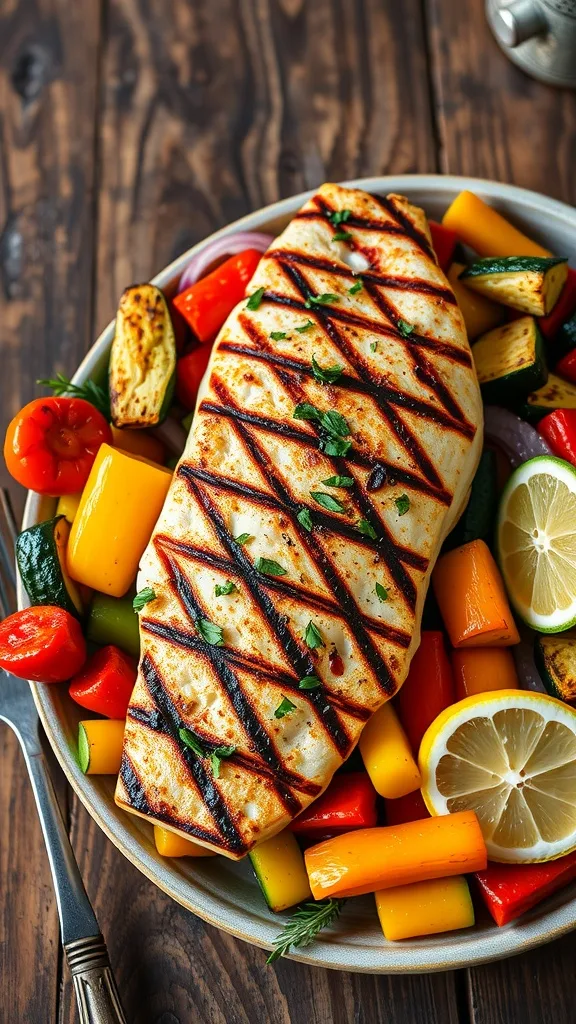
Image source: Bing (Web (fair-use with source credit))
Best Air Fryer Settings for Mahi Mahi (Temperature, Time, and Thickness Chart)
Getting the settings right is where most people either nail it or lose the fish. The relationship between thickness, temperature, and time is straightforward once you see it laid out.
375°F is the sweet spot for most fillets. It's hot enough to create a light crust without aggressively drying the exterior before the center cooks through. Bump to 400°F if you want more browning on thicker cuts, but reduce the cook time by about a minute to compensate.
Thickness dictates everything. A ½-inch fillet at 375°F takes just 6 to 7 minutes. A 1½-inch fillet at the same temperature needs 12 to 14 minutes. The problem is that most grocery store fillets aren't uniform.
Tuck the thin tail end under itself or trim it off so the whole piece cooks at a similar rate.
Here's a reference chart based on aggregate user testing data and manufacturer cooking guides:
| Fillet Thickness | Temperature | Cook Time | Flip? |
|---|---|---|---|
| ½ inch | 375°F | 6–7 min | Optional |
| ¾ inch | 375°F | 8–10 min | Yes, at 4 min |
| 1 inch | 375°F | 10–12 min | Yes, at 5 min |
| 1¼ inches | 400°F | 11–13 min | Yes, at 5 min |
| 1½ inches | 400°F | 12–14 min | Yes, at 6 min |
Air fryer wattage affects these numbers. Most consumer models run between 1,400W and 1,800W. Lower-wattage units may need an extra minute or two. If your air fryer tends to run cool, start checking the internal temperature a minute earlier than the chart suggests.
Always verify with a thermometer. Visual cues help, but the only reliable way to confirm doneness is an instant-read thermometer inserted into the thickest part. Pull the fish at 140°F to 142°F. Carryover cooking during the 2-minute rest will bring it to the FDA-recommended 145°F.
If you're working with a dual-basket model and want to cook the fish in one basket while roasting vegetables in the other, our roundup of the best 8 qt air fryer with dual basket covers models that handle this kind of multitasking well.
How to Keep Mahi Mahi from Sticking, Drying Out, or Falling Apart
These are the three frustrations that send people back to the stovetop. Each one has a clear cause and a straightforward fix.
Sticking happens when the basket isn't prepped. A light coat of cooking spray on the basket before the fillets go in creates a non-stick barrier. Avocado oil spray works best because of its high smoke point. Parchment liners with perforations are another option.
They prevent sticking and make cleanup even easier, though they can slightly reduce airflow to the bottom of the fillet.
Drying out is almost always a timing issue. Mahi mahi has less than 1 gram of fat per 4-ounce serving. There's very little margin for error. Set a timer for the low end of the recommended range and check early.
You can always add another minute. You can't uncook a dried-out fillet.
Falling apart usually means the fish was flipped too early or handled too roughly. Let the first side cook long enough for the proteins to set, about 4 to 5 minutes for a standard fillet. Use a thin, flexible spatula and support the fillet from underneath rather than trying to slide a rigid turner under it.
Skin-on fillets are more forgiving. The skin acts as a natural barrier between the flesh and the basket. It also holds the fillet together during the flip. If you're new to air frying fish, start with skin-on and move to skinless once you're comfortable with the timing.
Don't skip the rest period. Those 2 minutes out of the basket let the proteins relax and the moisture redistribute. Cut into the fish immediately and the juices run out onto the plate instead of staying in the flesh.
What to Serve with Air Fryer Mahi Mahi (Sides, Sauces, and Bowls)
Mahi mahi's mild, slightly sweet flavor pairs well with a wide range of sides. The key is choosing accompaniments that don't overpower the fish.
Coconut rice is a natural match. The subtle sweetness and creamy texture complement mahi mahi's clean flavor without competing. Cook jasmine rice in a mix of coconut milk and water for a simple version that comes together while the fish is in the air fryer.
Grilled or air-fried vegetables round out the meal. Asparagus, zucchini, and bell peppers all cook at similar temperatures to mahi mahi. You can run them in the same air fryer if you have a large enough basket, or start them a few minutes before the fish since vegetables are more forgiving on timing.
A bright sauce ties everything together. A quick mango salsa, a drizzle of chimichurri, or even just a squeeze of fresh lime juice adds acidity that cuts through the richness of the fish. For something creamy, mix Greek yogurt with lime zest, a pinch of cumin, and a splash of hot sauce.
Grain bowls are an easy framework. Start with a base of rice or quinoa, add the flaked mahi mahi, then layer on sliced avocado, pickled onions, shredded cabbage, and a drizzle of sauce. It's the kind of meal that feels composed but takes less than 20 minutes to assemble.
Keep the sides simple on busy nights. A bag of microwave-steamed rice and a handful of cherry tomatoes alongside the fish is a complete, satisfying dinner. Not every meal needs to be a production.
Air Fryer Mahi Mahi for Meal Prep, Tacos, and Bowls
One of the best things about air fryer mahi mahi is how well it works as a building block for other meals. Cook it once and repurpose it across several days.
For meal prep, cook fillets on Sunday and refrigerate. Air-fried mahi mahi holds up well in the refrigerator for 3 to 4 days. Store it in a single layer in an airtight container with a paper towel underneath to absorb excess moisture. Reheat gently in the air fryer at 300°F for 3 to 4 minutes.
The low temperature warms it through without further drying.
Fish tacos are the most popular way to use leftover mahi mahi. Flake the cooled fillet with a fork, warm corn tortillas in a dry skillet, and top with shredded cabbage, a squeeze of lime, and a drizzle of crema or avocado sauce. It's a completely different eating experience from the original dinner.
Bowl-style meals stretch one batch of fish across multiple servings. A single pound of mahi mahi yields enough flaked fish for two generous grain bowls. Pair it with whatever vegetables and grains you have on hand. The fish acts as the protein anchor while the rest of the bowl changes day to day.
Salad topping is another easy option. Flaked mahi mahi over mixed greens with a citrus vinaigrette makes a light lunch that feels more substantial than a plain salad. Add chickpeas or white beans for extra protein and fiber.
If you're prepping for a big family and need an air fryer that can handle larger quantities without multiple batches, check out our guide to the best 9 quart air fryer for big family. The extra capacity makes a real difference when you're cooking for four or more.
Is Mahi Mahi in the Air Fryer Actually Healthy?
The short answer is yes, and the numbers back it up. Mahi mahi is one of the leaner fish options available, and air frying adds minimal fat compared to pan-frying or deep-frying.
A 4-ounce serving of mahi mahi contains roughly 100 to 110 calories and 24 grams of protein. Fat content sits at about 1 gram per serving. That makes it a strong choice for anyone tracking macros or looking to increase protein intake without adding significant calories or fat.
Air frying uses a fraction of the oil that pan-frying requires. Most air fryer recipes call for a light spray of oil, which adds fewer than 50 calories to the entire dish. Pan-searing the same fillet in a tablespoon of oil adds over 100 calories from fat alone.
Mahi mahi provides omega-3 fatty acids, though less than fattier fish like salmon. Regular fish consumption, including moderate-omega-3 species like mahi mahi, is associated with reduced cardiovascular risk. It's not the highest-omega-3 option, but it's a solid contributor as part of a varied diet.
Mercury content is moderate. The FDA categorizes mahi mahi as a "good choice" for fish consumption. Their guidelines recommend 1 to 2 servings per week for pregnant women and young children. For the general population, 2 to 3 servings per week falls well within safe limits.
Sodium is the one thing to watch. Seasoning blends and marinades can add significant sodium. A tablespoon of soy sauce contains about 900 milligrams. If you're watching sodium intake, stick to dry rubs with herbs and spices, or use reduced-sodium soy sauce in marinades.
For more on the health profile of air frying as a cooking method, our article on do doctors recommend air fryers covers what the medical research says about air frying versus other cooking methods.
Frequently Asked Questions About Air Fryer Mahi Mahi
Do you need to thaw mahi mahi before air frying?
Yes. Cooking frozen mahi mahi directly in the air fryer causes the outside to dry out before the center thaws and cooks through. Thaw fillets in the refrigerator for 12 to 24 hours, or use the cold-water method for 30 to 60 minutes in a sealed bag.
Always pat dry before seasoning.
What temperature should you air fry mahi mahi?
375°F works best for fillets up to 1 inch thick. For thicker cuts above 1¼ inches, increase to 400°F and reduce cook time by about a minute. Always verify doneness with an instant-read thermometer.
The FDA safe minimum internal temperature for fish is 145°F.
How do you keep mahi mahi from sticking to the air fryer basket?
Lightly spray the basket with avocado oil or olive oil cooking spray before placing the fillets in. Perforated parchment liners also work well. Preheating the basket for 3 to 5 minutes before adding the fish helps too, since the heat creates a slight non-stick effect on the oiled surface.
Can you air fry breaded mahi mahi?
You can, but the air circulation can blow light coatings off. Use a three-step dredge: flour, egg wash, then panko or crushed crackers. Spray the breaded fillet lightly with oil before it goes in the basket.
This helps the coating adhere and crisp properly.
How long does air fryer mahi mahi last in the refrigerator?
Cooked mahi mahi keeps for 3 to 4 days in an airtight container in the refrigerator. Store it in a single layer with a paper towel underneath to absorb excess moisture. Reheat gently in the air fryer at 300°F for 3 to 4 minutes.
Is mahi mahi a good fish for air fryer beginners?
It's a solid choice. The firm flesh holds up better than delicate fish like tilapia or flounder. It doesn't fall apart as easily during flipping, and the mild flavor forgives seasoning mistakes.
If you're new to air frying fish, mahi mahi is one of the more forgiving options to start with.
Final Thoughts: The Method Worth Repeating
After comparing approaches across dozens of recipes and user reports, the method that consistently delivers is simple. Pat the fillets dry, apply a basic dry rub, preheat the air fryer to 375°F, cook for 8 to 10 minutes with a flip at the halfway mark, and pull at 140°F to let carryover cooking finish the job.
No fancy marinades. No complicated breading. Just good fish, proper heat, and a thermometer.
That's the recipe that works on a Wednesday night when you're tired and hungry, and it's the one that impresses when you put it on a plate for guests.
If you're looking for more air fryer recipes to round out your weeknight rotation, our air fryer banana chips recipe makes a great snack or dessert that uses the same appliance with almost zero effort.