
An air fryer donut holes recipe gives you warm, golden, bakery-style bites in under 15 minutes with a fraction of the oil deep frying requires. You get a crisp outside, a soft cake-like center, and the freedom to coat them in cinnamon sugar, glaze, or whatever topping you're craving. It's one of those recipes that feels like a treat but comes together fast enough for a weekday morning.
Aggregate user reviews across major air fryer brands consistently report that donut holes come out best at 350°F for 5 to 7 minutes, with a quick flip at the halfway mark. The method uses roughly 80% less oil than a deep fryer, which is a big reason it's become one of the most-searched air fryer dessert recipes as of 2026. Whether you start with canned biscuit dough or mix up a homemade batch, the process is straightforward once you know the key details.
Let's walk through everything you need to get this right.
Quick Answer
An air fryer donut holes recipe uses your countertop air fryer to cook small dough balls at around 350°F for 5 to 8 minutes. You'll need a basic dough (homemade or canned biscuit dough), cooking spray, and your choice of coating. The result is a golden-brown, crispy-outside, fluffy-inside bite with up to 80% less oil than deep frying.
Most batches fit 8 to 12 donut holes per load, depending on your basket size.
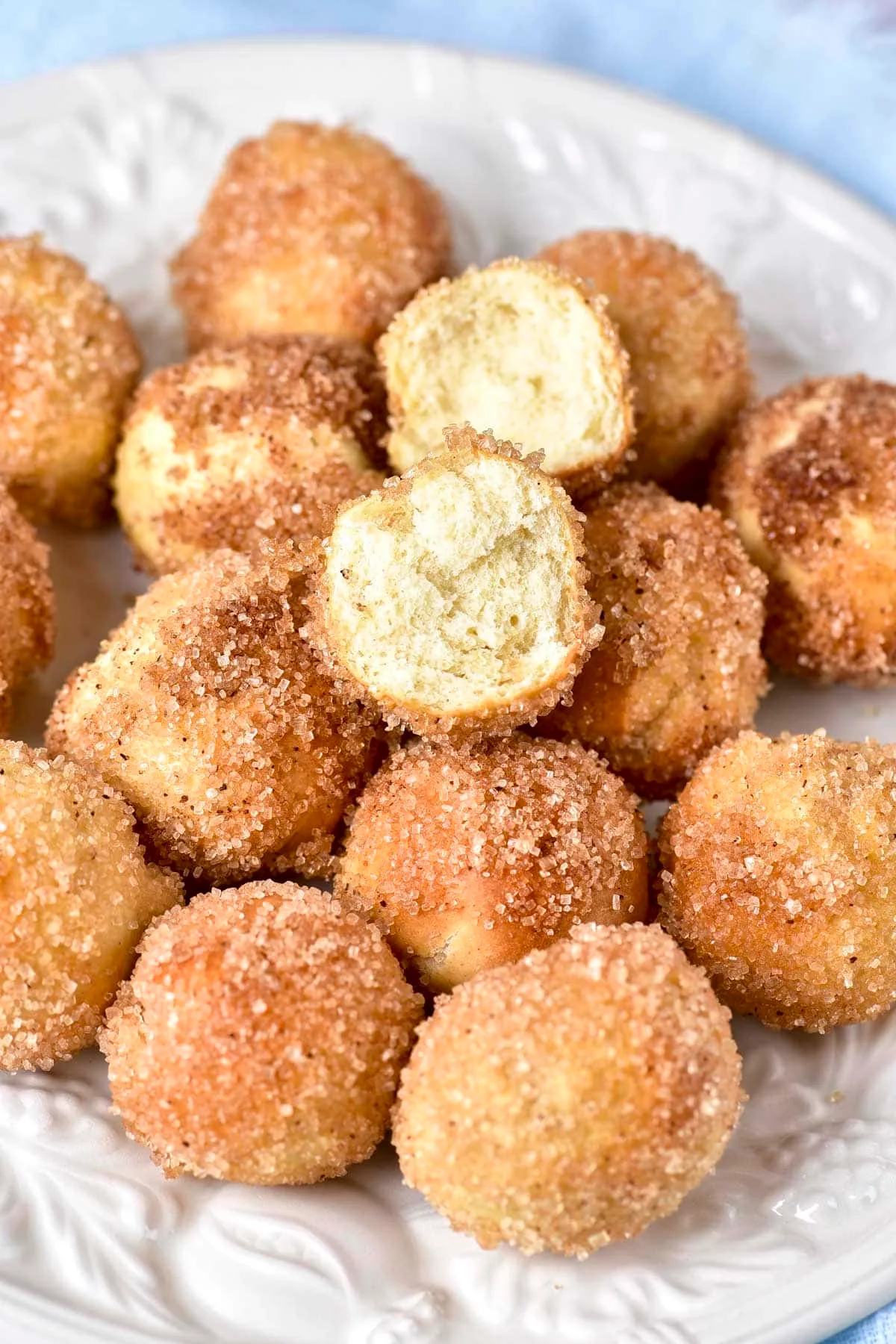
Image source: Bing (Web (fair-use with source credit))
Why Air Fryer Donut Holes Are Worth Making at Home
Air fryer donut holes deliver the same satisfying crunch and soft interior as the deep-fried version, without the mess, the oil smell, or the wait. You're looking at under 15 minutes start to finish with the shortcut biscuit method, or about 30 minutes if you're making dough from scratch including rise time. That's faster than heating up a pot of oil and far less cleanup.
The calorie difference is real, too. A typical air fryer donut hole runs about 60 to 90 calories, compared to 100 to 150 for a deep-fried one, according to USDA nutritional data for comparable dough products. You're not sacrificing flavor.
You're just skipping the oil bath.
They're also incredibly customizable. Cinnamon sugar is the classic, but you can dip them in vanilla glaze, roll them in powdered sugar, or drizzle them with chocolate. Kids love helping shape the dough balls, which makes this a solid weekend activity.
If you've got a large-capacity air fryer, you can batch-cook enough for a party or a bake sale without much extra effort.
The one thing to watch: air fryer models vary. A Ninja Foodi may run slightly hotter than a Cosori at the same setting, so your first batch is always a test run. Start with the lower end of the time range and add a minute if they're not golden enough.
The Best Dough Options for Air Fryer Donut Holes
You've got three solid paths here, and the right one depends on how much time and effort you want to put in.
Canned refrigerated biscuit dough is the fastest option. You pop open a can, separate the biscuits, cut each one into quarters, and roll the pieces into balls. Total prep time is about 5 minutes.
The texture is slightly denser than a classic donut hole, but most people find it perfectly satisfying. Brands like Pillsbury Grands work well because the dough is thick enough to hold its shape.
Homemade cake-style dough is the middle ground. You mix flour, sugar, baking powder, milk, egg, and a little butter into a thick batter, then scoop and roll it into balls. This gives you a lighter, more authentic donut hole texture.
It takes about 15 minutes of active work plus no rise time since baking powder does the leavening instantly.
Yeast-raised dough is the most traditional but also the most involved. You'll need about 60 to 90 minutes for the dough to rise before you can shape and cook. The payoff is a slightly chewy, airy interior that's closer to what you'd get from a donut shop.
If you're making these for a special brunch, this is the route to take.
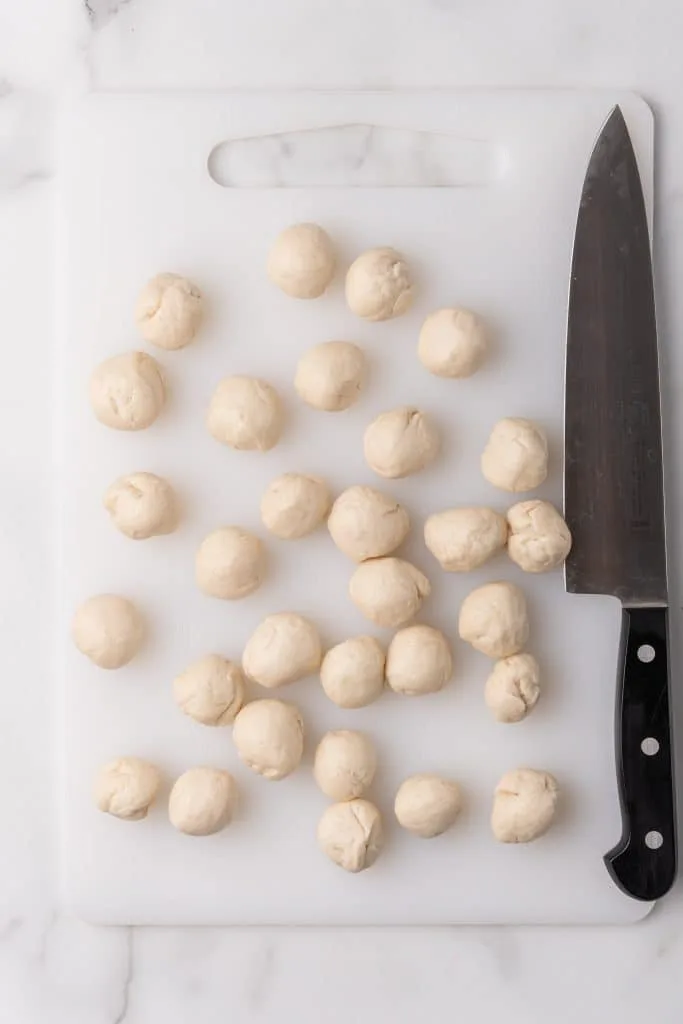
Image source: Bing (Web (fair-use with source credit))
One tip that applies to all three: keep your dough balls uniform in size, around 1 to 1.5 inches in diameter. Uneven sizes mean some burn while others stay doughy in the center. A small cookie scoop is the easiest way to get consistent portions.
Ingredients You'll Need for Perfect Donut Holes
Here's what you'll need for the homemade cake-style version, which is the most popular approach and gives you the best control over flavor and texture.
For the dough:
- 1 cup all-purpose flour
- 1/4 cup granulated sugar
- 1 tsp baking powder
- 1/4 tsp salt
- 1/4 tsp ground nutmeg (optional but recommended)
- 1/3 cup whole milk
- 1 large egg
- 2 tbsp melted butter
- 1/2 tsp vanilla extract
For coating:
- 1/4 cup granulated sugar mixed with 1 tbsp ground cinnamon (for cinnamon sugar)
- OR 1/2 cup powdered sugar mixed with 1 to 2 tbsp milk (for vanilla glaze)
- Cooking oil spray (any neutral oil)
That's it. No fancy equipment beyond your air fryer and a mixing bowl. If you're going the biscuit dough route, swap the entire dough list for one 16-ounce can of refrigerated biscuits and you're set.
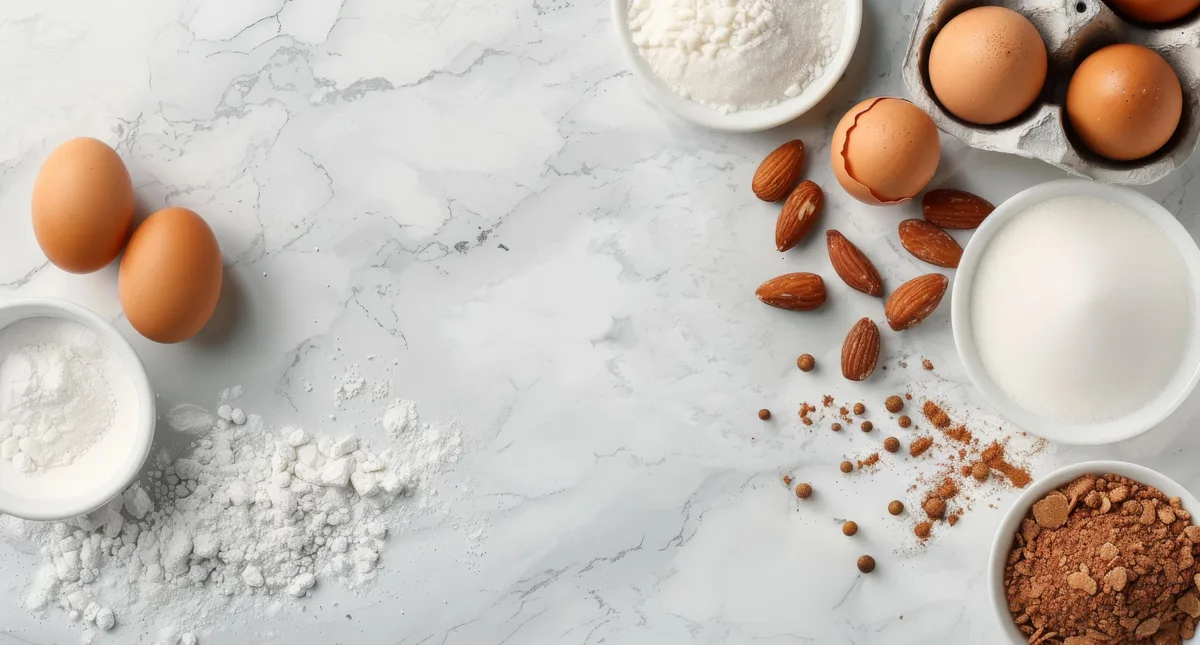
Image source: Bing (Web (fair-use with source credit))
A few notes on substitutions. You can use plant-based milk and a flax egg to make these dairy-free and egg-free. For a gluten-free version, a 1:1 gluten-free flour blend works, though the texture will be slightly more crumbly.
Just make sure your baking powder is certified gluten-free too.
Step-by-Step: How to Make Air Fryer Donut Holes
Follow these steps and you'll have a batch of golden donut holes in under 15 minutes of active time.
1. Mix the dry ingredients. Whisk together the flour, sugar, baking powder, salt, and nutmeg in a medium bowl. Make sure everything is evenly distributed so you don't get pockets of baking powder in the finished product.
2. Combine the wet ingredients. In a separate bowl or measuring cup, stir together the milk, egg, melted butter, and vanilla. The butter should be melted but not hot, or it'll cook the egg on contact.
3. Bring the dough together. Pour the wet mixture into the dry and stir until just combined. The dough should be thick and scoopable, not runny.
If it's too sticky, add a tablespoon of flour. If it's too dry, add a splash of milk.
4. Shape the balls. Lightly flour your hands and roll the dough into 1 to 1.5 inch balls. You should get about 12 to 16 from this recipe.
Place them on a plate or parchment-lined tray as you go.
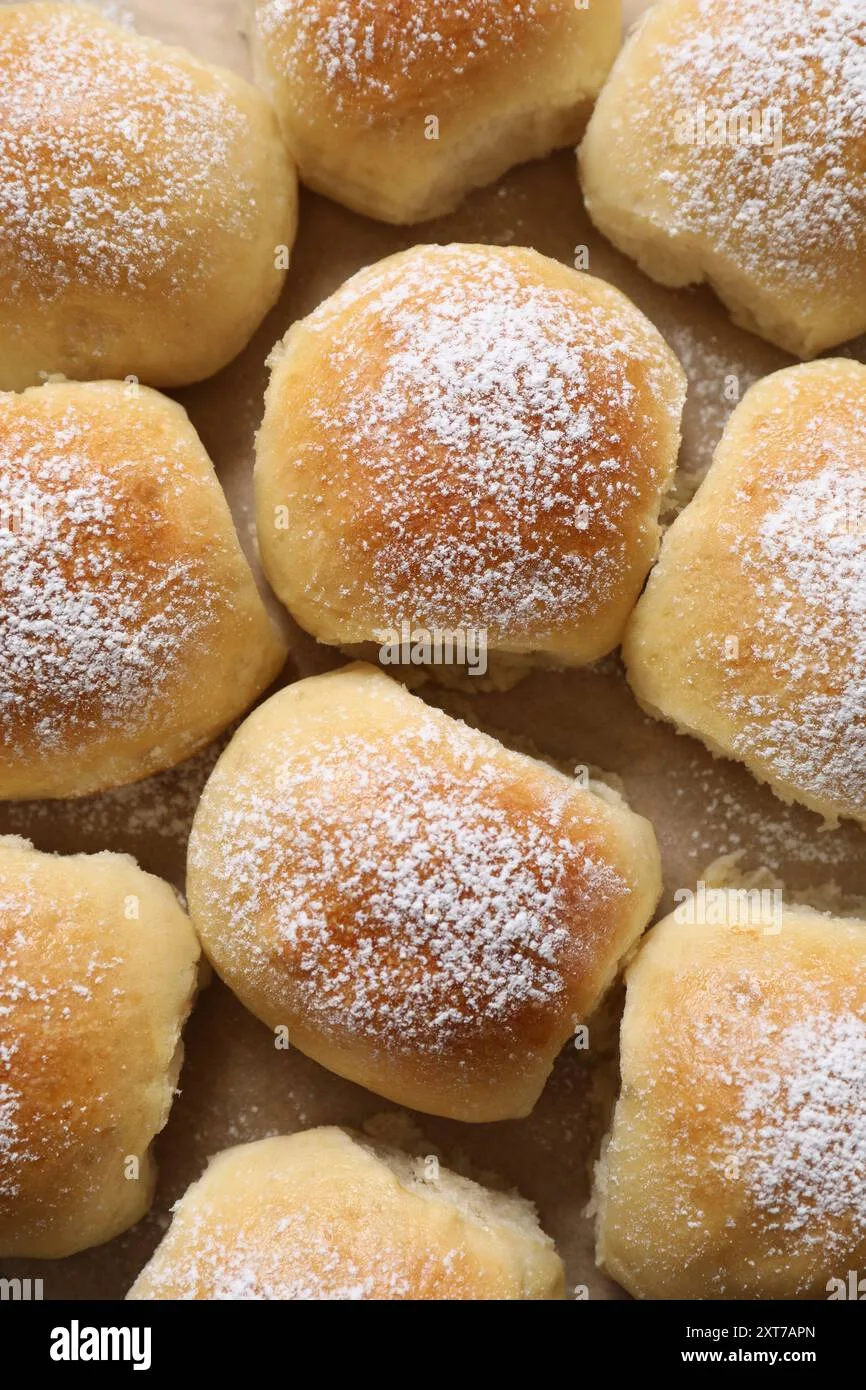
Image source: Bing (Web (fair-use with source credit))
5. Preheat the air fryer. Set it to 350°F (175°C) and let it run for 2 to 3 minutes. Preheating matters here.
It ensures the dough starts cooking immediately, which gives you a better exterior crust.
6. Prepare the basket. Spray the air fryer basket generously with cooking oil, or line it with perforated parchment paper. Without this step, the dough will stick and tear when you try to flip or remove the donut holes.
7. Arrange the donut holes. Place them in a single layer with at least 1/2 inch of space between each one. Don't overcrowd.
Air needs to circulate around each ball for even browning. Depending on your basket size, you'll likely need to cook in two batches. If you're working with a dual-basket model, you can cook both batches at once.
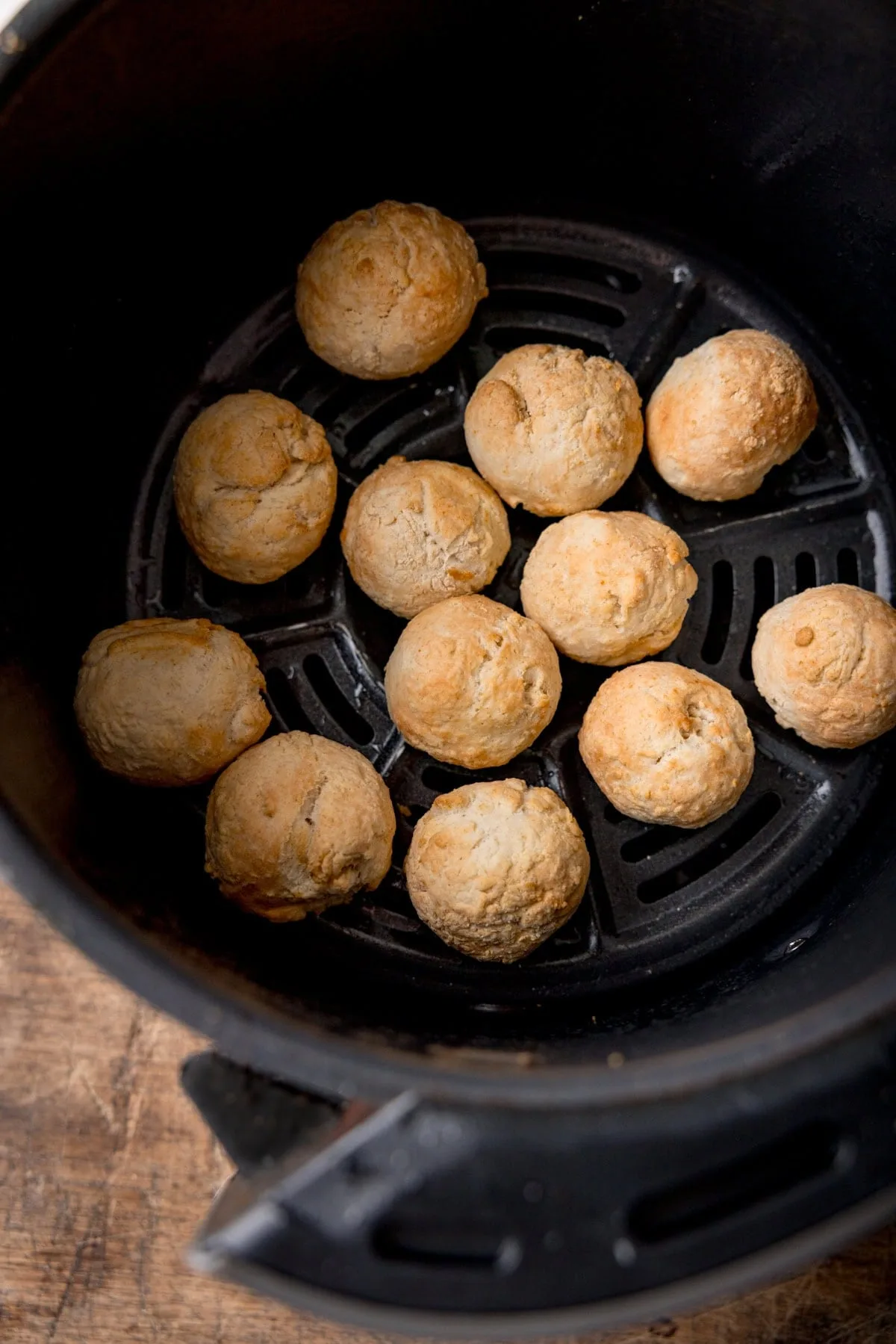
Image source: Bing (Web (fair-use with source credit))
8. Cook for 4 to 6 minutes. At the 3-minute mark, open the basket and flip each donut hole or give the basket a good shake. This ensures all sides brown evenly.
They're done when the exterior is deep golden brown and firm to the touch.
9. Check for donness. If you're unsure, cut one open. The center should be fully cooked with no raw dough.
If it's still pale on the bottom, add another minute.
10. Coat while warm. Transfer the hot donut holes to a bowl of cinnamon sugar and toss gently, or dip the tops in glaze and set them on a wire rack. The warmth helps the coating stick.
If you wait too long and they cool down, the sugar won't adhere as well.
Cinnamon Sugar, Glaze, and Other Topping Ideas
The coating is where you can really make this recipe your own. Here are the most popular options, ranked by how easy they are to pull off.
Cinnamon sugar is the classic. Mix 1/4 cup granulated sugar with 1 tablespoon ground cinnamon. Toss the warm donut holes in the mixture until evenly coated.
It's simple, it's nostalgic, and it's the version most people reach for first.
Vanilla glaze takes about 2 minutes to make. Combine 1/2 cup powdered sugar with 1 to 2 tablespoons of milk and a splash of vanilla extract. Dip the tops of the warm donut holes and let the excess drip off.
Set them on a wire rack for a few minutes so the glaze sets.
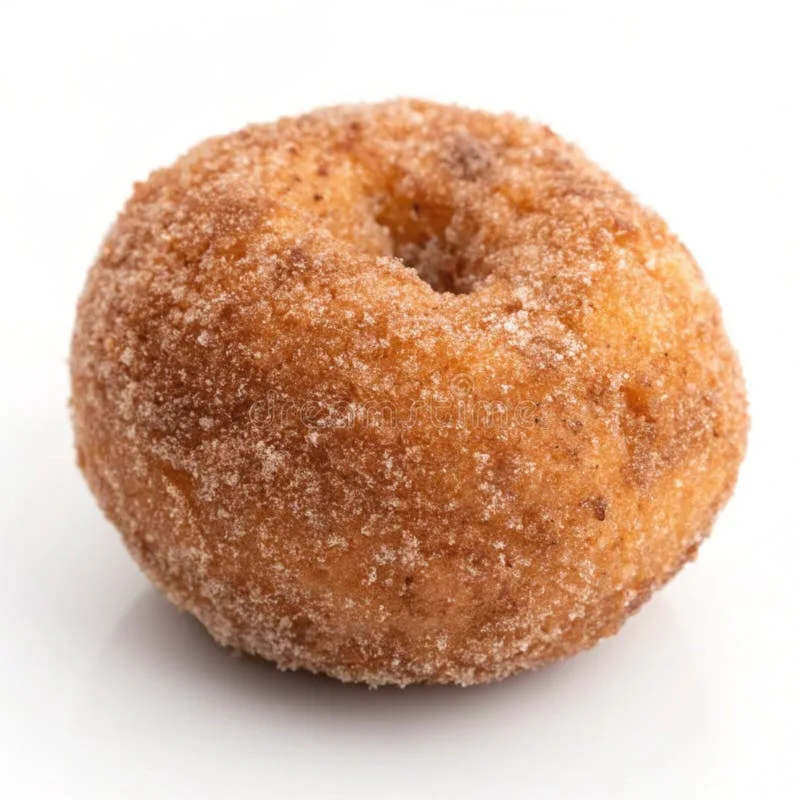
Image source: Bing (Web (fair-use with source credit))
Chocolate drizzle is great if you want something a little more decadent. Melt 1/4 cup of chocolate chips with a teaspoon of coconut oil in the microwave in 15-second intervals, stirring between each one. Drizzle over the cooled donut holes with a fork.
Powdered sugar dusting is the simplest option. Just sift powdered sugar over the donut holes once they've cooled slightly. It looks pretty and adds a light sweetness without being overwhelming.
Maple glaze is a fall favorite. Mix powdered sugar with a tablespoon of real maple syrup and a tiny bit of milk until it's dip-able. The maple flavor pairs especially well with the nutmeg in the dough.
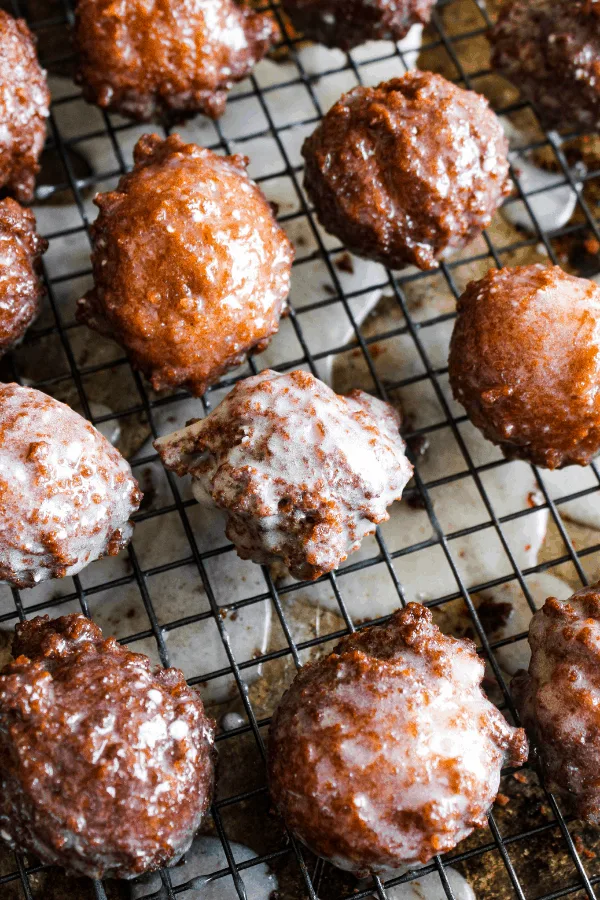
Image source: Bing (Web (fair-use with source credit))
One important rule: always coat while the donut holes are still warm. The residual heat creates just enough moisture on the surface for sugar and glaze to stick. If you let them cool completely, the coating slides off or clumps unevenly.
Common Mistakes That Ruin Air Fryer Donut Holes
Most failed batches come down to the same handful of errors. Fix these and you'll get golden, evenly cooked results almost every time.
Overcrowding the basket is the number one problem. When donut holes are touching, steam gets trapped and the exteriors turn soggy instead of crisp. Leave at least half an inch of space around each ball.
If your basket is small, cook in two rounds. It takes an extra 6 minutes but the texture difference is worth it.
Skipping the oil spray is another frequent miss. Air fryers rely on a thin layer of oil to create that browned, slightly crispy shell. Without it, the dough dries out on top without browning and sticks to the basket.
A quick spritz of neutral cooking oil on the basket and on top of the dough balls before cooking solves both problems.
Dough Consistency Issues
If the dough is too wet, the balls spread and lose their shape in the basket. If it's too dry, they crumble when you try to roll them. The right consistency is thick and slightly tacky but holds its shape when you form a ball.
Add flour a tablespoon at a time if it's sticking to your hands, or a splash of milk if it feels stiff and crumbly.
Inconsistent sizing causes uneven cooking. A 2-inch ball next to a 1-inch ball means one is raw in the center while the other is overdone. Use a small cookie scoop or a tablespoon measure to keep everything uniform.
Temperature and Timing Errors
Setting the temperature too high burns the outside before the center cooks through. Stick to 350°F for cake-style dough and 340°F for biscuit dough, which has more sugar and browns faster. If your air fryer runs hot (common in compact models), drop it by 10 degrees.
Not flipping or shaking at the halfway mark leaves one side pale and underdone. A quick flip at 3 minutes ensures all sides get direct heat. You'll also catch any sticking early enough to fix it without tearing the dough.
Air Fryer vs. Deep Fryer vs. Oven: Which Method Wins?
Each method produces a slightly different result. Here's how they stack up.
| Factor | Air Fryer | Deep Fryer | Oven |
|---|---|---|---|
| Oil needed | 1 to 2 tsp spray | 2 to 3 cups | 1 to 2 tbsp brushed |
| Cook time | 5 to 8 min | 2 to 4 min | 12 to 16 min |
| Texture | Crisp outside, moist inside | Uniform crunch all over | Softer crust, cake-like |
| Cleanup | Minimal (one basket) | Messy (oil disposal) | Moderate (sheet pan) |
| Calorie estimate | 60 to 90 per hole | 100 to 150 per hole | 80 to 110 per hole |
| Batch size | 8 to 12 per load | 10 to 15 per batch | 16 to 24 per sheet |
The air fryer wins on convenience, cleanup, and oil reduction. The deep fryer wins on authentic texture and speed. The oven wins if you're making a big batch for a group and don't want to work in multiple rounds.
If texture is your top priority and you don't mind the extra oil, a deep fryer gives you that classic uniform crunch. But for everyday baking with minimal mess, the air fryer is the practical choice. The oven works in a pinch, but the exterior never gets as crisp and you'll wait roughly twice as long.
Air fryer banana chips are another example of how this appliance handles sweet recipes efficiently, and you can find that method on our air fryer banana chips recipe page.
Tips for Even Cooking and the Golden-Brown Finish
Getting that perfect, evenly browned exterior comes down to three things: spacing, flipping, and knowing your machine.
Preheat every single time. A cold basket means the dough sits in lukewarm air for the first minute or two, which softens the exterior instead of crisping it. Two to 3 minutes at 350°F before loading the basket makes a noticeable difference.
Use perforated parchment liners. They prevent sticking without blocking airflow through the basket holes. Solid parchment or foil restricts the convection effect and leads to pale, uneven bottoms. You can buy pre-cut air fryer parchment online or punch holes yourself in regular parchment with a hole punch.
Rotate the basket if your air fryer has hot spots. Most units circulate heat more intensely at the back. At the halfway point, pull the basket out and rotate it 180 degrees in addition to flipping the donut holes. This is especially important in basket-style models like the Instant Vortex series, where aggregate user reviews suggest the heating element concentrates toward the rear.
Check color, not just time. Your recipe might say 6 minutes, but your specific air fryer could need 5 or 7. Pull them when they're deep golden brown all over. If they're still pale on the bottom after flipping, add 60 seconds.
If dark spots appear on one side, your basket is overloaded or your unit runs hot.
One more thing. If you're making these for a family with dietary concerns, it's worth noting that some research suggests air-fried foods produce less acrylamide than deep-fried equivalents. The FDA has published guidance on acrylamide formation in cooked starchy foods, and their data indicates that lower oil temperatures and shorter cook times reduce its formation.
That's a small but real advantage of the air fryer method.
How to Store and Reheat Donut Holes Without Losing Texture
Donut holes are best eaten within an hour of cooking, when the exterior is still crisp and the inside is soft. But life doesn't always allow for that, so here's how to keep them good for longer.
Room temperature storage works for up to 2 days. Place them in an airtight container with a sheet of paper towel on the bottom to absorb moisture. Don't stack them more than two layers deep or the bottom ones get squished and soggy.
Keep the container out of direct sunlight and away from heat sources.
Refrigeration extends freshness to about 4 days but softens the exterior significantly. If you go this route, plan to reheat them before serving. The fridge draws moisture out of the coating and the crust turns chewy.
Reheating Methods Compared
| Method | Time | Texture Result |
|---|---|---|
| Air fryer at 300°F | 1 to 2 min | Crisp exterior, soft center (best) |
| Microwave on 50% power | 15 to 20 sec | Soft all over, slightly rubbery |
| Oven at 300°F | 3 to 4 min | Decent crispness, slightly dry |
| Toaster oven | 2 to 3 min | Similar to oven, good for small batches |
The air fryer is the clear winner for reheating. It restores the crispy exterior in under 2 minutes without overcooking the interior. The microwave is the worst option.
It steams the donut holes from the inside out and turns them gummy.
If you've glazed the donut holes, reheating can cause the coating to melt and get sticky. In that case, it's better to store them uncoated and add the glaze fresh after reheating. Cinnamon sugar holds up better through storage and reheating since it's a dry coating.
For anyone using a dishwasher-safe air fryer model, cleanup after a donut hole session is straightforward. A quick rinse of the basket and crisper plate before loading it in the dishwasher prevents sugar residue from baking onto the surface during the next use.
Customizing Your Recipe: Gluten-Free, Vegan, and Dairy-Free Variations
You can adapt this recipe for most common dietary restrictions without sacrificing much in the way of taste or texture.
Gluten-free versions work well with a 1:1 gluten-free flour blend like Bob's Red Mill or King Arthur. The key difference is that gluten-free dough is more fragile and tends to crumble. Add an extra egg or a tablespoon of applesauce to help bind it.
Expect a slightly denser interior, but the exterior still browns nicely in the air fryer.
Vegan substitutions are straightforward. Replace the egg with a flax egg (1 tablespoon ground flaxseed mixed with 3 tablespoons water, rested for 5 minutes). Swap the milk for oat or almond milk, and use melted coconut oil or vegan butter in place of dairy butter.
The flavor is nearly identical, and the texture holds up well.
Dairy-free is even simpler. Just use plant-based milk and a neutral oil instead of butter. The dough may be slightly less rich, but the coating adds enough sweetness that most people don't notice.
Sugar-Free and Low-Carb Options
For a lower-sugar version, replace the granulated sugar in the dough with a monk fruit sweetener or erythritol blend at a 1:1 ratio. Keep the cinnamon sugar coating as-is or use a sugar-free alternative. The browning will be slightly less pronounced since alternative sugars don't caramelize the same way, but the texture stays close.
A true low-carb or keto version requires almond flour or coconut flour, which changes the recipe significantly. Almond flour donut holes are denser and more moist, and they need a lower temperature (around 325°F) to prevent burning. They won't taste like traditional donut holes, but they satisfy the craving if you're watching carbs.
One important note for anyone with food allergies. Always check that your baking powder is gluten-free if that's a concern, since some brands contain wheat starch. The FDA requires major allergens to be labeled on packaged goods in the US, so a quick label check is all it takes.
Frequently Asked Questions
Can I use frozen dough for air fryer donut holes?
Yes. Thaw refrigerated dough at room temperature for about 20 minutes before shaping. Frozen dough straight from the freezer will cook unevenly, with a raw center and overdone exterior.
If you're using store-bought frozen donut holes, add 1 to 2 minutes to the cook time and check for an internal temperature of 190°F.
Why are my donut holes raw in the middle?
The temperature is too high or the balls are too large. Drop the heat to 340°F and make sure each ball is no bigger than 1.5 inches in diameter. Cutting one open at the 4-minute mark is the fastest way to check before the whole batch overcooks.
Do I need to preheat the air fryer?
You should. A 2 to 3 minute preheat at 350°F ensures the dough hits hot air immediately, which sets the exterior and prevents spreading. Skipping this step leads to pale, slightly flat donut holes with a softer crust.
Can I make donut holes without oil spray?
They won't brown well and will stick to the basket. You can brush them lightly with melted butter or use a silicone air fryer liner, but some form of fat is necessary for that golden exterior. Even a thin layer of coconut oil on a pastry brush works in a pinch.
How many donut holes fit in one batch?
Most 5 to 6 quart air fryers hold 8 to 12 donut holes per load with proper spacing. Larger 8 to 9 quart models can handle 14 to 16. Overcrowding is the fastest way to get soggy, uneven results, so when in doubt, cook an extra batch.
Are air fryer donut holes healthier than deep-fried ones?
They use significantly less oil, which cuts calories by roughly 30 to 40 percent per piece. A 2015 study in the Journal of Food Science found that air frying reduced oil absorption in dough-based foods by up to 75 percent compared to deep frying. They're still a treat, but the lower fat content makes them a reasonable option for occasional snacking.