
How to Cook Chicken Patties in an Air Fryer (Perfectly Every Time)
If you've ever pulled a sad, soggy chicken patty out of the microwave and wondered if there's a better way, an air fryer chicken patty recipe is exactly what you need. The air fryer delivers a crispy exterior and juicy interior in under 15 minutes, with almost no oil and minimal cleanup. Whether you're working with frozen store-bought patties or shaping your own from scratch, the method is straightforward once you know the right time and temperature.
The USDA Food Safety and Inspection Service requires all poultry to reach an internal temperature of 165°F (74°C) to be considered safe to eat, and an air fryer hits that target faster than an oven with far better texture. In our research, aggregate user reviews across major air fryer brands consistently report that chicken patties come out crispier and more evenly cooked than any other quick-cook method. Let's break down exactly how to get it right, no matter what type of patty you're starting with.
The Quick Answer: Time, Temp, and What to Expect
A basic air fryer chicken patty recipe takes 8 to 15 minutes at 375°F to 400°F. Frozen breaded patties need the full range, around 12 to 14 minutes at 400°F. Fresh or homemade patties cook faster, usually 8 to 10 minutes at 375°F.
Always flip halfway through. Always check the internal temperature with a meat thermometer. The target is 165°F in the thickest part of the patty.
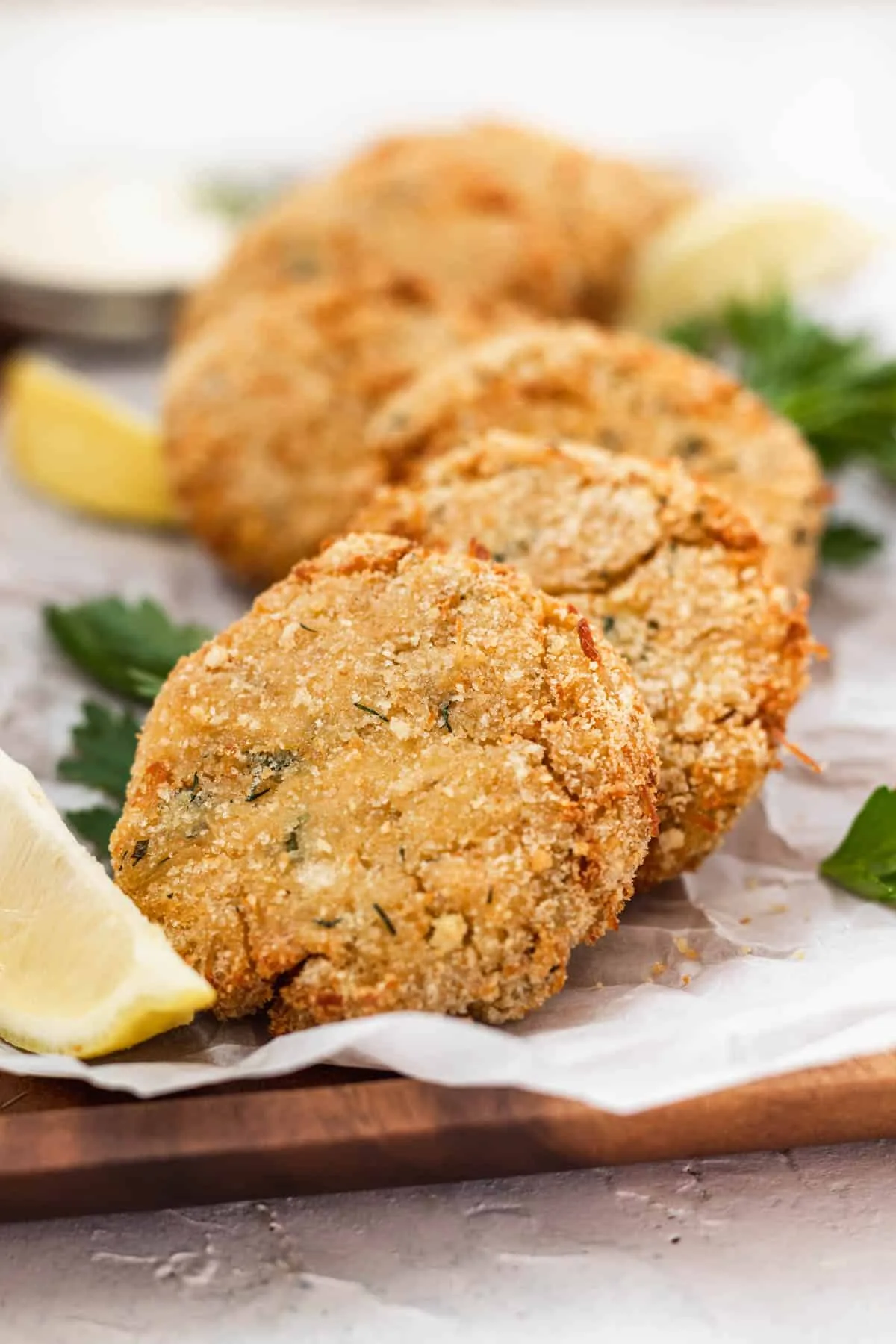
Image source: Bing (Web (fair-use with source credit))
That's the skeleton. The details matter, though, and they change depending on what kind of patty you're cooking and what you want the final result to look like. The sections below walk through every variable so you can dial in your exact setup.
Frozen vs. Fresh vs. Homemade: Which Patty Type Are You Using?
Not all chicken patties are created equal, and the starting state of your patty is the single biggest factor that changes your cook time and technique.
Frozen store-bought patties are the most common starting point. They're pre-formed, usually breaded, and designed to go straight from freezer to heat source without thawing. Brands vary in thickness and breading density, which means cook times can shift by 2 to 3 minutes even within the same brand's product line.
The advantage is convenience. The trade-off is less control over seasoning and texture.
Fresh store-bought patties are found in the refrigerated section. They're typically unbreaded or lightly seasoned and cook faster than frozen because they don't need to thaw and heat through from a frozen core. These are a good middle ground if you want something quicker than homemade but with a cleaner ingredient list than most frozen options.
Homemade patties give you full control. You choose the ground chicken blend (breast for lean, thigh for juiciness, or a mix), the seasoning, the binder, and the size. The downside is the extra 10 to 15 minutes of prep time.
The upside is a patty that tastes noticeably better than anything from a box.
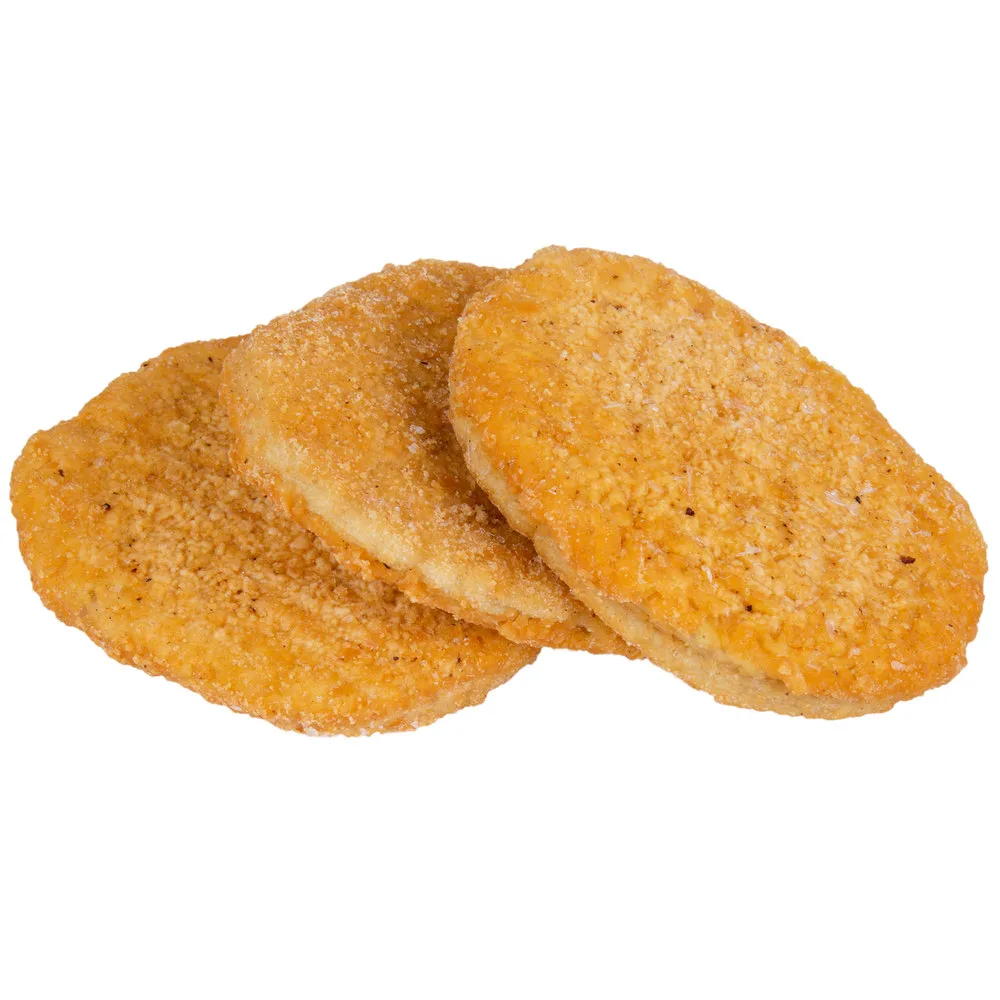
Image source: Bing (Web (fair-use with source credit))
Here's a quick comparison to help you decide:
| Patty Type | Prep Time | Cook Time (Air Fryer) | Best For |
|---|---|---|---|
| Frozen store-bought | 0 min | 12–14 min at 400°F | Speed, convenience, kids' meals |
| Fresh store-bought | 0 min | 8–10 min at 375°F | Cleaner ingredients, quicker cook |
| Homemade | 10–15 min | 8–12 min at 375°F–400°F | Flavor control, dietary needs, meal prep |
If you're cooking for a big family and want to batch-process a full bag of frozen patties, a larger-capacity unit makes a real difference. Our guide to the best 9 qt air fryer for large batches covers the models that handle 4 or more patties in a single run without crowding.
Step-by-Step: How to Air Fry Chicken Patties From Frozen
This is the method most people are looking for. You've got a bag of frozen chicken patties and 15 minutes. Here's exactly what to do.
Step 1: Preheat your air fryer to 400°F (205°C) for 2 to 3 minutes. Preheating matters more for frozen patties than fresh ones because it prevents the outer breading from thawing into a gummy layer before it has a chance to crisp. If your air fryer doesn't have a preheat function, just run it empty at 400°F for 2 minutes.
Step 2: Arrange the patties in a single layer with space between them. Do not stack. Do not let the edges touch. Air circulation is what makes an air fryer work, and overcrowding turns it into a steamer.
Most 5 to 6 quart baskets fit 3 to 4 standard patties comfortably.

Image source: Wikimedia Commons / NeoBatfreak (CC BY-SA)
Step 3: Lightly spray the tops with cooking oil. This step is optional but recommended. A thin coat of avocado oil or olive oil spray helps the breading brown evenly and develop that golden, crispy texture. You don't need much.
A 1-second mist per patty is enough.
Step 4: Cook for 7 minutes, then flip. Use tongs or a spatula to turn each patty over. The bottom side should be starting to turn golden. If the breading sticks to the basket, the patty wasn't ready to flip.
Give it another minute next time.
Step 5: Cook for another 5 to 7 minutes. The second side usually browns faster. Start checking at the 5-minute mark. The patty is done when the exterior is deep golden brown and the internal temperature reads 165°F.
Step 6: Let it rest for 1 minute before serving. This lets the juices redistribute. Cutting or biting into it immediately releases moisture and you end up with a drier bite.
If your air fryer has a dual-basket design, you can cook two batches simultaneously or dedicate one basket to patties and another to a side. Our roundup of the best 8 qt air fryer with dual basket is worth a look if you're regularly cooking mains and sides together.
Step-by-Step: How to Air Fry Fresh or Homemade Chicken Patties
Fresh and homemade patties cook faster and give you more room to adjust the process. The core steps are the same as the frozen method, but a few details change.
Step 1: Preheat to 375°F (190°C) for 2 minutes. Fresh patties don't need the higher 400°F starting temperature. A slightly lower heat gives the interior time to cook through before the exterior over-browns. This is especially important for homemade patties, which tend to be thicker than store-bought.
Step 2: Form your patties to an even thickness. If you're making them from scratch, aim for about ¾-inch thick and 3.5 to 4 inches in diameter. Uniform thickness is the difference between a patty that cooks evenly and one that's burnt on the edges and raw in the center. Press a small dimple into the center of each patty with your thumb.
This prevents the patty from puffing up into a dome shape during cooking.
Step 3: Season or bread as desired. For unbreaded patties, a simple mix of salt, pepper, garlic powder, and paprika works well. For breaded patties, dip each patty in beaten egg, then coat in panko or seasoned breadcrumbs. Press the coating firmly onto the surface so it adheres during cooking.
Step 4: Spray lightly with oil and place in the basket in a single layer. Same rule as frozen. No overlapping. Give each patty room.
Step 5: Cook for 5 minutes, then flip. Fresh patties release more moisture than frozen ones, so you may notice some steam in the first few minutes. That's normal. Flip when the underside is golden.
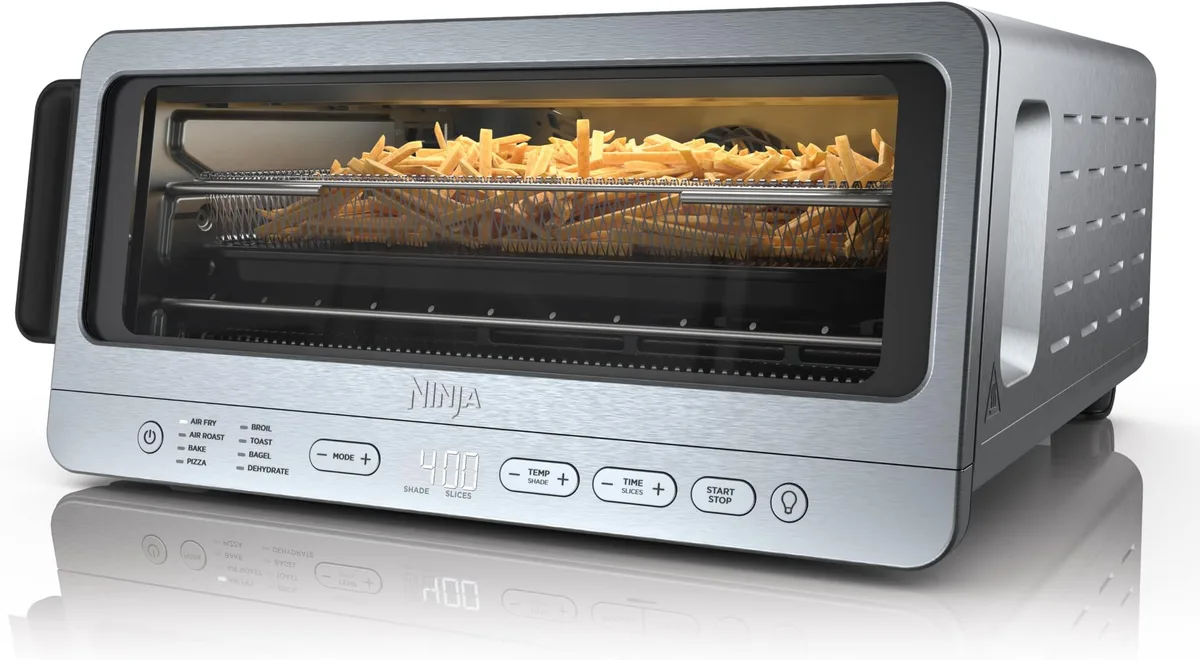
Image source: Bing (Web (fair-use with source credit))
Step 6: Cook for another 4 to 5 minutes. Check the internal temperature at the 4-minute mark. Homemade patties made from ground chicken breast can dry out quickly, so don't push past 165°F. If you're using ground thigh meat or a blend, you have a little more margin because the higher fat content keeps things juicy.
Step 7: Rest for 1 to 2 minutes. Homemade patties benefit from a slightly longer rest than store-bought because the looser structure holds more internal moisture.
If you're making homemade patties regularly for meal prep, having an air fryer that's easy to clean saves a lot of time. Our pick for the best 8 qt air fryer easy to clean focuses on models with dishwasher-safe baskets and non-stick coatings that handle ground chicken residue without scrubbing.
The Right Temperature and Cook Time for Every Scenario
One of the most common questions we see is "what temperature and how long?" The honest answer is that it depends on your patty type, thickness, and your specific air fryer model. Here's a reference table that covers the most common scenarios.
| Scenario | Temperature | Time (Total) | Flip At |
|---|---|---|---|
| Frozen breaded patty (standard 4 oz) | 400°F / 205°C | 12–14 min | 7 min |
| Frozen unbreaded patty | 400°F / 205°C | 10–12 min | 6 min |
| Fresh store-bought breaded | 375°F / 190°C | 8–10 min | 5 min |
| Fresh store-bought unbreaded | 375°F / 190°C | 7–9 min | 4 min |
| Homemade breaded (¾-inch thick) | 375°F / 190°C | 10–12 min | 5 min |
| Homemade unbreaded (¾-inch thick) | 375°F / 190°C | 8–10 min | 5 min |
| Mini patties (2 oz sliders) | 375°F / 190°C | 6–8 min | 4 min |
| Thick patties (1-inch+) | 360°F / 182°C | 14–16 min | 8 min |
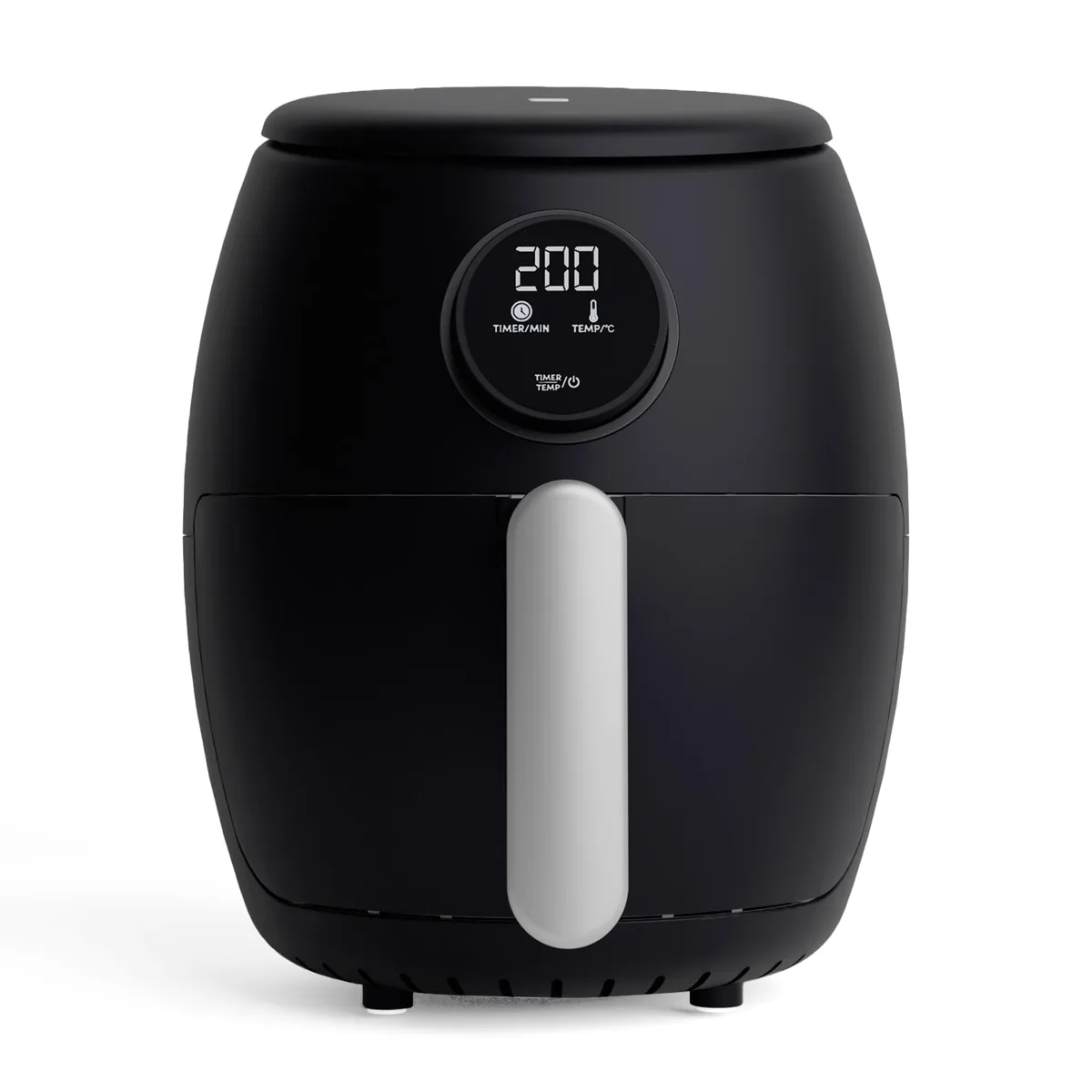
Image source: Bing (Web (fair-use with source credit))
A few things to keep in mind. Air fryer wattage varies from about 1,200W to 1,800W, and higher-wattage units cook faster. If you're using a compact or lower-wattage model, add 1 to 2 minutes to the times above.
If you're using a premium high-wattage unit like the Instant Vortex, start checking at the low end of the range. Our Instant Vortex air fryer review goes into how its 1,700W element affects cook times across different food types.
Altitude also plays a role. Above 3,000 feet, air is thinner and moisture evaporates faster. You may need to lower the temperature by 10°F to 15°F and add a minute or two to prevent the exterior from drying out before the interior is safe.
The most reliable approach is to treat these times as starting points and verify with a thermometer. More on that in the next section.
How to Keep Chicken Patties Juicy (Not Dry and Rubbery)
The number one complaint in air fryer chicken patty reviews is dryness. It happens when the lean ground chicken loses moisture faster than the breading can seal it in. But it's completely avoidable once you understand what's actually going on.
Ground chicken breast is about 70% water by weight and very low in fat. When you blast it with circulating hot air, that water evaporates quickly. The exterior dries out and turns rubber before the interior even reaches 165°F.
Using ground thigh meat or a 50/50 blend of breast and thigh changes the game. Thigh meat has roughly 3 to 4 times the fat content of breast, and that fat acts as an internal moisture barrier during cooking.
For homemade patties, a binder also helps. One egg per pound of ground chicken, mixed with a tablespoon of mayo or mustard, holds moisture in the patty structure as it cooks. Breadcrumbs in the mix serve double duty.
They absorb released liquid and redistribute it as the patty rests.
Cook temperature matters here too. Running your air fryer at 400°F with a thin, lean patty is a recipe for a hockey puck. Dropping to 360°F to 375°F and adding 2 minutes gives the heat time to penetrate without torching the surface.
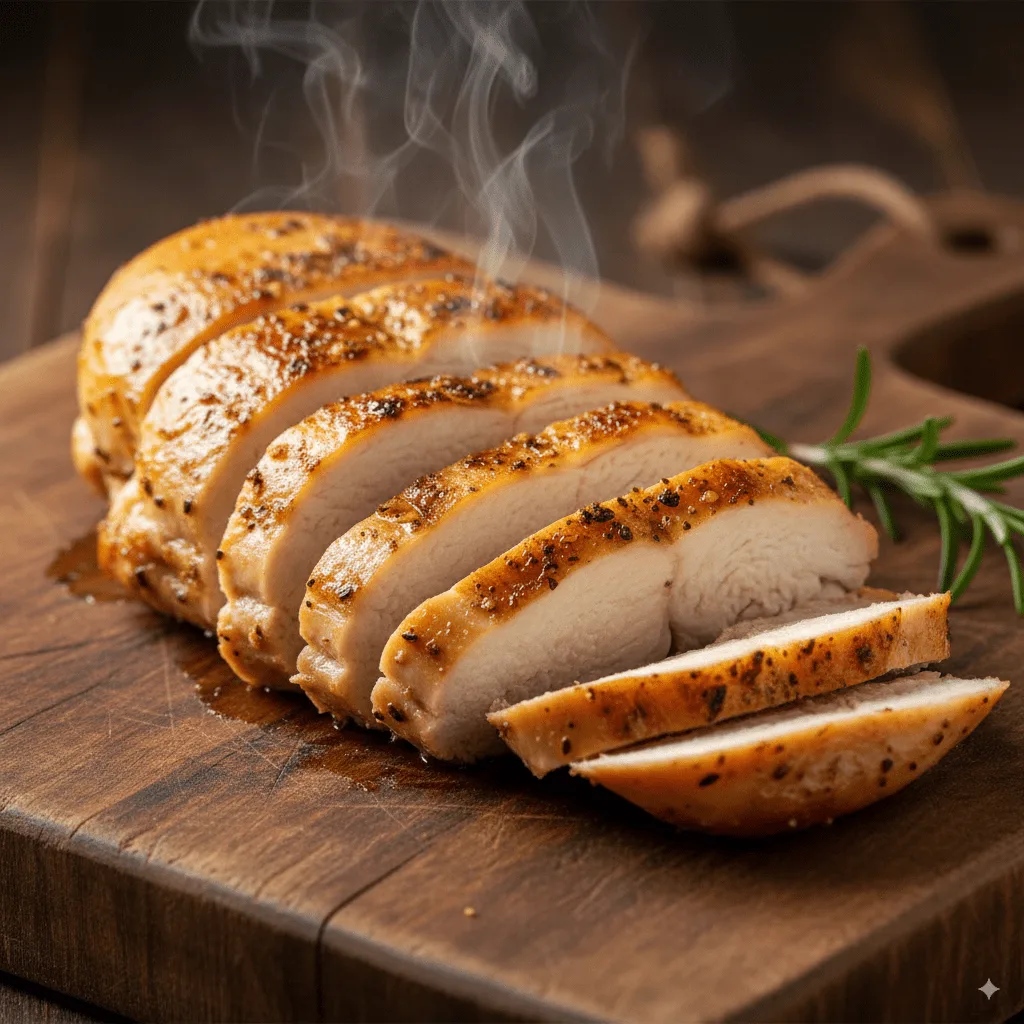
Image source: Bing (Web (fair-use with source credit))
The rest period after cooking is non-negotiable. Slicing into a patty the second it comes out releases all the internal steam that was keeping it moist. Even 60 seconds of resting lets the proteins reabsorb that moisture.
Your patty will be noticeably juicier.
The Internal Temperature Rule You Should Never Skip
Color is not a reliable doneness indicator for chicken patties. A patty can be golden brown on the outside and still be 140°F inside, which is squarely in the danger zone for bacterial survival. A patty can also hit 165°F and still look pale if the breading is thick or the air fryer runs cool.
The only trustworthy method is a digital instant-read thermometer inserted into the thickest part of the patty.
The USDA Food Safety and Inspection Service sets the safe minimum internal temperature for all poultry products at 165°F (74°C). This is not a suggestion. At this temperature, salmonella and campylobacter are destroyed almost instantly.
There is no visual shortcut that replaces this measurement.
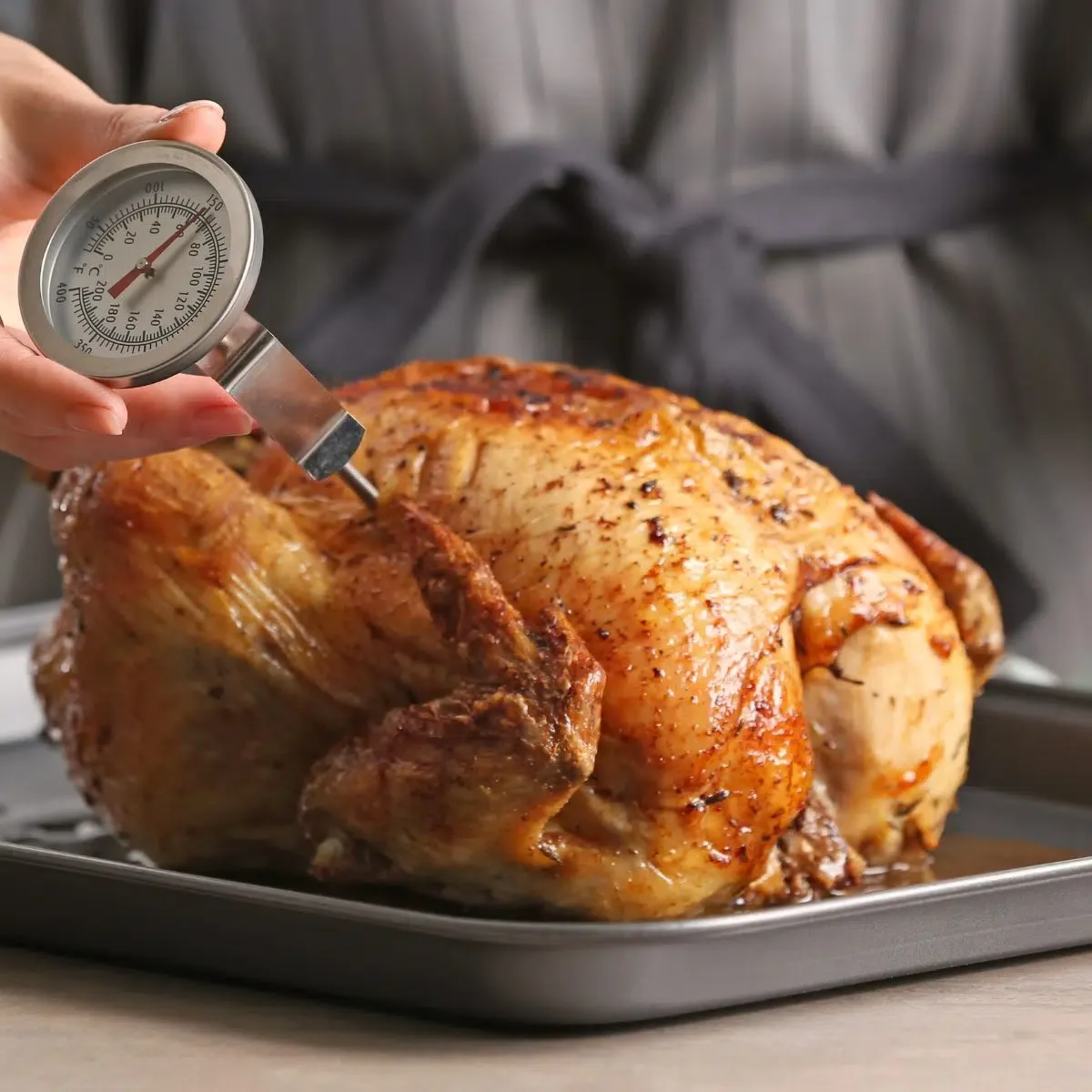
Image source: Bing (Web (fair-use with source credit))
A good instant-read thermometer costs about $10 to $15 and takes 2 to 3 seconds to register. Stick it into the side of the patty so the tip reaches the center. If it reads 165°F, you're done.
If it's at 155°F to 160°F, give it another 2 minutes and check again. Carryover cooking will usually push it the rest of the way after you pull it from the basket.
Digital probe thermometers with a leave-in probe and air fryer-safe clip are another option. You insert the probe before cooking and monitor the temperature in real time without opening the basket. This is especially useful for thick homemade patties where guessing the internal temp by time alone is unreliable.
Common Mistakes That Ruin Air Fryer Chicken Patties
Most bad results come from the same handful of mistakes. Here's what goes wrong most often and how to fix it.
Overcrowding the basket. This is the single most common error. When patties overlap or touch, air can't circulate between them and the center of each patty basically steams instead of crisping. You'll get a soggy exterior and uneven cook.
Always leave at least half an inch between patties. If your basket is small, cook in two batches. The second batch actually cooks faster because the air fryer is already hot.
Skipping the pat-dry step for fresh patties. If you're forming patties from fresh ground chicken, the surface moisture is your enemy. Pat each patty dry with a paper towel before it goes in the basket. Surface moisture has to evaporate before browning can start, and that delays crisping.
Not flipping. Some air fryer marketing suggests you never need to flip anything. That's optimistic. For chicken patties, the side sitting directly on the basket grills against the metal surface and browns well, but the top side gets less direct airflow and can come out pale.
A single halfway flip gives you even color on both sides.
Cooking straight from frozen at too low a temperature. If you set frozen patties at 350°F, the exterior thaws and turns soggy before it has a chance to crisp and the interior takes forever to reach safe temperature. Frozen patties need 400°F to get the breading crunchy before the center overcooks.
Using too much oil spray. More oil doesn't mean crispier. It means a greasy, heavy coating that can actually make the breading soggy. A light mist is all you need.
If your patties look wet or dripping after spraying, you've gone too far.
Ignoring the preheat. A cold basket means the first 2 to 3 minutes of cook time are just warming the metal instead of cooking the food. For a 10-minute cook cycle, that's a 20% loss in effective cooking. Always preheat.
Breaded vs. Unbreaded: What Works Best in an Air Fryer?
The air fryer handles both styles well, but the results are noticeably different and each has situations where it's the better choice.
Breaded patties are the classic in air fryer cooking. The breading creates a large surface area of dry, starchy material that crisps up beautifully in circulating hot air. Panko breadcrumbs give the crunchiest result because their flaky structure creates more nooks for air to circulate through.
Regular breadcrumbs give a finer, more uniform crust. Seasoned flour works too and produces a thinner, cracker-like coating.
The downside of breading is that it adds carbs and calories. A typical breaded frozen chicken patty runs 250 to 300 calories, with 15 to 20 grams of that coming from the coating. It's also the style most prone to uneven browning if the coating is too thick or applied unevenly.
Unbreaded patties are basically seasoned ground chicken formed into a disc. They brown well in the air fryer, developing a savory, slightly caramelized exterior through the Maillard reaction. The texture is more like a crab cake or a well-seared burger than a traditional crispy chicken patty.
Unbreaded is the better choice for low-carb, keto, or gluten-free diets. It's also faster to prep since there's no breading station. The trade-off is that the surface won't get as shatteringly crunchy.
You get more of a golden crust than a crispy shell.
For a middle ground, try a light coating of grated parmesan cheese mixed with herbs. It melts into a thin, crispy layer that adds flavor and texture without the bulk of traditional breading.
| Factor | Breaded | Unbreaded |
|---|---|---|
| Texture | Crunchy, crispy exterior | Golden, savory crust |
| Best diet fit | Standard | Keto, low-carb, gluten-free |
| Prep time | 5 extra minutes (breading) | None |
| Calories (typical 4 oz patty) | 250–300 kcal | 180–220 kcal |
| Risk of drying out | Lower (coating seals moisture) | Higher (exposed surface) |
Homemade Chicken Patty Recipe for the Air Fryer
If you want full control over what goes into your patties, here's a basic recipe that works consistently in any air fryer. This makes 4 standard patties, roughly 4 ounces each.
Ingredients:
- 1 pound ground chicken (breast, thigh, or 50/50 blend)
- 1 large egg
- ¼ cup breadcrumbs (or almond flour for keto)
- 1 teaspoon garlic powder
- 1 teaspoon onion powder
- 1 teaspoon paprika
- ½ teaspoon black pepper
- ¾ teaspoon salt
Instructions:
Mix all ingredients in a large bowl until just combined. Overmixing makes the patties dense and springy. You want the texture to stay loose and tender.
Divide into 4 equal portions, roughly 4 ounces each. Form into discs about ¾-inch thick. Use your thumb to press a shallow dimple into the center of each patty.
This prevents doming during cooking.
Place on a parchment-lined tray and refrigerate for 15 to 20 minutes. The chill firms up the patties and helps them hold their shape in the air fryer. You can skip this step if you're in a hurry, but the patties will be more fragile.
Preheat your air fryer to 375°F. Spray the basket lightly with oil. Arrange the patties in a single layer.
Cook for 5 minutes, flip, then cook another 5 minutes. Check the internal temperature. If it hasn't hit 165°F, cook in 2-minute increments until it does.
Let rest for 1 to 2 minutes before serving.
This base recipe is easy to customize. Swap the paprika and onion powder for Italian seasoning and parmesan for a Mediterranean version. Add cumin, chili powder, and a pinch of cayenne for a Southwestern kick.
The cook time stays the same as long as the patty thickness is consistent.
If you're meal prepping a batch, these patties freeze well. Form them raw, freeze on a sheet pan until solid, then transfer to a zip-top bag. Cook from frozen using the method in the frozen patty section above, adding 2 to 3 minutes to the total cook time.
Busy parents who need quick, reliable weeknight dinners should also check out our guide to the best air fryer gift for busy moms. It highlights models with set-and-forget features that pair well with recipes like this one.
How to Meal Prep and Batch-Cook Chicken Patties in an Air Fryer
Air fryer chicken patties are one of the best meal prep proteins you can make. They cook fast, store well, and reheat without turning to cardboard if you do it right.
Cook a full batch of 8 to 12 patties in 2 to 3 rounds. Let them cool completely on a wire rack, at least 15 minutes. Stacking hot patties traps steam and makes the breading soggy.
Once cooled, layer them between sheets of parchment paper in an airtight container or zip-top bag. They'll keep in the refrigerator for 4 days or in the freezer for up to 3 months.
For families who cook in bulk, a large-capacity air fryer cuts the batch time significantly. Our roundup of the best 9 quart air fryer for big family highlights the models with enough basket space to handle 5 or 6 patties at once.
Reheating Leftover Chicken Patties Without Drying Them Out
The microwave is the enemy of leftover chicken patties. It heats unevenly and turns the breading rubbery. The air fryer is actually the best reheating tool you own.
Set the air fryer to 350°F. Place the leftover patties in a single layer. Cook for 3 to 4 minutes, flipping halfway.
The circulating hot air re-crisps the exterior while warming the interior gently. Check the center. If it's not hot enough after 4 minutes, add another minute.
The internal temperature should reach at least 165°F again for food safety.
If you're short on time, a toaster oven on the "air fry" or convection setting works almost as well. Avoid the broiler setting. It'll char the outside before the middle warms up.
Air Fryer vs. Oven vs. Stovetop: Which Method Wins?
Each method has tradeoffs. Here's how they stack up for chicken patties:
| Method | Cook Time | Texture | Oil Needed | Best For |
|---|---|---|---|---|
| Air fryer | 8–14 min | Crispy outside, juicy inside | Light spray | Speed + texture |
| Oven (baked) | 20–25 min | Moderate crisp, can dry out | Moderate | Large batches |
| Stovetop (skillet) | 10–12 min | Crispy bottom, softer top | 1–2 tbsp | Small batches, unbreaded |
The air fryer wins on speed and texture for most people. The oven is better if you're cooking for a crowd and don't mind the longer wait. The stovetop gives you the most hands-on control but requires more attention and more oil.
If you already own an air fryer, there's rarely a reason to use another method for weeknight patties.
Quick Serving Ideas and Meal Pairings
A chicken patty on a plate is fine. A chicken patty as part of an actual meal is better. Here are some fast pairings that round things out.
Classic burger. Brioche bun, lettuce, tomato, pickles, and a smear of mayo or garlic aioli. Add a slice of cheese in the last minute of air fryer time so it melts right on the patty.
Protein bowl. Slice the patty into strips and serve over rice or quinoa with roasted vegetables and a drizzle of sriracha mayo. Works great with air fryer asparagus. Our air fryer asparagus with parmesan recipe is a 6-minute side that pairs perfectly.
Low-carb lettuce wrap. Butter lettuce leaves, sliced patty, avocado, and a squeeze of lime. Under 5 grams of carbs per serving.
Slider appetizers. Use mini slider buns and make a batch of smaller patties using the times in the temperature table above. Great for game day or kids' parties.
For more air fryer protein ideas, check out our air fryer BBQ chicken legs recipe and our guide to whether an air fryer makes sense for health-focused cooking in is an air fryer good for diabetics.
FAQs
Can I put frozen chicken patties directly in the air fryer?
Yes. That's actually the recommended method. No need to thaw.
Cook at 400°F for 12 to 14 minutes, flipping halfway. Thawing at room temperature creates a food safety risk since the outer layers sit in the danger zone while the center stays frozen.
Do I need to use oil when air frying chicken patties?
Fresh or homemade patties benefit from a light oil spray to prevent sticking and help browning. Most frozen breaded patties already contain enough fat in the coating that added oil is optional. A thin coat is all you need.
Never pour oil into the basket or the patties will turn greasy and the excess can smoke.
Why are my air fryer chicken patties dry?
The most common cause is overcooking. Ground chicken breast has very little fat, so it dries out fast past 165°F. Use thigh meat or a blend for juicier results.
Also make sure you're resting the patties for at least 1 minute after cooking. Cutting in immediately releases all the moisture you worked to keep.
How many chicken patties fit in an air fryer at once?
Most 5 to 6 quart air fryers fit 3 to 4 standard patties in a single layer. Larger 8 to 9 quart models can handle 5 to 6. The key is leaving space between each patty.
Overcrowding causes uneven cooking and soggy breading.
Can I air fry chicken patties without breading?
Absolutely. Unbreaded patties work great. Season the ground chicken well and cook at 375°F for 8 to 10 minutes.
The exterior browns through the Maillard reaction and develops a savory crust. They won't be as crunchy as breaded versions but they're perfect for low-carb and keto diets.
Are air-fried chicken patties healthier than fried?
Yes, significantly. Deep frying typically requires submerging the patty in oil at 350°F to 375°F, which adds 8 to 15 grams of fat per patty. Air frying uses a light spray and circulating hot air, cutting added fat by roughly 70 to 80 percent.
The calorie difference is usually 80 to 120 calories per patty depending on the brand and coating.
Final Tips for Perfect Air Fryer Chicken Patties
Start with the right patty type for your goals. Frozen breaded for speed. Fresh or homemade for flavor control.
Thigh meat for juiciness. Breast meat if you're counting calories.
Use a meat thermometer every single time. It's the only way to guarantee safety and prevent overcooking. Aim for 165°F in the center and let the patty rest for 1 to 2 minutes before eating.
Don't overcrowd the basket, don't skip the flip, and don't skip the preheat. Those three rules alone will fix 90 percent of bad air fryer chicken patty results.
As of 2026, air fryer ownership in U.S. households is above 60 percent according to aggregate industry sales data, and chicken patties consistently rank among the top 5 most-cooked foods in these machines. That's a lot of patties. Follow the steps in this guide and yours will be the ones people actually want to eat.