
An air fryer salmon from frozen recipe is one of the easiest weeknight dinners you can pull off. No thawing, no planning ahead, just a fillet straight from the bag to the basket in under 20 minutes. The circulating hot air cooks frozen salmon surprisingly evenly when you follow the right time and temperature for your fillet's thickness.
The USDA recommends cooking fish to an internal temperature of 145°F (63°C), and an air fryer hits that target faster than a conventional oven because of its concentrated convection airflow. In our research, most frozen salmon fillets between ¾ inch and 1 inch thick cook through in 12 to 15 minutes at 400°F. The key is knowing how to adjust for your specific cut and your specific machine.
Let's walk through exactly how to do it.
Image source: Bing (Web (fair-use with source credit))
Quick Answer
Yes, you can cook salmon from frozen in an air fryer. Set the temperature to 400°F. Cook for 10 to 18 minutes depending on fillet thickness.
Always check that the internal temperature reaches 145°F at the thickest point. No thawing is required.
Why Air Fryer Salmon from Frozen Actually Works
Cooking salmon from frozen sounds risky. You'd think the outside would burn while the center stays raw. But an air fryer's rapid circulation of hot air handles frozen protein better than most other home cooking methods.
Here's why. An air fryer is essentially a compact convection oven with a powerful fan that moves air faster than a standard oven. That forced airflow penetrates the frozen surface more efficiently, gradually thawing and cooking the fillet from the outside in.
The result is a salmon with a lightly crispy exterior and a moist, flaky center, without the rubbery texture you get from microwaving or the dry edges you often see with oven baking.
The method works best with individually quick frozen (IQF) fillets, which are the standard at most grocery stores. These fillets are frozen separately so they don't clump together, meaning each one cooks evenly in the basket. Solid-frozen blocks or unevenly shaped pieces are harder to get right.
One important caveat: air fryer wattage varies significantly across models, and that directly affects cook time. A 1,800W unit like the Instant Vortex will cook faster than a 1,400W compact model. We'll cover how to adjust for that in the steps below.
What You Need Before You Start
You don't need much to pull this off. A few basics and you're ready.
Choosing the Right Frozen Salmon
Not all frozen salmon is created equal. Here's what to look for at the store.
IQF fillets are your best bet. Each piece is frozen individually, so they separate easily and cook evenly. Most major brands like Gorton's, Highliner, and store brands use this format.
Skin-on vs. skinless is a personal preference, but skin-on fillets hold up better in the air fryer. The skin acts as a moisture barrier and gives you the option of crispy skin if you start skin-side down. Skinless works fine too, just watch the cook time a little more closely since there's less protection against drying out.
Thickness matters more than weight. A 6 oz fillet that's 1 inch thick cooks very differently from a 6 oz fillet that's only ½ inch thick. When you're at the store, look for fillets that are uniform in thickness. That consistency is what gives you predictable results.
Species affects flavor and fat content. Atlantic salmon (Salmo salar) is the most common in US and UK grocery stores. It's farm-raised, widely available, and has a higher fat content that keeps it moist during cooking. Sockeye (Oncorhynchus nerka) is leaner and can dry out faster, so it needs a slightly lower temperature or shorter cook time.
Pink salmon (Oncorhynchus gorbuscha) is the leanest and works better in recipes with a glaze or sauce to add moisture back.
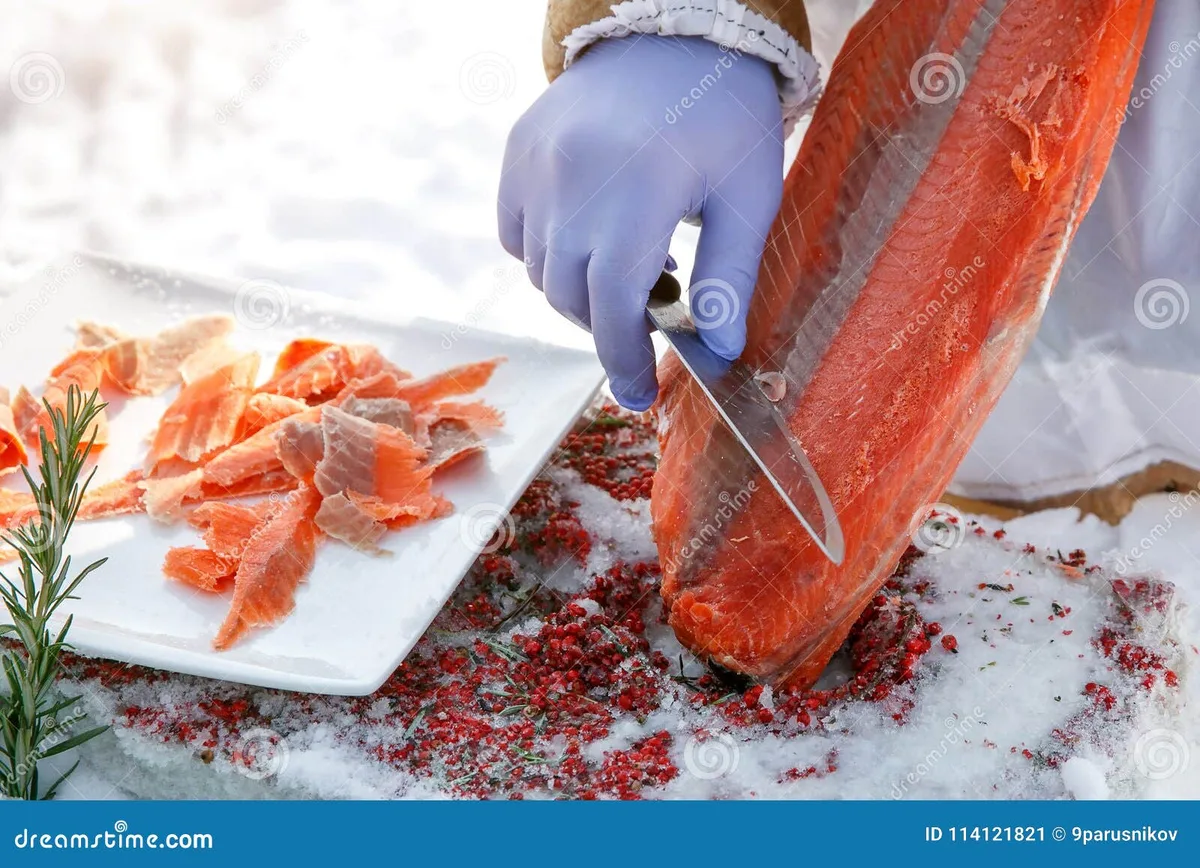
Image source: Bing (Web (fair-use with source credit))
Air Fryer Models and Why Wattage Matters
Your air fryer's wattage is the single biggest variable in this recipe. Two machines set to 400°F can produce different results if one is 1,400W and the other is 1,800W.
Higher wattage means more heat output and faster cooking. Lower wattage units need an extra 1 to 3 minutes to achieve the same result. If you're not sure what your unit runs at, check the label on the bottom or back of the machine.
Basket-style air fryers (like the Ninja Foodi or Cosori models) have the fan above the food and tend to produce crispier tops. Oven-style air fryers (like the Instant Vortex oven format) have fans on the side and circulate heat more evenly across multiple racks. Both work for frozen salmon, but basket-style units are more common for single-fillet cooking.
If you're shopping for an air fryer specifically for frozen proteins, a unit with at least 1,500W and a capacity of 5 quarts or more gives you the most flexibility. Our guide to the best 8 qt air fryer for frozen foods covers models that handle this kind of cooking particularly well.
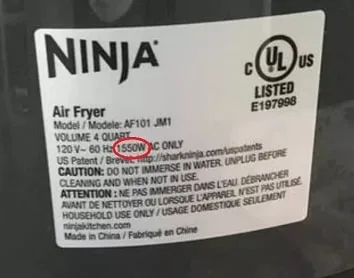
Image source: Bing (Web (fair-use with source credit))
Step-by-Step: How to Cook Frozen Salmon in an Air Fryer
This is the core of the article. Follow these steps and you'll get consistent results every time.
Step 1: Prep the Frozen Fillet (No Thawing Needed)
Take the salmon straight from the freezer. Remove it from any vacuum-sealed packaging. If there are ice crystals on the surface, pat them off with a paper towel.
You don't need to rinse the fish. Just get the surface as dry as possible.
Why this matters. Surface moisture turns to steam in the air fryer, which prevents the exterior from crisping and can lead to a soggy, uneven texture. A quick pat-down takes five seconds and makes a noticeable difference.
If your fillets are stuck together in a frozen block, don't try to pry them apart. Run the block under cold water for 30 to 60 seconds just to separate them, then pat each one dry individually.
Image source: Bing (Web (fair-use with source credit))
Step 2: Season Simply and Oil Lightly
Brush or spray the fillet with a thin layer of oil. Avocado oil and refined olive oil both work well because their smoke points (520°F and 465°F respectively) are well above your cooking temperature. A light coat is all you need.
Too much oil drips through the basket and can cause smoking.
Keep seasoning simple. Salt, pepper, garlic powder, and a little paprika is a reliable combination. Lemon pepper seasoning is another good option.
If you want to add fresh herbs or lemon slices, tuck them on top after the first half of cooking so they don't burn.
Avoid sugary glazes or honey-based marinades during the main cook. Sugar burns at high temperatures and will create a bitter, charred coating before the inside is done. If you want a glaze, brush it on during the last 2 minutes of cooking.
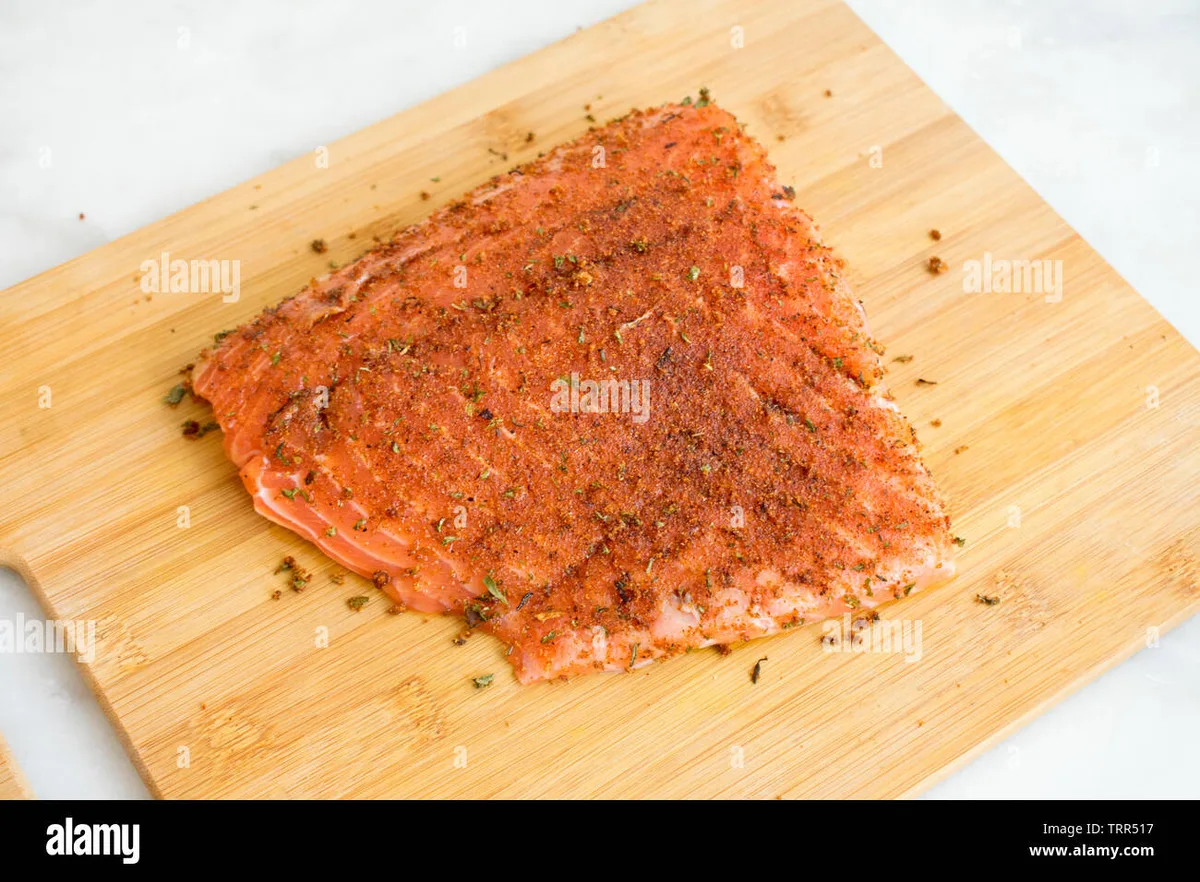
Image source: Bing (Web (fair-use with source credit))
Step 3: Preheat or Don't — Here's When It Matters
Preheating is optional for thawed salmon, but for frozen fillets it gives you a more predictable cook. A 2 to 3 minute preheat at 400°F means the salmon hits hot air the moment it goes in, which helps the exterior start crisping immediately.
If your air fryer doesn't have a preheat function, just run it empty at 400°F for 2 minutes, then add the salmon. If you skip preheating entirely, add about 1 minute to the total cook time.
One exception: if you're using a parchment liner or silicone mat, you can skip the preheat. The liner acts as a slight insulator and the salmon will cook fine without it.
Image source: Bing (Web (fair-use with source credit))
Step 4: Cook Using the Thickness Rule
Place the seasoned fillet in the air fryer basket in a single layer. Don't stack or overlap. Leave at least ½ inch of space between fillets if cooking multiple pieces.
Here's the thickness-based timing guide that works across most air fryer models.
| Fillet Thickness | Temperature | Total Cook Time | Flip At |
|---|---|---|---|
| Under ¾ inch | 400°F | 10 to 12 minutes | 6 minutes |
| ¾ inch to 1 inch | 400°F | 12 to 15 minutes | 7 minutes |
| Over 1 inch | 380°F | 14 to 17 minutes | 8 minutes |
Thicker fillets need a lower temperature because the exterior will overcook before the center reaches 145°F if you keep it at 400°F. Dropping to 380°F gives the heat time to penetrate without burning the outside.
If you're cooking skin-on salmon, place it skin-side down for the first 4 minutes. This crisps the skin directly against the basket. Then flip and finish cooking flesh-side down.
For lower-wattage air fryers (1,400W to 1,500W), add 1 to 2 minutes to the times above. For high-wattage units (1,700W to 1,800W), start checking at the low end of the range.
Image source: Bing (Web (fair-use with source credit))
Step 5: Check Doneness the Right Way
The only reliable way to know if your salmon is done is with an instant-read thermometer. Insert it into the thickest part of the fillet at a slight angle. You're looking for 145°F, which is the USDA's recommended safe minimum internal temperature for fish.
Visual cues help too, but they're harder to read on frozen-start salmon. The flesh should be opaque all the way through and flake easily when you press it with a fork. If the center still looks translucent or feels firm rather than tender, it needs more time.
Don't guess. Undercooked salmon is a food safety issue, and overcooked salmon is just sad. A good instant-read thermometer takes 2 seconds and removes all the uncertainty.
If you don't have one, this is the single best $10 kitchen tool you'll buy.
If the thermometer reads under 145°F, return the salmon to the air fryer in 2-minute increments. Never add 10 minutes "to be safe." That's how you go from undercooked to cardboard in one step.
Step 6: Rest Before Serving
Pull the salmon out and let it rest on a plate for 2 to 3 minutes before you eat it. This isn't optional. Carryover cooking raises the internal temperature another 3 to 5°F during those few minutes, and the muscle fibers need time to relax and reabsorb moisture.
Skip this step and you'll bite into a fillet that seems fine on the outside but releases a flood of liquid on your plate. That's the juice that should be in the fish, not pooling around it. A short rest makes a noticeable difference in how moist and tender each bite feels.
This is also a good window to squeeze fresh lemon over the top or add a quick sauce. A drizzle of olive oil with chopped dill and a pinch of flaky salt takes about 10 seconds and makes the plate look like you tried harder than you did.
Cook Time Chart by Fillet Thickness
Here's a consolidated reference you can bookmark. These times assume a 1,500W to 1,700W air fryer at 400°F. Adjust up or down by 1 to 2 minutes based on your wattage.
| Thickness | Temp | Time | Flip | Notes |
|---|---|---|---|---|
| ½ inch | 400°F | 10 min | 5 min | Watch closely, cooks fast |
| ¾ inch | 400°F | 12 min | 6 min | Most common retail size |
| 1 inch | 400°F | 14 min | 7 min | Check at 12 min |
| 1.5 inches | 380°F | 16 min | 8 min | Lower temp prevents burning |
| 2 inches | 380°F | 18 min | 9 min | Consider cutting in half |
For skin-on fillets, start skin-side down for the first 4 minutes regardless of thickness. Flip once and finish flesh-side down. This gives you crispy skin without overcooking the top.
If you're using a lower-wattage unit (1,400W), add 2 minutes across the board. For high-wattage models (1,800W), start checking at the low end of each range.
Skin-On vs. Skinless: Adjustments You Need to Know
Skin-on salmon is the better choice for air fryer cooking from frozen. The skin protects the flesh from direct heat, acts as a natural moisture barrier, and crisps up beautifully when it starts down against the basket.
For skin-on fillets, place the salmon skin-side down first. Cook for 4 minutes at your target temperature. Then flip and finish cooking flesh-side down.
The skin will release from the basket naturally once it's crisped. If it sticks, it probably needs another minute before flipping.
For skinless fillets, you lose that protective layer. The flesh is exposed to direct airflow, which means it can dry out faster. Compensate by brushing a slightly more generous coat of oil on the surface and checking for doneness 1 to 2 minutes earlier than the chart suggests.
One more thing about skin-on: if you're not a fan of eating the skin, leave it on during cooking anyway. It's much easier to peel off after cooking than to crisp skin that was removed before going into the basket. The fillet stays moister and you still get the textural benefit.
Common Mistakes That Ruin Air Fryer Salmon from Frozen
Most failures come down to one of these five errors. Avoid all of them and you're already ahead of most home cooks.
Skipping the pat-down. Surface ice crystals create steam instead of letting the exterior crisp. Thirty seconds with a paper towel fixes this entirely.
Cooking at too high a temperature for thick fillets. A 1.5-inch fillet at 400°F will burn on the outside while the center stays icy. Drop to 380°F for anything over 1 inch thick.
Overcrowding the basket. Stacking fillets or packing them too close blocks airflow. Each piece needs space around it for the hot air to circulate. Cook in batches if you have to.
Two perfect fillets beat four unevenly cooked ones every time.
Not using a thermometer. Color and texture are unreliable indicators, especially with frozen-start fish. A thermometer reading of 145°F at the thickest point is the only way to be sure.
Adding sugary glazes too early. Honey, teriyaki, maple, and similar glazes contain sugar that burns well before the salmon is cooked through. Apply them in the final 2 minutes, or brush them on after cooking.
If your salmon came out dry, the most likely culprits are cooking too long at too high a temperature, or skipping the oil. If it came out uneven, your fillets were probably different thicknesses or the basket was overcrowded. Both are easy fixes next time around.
Air Fryer vs. Other Methods for Cooking Frozen Salmon
The air fryer isn't the only way to cook frozen salmon, but it's the most efficient for most home cooks. Here's how it stacks up.
Oven baking takes 25 to 35 minutes at 425°F for a frozen fillet. The results are decent but the exterior never gets as crispy. You also heat up your entire kitchen for half an hour to cook one piece of fish.
Pan-searing frozen salmon is risky. The direct contact heat sears the outside fast, but the center stays raw or icy. You end up either burning the surface or finishing it in the oven anyway.
It's a two-step process that defeats the purpose of a quick weeknight meal.
Microwaving is the fastest option at 5 to 8 minutes, but the texture is rubbery and uneven. Parts of the fillet overcook while others stay cold. It works in a pinch, but you won't enjoy eating it.
Pressure cooking (like an Instant Pot) produces a steamed texture in about 8 minutes. It's moist but lacks any browning or crispness. If you like poached fish, this works.
If you want something with texture, it falls short.
The air fryer gives you the best balance of speed, texture, and flavor. Twelve to 15 minutes, crispy edges, moist center, and minimal cleanup. For busy weeknights or meal prep, it's hard to beat.
Best Seasonings and Flavor Combos for Frozen Air Fryer Salmon
Simple seasoning works best when cooking from frozen. You want flavors that complement the salmon without burning or creating a mess in the basket.
The classic: Salt, black pepper, garlic powder, and a light dusting of paprika. This is the baseline that works every time. The paprika adds color and a subtle sweetness without any risk of burning.
Lemon pepper: A store-bought lemon pepper blend or a mix of lemon zest, black pepper, and a pinch of salt. Bright, clean, and pairs well with the natural richness of the fish.
Garlic butter finish: Cook the salmon plain with just salt and pepper. In the last 2 minutes, top it with a thin slice of butter and a sprinkle of minced garlic. The butter melts into the flesh and creates a simple pan sauce right on the fillet.
Smoked paprika and cumin: A slightly bolder option. Use ½ teaspoon of each with salt and a squeeze of lime after cooking. Works especially well with Atlantic salmon's higher fat content.
Dill and lemon: Fresh dill and thin lemon slices on top during the last 3 minutes of cooking. This is a lighter option that works well for anyone watching their sodium intake.
Avoid anything with sugar (brown sugar rubs, honey mustard, teriyaki) during the main cook. These burn before the salmon is done. Save glazes for the final 2 minutes or brush them on after the fish comes out.
Meal Prep: Cooking Multiple Frozen Fillets at Once
Cooking for the week? The air fryer handles batch cooking well, but you need to manage the basket properly.
Don't stack fillets. They need a single layer with at least ½ inch of space between each piece. Overcrowding blocks airflow and gives you uneven results, with some fillets overcooked and others still cold in the center.
Use the largest basket you have. An 8-quart or 9-quart air fryer fits 3 to 4 standard fillets comfortably. Our roundup of the best 9 qt air fryer for large batches covers models that handle this kind of volume without sacrificing crispness.
Cook in batches if needed. Two perfect batches are better than one crowded one. Keep finished fillets warm on a plate loosely covered with foil while the second batch cooks. The carryover heat will actually help them finish gently.
Season each fillet individually. Don't season a stack and then separate them. Each piece needs its own light oil coat and seasoning for consistent results.
Cooked salmon keeps in the fridge for 3 to 4 days in an airtight container. Reheat gently in the air fryer at 300°F for 3 to 4 minutes. The microwave works too but softens the texture.
Is Air Fryer Salmon from Frozen Healthy?
Yes, and it's one of the healthier ways to cook fish. Air frying uses significantly less oil than pan-frying or deep-frying. A light spray of oil is all you need, which adds roughly 50 to 75 calories compared to the 200-plus calories from shallow pan-frying.
A 6 oz cooked Atlantic salmon fillet delivers about 350 calories, 34 to 40 grams of protein, and 1.5 to 2.5 grams of omega-3 fatty acids. It's also a good source of vitamin D, B12, and selenium.
Cooking from frozen doesn't reduce the nutritional value. The quick cook time actually helps preserve heat-sensitive nutrients like B vitamins compared to longer oven methods. The FDA recommends eating two to three servings of fish per week as part of a balanced diet, and salmon is one of the top choices due to its omega-3 content.
For anyone managing blood sugar, salmon is a strong option. It has zero carbohydrates and the high protein content helps stabilize glucose levels after meals. Our article on whether air fryers are good for diabetics goes deeper into how this cooking method fits into a diabetes-friendly diet.
The one thing to watch is sodium. Pre-seasoned frozen fillets can contain 300 to 500 mg of sodium per serving. If you're monitoring intake, choose plain frozen fillets and season them yourself.
Troubleshooting: What Went Wrong and How to Fix It
Even with good instructions, things occasionally go sideways. Here's what to do when they do.
The salmon is dry and overcooked. The temperature was too high or the cook time was too long. Next time, drop the temperature by 20°F and check 2 minutes earlier. For fillets over 1 inch thick, always use 380°F instead of 400°F.
The outside is done but the center is still raw. This happens with thick fillets cooked at too high a temperature. Lower the heat to 380°F and add 3 to 4 minutes. You can also tent the top loosely with foil for the last few minutes to slow the exterior while the center catches up.
The fish stuck to the basket. You either didn't use enough oil or flipped too early. Make sure the basket is clean and lightly oiled before the fillet goes in. For skinless fillets, a perforated parchment liner prevents sticking entirely.
There's a lot of smoke. Oil dripped through the basket onto the heating element. Use less oil next time, or place a small piece of bread under the basket to catch drips. Make sure your air fryer is on a heat-resistant surface with a few inches of clearance behind it for ventilation.
The salmon tastes bland. Under-seasoning is the most common issue. Frozen fish needs a slightly heavier hand with salt than thawed fish because the ice crystals dilute surface seasoning as they melt. Season generously and taste after cooking.
You can always add more salt at the table, but you can't take it out.
The texture is rubbery. This usually means the salmon was undercooked and then overcooked trying to fix it. Use a thermometer. Pull the fish at 145°F and let carryover cooking do the rest.
Guessing is what leads to the rubbery zone.
Frequently Asked Questions
Can I cook frozen salmon in an air fryer without thawing?
Yes. Cooking from frozen is the entire point of this method. There's no need to thaw beforehand.
Just remove the packaging, pat the surface dry, season, and cook. The air fryer handles the thawing and cooking in one step.
How long does frozen salmon take in an air fryer?
It depends on thickness. Thin fillets (under ¾ inch) take about 10 to 12 minutes at 400°F. Standard fillets (¾ to 1 inch) take 12 to 15 minutes.
Thick fillets (over 1 inch) need 14 to 17 minutes at 380°F. Always verify with a thermometer.
Do I need to flip frozen salmon in the air fryer?
Yes, flip once at the halfway point. This ensures even cooking on both sides. For skin-on fillets, start skin-side down and flip after 4 minutes to finish flesh-side down.
What temperature should I set my air fryer for frozen salmon?
400°F works for fillets up to 1 inch thick. For anything thicker, drop to 380°F to prevent the outside from burning before the center cooks through.
Is air fryer salmon from frozen safe to eat?
Yes, as long as the internal temperature reaches 145°F at the thickest point. This is the USDA's recommended safe minimum for fish. Use an instant-read thermometer to confirm.
There's no additional risk compared to cooking thawed salmon, provided you hit the target temperature.
Can I use frozen salmon portions with breading or glaze in the air fryer?
Yes, but the cook time may differ from plain fillets. Breaded portions often need an extra 2 to 3 minutes. Follow the package instructions as a starting point, then adjust based on your air fryer's wattage.
For glazed portions, add the glaze in the last 2 minutes to prevent burning.
Final Thoughts: The Method I Use Every Week
Once you dial in the timing for your specific air fryer, this becomes a no-brainer dinner. Pull a fillet from the freezer, pat it dry, season it, and 15 minutes later you have a proper meal with almost no cleanup.
The biggest upgrade you can make is buying a reliable instant-read thermometer. It removes all the guesswork and turns a method that feels risky into one that's genuinely foolproof. After that, it's just a matter of finding your favorite seasoning combo and sticking with it.
As of 2026, air fryers are more popular than ever, and recipes like this are a big reason why. They turn "I don't have time to cook" into "dinner's ready." And that's worth knowing.