
The best breakfast potato recipe air fryer method gives you golden, crispy edges and a fluffy center in under 25 minutes, without heating up your oven or standing over a greasy skillet. The circulating hot air hits every surface of the potato evenly, which is exactly what creates that crunch you're after. Most people who try it never go back to stovetop home fries.
The trick is in the prep, not the appliance. Soaking, drying, and cutting your potatoes to a uniform size matter more than any seasoning blend. Once you understand those basics, you'll get consistent results every single time, regardless of which air fryer you own.
Quick Answer
A breakfast potato recipe air fryer method cooks diced potatoes at 400°F for 18 to 22 minutes. Shake the basket halfway through for even browning. The result is crispy, golden potatoes with a tender interior.
Prep work like soaking, drying, and cutting evenly matters more than the specific seasoning you choose.
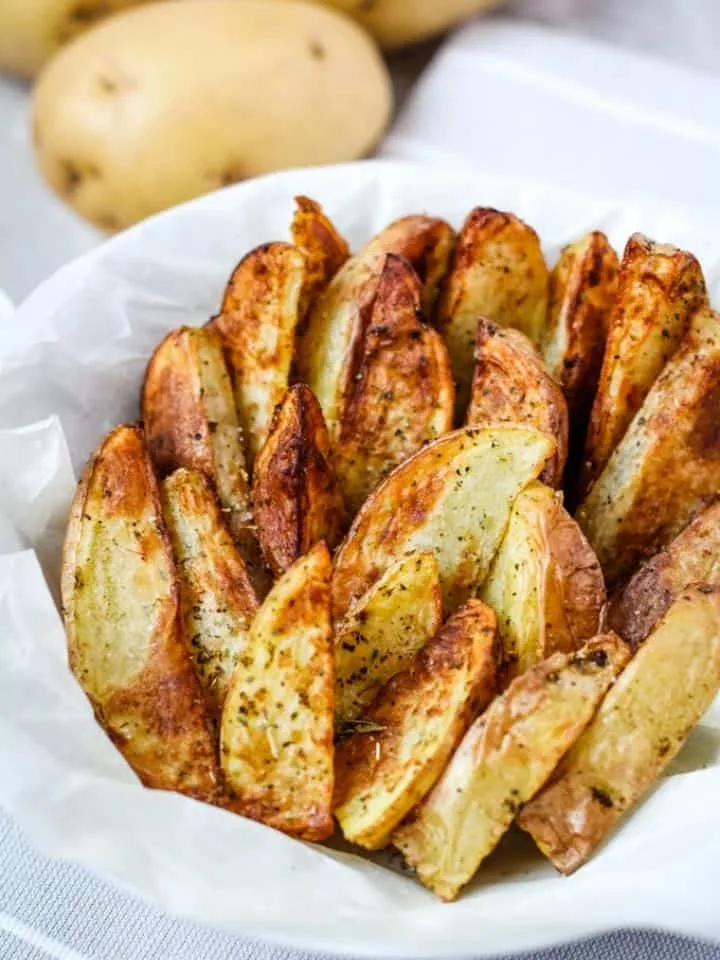
Image source: Bing (Web (fair-use with source credit))
Why Air Fryer Breakfast Potatoes Turn Out Better Than Oven or Stovetop
Air fryers cook potatoes faster and crispier than almost any other method. The rapid circulating hot air hits every side of each piece at once, which is something a flat skillet or a static oven simply can't replicate. You get that golden crust without flipping individual pieces or rotating a baking sheet.
Oven roasting takes 40 to 50 minutes at 425°F to achieve a similar result. Skillet home fries need constant attention and significantly more oil. An air fryer hits the same texture in roughly half the time with a fraction of the fat.
Aggregate user reviews across major retail platforms consistently rate air fryer potatoes as the preferred method for weekday breakfasts, citing speed and cleanup as the top reasons.
The Maillard reaction, which is the chemical process responsible for browning and flavor development, happens more efficiently in an air fryer because of the concentrated airflow. That's why you get deeper color and better flavor in less time. If you've ever ended up with pale, soggy oven potatoes, the air fryer fixes that problem almost immediately.
One thing to keep in mind is that air fryer models vary. A 9 qt air fryer for large batches gives you more room to spread potatoes in a single layer, which directly impacts crispiness. Smaller baskets require cooking in two batches for the best results.
The Right Potatoes for the Job
Not all potatoes behave the same way in an air fryer. The variety you pick affects texture, cook time, and how crispy the final result gets.
Yukon Gold is the top choice for most people. These have a naturally buttery flavor and a medium starch content that gives you a creamy interior with a crisp exterior. They hold their shape well during cooking and don't fall apart when you shake the basket.
Russet potatoes work great if you want maximum crispiness. Their high starch content creates an extra-crunchy outside, but they can dry out faster if you overcook them. Cut them slightly larger than you would Yukon Golds to compensate.
Red potatoes have a waxy texture that stays firm and slightly chewy. They won't get as crispy as the other two, but they hold up well if you like a denser, more substantial bite. They're also the easiest to cut uniformly because of their round shape.
Baby potatoes are convenient because you can halve them without dicing. They cook a bit faster due to their smaller size, but the skin-to-flesh ratio is higher, which some people love and others find too chewy.
Avoid frozen hash browns or pre-cut potatoes from the freezer section for this recipe. They contain added moisture that steams instead of crisps, and the texture is noticeably worse than starting with fresh potatoes.
Image source: Bing (Web (fair-use with source credit))
How to Prep Potatoes for Maximum Crispiness
Prep is where most people go wrong. The air fryer can only do so much if the potatoes aren't ready before they hit the basket.
Cut Everything the Same Size
Uniformity is non-negotiable. Aim for 3/4-inch to 1-inch cubes. Pieces that are too small will burn before the center cooks through.
Pieces that are too large will be raw in the middle while the outside browns. A consistent cut means everything finishes at the same time.
Soak to Remove Excess Starch
Place your cut potatoes in a bowl of cold water and let them soak for 15 to 30 minutes. This step pulls surface starch off the potatoes, which is the main culprit behind soggy, sticky results. You'll notice the water turn cloudy.
That's the starch leaving.
You don't have to soak, but skipping it means you need to be extra thorough with the drying step. For the crispiest possible outcome, soaking makes a real difference.
Dry Them Completely
This is the single most important step in the entire recipe. After soaking, drain the potatoes and spread them on clean kitchen towels or paper towels. Pat them dry aggressively.
Any surface moisture turns to steam in the air fryer, and steam is the enemy of crispiness.
If you're in a hurry, a salad spinner works surprisingly well for getting rid of excess water before the towel dry.
Image source: Wikimedia Commons / Michelle Tribe from Ottawa, Canada (CC BY)
Oil and Seasoning
Use 1 to 2 tablespoons of oil per pound of potatoes. Avocado oil and canola oil both have high smoke points that work well at 400°F. Extra virgin olive oil works too but can add a slightly bitter note at high heat.
Toss the dry potatoes with oil first, then add your seasoning. Seasoning sticks much better to oiled potatoes than to wet ones. A basic blend of salt, black pepper, garlic powder, onion powder, and smoked paprika covers the basics.
Add cayenne if you want heat, or Italian seasoning for an herby twist.
Image source: Wikimedia Commons / Bernt Rostad (CC BY)
The Best Oil and Seasoning Combinations
The oil you choose affects both flavor and how well the potatoes crisp up. The seasoning is where you can really make this recipe your own.
| Oil Type | Smoke Point | Flavor Profile | Best For |
|---|---|---|---|
| Avocado oil | 520°F | Neutral, clean | Maximum crispiness, no added flavor |
| Canola oil | 400°F | Neutral | All-purpose, budget-friendly |
| Light olive oil | 465°F | Mild | Slight richness without heaviness |
| Coconut oil (refined) | 450°F | Slight sweetness | Pairing with sweet potatoes |
| Ghee | 485°F | Rich, buttery | Extra flavor and golden color |
Avoid extra virgin olive oil for air frying at 400°F. Its smoke point sits around 375°F, which means it can burn and create off-flavors before your potatoes are done.
Classic Home Fries: Salt, black pepper, garlic powder, onion powder, smoked paprika. This is the baseline. It goes with eggs, bacon, toast, everything.
Southwest Style: Cumin, chili powder, garlic powder, lime zest, salt. Add a pinch of cayenne if you like it spicy. Great with scrambled eggs and salsa.
Herb Forward: Dried rosemary, thyme, garlic powder, salt, black pepper. Toss with ghee instead of canola oil for a richer result. Pairs well with sausage or a veggie breakfast bowl.
Old Bay Potatoes: Old Bay seasoning, salt, a squeeze of lemon after cooking. Simple and addictive. Works especially well with red potatoes.
Apply seasoning after the oil goes on. Dry spices stick to oil, not to bare potato skin. Toss everything in a large bowl until each piece has an even coating.
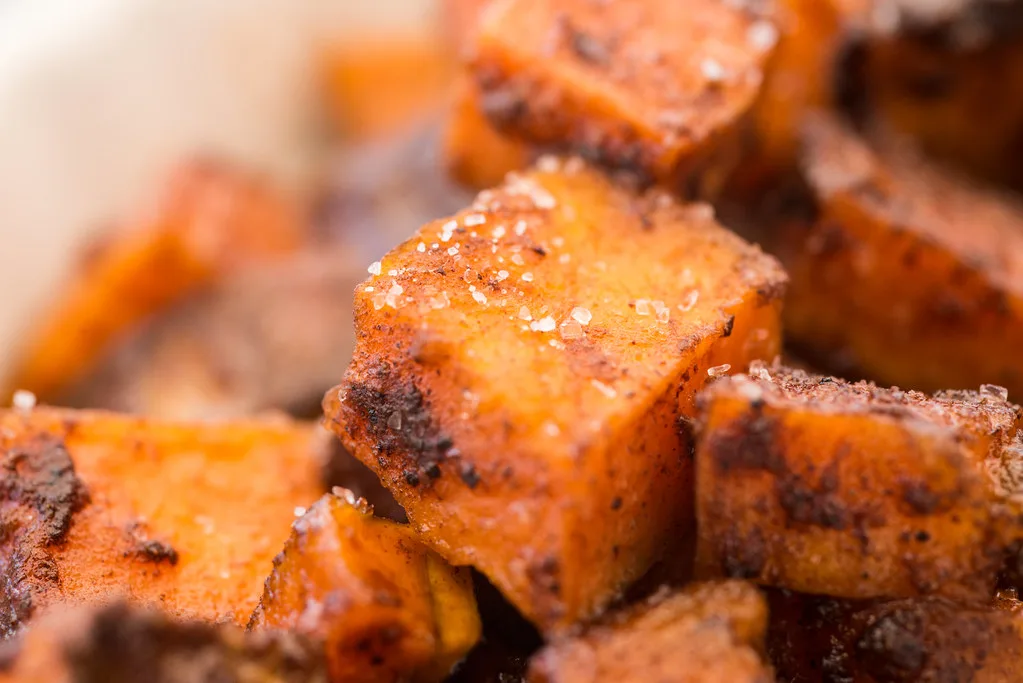
Image source: Openverse / USDAgov (PDM 1.0)
Step-by-Step: How to Make Crispy Breakfast Potatoes in an Air Fryer
Here's the full process from start to finish. Follow these steps and you'll get golden, crunchy potatoes every time.
1. Preheat your air fryer to 400°F. Give it 3 to 5 minutes to come up to temperature. A hot basket from the start is what creates that immediate sear on contact.
Skipping preheat is one of the most common reasons potatoes turn out limp.
2. Arrange potatoes in a single layer. Spread them across the basket with space between each piece. Overcrowding blocks airflow and traps moisture, which steams the potatoes instead of crisping them.
If you're cooking more than a pound, do two batches. It's worth the extra few minutes.
3. Cook for 10 minutes, then shake the basket. Pull the basket out and give it a firm shake or use tongs to flip the potatoes. This exposes the uncooked sides to direct heat.
You should already see some light browning at this point.
4. Cook for another 8 to 12 minutes. Total cook time lands between 18 and 22 minutes for most air fryer models. The potatoes are done when they're deep golden brown on the outside and fork-tender inside.
If they need another minute or two, keep going. Visual cues matter more than the timer.
5. Season immediately after cooking. Hit them with a pinch of flaky salt the second they come out of the basket. Salt sticks best to hot, slightly oily surfaces.
Add any finishing touches like fresh herbs, a squeeze of lemon, or a dusting of cheese now.
6. Serve right away. Air fryer potatoes start losing their crispness within 5 to 10 minutes as they cool. Get them on the plate while they're hot for the best texture.
If you're using an Instant Vortex air fryer, the cook times above are a solid starting point. The Vortex line tends to run slightly hot, so check at the 16-minute mark to avoid over-browning.

Image source: Wikimedia Commons / NeoBatfreak (CC BY-SA)
Image source: Bing (Web (fair-use with source credit))
What They Should Look Like at Every Stage
Knowing when your potatoes are done isn't about the timer. It's about what you see, hear, and feel. Here's what to look for at each phase.
At the 10-minute mark (first shake): The potatoes should have light golden spots on the sides facing the heating element. They won't be done, but you'll see the first signs of browning. If they still look completely white and raw, your air fryer might be running cool.
Give them 2 extra minutes before the next check.
At the 15-minute mark: Most pieces should be turning a medium golden color. The edges will start to look slightly shriveled and crisp. Press one with a fork.
It should still feel firm in the center. This is the stage where you decide whether they need 3 more minutes or 5.
At 18 to 20 minutes: The potatoes are done when they're deep golden brown all over with darker crispy edges. They should feel light when you pick one up, not heavy with moisture. Tap one with a fork.
It should be tender all the way through with no hard center.
The sound test works too. Shake the basket near the end. Done potatoes rattle and sound dry. Undercooked ones sound heavy and wet.
It's a small detail, but it's surprisingly reliable.
If you cut your pieces larger than 1 inch, add 3 to 5 minutes. If you went smaller than 3/4 inch, start checking at 14 minutes. Visual cues always beat the clock.
Air Fryer vs. Oven vs. Skillet: Which Method Actually Wins
Each method has trade-offs. The right choice depends on how much time you have, how many people you're feeding, and what texture you're after.
| Factor | Air Fryer | Oven | Skillet |
|---|---|---|---|
| Cook time | 18–22 min | 40–50 min | 20–25 min |
| Oil needed | 1–2 tbsp | 2–3 tbsp | 3–4 tbsp |
| Hands-off time | High | High | Low (constant stirring) |
| Crispiness | Excellent | Good | Very good |
| Best batch size | 1–2 lbs | 2–4 lbs | 1–2 lbs |
| Cleanup | Easy | Moderate | Moderate |
| Energy use | Low (~1500W) | High (~3000W+) | Medium |
The air fryer wins on speed, energy efficiency, and cleanup. It's the best option for one or two people on a weekday morning. The oven makes sense when you're cooking for a crowd and can spread potatoes across two sheet pans.
The skillet gives you the most control and the deepest browning, but you have to stand there and stir every few minutes.
For a family of four or more, a 9 quart air fryer for big families handles a full batch in one go. Smaller models around 5 quarts work fine but require two rounds, which adds 20 minutes to the total process.
The skillet method does have one advantage the air fryer can't match. You can build fond, that stuck-on browned layer at the bottom of the pan, and fold it into the potatoes for extra flavor. It's a restaurant technique that's hard to replicate with circulating air.
Batch Cooking Breakfast Potatoes for Meal Prep
Air fryer potatoes reheat better than almost any other meal prep side. The key is slightly undercooking them during the initial batch so they don't turn mushy when you warm them up later.
Cook your potatoes at 400°F for 15 to 17 minutes instead of the full 20 to 22. They should be golden on the outside but still have a tiny bit of firmness in the center. Let them cool completely before storing in an airtight container.
They'll keep in the fridge for up to 4 days.
To reheat, spread them back in the air fryer basket in a single layer. Cook at 375°F for 4 to 6 minutes until they're hot and crispy again. Don't microwave them.
The microwave steams the potatoes and turns them soft, which defeats the whole purpose of meal prepping them in the first place.
If you're prepping for a full week, season the potatoes lightly during the first cook. Add more seasoning after reheating. Salt and spices can taste muted after refrigeration, and a quick sprinkle of fresh seasoning brings everything back to life.
One pound of raw potatoes yields about 2 cups of cooked breakfast potatoes. Plan accordingly if you're cooking for multiple people or multiple meals.
The Most Common Mistakes That Ruin Air Fryer Potatoes
Most bad results come from the same handful of errors. Here's what goes wrong and how to fix it.
Skipping the dry step. Wet potatoes steam instead of fry. Even if you didn't soak them, washing leaves surface moisture. Always pat them dry.
This is the number one reason people end up with soggy results.
Overcrowding the basket. It's tempting to dump the whole batch in at once. Don't. Overlapping pieces block airflow and trap steam between the potatoes.
Cook in two batches if you have to. The extra 15 minutes is worth it.
Not preheating. A cold basket means the potatoes sit in lukewarm air for the first few minutes. That's enough time for moisture to build up before browning starts. Always preheat for 3 to 5 minutes.
Using too much oil. More oil doesn't mean crispier potatoes. It means greasy potatoes. Stick to 1 to 2 tablespoons per pound.
Use a spray bottle or mister for the most even coverage.
Cutting uneven pieces. A mix of large and small cubes means some burn while others stay raw. Take the extra 2 minutes to cut everything as uniform as possible. It makes a bigger difference than any seasoning upgrade.
Forgetting to shake. The air fryer heats from one direction. The pieces on top brown faster than the ones on the bottom. Shaking or flipping at the halfway point ensures everything cooks evenly.
Opening the basket too often. Every time you pull it out, the temperature drops and the cooking clock resets. Check once at the halfway mark. That's it.
Adjusting for Your Specific Air Fryer Model and Basket Size
Not all air fryers cook the same. Wattage, basket shape, and heating element placement all affect how your potatoes turn out.
Basket style air fryers (Ninja, Cosori, Instant Vortex) tend to cook faster and crispier because the basket has holes on all sides for airflow. Cook times in this article are based on this style. If you have a basket model, start checking at 16 minutes.
Toaster oven air fryers (Breville, Cuisinart, Ninja Foodi) have a larger flat tray instead of a basket. Potatoes spread out more, which is good for single-layer cooking, but the heating element is usually farther away. Add 3 to 5 minutes to the cook time and check for browning at the 20-minute mark.
Dual basket models (Ninja Foodi Dual, Instant Vortex Plus Dual) let you cook two pounds at once in separate compartments. Each basket has less volume than a single large basket, so cook times stay the same but you get more total output.
Wattage matters. Most air fryers run between 1400W and 1700W. Lower wattage units need an extra 2 to 3 minutes. If your air fryer is on the smaller side, around 5 quarts or less, reduce the batch size to keep the single-layer advantage.
If you're wondering whether your specific model is well-suited for recipes like this, our research on whether the Instant Vortex is a good air fryer covers performance details that apply directly to potato cooking. The same goes for 8 qt air fryer models with smart controls, which often have preset programs that take the guesswork out of timing.
The best approach is to run a small test batch first. Cook half a pound at 400°F for 18 minutes and see how it looks. Adjust from there.
Once you know your machine, you'll nail the timing every time.
How to Reheat Leftover Air Fryer Potatoes Without Losing the Crisp
Reheating is where most people give up on leftover potatoes. They toss them in the microwave and end up with a soggy, steaming mess. The air fryer fixes this completely.
Spread the cold potatoes in a single layer in the basket. Cook at 375°F for 4 to 6 minutes. They'll come out nearly as crispy as the first time.
The key is not overcrowding the basket during reheat. Give the pieces room to breathe.
If the potatoes seem dry after refrigeration, spritz them with a light mist of oil before reheating. This restores the surface moisture that the fridge pulled out. You can also add a fresh sprinkle of seasoning after they come out.
Salt, paprika, or garlic powder all work well as a finishing touch.
Day-two potatoes actually develop a slightly deeper flavor as the seasoning melts into the flesh overnight. Some people prefer them on the second go.
Flavor Variations That Go Beyond Basic Home Fries
Once you've got the basic method down, it's easy to switch things up. Here are a few combinations that take breakfast potatoes in a completely different direction.
Loaded Breakfast Potatoes: Cook the basic recipe, then top with shredded cheddar, crumbled bacon, sour cream, and sliced green onions after they come out of the basket. Serve as a main dish instead of a side.
Garlic Parmesan: Toss the cooked potatoes with melted butter, minced garlic, grated Parmesan, and chopped parsley. The residual heat melts the cheese and wilts the herbs perfectly.
Sweet Potato Hash: Swap in sweet potatoes and season with cinnamon, cumin, and a pinch of brown sugar. Cook at 380°F for 20 to 24 minutes since sweet potatoes have more moisture.
Cajun Style: Use a Cajun or Creole seasoning blend with garlic powder and a drizzle of hot sauce after cooking. Pairs well with eggs and andouilla sausage.
Smoked Paprika and Rosemary: Toss with smoked paprika, dried rosemary, and a finishing squeeze of lemon. The brightness of the lemon cuts through the richness of the oil.
Each of these variations uses the same base method. Change the seasoning, adjust the temperature by 10 to 20 degrees if needed, and you've got a completely different dish.
Frequently Asked Questions
Can I use sweet potatoes instead of regular potatoes?
Yes. Sweet potatoes work well in an air fryer but need a slightly lower temperature. Cook at 380°F for 20 to 24 minutes.
They have more natural moisture, so pat them extra dry before oiling. The texture will be slightly softer than russet or Yukon Gold potatoes.
Do I need to peel the potatoes first?
No. Leaving the skin on adds texture, fiber, and a more rustic look. Just scrub them well before cutting.
If you prefer peeled potatoes, go ahead. The cook time stays the same either way.
Why are my air fryer potatoes still soggy?
The most likely cause is excess moisture. Either you didn't dry them thoroughly after washing, or you overcrowded the basket. Both trap steam instead of letting the hot air crisp the surface.
Dry them aggressively and cook in a single layer.
Can I air fry potatoes without any oil?
You can, but the results won't be as crispy. Oil conducts heat to the potato surface and promotes browning. Without it, you'll get a drier, more steamed texture.
If you want to skip oil, spritz with cooking spray instead. It uses a fraction of the fat but still helps with browning.
How many potatoes fit in one batch?
For a standard 5 to 6 quart air fryer, about 1 to 1.5 pounds of diced potatoes fits in a single layer. Larger models around 8 to 9 quarts can handle up to 2 pounds. The key metric is coverage.
If pieces are overlapping, the batch is too big.
Can I add onions and peppers to the air fryer with the potatoes?
Yes, but cut them into similar-sized pieces and add them at the same time. Onions and peppers have higher water content, so they release moisture as they cook. This can slow down browning slightly.
Adding an extra tablespoon of oil helps compensate. Bell peppers, onions, and even diced jalapeños all work well alongside potatoes.