
Air bass cooks beautifully in an air fryer. You get crispy skin, moist flesh, and a restaurant-quality result in under 15 minutes. If you've been hesitant to cook fish at home, air fryer sea bass recipes are the easiest place to start.
The air fryer's rapid hot-air circulation cooks a one-inch sea bass fillet in roughly 10 to 12 minutes at 400°F, compared to 20 to 25 minutes in a conventional oven. That speed, plus minimal oil and almost no lingering fish smell, is why this method has become a weeknight staple. Here's exactly how to nail it every time.
Image source: Bing (Web (fair-use with source credit))
Quick Answer
Air fryer sea bass recipes call for fillets or whole fish cooked at 380°F to 400°F for 8 to 14 minutes depending on thickness. Pat the fish dry, season simply with salt, pepper, and lemon, and cook skin-side down in a single layer. The safe internal temperature for cooked sea bass is 145°F per FDA guidelines.
A standard 5 to 6 quart air fryer handles two to four fillets comfortably.
Why Air Fryer Sea Bass Is Worth Making at Home
Air frying sea bass solves the two biggest problems home cooks have with fish: it dries out fast on the stovetop, and it fills the whole house with smell in the oven. The air fryer's sealed, concentrated heat cooks fish faster and with far less odor escaping into your kitchen.
Sea bass has a mild, buttery flavor and delicate flesh that benefits from quick, high-heat cooking. The air fryer delivers exactly that. You get a crisp exterior while the center stays moist and flaky.
It's the same principle as deep frying, but you need only a teaspoon of oil instead of a whole pan.
Aggregate user reviews across major air fryer brands consistently report that fish is one of the top five most-cooked proteins in these appliances. Sea bass ranks high because it's forgiving compared to thinner white fish like tilapia, which overcooks in seconds.
If you're already using your air fryer for vegetables or chicken, adding sea bass rounds out your rotation with a lean, omega-3-rich protein that feels a bit more special. It's the kind of meal that looks impressive on a plate but takes less effort than most pasta dishes.
Choosing the Right Sea Bass for Your Air Fryer
Not all sea bass is the same, and the variety you pick affects cook time, flavor, and cost.
European sea bass (also called branzino when whole) is the most common in Mediterranean cooking. It has tender, mild flesh and thin skin that crisps well. Farmed European sea bass from Greece or Turkey is widely available in U.S. and U.K. grocery stores year-round at roughly $12 to $20 per pound.
Chilean sea bass is actually Patagonian toothfish. It's richer, fattier, and significantly more expensive at $25 to $45 per pound. The higher fat content makes it very forgiving in the air fryer, but the price is hard to justify for a weeknight meal.
Black sea bass is a smaller Atlantic species found along the U.S. East Coast. It's the most affordable option at $8 to $15 per pound and works well in the air fryer, though fillets tend to be thinner and cook faster.
For air fryer recipes, European sea bass fillets hit the sweet spot of availability, price, and texture. Look for fillets that are at least one inch thick. Thin fillets under half an inch cook too fast and dry out before the skin crisps.

Image source: Bing (Web (fair-use with source credit))
Skin-on vs. skinless: Skin-on fillets are strongly recommended for air frying. The skin acts as a natural barrier that protects the flesh from direct heat, and it turns golden and crispy in the circulating air. Skinless fillets work, but you'll need to brush them with oil and watch the cook time closely.
Fresh vs. previously frozen: Fresh is ideal, but high-quality frozen fillets work fine. If using frozen, add 2 to 3 minutes to the cook time and pat them extra dry after thawing, since frozen fish releases more moisture.
What You Need Before You Start
You don't need much beyond an air fryer and the fish itself, but a few tools make the process smoother.
The air fryer: Any standard basket-style or oven-style air fryer works. Models in the 5 to 6 quart range, like the Instant Vortex, handle two to four sea bass fillets without crowding. If you're cooking a whole sea bass, you'll want at least 6 quarts of capacity so the fish fits without bending.
Image source: Wikimedia Commons / Infrogmation of New Orleans (CC BY-SA)
Other essentials:
- Paper towels (for drying the fish thoroughly)
- A light oil with a high smoke point: olive oil, avocado oil, or a neutral cooking spray
- Kosher salt and freshly ground black pepper
- A food-safe brush or oil mister
- A thin fish spatula or offset spatula for flipping
- An instant-read thermometer (the single most useful tool for cooking fish)
Nice to have:
- Parchment air fryer liners with perforations (prevent sticking, make cleanup easier)
- Lemon, fresh herbs (dill, parsley, thyme), and garlic for seasoning
That's it. No special marinades, no breading stations, no deep fryer setup. The beauty of air fryer sea bass is how little equipment and prep it demands.
How to Prep Sea Bass for the Air Fryer
Prep is where most fish recipes succeed or fail, and air fryer sea bass is no exception. The steps are simple, but skipping any of them leads to sticking, soggy skin, or uneven cooking.
Step 1: Pat the fish completely dry.
This is the single most important step. Moisture on the surface of the fillet creates steam instead of crispness. Use paper towels to blot both sides of each fillet until no visible moisture remains.
Pay special attention to the skin side.
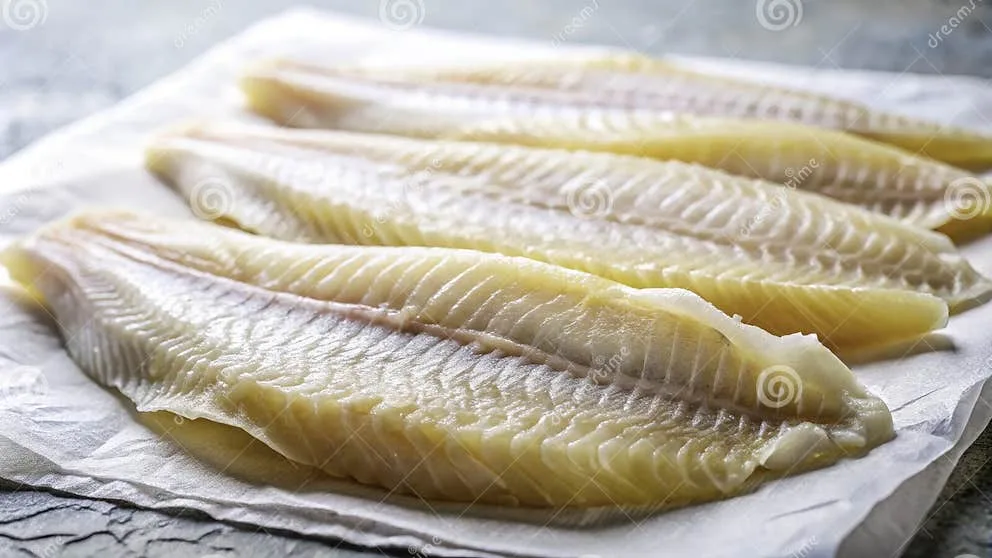
Image source: Bing (Web (fair-use with source credit))
Step 2: Bring the fillets close to room temperature.
Take the fish out of the refrigerator 15 to 20 minutes before cooking. Cold fillets straight from the fridge cook unevenly. The outside overcooks before the center reaches temperature.
This matters more than most people realize.
Step 3: Season both sides.
Keep it simple. A generous pinch of kosher salt and freshly ground black pepper on each side is all you need for a clean, classic result. If you want more flavor, add a light dusting of smoked paprika or garlic powder.
Squeeze a thin layer of lemon juice over the flesh side and let it sit for a minute before cooking.
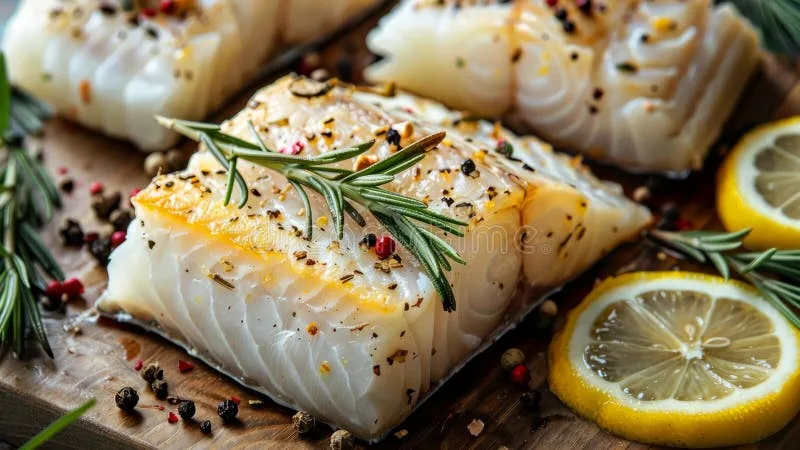
Image source: Bing (Web (fair-use with source credit))
Step 4: Oil the skin or flesh side lightly.
Brush or mist the skin side with about half a teaspoon of olive oil. If you're using skinless fillets, oil both sides. This promotes browning and prevents the fish from sticking to the basket.
Step 5: Preheat the air fryer if your model allows it.
Set it to 380°F and let it run for 3 to 5 minutes. Not all air fryers have a preheat function, and that's fine. Preheating just gives you a more consistent starting temperature, which matters most with delicate proteins like fish.
Once the fish is dry, seasoned, oiled, and the air fryer is hot, you're ready to cook.
Step-by-Step: Air Fryer Sea Bass Fillets
A properly cooked sea bass fillet is opaque, flaky, and registers 145°F at its thickest point. Here's the method that gets you there consistently.
Step 1: Arrange the fillets in a single layer.
Place them skin-side down in the air fryer basket. Leave at least an inch of space between fillets so air circulates on all sides. Crowding causes steaming instead of crisping, and you'll end up with soggy skin and unevenly cooked centers.
If you're cooking four fillets and they don't fit comfortably, work in two batches. It only takes ten minutes per round, and the results are worth the extra few minutes.
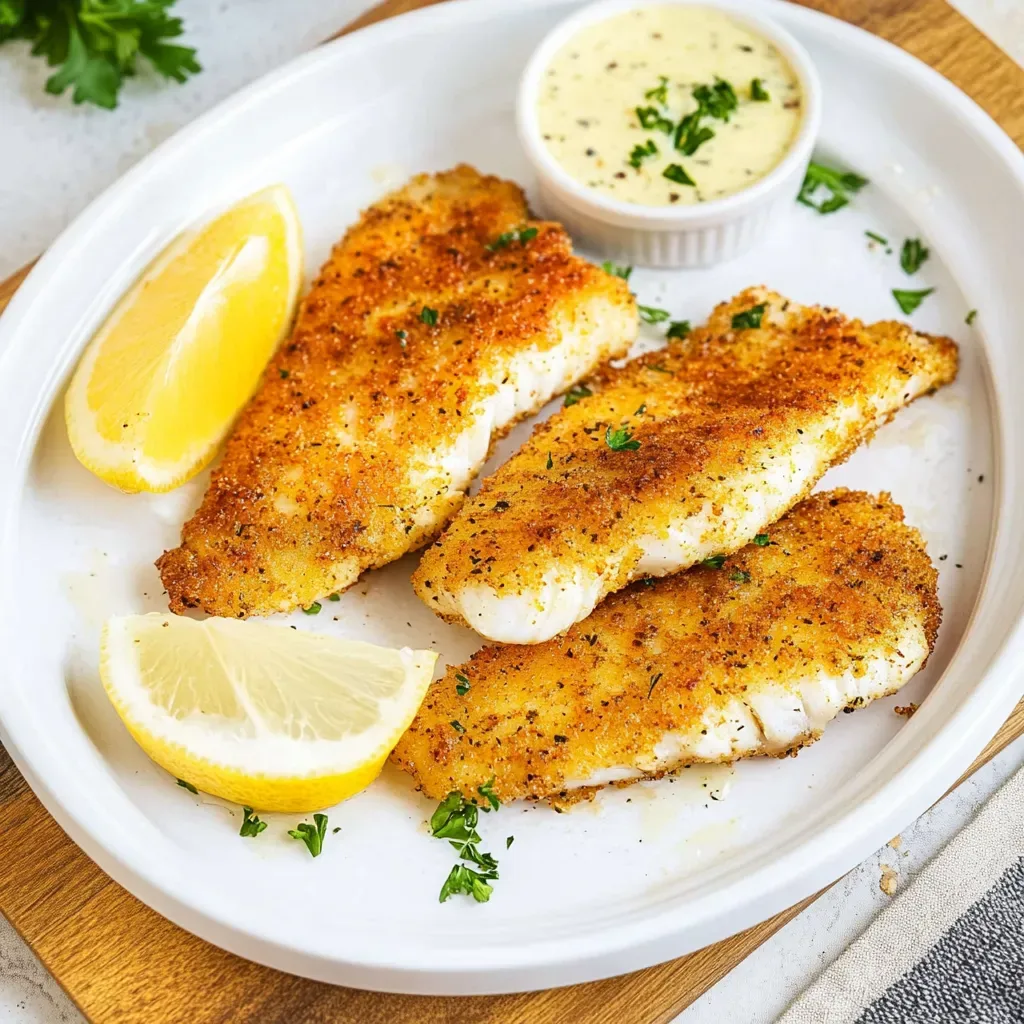
Image source: Bing (Web (fair-use with source credit))
Step 2: Set the temperature and timer.
Cook at 400°F for the first 6 minutes. This initial high heat jump-starts the crisping process on the skin side. After 6 minutes, check the fillets.
If the skin looks golden and the edges of the flesh are turning opaque, you're on track.
Step 3: Flip if needed, then finish cooking.
For fillets one inch thick or more, flip them gently with a fish spatula and cook another 4 to 6 minutes. For thinner fillets around half an inch, you can skip the flip entirely and just cook straight through for 8 to 9 minutes total.
The flip is optional for skin-on fillets. Some cooks prefer to keep skin-side down the entire time so the skin gets maximum direct contact with the hot basket. Both approaches work.
Flipping just gives you more even browning on the flesh side.
Step 4: Check the internal temperature.
Insert an instant-read thermometer into the thickest part of the fillet. You're looking for 145°F, which is the FDA Food Code minimum safe temperature for fish. At this temperature, the flesh will be opaque throughout and will flake easily when pressed with a fork.
If you don't have a thermometer, use the fork test. Press the tines of a fork into the thickest part at a slight angle and twist. If the flesh separates into clean, moist flakes, it's done.
If it still looks translucent or resists flaking, give it another minute or two.
Step 5: Rest briefly, then serve.
Let the fillets sit for about 2 minutes after cooking. This allows the residual heat to finish bringing the center up to temperature and lets the juices redistribute. Serve immediately with lemon wedges and fresh herbs.
Image source: Bing (Web (fair-use with source credit))
Quick reference for fillet thickness and cook time at 400°F:
| Fillet Thickness | Cook Time (Total) | Flip? |
|---|---|---|
| 1/2 inch | 8 to 9 minutes | No |
| 3/4 inch | 9 to 11 minutes | Optional |
| 1 inch | 10 to 12 minutes | Yes, at 6 minutes |
| 1.5 inches | 12 to 14 minutes | Yes, at 7 minutes |
These times assume a preheated air fryer at 400°F. If your model runs hot or cold by 10 to 15 degrees, adjust accordingly. An instant-read thermometer removes all the guesswork.
Step-by-Step: Whole Sea Bass in the Air Fryer
Cooking a whole sea bass in the air fryer feels impressive, but it's almost as easy as fillets. The key is making sure the fish actually fits.
Check the size first. Your air fryer basket needs to accommodate the full length of the fish without bending or folding it. Most whole European sea bass (branzino) run 12 to 14 inches long and weigh 1 to 2 pounds. A 6 quart or larger air fryer handles this comfortably.
If you're working with a smaller unit, fillets are the better call.
Step 1: Score the skin.
Make 3 to 4 diagonal cuts on each side of the fish, slicing about a quarter inch down into the flesh. This helps the heat penetrate evenly and prevents the skin from buckling or splitting as it crisps. Season the cavity with salt, pepper, thin lemon slices, and a few sprigs of fresh thyme or dill.
Step 2: Oil and season the exterior.
Brush the outside of the fish lightly with olive oil on both sides. Season generously with kosher salt and black pepper. The oil helps the skin crisp and prevents it from sticking to the basket.
Step 3: Cook at a slightly lower temperature.
Set the air fryer to 375°F. The lower temperature gives the thicker body of a whole fish time to cook through without burning the skin. Cook for 6 minutes on one side, then carefully flip using two spatulas or a spatula and a large spoon.
Cook for another 6 to 8 minutes on the second side.
Step 4: Check for doneness.
The internal temperature at the thickest part of the body (near the backbone) should read 145°F. The skin should be golden and crispy, and the flesh should pull away from the bones easily. The eyes will turn white and opaque, which is another reliable visual cue.
Step 5: Rest and serve whole.
Let the fish rest for 3 to 4 minutes. Serve it on a platter with the cavity herbs and lemon visible. Let your guests pull the flesh from the bones at the table.
It's a simple presentation that looks like you spent far more time than you actually did.
Air Fryer Sea Bass From Frozen (No Thaw Needed)
You can cook sea bass directly from frozen, and it works better than you'd expect. The air fryer's intense circulating heat handles frozen fillets without the texture problems you get from microwaving or oven-baking from frozen.
The method is straightforward. Pat the surface of the frozen fillet with a paper towel to remove any ice crystals. Season and oil as you would with fresh. Place in the air fryer basket skin-side down.
Cook at 400°F for 12 to 15 minutes, flipping once halfway through. The extra time accounts for the ice melting and evaporating during the first few minutes. Check the internal temperature at the thickest part.
It still needs to hit 145°F.
The trade-off: Frozen fillets release more moisture during cooking, so the skin won't get quite as crispy as fresh. The flesh texture is still good, flaky, and moist. For the best frozen result, choose individually quick-frozen (IQF) fillets rather than a solid block of fish.
IQF fillets have less surface ice and cook more evenly.
If you have the time, thawing in the refrigerator overnight gives a noticeably better texture. But on a busy weeknight, the from-frozen method is a solid backup that still delivers a good meal in under 20 minutes.
Best Seasonings and Flavor Combinations
Sea bass has a clean, mild flavor that pairs well with a wide range of seasonings. You don't need to overthink it. A few well-chosen ingredients are all it takes.
The classic: Salt, pepper, olive oil, and lemon. This is the baseline for a reason. It lets the natural flavor of the fish shine.
Squeeze fresh lemon over the fillets right after they come out of the air fryer so the juice hits the hot flesh and releases its aroma.
Mediterranean style: Add minced garlic, smoked paprika, and chopped fresh parsley. Rub the garlic and paprika into the flesh side before cooking. Scatter the parsley on top after.
A drizzle of good extra virgin olive oil at the end ties it together.
Asian inspired: Brush the fillets with a mix of soy sauce, sesame oil, and a pinch of ginger powder before cooking. Finish with sliced scallions and a squeeze of lime. The air fryer's heat caramelizes the soy slightly and gives the fish a savory, slightly sweet crust.
Herb crust: Mix finely chopped dill, parsley, and thyme with a small amount of melted butter. Spread this over the flesh side of the fillet during the last 3 minutes of cooking. The herbs toast in the hot air and form a fragrant, buttery layer on top.
Spicy kick: Dust the fillets with cayenne pepper, garlic powder, and a touch of cumin before cooking. Serve with a quick yogurt sauce (plain yogurt, lemon juice, salt, and a pinch of chili flakes). The cool sauce balances the heat.
What to avoid: Heavy breading doesn't work well in most air fryers. The circulating air blows dry breadcrumb coatings off the fish before they can set. If you want a crust, stick with the herb-butter method or a light dusting of seasoned flour patted firmly onto oiled fish.
How to Get Crispy Skin Every Time
Crispy skin is the main reason to air fry sea bass instead of baking it. When it works, the skin shatters like a chip and the flesh underneath stays silky. Here's how to make it happen reliably.
Dry the skin thoroughly. This is non-negotiable. Any surface moisture turns to steam in the air fryer, and steam is the enemy of crispness. Pat both sides with paper towels until the skin feels matte and dry to the touch.
Oil the skin, not just the flesh. Brush or mist the skin side with a thin, even layer of oil. Olive oil or avocado oil both work. The oil conducts heat directly into the skin and promotes the Maillard reaction, which is what creates that golden, crispy texture.
Don't overcrowd the basket. Fillets need space around them for air to circulate. If two fillets are touching, the edges where they meet will steam instead of crisp. Cook in batches if necessary.
Start skin-side down. The bottom of the air fryer basket gets the most direct heat. Placing the skin side down gives it the best chance to crisp in the first few minutes. If you do flip, do it once and do it gently.
A fish spatula with a thin, flexible blade slides under the skin without tearing it.
Use high heat. 400°F is the sweet spot for crispy skin on sea bass fillets. Lower temperatures like 350°F cook the fish through but don't generate enough surface heat to crisp the skin properly. If your air fryer maxes out at 380°F, that works too.
Just add an extra minute or two.
Don't move the fish too early. Let the skin sit undisturbed for at least the first 5 minutes. If you try to flip or reposition the fillet before the skin has set, it will tear and stick. Patience here makes a real difference.
How to Tell When Your Sea Bass Is Done
Undercooked fish is unsafe. Overcooked fish is a waste of good seafood. The window between the two is narrower than most people think, but a few reliable cues make it easy to hit.
The FDA Food Code sets the minimum safe internal temperature for fish at 145°F. An instant-read thermometer inserted into the thickest part of the fillet is the most accurate way to confirm this. At 145°F, the proteins have coagulated enough that the flesh turns from translucent to opaque white throughout.
If you don't have a thermometer, the fork test is your next best option. Press a fork into the thickest part of the fillet at a slight angle and gently twist. Properly cooked sea bass will separate into clean, moist flakes.
If the flesh still looks glassy or resists flaking, it needs another minute or two. If it crumbles into dry, chalky pieces, you've gone too far.
Visual cues help too. Raw sea bass flesh is translucent with a slightly pinkish-grey tint. As it cooks, it becomes uniformly opaque and white.
The edges will change color first, so check the center of the thickest fillet for the truest read on doneness.
Whole fish give you additional signals. The eyes turn from clear to solid white. The skin pulls slightly away from the flesh at the scored lines.
And the base of the tail fin will feel loose when gently tugged, which means the connective tissue has broken down.
One mistake to avoid: don't rely on the surface appearance alone. A fillet can look golden and crispy on the outside while the center is still undercooked, especially on thicker cuts. Always check the thickest part.
Common Mistakes (and How to Avoid Them)
Most air fryer sea bass problems come down to a handful of errors, and every one of them is easy to prevent once you know what to look for.
Skipping the drying step. This is the number one reason fish sticks to the basket and the skin turns soggy instead of crispy. Take the extra 30 seconds to pat every surface dry with paper towels. It makes a bigger difference than any seasoning or technique.
Overcrowding the basket. Loading four fillets into a quart of space means they steam in each other's moisture. Air fryers need airflow to work. If your fillets don't have at least an inch of space on all sides, cook in two batches.
The second batch only takes a few extra minutes since the air fryer is already hot.
Cooking straight from the fridge. Cold fillets cook unevenly. The outside dries out before the center reaches a safe temperature. Let the fish sit at room temperature for 15 to 20 minutes before seasoning and cooking.
Using too much oil. A little oil goes a long way in an air fryer. Heavy drizzling pools in the bottom of the basket, smokes, and can actually make the fish greasy. A light mist or a thin brush coat is all you need.
Not preheating. If your air fryer has a preheat function, use it. Dropping fish into a cold basket means the first few minutes are spent heating up the appliance instead of cooking the food. That lag throws off timing and leads to uneven results.
Flipping too early or too often. Set the fillets skin-side down and leave them alone for at least the first 5 to 6 minutes. The skin needs uninterrupted contact with the hot basket to crisp properly. Flipping once, halfway through, is the maximum.
More than that and you risk tearing the skin and disrupting the cooking process.
For more tips on getting the most out of your air fryer, our guide on the Instant Vortex covers the strengths and limitations of one of the most popular models for cooking fish and other proteins quickly.
Air Fryer Sea Bass vs. Other Cooking Methods
No single cooking method is perfect for every situation. Here's how air frying stacks up against the other ways you might cook sea bass.
Air fryer vs. pan-searing: Pan-searing in a skillet gives you excellent crispy skin, but it requires more attention and produces more splatter and kitchen smell. The air fryer delivers comparable crispness with less oil and a hands-off approach. Pan-searing wins for a quick sear on a thin fillet.
The air fryer wins for thicker fillets and cooking multiple pieces at once.
Air fryer vs. oven baking: A conventional oven takes 20 to 25 minutes to bake sea bass at 425°F. The air fryer does it in 10 to 12. Oven baking also tends to dry out the surface more because of the longer cook time.
The air fryer's circulating hot air locks in moisture better while still crisping the exterior.
Air fryer vs. grilling: Grilling gives sea bass a smoky flavor you can't replicate in an air fryer. But grilling fish is tricky. Fillets fall through the grates, and the weather doesn't always cooperate.
The air fryer is a reliable indoor alternative that works year-round.
Air fryer vs. deep frying: Deep frying gives the crispiest possible skin but adds significant oil and calories. Air frying uses a fraction of the oil and produces a very similar texture. The flavor is lighter, which many people actually prefer with a mild fish like sea bass.
Quick comparison:
| Method | Cook Time | Crispiness | Oil Needed | Hands-Off? |
|---|---|---|---|---|
| Air fryer | 10 to 12 min | High | 1 to 2 tsp | Yes |
| Pan-searing | 6 to 8 min | High | 1 to 2 tbsp | No |
| Oven baking | 20 to 25 min | Medium | 1 to 2 tsp | Yes |
| Grilling | 8 to 10 min | Medium-High | Brush lightly | No |
| Deep frying | 4 to 6 min | Very High | Several cups | No |
The air fryer strikes the best balance of speed, convenience, texture, and health for most home cooks. If you already own one, sea bass is one of the best ways to use it.
Quick Side Dishes That Cook Alongside Your Sea Bass
One of the air fryer's underappreciated strengths is cooking a protein and a side dish at the same time. Several vegetables pair perfectly with sea bass and share the same temperature range.
Asparagus is the most natural partner. Toss trimmed spears with a little oil, salt, and pepper, and lay them in the basket around the fish fillets. They cook in 6 to 8 minutes at 400°F, roughly the same time as half-inch fillets.
For a more involved version, our air fryer asparagus with parmesan recipe adds a savory, cheesy finish that complements sea bass beautifully.
Cherry tomatoes burst and caramelize in the air fryer after about 8 minutes at 380°F. Toss them with olive oil and a pinch of salt before adding them to the basket. They add a sweet, acidic pop that cuts through the richness of the fish.
Zucchini and bell peppers cut into half-inch slices cook in 8 to 10 minutes at 400°F. Season simply with salt, pepper, and a drizzle of olive oil. They won't get as crispy as the fish, but they'll be tender and lightly browned.
Broccoli florets take 7 to 9 minutes at 400°F. Toss them in oil and a pinch of garlic powder before cooking. They come out with lightly charred edges that pair well with the mild flavor of sea bass.
Timing tip: If your side dish cooks faster than the fish, add it to the basket a few minutes after the fillets go in. Vegetables that take 8 minutes can go in at the 2-minute mark of a 10-minute fish cook. Everything finishes together.
If you're using a dual-basket air fryer, you can run the fish in one basket and the vegetables in the other at different temperatures. Our roundup of the best 8 qt air fryer with dual basket covers models that handle this kind of multitasking well.
Cleaning Your Air Fryer After Cooking Fish
Fish leaves behind odor more stubbornly than almost anything else you can cook in an air fryer. A quick clean right after cooking prevents that smell from lingering and transferring to your next meal.
Start with the basket and tray. Remove them from the air fryer while still warm. Soak in hot, soapy water for 5 to 10 minutes. Most air fryer baskets have a non-stick coating, so a soft sponge and regular dish soap are all you need.
Avoid abrasive scrubbers that can damage the coating.
Wipe the interior. Use a damp cloth or paper towel to wipe down the inside of the air fryer, including the heating element area. Fish oils can splatter during cooking and leave a residue that smokes and smells the next time you use the appliance.
Deodorize if needed. If a fish smell persists, cut a lemon in half and place it in the basket. Run the air fryer at 400°F for 2 to 3 minutes. The steam from the lemon neutralizes odors naturally.
Some people also use a small bowl of white vinegar in the basket for the same purpose.
Deep clean monthly. Once a month, give the basket and tray a more thorough cleaning. Check the manufacturer's instructions for your specific model. Most are not dishwasher safe, even if some labels claim otherwise.
Hand washing extends the life of the non-stick coating.
For air fryers that are designed for easier maintenance, our guide to the best 8 qt air fryer easy to clean highlights models with dishwasher-safe parts and interiors that resist buildup.
Frequently Asked Questions
Can I air fry sea bass without skin?
Yes. Brush skinless fillets with oil on both sides before cooking to prevent sticking and drying out. Reduce the cook time by about 1 minute since skinless fillets lose moisture faster.
The flesh won't have the same crispy exterior, but the interior will still be moist and flaky.
What temperature should I set my air fryer for sea bass?
400°F is the standard for fillets. Lower it to 375°F for whole fish, which needs more time for heat to reach the center. If your air fryer only goes to 380°F, that works fine.
Add 1 to 2 minutes to the cook time.
How do I stop sea bass from sticking to the air fryer basket?
Pat the fish dry, oil the skin side lightly, and don't try to move the fillet for the first 5 minutes. Perforated parchment liners also help. If the skin still sticks, the basket may need a light coat of cooking spray before the fish goes in.
Is air fryer sea bass healthy?
Sea bass is a lean protein rich in omega-3 fatty acids. Air frying uses 80 to 90 percent less oil than pan-frying or deep frying. A 6-ounce fillet cooked in the air fryer with a teaspoon of olive oil runs roughly 150 to 170 calories.
Can I cook other fish the same way?
Yes. Cod, halibut, snapper, and branzino all work with the same method. Adjust cook time based on thickness.
Thinner fish like tilapia need 6 to 7 minutes at 400°F. Thicker fish like halibut may need 12 to 14 minutes.
How long does leftover air fryer sea bass keep?
Store cooked sea bass in an airtight container in the refrigerator for up to 2 days. Reheat gently in the air fryer at 300°F for 3 to 4 minutes. The texture won't be quite as good as fresh, but it's still perfectly edible.
Final Thoughts
Air fryer sea bass is one of those recipes that makes you wonder why you ever ordered it at a restaurant. It's fast, it's forgiving, and the results are genuinely impressive for about 15 minutes of total effort.
The keys are simple: dry the fish well, don't overcrowd the basket, cook at 400°F, and check the temperature at 145°F. Everything else is variation and personal preference. Once you've got the basic method down, you can play with seasonings, side dishes, and sauces to make it your own.
If you're new to cooking fish at home, sea bass in the air fryer is the best possible starting point. It's hard to ruin, and the payoff is a meal that feels far more sophisticated than the effort involved.