
Red snapper has a narrow window between perfectly flaky and completely dried out, which is exactly why a red snapper air fryer recipe works so well when you get the details right. The circulating hot air crisps the outside fast while keeping the inside moist, and you're looking at under 15 minutes start to finish. No deep fryer, no heating up the whole oven, no babysitting a skillet.
The key variables are fillet thickness, temperature, and knowing when to pull it. A one-inch fillet at 380°F takes roughly 10 to 12 minutes, and the FDA's safe minimum internal temperature for fish is 145°F. Once you've got those basics dialed in, the variations are endless.
Let's walk through everything you need to nail this recipe the first time.
Quick Answer
A red snapper air fryer recipe calls for patting the fillets dry, seasoning them with oil and your preferred spices, and cooking at 375 to 400°F for 8 to 14 minutes depending on thickness. Flip the fillets halfway through. The fish is done when it reaches an internal temperature of 145°F and the flesh flakes easily with a fork.
Preheating the air fryer for 3 to 5 minutes before adding the fish gives the most consistent results.
Image source: Bing (Web (fair-use with source credit))
Why Air Fryer Red Snapper Is Worth Making Tonight
Red snapper is one of those fish that tastes like you spent way more time on it than you actually did. The flesh is firm, mildly sweet, and holds up beautifully to bold seasonings. When you cook it in an air fryer, you get a lightly crispy exterior without the oil bath of deep frying or the dry edges that oven baking can leave behind.
Here's what makes this method stand out. Air fryers use rapid convection circulation, which means hot air moves fast and evenly around the food. That's a big deal for fish because it cooks quickly and uniformly.
A six-ounce red snapper fillet goes from raw to restaurant-quality in about 10 minutes. You're also using a fraction of the oil, which keeps the calorie count around 145 to 170 per serving before breading.
Aggregate user reviews across major air fryer brands consistently mention fish as one of the standout use cases. People who were skeptical about air fryers often say fish was the recipe that converted them. It's fast, it's clean, and it's almost impossible to mess up once you understand the timing.
If you've got a busy weeknight and want something that feels special without the effort, this is it. And if you're cooking for a crowd, you can batch fillets in multiple rounds without much extra time. For larger households, something like a 9 qt air fryer for large batches handles more fillets at once and cuts down on rounds.
What You'll Need: Ingredients and Equipment
You don't need much to pull this off, which is part of the appeal. Here's the full rundown.
Ingredients for the basic recipe:
- 2 red snapper fillets (6 to 8 ounces each, skin-on or skinless)
- 1 tablespoon olive oil or avocado oil
- 1 teaspoon kosher salt
- ½ teaspoon black pepper
- ½ teaspoon garlic powder
- ½ teaspoon paprika (smoked or sweet)
- 1 lemon, cut into wedges
- Fresh parsley or cilantro for garnish
Optional additions:
- Cajun or Creole seasoning blend (swap for the salt, pepper, garlic, and paprika)
- Panko breadcrumbs or cornmeal for a crisped coating
- Almond flour for a keto-friendly breading
- Old Bay seasoning for a classic coastal flavor
- Butter (a small pat added in the last two minutes of cooking)
Equipment:
- Any countertop air fryer (3.5 qt and up works for 2 fillets)
- Cooking oil spray (or a brush for applying oil)
- Instant-read food thermometer
- Paper towels (for patting the fish dry)
- Tongs or a fish spatula for flipping
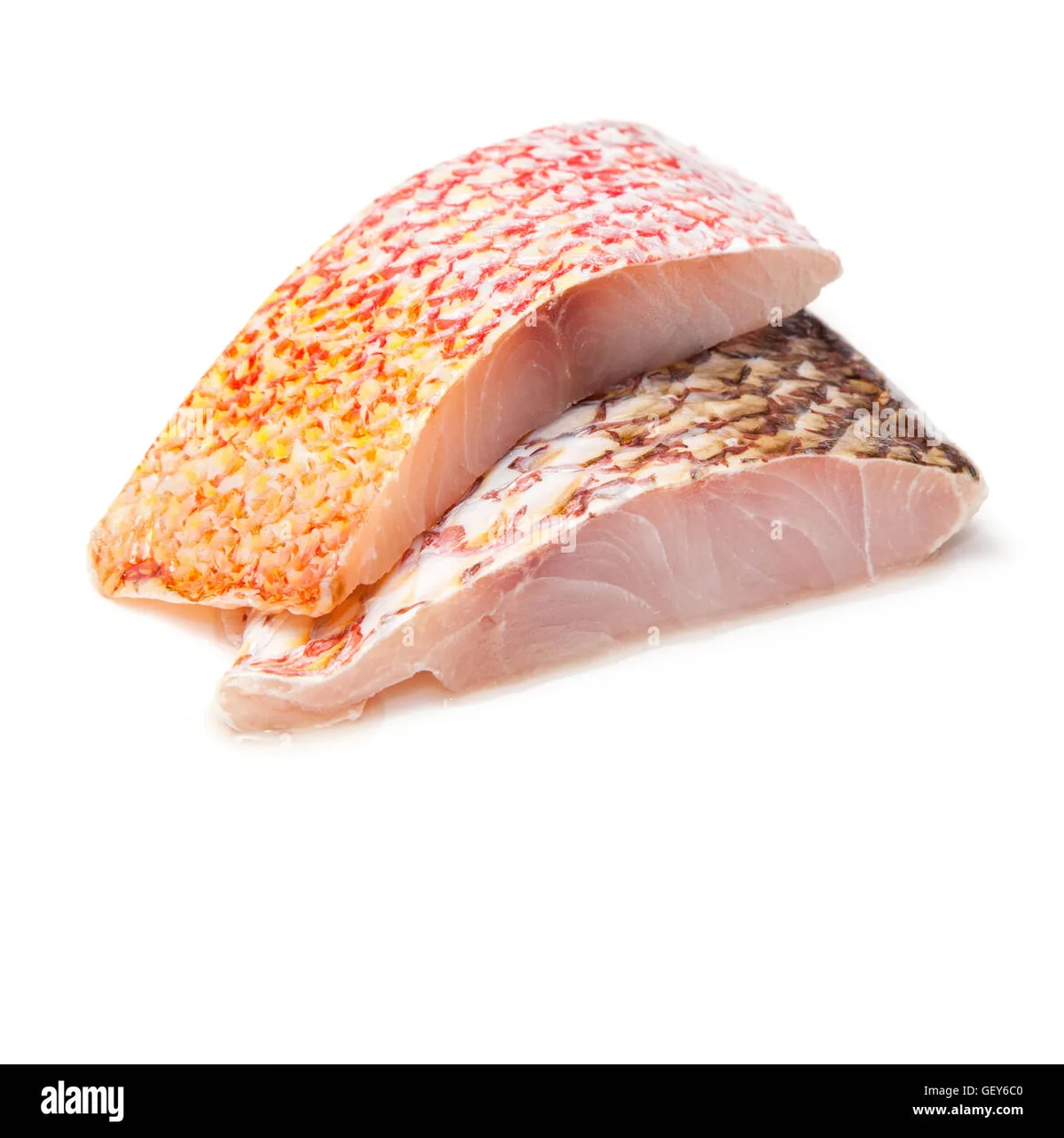
Image source: Bing (Web (fair-use with source credit))
The fillets themselves matter. Look for fresh red snapper with firm, translucent flesh and a clean ocean smell. If you're buying frozen, thaw them overnight in the refrigerator.
Never thaw fish on the counter, as the outer layers enter the temperature danger zone before the center thaws.
Image source: Bing (Web (fair-use with source credit))
Most air fryer models from brands like Ninja, Cosori, and Instant Vortex handle this recipe without any issues. If you're working with a smaller 3.5-quart basket, cook in a single layer with no overlap. Larger models, like the 8 qt air fryer with dual basket, let you cook fillets on one side and vegetables on the other simultaneously.
How to Prep Red Snapper for the Air Fryer
Prep is where most people either set themselves up for success or accidentally sabotage the dish. It takes about five minutes and makes a real difference in the final result.
Step 1: Pat the fillets completely dry.
This is non-negotiable. Use paper towels to blot both sides of each fillet until there's no visible moisture. Wet fish steams instead of searing, and you'll lose that light crisp on the exterior.
Even if the fillets look dry on the surface, give them a good pat down.
Step 2: Lightly oil the fish.
Brush or spray a thin, even layer of olive oil or avocado oil on both sides. This helps the seasoning stick and promotes browning. Don't go heavy, a little goes a long way.
Too much oil pools in the basket and creates smoke.
Step 3: Season generously.
Apply your spice blend evenly on both sides. If you're using the basic recipe, that's salt, pepper, garlic powder, and paprika. For Cajun style, use a pre-made blend or mix cayenne, onion powder, dried oregano, and thyme.
Press the seasoning gently into the flesh so it adheres.
Step 4: Let it rest (optional but helpful).
If you have 10 to 15 minutes, let the seasoned fillets sit on a plate in the refrigerator. This helps the salt penetrate the flesh and improves flavor. It also dries the surface slightly, which means better browning in the basket.
Step 5: Preheat the air fryer.
Set it to 380°F and let it run for 3 to 5 minutes. Preheating matters more than most people think. A hot basket sears the fish on contact, which prevents sticking and gives you that golden exterior.
If your model has a built-in preheat function, use it. Otherwise, just let it run empty for a few minutes.
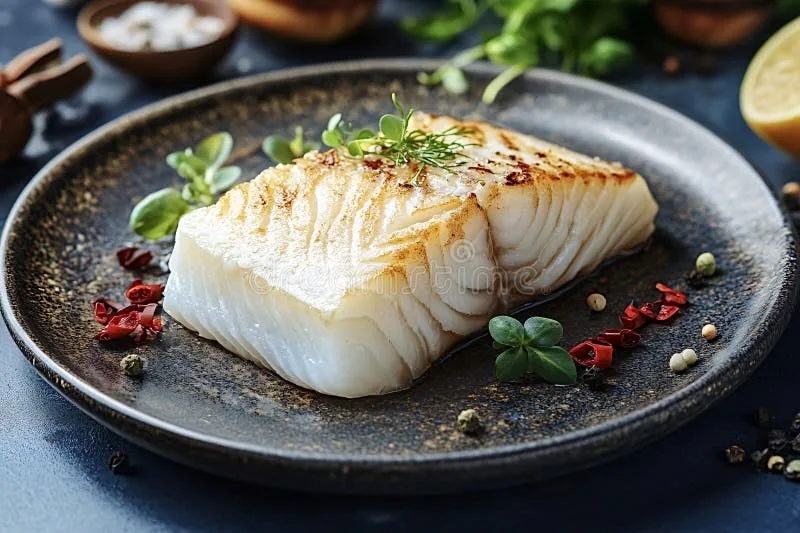
Image source: Bing (Web (fair-use with source credit))
One more thing worth mentioning. If you're using skin-on fillets, place them skin-side down first. The skin acts as a natural barrier between the flesh and the basket, and it crisps up beautifully.
You can eat it or peel it off after cooking, depending on your preference.
Step-by-Step: Air Fryer Red Snapper Recipe
Here's the full process from basket to plate. Total active time is under 20 minutes.
Step 1: Arrange the fillets in the basket.
Place them in a single layer with at least half an inch of space between each fillet. Do not stack or overlap. Overcrowding blocks airflow and leads to uneven cooking, some parts overcooked, others still raw in the center.
If your basket is small, cook in two batches. It's worth the extra few minutes.
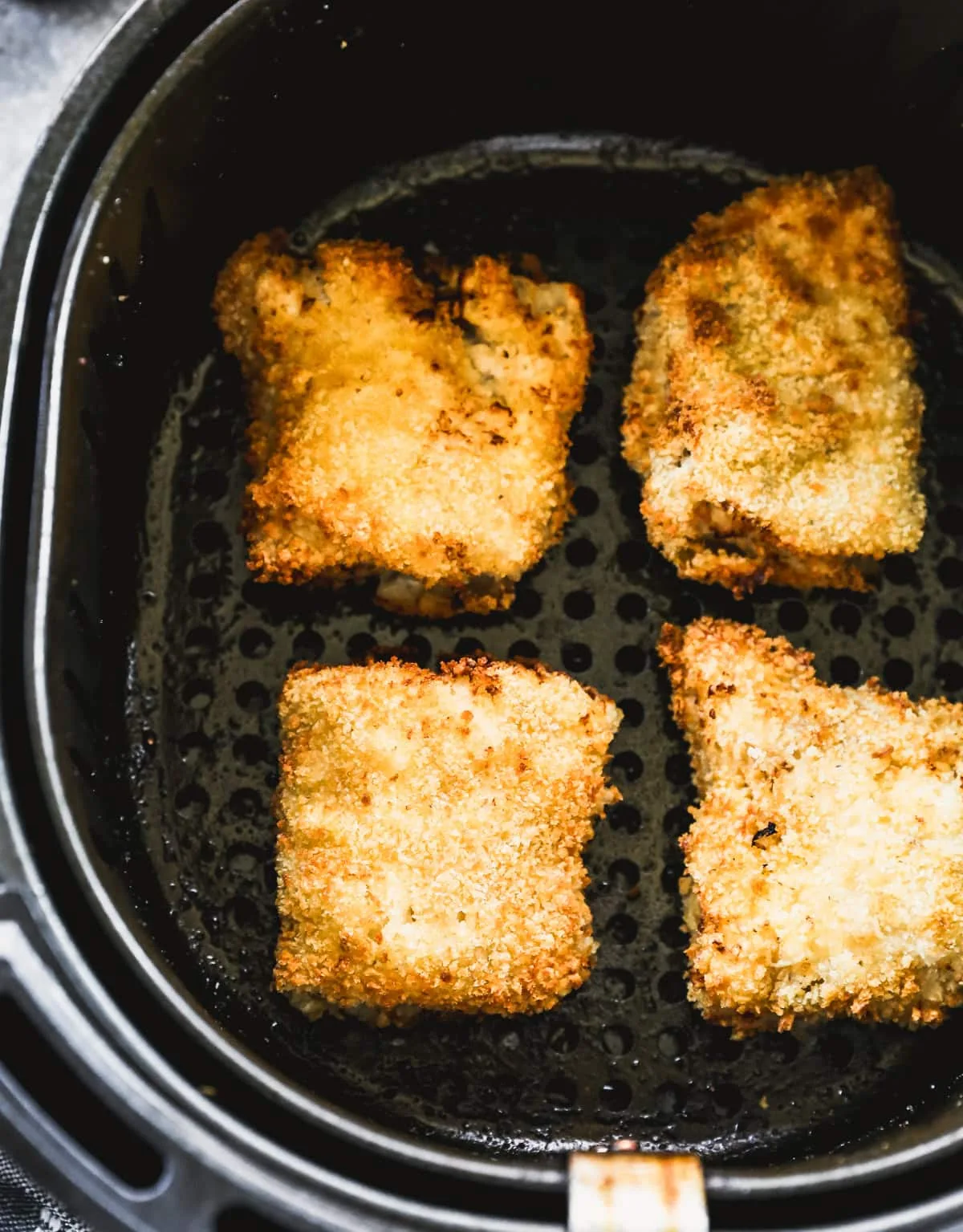
Image source: Bing (Web (fair-use with source credit))
Step 2: Set the temperature and time.
For fillets that are about ¾ inch thick, set the air fryer to 380°F for 10 minutes. Adjust from there:
| Fillet Thickness | Temperature | Cook Time |
|---|---|---|
| ½ inch | 380°F | 8 minutes |
| ¾ inch | 380°F | 10 minutes |
| 1 inch | 375°F | 12 minutes |
| 1¼ inch or thicker | 375°F | 14 minutes |
These times assume a preheated basket and thawed fillets. Add 2 to 3 minutes if cooking from frozen.
Step 3: Flip halfway through.
At the halfway mark, use tongs or a fish spatula to carefully flip each fillet. If the seasoning or breading sticks to the basket, the fish wasn't dry enough or the basket wasn't hot enough. A light oil spray on the basket before adding the fish prevents most sticking issues.
Step 4: Check for doneness.
When the timer goes off, check the thickest part of the fillet. The flesh should be opaque white and flake apart easily when you press it with a fork. If it still looks translucent or feels rubbery, add 1 to 2 minutes and check again.
Step 5: Rest and serve.
Pull the fillets out and let them sit for 1 to 2 minutes on a plate. The residual heat finishes the cooking gently. Squeeze fresh lemon over the top, scatter some chopped parsley or cilantro, and serve immediately.
This basic recipe is a blank canvas. Once you've got the timing down, you can swap in blackening spice, coat the fillets in panko for a fish-stick vibe, or go Mediterranean with olive oil, oregano, and sun-dried tomatoes. The air fryer handles all of it.
If you're pairing this with a side, air fryer asparagus with parmesan is a natural match. You can find a solid air fryer asparagus recipe with parmesan that cooks in about the same time window, so everything hits the table together.
How to Know When Red Snapper Is Done (Without Overcooking It)
Overcooked fish is the number one complaint in air fryer fish recipes, and it's completely avoidable. Red snapper goes from moist and flaky to dry and stringy in about two minutes, so precision matters.
The thermometer method (most reliable).
An instant-read food thermometer is the single best tool for cooking fish. Insert it into the thickest part of the fillet at an angle. When it reads 145°F, the fish is done.
That's the FDA's recommended safe minimum internal temperature for all fish and shellfish, and at that point the proteins have just set enough to flake without being overdone.
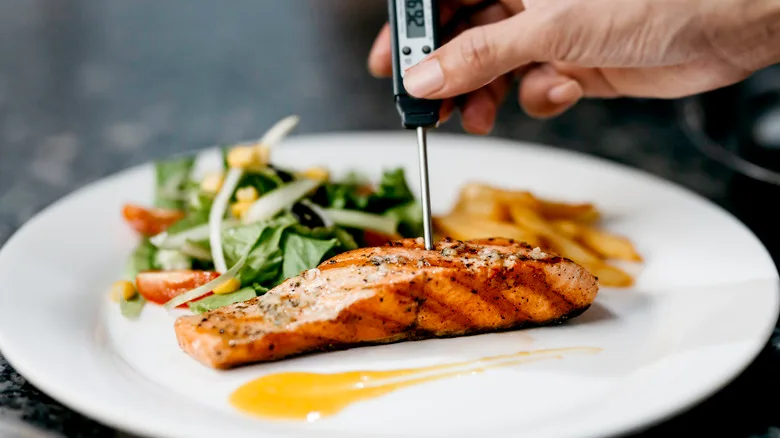
Image source: Bing (Web (fair-use with source credit))
The visual check.
If you don't have a thermometer handy, look for these signs. The flesh turns from translucent pinkish-white to solid opaque white. The surface should have a light golden color, especially around the edges.
When you press the thickest part gently with a fork, it should separate into clean flakes. If it bends without breaking, it needs more time. If it crumbles into dry shards, you've gone too far.
The fork-flake test.
Slide a fork into the thickest part of the fillet at a 45-degree angle and twist gently. Properly cooked red snapper will flake into large, moist sections. Undercooked flesh resists and looks glossy.
Overcooked flesh breaks apart into small, dry pieces.
Image source: Wikimedia Commons / NeoBatfreak (CC BY-SA)
Common timing mistakes.
Most overcooking happens because people set the timer for a round number and walk away. A ¾-inch fillet at 380°F is done in 10 minutes, not 15. Set a timer for the low end of the range and check early.
You can always add time, but you can't undo a dried-out fillet.
Another mistake is not accounting for carryover cooking. The fish continues to cook from residual heat after you pull it from the basket. That's why the 1 to 2 minute rest matters.
Pull it at 140 to 142°F if you know it's going to sit, and it'll land right at 145°F by the time you serve it.
If you're new to air fryer cooking and want to understand how different models perform with delicate proteins, it's worth reading up on whether your specific unit runs hot or cool. Some models, like the Instant Vortex, have been reviewed for their consistency with seafood. A quick look at whether the Instant Vortex air fryer is good for this kind of recipe can help you calibrate your expectations before you start.
Seasoning and Breading Variations to Try
Once you've nailed the basic recipe, swapping in different flavor profiles keeps red snapper night from getting old fast. Here are four reliable variations that all work beautifully in the air fryer.
Cajun blackened snapper.
Mix together 1 teaspoon each of smoked paprika, garlic powder, onion powder, dried oregano, and dried thyme. Add ½ teaspoon cayenne pepper if you like heat. Coat the fillets in melted butter, press the spice mix onto both sides, and air fry at 400°F for 8 to 10 minutes.
The high heat creates a dark, almost charred crust that's classic blackened fish.
Panko-crusted snapper.
Whisk one egg in a shallow bowl. Spread panko breadcrumbs mixed with a pinch of salt and garlic powder on a plate. Dip each fillet in the egg, then press into the panko to coat both sides.
Spray lightly with oil and cook at 380°F for 10 to 11 minutes. Flip once at the halfway mark. This version gives you that crispy, almost fried texture with a fraction of the oil.
Mediterranean herb.
Brush fillets with extra virgin olive oil, then season with dried oregano, lemon zest, minced garlic, and flaky sea salt. Cook at 375°F for 10 minutes. Finish with a squeeze of fresh lemon and a handful of chopped parsley.
It's light, bright, and works well alongside couscous or a simple green salad.
Cornmeal-crusted snapper.
Combine half a cup of cornmeal with a teaspoon each of salt, pepper, and paprika. Dredge lightly oiled fillets in the mixture and cook at 390°F for 10 minutes. This gives a Southern-style crunch that's perfect inside a taco with shredded cabbage, lime crema, and pickled onion.
Each of these variations uses the same base technique: dry the fish, apply your coating or seasoning, single layer in the basket, flip halfway. The only thing that changes is the cook time for breaded versions, which need an extra minute or two to set the coating fully.
A quick note on purchasing convenience. Many households find that an 8-quart air fryer handles breaded fish especially well because the larger basket means more distance between the heating element and the coating. If you're shopping around, the best 8 qt air fryer for frozen foods roundup covers models that maintain consistent temps even with coated proteins.
Cooking Whole Red Snapper in the Air Fryer
Cooking a whole fish sounds intimidating, but the air fryer actually makes it easier than most methods. The key is fitting the fish in the basket and getting the scoring right so the heat penetrates evenly.
Start with a whole red snapper that's been gutted and scaled. Aim for a fish between 1 and 1.5 pounds, anything much bigger won't fit in a standard air fryer basket. Pat it dry inside and out with paper towels.
Score the fish by cutting three diagonal slashes on each side, about a quarter inch deep, down to the bone. This lets heat reach the thickest part of the body and helps the seasoning penetrate. Rub the entire fish with olive oil, then season the cavity and the outside with salt, pepper, garlic powder, and fresh herbs.
Tuck thin lemon slices and a few sprigs of thyme inside the cavity.
Preheat the air fryer to 375°F. Lightly oil the basket and lay the fish in, curving it slightly if needed to fit. Cook for 15 to 18 minutes, flipping once at the 8-minute mark.
Use a wide spatula and tongs together, the fish is more fragile whole than in fillet form.
Check the internal temperature at the thickest part behind the head. You're looking for 145°F. The skin should be lightly crisped and the flesh should pull away from the bones cleanly.
Whole fish looks impressive on a platter. Garnish with fresh herbs, lemon wedges, and a drizzle of good olive oil. It's a dinner party move that takes about 25 minutes of total work.
Best Side Dishes for Air Fryer Red Snapper
The right side turns a piece of fish into a full meal. Since the air fryer is already running, it makes sense to use it for the sides too. Here are the pairings that work best alongside red snapper.
Air fryer asparagus with parmesan. Toss trimmed asparagus in olive oil, salt, and pepper. Cook at 400°F for 6 to 7 minutes, then sprinkle with grated parmesan in the last minute. The timing lines up almost perfectly with a ¾-inch snapper fillet.
If you want the full walkthrough, this air fryer asparagus recipe with parmesan breaks it down step by step.
Roasted cherry tomatoes. Halve a pint of cherry tomatoes, toss with olive oil, garlic, and a pinch of salt. Air fry at 380°F for 8 minutes until they blister slightly. Spooned over the fish, they add acid sweetness that cuts through the richness.
Garlic butter rice. Not an air fryer item, but it's a five-minute stovetop side. Cook jasmine rice, stir in a tablespoon of butter and a clove of minced garlic right before serving. Simple, and it soaks up any juice from the fish.
Cilantro lime slaw. Shredded cabbage, a squeeze of lime, chopped cilantro, and a pinch of salt. Takes two minutes to toss together and adds crunch without needing any cooking at all.
Air fryer potato wedges. If you want something heartier, toss wedged potatoes in oil, smoked paprika, and salt. Cook at 400°F for 18 to 20 minutes, shaking the basket halfway. Start these before the fish since they take longer.
For a full spread, rice and slaw on the side with the snapper in the center gives you protein, grain, and vegetable in under 30 minutes. That's the kind of weeknight dinner that doesn't feel like a compromise.
If your air fryer has dual baskets, you can cook the fish in one and vegetables in the other at the same time. Models with that split-basket design are ideal for exactly this kind of meal prep. Something like the best 8 qt air fryer with dual basket handles both components simultaneously without any juggling.
Common Mistakes That Ruin Air Fryer Fish
Air fryers make fish easy, but a few recurring mistakes turn a great recipe into a disappointing one. Here's what to watch for.
Skipping the preheat. A cold basket means the fish sits in lukewarm air for the first couple of minutes. It steams instead of sears, and the coating or skin won't crisp. Three to 5 minutes of preheating solves this entirely.
Not drying the fillets. Surface moisture is the enemy of browning. Even if the fish looks dry, blot it with paper towels. Wet fish in an air fryer comes out pale and rubbery every single time.
Overcrowding the basket. Stacking fillets or cramming too many in at once blocks airflow. The top pieces shield the bottom ones, and you end up with uneven cooking. Single layer, half-inch gaps, cook in batches if needed.
Too much oil. Spraying a heavy coat doesn't make things crispier, it makes them greasy. A light, even mist is all you need. Excess oil drips into the bottom of the basket and creates smoke.
Wrong temperature for the thickness. A half-inch fillet at 400°F will burn on the outside before the center cooks. A thick one-inch piece at 350°F will dry out before it browns through. Match the temp to the thickness and adjust from there.
Forgetting to flip. The top of the fillet gets more direct heat than the bottom. Flipping halfway ensures both sides cook evenly and the coating sets on both sides.
Using a breading that's too fine. Regular flour or very fine breadcrumbs blow around in the air fryer's fan and don't adhere well. Panko, cornmeal, or coarse almond flour hold up much better in the circulating air.
Ignoring the thermometer. Guessing doneness is how most people overcook fish. An instant-read thermometer takes two seconds and removes all the guesswork. At 145°F, you're done.
Pull it and let it rest.
Air Fryer Red Snapper vs. Other Cooking Methods
Not every cooking method treats red snapper the same way. Here's how the air fryer stacks up against the most common alternatives.
| Method | Cook Time | Oil Needed | Crisp Factor | Best For |
|---|---|---|---|---|
| Air fryer | 8 to 14 min | 1 to 2 tsp | High | Quick weeknight dinners, crispy coating |
| Oven baking | 20 to 25 min | 1 to 2 tbsp | Low to medium | Hands-off cooking, larger batches |
| Pan-searing | 6 to 8 min | 2 to 3 tbsp | High | Restaurant-style crust, small portions |
| Deep frying | 4 to 6 min | Several cups | Very high | Special occasions, indulgent meals |
| Grilling | 8 to 10 min | Brush lightly | Medium (char) | Outdoor cooking, smoky flavor |
The air fryer's biggest advantage is speed combined with texture. It's nearly as fast as deep frying and produces a similar crispy exterior, but uses about 90% less oil. Compared to oven baking, it's roughly twice as fast and produces a noticeably crispier result because the circulating air is more intense than a standard convection oven.
Pan-searing gives you the best crust of any method, but it requires more attention and more oil. You've got to watch the heat, flip at the right moment, and deal with splatter. The air fryer is more forgiving and less messy.
Grilling adds a smoky char that the air fryer can't replicate. If that smoky flavor is what you're after, the grill wins. But for indoor cooking with consistent results, the air fryer is hard to beat.
Deep frying is the gold standard for texture, but it's a production. Heating oil, managing the temperature, dealing with the smell, and disposing of used oil afterward. The air fryer gets you about 80% of the way there with a fraction of the cleanup.
For most home cooks, the air fryer hits the sweet spot between speed, texture, and convenience. It's the method we'd reach for on a Tuesday night when you want something good without the fuss.
How to Cook Frozen Red Snapper in the Air Fryer
You don't have to thaw frozen fillets before air frying them. It's actually one of the few proteins that handles the frozen-to-basket transition well, as long as you adjust your timing and expectations.
Start by patting off any visible ice crystals with paper towels. Brush or spray both sides with oil and season as usual. The seasoning won't stick as well to a frozen surface, so you can add a light second coat halfway through cooking after the outer layer has thawed and started to cook.
Set the air fryer to 375°F, slightly lower than for thawed fillets, and add 3 to 4 minutes to whatever the base cook time would be. A frozen ¾-inch fillet takes about 13 to 14 minutes total. Flip at the halfway mark and check the internal temperature before serving.
You still want to hit that 145°F minimum.
The texture won't be quite as delicate as fresh or properly thawed fish. The rapid temperature change can make the proteins contract a bit more, so the flesh may be slightly firmer. But for a weeknight meal when you forgot to pull something out of the freezer, it works.
The USDA recommends thawing fish in the refrigerator overnight for the best quality. If you have the time, that's the way to go. But the air fryer's fast, circulating heat means the frozen shortcut is far less painful with this appliance than with an oven or stovetop.
Cleaning Your Air Fryer After Cooking Fish
Fish smell lingers in an air fryer faster and longer than almost anything else you can cook in it. Cleaning promptly after the meal, not hours later, is the single most effective thing you can do.
After each use: Wash the basket and crisper tray with warm soapy water as soon as they're cool enough to handle. A non-abrasive sponge and regular dish soap remove fish residue without damaging the non-stick coating. Rinse and dry thoroughly before reassembling.
For stubborn odors: Fill the basket with a mixture of warm water and a tablespoon of white vinegar or baking soda. Let it soak for 15 to 20 minutes, then scrub and rinse. This neutralizes the fish oil smell that regular soap sometimes leaves behind.
Weekly deep clean: If you cook fish more than once a week, run a deeper clean. Wipe down the interior heating element area with a damp cloth, never submerging the main unit. Check the bottom of the basket housing for any grease buildup and wipe it out.
Some air fryer models have dishwasher-safe baskets, which makes the whole process easier. The Instant Vortex air fryer is dishwasher safe for its removable parts, and models like it are convenient for anyone who cooks fish regularly and wants minimal cleanup friction.
Is Red Snapper Healthy? Nutrition Facts and Mercury Considerations
A six-ounce serving of red snapper delivers about 30 to 35 grams of protein with only 145 to 170 calories and roughly 2 to 3 grams of fat before any oil or breading is added. That puts it in the same protein-dense, low-fat category as cod and halibut.
Red snapper is a good source of selenium, vitamin B12, and phosphorus. It's also relatively low in saturated fat, which makes it a heart-friendly choice when you're not deep frying it.
The FDA classifies red snapper in its "good choices" category for fish consumption. It contains moderate mercury levels, lower than swordfish or king mackerel but higher than salmon or sardines. The FDA advises pregnant women, breastfeeding mothers, and young children to limit consumption to one serving per week.
For everyone else, two to three servings per week falls well within safe guidelines.
From a sustainability standpoint, U.S. Atlantic and Gulf of Mexico red snapper populations have been under federal rebuilding plans managed by NOAA Fisheries. When purchasing, look for domestic wild-caught product and avoid imported snapper that may be mislabeled.
Fish species substitution is a well-documented issue in the seafood industry. Buying from reputable fish counters or trusted online sources reduces the risk.
Frequently Asked Questions
Can you cook red snapper from frozen in an air fryer?
Yes. Cook at 375°F for 13 to 14 minutes for a ¾-inch fillet, flipping halfway. Pat off ice crystals first and add a light second coating of seasoning at the flip.
The internal temperature should still reach 145°F before serving.
What temperature should you air fry red snapper?
375°F to 400°F works best depending on thickness. Use 380°F for fillets between ½ inch and ¾ inch. Drop to 375°F for anything an inch or thicker.
Baked or breaded preparations do better at the lower end of that range.
How do you keep fish from sticking to the air fryer basket?
Pat the fillets completely dry, preheat the basket, and apply a light coat of oil to both the fish and the basket before cooking. A parchment liner with pre-cut air holes also prevents sticking and makes cleanup easier.
Is air fryer fish healthy?
Air fryer fish uses a fraction of the oil required for pan-frying or deep frying. A six-ounce red snapper fillet cooked in an air fryer contains roughly 150 to 180 calories and under 5 grams of fat when prepared with a light oil spray. It's one of the leanest ways to cook fish at home.
What other fish work well in the air fryer?
Cod, grouper, sea bass, mahi-hahi, and tilapia all cook well in the air fryer. Adjust the time based on fillet thickness and aim for the same 145°F internal temperature. Firmer fleshed fish like grouper and mahi-hahi hold up especially well.
Final Thoughts: Why This Method Works So Well
The air fryer takes the biggest risk out of cooking red snapper, which is overcooking it in the window between done and dry. The fast, circulating heat and short cook time give you a wide enough margin to pull the fillets at exactly the right moment. You get a lightly crispy exterior, flaky moist interior, and a cleanup that takes about three minutes.
Once you've made it once, the whole process becomes almost automatic. Pat dry, season, preheat, cook, check temp, rest, and serve. That's about 15 minutes of clock time and maybe five minutes of actual attention.
For a fish that looks and tastes like it took real effort, that's a hard deal to beat.