
A good salmon bowl recipe air fryer method gives you crispy, restaurant-quality salmon in under 15 minutes without heating up your whole kitchen. The air fryer circulates hot air around the fillet, creating a lightly caramelized exterior while keeping the center moist and flaky. It's the fastest path from raw fish to a finished bowl.
The trick is getting the temperature, timing, and layering right. One wrong move, like overcrowding the basket or skipping the preheat, and you'll end up with dry, rubbery salmon or a bowl that falls apart. Here's exactly how to nail it every time.
Quick Answer
A salmon bowl recipe air fryer method cooks seasoned salmon fillets at 380°F to 400°F for 8 to 12 minutes. The FDA recommends an internal temperature of 145°F for safe fish. Place fillets skin-side down in a single layer.
Serve over rice with your favorite toppings and sauce.
What You'll Need — Ingredients and Equipment at a Glance
Here's everything that goes into a solid air fryer salmon bowl before you turn anything on.
For the salmon:
- 2 salmon fillets (about 4 to 6 oz each, 1 inch thick)
- 1 tablespoon olive oil or avocado oil
- Salt and pepper
- Optional: garlic powder, smoked paprika, or onion powder
For the bowl base:
- 2 cups cooked rice (jasmine, sushi rice, or brown rice)
- 1 avocado, sliced
- 1/2 cup shelled edamame
- 1/2 cucumber, thinly sliced
- 2 green onions, chopped
- 1 tablespoon sesame seeds
For the sauce:
- 2 tablespoons soy sauce
- 1 tablespoon honey or maple syrup
- 1 teaspoon rice vinegar
- 1 teaspoon sriracha (optional)
Equipment:
- Air fryer (basket style, 5 qt or larger works best)
- Perforated parchment liners (optional but helpful)
- Instant-read food thermometer
- Small mixing bowl for sauce
If you're cooking for a family or doing meal prep, a 9 qt air fryer for large batches gives you enough room to cook four fillets at once without crowding. That's the single biggest factor in getting even results.
Prepping the Salmon for the Air Fryer
Proper prep is what separates flaky, golden salmon from a dried-out disappointment. Spend five minutes here and the rest practically takes care of itself.
Pat the fillets completely dry. Use paper towels and press gently on both sides. Surface moisture is the enemy of crisping.
Wet salmon steams instead of searing, and you'll lose that caramelized exterior you're after.
Check for pin bones. Run your fingers along the center of each fillet. If you feel small bones sticking up, pull them out with clean tweezers.
Nobody wants to bite into a fish bone during dinner.
Season generously. Brush both sides with oil, then sprinkle with salt, pepper, and any additional spices. Oil helps the seasoning stick and promotes browning.
Don't be shy with it.
Bring the salmon closer to room temperature. Let it sit on the counter for 10 to 15 minutes before cooking. Cold salmon straight from the fridge cooks unevenly.
The outside overcooks before the center catches up.
If using frozen salmon, thaw it first. The safest method is overnight in the refrigerator. Per the USDA Food Safety and Inspection Service, you should never thaw fish at room temperature.
If you're in a rush, seal the fillets in a bag and submerge in cold water for 30 to 45 minutes, changing the water every 15 minutes.
Marinate for 15 to 30 minutes if you have time. A simple mix of soy sauce, honey, garlic, and a squeeze of lemon adds depth. Don't go longer than 2 hours with acidic marinades.
They start to break down the protein and turn the texture mushy.
Step-by-Step: Cooking Perfect Salmon in the Air Fryer
This is where it all comes together. Follow these steps and you'll get consistent results every single time.
Step 1: Preheat the air fryer to 380°F for 2 to 3 minutes. Preheating matters more than most people think. A hot basket sears the salmon on contact, which gives you better texture and prevents sticking. If your air fryer doesn't have a preheat function, just run it empty at temperature for a few minutes.
Step 2: Line the basket (optional but recommended). Perforated parchment liners with holes cut in them protect the basket and make cleanup effortless. You can also lightly brush the basket with oil. Just make sure any liner is secured so it doesn't blow into the heating element.
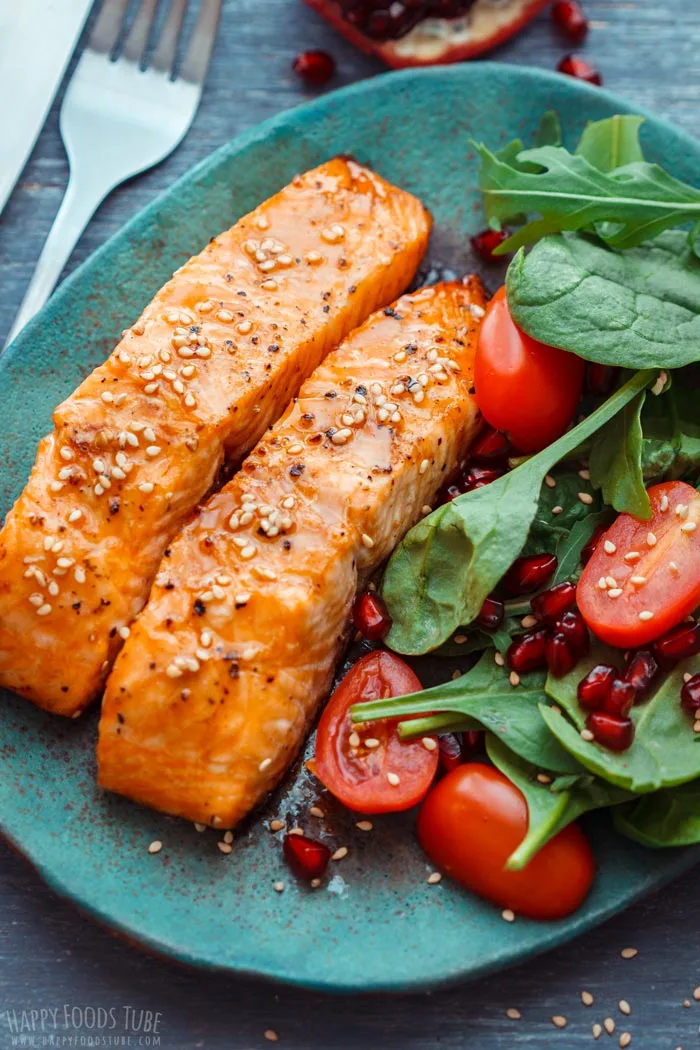
Step 3: Place fillets skin-side down in a single layer. This is critical. No overlapping, no stacking. Each fillet needs direct exposure to the circulating air.
If your basket is too small for all your fillets at once, cook in batches. Crowding drops the temperature and steams the fish instead of crisping it.
Step 4: Cook at 380°F for 8 to 10 minutes. For a standard 1-inch thick fillet, this is the sweet spot. Thinner fillets (3/4 inch) may be done in 7 minutes. Thicker cuts (1.5 inches) can take 11 to 12 minutes.
Don't flip the salmon. Skin-side down the whole time gives you the best texture.
Step 5: Check the internal temperature. The FDA safe minimum for fish is 145°F. Insert an instant-read thermometer into the thickest part of the fillet. At 145°F, the salmon should flake easily with a fork and look opaque throughout.
If it's not there yet, add 1 to 2 minutes and check again.
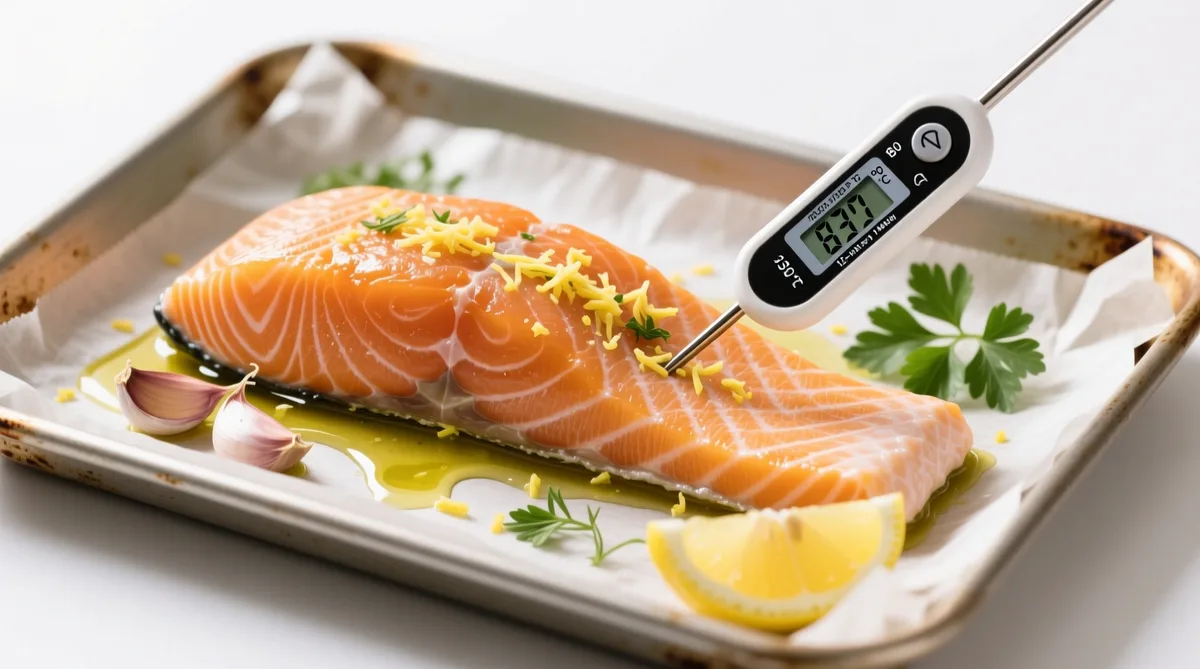
Step 6: Let it rest for 1 to 2 minutes. Resting lets the juices redistribute so the salmon stays moist when you slice or flake it. Don't skip this, even though it's tempting to rush straight to assembly.
Step 7: Flake or serve whole. For a bowl, you can either place the whole fillet on top of the rice or break it into large chunks. Both work. Chunks mix better with the toppings.
A whole fillet looks more impressive.
If you're wondering whether your specific air fryer model handles this well, our research on the Instant Vortex air fryer found it delivers consistent results for proteins like salmon, especially the larger basket sizes.
Building the Bowl — Rice, Toppings, and Sauces
The salmon is the star, but the bowl is where you make it yours. A great salmon bowl has contrast: warm and cool, creamy and crunchy, savory and bright.
Start with the rice base. Warm jasmine or sushi rice is the classic choice. Brown rice works if you want more fiber.
Spread about 1 cup in the bottom of each bowl. If you meal prep, store rice separately and reheat it before assembly so it doesn't get gummy.
Add the salmon. Place the whole fillet or flaked chunks on one side of the bowl. Keeping it slightly off to the side makes the bowl look intentional and gives each topping its own space.
Layer the toppings. This is where you build texture and flavor. Here's a combination that works beautifully:
- Sliced avocado (creamy, rich)
- Shelled edamame (protein, slight crunch)
- Thinly sliced cucumber (fresh, cooling)
- Pickled ginger (tangy, cuts through the richness)
- Shredded nori or seaweed strips (salty, umami)
- Sesame seeds (nutty, visual appeal)
- Sliced green onion (sharp, fresh)
Drizzle the sauce. A simple soy-honey-sriracha mix takes 30 seconds to whisk together and ties everything together. Drizzle it over the salmon and toppings, not directly on the rice, so it doesn't get absorbed and disappear.
Optional extras that work well:
- A squeeze of fresh lemon or lime
- A dollop of spicy mayo (mayo plus sriracha)
- Furikake seasoning on the rice
- Pickled red onion
- Mango slices for sweetness
- Crispy shallots for crunch
The key is balance. Pick two or three toppings max so the bowl doesn't become a jumbled mess. Each element should have a clear role.
If cleanup after cooking is a concern, you might want to check whether your air fryer is dishwasher safe. It makes the post-dinner routine a lot easier, especially on weeknights.
Teriyaki and Miso Glaze Variations That Actually Work in an Air Fryer
A good glaze takes a salmon bowl from simple to memorable. But air fryers and glazes need careful handling. Too much sugar too early and you'll burn the outside before the salmon cooks through.
Teriyaki glaze:
Mix 2 tablespoons soy sauce, 1 tablespoon honey, 1 teaspoon rice vinegar, and 1 minced garlic clove. Brush this onto the salmon during the last 2 minutes of cooking. Applying it earlier risks burning the honey.
The glaze caramelizes quickly in the high heat, giving you a sticky, glossy finish.
Miso glaze:
Whisk 1 tablespoon white miso paste, 1 teaspoon mirin, 1 teaspoon soy sauce, and 1 teaspoon sesame oil. Same rule, apply in the final 2 minutes. Miso has a deeper, more savory flavor than teriyaki.
It pairs especially well with edamame and pickled ginger.
Important glaze rules for air fryers:
- Never apply a sugar-based glaze at the start of cooking
- Use a light hand, a thin coat is all you need
- If your air fryer runs hot (some models hit 420°F on a 400°F setting), reduce the temperature by 10°F when using glaze
- Watch the last 2 minutes closely. Glazes go from caramelized to burnt fast
Dry rub alternative:
If you want to skip glazes entirely, a dry rub of brown sugar, smoked paprika, garlic powder, salt, and pepper creates a crust that's hard to beat. Apply it before cooking and let the air fryer do the work. This method is more forgiving since there's no sugar-heavy sauce to burn.
Both glaze styles work well for meal prep too. You can cook the salmon plain, store it, and add the glaze when you reheat. That keeps the texture better than reheating an already-glazed fillet.
Air Fryer Salmon vs. Oven, Grill, and Pan — Which Is Best?
Each cooking method produces a noticeably different result. The right choice depends on your priorities: speed, texture, flavor, or convenience.
Air fryer wins on speed and convenience. An air fryer preheats in 2 to 3 minutes and cooks salmon in 8 to 12 minutes. There's no need to heat a full oven for a single fillet. Cleanup is easier too, especially with a parchment liner.
The circulating hot air creates a lightly crispy exterior that's hard to get in a standard oven.
Oven baking is better for large batches. If you're cooking salmon for four or more people, a sheet pan in a 400°F oven handles it more efficiently. Oven-baked salmon cooks in 12 to 15 minutes but lacks the air fryer's concentrated browning. The texture is more uniform, less crispy on the outside.
Pan-searing gives the best crust. A hot cast-iron skillet with a thin layer of oil produces the most caramelized, golden-brown exterior of any method. The downside is the splatter, the smoke, and the attention it demands. You need to watch it constantly and flip at the right moment.
It's a 6 to 8 minute cook but requires your full focus.
Grilling adds smoky flavor you can't replicate indoors. A grill imparts char and depth that air fryers and ovens simply can't match. But it's weather-dependent, takes longer to set up, and salmon can easily stick to the grates. For a weeknight bowl, it's usually more effort than it's worth.
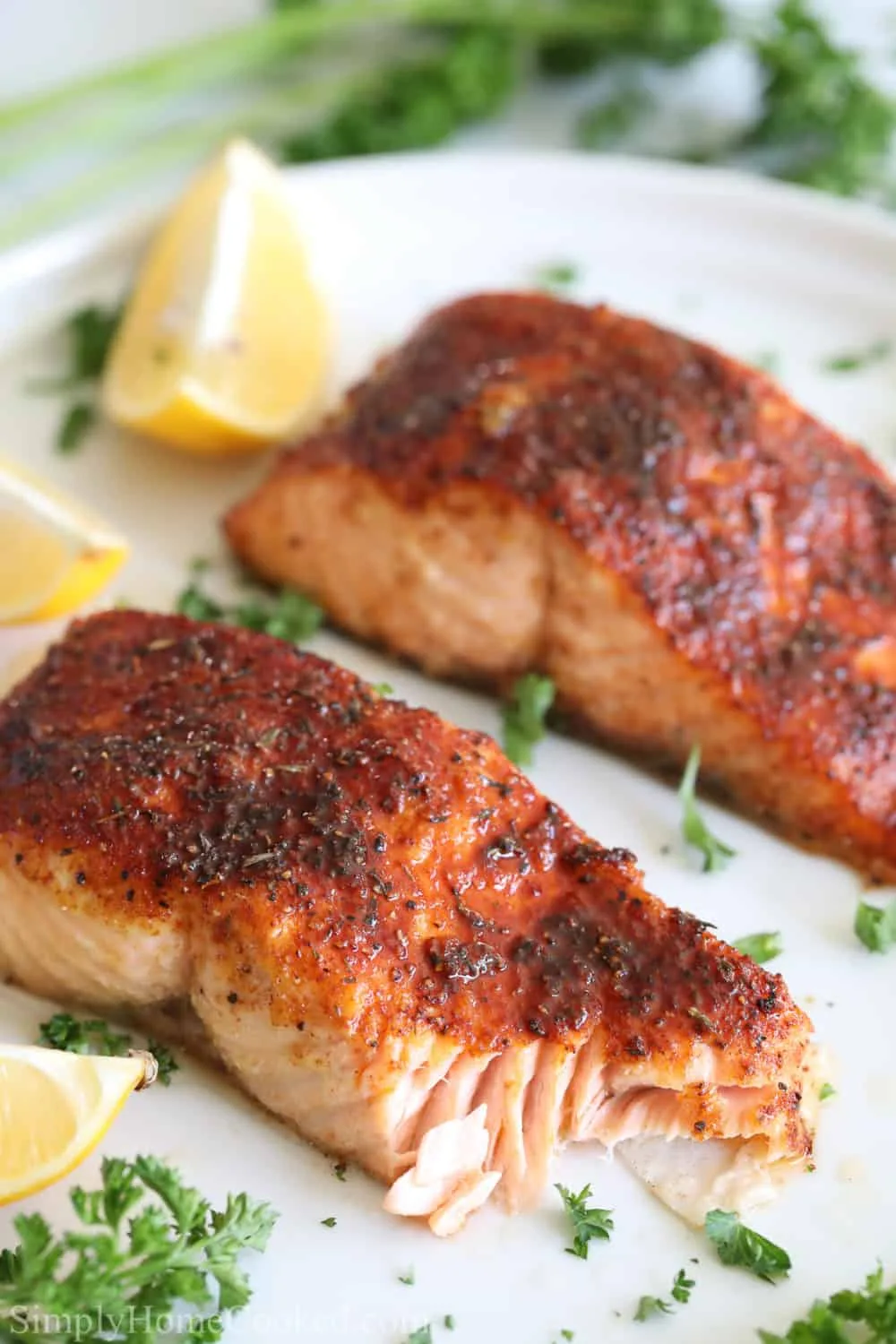
Quick comparison:
| Method | Cook Time | Preheat | Crispy Exterior | Best For |
|---|---|---|---|---|
| Air fryer | 8 to 12 min | 2 to 3 min | Good | Weeknight bowls, small batches |
| Oven | 12 to 15 min | 8 to 10 min | Moderate | Cooking for a crowd |
| Pan-sear | 6 to 8 min | 3 to 5 min | Best | Restaurant-style crust |
| Grill | 8 to 12 min | 10 to 15 min | Good | Smoky flavor, outdoor cooking |
For a salmon bowl specifically, the air fryer hits the sweet spot. You get solid texture, minimal hands-on time, and the salmon is ready before your rice finishes steaming. If you're feeding a big family, a 9 quart air fryer for a big family gives you enough basket space to cook multiple fillets without batch cooking.
Common Mistakes That Ruin Air Fryer Salmon (And How to Avoid Them)
Most air fryer salmon problems come down to a few repeatable errors. Here's what goes wrong and how to fix it.
Overcooking is the number one issue. Salmon goes from perfect to dry in about 2 minutes. At 380°F, a 1-inch fillet is done around 8 to 10 minutes. Set a timer.
Don't walk away and hope you'll remember. An instant-read thermometer removes all guesswork. Pull it at 145°F and you're safe.
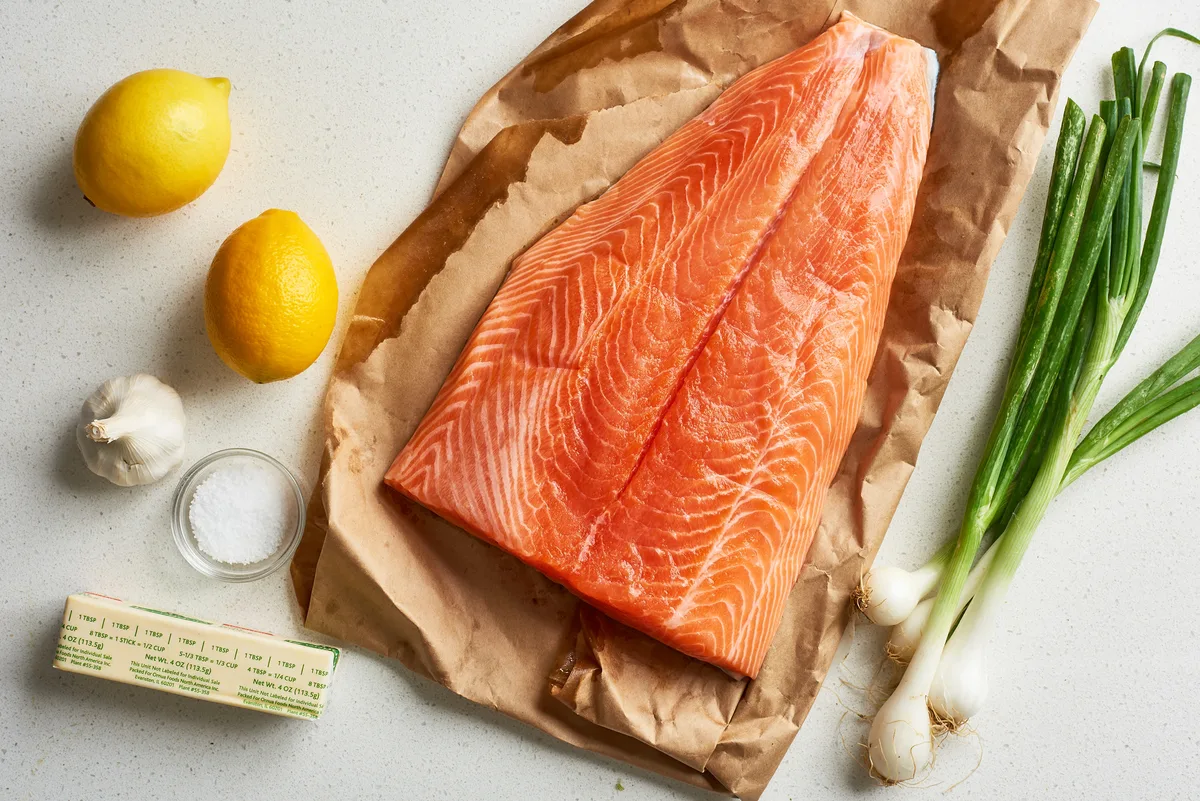
Skipping the preheat leads to uneven cooking. A cold basket means the salmon starts steaming instead of searing. Those first 2 to 3 minutes of preheat make a real difference in texture. If your model doesn't have a preheat setting, just run it at temperature for a few minutes before adding the fish.
Overcrowding the basket is a silent killer. When fillets overlap or touch, air can't circulate properly. The result is steamed, pale salmon with no crust. Give each fillet at least an inch of space on all sides.
If your basket is too small, cook in two batches. It's worth the extra few minutes.
Not patting the salmon dry before cooking. Surface moisture creates steam against the fillet, which prevents browning and can make the exterior rubbery. Thirty seconds with paper towels solves this completely.
Applying glaze too early. Sugar-based glazes like teriyaki burn fast in an air fryer's intense heat. If you want a glazed finish, brush it on during the last 2 minutes only. For a dry rub, apply it before cooking and you won't have this problem.
Cooking frozen salmon without adjusting the time. You can cook salmon from frozen in an air fryer, but it needs about 50% more time, roughly 14 to 16 minutes at 380°F. The texture won't be quite as good as thawed salmon, but it works in a pinch. Thawing in the fridge overnight gives noticeably better results.
Forgetting to check for pin bones. This isn't a cooking mistake, but it's a painful one. Run your fingers along each fillet before seasoning. Pull any bones out with tweezers.
Your dinner guests will thank you.
If you're looking for an air fryer that makes cleanup easier after a messy cook, check our guide on the best 8 qt air fryer easy to clean. A non-stick basket and dishwasher-safe parts save real time.
How to Meal Prep Salmon Bowls for the Whole Week
Air fryer salmon bowls are one of the best meal prep options because the components hold up well and assembly takes under 5 minutes.
Cook the salmon in batches. A standard 5 qt air fryer fits 2 to 3 fillets at once. For a full week of lunches, cook all your salmon in one session. Let it cool completely before storing.
Keep the fillets whole rather than flaking them. They retain moisture better.
Store components separately. This is the key to avoiding soggy, sad-looking bowls on day four. Keep rice in one container, salmon in another, and toppings in a third. Assemble the morning you plan to eat it, not on Sunday night.
Use the right containers. Divided containers with tight lids work best. Glass containers don't absorb odors the way plastic does. If you're packing for work, a container with a separate small compartment for sauce keeps everything from getting soggy.
Reheat the salmon gently. Microwave on 50% power for 60 to 90 seconds. You want it warm, not piping hot. Overheating dries out prepped salmon fast.
The air fryer also works for reheating. Two to 3 minutes at 320°F brings it back to life without overcooking.
Rice storage tips. Cooked rice keeps in the fridge for 4 to 5 days. Spread it on a tray to cool quickly before refrigerating. Per the USDA Food Safety and Inspection Service, you should refrigerate cooked rice within 1 hour of cooking to prevent bacterial growth.
When reheating, sprinkle a teaspoon of water over the rice and cover it so it steams back to life.
Prep toppings in advance. Slice cucumbers, chop green onions, and portion out edamame on Sunday. Store each in its own small container or bag. Avocado should be sliced fresh each day.
You can also freeze avocado slices and thaw them the morning of.
Sauce on the side, always. Store sauce in a small separate container or even a reusable condiment cup. Pouring it over the bowl hours early turns everything mushy.
If you're meal prepping for a family, a dual basket air fryer lets you cook salmon in one basket and roast vegetables in the other at the same time. It cuts your prep session in half.
Expert Tips for Better Texture, Flavor, and Consistency
These are the small adjustments that take air fryer salmon from good to something you'd actually pay for.
Use skin-on fillets when possible. The skin acts as a natural barrier between the fish and the basket. It crisps up beautifully in the air fryer and peels away easily after cooking. If you buy skinless, the flesh-side-down approach works but needs a well-oiled basket to prevent sticking.
Lightly oil the basket even if you're using parchment. A quick spritz of cooking spray on the basket before adding the liner gives you extra insurance against sticking. It also helps heat transfer for a better sear on the bottom.
Don't skip the salt. Salt does more than add flavor. It draws out surface moisture through osmosis, which means a drier fillet going in and better browning coming out. Season at least 10 minutes before cooking so the salt has time to work.
Try the cold start method for thicker fillets. If your salmon is 1.5 inches or thicker, place it in a cold air fryer and then set the temperature to 370°F. The gradual heat rise gives the center time to cook before the exterior overcooks. Total time will be around 14 minutes.
Use a thermometer every time until you learn your air fryer. Every model runs slightly different. Some hit 410°F when set to 400°F. Others have hot spots near the back.
An instant-read thermometer takes the guesswork out. Once you know how your specific model behaves, you can cook by sight and time.
Let the salmon rest before flaking. One to 2 minutes on a cutting board lets the proteins relax and the moisture redistribute. Cut into it immediately and all the juices run out onto the board instead of staying in the fish.
Add a squeeze of citrus right before serving. Lemon or lime juice brightens everything up and cuts through the richness of the salmon and avocado. It's a small step that makes the whole bowl taste fresher.
Rotate the basket halfway through if your air fryer has hot spots. Some models cook faster near the back. A quick shake or rotation at the halfway mark ensures even browning. This matters more for larger fillets.
For those comparing air fryer brands, our analysis of Instant Pot vs air fryer found that dedicated air fryers consistently outperform combo units for proteins like salmon, mainly because of better airflow design.
Safety Notes — Don't Skip These
Cooking fish safely is straightforward, but the details matter. A few simple habits keep your salmon bowls from becoming a food safety problem.
Always cook salmon to 145°F internal temperature. This is the FDA's recommended safe minimum for fish. At this temperature, harmful bacteria are destroyed. An instant-read thermometer is the only reliable way to confirm this.
Visual cues help, but they're not foolproof.
Don't leave raw salmon at room temperature for more than 2 hours. Bacteria multiply rapidly between 40°F and 140°F, the range the USDA calls the danger zone. Get the salmon back in the fridge if you're not cooking it within that window.
Never reuse marinade that touched raw fish. If you want to use the marinade as a sauce, boil it first for at least 1 minute to kill any bacteria from the raw salmon. Better yet, set aside a portion before marinating and use that as your finishing sauce.
Thaw frozen salmon in the refrigerator, not on the counter. Room-temperature thawing puts the outer layers in the danger zone while the center is still frozen. Overnight in the fridge is the safest method. In a pinch, the cold water submersion method works: sealed bag, cold water, change every 15 minutes.
Use separate cutting boards for raw fish and ready-to-eat toppings. Cross-contamination is one of the most common kitchen mistakes. Keep your cucumber and avocado prep away from where you handle raw salmon. Wash hands thoroughly with soap after touching raw fish.
Store leftovers within 1 hour of cooking. Cooked salmon keeps in the fridge for 3 to 4 days. If you're meal prepping, let the salmon cool to room temperature before refrigerating, but don't leave it out longer than an hour.
Parchment paper safety. If you use parchment liners in the air fryer, make sure they're perforated for airflow and weighted down by the food. A loose liner can blow into the heating element and cause a fire. Never use regular parchment without holes.
It blocks circulation and creates a hazard.
For more on safe air fryer use and whether doctors recommend air fryers as a healthier cooking method, we covered the research in a separate article.
Frequently Asked Questions
Can I use frozen salmon in the air fryer?
Yes, but increase the cook time to about 14 to 16 minutes at 380°F. The texture won't be quite as tender as thawed salmon. For the best results, thaw the fillets overnight in the refrigerator before cooking.
What temperature should I set my air fryer for salmon?
380°F is the sweet spot for most air fryers. It's hot enough to create a lightly crisped exterior without drying out the center. If your model runs hot, drop to 370°F.
Always check for doneness at 145°F internal temperature.
How do I keep salmon from sticking to the air fryer basket?
Pat the fillets dry, brush the basket lightly with oil, or use a perforated parchment liner. Skin-on fillets also stick less since the skin acts as a barrier between the flesh and the basket.
How long does air fryer salmon last in the fridge?
Cooked salmon keeps for 3 to 4 days in an airtight container in the refrigerator. Store it separately from rice and toppings to keep everything fresh for meal prep. Reheat gently at 50% microwave power for 60 to 90 seconds.
What rice works best for salmon bowls?
Jasmine rice and sushi rice are the top choices. They're slightly sticky, which helps the bowl hold together. Brown rice works if you want more fiber and a nuttier flavor.
Avoid overcooking the rice. Mushy rice ruins the bowl texture.
Can I cook other fish the same way in an air fryer?
Absolutely. Cod, tilapia, and trout all work well at similar temperatures. Thinner fillets like tilapia need less time, about 6 to 8 minutes.
Adjust based on thickness and always check the internal temperature reaches 145°F.
Final Thoughts — The Easiest Way to Nail a Salmon Bowl at Home
A salmon bowl recipe air fryer method is one of the most reliable weeknight meals you can master. The whole process takes about 20 minutes start to finish. The salmon cooks in under 12 minutes with almost no hands-on time.
The key points are simple: pat the fillets dry, preheat the basket, don't overcrowd, and pull the salmon at 145°F. Everything else, the toppings, the sauce, the rice, is flexible and easy to customize.
Once you've got the air fryer salmon technique down, you'll find yourself making these bowls on repeat. It's fast enough for a Tuesday night and good enough to serve to guests. That's a rare combination.