
A good sesame chicken recipe air fryer gives you that sticky, glossy takeout flavor without the grease, the mess, or the $15 delivery fee. Boneless chicken pieces get a light cornstarch coating, hit hot circulating air at 380°F to 400°F for roughly 10 to 14 minutes, and come out genuinely crispy. You toss them in a quick homemade sauce right at the end.
Air frying cuts oil use by roughly 80 to 90 percent compared to deep frying. You're looking at around 300 to 400 calories per serving instead of the 600 to 800 you'd get from the traditional version. Whether you're cooking for a weeknight dinner or meal prepping for the week, this method is fast, consistent, and way easier than heating up a pot of oil.
Let's break down exactly how to nail it.
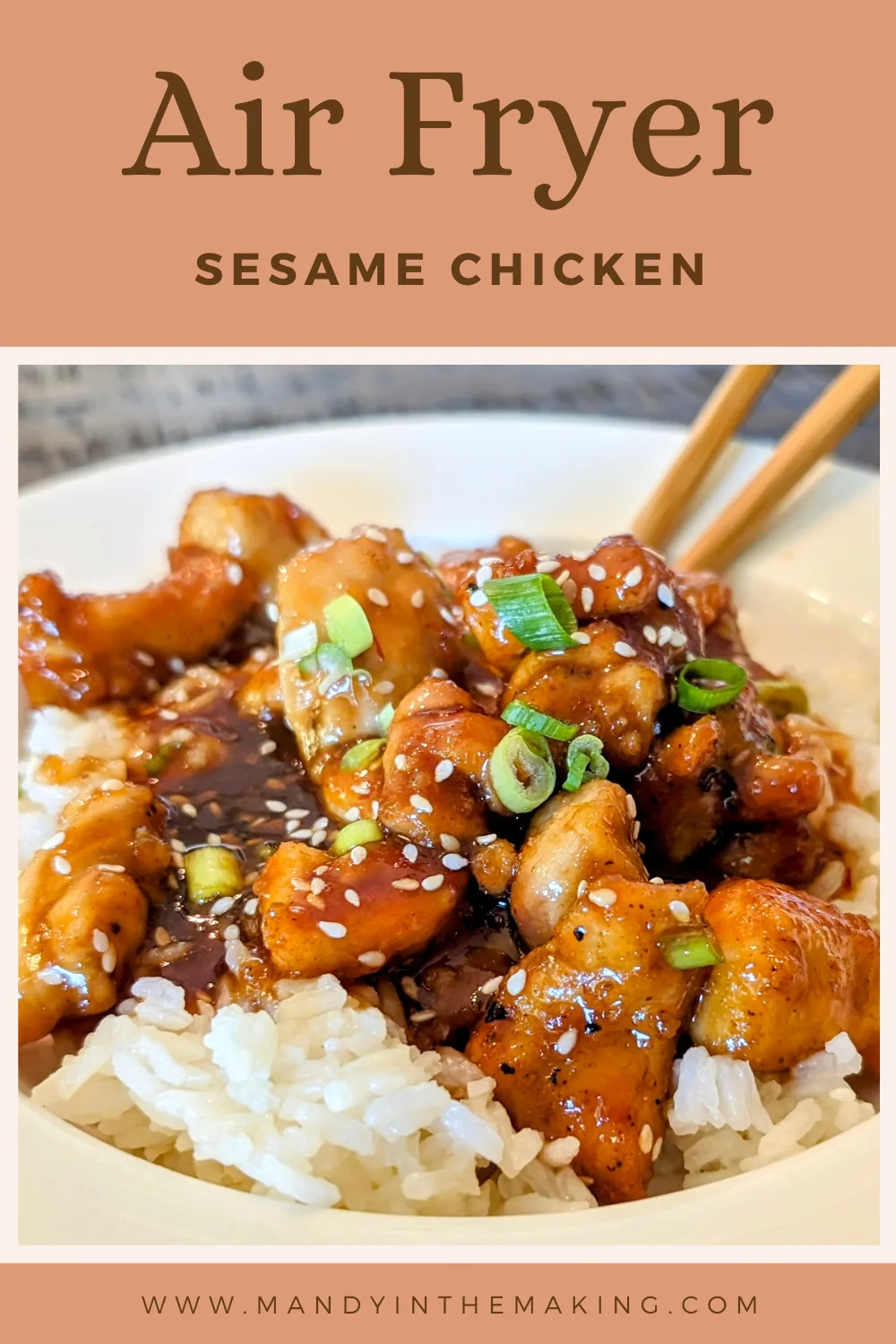
Image source: Bing (Web (fair-use with source credit))
Quick Answer
Sesame chicken in the air fryer takes about 10 to 14 minutes at 380°F to 400°F using boneless, skinless chicken coated in a flour-cornstarch blend.
Cut chicken into even 1-inch pieces for consistent cooking.
Toss cooked chicken in a homemade sauce made from soy sauce, honey, garlic, and a cornstarch slurry.
Garnish with toasted sesame seeds and sliced green onions before serving.
What You'll Need — Ingredients and Equipment
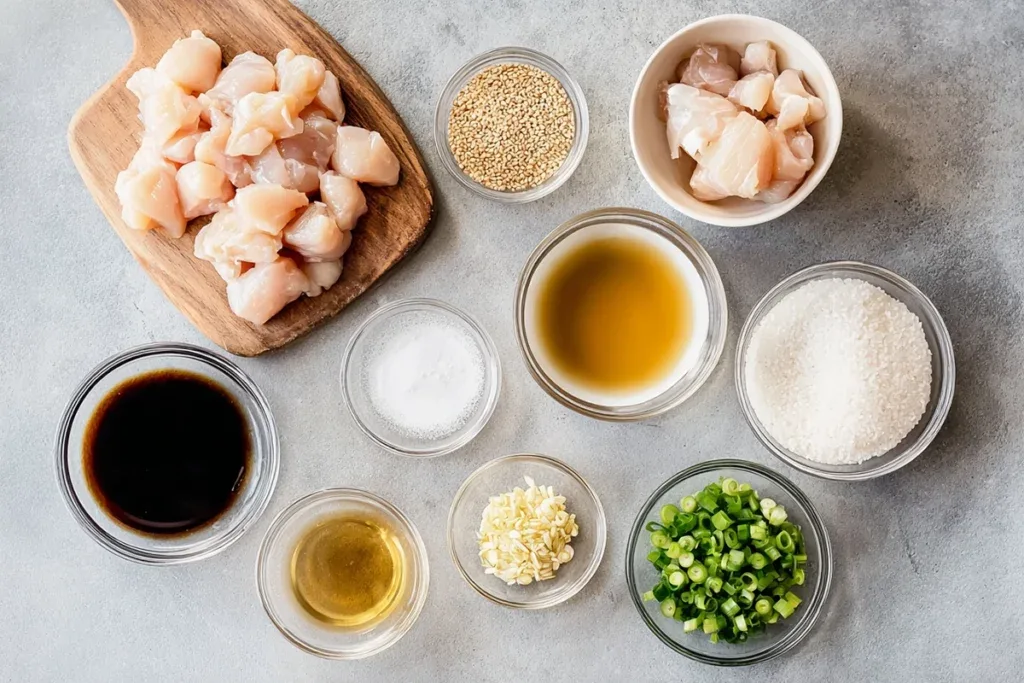
The ingredient list is short and pantry-friendly. You probably already have half of this at home.
For the chicken and coating:
- 1 lb boneless, skinless chicken thighs or breasts
- 1 large egg, beaten
- 1/2 cup all-purpose flour
- 1/4 cup cornstarch
- 1 tablespoon soy sauce for the marinade
- 1 teaspoon rice vinegar
- 2 cloves garlic, minced
- Salt and black pepper
For the sauce:
- 3 tablespoons soy sauce
- 2 tablespoons honey or brown sugar
- 1 tablespoon rice vinegar
- 1 clove garlic, minced
- 1 teaspoon cornstarch mixed with 1 tablespoon water, the slurry
- 1 teaspoon toasted sesame oil
For garnish:
- 1 tablespoon toasted sesame seeds
- 2 green onions, thinly sliced
- Optional: red pepper flakes or sriracha for heat
Equipment:
- Air fryer, 5 qt or larger works best
- Instant-read thermometer
- Small saucepan
- Mixing bowls
- Cooking oil spray, avocado or canola
If you're working with a smaller 3 qt model, you'll need to cook in two batches. Overcrowding turns a crispy recipe into a soggy one every single time.
How to Prep the Chicken for Maximum Crispiness
Prep is where most people cut corners, and it shows in the final result. Dry chicken and even sizing are non-negotiable.
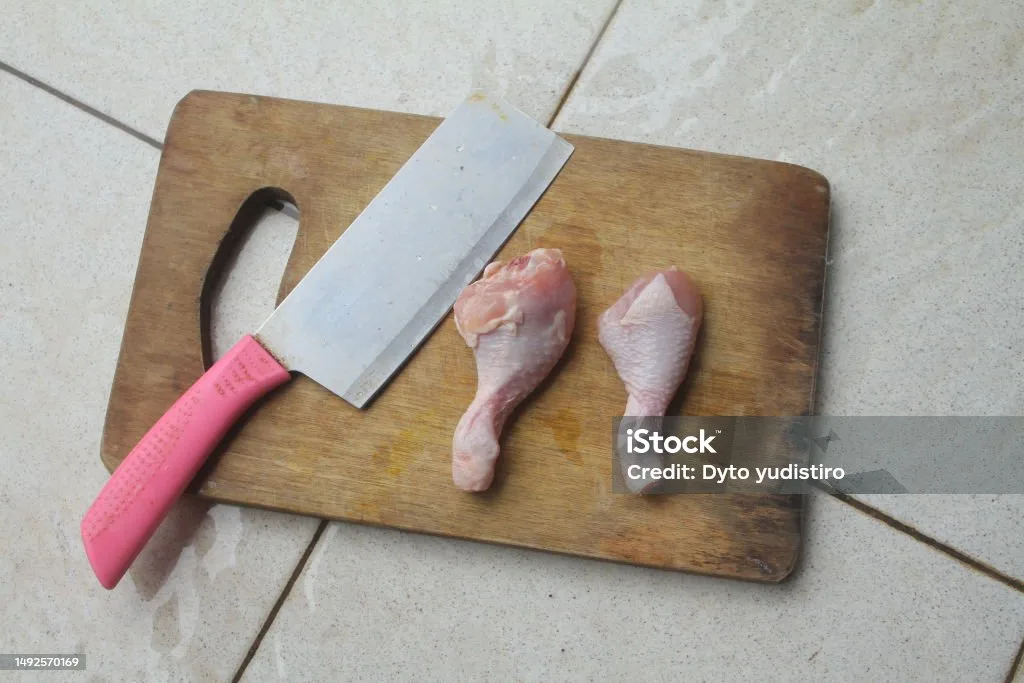
Cut uniform pieces. Slice the chicken into 1-inch chunks. Thighs are more forgiving than breasts because the higher fat content keeps them juicy even if you overshoot the cook time by a minute. If you're using breasts, trim off any tendons or uneven flaps so everything cooks at the same rate.
Pat everything dry. Use paper towels to blot the chicken pieces until they're as dry as possible. Moisture is the enemy of a crispy coating. This single step makes a bigger difference than any ingredient swap.
Quick marinate. Toss the chicken with soy sauce, rice vinegar, minced garlic, and a pinch of pepper. Let it sit for at least 15 minutes at room temperature, or up to 8 hours in the fridge. You don't need a long soak since the sauce carries most of the flavor.
Set up your dredge station. Beat one egg in a shallow bowl. In a second bowl, mix the flour and cornstarch with a pinch of salt. The cornstarch is what gives you that shatteringly crisp texture.
Flour alone gives you a softer, bread-like coating. The blend gives you the best of both.
The Coating Mixture That Actually Sticks
A coating that flakes off halfway through cooking is the most common complaint with air fryer chicken. Here's how to lock it in.
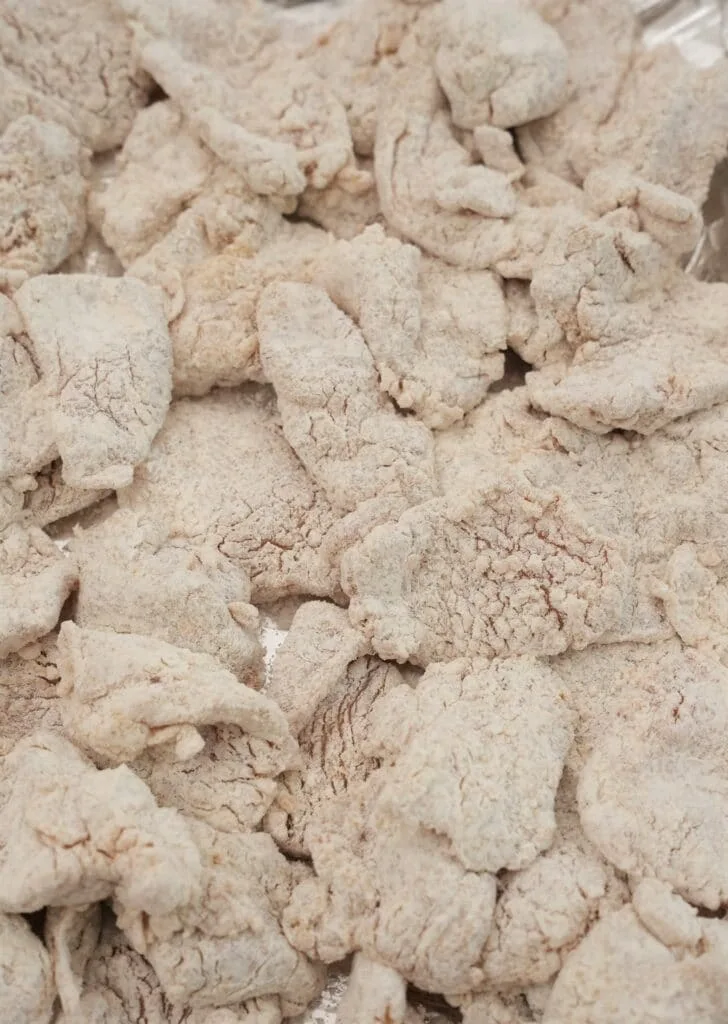
Dip each chicken piece into the beaten egg and let the excess drip off. Press it firmly into the flour-cornstarch mixture. Shake off the loose excess, but don't be gentle about the initial press.
You want the coating to adhere to every surface.
Once all pieces are coated, let them rest on a plate for about 5 minutes. This brief rest lets the coating hydrate slightly and bond to the chicken. Skip this and the coating is more likely to blow off in the air fryer's fan.
Give each piece a light spray of oil right before it goes into the basket. This isn't optional. The oil triggers the Maillard reaction and gives you golden, crispy results instead of dry, pale chicken.
Coating ratio for 1 lb chicken:
| Ingredient | Amount |
|---|---|
| All-purpose flour | 1/2 cup |
| Cornstarch | 1/4 cup |
| Egg, beaten | 1 large |
| Salt | 1/4 teaspoon |
For a gluten-free version, swap the all-purpose flour for rice flour and use tamari instead of soy sauce. The texture is slightly different but still works well.
Step-by-Step Cooking Instructions
The whole cook cycle takes about 12 to 15 minutes depending on your air fryer's wattage and the size of your chicken pieces.
Step 1: Preheat the air fryer. Set it to 380°F and let it run for 3 to 5 minutes. A hot basket from the start means the coating begins crisping immediately instead of steaming.
Step 2: Arrange in a single layer. Place coated chicken pieces in the basket with space between each one. No stacking, no overlapping. Air needs to circulate around every piece.
If your basket is small, cook in two batches.
Step 3: First cook. Air fry at 380°F for 5 minutes. Open the basket, flip or shake each piece, and cook for another 5 to 7 minutes. The total cook time lands around 10 to 12 minutes for most models.
Step 4: Check the temperature. Use an instant-read thermometer on the thickest piece. You're looking for 165°F minimum, per USDA Food Safety and Inspection Service guidelines. If you're at 160°F, give it one more minute.
Carryover heat will push it the rest of the way.
Step 5: Sauce and finish. While the chicken cooks, make the sauce. Once the chicken hits 165°F, toss it in the warm sauce. Optionally return it to the air fryer for 1 to 2 minutes at 400°F to set the glaze.
This step gives you that sticky, caramelized finish.
Step 6: Garnish and serve. Top with toasted sesame seeds and sliced green onions. Serve over steamed white rice, fried rice, or with steamed broccoli on the side.
Cook time reference by air fryer wattage:
| Wattage | Estimated Cook Time | Notes |
|---|---|---|
| 1400W | 12 to 14 min | May need extra 1 to 2 min |
| 1500W | 11 to 13 min | Most common range |
| 1700W | 10 to 12 min | Check early to avoid overcooking |
| 1800W | 9 to 11 min | Highest heat, fastest results |
If you're using a larger-capacity model, a 9 qt air fryer handles the full pound in a single layer without crowding. That's a real advantage for this recipe.
How to Make the Sauce From Scratch
The sauce is what separates air fryer chicken with sauce from actual sesame chicken. It's a 5-minute process and you control every variable.
Ingredients:
- 3 tablespoons soy sauce
- 2 tablespoons honey or brown sugar
- 1 tablespoon rice vinegar
- 1 clove garlic, minced
- 1 teaspoon cornstarch plus 1 tablespoon cold water, the slurry
- 1 teaspoon toasted sesame oil
Method:
- Combine soy sauce, honey, rice vinegar, and garlic in a small saucepan over medium heat.
- Stir until the honey dissolves and the mixture starts to bubble gently, about 1 to 2 minutes.
- Give the cornstarch slurry a stir and pour it into the saucepan while stirring constantly.
- Cook for 1 to 2 minutes until the sauce thickens enough to coat the back of a spoon.
- Remove from heat and stir in the toasted sesame oil.
The sauce should be glossy and thick but still pourable. If it's too thin, add another half-teaspoon of cornstarch slurry and cook for 30 more seconds. If it's too thick, splash in a teaspoon of water and stir.
Add the toasted sesame oil off heat. Toasted sesame oil has a low smoke point and burns easily. It's a finishing oil, not a cooking oil.
You want its nutty aroma intact.
This recipe makes enough sauce for 1 lb of chicken. Double it if you like things extra saucy or if you're cooking for four or more people.
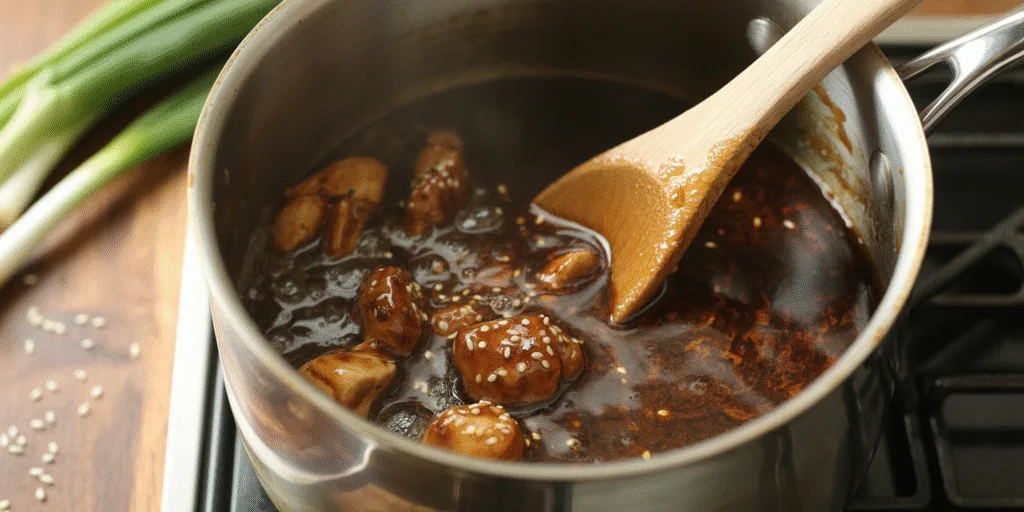
Sauce Too Thin or Too Thick? Here's How to Fix It
Sauce consistency is the make-or-break moment. Too thin and it pools at the bottom of the plate. Too thick and it turns into a gloppy paste that coats unevenly.
If your sauce is too thin: Return the saucepan to medium heat. Mix 1/2 teaspoon of cornstarch with 1 tablespoon of cold water, stir it in, and cook for 30 to 60 seconds. The sauce should thicken quickly.
Don't dump dry cornstarch straight into the hot sauce. It'll clump instantly.
If your sauce is too thick: Add water or soy sauce one teaspoon at a time, stirring between each addition. Warm the pan gently if the sauce has already cooled and set. A sauce that looks too thick in the pan often loosens once it hits the hot chicken.
The spoon test: Dip a spoon into the sauce and run your finger across the back. If the line holds without running, you're in the right zone. If it fills back in immediately, keep cooking.
If it doesn't move at all, add liquid.
Chicken Breast vs. Thigh — Which Works Better in the Air Fryer
This comes up every time, and the answer depends on what you value more: convenience or forgiveness.
Chicken thighs win for air fryer sesame chicken. The higher fat content, roughly 8 to 10 grams per 4 ounces versus 1 to 2 grams for breast, means they stay juicy even if you overshoot the cook time by 90 seconds. They're also more flavorful on their own, which matters since the marinade time here is short.
Chicken breast works if you prefer lean meat. It cooks slightly faster and has a milder flavor. The risk is dryness. If you go this route, pull the chicken at 160°F instead of 165°F.
Carryover heat will bring it up, and you'll avoid the cotton-ball texture that happens when breast meat goes past 170°F.
Quick comparison:
| Factor | Thigh | Breast |
|---|---|---|
| Fat content per 4 oz | 8 to 10g | 1 to 2g |
| Forgiveness window | High | Low |
| Flavor | Richer | Milder |
| Best pull temp | 165°F | 160°F |
| Sauce absorption | Moderate | High |
If you're feeding picky eaters or kids, thighs are the safer bet. They're more flavorful, more tender, and more forgiving of timing errors.
Common Mistakes That Ruin Air Fryer Sesame Chicken
Most failures trace back to one of these five issues. Fix these and you're already ahead of most home attempts.
1. Overcrowding the basket. This is the number one killer. When pieces touch or stack, steam gets trapped and the coating turns soggy.
Cook in batches if you have to. A 5 qt air fryer handles about 1 lb of chicken in one layer.
2. Skipping the preheat. A cold basket means the chicken sits in lukewarm air for the first few minutes. The coating softens before it crisps.
Three to five minutes of preheat at 380°F solves this entirely.
3. Adding sesame seeds too early. Toasted sesame seeds burn fast at air fryer temperatures. Add them as a garnish after cooking, not during.
If you want sesame flavor in the coating, use a small amount of sesame oil in the marinade instead.
4. Not using enough oil spray. The air fryer circulates hot air, but it still needs a thin film of oil on the food surface to create crispiness. A light, even coat of avocado or canola oil spray makes a noticeable difference.
5. Overcooking the chicken. Air fryers vary in actual temperature accuracy. Some run 10 to 15 degrees hotter than the display says.
Use an instant-read thermometer and pull at 165°F. The difference between perfect and dry can be 90 seconds.
Bonus mistake: tossing sauce on chicken and letting it sit. Sauce goes on right before serving. If you sauce too early, the coating absorbs the liquid and loses its crunch.
What to Serve With Sesame Chicken
Sesame chicken is a main dish that needs a base and a side. Here's what works best.
Rice is the default. Steamed jasmine white rice is the classic pairing. It's neutral enough to balance the sweet-salty sauce. Fried rice works too if you want more flavor in the base.
Brown rice is a solid option if you're watching glycemic load.
For a low-carb base, try cauliflower rice or shredded cabbage. Both hold up well under the sauce and add texture contrast.
Vegetable sides that work:
- Steamed broccoli, the most common takeout pairing for a reason
- Stir-fried green beans with garlic
- Roasted bok choy
- Cucumber salad with rice vinegar and sesame oil
- Lightly salted edamame
If you're meal prepping, keep the rice and chicken in separate containers. Rice absorbs sauce over time and turns the whole container soggy. Combine them when you're ready to eat.
Meal Prep, Storage, and Reheating Tips
This recipe holds up well for meal prep, but only if you store it right.
Refrigerator storage: Let the chicken cool to room temperature, then store in an airtight container for up to 4 days. Keep the sauce separate if possible.
Freezer storage: Freeze sauced or unsauced chicken in a single layer on a sheet pan first, then transfer to a freezer bag. This prevents clumping. It keeps for up to 2 months.
Thaw overnight in the fridge before reheating.
Reheating method matters. The microwave works in a pinch but makes the coating rubbery. The air fryer is the best reheating method. Set it to 350°F for 3 to 4 minutes and the coating crisps back up almost to its original texture.
An oven at 375°F for 5 to 7 minutes works for larger batches.
Batch cooking tip: If you're prepping for the week, cook the chicken and make the sauce separately. Store both in the fridge. Combine and reheat each day.
This keeps the coating as crispy as possible across multiple meals.
How This Compares to Deep-Fried Takeout Sesame Chicken
Air fryer sesame chicken gets you about 85 to 90 percent of the way to the deep-fried takeout version. The flavor profile is nearly identical when the sauce is right. The texture is close but not a perfect match.
Deep frying submerges chicken in oil at 350°F to 375°F, creating an all-over crunch in about 4 to 6 minutes. Air frying takes 10 to 14 minutes and the crispiness is concentrated on the outer surface. The interior of air-fried chicken tends to be juicier.
Nutritional comparison per 6 oz serving, approximate:
| Metric | Air Fryer | Deep Fried |
|---|---|---|
| Calories | 320 to 380 | 580 to 750 |
| Total fat | 10 to 14g | 28 to 40g |
| Saturated fat | 2 to 3g | 5 to 8g |
| Oil absorbed | 1 to 2 tsp | 2 to 4 tbsp |
The calorie difference is significant if you're eating this regularly. Air frying cuts roughly 250 to 350 calories per serving.
Where takeout still wins: that uniform, heavy crunch from a commercial fryer. Home air fryers can't fully replicate the heat transfer of a full oil bath.
Where air fryer wins: flavor control, cleanup, and not dealing with a quart of used cooking oil. For a weeknight dinner, the tradeoff is worth it for most people.
Customizing the Recipe — Spice, Sweetness, and Swaps
This recipe is a starting point. Once you've got the base method down, small tweaks let you dial it toward your preferences.
For more heat: Add 1 teaspoon of sriracha or gochujang to the sauce. Red pepper flakes work too. Start with less.
You can always add more at the table.
For less sweetness: Cut the honey to 1 tablespoon and increase the rice vinegar by 1 teaspoon. The sauce will be tangier and lighter, closer to a Chinese restaurant style.
For a thicker coating: Double-dip the chicken. Egg wash, flour mix, back into the egg, then flour again. This gives you a heavier, crunchier shell that holds up better under sauce.
Add 2 minutes to the cook time.
Gluten-free swap: Replace all-purpose flour with rice flour and use tamari instead of soy sauce. The coating is slightly less crunchy but still works.
Egg-free option: Skip the egg wash. Brush the chicken lightly with oil before dredging in the flour-cornstarch mix. The coating adheres less firmly but still crisps up.
Vegetarian option: Extra-firm tofu, pressed and cubed, works with the same coating and cook method. Reduce the cook time to 8 to 10 minutes. Cauliflower florets are another solid option at 10 to 12 minutes.
Air Fryer Model Differences and How They Affect Your Results
Not all air fryers perform the same, and the model you're using will shift your results more than any ingredient tweak.
Basket style vs. oven style: Basket-style air fryers concentrate heat in a smaller space and tend to crisp faster. Oven-style models have more even heat distribution but may need an extra 1 to 2 minutes. If you're using an oven-style, rotate the tray halfway through for even browning.
Wattage matters more than size. A 1500W air fryer at 380°F runs hotter than a 1400W model at the same setting. If your chicken is browning too fast on the outside but still underdone inside, drop the temperature to 365°F and add 2 minutes.
Capacity affects batch size. A 3 qt model fits about 8 oz of chicken in a single layer. A 5 qt handles the full pound. An 8 qt or 9 qt model can handle 1.5 to 2 lbs without crowding.
That's the sweet spot if you're cooking for a family of four.
Preheat behavior: Some models have a built-in preheat cycle. Others require you to manually run the empty basket for a few minutes. Either way, don't skip it.
Starting with a hot basket is the single biggest factor in coating crispiness across all models.
Per manufacturer specs, most air fryers have a temperature accuracy variance of plus or minus 10 to 15°F. That's why an instant-read thermometer on the chicken itself is more reliable than trusting the dial.
Allergen Notes and Safety Reminders
Sesame chicken has two major allergens built into the recipe. Keep these in mind if you're cooking for other people.
Sesame is now a top allergen. As of January 2023, the FASTER Act added sesame to the FDA's list of major food allergens. Anyone with a sesame allergy needs to avoid both the seeds and the oil in this recipe.
Soy is the other major allergen. Soy sauce is in both the marinade and the sauce. Coconut aminos is a common substitute for soy-free diets. The flavor is slightly sweeter and less salty, so adjust the honey down by 1 teaspoon if you make the swap.
Raw chicken safety basics:
- Use a separate cutting board for raw chicken
- Wash hands with soap for 20 seconds after handling
- Don't reuse the marinade as sauce unless you boil it for at least 1 minute first
- Clean the air fryer basket thoroughly after each use
Air fryer placement: Keep the unit at least 5 inches from the wall on the back and sides. The rear vent exhausts hot air and needs clearance. Running it too close to cabinets can cause heat damage over time.
Frequently Asked Questions
Can I use frozen chicken in the air fryer for sesame chicken?
You can, but the coating won't stick well to frozen surfaces. Thaw the chicken completely in the fridge overnight and pat it dry before marinating. Cooking frozen chicken also creates excess steam, which works against the crispy coating.
How do I keep the coating from falling off?
Three things: dry the chicken thoroughly before marinating, press the coating firmly into every surface, and let the dredged pieces rest for 5 minutes before cooking. The rest period lets the coating hydrate and bond. Skipping it is the most common reason the flour mix slides off.
What air fryer temperature is best for sesame chicken?
380°F is the sweet spot for most models. It's hot enough to crisp the coating without burning the outside before the inside hits 165°F. If your air fryer runs hot, drop to 365°F and add 1 to 2 minutes.
Can I make the sauce ahead of time?
Yes. The sauce keeps in the fridge for up to 5 days in a sealed container. Reheat it in a saucepan over low heat, adding a teaspoon of water if it's thickened too much in storage.
Is air fryer sesame chicken healthy?
It's significantly healthier than the deep-fried takeout version. You're looking at roughly 320 to 380 calories per serving with 10 to 14 grams of fat, compared to 580 to 750 calories and 28 to 40 grams of fat from deep frying. The sodium content is still notable due to the soy sauce, so use reduced-sodium soy sauce if that's a concern.
How many servings does this recipe make?
One pound of chicken with the full sauce recipe makes 3 to 4 servings. Figure about 5 to 6 oz of cooked chicken per person when served with rice and a vegetable side. Scale everything up and cook in batches for larger groups.
Final Thoughts
A solid sesame chicken recipe air fryer comes down to a few core pieces: uniform cuts, a dry surface, a cornstarch-heavy coating, and a properly thickened sauce added at the very end. Get those right and you'll have something that genuinely satisfies that takeout craving without the oil bucket or the delivery wait.
This recipe takes about 25 minutes from prep to plate. It stores well for meal prep. It scales up easily if you're feeding a crowd.
And it adapts to gluten-free, soy-free, or vegetarian diets with simple swaps.
If you've made air fryer chicken before and it came out soggy or dry, odds are it was one of the common mistakes we covered: overcrowding, skipping the preheat, or overcooking. Fix those three things and the results improve immediately.