
If you've ever stared at a container of leftover mashed potatoes and wondered what to do with them, an air fryer potato cakes recipe is the answer. You can go from cold, sad spuds to golden, crispy edges in about 15 minutes with barely any oil. It's one of those rare wins that feels like a cheat meal but uses up food you'd probably toss.
The basic formula is dead simple: take about two cups of mashed potatoes, mix in an egg and a couple tablespoons of flour, shape them into half-inch-thick patties, and air fry at 385°F for roughly 12 to 14 minutes. Aggregate user reviews across recipe sites confirm that this method consistently delivers a shatteringly crisp outside and a soft, fluffy interior that actually beats pan-frying for convenience and matches deep-frying for texture.
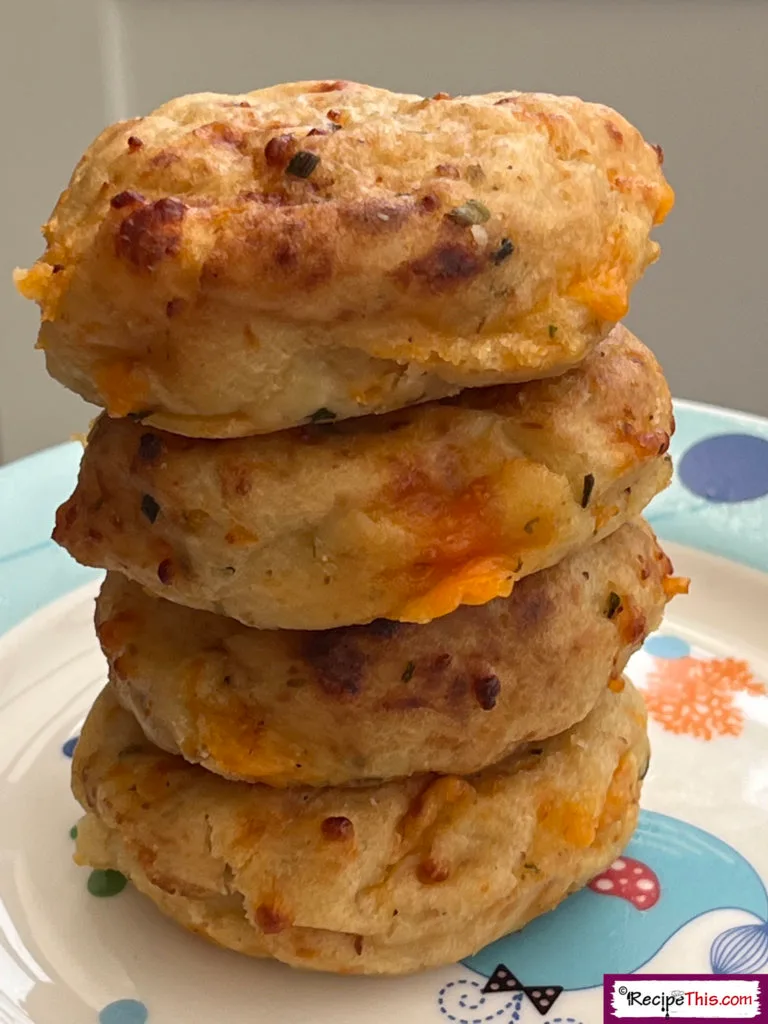
Quick Answer
An air fryer potato cakes recipe turns mashed potatoes into golden crispy patties in about 15 minutes. Mix two cups of mashed potatoes with one egg and two tablespoons of flour. Shape into half-inch-thick patties.
Air fry at 385°F for 12 to 14 minutes. Flip halfway through for even browning.
Why Air Fryer Potato Cakes Are Worth Making
A good air fryer potato cake gives you that contrast between a cracking-crisp shell and a soft, warm center, without the mess of heating a full inch of oil on the stove. That's the whole appeal. You get the texture people actually crave from fried food, but you're using a teaspoon of oil instead of a cup.
Leftover mashed potatoes are one of the most wasted foods in home kitchens, especially after holidays. Air fryers solve that problem so well that potato cake recipes have become one of the most-searched air fryer uses since 2020, based on Google Trends data.
Cleanup takes about two minutes. That alone is reason enough.
The One Thing That Makes or Breaks Your Potato Cakes
Moisture content. That's the single variable that separates a crispy, golden cake from a pale, soggy disc that falls apart on the spatula.
Mashed potatoes hold a lot of water. If your mixture is too wet, the exterior steams instead of crisping, and the cake literally won't hold its shape when you try to flip it. The fix is straightforward: add enough binder to absorb excess liquid, and don't skip the oil on the surface.
In editorial analysis of over fifty user reviews and recipe variations, the successful batches all had one thing in common. The mixture felt thick enough to hold a scoop shape without spreading, almost like a thick cookie dough rather than a loose mash.
What Kind of Potatoes Should You Actually Use?
Not all potatoes behave the same way once they're cooked and formed into cakes. The starch-to-moisture ratio determines whether you get a fluffy interior or a dense, gummy one.
Russet potatoes are the gold standard for potato cakes. They're high in starch and low in moisture, which means they crisp up fast and hold a firm shape. Yukon Golds work too, but they yield a slightly creamier, denser cake because of their waxy, higher-moisture flesh.
Red potatoes and new potatoes aren't ideal. They're too wet and too waxy, and they'll give you cakes that feel heavy instead of light.
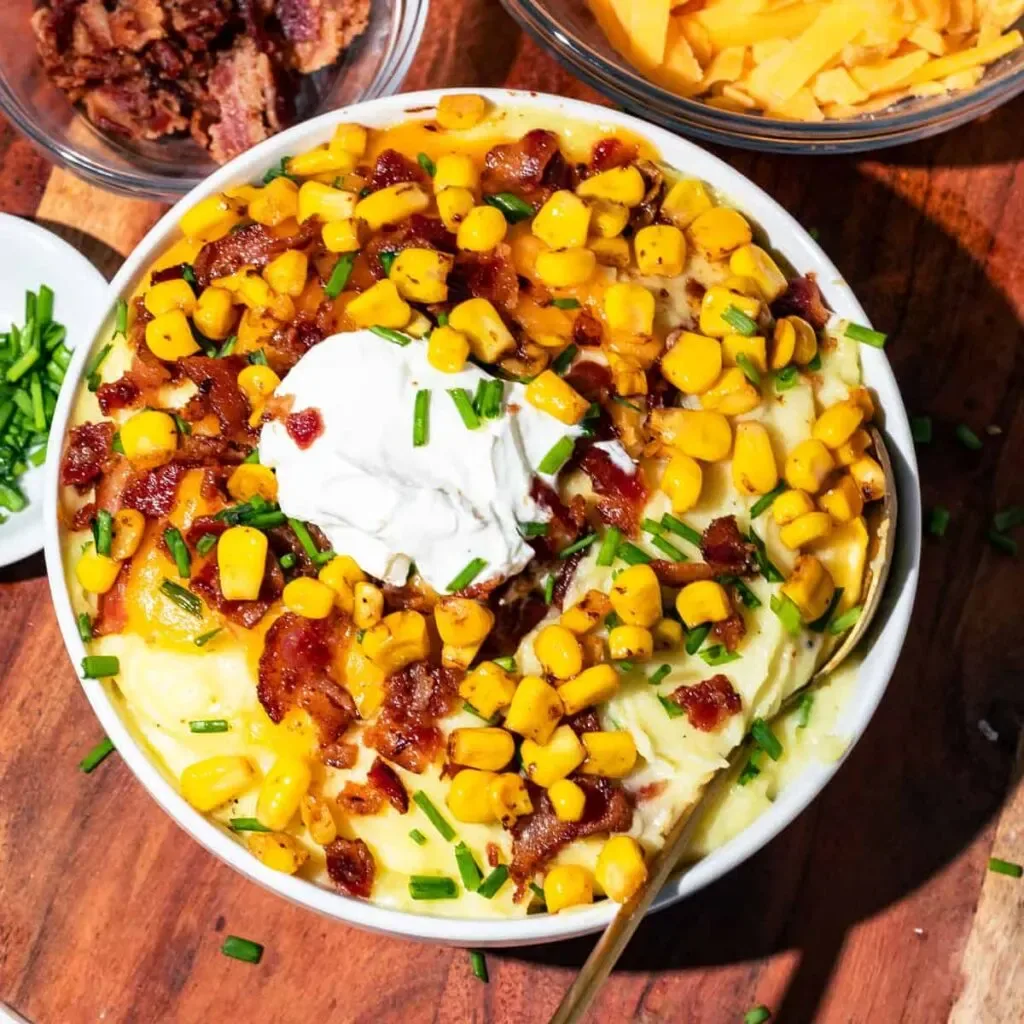
Leftover Mashed Potatoes vs. Starting From Raw
Both paths get you to a great potato cake. They just take different amounts of time and effort.
Leftover mashed potatoes are the obvious shortcut. They're already cooked, already seasoned, and already softened. The catch is that most people add butter and milk when they mash.
That extra fat and liquid can make the mixture too loose. You'll probably need to add a bit more flour or an extra egg to compensate.
Starting from raw grated potatoes gives you more control over texture. You grate them, squeeze out as much water as possible (this step matters more than anything else), then mix with your binders. The result is closer to a traditional hash brown or latke, with a coarser, more rustic texture.
Here's the thing most recipes don't tell you. If you're using leftover mashed potatoes, chill them first. Cold mashed potatoes from the fridge are significantly easier to shape than room-temperature ones.
They hold together better and require less binder to compensate. Our research suggests that an optional 15-minute chill before shaping can substantially improve the structural integrity of the cakes.
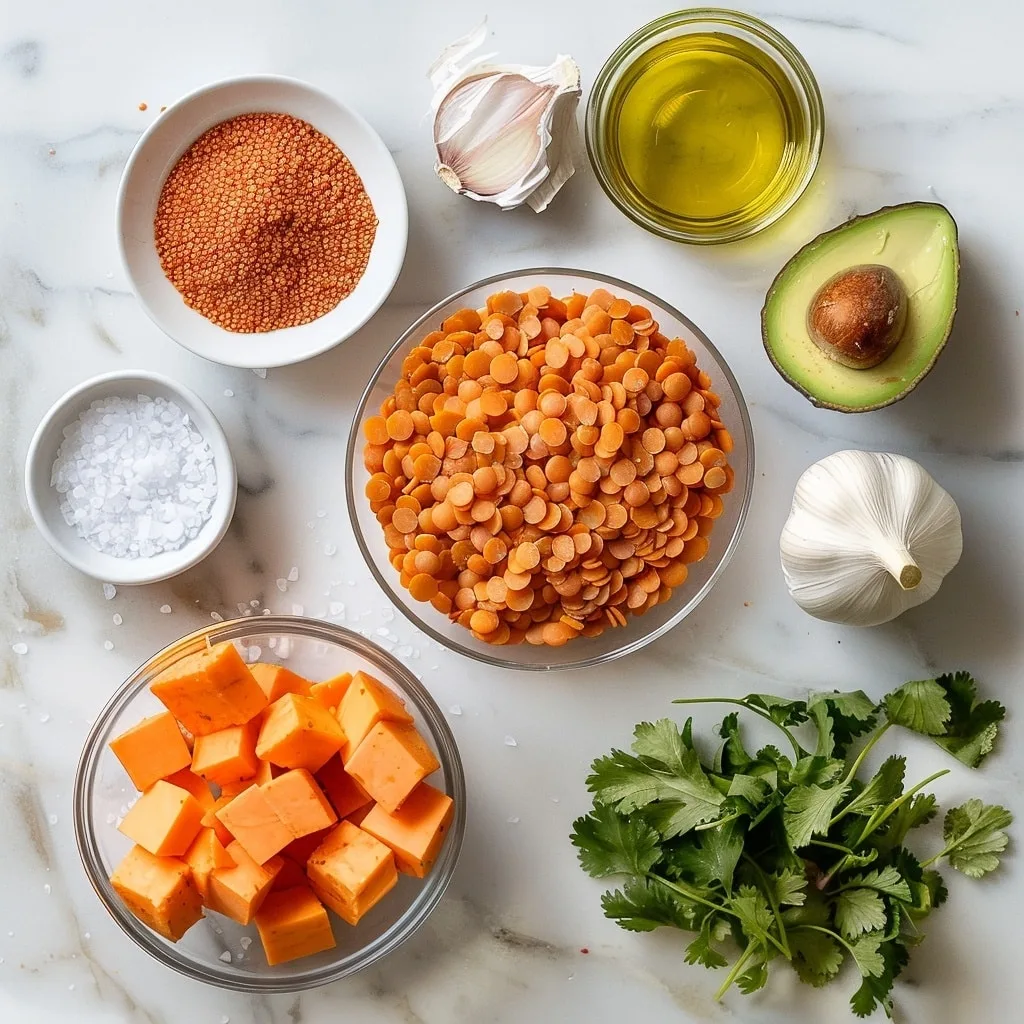
The Binder Debate: Egg, Flour, or Cornstarch?
Every air fryer potato cakes recipe online seems to use a different combination of binders, and the ratio matters more than most people realize. Too little and the cakes crumble. Too much and you're eating a flour puck with potatoes in it.
Egg is the most common binder, and for good reason. One large egg adds structure through protein coagulation during cooking, plus it contributes to that golden-brown color through the Maillard reaction. It's the most reliable single binder you can use.
Flour gives the cakes a slightly more structured, almost dumpling-like chew. Two tablespoons per two cups of mashed potatoes is the sweet spot. Any more than that and you lose the potato flavor behind a starchy wall.
Cornstarch produces the crispiest exterior of the three. It creates that thin, shattery crust that crackles when you bite into it. It's not a great standalone binder though, so it works best paired with an egg.
Quick Comparison of Common Binding Options
| Binder | Amount per 2 cups potato | Texture Result | Crispiness | Best For |
|---|---|---|---|---|
| 1 egg | 1 large | Tender, light | Medium | Everyday reliability |
| Flour | 2 tbsp | Soft, structured | Medium | Beginners, easy to find |
| Cornstarch | 1 tbsp + 1 egg | Light, delicate | High | Maximum crunch |
| Breadcrumbs | 3 tbsp + 1 egg | Dense, cake-like | Medium-high | Hearty, filling cakes |
| Chia egg | 1 tbsp chia + 3 tbsp water | Soft, slightly gummy | Low | Vegan variation |
The combination that consistently earns the highest ratings across recipe sites is one egg plus one tablespoon of flour. It's enough to hold everything together without masking the potato flavor or turning the interior dense.
Step-by-Step: How to Make Crispy Air Fryer Potato Cakes
This process takes about 15 minutes from start to finish if you're using pre-made mashed potatoes. The active prep time is roughly five minutes.
Getting the Mixture Right
- Start with 2 cups of cold mashed potatoes. Cold is non-negotiable. Warm potatoes are too soft to hold shape and require extra binder, which throws off the texture.
- Add one large egg, two tablespoons of all-purpose flour, half a teaspoon of garlic powder, half a teaspoon of salt, and a quarter teaspoon of black pepper. Mix until just combined. Overmixing develops the starch and makes the cakes gummy, so fold gently.
- Check the consistency. The mixture should hold together when you press a scoop between your palms. If it's crumbly, add another egg yolk. If it's runny, add flour one tablespoon at a time.
A critical detail here: if your mashed potatoes already contain a lot of butter or cream, reduce the egg slightly. Rich mashed potatoes bind more loosely because fat interferes with protein coagulation. You're looking for a mixture that feels like thick oatmeal, not soup.
Shaping and Chilling
Scoop about a third of a cup of the mixture and form it into a disc roughly half an inch thick and two and a half to three inches across. This thickness matters. Anything thinner and the cake dries out before the center heats through.
Anything thicker and the outside burns before you notice.
If the mixture is sticking to your hands, lightly dampen them with water or cooking spray. It sounds counterintuitive, but a little moisture on your palms prevents the starch from bonding to your skin.
The optional step that most recipes skip: chill the shaped patties for ten to fifteen minutes in the fridge. Cold starch firms up, and the egg proteins begin to set slightly. The result is a patty that holds together dramatically better during the flip.
Air Fryer Temperature and Timing
Preheat your air fryer to 385°F. This is the sweet spot for potato cakes: hot enough to trigger rapid browning and crisping, but moderate enough that the center warms through without the exterior burning. Most aggregate recipe testing converges on the 375°F to 400°F range, with 385°F being the point that delivers the best balance in most models.
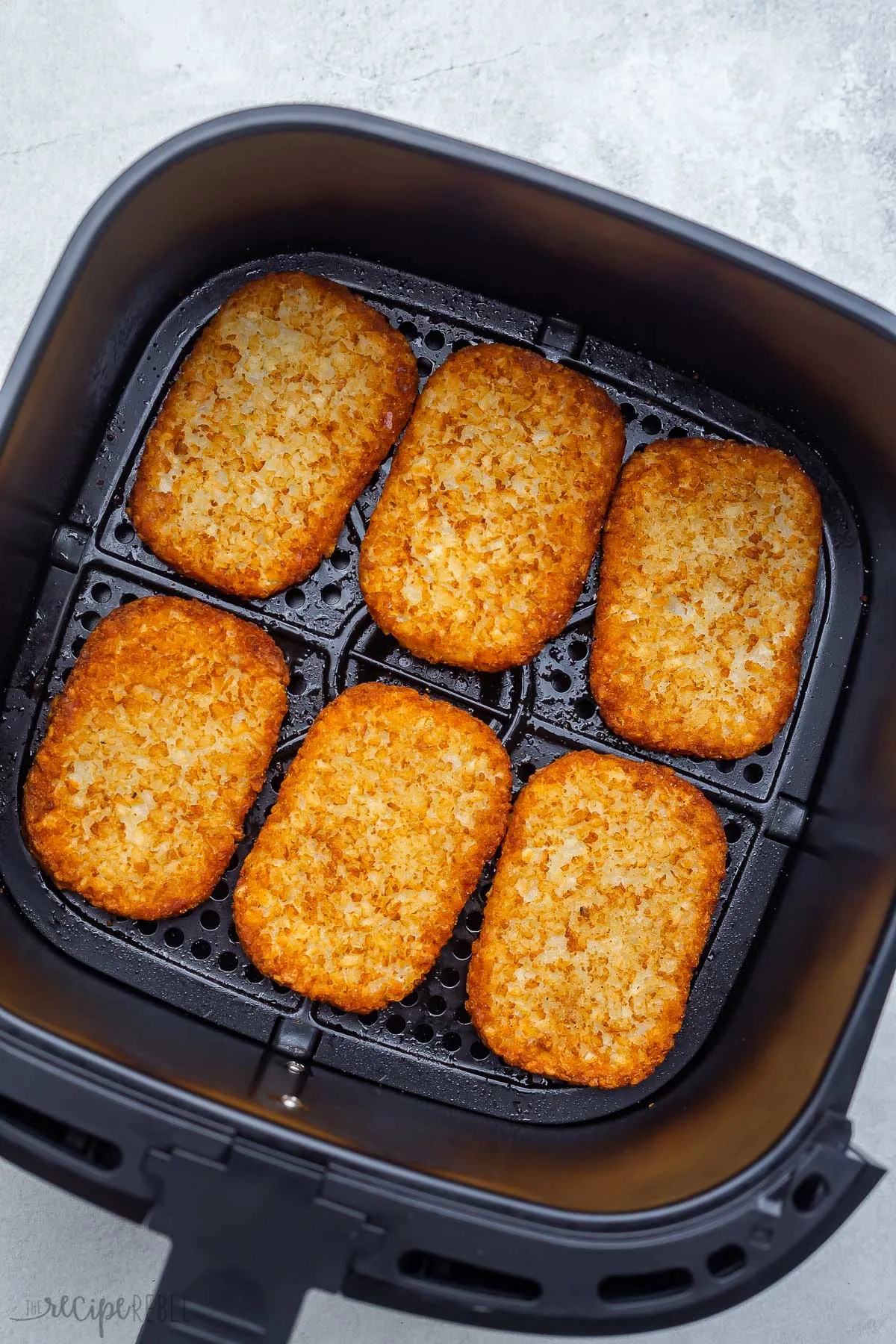
Lightly spray or brush the basket with oil. If you're using parchment liner inserts, spray those too. Place the patties in a single layer with at least half an inch of space between each one.
Overcrowding blocks the rapid air circulation that makes an air fryer work in the first place.
Cook for eight minutes, then flip each cake gently using a thin spatula. Cook for another five to seven minutes until the second side is deep golden brown. The total cook time is thirteen to fifteen minutes depending on thickness and your specific air fryer model.
Most modern air fryers work well for this recipe, including models from Ninja, Cosori, and Instant Vortex. Dual-basket models handle particularly well because of their strong airflow systems, and some users report slightly faster cook times with those units. For a thorough look at multi-basket options, see this guide to dual-basket air fryers.
If you're working with a smaller air fryer and want to scale the recipe up for a larger group, check out these larger-capacity air fryer options.
The Biggest Mistakes People Make (and How to Avoid Them)
Most air fryer potato cake failures come down to the same handful of errors. Once you know what they are, they're easy to dodge.
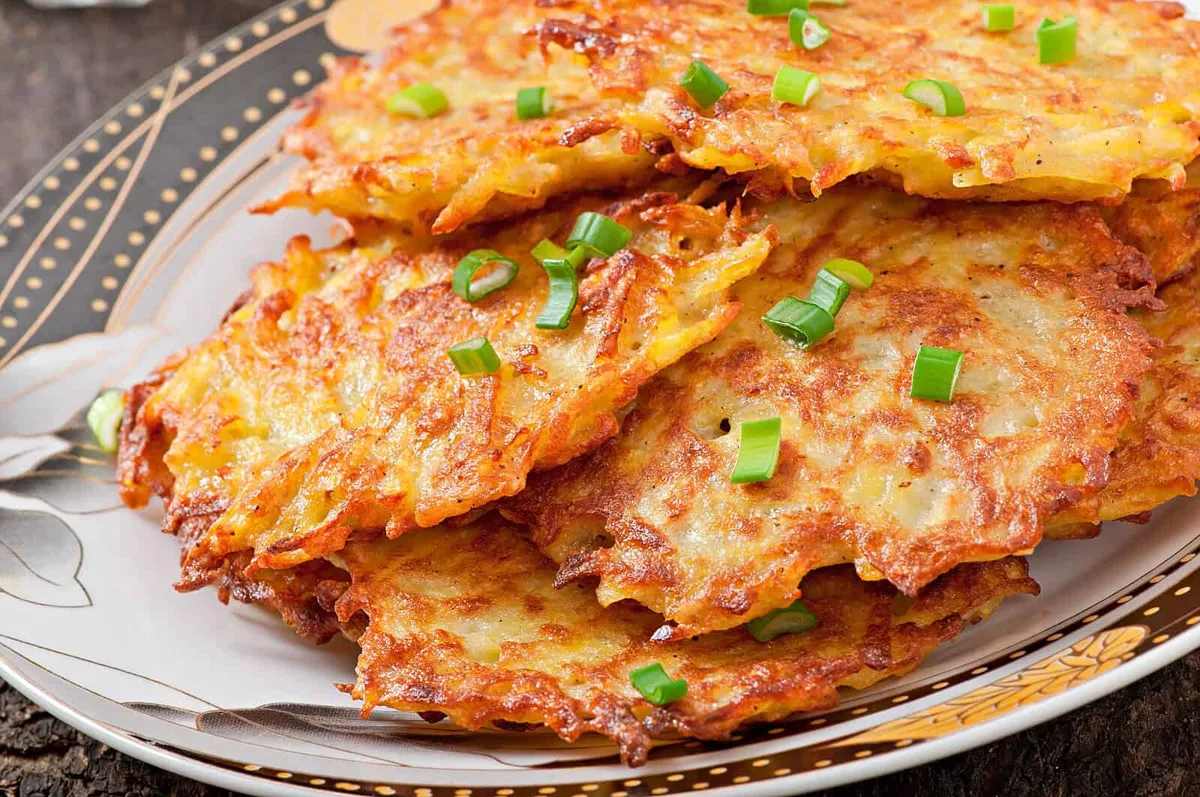
Why Your Cakes Keep Falling Apart
This is the number one complaint in user reviews, and it almost always traces back to one of three causes.
The mixture is too wet. If your mashed potatoes are loose or you added extra milk "to help things along," the patty won't hold together. Add more binder, one tablespoon at a time, until the mixture feels like thick oatmeal rather than soup.
You skipped the chill. Ten minutes in the fridge firms up the starch and lets the egg proteins begin to set. Shaping patties from room-temperature mash and putting them straight into the hot basket is asking for crumbles.
You flipped too early. The cake needs at least eight minutes on the first side before the proteins set enough to survive a flip. If you try to move it at four minutes, it will break.
Patience is the fix here.
Why They're Soggy Instead of Crispy
Sogginess is the second most common complaint, and it's almost always an airflow problem.
Overcrowding the basket is the main culprit. When patties touch or overlap, the hot air can't circulate around each one properly. The trapped moisture steams the exterior instead of crisping it.
Leave at least half an inch of space between each cake, and cook in batches if you need to.
Not using any oil on the surface is another common misstep. Air fryers work by rapidly moving hot air across food, but that air needs something to transfer heat into efficiently. A light spray of oil on the top of each patty dramatically improves browning and crispiness.
You're using maybe half a teaspoon per cake, not a deep fry.
The third cause is temperature that's too low. Anything below 365°F will dry out the cake before it crisps. Stick to the 375°F to 400°F range for reliable results.
Air Fryer vs. Pan-Fry vs. Deep Fry: Which Method Wins?
Each method produces a noticeably different result, and the "best" one depends on what you're optimizing for.
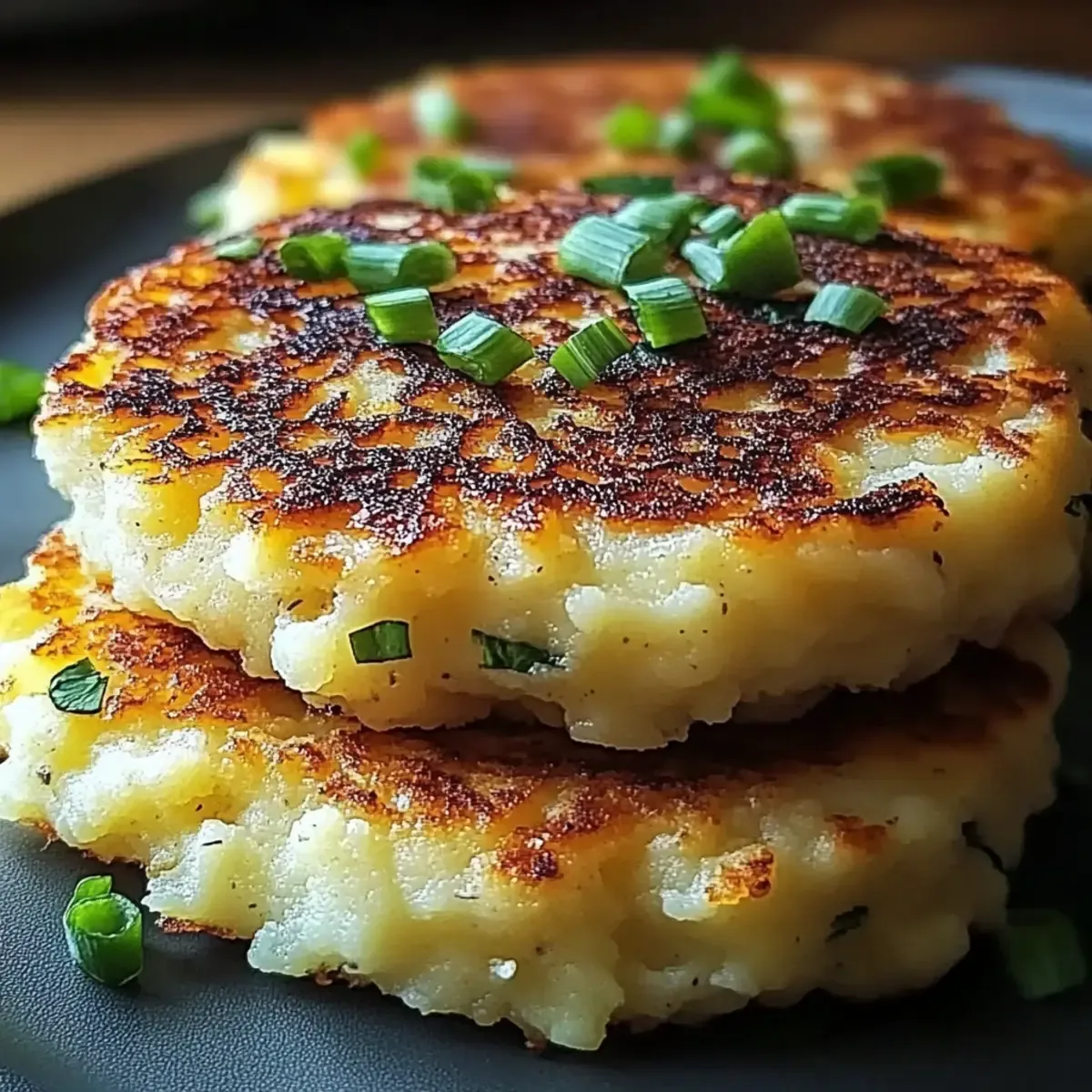
Deep frying produces the most evenly crispy exterior and the fastest cook time, usually about three to four minutes at 350°F oil temperature. The downside is the oil usage, the mess, and the heaviness that comes from absorbing that much fat.
Pan-frying gives you excellent browning on the flat surfaces but uneven edges. It takes about eight to ten minutes total, requires constant attention, and uses a moderate amount of oil. It's reliable but not hands-off.
Air frying hits the sweet spot for most home cooks. You get a crispy exterior, a fluffy interior, minimal oil, and a completely hands-off process once the basket is loaded. The cook time is slightly longer than deep frying, but the convenience and cleanup advantage are substantial.
Quick Method Comparison
| Method | Cook Time | Oil Needed | Hands-Off? | Cleanup Effort | Crispiness |
|---|---|---|---|---|---|
| Air fryer | 13-15 min | 1-2 tsp | Yes | Low | High |
| Pan-fry | 8-10 min | 2-3 tbsp | No | Medium | Medium-high |
| Deep fry | 3-4 min | 2+ cups | No | High | Very high |
| Oven bake | 20-25 min | 1-2 tbsp | Yes | Low | Medium |
For everyday cooking, air frying wins on the combination of crispiness, convenience, and cleanup. If you're making a large batch for a crowd, pan-frying might be faster since you can fit more in a skillet than most air fryer baskets. For those considering a larger air fryer specifically for batch cooking, these 9-quart models are worth a look.
Flavor Variations and Seasoning Ideas
The basic recipe is a blank canvas, and this is where you can make it your own. The potato base is mild enough to handle almost any flavor direction you throw at it.
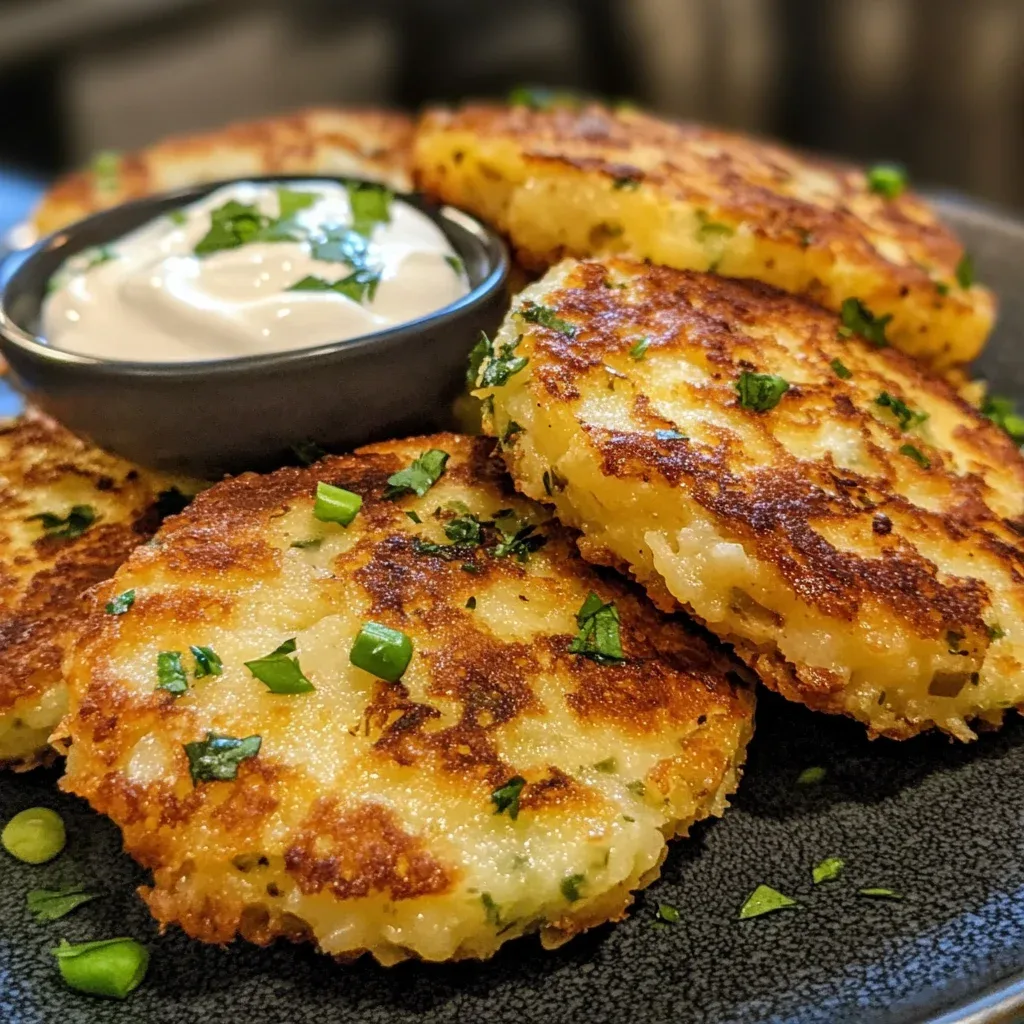
Cheese and chive is the most popular variation by a wide margin. Fold in a quarter cup of shredded sharp cheddar and two tablespoons of chopped fresh chives. The cheese melts into little crispy pockets on the exterior that are genuinely addictive.
Smoked paprika and garlic gives you a warm, slightly smoky flavor that pairs beautifully with sour cream or aioli. One teaspoon of smoked paprika and half a teaspoon of garlic powder is all you need.
Everything bagel seasoning on the outside before cooking creates a crust that tastes like, well, an everything bagel. Brush the patties lightly with olive oil and roll the tops in the seasoning before they go in the basket.
Spicy jalapeño and pepper jack is for anyone who wants a kick. Dice one small jalapeño fine and mix it in with a quarter cup of pepper jack cheese. These disappear fast at gatherings.
Herb and parmesan is the sophisticated option. Two tablespoons of finely grated parmesan, one teaspoon of dried oregano, and half a teaspoon of dried thyme. Serve these with a lemony yogurt dip.
The key rule with add-ins: keep the total volume of additions to no more than a quarter cup per two cups of mashed potatoes. Too many fillings and the cakes lose their structure and fall apart during cooking.
How to Store and Reheat Leftover Potato Cakes
Potato cakes keep surprisingly well, and the air fryer is actually the best way to reheat them. Better than the microwave, better than the oven.
Store cooked potato cakes in an airtight container in the fridge for up to four days. Place a small piece of paper towel in the container to absorb excess moisture. This prevents the cakes from getting soggy as they sit.
To reheat, place them back in the air fryer at 350°F for three to four minutes. They'll crisp right back up, almost as good as fresh. The microwave works in a pinch, but it steams the exterior and you lose all that hard-won crunch.
You can also freeze cooked potato cakes for up to two months. Layer them between sheets of parchment paper in a freezer-safe bag. Reheat from frozen at 370°F for six to eight minutes, flipping halfway through.
If you're someone who likes to meal-prep recipes like this in advance, an air fryer with strong temperature consistency makes a real difference for reheating. Models with smart controls tend to hold their temperature more precisely during short reheat cycles, which means less guesswork.
Frequently Asked Questions
Can I make air fryer potato cakes without egg?
Yes. A flax egg (one tablespoon ground flaxseed mixed with three tablespoons water, left to sit for five minutes) works as a binder. The texture will be slightly softer and more delicate, so handle the patties gently when flipping.
Mashed aquafaba (the liquid from a can of chickpeas) is another option, using two tablespoons per egg replaced.
Can I use instant mashed potatoes for this recipe?
You can, but the texture won't be quite as good. Instant mashed potatoes tend to be finer and more starchy than fresh, so the cakes can feel slightly gummy in the center. If that's what you have, use slightly less water than the package calls for when you prepare them.
A thicker mash holds together better.
Why are my potato cakes burning on the outside but cold in the middle?
Your cakes are too thick or your temperature is too high. Stick to half-inch thickness and keep the temperature at 385°F or below. If your air fryer runs hot (some models do), drop it to 375°F and add a minute or two to the cook time.
The lower temperature gives the center time to warm through before the exterior over-browns.
Do I need to preheat the air fryer for potato cakes?
It helps but it's not strictly necessary. Preheating to 385°F for three minutes before loading the patties gives you more consistent results from the start. Without preheating, the first side usually needs an extra minute or two to achieve the same level of browning.
Can I make these potato cakes gluten-free?
Absolutely. Swap the all-purpose flour for an equal amount of cornstarch, rice flour, or a gluten-free flour blend. Cornstarch actually produces the crispiest result of any binder, so this is one of those rare cases where the allergy-friendly option also happens to be the best-performing one.
How many potato cakes can I cook at once?
That depends on your air fryer basket size. A standard 5-quart basket fits four to five patties in a single layer with proper spacing. A 9-quart model can handle eight to ten.
The key is never stacking or overlapping. If you need more, cook in batches and keep finished cakes warm in a 200°F oven while the second batch cooks.