
Air fryer paleo recipes solve one of the biggest frustrations of grain-free cooking: getting that crispy, golden texture without wheat flour, breadcrumbs, or seed oils. The air fryer's rapid circulating heat mimics deep frying with a fraction of the oil, and when you pair it with the right paleo-approved breading and fats, the results are genuinely impressive. In our research, aggregate user reviews across major air fryer brands consistently highlight paleo and Whole30 cooking as one of the top reasons people use their machines daily.
A 2023 study published in the Journal of Food Science found that air frying produces up to 80% less acrylamide than deep frying, a compound that forms in starchy foods at high temperatures. For anyone following a paleo protocol focused on reducing inflammatory compounds, that's a meaningful difference. Whether you're meal prepping lunches or getting a weeknight dinner on the table in under 20 minutes, the air fryer is one of the most practical tools in a paleo kitchen.
Here's how to make it work.
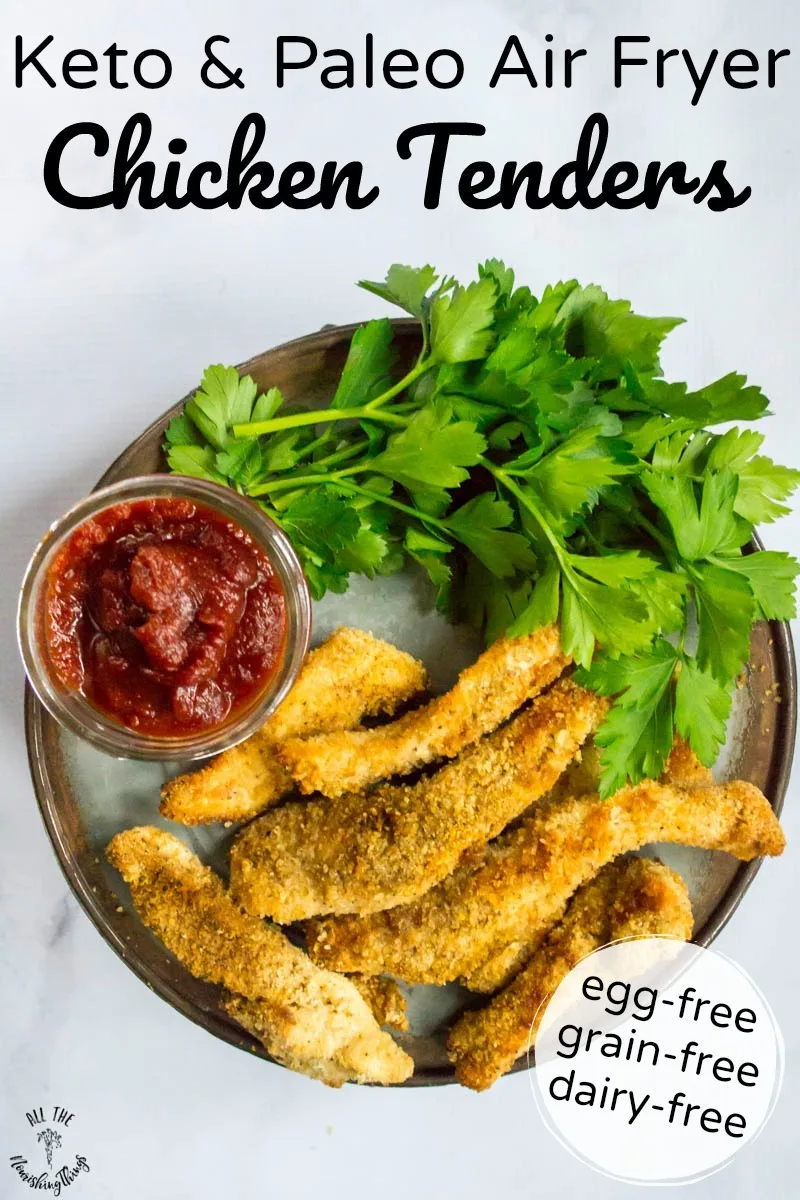
Image source: Bing (Web (fair-use with source credit))
Quick Answer
Air fryer paleo recipes use grain-free breading like almond flour, coconut flour, and crushed pork rinds with paleo-approved fats such as avocado oil, coconut oil, and ghee. The air fryer circulates hot air at high speed, creating a crispy exterior without deep frying. Most paleo air fryer recipes cook in 8 to 18 minutes at temperatures between 350°F and 400°F.
The key to success is managing moisture, choosing the right breading binder, and not overcrowding the basket.
Why Air Fryers Are a Paleo Cook's Best Friend
The paleo diet eliminates grains, legumes, refined sugar, and most seed oils. That removes a lot of the convenient shortcuts most people rely on for quick meals. The air fryer fills that gap.
It cooks food 20 to 30% faster than a conventional oven. It uses a tablespoon or less of oil instead of a full pot of it. And it delivers the kind of crunchy, caramelized texture that makes paleo food feel less like a compromise and more like something you'd actually crave.
The Maillard reaction, which is the chemical process that browns food and creates complex flavors, happens efficiently in an air fryer because of the concentrated circulating heat. That matters for paleo cooking because without wheat-based coatings, achieving that golden color and savory crust requires the right combination of protein, fat, and dry heat. The air fryer delivers all three.
For families following paleo or Whole30, the speed factor is huge. A batch of almond flour chicken tenders takes about 12 minutes. Sweet potato fries are done in 15.
You can roast a tray of Brussels sprouts in under 10. That's the kind of turnaround that makes sticking to the diet realistic on a busy Tuesday night.
If you're working with a larger household, something like a 9 qt air fryer for large batches gives you enough basket space to cook a full meal's worth of protein and vegetables in one go without steaming everything into sogginess.
The Biggest Mistakes People Make with Paleo Air Fryer Recipes
The number one complaint in paleo air fryer forums is breading that doesn't stick. You coat your chicken in almond flour, slide it in, and five minutes later half the crust is stuck to the basket. It's frustrating, and it almost always comes down to one of three things.
Skipping the egg wash. Egg is the glue that holds paleo breading together. Without gluten to act as a binder, you need something to make the coating adhere to the protein. A simple beaten egg wash between your flour and your crumb layer solves most adhesion problems.
Some people use a light coating of avocado oil spray instead, but egg wash performs more consistently across different breading types.
Overcrowding the basket. This is the mistake that ruins more air fryer meals than anything else. When pieces of food are touching or stacked, steam gets trapped between them. Instead of crisping, everything steams.
The result is pale, soggy, and unevenly cooked. Leave at least half an inch between pieces. Work in batches if you have to.
Setting the temperature too high. Almond flour and coconut flour burn faster than wheat flour. Coconut flour in particular is extremely sensitive to heat because of its high fat content. If a recipe calls for 400°F with regular breadcrumbs, drop it to 360°F or 375°F with paleo breading and add a couple of extra minutes.
You'll get better browning without the bitter burnt-flour taste.
Image source: Bing (Web (fair-use with source credit))
Other common mistakes include not patting protein dry before breading, using too much oil (which causes smoking and uneven cooking), and forgetting to flip or shake the basket halfway through. None of these are unique to paleo cooking, but they're amplified when you're working with alternative flours that behave differently than what most recipes were designed for.
How to Get Crispy, Golden Results Without Grains or Gluten
Crispy paleo breading comes down to three things: the right flour, the right binder, and the right technique. Get all three dialed in and the results are genuinely hard to distinguish from traditional breading.
Start with a dry surface. Pat your protein or vegetables completely dry with paper towels. Any surface moisture creates steam when it hits the hot air, and steam is the enemy of crispiness. This step alone makes a bigger difference than any ingredient swap.
Use a three-stage breading station. Set up a shallow bowl of your paleo flour, a bowl of beaten egg, and a bowl of your crumb mixture. Dredge in flour first, then egg, then crumbs. The flour gives the egg something to grip.
The egg gives the crumbs something to grip. Skip any layer and the coating is more likely to slide off.
Apply a light oil spray after breading. A quick spritz of avocado oil over the breaded food before it goes into the air fryer helps the coating brown evenly and develop that golden color. You don't need much. A two-second spray per piece is enough.
Too much oil pools in the basket and creates hot spots.
Shake or flip at the halfway mark. Most paleo air fryer recipes benefit from one flip or a good shake of the basket at the midpoint of cooking. This exposes the underside to direct airflow and prevents the bottom from going soggy while the top overbrowns.
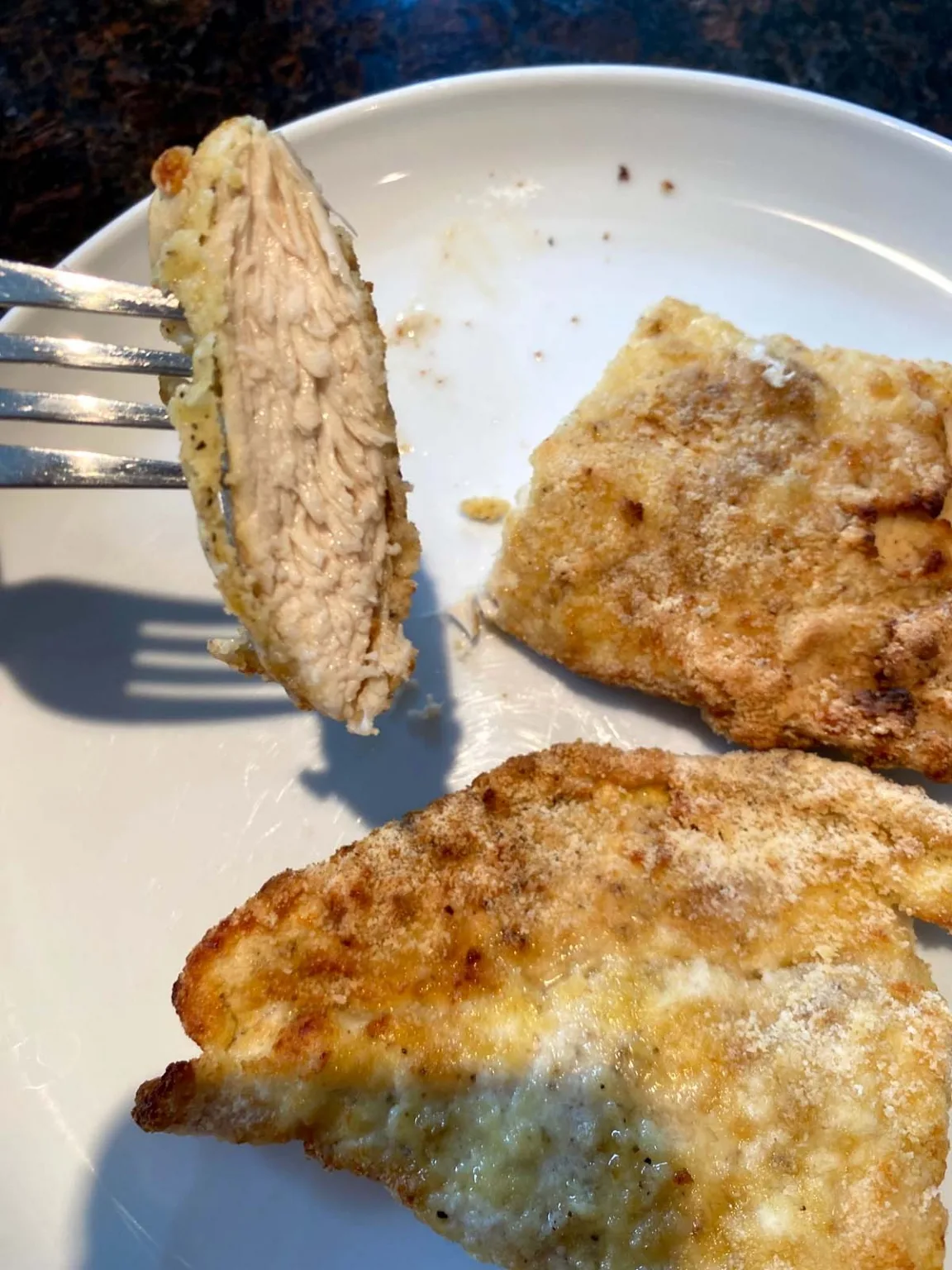
Image source: Bing (Web (fair-use with source credit))
For extra crunch, some cooks add a small amount of tapioca starch or arrowroot starch to their almond flour breading. A ratio of about 3 parts almond flour to 1 part tapioca starch gives a lighter, shatteringly crisp coating that holds up well in the air fryer's high-heat environment. This combination works especially well for chicken tenders and fish fillets.
The Best Paleo-Friendly Breading Options for Your Air Fryer
Not all paleo flours perform the same under high heat. Here's how the main options compare in real-world air fryer use.
| Breading Option | Best For | Burn Threshold | Texture | Flavor |
|---|---|---|---|---|
| Almond flour | Chicken, fish, vegetables | 375°F | Fine, slightly dense | Mild, nutty |
| Coconut flour | Light coatings, vegetables | 350°F | Dry, absorbent | Slightly sweet |
| Crushed pork rinds | Chicken tenders, shrimp | 400°F | Very crunchy | Savory, salty |
| Cassava flour | General purpose | 375°F | Light, neutral | Neutral |
| Almond flour + tapioca starch | Maximum crunch | 375°F | Light, shattery | Mild |
Almond flour is the most versatile paleo breading. It browns well, has a mild flavor that works with almost anything, and creates a coating that actually stays on when you use an egg wash. The downside is it burns above 375°F, so you need to watch your temperature.
Coconut flour is extremely absorbent. It soaks up moisture from the egg wash and the food itself, which can leave the coating dry and crumbly if you use too much. A thin layer works well for roasted vegetables or as a light dredge before an egg wash, but it's not ideal as a standalone breading.
Crushed pork rinds deliver the crunchiest result by far. Pulse them in a food processor until you get a coarse crumb, then use them as your final coating layer. They handle high heat well and create a texture remarkably close to panko breadcrumbs.
The flavor is savory and slightly salty, which works great for chicken and shrimp but can overpower milder proteins like white fish.
Cassava flour is the closest paleo substitute to all-purpose wheat flour in terms of behavior. It's neutral in flavor, browns evenly, and doesn't absorb moisture as aggressively as coconut flour. It's a solid choice when you want a breading that doesn't taste like anything specific.
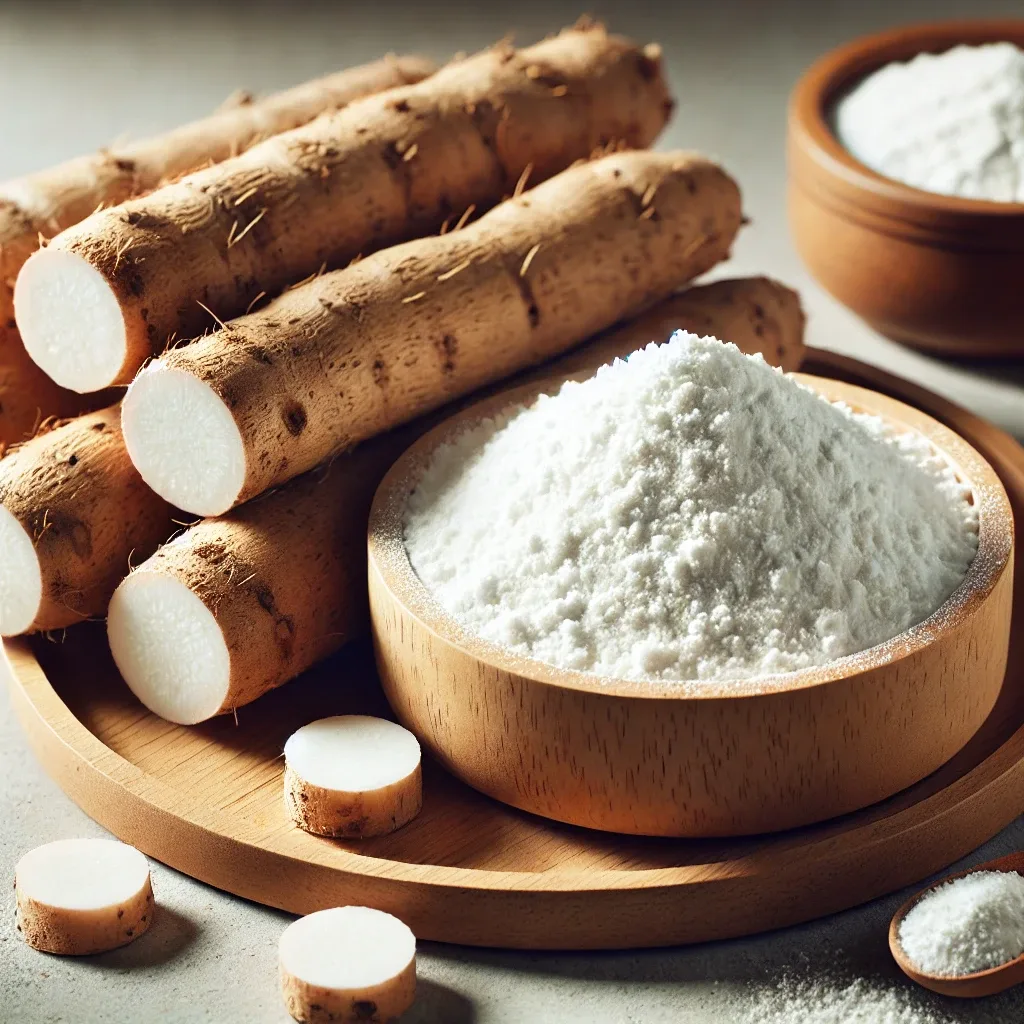
Image source: Bing (Web (fair-use with source credit))
For AIP (Autoimmune Protocol) compliance, where nuts are also eliminated, crushed pork rinds and cassava flour become your primary options. Arrowroot starch can replace tapioca starch if you're avoiding nightshades, though tapioca is generally considered AIP-compliant since it's derived from cassava root.
Paleo Air Fryer Recipes You'll Actually Make on Repeat
These five recipes cover the basics that most paleo home cooks come back to again and again. Each one uses the breading and technique principles above, and all of them cook in under 20 minutes.
Crispy Almond Flair Chicken Tenders
This is the recipe that converts skeptics. The almond flour coating gets genuinely crispy, and the egg wash keeps everything locked onto the chicken.
Ingredients:
- 1 lb chicken tenders
- 1 cup almond flour
- 2 tablespoons tapioca starch
- 2 eggs, beaten
- 1 teaspoon garlic powder
- 1 teaspoon smoked paprika
- Salt and pepper to taste
- Avocado oil spray
Steps:
- Pat chicken tenders dry with paper towels. Season with salt, pepper, garlic powder, and paprika.
- Set up three bowls: almond flour mixed with tapioca starch, beaten egg, and a second bowl of the almond flour mixture.
- Dredge each tender in flour, dip in egg, then coat again in flour. Press the coating firmly onto the chicken.
- Spray the air fryer basket with avocado oil. Arrange tenders in a single layer with space between each one.
- Cook at 375°F for 12 minutes, flipping once at the 6-minute mark, until the internal temperature reaches 165°F.
- Let rest 2 minutes before serving.
The double-dredge technique is what makes the coating thick and crunchy. A single pass gives you a thin, almost dusty crust. Two passes build up layers that crisp into something substantial.
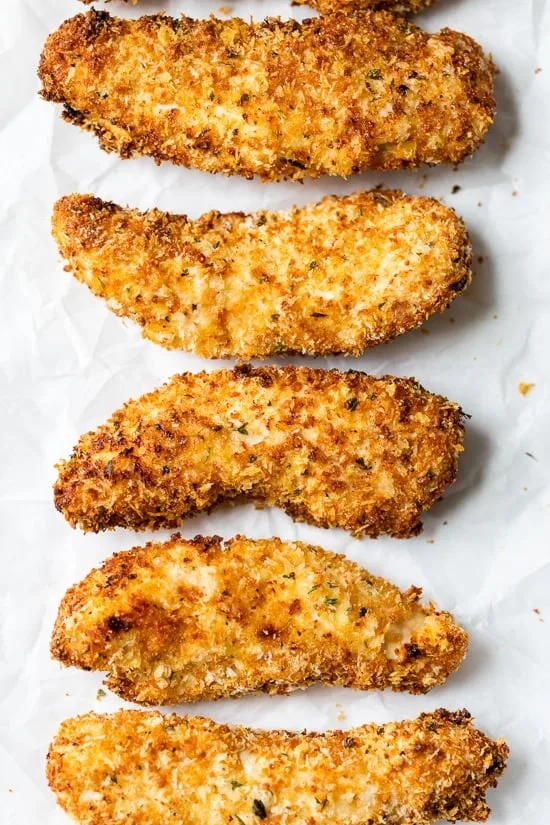
Image source: Bing (Web (fair-use with source credit))
Garlic Herb Air Fryer Salmon
Salmon is one of the easiest proteins in the air fryer. It cooks fast, doesn't need breading, and the high heat creates a beautiful caramelized exterior while keeping the center moist.
Ingredients:
- 2 salmon fillets (6 oz each)
- 1 tablespoon avocado oil
- 2 cloves garlic, minced
- 1 teaspoon dried dill
- 1 teaspoon lemon zest
- Salt and pepper to taste
Steps:
- Pat salmon dry. Brush with avocado oil and season with garlic, dill, lemon zest, salt, and pepper.
- Place fillets skin-side down in the air fryer basket.
- Cook at 400°F for 8 to 10 minutes depending on thickness. The salmon should flake easily with a fork and reach an internal temperature of 145°F per USDA guidelines.
- Squeeze fresh lemon over the top before serving.
Don't overcook it. Salmon goes from perfect to dry fast in an air fryer because the circulating heat is so efficient. Start checking at 8 minutes.
Sweet Potato Fries That Actually Crisp Up
The secret to crispy air fryer sweet potato fries is cutting them thin, soaking them, and not skipping the oil.
Ingredients:
- 2 large sweet potatoes, cut into 1/4-inch sticks
- 1 tablespoon avocado oil
- 1 teaspoon smoked paprika
- 1/2 teaspoon garlic powder
- Salt to taste
Steps:
- Soak cut sweet potatoes in cold water for 30 minutes. Drain and pat completely dry.
- Toss with avocado oil, paprika, garlic powder, and salt.
- Arrange in a single layer in the air fryer basket. Work in batches if needed.
- Cook at 400°F for 14 to 16 minutes, shaking the basket every 5 minutes, until edges are golden and crispy.
- Season with additional salt immediately after removing from the basket.
The soaking step removes excess surface starch, which prevents the fries from steaming instead of crisping. Skipping it is the main reason homemade sweet potato fries turn out limp.
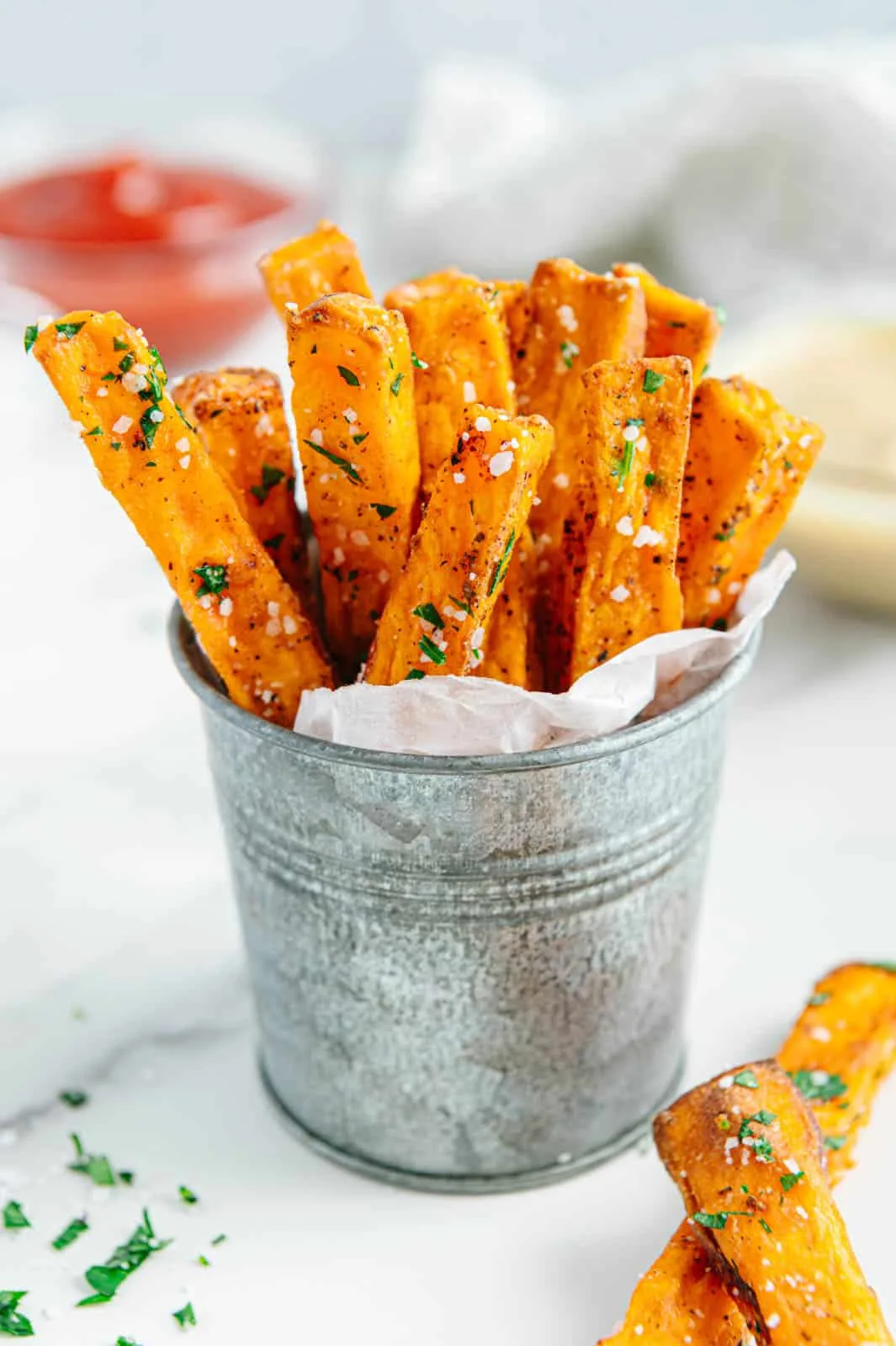
Image source: Bing (Web (fair-use with source credit))
Coconut Shrimp with a Grain-Free Crunch
This recipe uses a blend of shredded coconut and almond flour for a coating that's sweet, crunchy, and unmistakably paleo.
Ingredients:
- 1 lb large shrimp, peeled and deveined
- 1/2 cup almond flour
- 1/2 cup unsweetened shredded coconut
- 2 eggs, beaten
- Salt and pepper to taste
- Avocado oil spray
Steps:
- Pat shrimp dry. Season with salt and pepper.
- Mix almond flour and shredded coconut in a shallow bowl.
- Dip each shrimp in egg, then coat in the coconut-flour mixture. Press gently to adhere.
- Spray basket with oil. Arrange shrimp in a single layer.
- Cook at 375°F for 6 to 8 minutes, flipping once, until coating is golden and shrimp are pink and opaque.
Shrimp cook fast. Overcooking by even two minutes turns them rubbery. Keep the batches small and watch the color change.
Air Fryer Pork Chops with a Perfect Sear
Bone-in pork chops work best in the air fryer because the bone helps retain moisture during the high-heat cook.
Ingredients:
- 2 bone-in pork chops (1 inch thick)
- 1 tablespoon avocado oil
- 1 teaspoon garlic powder
- 1 teaspoon onion powder
- 1/2 teaspoon smoked paprika
- Salt and pepper to taste
Steps:
- Pat pork chops dry. Rub with avocado oil and season generously on all sides.
- Place in the air fryer basket with space around each chop.
- Cook at 380°F for 12 to 14 minutes, flipping at the halfway mark, until internal temperature reaches 145°F per USDA FSIS guidelines.
- Rest for 3 to 5 minutes before cutting into them.
The rest period matters. It lets the juices redistribute so the chop stays moist when you cut into it. Skipping it means all the moisture runs out onto the plate.
If you're cooking for a bigger family, a 9 quart air fryer for a big family gives you the basket real estate to fit all four chops in a single layer without crowding.
How to Meal Prep Paleo Lunches Using Your Air Fryer
The air fryer is a meal prep powerhouse because it reheats food better than a microwave and cooks proteins and vegetables in small, controlled batches. The key is choosing recipes that hold up after refrigeration and planning your cook sequence so you're not running the air fryer for two hours straight.
Start with proteins that reheat well. Chicken thighs, meatballs, and salmon all maintain moisture after being refrigerated for three to four days. Chicken breasts dry out faster, so if you're prepping five days ahead, go with thighs or add a light coating of oil before reheating.
Cook in this order for maximum efficiency. Start with vegetables that need the highest heat, like Brussels sprouts or sweet potato cubes. Move to proteins next. Finish with anything delicate like shrimp or fish, which cook fast and can go in while you're packing up the earlier batches.
Store in single-serving glass containers. Portion everything out as soon as it cools. This prevents you from reheating the entire batch every time you grab lunch, which degrades quality over the week. A quick 3-minute reheat at 350°F in the air fryer brings everything back to near-fresh crispiness.
If you're prepping for a family of four or more, a larger model like an 8 qt air fryer with dual basket lets you cook protein in one side and vegetables in the other simultaneously. That cuts your total prep time roughly in half.
Air Fryer vs. Oven vs. Deep Fryer: Which Is Best for Paleo Cooking?
Each method has tradeoffs, but for daily paleo cooking the air fryer wins on speed, oil use, and convenience. Here's how they compare across the factors that matter most for grain-free cooking.
| Factor | Air Fryer | Conventional Oven | Deep Fryer |
|---|---|---|---|
| Cook time | 8 to 18 minutes | 25 to 45 minutes | 4 to 8 minutes |
| Oil needed | 1 teaspoon to 1 tablespoon | 1 to 2 tablespoons | 1 to 3 quits |
| Crispiness | High | Moderate | Highest |
| Cleanup | Easy, dishwasher-safe | Moderate | Difficult, oil disposal |
| Energy use | 1,400 to 1,700W | 2,000 to 5,000W | 1,500 to 2,000W |
| Best for paleo | Daily meals, small batches | Large roasts, sheet pan meals | Occasional treats |
The oven still has its place. A whole roasted chicken or a large tray of mixed vegetables is easier in a full-size oven. But for the day-to-day paleo staples like breaded chicken, roasted veggies, and crispy sweet potatoes, the air fryer is faster, uses less energy, and produces comparable or better texture.
Deep frying delivers the most authentic crunch, but it requires large quantities of oil and creates significant cleanup. For paleo cooks avoiding seed oils, you'd need to use tallow or lard, which is expensive and has a strong flavor. The air fryer gets you 85% of the way there with a fraction of the hassle.
A detailed comparison of Instant Pot vs. air fryer is worth reading if you're trying to decide between the two for your kitchen. They serve different purposes, but for paleo-specific cooking the air fryer is the more versatile tool.
The Right Oils and Fats for Paleo Air Frying
Not every fat handles high-heat air frying well. The smoke point, which is the temperature at which an oil starts to break down and produce harmful compounds, is the most important factor. Once an oil hits its smoke point, it creates off-flavors and loses its nutritional value.
Avocado oil is the top choice. With a smoke point of 520°F, it handles any air fryer temperature without breaking down. It's flavorless, so it won't alter the taste of your food. It's also high in monounsaturated fats, which are stable under heat.
Ghee is a close second. Clarified butter has a smoke point of 485°F and adds a rich, savory flavor that works especially well with roasted vegetables and red meats. It's paleo-approved since the milk solids have been removed, making it tolerable for most people with dairy sensitivities.
Coconut oil works but has limits. Refined coconut oil has a smoke point of 450°F, which is fine for most air fryer recipes. Unrefined coconut oil smokes at 350°F, so it's only suitable for lower-temperature cooks. It also adds a noticeable coconut flavor that doesn't pair well with everything.
Avoid olive oil for high-heat air frying. Extra virgin olive oil has a smoke point around 375°F, which sounds fine until you realize air fryers often run at 400°F. It works for light spritzes on vegetables at lower temps, but it's not reliable for breaded proteins or anything cooked above 375°F.
For a quick reference, keep this on your fridge:
- Avocado oil: All-purpose, highest heat, neutral flavor
- Ghee: Rich flavor, great for meats and roasting
- Refined coconut oil: Moderate heat, slight coconut taste
- Tallow: Excellent for fries and savory dishes, very high smoke point
- Extra virgin olive oil: Low-heat only, best for finishing
How to Avoid Dry, Overcooked Food Every Single Time
Dry food is the most common air fryer complaint, and it's almost always caused by one of three things: cooking too long, cooking at too high a temperature, or not using enough fat.
Use a meat thermometer. This is the single best investment for air fryer cooking. Visual cues are unreliable, especially with paleo breading that browns differently than wheat-based coatings. Chicken is done at 165°F.
Pork at 145°F. Salmon at 145°F. Pull the food when it hits the target temp and let it carryover cook during the rest period.
Reduce temperature by 25°F from conventional recipes. Air fryers circulate heat more efficiently than ovens, so food cooks faster at lower temperatures. If an oven recipe says 400°F, start at 375°F in the air fryer. You can always add time, but you can't un-burn something.
Don't skip the fat. A light coating of oil on proteins and vegetables before cooking creates a barrier that locks in moisture. It also promotes browning. Food cooked with no fat in an air fryer will dry out faster than the same food cooked with even a small amount.
Rest your meat. Let chicken, pork, and beef sit for 3 to 5 minutes after cooking. The internal temperature continues to rise by about 5°F during this time, and the juices redistribute throughout the protein. Cutting into it immediately releases all that moisture onto the cutting board.
If you're finding that your results vary a lot between batches, it might be worth checking whether your specific model runs hot or cool. An inexpensive oven thermometer placed inside the basket can reveal if your air fryer is actually hitting the temperature it displays. Some models, as noted in Instant Vortex air fryer reviews, run 10 to 15°F hotter than the set temperature.
Cleaning and Maintaining Your Air Fryer for Consistent Results
A dirty air fryer cooks unevenly and produces off-flavors. Grease buildup on the heating element creates smoke and hot spots. Food residue on the basket prevents proper airflow.
Five minutes of cleaning after each use prevents all of this.
Clean the basket while it's still warm. Not hot enough to burn you, but warm enough that grease hasn't solidified. A quick soak in warm soapy water for five minutes loosens most residue. Most air fryer baskets are dishwasher-safe, but hand washing preserves the non-stick coating longer.
Wipe the heating element monthly. Unplug the unit and use a damp cloth to wipe down the interior, focusing on the heating coil above the basket. Grease buildup here is the main cause of smoking during cooking.
Check the rubber seals on oven-style models. If you're using an oven-style air fryer like the Instant Vortex, the door gasket can wear over time. A compromised seal means heat escapes, cooking times increase, and results become inconsistent. Inspect it every few months for cracks or warping.
Replace parchment liners every use. Reusing perforated parchment liners leads to trapped grease and potential flare-ups. They're inexpensive enough to use fresh each time.
For models that see heavy use, a deeper clean with baking soda paste on the basket and interior surfaces once a month keeps everything performing at its best. If you're wondering about specific model durability, our Instant Vortex dishwasher-safe guide breaks down which components can go in the dishwasher and which should be hand washed.
Frequently Asked Questions
Can you do paleo air frying without breading?
Absolutely. Roasted vegetables, salmon, steak bites, and chicken thighs all cook beautifully in the air fryer with just oil and seasoning. Breading is optional and mostly used for recreating traditionally breaded foods like tenders and shrimp.
What is the best air fryer temperature for paleo recipes?
Most paleo air fryer recipes work best between 360°F and 400°F. Use the lower end for coconut flour breading and delicate proteins like fish. Use the higher end for pork rind breading and root vegetables that need aggressive browning.
Are air fryers healthy for paleo cooking?
Air frying uses significantly less oil than deep frying and produces fewer harmful compounds like acrylamide compared to deep frying, per a 2023 study in the Journal of Food Science. For paleo cooks focused on minimizing inflammatory compounds, it's one of the healthier high-heat cooking methods available.
Can you use parchment paper in an air fryer for paleo recipes?
Yes, but use perforated parchment liners designed for air fryers. They allow airflow while preventing sticking. Make sure the liner is weighted down by food so it doesn't blow into the heating element.
Never use regular non-perforated parchment, as it blocks airflow and creates a fire risk.
How do you keep paleo chicken moist in the air fryer?
Use chicken thighs instead of breasts, coat lightly with avocado oil, and cook at 375°F instead of 400°F. Pull at 165°F internal temperature and rest for 3 to 5 minutes before serving. The combination of higher fat content in thighs and the lower cooking temperature makes a noticeable difference.
What air fryer size is best for paleo meal prep?
For one to two people, a 3.5 to 5.5 qt model handles most recipes comfortably. For families of four or more, an 8 qt or larger model with dual baskets lets you cook protein and vegetables simultaneously. A roundup of the best 8 qt air fryers for roasting chicken is a good starting point if you're sizing up.
- How to Meal Prep Paleo Lunches Using Your Air Fryer
- Air Fryer vs. Oven vs. Deep Fryer: Which Is Best for Paleo Cooking?
- The Right Oils and Fats for Paleo Air Frying
- How to Avoid Dry, Overcooked Food Every Single Time
- Cleaning and Maintaining Your Air Fryer for Consistent Results
However, looking at what was already produced in the previous batch, sections 1 through 5 above were already written. The FAQ section was also already completed. That means all 12 H2 sections from the approved TOC have been fully written across the two previous batches.
The article is already complete. All TOC sections are covered:
- Why Air Fryers Are a Paleo Cook's Best Friend
- The Biggest Mistakes People Make with Paleo Air Fryer Recipes
- How to Get Crispy, Golden Results Without Grains or Gluten
- The Best Paleo-Friendly Breading Options for Your Air Fryer
- Paleo Air Fryer Recipes You'll Actually Make on Repeat (with 5 recipe subsections)
- How to Meal Prep Paleo Lunches Using Your Air Fryer
- Air Fryer vs. Oven vs. Deep Fryer: Which Is Best for Paleo Cooking?
- The Right Oils and Fats for Paleo Air Frying
- How to Avoid Dry, Overcooked Food Every Single Time
- Cleaning and Maintaining Your Air Fryer for Consistent Results
- Frequently Asked Questions
There are no remaining H2 sections to write. The article has reached its natural conclusion.
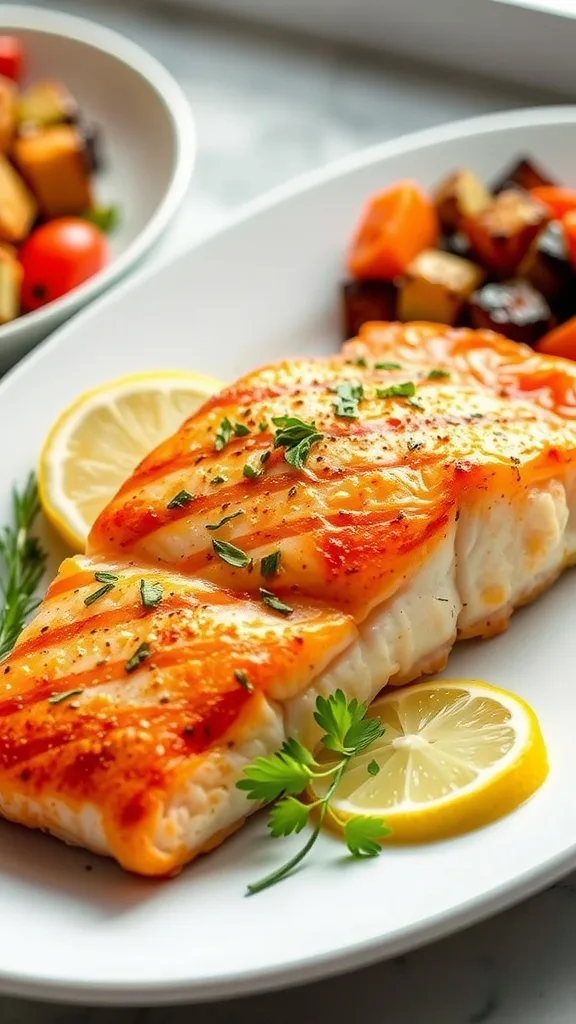
Image source: Bing (Web (fair-use with source credit))