
Can I cook short ribs quickly? Yes, but the answer depends on which cut you're holding and which tools you've got in your kitchen. Traditional braising takes three to four hours, which isn't exactly weeknight-friendly.
The good news is that smarter cut selection and modern appliances can get fall-off-the-bone short ribs on your table in under an hour.
The key variable most people overlook is the cut itself. Flanken-style short ribs, sliced thin across the bone, grill in under ten minutes. English-cut slabs need low and slow heat to break down their dense collagen, but a pressure cooker collapses that timeline to around 45 minutes.
Here's how to pick the right method for the time you actually have.
Can You Actually Cook Short Ribs Quickly? The Honest Answer
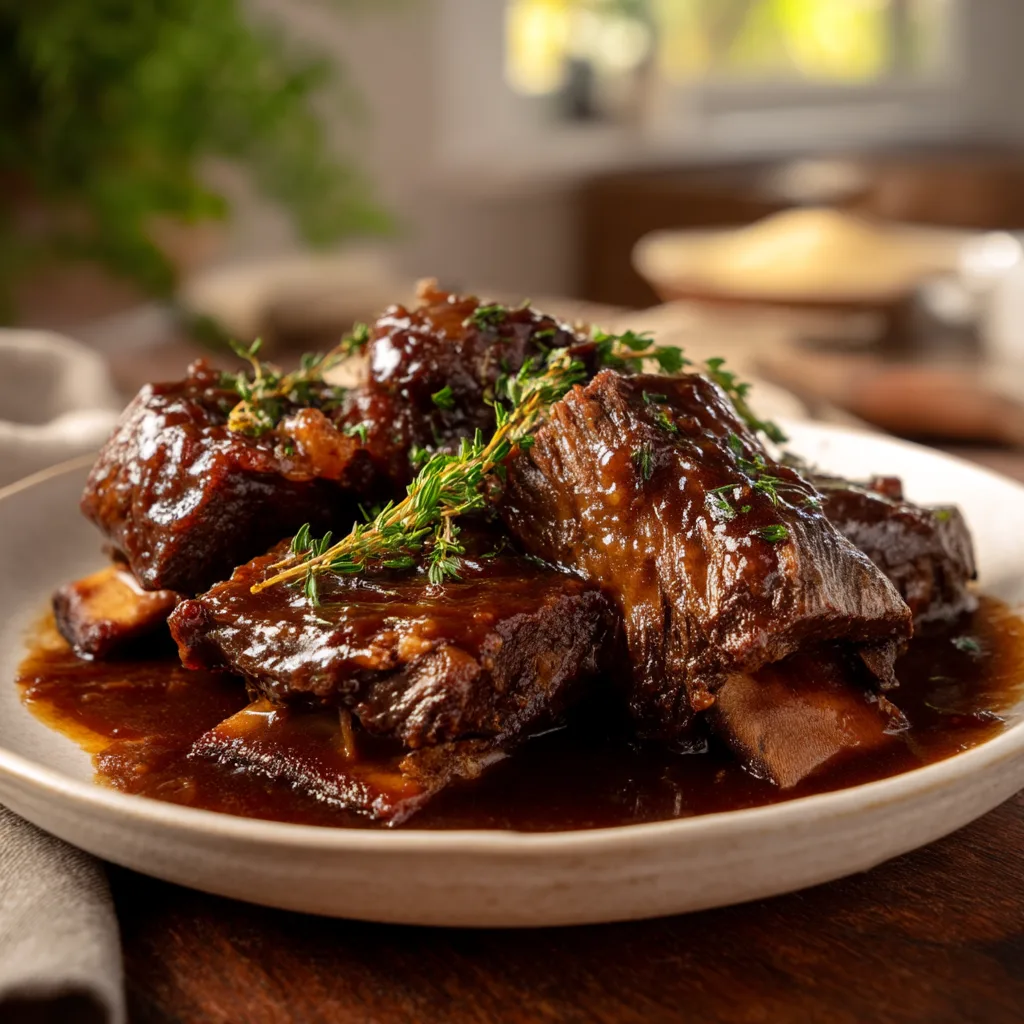
Yes, you can cook short ribs quickly if you choose the right cut and method. Flanken-cut short ribs grill in under 15 minutes. A pressure cooker braises English-cut short ribs in 45 to 60 minutes.
Traditional oven braising still takes 2.5 to 4 hours. The cut you buy matters more than the recipe you follow.
Quick Answer
Yes, you can cook short ribs quickly depending on the cut and method. Flanken-cut short ribs grill in under 15 minutes total. A pressure cooker braises English-cut ribs in 45 to 60 minutes.
Traditional oven braising takes 2.5 to 4 hours. Pick the cut that matches your timeline.
Why Short Ribs Usually Take So Long
Short ribs come from the chuck or plate section of the cow, an area loaded with connective tissue and collagen. That collagen is what makes them tough when undercooked and incredibly tender when handled right. The science is straightforward.
Collagen begins converting to gelatin around 160°F, but the process accelerates significantly above 180°F and needs sustained time to fully break down.
That's why classic recipes call for hours of braising at low temperatures, typically 275 to 325°F. You're dissolving tough fibers into silky gelatin, and that transformation doesn't rush well. Aggregate user reviews on cooking forums consistently report that cranking up the heat results in chewy, disappointing meat.
But not all short ribs have the same collagen density or thickness. A thin flanken cut, usually a quarter-inch to half-inch thick, has far less connective tissue to break down than a three-inch English-cut slab. That structural difference is what opens the door to genuinely fast cooking.
The Cut You Buy Matters More Than the Method
This is the single most important decision you'll make. Most grocery store shoppers don't realize there are distinct types sitting in the meat case. Picking the wrong cut for your timeline is the number one reason people end up with tough short ribs or a five-hour cook they didn't plan for.
English-Cut Short Ribs
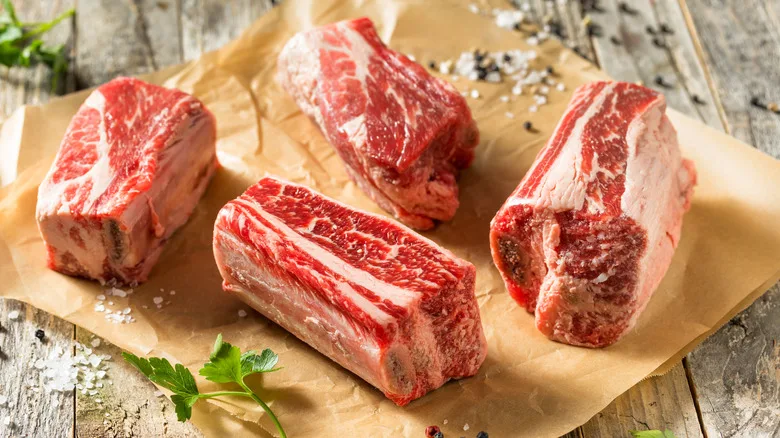
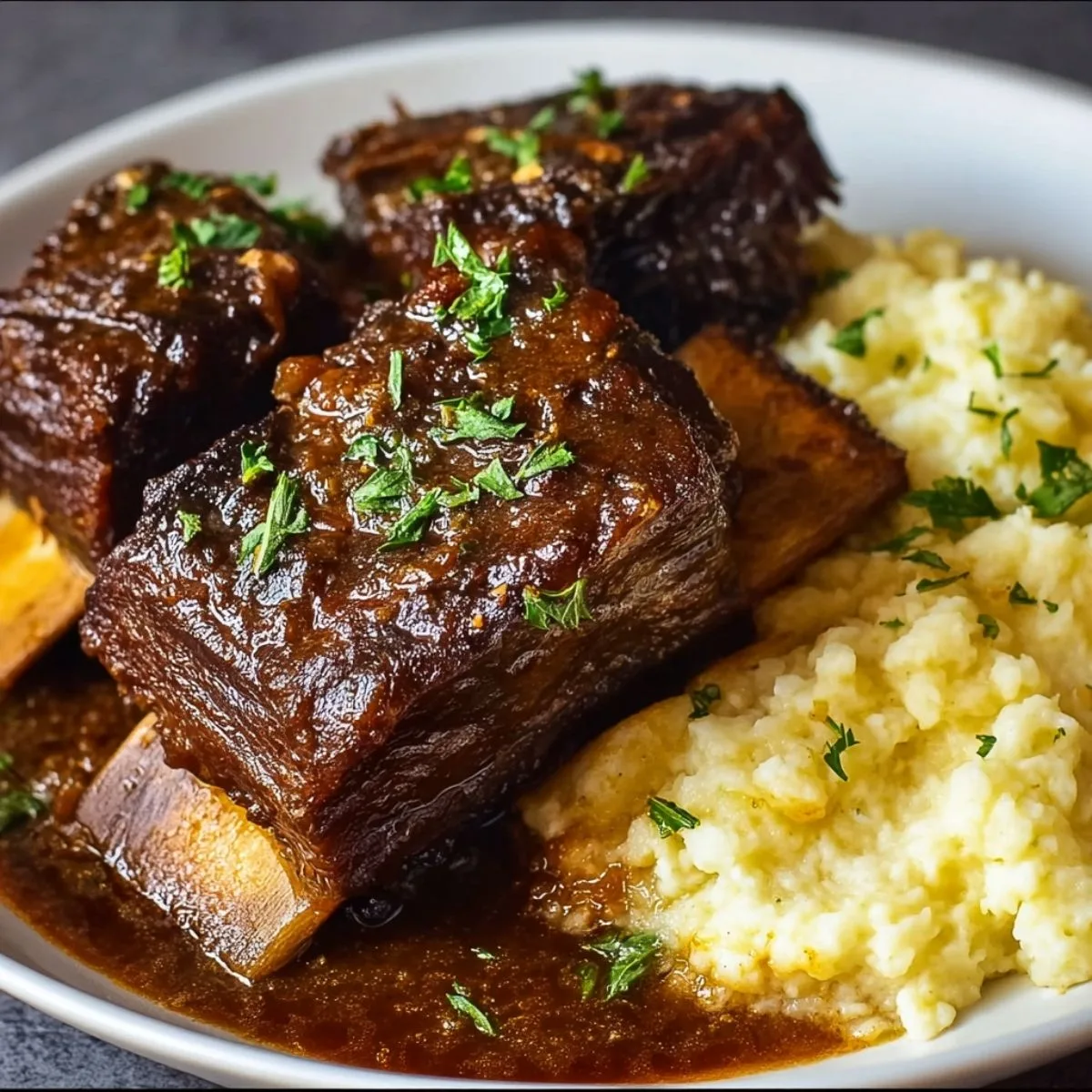
English-cut short ribs are individual bones with a thick slab of meat attached, cut parallel to the bone. Each piece is typically two to four inches long and over an inch thick. This cut has substantial marbling and a heavy collagen network, which makes it ideal for braising but poorly suited for quick cooking.
If you're working with English-cut ribs, your realistic options are a pressure cooker or a traditional braise.
Flanken-Cut (Korean-Style) Short Ribs
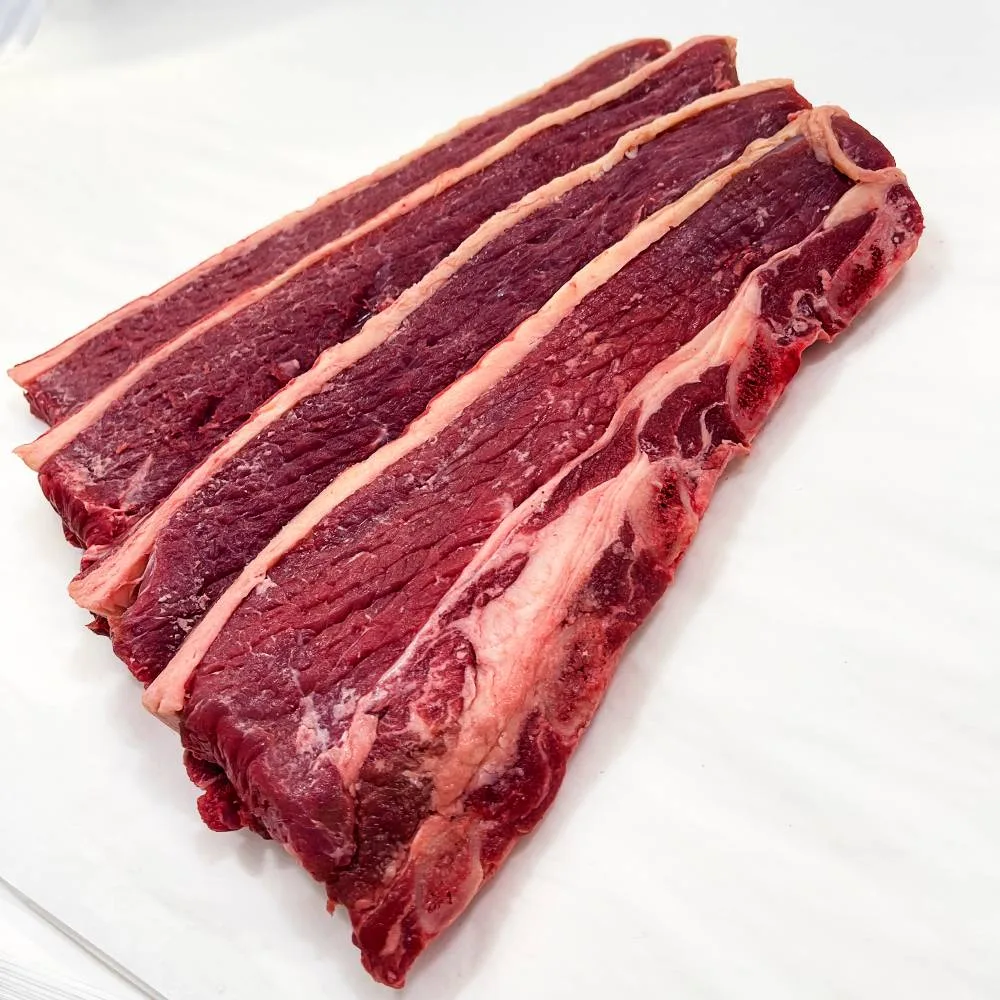
Flanken-cut short ribs are sliced across the bone into thin strips, usually a quarter-inch to half-inch thick. You'll see multiple small bone circles in each piece. This is the cut used for Korean galbi and is widely available at Asian markets and increasingly at mainstream grocers.
Because the slices are so thin, they cook through almost instantly over high heat.
Chuck Short Ribs vs. Plate Short Ribs
Butchers distinguish between chuck short ribs, from the shoulder, and plate short ribs, from the belly area closer to the brisket. Chuck short ribs tend to be meatier with more marbling. Plate short ribs are fattier and slightly more tender.
For quick cooking, plate short ribs have a slight edge because the higher fat content helps them stay moist during high-heat grilling.
4 Ways to Cook Short Ribs Ranked by Speed
Grilling Flanken: Under 15 Minutes Total
This is the undisputed speed champion. Flanken-cut short ribs go on a screaming-hot grill and cook in two to four minutes per side. A simple soy-based marinade with garlic, sesame oil, and a touch of sugar works well.
Marinate for as little as 20 minutes or overnight for deeper flavor. Total time including prep and rest is 12 to 20 minutes.
Pressure Cooker Braise: 45 to 60 Minutes
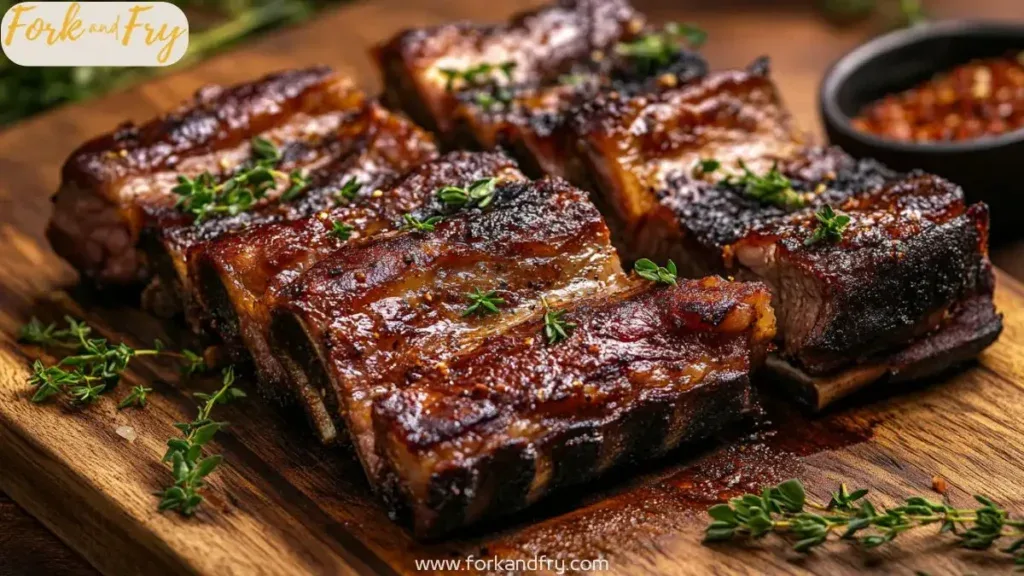
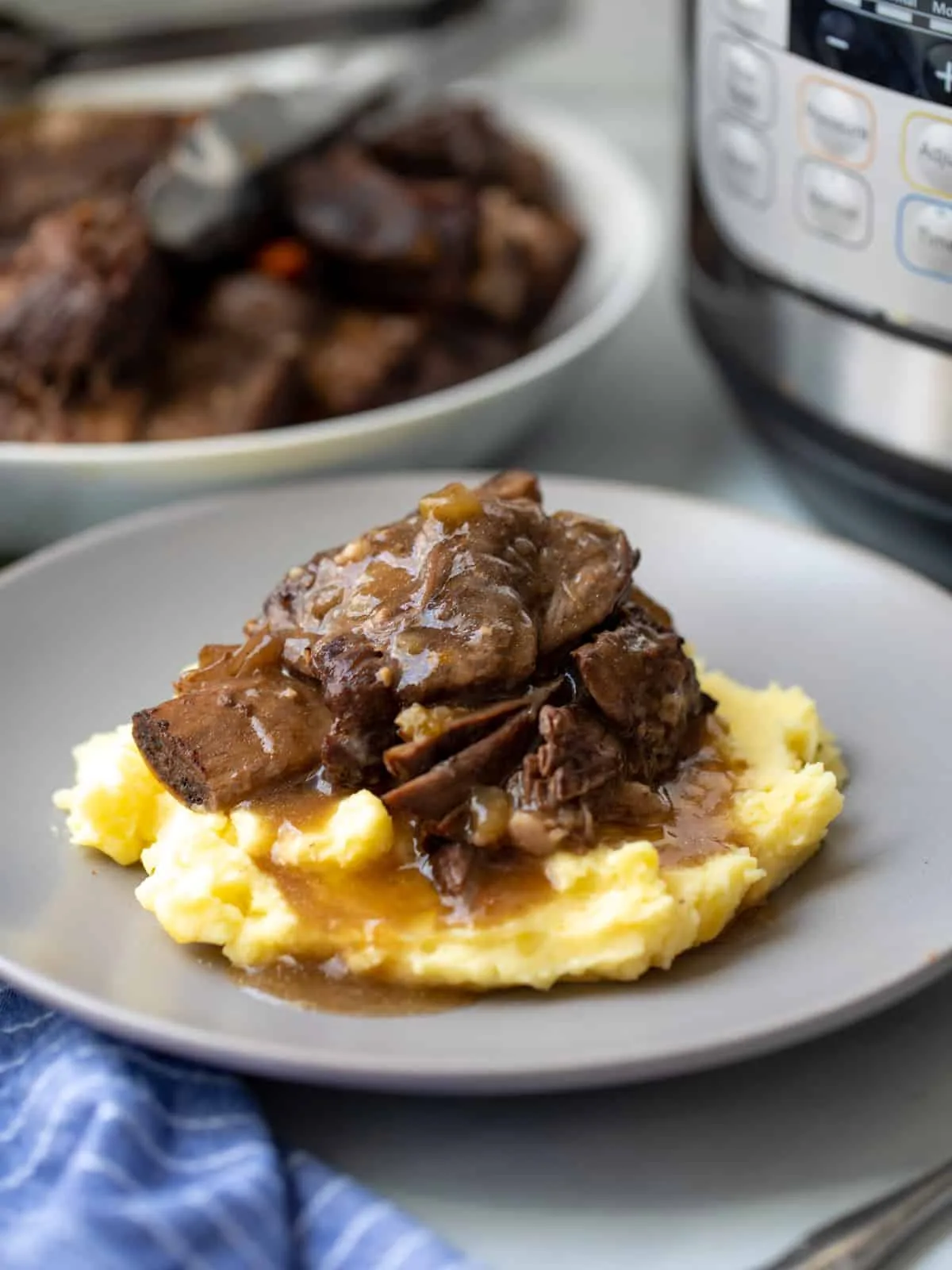
A pressure cooker is the best way to get braised short rib texture on a weeknight schedule. The sealed environment raises internal pressure to approximately 12 to 15 PSI, which elevates the boiling point and accelerates collagen breakdown. Sear the ribs, add a cup of braising liquid, and cook on high pressure for 35 to 50 minutes.
Allow a natural release for 10 to 15 minutes.
Total time including searing, pressurizing, cooking, and release is 55 to 75 minutes. Active effort is maybe 15 minutes. User reviews report that 35 minutes yields meat that holds its shape, while 50 minutes produces fall-apart texture.
If you own a multi-cooker and want to understand its full range, our guide on Is Instant Pot An Air Fryer breaks down what these appliances can handle.
Oven Braise: 90 Minutes to 4 Hours
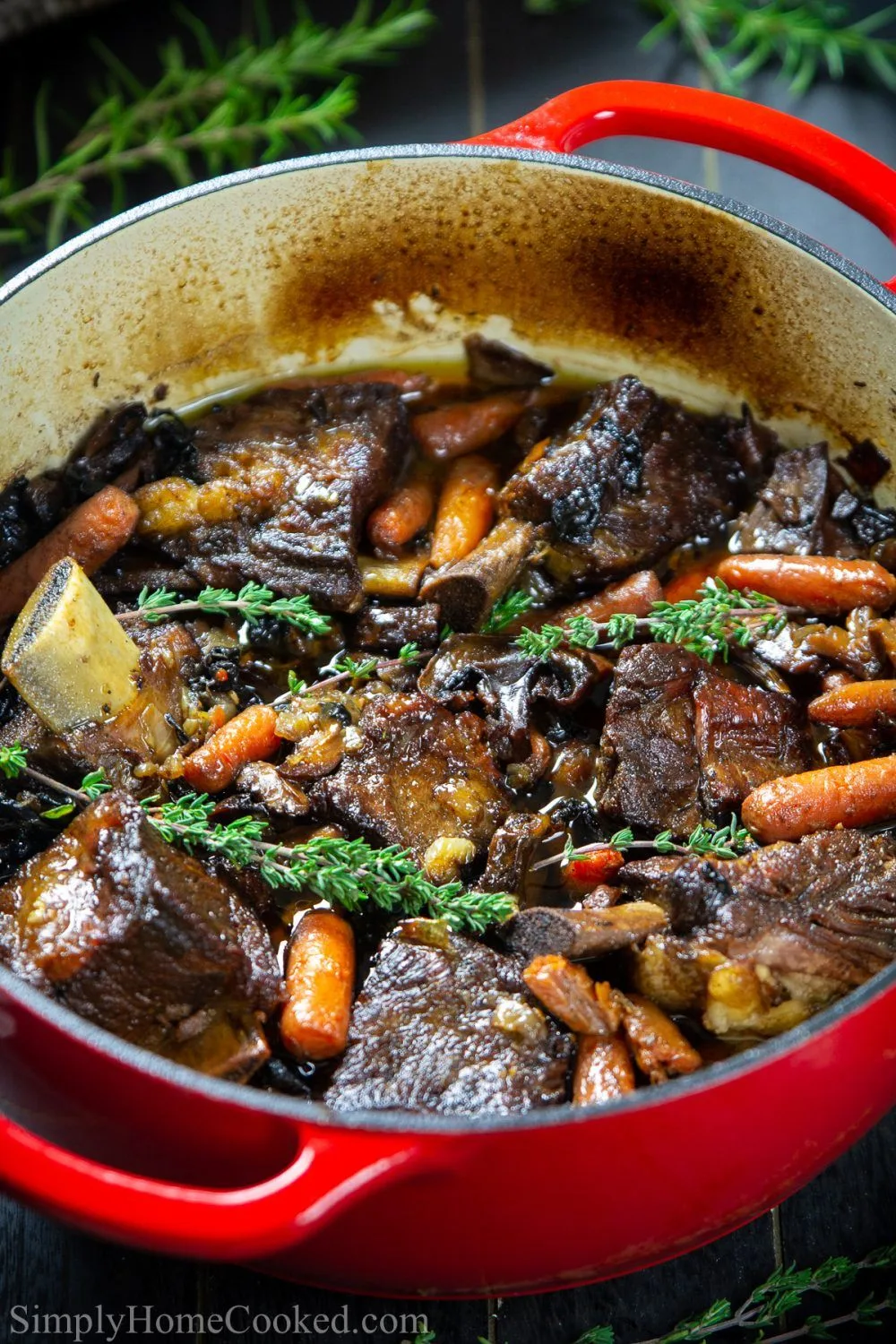
A standard oven braise at 300°F takes 2.5 to 3.5 hours for thick English-cut ribs. The workaround for thinner cuts, around one inch, is to increase the oven to 350°F and keep the ribs tightly covered. That gets you to done in about 90 minutes to two hours.
Use plenty of braising liquid, at least halfway up the ribs, and check with a fork at the 90-minute mark.
Slow Cooker: 4 to 10 Hours
The slow cooker is the ultimate hands-off method, but it's the opposite of quick. On low, short ribs need eight to ten hours. On high, figure four to five hours.
Sear the ribs first for better flavor, then transfer with braising liquid and aromatics. Walk away until the meat is fork-tender.
How to Speed Up a Traditional Short Rib Braise
If you're committed to the oven braise but want to shave off time, a few techniques help. None of them cut the cook time in half, but they add up.
Cut the ribs smaller. Ask your butcher to separate individual bones. Smaller pieces braise faster because heat penetrates from more surfaces. This alone can reduce cook time by 30 to 45 minutes.
Sear aggressively. A deep Maillard reaction on all sides builds flavor compounds that would otherwise take hours to develop. Use the highest heat your skillet can manage and don't crowd the pan.
Use a tight-fitting Dutch Oven. A snug vessel where ribs are mostly submerged transfers heat more efficiently than a large roasting pan with empty space.
Add a small amount of acid. A tablespoon of tomato paste or a splash of apple cider vinegar helps break down connective tissue slightly faster. Don't overdo it.
Start in a cold oven. Let the temperature climb with the meat inside. The warm-up phase contributes extra collagen conversion before the oven hits target.
Even with all these tricks, plan on a minimum of two hours for a proper English-cut braise. If that's still too long, switch to the pressure cooker.
Korean-Style Short Ribs: The Fastest Full Flavor
Korean-style galbi is the gold standard for cooking short ribs quickly without sacrificing depth. The method uses the flanken cut with a marinade built on soy sauce, Asian pear or kiwi, sesame oil, garlic, brown sugar, and rice wine. The fruit isn't just sweetener.
Kiwi contains actinidin and Asian pear contains proteases, enzymes that break down surface proteins and visibly tenderize meat in 20 minutes.
Grill over the highest heat your setup allows. A cast-iron grill pan works outdoors or on the stovetop. Each side needs only two to four minutes.
Watch closely because the sugars caramelize fast. The result is charred edges with a juicy interior, ready in under 30 minutes from start to plate.
Mistakes That Make Short Ribs Take Longer or Turn Out Awful
Buying the wrong cut for your timeline is the most common error. Grabbing English-cut slabs and trying to sear them fast guarantees a chewy dinner. Those thick cuts need moisture and time.
Skipping the sear is the second biggest mistake. Browning creates hundreds of flavor compounds that braising alone can't replicate. Crowding the pan during searing is another trap.
If ribs steam instead of brown, you lose the foundation of the final sauce. Work in batches with space between pieces.
Using too little braising liquid causes uneven cooking and dry spots. The liquid should come at least halfway up the ribs. And don't cut into the meat to check doneness.
Use a twist test with a fork instead.
How to Know When Short Ribs Are Actually Done
Short ribs cooked for tenderness follow different rules than steak. USDA guidelines set the safe minimum internal temperature for beef at 145°F with a three-minute rest. That's fine for tenderloin.
It's not enough for short ribs unless you want them chewy and disappointed.
Collagen fully converts to gelatin between 195 and 205°F. At that range, the connective tissue dissolves and meat pulls apart with almost no resistance. A probe thermometer inserted into the thickest part, avoiding bone, gives the most reliable reading.
For flanken cuts on the grill, the window is narrower. Look for charred edges, firm but yielding texture, and an internal temperature of 145°F. Overcooked flanken ribs go from tender to cardboard fast, so stay close to the heat.
What About Sous Vide, Air Fryers, and Smokers?
Sous vide produces remarkable tenderness with precise temperature control. The catch is time. Most recipes call for 24 to 72 hours at 135 to 165°F.
This is a weekend project, not an after-work dinner.
Air fryers work for small portions of flanken or boneless short ribs. Set to 400°F and cook 12 to 18 minutes, flipping halfway. The circulating hot air creates a decent crust, but capacity is limited to two or three pieces.
Our Beef Short Ribs Recipe Air Fryer guide covers this method in full detail.
Smokers deliver incredible flavor but demand patience. Plan on two to three hours at 250 to 275°F. The smoke penetration and low heat create something genuinely special.
It's the slowest method on the list, but worth it if you've got the time.
Quick Comparison: Every Major Method at a Glance
| Method | Cut | Total Time | Hands-On | Best For |
|---|---|---|---|---|
| Grilling | Flanken | 12 to 20 min | 10 to 15 min | Fastest possible result |
| Pressure cooker | Any | 55 to 75 min | 15 min | Weeknight braised ribs |
| Oven braise (thin) | English | 90 min to 2 hr | 20 min | Small-batch braise |
| Oven braise (thick) | English | 2.5 to 4 hr | 20 min | Maximum tenderness |
| Slow cooker | English | 4 to 10 hr | 15 min | Set-and-forget meal prep |
| Smoker | English | 2 to 3 hr | 30 min | BBQ flavor, weekends |
| Sous vide | English | 24 to 72 hr | 20 min | Precision, advance prep |
| Air fryer | Flanken | 12 to 20 min | 5 min | Small portions, crispy crust |
The pattern is simple. Thin cuts plus high heat equals speed. Thick cuts plus low heat equals tenderness.
No method gives you both. Pick the trade-off that matches your night.
My Recommendation Based on How Much Time You Actually Have
Under 30 minutes means flanken-cut short ribs on the grill. Marinate while the grill preheats. You'll be eating in 20 minutes.
The result isn't braised. It's something different but genuinely delicious.
About an hour means the pressure cooker. Real braised texture, rich sauce, and fall-apart meat in a Tuesday-friendly window. Sear well and don't skip the natural release.
Three or more hours means the classic oven braise at 300°F. Deep flavor, silky texture, and a sauce that tastes like you've been cooking all day. This is the method for Sunday dinner.
Time is the one ingredient you can't buy more of. Pick the method that fits the minutes you've actually got, and you won't be disappointed.
Frequently Asked Questions
Can I cook short ribs in 30 minutes?
Yes, with flanken-cut short ribs on the grill. Marinate for 20 minutes and grill two to four minutes per side. English-cut short ribs cannot be properly cooked in 30 minutes.
They need at least 35 minutes under pressure or 2.5 hours in the oven.
Are pressure cooker short ribs as good as oven-braised?
They're close. A pressure cooker produces tender, saucy short ribs in under an hour. The texture is slightly less silky than a slow oven braise.
For most weeknight purposes, the trade-off is worth the time savings.
What is the fastest way to cook bone-in short ribs?
Grilling flanken-cut bone-in short ribs is the fastest method. Total time from marinade to plate is 12 to 20 minutes. No other method comes close for bone-in cuts.
Can I use an air fryer for short ribs?
Yes, for small portions of flanken or boneless short ribs. Set to 400°F and cook 12 to 18 minutes, flipping halfway. Our Beef Short Ribs Recipe Air Fryer guide covers this in detail.
Why are my short ribs still tough after cooking?
The collagen hasn't fully converted. This happens when the internal temperature stays below 195°F. English-cut ribs need sustained heat above 180°F for at least 2.5 hours, or 35 to 50 minutes under high pressure.
Use a probe thermometer to confirm next time.
Do I need to marinate short ribs before cooking?
You don't have to, but it helps. For grilled flanken cuts, even a 20-minute marinade improves flavor and tenderness. For braised English-cut ribs, a dry brine with salt for one to four hours does more for texture than a wet marinade.