
If you've ever stared at your air fryer wondering what to actually make that your kids will eat, you're not alone. Kid friendly air fryer recipes solve one of the most common frustrations parents face, getting nutritious, kid-approved food on the table in under 20 minutes without the mess of deep frying. According to aggregate user reviews across major retailer sites, families with children under 12 are the fastest-growing segment of air fryer adopters as of 2026, and recipes built specifically for young eaters are among the most searched topics in the category.
Whether you're navigating picky eaters or just want healthier versions of the foods your children already love, the recipes and tips ahead will walk you through exactly how to make it happen.
Quick Answer
Kid friendly air fryer recipes are meals designed for children's tastes and portion sizes using an air fryer. They typically call for simple ingredients. Most take 8 to 20 minutes at temperatures between 350°F and 400°F.
Air frying cuts oil use by up to 80% compared to deep frying. The result is crispy food kids love with far less fat.
The Best Kid-Friendly Air Fryer Recipes by Meal Type
The beauty of cooking for kids in an air fryer is that the foods they already want tend to cook beautifully in it, and you can swap in healthier ingredients without them noticing. From crispy tenders to sweet breakfast bites, here is a meal-by-meal breakdown of the recipes that actually get eaten.
Crispy Chicken Nuggets and Tenders
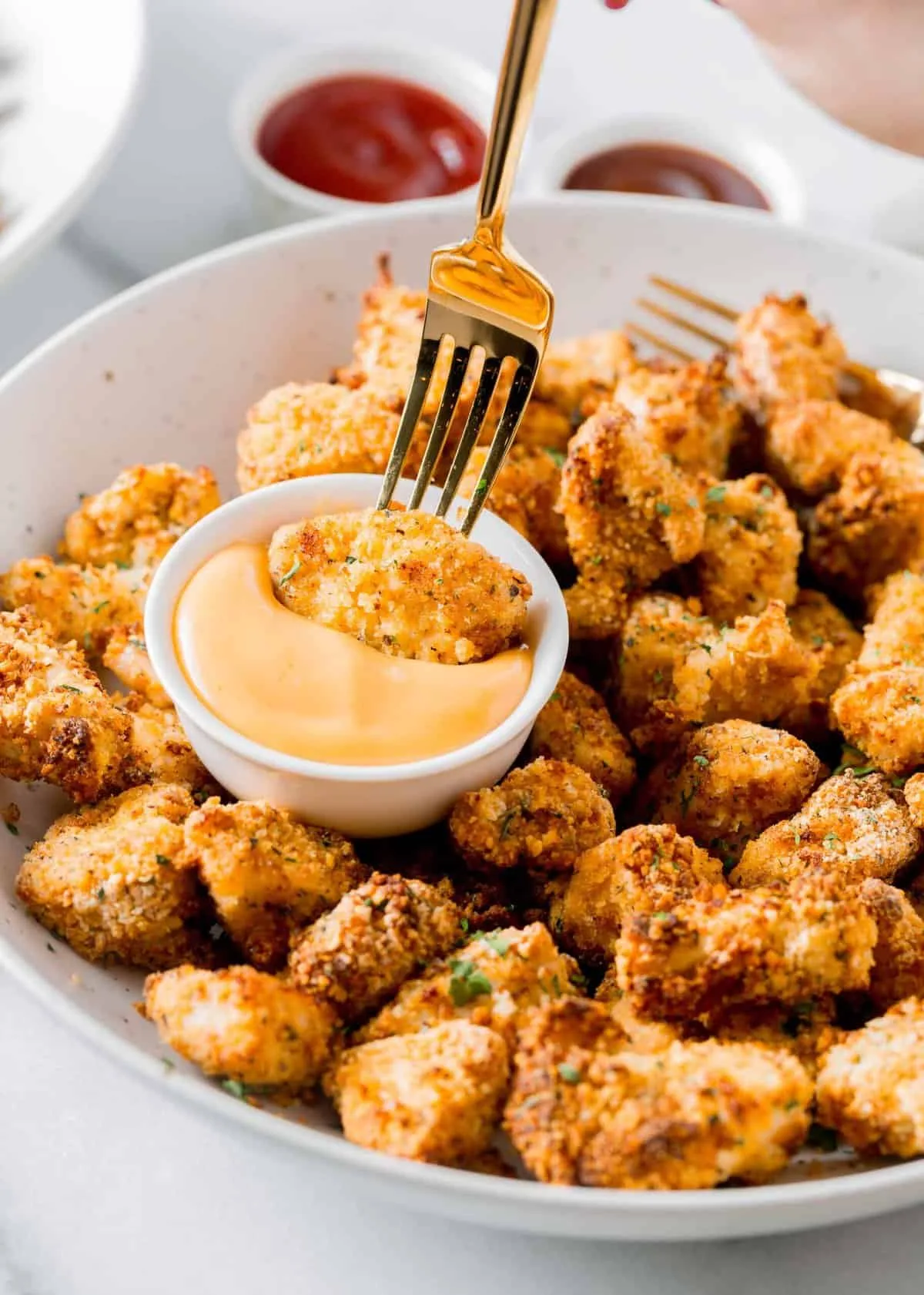
Air fried chicken tenders are the single most popular kid friendly air fryer recipe according to our research into search trends and parental recipe forums. The reason is simple: kids expect that deep-fried crunch, and the air fryer delivers it with a fraction of the oil.
Start with boneless, skinless chicken breast cut into strips or nugget-sized pieces. Set up a three-step coating station: flour, beaten egg, and panko breadcrumbs seasoned with a pinch of salt, garlic powder, and paprika. Let the kids do the coating themselves.
It keeps them engaged and they're more likely to eat what they helped make. Give each piece a light coat of oil using a refillable pump mister. Aerosol sprays with lecithin degrade nonstick coatings over time.
Cook at 400°F for 10 to 12 minutes, flipping once halfway through. The USDA Food Safety and Inspection Service (FSIS) recommends all poultry reach an internal temperature of 165°F, so check a couple of the thickest pieces with a meat thermometer before serving. Let them rest for 2 minutes so the interior finishes cooking and the coating firms up.
Air frying chicken tenders uses approximately 1 to 2 teaspoons of oil per serving compared with 8 to 12 tablespoons absorbed during deep frying, a reduction of roughly 70 to 80% in added fat per USDA FoodData Central estimates.
For a hidden veggie boost, mix a tablespoon of finely grated zucchini or carrot into the flour dredge. Kids will not notice, and you've quietly added vegetable matter to their favorite food. If you're dealing with allergies, swap the egg for a thin paste of flour and water, and use gluten-free panko.
The coating will still crisp well at the same temperature.
Sweet Potato Fries and Veggie Sides
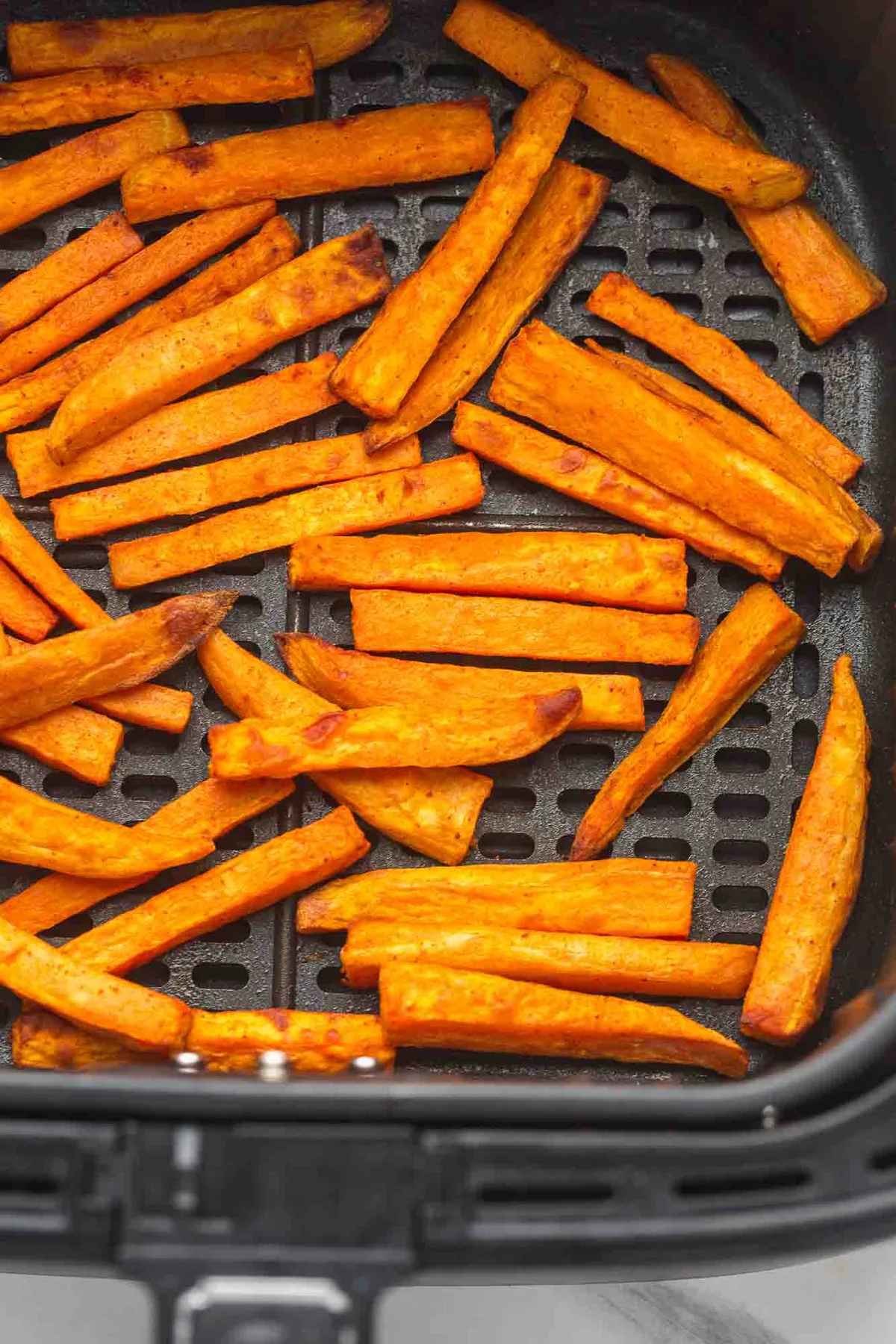
Sweet potato fries are the gateway vegetable for most kids. Air frying caramelizes their natural sugars and gives them a flavor that regular potatoes simply cannot match. Cut sweet potatoes into uniform quarter-inch sticks, toss with one teaspoon of olive oil and a tiny pinch of salt, and spread them in a single layer.
Cook at 400°F for 12 to 15 minutes, shaking the basket at the halfway mark. The key to getting them crispy rather than steamy is not overcrowding. If you're making fries for three or more kids, cook in two batches rather than piling them in.
Other vegetables that work remarkably well in an air fryer for young eaters include:
- Broccoli florets tossed in oil and cooked at 375°F for 8 minutes. They get crispy edges that taste almost like chips.
- Zucchini coins breaded lightly with parmesan and cooked at 380°F for 10 minutes.
- Carrot sticks roasted at 390°F for 12 minutes until the tips get slightly charred and sweet.
- Frozen green beans cooked straight from frozen at 400°F for 6 to 7 minutes. A surprisingly popular side.
Rockfish Recipes Air Fryer offers another protein option that pairs well with these sides if you want to vary the main course throughout the week.
Mini Muffins, Pancake Bites, and Breakfast Ideas
Breakfast tends to be the hardest meal for air fryer recipes, but there are a few standouts that work reliably. Mini muffin bites made in silicone muffin cups inside the air fryer basket cook in 8 to 10 minutes at 330°F. Blueberry, banana, and chocolate chip varieties are all popular choices you can rotate through the week.
French toast sticks are another winner. Cut thick bread into fingers, dip in a mixture of egg, milk, cinnamon, and a drop of vanilla extract, then air fry at 370°F for 6 to 8 minutes until golden. Kids can dip them in maple syrup or yogurt, which makes them feel like a treat while actually being a reasonable breakfast.
For something more unusual that works surprisingly well, try the Air Fryer Apple Fritter Recipe. The air fryer gives them a crisp exterior that holds together much better than oven baking, and the size is perfect for small hands.
Egg bites made in silicone molds are equally reliable. Whisk eggs with a little diced ham, shredded cheese, and finely diced bell pepper. Pour into silicone egg bite molds and cook at 320°F for 10 to 12 minutes.
They hold in the fridge for up to 3 days and reheat in the air fryer at 350°F for just 3 minutes, making them an excellent option for busy mornings.
Snacks and Finger Foods Kids Actually Eat
When afternoon hunger hits, the air fryer can turn out homemade snacks in the time it would take to drive to the store. Homemade mozzarella sticks are a top performer. Coat string cheese halves in flour, egg, and seasoned breadcrumbs, freeze them for 30 minutes so the coating sets, then air fry at 380°F for 6 to 8 minutes.
Apple chips are equally simple. Core and slice apples into thin rounds, lay them in a single layer, and cook at 300°F for 10 to 12 minutes, flipping once. They come out crispy and lightly sweet with no added sugar needed.
The Air Fryer Apple Recipe has additional fruit-based snack ideas worth exploring.
For a more substantial snack, banana chips made from sliced ripe bananas and a light spray of coconut oil cook at 300°F for 15 minutes. Kids who turn their nose up at a whole banana will happily eat a bowl of crunchy banana chips, and the Air Fryer Banana Recipe has the full method.
Other quick wins include:
- Pizza rollups made with tortilla wraps, marinara, and shredded mozzarella, cooked at 375°F for 5 minutes
- Cottage cheese bites formed into small balls, breaded, and cooked at 380°F for 8 minutes
- Frozen veggie tots cooked straight from the bag at 400°F for 8 to 10 minutes. A nostalgic favorite for most kids.
If you're planning a batch of frozen snacks to make ahead, see the make-ahead section below for storage and reheating guidance.
Pizza Rolls, Quesadillas, and Lunchbox Favorites
Air fryers reheat and brown bread-based foods better than almost any other cooking method. Leftover pizza slices come back to life at 350°F for 4 minutes with a crispness the microwave will never achieve. Homemade pizza rollups, whether you use store-bought dough or tortillas, become golden and bubbly at 375°F in just 6 to 8 minutes.
Quesadillas are outstanding in an air fryer. Lay a tortilla flat, cover one half with shredded cheese and any add-ins like diced chicken, black beans, or corn, fold over, and cook at 370°F for 5 minutes per side. The tortilla gets shatteringly crisp while the cheese melts completely, and kids can eat them in handheld wedges with no fork needed.
For lunchbox prep ahead of time, Best 8 Qt Air Fryer For Family Meals covers larger-capacity units that make batch cooking these items more practical when you're feeding multiple kids.
Other lunchbox ideas that hold up well when reheated in the air fryer at 350°F for 3 to 4 minutes include mini sliders on dinner rolls, baked pasta bites made in muffin tins, and pinwheel wraps sliced into rounds. These all travel well in an insulated lunch container and can be quickly recrisped before eating.
How to Adapt Any Recipe for Your Air Fryer
Not every recipe you find online will be written for air frying, and not every air fryer recipe online will work in your specific machine. Here is what we have learned from comparing results across different models and capacities.
Adjusting Cook Times and Temperatures
The general rule for converting a conventional oven recipe to an air fryer is to reduce the temperature by 25°F and the cook time by roughly 20%. That starting point works for most recipes, but you will need to adjust based on your specific unit. A 2-quart Dash compact air fryer at 800 watts will take 25 to 30% longer than a 5.8-quart Cosori running at 1700 watts.
Small portions cook fast. A single layer of chicken nuggets in a large basket may dry out before the center is done because of excess airflow. When cooking smaller batches in a larger unit, either reduce the temperature by another 10 to 15°F or check 2 minutes before the recipe suggests.
Keep a simple note on your phone with your own adjustments. Manufacturer presets are starting points, not gospel, and your specific kitchen altitude, how cold the ingredients are, and how crowded the basket all affect the outcome. After two or three attempts with any new recipe, you will have dialed in your unit's quirks.
Getting the Coating to Stick (Without the Mess)
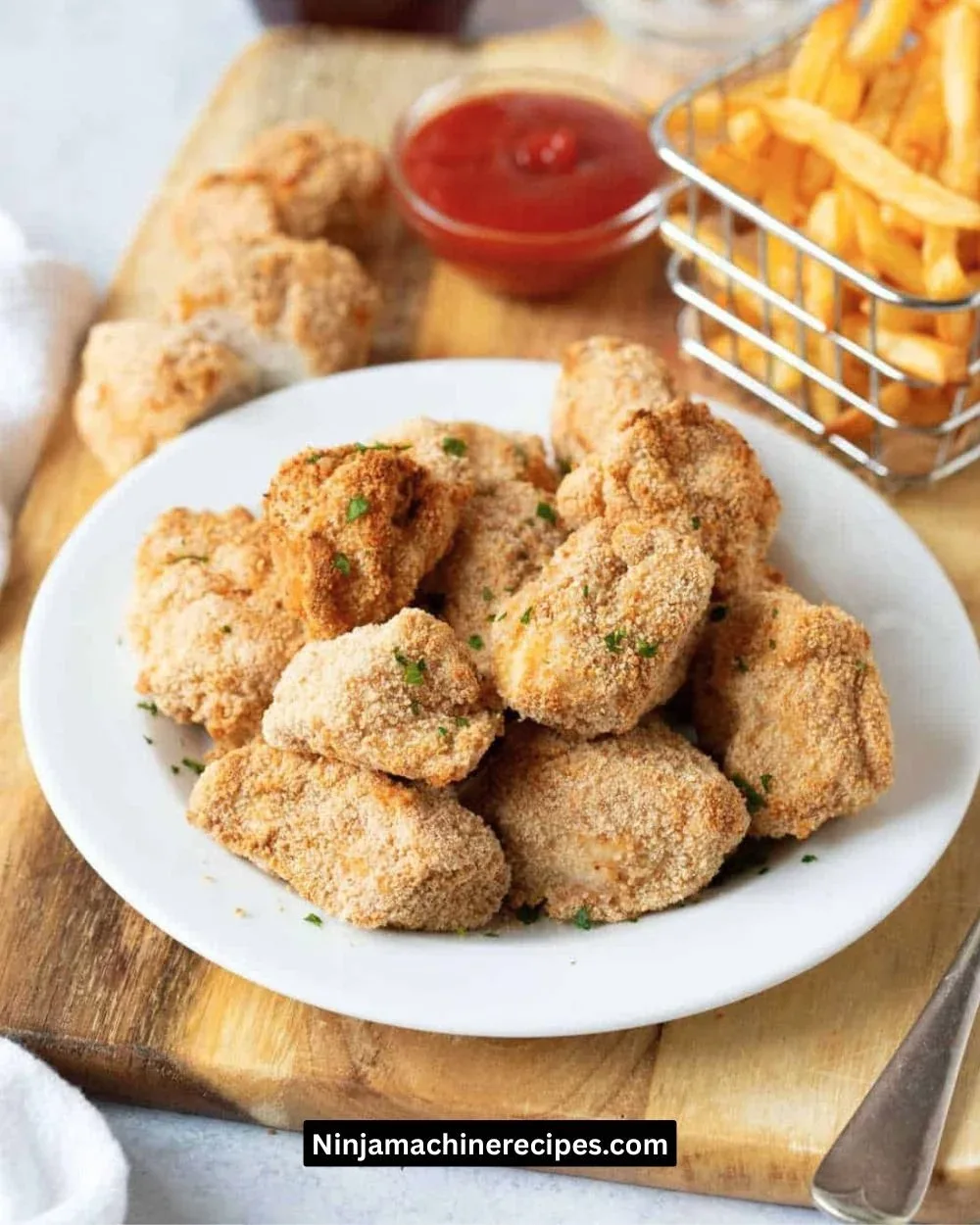
Nothing frustrates a parent more than pulling a basket out to find bare chicken and a floor of breadcrumbs at the bottom. The number one cause is the air fryer's powerful internal fan blowing the coating off before it has a chance to set.
Here is how to prevent it. Pat every piece of food completely dry with paper towels before coating. Moisture is the enemy of adhesion.
After breading, let the pieces sit on a plate or rack for 5 to 10 minutes before cooking. This resting period lets the coating bond to the surface.
Another technique that works well is a double dredge. Flour, then egg, then breadcrumb, then back into the egg and breadcrumb one more time. The thicker coating holds up better under high airflow.
Use a light oil spray after the final coating layer. The oil helps the crumbs toast rather than blow away.
For parchment paper liners with perforations, make sure you weigh them down with food before turning the air fryer on. A loose sheet of parchment will fly up into the heating element and could scorch or damage the fan.
Batch Cooking for Multiple Kids
Most kid friendly air fryer recipes are written for 2 to 3 servings, which means families with 3 or 4 kids will need to cook in rotation. The trick is keeping early batches warm without letting them get soggy. Set your conventional oven to its lowest setting, usually around 170°F to 200°F, and place finished batches on a wire rack inside.
This keeps the outside crispy while holding everything at a safe serving temperature.
As you get more comfortable batch cooking, you can stagger items with different cook times. For example, start a batch of chicken nuggets that take 12 minutes, and at the 6-minute mark add a second layer of fries. The fries will finish 3 to 4 minutes after the nuggets, giving you a hot full meal without any reheating.
If you regularly cook for a larger family, the extra capacity is worth the counter space. Best 8 Quart Air Fryer For Family Of 5 walks through the models that genuinely handle full family batches without selling you features you do not need.
Air Fryer Safety When Cooking with Kids Around
Air fryers are inherently safer than deep fryers. There is no vat of 350-degree oil on the stovetop. But they still generate intense heat, and children pull things off counters.
A few simple ground rules prevent the most common household incidents.
Burn Prevention and Safe Handling
The basket interior, the tray, and the food itself are all hot enough to cause a burn for several minutes after cooking completes. Manufacturer safety manuals for major brands including Ninja and Cosori consistently warn that basket surfaces exceed 400°F during use. The exterior housing of most units also gets warm enough to be uncomfortable but is rarely hot enough to break skin.
Instruct kids to touch only the carry handle and base.
As a rule, let the unit cool for at least 5 minutes before removing food. When you do remove the basket, set it on a heat-resistant trivet, not directly on the counter where a toddler could grab the edge. Always pull the basket out fully before tipping food onto a plate.
Tipping partially pulled baskets has caused burns when hot oil pooled at the bottom splashed out.
If your children are old enough to help, assign them tasks that keep distance from hot surfaces. A 4-year-old can drop breaded nuggets into a bowl of crumbs. A 7-year-old can press the start button with supervision.
No child under 12 should remove a basket from the air fryer without an adult present.
Choking Hazards and Age-Appropriate Textures
The American Academy of Pediatrics (AAP) recommends against giving children under 4 any round, hard, or slippery foods that can block the airway. That means whole grapes, whole cherry tomatoes, large chunks of hard raw carrot, and thick spreads like peanut butter are all high-risk items. Air frying does not change these guidelines, but it can create textures that tempt parents to give harder foods earlier.
Air fried apple chips and banana chips are excellent snacks for older toddlers and preschoolers. They dissolve in the mouth and break into small pieces safely. But some air fried vegetables, especially thin sliced roasted carrots or broccoli stems, can become quite hard.
Test any vegetable snack between your own teeth before giving it to a child under 3.
Cut grapes into quarters lengthwise. Cook soft vegetables until they pierce easily with a fork. And always have kids seated while eating air fried finger foods.
Running with food in the mouth is a choking risk regardless of the recipe.
Allergen Management and Ingredient Swaps
Air fryers cook whatever you put in them, so they are naturally free of any allergen you do not add. This makes them a powerful tool for families managing the FDA's Big 9 allergens: milk, eggs, fish, shellfish, tree nuts, peanuts, wheat, soy, and sesame. You control every ingredient that goes into the coating.
For egg-free breading, a mixture of flour and water in a 1-to-1 ratio creates a thin paste that holds crumbs reasonably well. For nut-free recipes, skip almond flour coatings entirely and use panko or crushed rice cereal instead. Gluten-free panko and crushed cornflake coatings crisp beautifully at the same temperatures as their wheat-based counterparts.
When cooking for groups like birthday parties or playdates, label everything you serve by allergen. A simple sticky note that reads "contains dairy" prevents a panicked parent phone call later. If one child has a dairy allergy and the rest do not, cook the dairy-free items first in the air fryer before anything with cheese or butter goes in.
Cross contact from aerosolized oil residue is minimal in air fryers because there is no shared oil bath, but the basket surface itself can transfer residue between batches.
Hidden Veggie and Nutrition Hacks for Picky Eaters
Most kids will not voluntarily eat a plate of steamed broccoli. But they will eat a crispy, golden, air fried version of almost anything. That gap between what kids will accept and what they need nutritionally is where air fryers genuinely shine.
Sneaking in Vegetables Without a Fight
The most reliable method is incorporating finely grated or pureed vegetables directly into the food kids already love. Mix a quarter cup of finely grated zucchini into chicken nugget breading. Stir pureed butternut squash into mac and cheese before air frying it in a small oven-safe dish.
Fold finely diced spinach into egg bite mixtures where the green color is hidden by cheese and ham.
Cauliflower is the most versatile hidden vegetable for air fryer cooking. When pulsed in a food processor to a rice-sized texture and mixed with egg and cheese, it forms a dough that air fries into crispy bites with no detectable cauliflower flavor. Kids who refuse steamed cauliflower will eat a full plate of these without a second thought.
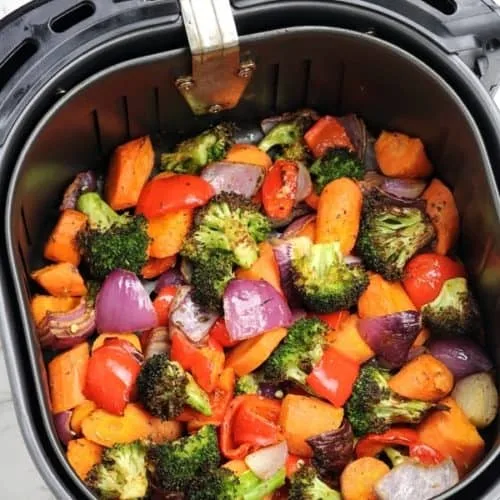
Sweet potato is another easy win. Its natural sweetness makes it palatable to most children, and air frying concentrates that sweetness through caramelization. Swap half the regular potato in any recipe for sweet potato and you have quietly increased the vitamin A content without changing the eating experience.
Reducing Sodium and Added Sugar
Most packaged kid foods are loaded with sodium and sugar to compensate for bland base ingredients. When you make the same foods at home in an air fryer, you control exactly how much of either goes in. A homemade chicken nugget breading needs only a quarter teaspoon of salt per serving to taste seasoned.
Compare that to the 300 to 400 milligrams of sodium per serving in most frozen nugget brands.
For sweet recipes, reduce added sugar by a third and let the air fryer's caramelization do the rest. Air fried banana slices with no added sugar taste sweeter than raw banana because the Maillard reaction and natural sugar concentration intensify during cooking. A light sprinkle of cinnamon adds perceived sweetness without any sugar at all.
The American Heart Association recommends children ages 2 to 18 consume fewer than 25 grams of added sugar per day. One serving of air fried apple chips made with no added sugar and a dusting of cinnamon contains roughly 10 grams of naturally occurring fruit sugar, well within a reasonable range for a daily snack.
Swapping Ingredients for Allergies and Dietary Needs
Air fryer recipes are inherently easy to modify because most coatings and batters are built from simple pantry staples. Here are the most common swaps that work without changing cook time or temperature:
- Egg-free: Flour and water paste, or a thin slurry of cornstarch and plant milk
- Dairy-free: Nutritional yeast instead of parmesan in breading, coconut oil instead of butter
- Gluten-free: Rice flour or almond flour for dredging, gluten-free panko for the outer coating
- Nut-free: Sunflower seed butter as a binding agent, crushed rice cereal for crunch
For families managing multiple allergies, the air fryer's lack of shared cooking oil is a genuine advantage over deep frying. Every batch starts clean, and there is no risk of cross contact from oil that previously cooked an allergen-containing food.
Make-Ahead and Freezer-Friendly Air Fryer Meals
Batch cooking on a weekend and freezing the results is the single biggest time-saving strategy for busy parents. The air fryer excels at reheating from frozen, which means you can prep a week's worth of kid meals in one session.
What Freezes Well and What Doesn't
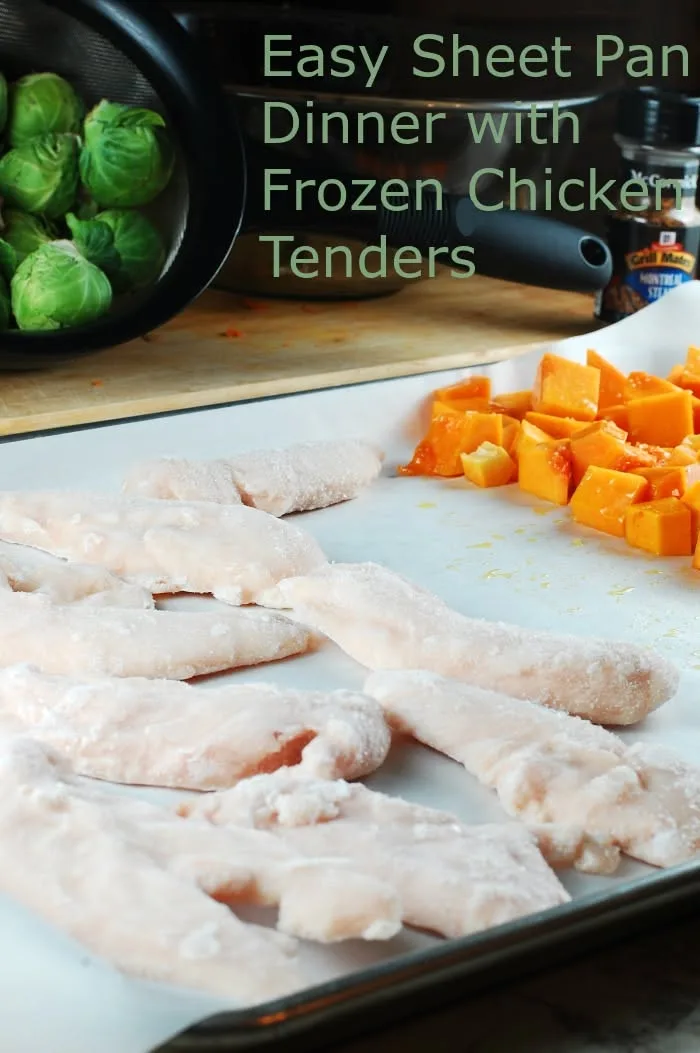
Breaded proteins freeze exceptionally well. Chicken nuggets, fish sticks, and mozzarella sticks can all be frozen raw in a single layer on a sheet pan, then transferred to freezer bags once solid. They go straight from the freezer into the air fryer with no thawing needed.
Add 3 to 5 minutes to the normal cook time and check the internal temperature reaches 165°F for poultry.
Cooked pasta dishes, egg bites, and mini muffins also freeze and reheat well. Let them cool completely before bagging to prevent ice crystals from forming. Most items maintain good texture for up to 3 months in a standard freezer.
What does not freeze well includes raw vegetable fries with high water content like zucchini and cucumber. They turn mushy when thawed. Fully cook those first, then freeze.
The texture after reheating will be softer than fresh but still acceptable for most kids.
Reheating from Frozen Without Losing Crispness
The air fryer's biggest advantage over the microwave is its ability to restore crispness to frozen foods. Set the temperature 25 degrees lower than the original cook time and add 3 to 5 extra minutes. For frozen chicken nuggets originally cooked at 400°F for 10 minutes, reheat from frozen at 375°F for 13 to 15 minutes.
Do not stack frozen items in the basket. They need airflow on all sides to crisp properly. If you are reheating a large batch, work in two rounds rather than piling them in.
The extra 10 minutes of cooking time is worth the texture difference.
A light mist of oil on frozen items before reheating makes a noticeable difference. It replaces the moisture lost during freezing and helps the coating crisp back up to near-fresh quality.
Weekend Prep Routines for Busy Families
The most efficient prep routine we have seen repeated across family cooking forums looks like this. On Sunday, coat and freeze two batches of chicken nuggets, one plain and one with hidden veggie breading. Make a tray of egg bites and freeze them in silicone molds.
Prep sweet potato fries and store them raw in water in the fridge so they are ready to cook on weeknights.
On a busy Wednesday, you pull nuggets from the freezer, start the air fryer, and have a full meal in 15 minutes. The egg bites reheat in 3 minutes for breakfast the next morning. The total active cooking time on a weeknight drops to under 20 minutes for most families using this approach.
Best Air Fryer Gift For Family has recommendations for units with the capacity to handle this kind of batch cooking if you are choosing a new model.
Common Air Fryer Mistakes Parents Make (And How to Fix Them)
Even experienced home cooks run into the same handful of issues when they start making kid friendly air fryer recipes. Here are the problems that come up most often and exactly how to solve them.
Overcrowding the Basket
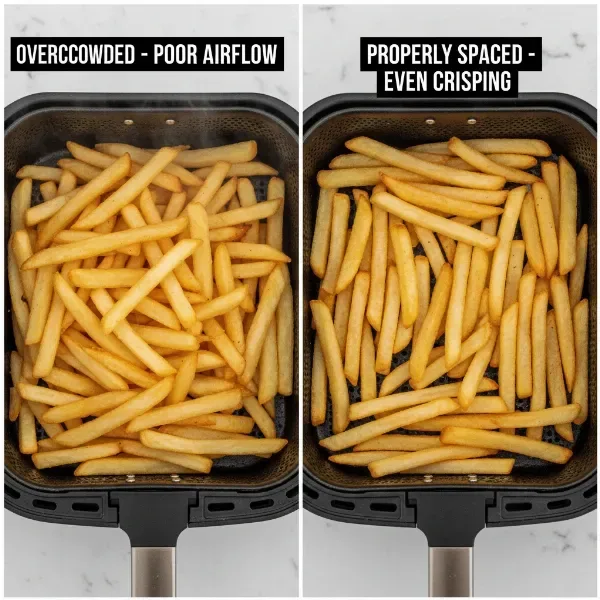
This is the number one mistake across every air fryer model and brand. When food is piled on top of itself, hot air cannot circulate and everything steams instead of crisping. The result is soggy, pale food that looks nothing like the recipe photos.
The fix is simple. Cook in a single layer with visible space between pieces. If you are making nuggets for three kids and your basket only holds one layer of eight pieces, cook two batches.
Yes, it takes an extra 10 minutes. The difference in quality is dramatic.
A good rule of thumb is to fill no more than two-thirds of the basket surface area. Leave the outer ring empty so air can flow up the sides and over the top of the food.
Overcooking Small Portions
Kid-sized portions cook faster than adult portions, and most air fryer recipes are written for standard adult servings. A chicken nugget the size of a quarter will be done in 6 to 8 minutes at 400°F, not the 10 to 12 minutes a full-sized tender needs.
Set a timer for 2 minutes less than the recipe suggests and check early. You can always add time, but you cannot unburn a nugget. Small items also continue cooking from residual heat after you pull them out, so letting them rest for 2 minutes before serving prevents that last bit of overcooking.
Using the Wrong Oil Spray
Aerosol cooking sprays like traditional nonstick brands contain lecithin as an emulsifier. Over time, lecithin builds up on nonstick coatings and creates a sticky residue that cannot be washed off. It degrades the coating and eventually causes food to stick.
Use a refillable oil mister filled with olive oil, avocado oil, or canola oil instead. These pump-style sprayers produce a fine mist without any additives. They cost under 15 dollars and last for years.
The spray pattern is actually more even than aerosol cans, which helps food crisp more uniformly.
If your basket's nonstick coating is already damaged, replace the basket rather than continuing to cook on a compromised surface. Flaking nonstick material is a potential ingestion hazard, especially in a household with young children.
Choosing the Right Air Fryer for a Family with Kids
Not all air fryers are built for family cooking. The compact 2-quart models are fine for a couple, but feeding multiple kids requires more capacity and a few specific features.
Size, Wattage, and Capacity Explained
Air fryer capacity is measured in quarts. For a family of four or more, a minimum of 5 quarts is practical. This holds enough food for one full kid meal without requiring multiple batches.
An 8-quart model, like those reviewed in Best 8 Qt Air Fryer For Party Snacks, can handle a full family dinner in a single load.
Wattage determines how fast the unit heats and how well it maintains temperature when loaded with cold food. Compact models at 800 to 1000 watts work but take noticeably longer. Mid-range units at 1400 to 1700 watts are the sweet spot for family cooking.
They preheat in under 3 minutes and recover temperature quickly after the basket is opened.
Single Basket vs. Dual Basket for Family Cooking
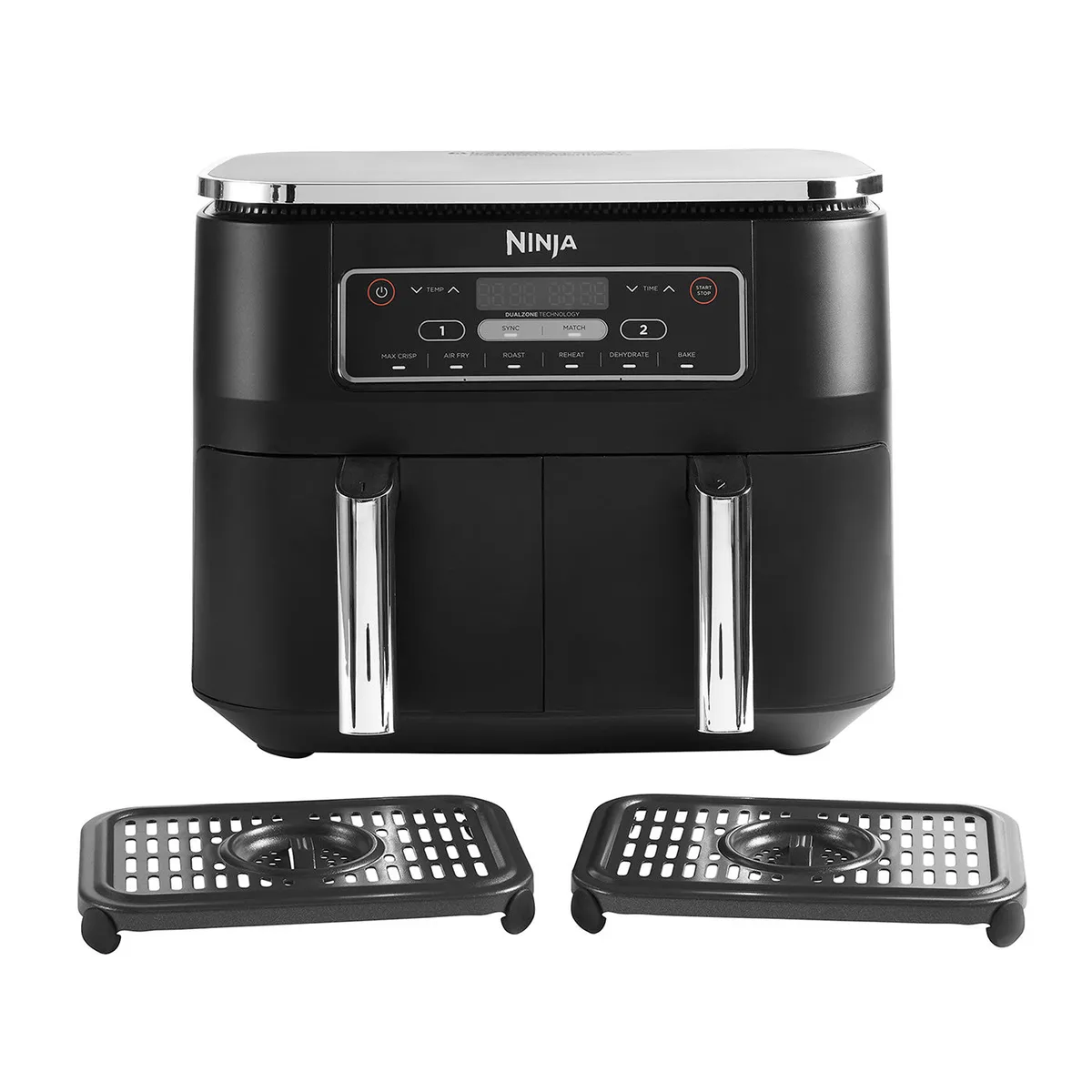
Dual basket models, like the Ninja Foodi Dual Zone, let you cook two foods at different temperatures simultaneously. This is genuinely useful when one child wants chicken nuggets at 400°F and another wants roasted carrots at 375°F. Each basket operates independently, so both finish at the same time.
The tradeoff is that each basket in a dual zone unit is smaller than a single basket model of the same total capacity. An 8-quart dual zone gives you two 4-quart baskets, which is enough for one child's portion per side but not a full family batch in either basket alone.
For most families, a single large basket is more practical than a dual zone. You can cook everything at one temperature and use a divider or parchment separator to keep different foods apart within the same basket.
Budget-Friendly Picks That Actually Work
You do not need to spend over 200 dollars to get good results. Several models in the 60 to 100 dollar range from brands like Cosori and Instant Vortex consistently earn strong reviews from families. Look for these minimum features:
- At least 5-quart capacity for family-sized batches
- Digital controls with a timer and temperature dial. Analog knobs are harder to set precisely.
- Dishwasher-safe basket and tray for easy cleanup
- ETL or UL certification confirming the unit meets electrical safety standards
Avoid the cheapest no-name brands on marketplace sites. Some have faced consumer safety complaints related to overheating and electrical issues. Stick with brands that publish warranty information and have accessible customer support.
Is Instant Pot Also An Air Fryer is worth reading if you already own a multi-cooker and want to know whether a dedicated air fryer is worth the additional purchase.
Quick-Reference Cook Times and Temperatures Chart
This table covers the most common kid-friendly air fryer recipes. Times are for standard-sized kid portions. Always check that poultry reaches 165°F internal temperature before serving.
| Food | Temperature | Cook Time | Notes |
|---|---|---|---|
| Chicken nuggets (homemade) | 400°F | 10 to 12 min | Flip halfway |
| Chicken nuggets (frozen) | 380°F | 8 to 12 min | Shake basket once |
| Sweet potato fries | 400°F | 12 to 15 min | Shake halfway, single layer |
| Broccoli florets | 375°F | 8 min | Light oil toss first |
| Mozzarella sticks (frozen) | 380°F | 6 to 8 min | Freeze 30 min before cooking |
| French toast sticks | 370°F | 6 to 8 min | Flip once |
| Mini muffin bites | 330°F | 8 to 10 min | Use silicone cups |
| Egg bites (silicone mold) | 320°F | 10 to 12 min | Let rest 2 min before removing |
| Apple chips | 300°F | 10 to 12 min | Flip halfway |
| Pizza rollups | 375°F | 5 to 6 min | Flip once |
| Quesadilla (half tortilla) | 370°F | 5 min per side | Press lightly before flipping |
| Frozen veggie tots | 400°F | 8 to 10 min | Shake halfway |
Frequently Asked Questions
Can toddlers eat air fried food?
Yes, as long as the food is soft enough and cut to a safe size. Air fried chicken nuggets, sweet potato fries, and egg bites are all appropriate for toddlers over 12 months. Avoid hard, round, or crunchy items for children under 4.
Always test texture yourself before serving.
How do I stop my air fryer from smoking?
Smoking usually comes from excess oil pooling at the bottom of the basket or from fatty foods dripping during cooking. Make sure the drip tray is clean before each use. For bacon or other fatty proteins, add a tablespoon of water to the bottom of the basket to prevent rendered fat from smoking.
Is air fried food actually healthier than deep fried?
Yes, significantly. Air frying uses 70 to 80% less oil than deep frying according to USDA FoodData Central estimates. A serving of deep-fried fries absorbs roughly 8 to 12 tablespoons of oil.
The same serving made in an air fryer uses 1 to 2 teaspoons. The calorie difference can be over 200 calories per serving.
Can I put aluminum foil in an air fryer?
Yes, but only in the basket and never in a way that blocks airflow entirely. Foil can be used to line the bottom for easier cleanup or to separate different foods. Do not cover the entire basket surface, and make sure the foil cannot reach the heating element above.
How often should I clean my air fryer?
Clean the basket and tray after every use. Crumb buildup on the heating element can cause smoking and odors. Wipe the interior with a damp cloth weekly.
Most baskets and trays are dishwasher safe, which makes daily cleanup fast.
What age can kids start using an air fryer?
Children can help with safe tasks like coating food or pressing buttons starting around age 4 with direct supervision. No child under 12 should operate the unit independently or remove a hot basket. Treat the air fryer the same way you would any other hot kitchen appliance.