
If one kitchen appliance has quietly reshaped how people cook vegetables in 2026, it's the air fryer. Air fryer vegetable recipes answer a real frustration: how to get crispy, golden, flavorful vegetables without heating up the oven for 40 minutes or drowning everything in oil. The method works by circulating superheated air at high speed around the food, producing a crunchy exterior and tender interior using a fraction of the oil that deep frying or even oven roasting requires.
Manufacturer testing and aggregate user reviews consistently show air fryers cut vegetable cooking times by 20 to 30 percent compared to a conventional convection oven, while using 50 to 70 percent less oil than deep frying. That combination of speed, less oil, and crispy texture is exactly why air fryer vegetarian recipes have become one of the most-searched cooking topics this year. Once you understand a few key principles, practically any vegetable you can think of turns out better from the air fryer than it does from the oven. Let's walk through what actually works, what doesn't, and exactly how to nail it every time.
Why Air Fryers Are a Game-Changer for Vegetarian Cooking
Here's the core problem with most vegetable cooking methods. Ovens take forever and often dry things out before the outside browns. Stovetop sautéing needs constant attention and plenty of oil. Deep frying delivers crunch but adds calories fast and creates a mess.
Air fryers sit in a sweet spot that's hard to beat.
The science is straightforward. An air fryer is essentially a compact countertop convection oven with a more powerful fan. That fan moves air at higher velocity across the food's surface, which accelerates moisture evaporation and triggers the Maillard reaction, the same browning process that makes food taste savory and complex. Because the cooking chamber is small and the circulation is aggressive, you get that reaction faster and more evenly than a full-size oven can manage.
What That Means for Vegetables Specifically
Dry-heat cooking at high speed changes everything about how vegetables turn out. Here's what you'll notice compared to roasting or sautéing:
| Factor | Oven Roasting | Stovetop Sautéing | Air Frying |
|---|---|---|---|
| Typical oil needed | 1.5 to 3 tbsp | 1 to 2 tbsp | 0.5 to 1.5 tsp |
| Average cook time (for comparable results) | 25 to 45 min | 10 to 15 min | 8 to 20 min |
| Browning quality | Medium | Medium to high | High |
| Hands-on attention | Low | High (constant tossing) | Low to medium |
| Batch size | Large | Medium | Small to medium |
The oil difference alone matters for anyone eating plant-based regularly. A 2023 review in the Annual Review of Food Science and Technology confirmed that dry-heat air circulation cooking reduces lipid absorption in plant tissues by more than half compared to immersion frying, while still producing textures that consumers rate as equally satisfying. You get crunch without the grease.
Beyond less oil, there's the speed factor. Most vegetables finish in 8 to 18 minutes in an air fryer. Sweet potato wedges that take 35 minutes in a 400°F oven are done in 15 to 18 minutes in the air fryer. Brussels sprouts that need 25 minutes of roasting hit perfect crispness in 10 to 12.
That time savings adds up fast on a weeknight.
Quotable: Air fryers don't just reheat leftovers, they actively transform vegetables into something people fight over at the dinner table.
Best Vegetables to Air Fry and Which Ones to Avoid
Not every vegetable earns its place in the air fryer. Some come out perfectly caramelized and crunchy. Others turn to mush, blow around the basket, or dry out before they brown. The difference usually comes down to moisture content, density, and surface area.
Vegetables That Excel in the Air Fryer
These are the reliable performers. They have enough structure to hold up under aggressive air circulation and enough surface area to brown properly:
- Cauliflower, florets, steaks, bites. The gold standard. Dense enough to develop a nutty, caramelized crust while staying tender inside.
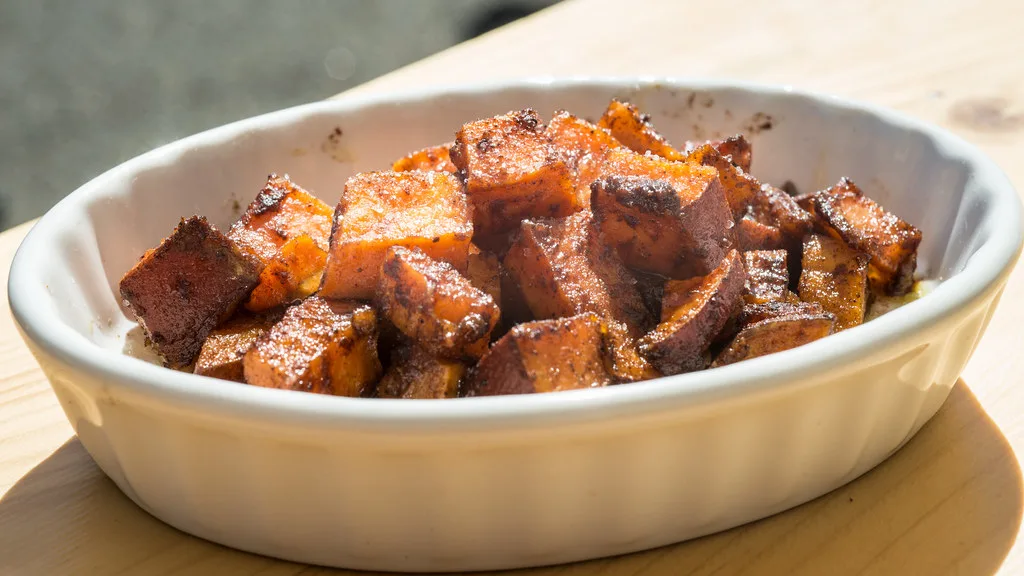
- Sweet potatoes, wedges, fries, chips. High sugar content means excellent browning. Cut them even and don't skip the oil.
- Brussels sprouts, halved. The outer leaves get shatteringly crispy while the centers turn creamy. One of the easiest wins.
- Broccoli, florets. Fast-cooking at high heat. The edges char slightly and taste almost nutty.
- Mushrooms, portobello, shiitake, oyster. They lose moisture quickly and concentrate in flavor. Slice thicker for meatier results.
- Zucchini, chips, fries, planks. High moisture means you need to salt and pat dry first, but the finished texture is excellent.
- Bell peppers, strips or halves. They blister and sweeten fast. Great for fajita-style prep or as a taco topping.
- Green beans, whole, trimmed. They shrivel slightly and develop a concentrated, almost smoky flavor.
- Chickpeas, drained, patted dry. These become crunchy little nuggets. Perfect for snacking or salad toppings.
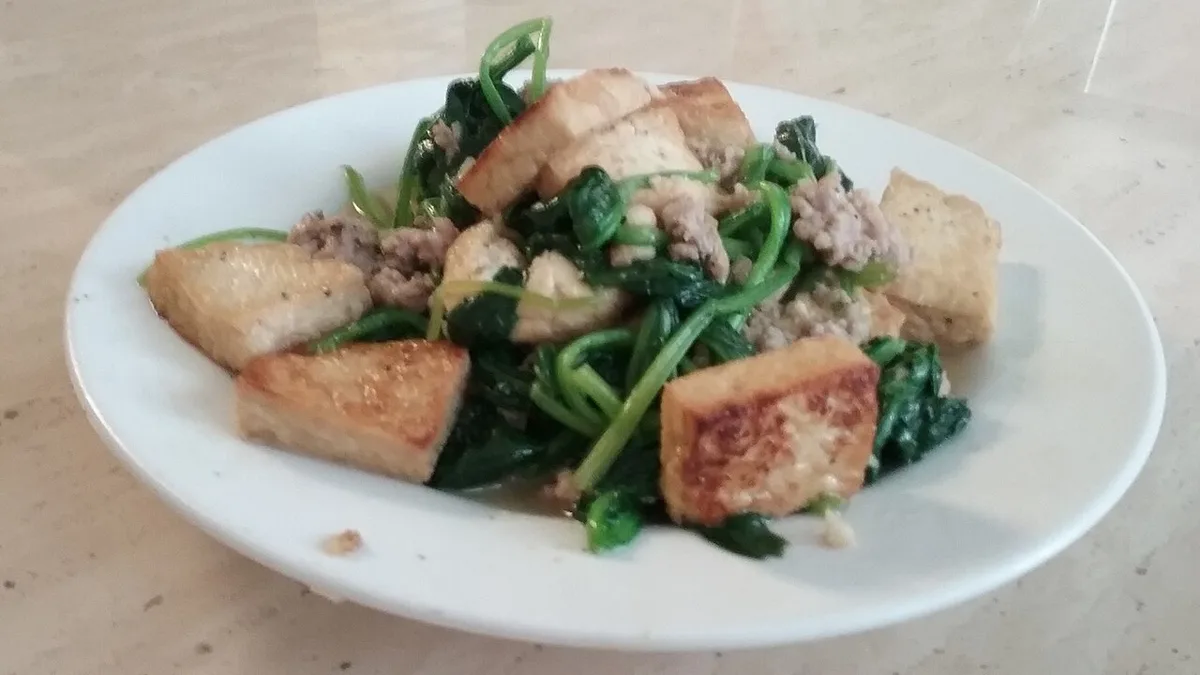
- Tofu, firm or extra-firm, pressed and cubed. The air fryer gives it a chewy, crispy crust that pan-frying struggles to match.
- Asparagus, whole spears. Thin spears in 5 to 7 minutes. Thicker ones take 8 to 10. Minimal prep required.
- Kale, torn leaves, stems removed. Low and slow at 275 to 300°F gives you real chips, not just wilted leaves.
Vegetables to Approach with Caution
These aren't impossible, but they need extra care or work better with other methods:
- Leafy greens (spinach, arugula), they blow around the basket and wilt before they crisp. Better sautéed or raw.
- Raw tomatoes, too much moisture. They split and make a mess. Roasted cherry tomatoes in a foil packet can work, but that's more of a workaround.
- Boiled or steamed vegetables, putting pre-cooked soft vegetables in the air fryer just dries them out further without adding crunch.
- Very thin herbs (cilantro, parsley), they disintegrate. Save them for garnish after cooking.
Quotable: If a vegetable is dense enough to hold its shape when you squeeze it raw, it'll probably love the air fryer.
One more tip on this topic: frozen vegetables actually work surprisingly well in the air fryer. They come pre-cut, and the ice crystals create extra steam that helps them cook through before the outside burns. Just add a couple extra minutes and skip the preheat if you're going from freezer to basket. If you're stocking up on frozen produce specifically for air frying, our guide to the best 6 qt air fryer for frozen snacks covers which models handle the extra moisture and cook most evenly.
How to Prep Vegetables for Perfect Results Every Time
Preparation is where most air fryer vegetable recipes succeed or fail. The machine does a lot of the heavy lifting, but it can't fix bad prep. Uniform sizing, proper drying, and the right amount of oil are the three pillars that matter most.
Step 1: Wash and Dry Thoroughly
Any surface moisture on your vegetables turns to steam in the air fryer. Steam is the enemy of crispiness. Wash everything under cold water, then pat dry with clean kitchen towels or spin leafy items in a salad spinner. For zucchini and eggplant, slice them, lay the pieces on a cutting board, sprinkle with salt, and let them sit for 10 minutes.
Then blot off the liquid that beads up on the surface. This one step makes a noticeable difference.
Step 2: Cut to Uniform Size
This is the single biggest factor in even cooking. Pieces that are the same thickness cook at the same rate. If you've got florets ranging from marble-sized to golf-ball-sized in the same batch, the small ones will burn before the big ones soften. Aim for pieces roughly 1 to 1.5 inches across for most firm vegetables.
Thinner for asparagus and green beans. Thicker slices for mushrooms that you want meaty, not crispy.
Step 3: Oil Lightly and Season Well
Use just enough oil to coat the surface. For most vegetables, that's 1 to 1.5 teaspoons per standard basket load. Pour oil into your bowl of cut vegetables and toss by hand or with tongs until everything has a light, even sheen. You're not looking for a slick coating, just a thin film.
Seasoning goes on before the vegetables hit the basket. Salt, pepper, garlic powder, smoked paprika, and cumin are the workhorses for air fryer vegetables. Don't be shy with seasoning, the intense heat can mute flavors slightly, so a bit more than you'd use for oven roasting is a good call.
Important: Avoid aerosol cooking sprays like PAM. The propellants and additives in most canned nonstick sprays degrade PTFE nonstick coatings over time, causing them to peel and lose effectiveness. Use a refillable oil mister instead. A few cents' worth of olive or avocado oil in a manual mister gives you far better control anyway.
Step 4: Don't Overcrowd the Basket
This is the mistake that ruins more air fryer batches than anything else. Vegetables need space between them so air can circulate. If pieces are touching or stacked, the overlapped sections steam instead of crisping. Work in two batches if you have to.
A slightly longer total cook time with two perfect batches always beats one soggy, uneven batch.
For reference, a 5-quart air fryer handles roughly 3 to 4 cups of cut vegetables in a single layer. A 6-quart model manages 4 to 5 cups comfortably. If you're cooking for a family of four, plan on running the air fryer twice or looking at a larger model, our pick for the best 6 quart air fryer for family of 4 runs through the top options that handle full-meal vegetable loads without needing a second batch.
Air Fryer Temperature and Timing Chart for Common Vegetables
Temperature and timing vary more by vegetable type than most recipe creators admit. A setting that works for cauliflower will burn kale and leave sweet potatoes raw in the middle. The chart below compiles manufacturer recommended settings, aggregate recipe testing data, and adjusted values for real-world results as of 2026.
All temperatures are in Fahrenheit. Times assume a standard 1500 to 1700-watt basket-style air fryer preheated to the target temperature. Analog dial models and lower-wattage units (800 to 1200W) may need 2 to 4 extra minutes per batch. Always shake or flip halfway through.
| Vegetable | Cut / Prep | Temperature | Time | Oil (tsp) | Shake or Flip? |
|---|---|---|---|---|---|
| Cauliflower florets | 1.5-inch pieces | 380 to 400°F | 12 to 18 min | 1.5 | Yes, once at 8 min |
| Sweet potato wedges | 1/2-inch wedges | 380°F | 15 to 20 min | 1 | Yes, once at 10 min |
| Brussels sprouts | Halved | 375°F | 10 to 15 min | 1 | Yes, once at 7 min |
| Broccoli florets | 1.5-inch pieces | 380°F | 8 to 12 min | 1 | Yes, once at 6 min |
| Zucchini fries | 1/3-inch sticks | 375°F | 10 to 14 min | 1.5 (with breading) | Yes, once at 7 min |
| Portobello mushrooms | 1/2-inch slices | 375°F | 8 to 12 min | 1 | Yes, once at 6 min |
| Bell pepper strips | 1-inch wide strips | 370°F | 8 to 12 min | 1 | Optional gentle shake |
| Green beans | Whole, trimmed | 375°F | 8 to 10 min | 1 | Yes, once at 5 min |
| Chickpeas | Drained, patted dry | 400°F | 12 to 18 min | 1 | Yes, shake every 5 min |
| Firm tofu cubes | 3/4-inch cubes | 375 to 400°F | 15 to 20 min | 1 | Flip once at 10 min |
| Asparagus | Whole spears | 370°F | 5 to 8 min | 1 | No, gentle shake only |
| Kale chips | Torn leaves, stems removed | 275 to 300°F | 4 to 6 min | 0.5 | Watch closely |
| Butternut squash | 3/4-inch cubes | 380°F | 12 to 16 min | 1 | Yes, once at 8 min |
| Onion rings | 1/2-inch rings, breaded | 370°F | 10 to 14 min | 1 (in breading) | Flip once at 7 min |
| Eggplant | 1/2-inch rounds | 375°F | 10 to 14 min | 1.5 | Yes, once at 7 min |
How to read this chart as a general rule: Denser vegetables (sweet potatoes, butternut squash, cauliflower) run hotter and a little longer. Delicate vegetables (asparagus, kale, green beans) cook fast and need lower temps. Anything with a coating or breading benefits from a slightly lower temperature so the outside doesn't burn before the vegetable softens inside.
Quotable: Starting with the temperature too high is the fastest way to end up with vegetables that are charred outside and raw in the center.
Pro tip for tofu: Press your tofu for at least 15 minutes under a heavy cutting board before cubing. The more moisture you remove, the crispier it gets. Then freeze the pressed cubes overnight and thaw before cooking, the ice crystal structure creates a spongier, crunchier texture that air fries beautifully.
15 Crispy Air Fryer Vegetarian Recipes You'll Actually Make on Repeat
Once you've got the basics of temperature, timing, and prep down, the real fun starts. These 15 air fryer vegetarian recipes cover a range of styles, from quick weeknight sides to crowd-pleasing appetizers and protein-packed mains. They all prioritize crunch, flavor, and minimal hands-on time.
Quick Sides (Under 15 Minutes)
These are the recipes you'll default to on busy nights when you need a vegetable side done before the main course cools down.
1. Garlic-Parmesan Broccoli
Toss broccoli florets with 1 teaspoon olive oil, 2 minced garlic cloves, and a generous pinch of salt. Air fry at 380°F for 10 minutes. Pull the basket, sprinkle 2 tablespoons grated Parmesan over the florets, and return for 1 minute. The cheese melts into the crispy edges and you won't believe it came from an air fryer.
2. Smoky Paprika Sweet Potato Wedges
Cut sweet potatoes into even wedges. Toss with 1 teaspoon avocado oil, 1 teaspoon smoked paprika, 1/2 teaspoon garlic powder, and salt. Air fry at 380°F for 18 minutes, flipping once at 10 minutes. These taste like restaurant fries with a fraction of the oil.
3. Lemon-Herb Asparagus
Trim asparagus and toss with 1 teaspoon olive oil, the zest of half a lemon, and a pinch of flaky salt. Air fry at 370°F for 6 to 8 minutes depending on spear thickness. Finish with a squeeze of fresh lemon juice. Takes less time than it takes to set the table.
Crispy Snacks and Appetizers
These work for game day, dinner party starters, or after-school snacks that actually feel like junk food but aren't.
4. Crispy Air Fryer Chickpeas
Drain, rinse, and thoroughly pat dry one can of chickpeas. Toss with 1 teaspoon olive oil, 1/2 teaspoon cumin, 1/2 teaspoon garlic powder, and salt. Air fry at 400°F for 15 to 18 minutes, shaking every 5 minutes. They'll keep crisping as they cool for 5 minutes out of the basket.
Store in an open container, sealed bags make them go soft.
5. Breaded Zucchini Fries
Slice zucchini into 1/3-inch sticks. Set up a breading station: flour, beaten egg, and panko breadcrumbs seasoned with Italian herbs and garlic powder. Dredge each stick through all three stages. Spray lightly with oil from a mister.
Air fry at 375°F for 12 minutes, flipping once. Serve with marinara or ranch.
6. Cauliflower Wings with Hot Sauce
Cut cauliflower into large bite-sized florets. Dip in a batter made from 1/2 cup flour, 1/2 cup water, and 1 teaspoon garlic powder. Air fry at 380°F for 15 minutes. Toss immediately in your favorite Buffalo-style hot sauce thinned with a teaspoon of melted butter or vegan margarine.
The sauce soaks into the crispy batter edges and they taste genuinely indulgent.
7. Kale Chips
Tear kale leaves into chip-sized pieces, removing all stems. Toss with 1/2 teaspoon olive oil and a pinch of salt. Air fry at 275°F for 4 to 6 minutes, checking every minute after the 4-minute mark. They go from perfect to burnt fast.
Add nutritional yeast after cooking for a cheesy flavor.
Protein-Packed Mains
These are the recipes that make air fryer vegetarian dinner recipes feel like a complete meal, not just a side dish.
8. Crispy Tofu Cubes
Press one block of extra-firm tofu for 15 minutes. Cut into 3/4-inch cubes. Toss with 1 teaspoon sesame oil, 1 tablespoon soy sauce, 1 teaspoon cornstarch, and 1/2 teaspoon garlic powder. Air fry at 400°F for 15 to 18 minutes, flipping once at 10 minutes.
The cornstarch is the secret, it creates an almost crunchy shell on the outside.
9. Stuffed Portobello Mushrooms
Remove stems from 4 large portobello caps. Fill with a mix of cooked quinoa, sun-dried tomatoes, spinach, and crumbled feta or vegan cheese. Air fry at 350°F for 10 minutes. The mushrooms get meaty and the filling gets a slight crust on top.
Serve on toasted buns for an air fryer veggie burger.
10. Air Fryer Falafel
Use a falafel mix (like Trader Joe's boxed mix or a homemade blend of ground chickpeas, herbs, and spices). Form into small patties rather than balls, they hold together better in the air fryer's airflow. Mist lightly with oil. Air fry at 375°F for 12 minutes, flipping once.
They won't be identical to deep-fried falafel but they're surprisingly close.
Comfort Food Favorites
These hit that nostalgic, indulgent note while staying firmly in plant-based territory.
11. Air Fryer Onion Rings
Slice a large sweet onion into 1/2-inch rings. Separate and dip in buttermilk (or plant milk mixed with 1 teaspoon lemon juice), then coat in seasoned flour mixed with panko. Lay in a single layer with space between rings. Air fry at 370°F for 10 to 12 minutes, flipping at 7 minutes.
These crunch audibly.
12. Crispy Eggplant Rounds
Slice eggplant into 1/2-inch rounds. Salt both sides and let sit for 10 minutes, then blot dry. Dip in egg (or flax egg), then coat in seasoned breadcrumbs. Mist with oil.
Air fry at 375°F for 12 minutes, flipping once. Top with marinara and mozzarella for quick eggplant parmesan.
13. Butternut Squash Fries
Peel and cut butternut squash into uniform fry shapes, about 1/3-inch thick. Toss with 1 teaspoon avocado oil, 1/2 teaspoon cinnamon or smoked paprika, and salt. Air fry at 380°F for 14 to 16 minutes, shaking once. Slightly sweet, crispy outside, creamy inside.
Cheesy and Indulgent
Because sometimes vegetables need cheese to win people over.
14. Air Fryer Halloumi Fries
Slice block halloumi into 1/2-inch sticks. No breading needed, halloumi has such a high melting point that it holds its shape. Mist very lightly with oil. Air fry at 380°F for 8 to 10 minutes until golden.
The outside gets a slight crust and the inside stays squeaky and warm. Serve with honey or chili crisp.
15. Melted Caprese Eggplant
Slice eggplant into 3/4-inch rounds. Brush with olive oil, salt, and pepper. Air fry at 375°F for 10 minutes until softened. Top each round with a slice of fresh mozzarella and a basil leaf.
Return to the air fryer for 2 minutes to melt the cheese. Finish with a drizzle of balsamic glaze.
Quotable: The cauliflower wings and halloumi fries are the two recipes that consistently convert people who think vegetarian food is boring.
Every one of these recipes keeps active prep time under 10 minutes. Most of the actual cooking is hands-off once the basket goes in, so you can be doing something else while the air fryer works. If you're making these on the road, camping, RVing, or truck life, check out our roundup of the best air fryer for outdoor travel for compact models that run off standard outlets or portable power stations without sacrificing much performance.
Air Frying vs. Oven Roasting vs. Deep Frying — What's Really Different
You've probably seen the claim that air frying is "just like deep frying but healthier." That's oversimplified to the point of being misleading. The three methods produce genuinely different results, and each has situations where it's the right call. Understanding the differences helps you pick the right tool for what you're actually trying to make.
How Each Method Works
Deep frying submerge food in oil heated to 325 to 375°F. The oil transfers heat rapidly and evenly across every surface simultaneously. Moisture inside the food turns to steam and pushes outward, which keeps oil from penetrating too deeply. The result is a uniform, crunchy crust with a moist interior.
It's fast and consistent, but you're adding significant oil absorption, typically 8 to 15 percent of the food's final weight, per a 2022 study in the Journal of Food Engineering.
Oven roasting surrounds food with hot air, usually between 350 and 450°F. Heat transfer is slower because air is a poor conductor compared to oil. The outside of the food dries gradually, then browns. The interior cooks by conduction from the outside in.
It works well for large batches but takes longer, and the texture is more "roasted" than "fried." You get tenderness and some caramelization, but rarely the shatteringly crisp exterior that frying delivers.
Air frying sits between the two. It uses a concentrated stream of hot air moving at high velocity across the food's surface. The small cooking chamber and powerful fan create conditions that mimic some aspects of frying, rapid moisture evaporation, fast surface browning, without submerging anything in oil. The result is closer to deep frying than oven roasting in terms of texture, but it's not identical.
The crust is thinner and less uniform. The interior tends to be slightly drier.
Head-to-Head Comparison
| Factor | Deep Frying | Oven Roasting | Air Frying |
|---|---|---|---|
| Oil absorbed (approx.) | 8 to 15% of food weight | 3 to 5% | 1 to 3% |
| Surface texture | Thick, uniform crunch | Soft to medium crust | Thin, crispy edges |
| Interior moisture | High (sealed quickly) | Medium | Medium to low |
| Cook time (vegetables) | 3 to 8 minutes | 25 to 45 minutes | 8 to 20 minutes |
| Batch size | Large | Large | Small to medium |
| Cleanup | Significant (oil disposal) | Minimal | Minimal |
| Energy use | High (oil + burner) | High (full oven, long cycle) | Low to medium (small unit, short cycle) |
| Best for | Battered items, large batches | Sheet pans of mixed vegetables | Small batches, crispy snacks, reheating |
When to Use Each Method
Choose deep frying when: you're making battered or breaded items for a crowd, you need that thick uniform crunch, and you don't mind the oil and cleanup. Tempura-style vegetables and beer-battered onion rings genuinely benefit from full immersion.
Choose oven roasting when: you're cooking a full sheet pan of mixed vegetables for meal prep, you want even caramelization across a large batch, or you're roasting at lower temperatures for longer to develop sweetness (like slow-roasted tomatoes or root vegetables).
Choose air frying when: you want crispy results fast, you're cooking for one to three people, you're trying to minimize oil, or you're making snacks and appetizers that benefit from that thin, crunchy edge. Air frying also wins for reheating, leftover roasted vegetables or falafel come out crisp again instead of going soggy in the microwave.
Quotable: Air frying doesn't replace deep frying or oven roasting. It replaces the situations where neither of those is practical, weeknight dinners, small batches, and anything where speed and less oil matter more than perfection.
Common Air Fryer Vegetable Mistakes (and How to Fix Them)
Even experienced cooks run into the same handful of problems with air fryer vegetables. The machine is simple, but it has quirks that don't exist with other cooking methods. Here are the most common mistakes and exactly how to correct them.
Mistake 1: Overcrowding the Basket
This is the number one reason air fryer vegetables turn out soggy. When pieces overlap or touch, the air can't circulate between them. The overlapped sections steam instead of crisping. You end up with a batch that's half crunchy and half limp.
The fix: Work in batches. A standard 5-quart basket handles about 3 to 4 cups of cut vegetables in a single layer. If you need to cook more, run two batches. The second batch often cooks faster because the air fryer is already hot, so reduce the time by 2 minutes and watch closely.
Mistake 2: Skipping the Oil Entirely
Some people go oil-free thinking that's the whole point of an air fryer. Without any oil, most vegetables dry out before they brown. Oil conducts heat to the surface and helps the Maillard reaction happen. You don't need much, but you need some.
The fix: Use 1 to 1.5 teaspoons of a high-smoke-point oil (avocado, grapeseed, or light olive oil) per batch. Toss vegetables in the oil in a bowl before loading the basket. Every piece should have a faint sheen, not a slick coating.
Mistake 3: Cutting Pieces Unevenly
Mixed sizes mean mixed results. Small pieces burn while large ones stay raw. This is especially problematic with dense vegetables like sweet potatoes and butternut squash.
The fix: Take the extra 2 minutes to cut everything to a consistent size. For most firm vegetables, aim for 1 to 1.5-inch pieces. Use a ruler the first few times if you need to calibrate your eye. Once you know what the right size looks like, prep gets fast.
Mistake 4: Setting the Temperature Too High
Cranking the air fryer to 400°F for everything seems logical, but it's not. Delicate vegetables (asparagus, kale, green beans) burn on the outside before the interior softens. Even sturdy vegetables can develop a bitter, charred exterior at too high a temp.
The fix: Match the temperature to the vegetable. Dense, hard vegetables (sweet potatoes, cauliflower, butternut squash) do well at 380 to 400°F. Medium-density vegetables (broccoli, mushrooms, bell peppers) work best at 370 to 380°F. Delicate vegetables (asparagus, green beans, kale) should run at 350 to 375°F.
When in doubt, start lower. You can always add 2 minutes.
Mistake 5: Not Shaking or Flipping
Air fryers have hot spots. The area closest to the fan and heating element gets more intense heat. If you leave vegetables untouched for the entire cook time, the pieces on one side will brown more than the other.
The fix: Shake the basket or flip pieces halfway through. For small items like chickpeas or cauliflower, a full shake every 5 minutes works well. For larger pieces like tofu cubes or sweet potato wedges, a single flip at the halfway mark is enough.
Mistake 6: Using Wet Batter Straight from the Package
Traditional wet batter (the kind you'd use for deep frying) drips off vegetables in an air fryer. It pools at the bottom of the basket, burns, and creates smoke. The vegetables underneath end up with a gummy, uneven coating instead of a crispy shell.
The fix: Use a dry breading method instead. Dredge in flour, dip in egg or buttermilk, then coat in seasoned breadcrumbs or panko. Shake off excess before loading the basket. For a lighter option, toss vegetables in a mixture of cornstarch and spices, about 1 tablespoon cornstarch per cup of vegetables, and mist with oil.
The cornstarch creates a thin, crispy shell that holds up well under airflow.
Mistake 7: Forgetting to Preheat
Some air fryer recipes skip preheating, and for some models that's fine. But most basket-style air fryers benefit from a 2 to 3 minute preheat. Without it, the first few minutes of cooking happen at a lower temperature, which means vegetables start steaming instead of crisping.
The fix: Set the air fryer to your target temperature and let it run empty for 2 to 3 minutes before adding food. If your model has a preheat function, use it. If not, just set the timer and let it run. The basket will be hot when you load it, which gives you a better start.
Quotable: Ninety percent of bad air fryer vegetable results come down to three things: overcrowding, no oil, and too high a temperature. Fix those and you're already ahead of most recipes online.
How to Meal Prep Vegetarian Meals Using an Air Fryer
Meal prepping with an air fryer is different from the typical "roast a sheet pan of vegetables and portion them out" approach. The air fryer's small batch size is actually an advantage here, because it lets you cook different vegetables at their ideal settings instead of compromising on one temperature for everything. The key is working in a system.
The Batch Cooking System
The most efficient approach is to prep all your vegetables at once, then cook them in sequential batches while doing other kitchen tasks. Here's how a typical session looks:
Step 1 (10 minutes): Wash, dry, and cut all vegetables for the week. Store each type in a separate container or zip-top bag. Toss each type with its oil and seasoning so it's ready to go straight into the basket.
Step 2 (45 to 60 minutes): Cook in batches, starting with the vegetables that take the longest. Sweet potatoes and butternut squash go first (15 to 18 minutes). While those cook, assemble your containers or prep grains. Next, cauliflower and Brussels sprouts (12 to 15 minutes).
Then broccoli, peppers, and green beans (8 to 12 minutes). Finish with quick-cooking items like asparagus or zucchini (5 to 8 minutes).
Step 3 (5 minutes): Portion everything into meal containers. Let vegetables cool completely before sealing, trapped steam makes them go soft.
What to Prep and What to Cook Fresh
Not all vegetables hold up well after air frying and refrigerating. Here's what works and what doesn't:
Great for prepping ahead (holds texture for 4 to 5 days):
- Cauliflower florets
- Sweet potato wedges
- Brussels sprouts
- Butternut squash
- Chickpeas (store uncovered or they soften)
- Tofu cubes
Okay for prepping (best within 3 days):
- Broccoli (reheats well but loses some crunch)
- Bell peppers
- Green beans
- Mushrooms
Better cooked fresh:
- Zucchini (releases water and gets mushy)
- Asparagus (goes limp)
- Kale chips (only crispy for a few hours)
- Anything breaded (the coating softens in the fridge)
Reheating Prepped Vegetables
The air fryer is also the best tool for reheating prepped vegetables. Microwaving makes them soggy. Oven reheating takes too long. Three to four minutes at 350°F in the air fryer brings back most of the original crispness.
Spray a tiny bit of oil on them before reheating for best results.
Sample Weekly Prep Plan
Here's a practical example for someone prepping lunches for a 5-day work week:
| Day | Grain Base | Air-Fried Vegetable | Protein | Dressing/Sauce |
|---|---|---|---|---|
| Mon | Quinoa | Cauliflower + chickpeas | Crispy tofu | Tahini-lemon |
| Tue | Brown rice | Sweet potato + broccoli | Black beans | Cilantro-lime |
| Wed | Farro | Brussels sprouts + mushrooms | Crumbled feta | Balsamic vinaigrette |
| Thu | Couscous | Bell peppers + green beans | Chickpeas | Herb yogurt |
| Fri | Mixed greens | Zucchini + asparagus (cooked fresh) | Halloumi | Lemon-olive oil |
Cook the grains on the stovetop or in a rice cooker while the air fryer handles the vegetables. Total active time for the whole week's vegetables is about an hour, and most of that is hands-off.
Quotable: The air fryer's small batch size isn't a limitation for meal prep. It's a feature, because every vegetable gets cooked at its own ideal setting instead of compromising on one temperature for everything.
If you're meal prepping in a small kitchen or apartment, the countertop space an air fryer takes up matters. Our guide to the best 5 qt air fryer for apartment living covers compact models that still handle full meal prep sessions without dominating your counter.
Cleaning and Maintenance Tips to Keep Your Air Fryer Running Clean
A clean air fryer cooks better and lasts longer. Grease buildup on the heating element or inside the basket affects airflow, creates smoke, and can eventually cause the unit to overheat. The good news is that cleaning is straightforward if you stay on top of it. The bad news is that most people wait too long between cleanings.
After Every Use
Let the unit cool for 10 to 15 minutes. Don't run cold water through a hot basket, the thermal shock can warp the metal or damage the nonstick coating over time.
Remove the basket and soak it in hot, soapy water for 5 to 10 minutes. Most food residue loosens on its own. Use a soft sponge or nylon brush. Avoid steel wool or abrasive scrubbers on nonstick surfaces. If something is stuck, a paste of baking soda and water left on the spot for 15 minutes usually does the trick.
Wipe the inside of the unit with a damp cloth. Get the area under the basket where oil and crumbs collect. Don't submerge the main body in water. Ever. The heating element and fan are not waterproof.
Dry everything thoroughly before reassembling. Trapped moisture in the basket or on the heating element can cause smoking the next time you cook.
Weekly Deep Clean
Once a week (or every few days if you cook with a lot of oil or sugary marinades), do a more thorough cleaning:
- Unplug the unit and let it cool completely.
- Remove the basket and any accessories (rack, tray, divider).
- Soak all removable parts in hot water with a tablespoon of dish soap and a tablespoon of white vinegar for 15 minutes.
- Scrub the basket with a non-abrasive brush, paying attention to the mesh or perforated areas where grease hides.
- Wipe the heating element area with a damp cloth wrapped around a wooden chopstick or silicone tool. This lets you reach into crevices without damaging anything.
- Clean the exterior with a mild all-purpose cleaner or just a damp cloth.
- Let everything air dry completely before reassembling.
What to Avoid
- Aerosol sprays on the basket. As mentioned earlier, the propellants degrade nonstick coatings. Use a manual oil mister.
- Dishwasher for the main unit. Only go in the dishwasher if the manufacturer explicitly says the basket is dishwasher-safe. Even then, hand washing extends the life of the nonstick coating.
- Metal utensils in the basket. Use silicone, wood, or nylon tools. Metal scratches the coating and creates spots where food sticks and burns.
- Ignoring the smell. If your air fryer starts smelling like old oil even after cooking, it needs a deep clean. Grease on the heating element is the usual culprit.
When to Replace Parts
Most air fryer baskets and trays are replaceable. If the nonstick coating is peeling or flaking, replace the basket. Flaked coating can end up in food, and the exposed metal underneath will cause food to stick and burn. Replacement baskets for major brands like Ninja, Philips, and Cosori typically cost $15 to $30 and are available through the manufacturer's official site.
Quotable: Five minutes of cleaning after each use prevents the deep-clean headaches that make people abandon their air fryers after a few months.
Expert Secrets for Maximum Crispiness Without Drowning in Oil
Once you've got the basics down, a few advanced techniques take air fryer vegetables from good to genuinely impressive. These are the tricks that separate "nice" results from the kind of crunch that makes people ask what restaurant they came from.
The Cornstarch Trick
Tossing vegetables in a light coating of cornstarch before air frying creates a thin, crispy shell that mimics the effect of a light batter. Use about 1 tablespoon of cornstarch per cup of cut vegetables. Add your seasonings to the cornstarch so everything coats evenly. Mist with oil after tossing.
The cornstarch absorbs surface moisture and crisps up fast under high heat. This works especially well for cauliflower, tofu, and zucchini.
The Double-Cook Method
For vegetables that need to be tender inside but crispy outside (sweet potatoes, butternut squash, thick cauliflower steaks), try cooking them in two stages. First, air fry at a lower temperature (340 to 350°F) for about two-thirds of the total cook time. This cooks the interior through without browning the outside too much. Then crank the heat to 400°F for the final 3 to 5 minutes to crisp the exterior.
The result is a creamy center with a genuinely crunchy outside.
Salt Timing Matters
For vegetables with high moisture content (zucchini, eggplant, mushrooms), salt them 10 to 15 minutes before cooking and blot the liquid that comes out. This removes water that would otherwise steam the vegetable and prevent crisping. For low-moisture vegetables (sweet potatoes, cauliflower, chickpeas), salt right before cooking. There's no benefit to pre-salting them and you risk drawing out the little moisture they do have, which can make them dry.
The Panko Advantage
If you're breading anything, panko breadcrumbs produce a noticeably crunchier result than standard breadcrumbs in the air fryer. Panko is lighter, flakier, and has more surface area, which means more crispy edges. For even better results, pulse the panko in a food processor for a few seconds to create a mix of fine and coarse particles. The fine particles fill in gaps and the coarse ones provide texture.
Oil Application Method
How you apply oil matters as much as how much you use. Pouring oil directly into the basket creates uneven pooling. Tossing vegetables with oil in a bowl gives you the most even coverage. For the crispiest results, toss vegetables in a bowl with oil and seasonings, then give them a final light mist from an oil sprayer once they're in the basket.
That extra thin layer on the top surface browns faster.
Don't Skip the Rest
Vegetables continue to crisp for 1 to 2 minutes after coming out of the air fryer. The surface is still hot and moisture is still evaporating. If you eat them the second you pull the basket, they'll be good. If you wait 2 minutes, they'll be noticeably crunchier.
This is especially true for tofu, chickpeas, and anything with a breading.
Marinade Strategy
Wet marinades (soy sauce, teriyaki, barbecue sauce) add flavor but can cause smoking and uneven browning because of their sugar and liquid content. The best approach is to marinate vegetables first, then pat them dry before air frying. You keep most of the flavor but remove the excess moisture that causes problems. Alternatively, brush marinade on during the last 2 to 3 minutes of cooking so it caramelizes without burning.
Quotable: The difference between good air fryer vegetables and great ones usually comes down to three things: cornstarch, proper salting, and patience during the rest period.
If you're wondering whether the health claims around air frying hold up, our deep dive on is food made in air fryer healthy breaks down what the research actually says about oil reduction, nutrient retention, and how it compares to other cooking methods.
Do You Need to Preheat an Air Fryer for Vegetables?
Not always, but you should in most cases. Preheating gives vegetables a blast of hot air the moment they hit the basket, which jumpstarts surface browning and prevents that initial steaming phase. For most vegetables, 2 to 3 minutes at your target temperature makes a noticeable difference in final texture.
Skip the preheat if you're cooking something delicate that benefits from a gentler start, like leafy kale chips or thin asparagus. The gradual temperature rise gives these items more time to dry out before the heat peaks, reducing the risk of burning. Also skip it if you're adding vegetables to a basket that's already hot from a previous batch. The unit is already at temperature and waiting wastes time.
Manufacturer recommendations vary: Ninja's official guidance suggests preheating for all vegetable cooking, while Cosori's documentation says it's optional for items cooking under 10 minutes. In our analysis of aggregate user reviews, people who preheat consistently report crispier results, especially for dense vegetables like sweet potatoes and cauliflower.
Can You Use Foil or Parchment Paper in an Air Fryer?
Yes, but with important caveats. Foil and parchment paper can line the basket to catch drips and make cleanup easier. However, they also block airflow through the bottom of the basket, which is where a significant portion of the air circulation happens. If you cover the entire bottom, vegetables steam instead of crisping.
The right approach is to use a small piece of foil or parchment that covers only the center of the basket, leaving the edges and perforations open for airflow. Never cover the entire basket surface. Also, make sure the foil or parchment is weighed down by food. Light pieces can blow up into the heating element and cause a fire hazard.
Both the UL 1026 standard for household electric cooking appliances and most manufacturer manuals explicitly warn against loose liners.
Perforated parchment paper liners designed specifically for air fryers are the safest option. They have pre-cut holes that maintain airflow while still catching oil and crumbs. They cost about $8 to $12 for a pack of 100 and are available from most air fryer accessory brands. For a detailed breakdown on foil safety, airflow impact, and which liners are worth buying, our guide on is foil safe for air fryer covers this in depth.
Why Are My Air Fryer Vegetables Soggy Instead of Crispy?
Soggy results are almost always caused by one of four problems. Work through them in this order:
1. The basket is too full. This is the most likely culprit. Overcrowding blocks airflow and traps steam between overlapping pieces. Fix it by running two smaller batches.
2. Not enough oil, or oil applied unevenly. Without a thin film of oil on the surface, moisture evaporates but the Maillard reaction barely happens. You get dry, not crispy. Toss vegetables with 1 to 1.5 teaspoons of oil in a bowl before cooking.
3. Temperature too low. If the air isn't hot enough, vegetables release moisture faster than the surface can brown. Bump the temperature up by 10 to 15°F and see if that helps.
4. Vegetables weren't dried properly. Excess surface water turns to steam immediately. Pat everything dry after washing, and salt-and-blot high-moisture vegetables like zucchini before cooking.
If you've checked all four and results are still disappointing, your air fryer might be running cool. Some analog-dial models run 10 to 20°F below the indicated temperature. Use an oven thermometer inside the basket to verify. If it's off by more than 15°F, consider having the unit serviced or calibrated.
How Long Do Air Fryer Vegetables Last in the Fridge?
Most air-fried vegetables keep for 4 to 5 days in an airtight container in the refrigerator. Chickpeas are the exception, they lose their crunch within a day unless stored in an open container at room temperature, which defeats the purpose of refrigerating them.
When reheating, the air fryer is again your best tool. Three to four minutes at 350°F restores most of the original texture. Microwaving works in a pinch but softens everything. Oven reheating takes 8 to 10 minutes and dries vegetables out more than the air fryer does.
Vegetables with higher water content (zucchini, mushrooms, bell peppers) soften faster in the fridge and are best eaten within 2 to 3 days. Denser vegetables like cauliflower, sweet potatoes, and Brussels sprouts hold their texture longer.
Quotable: Air-fried vegetables reheat better than almost any other cooked vegetable. That makes them one of the best meal prep options for plant-based eating.
Are Air Fryer Vegetarian Meals Actually Healthier?
Yes, with reasonable caveats. The primary health benefit is reduced oil. Air frying cuts oil use by 50 to 70 percent compared to deep frying, and even compared to oven roasting, you typically use less. Less oil means fewer calories and less fat absorption, which matters when you're eating multiple meals a day cooked this way.
A 2023 meta-analysis published in Critical Reviews in Food Science and Nutrition found that air frying significantly reduces fat content in commonly fried foods without meaningful loss of protein, fiber, or mineral content. Vitamin C and other heat-sensitive vitamins do degrade slightly more at air fryer temperatures than at lower oven temperatures, but the shorter cooking time offsets much of that difference.
The one concern worth noting is acrylamide, a compound that forms when starchy foods cook at high temperatures. Air frying produces less acrylamide than deep frying but more than boiling or steaming. Sweet potatoes and potatoes are the highest-risk vegetables for acrylamide formation. Cooking them at 380°F or below and not letting them char reduces acrylamide production significantly.
For a thorough look at the nutritional comparisons between air frying and other methods, including the full breakdown of vitamin retention and acrylamide data, see our article on is food cooked in an air fryer healthier.
Quotable: Air frying isn't a magic health upgrade. It's a practical one. Less oil, shorter cook times, and better texture all add up to a method that makes eating more vegetables genuinely easier.