
When you're craving tender, flavorful ribs but don't have all day, a good ribs air fryer recipe is a total game-changer. You get that satisfying "fall-off-the-bone" texture and crispy edges in a fraction of the time you'd spend with a smoker or oven. It’s the perfect solution for busy weeknights or when you want impressive results without the commitment.
According to aggregate user feedback from major appliance retailers, air fryers consistently deliver on speed and crispiness for meats like ribs. This method taps into convection cooking to circulate hot air rapidly around the food, ensuring even cooking and that desirable char. Let's look at how to nail this process.
Air Fryer Ribs: Crispy, Tender, and Way Faster

Image source: Bing (Web (fair-use with source credit))
The dream of perfectly cooked ribs, tender, juicy, and slightly crispy, often feels like a weekend-only affair. Traditional methods like smoking can take 6-8 hours, while oven-roasting usually requires 3-4 hours plus resting. An air fryer flips this script entirely.
By using rapid air circulation, it achieves a comparable (and in some ways, superior) texture in under an hour for most cuts. It's the ideal shortcut for anyone short on time but big on flavor.
Why Air Fryer Ribs Beat Other Methods (For When You're Short on Time)
Image source: Bing (Web (fair-use with source credit))
Air frying's magic lies in its ability to mimic a convection oven's efficiency in a much smaller footprint. The intense, circulating hot air directly crisps the exterior of the ribs while cooking the interior rapidly. This means you get that coveted crispy bark and tender meat without hours of low-and-slow cooking.
For busy families, it makes serving ribs a realistic option any night of the week. It's also a more energy-efficient choice than heating a large oven for a few hours.
Pork vs. Beef Ribs in the Air Fryer: What's Your Best Bet?
When it comes to air fryer ribs, pork is generally the go-to choice due to its tenderness and forgiving nature. Beef ribs, like short ribs, can be air-fried, but they often require a different approach, sometimes a reverse sear after initial tenderization, to achieve optimal results. Pork ribs cook through more quickly and evenly in the typical air fryer basket.
For most home cooks, starting with pork ribs offers the most successful and straightforward entry into air fryer rib recipes.
Baby Backs vs. St. Louis vs. Spare Ribs: Which Cut Cooks Best?
The cut of pork rib you choose impacts cooking time and texture. Baby back ribs are the leanest and most tender, cooking the fastest, often within 25-30 minutes total. St.
Louis style ribs are a bit meatier and fattier, taking closer to 35-45 minutes. Spare ribs are the largest and can require even longer, sometimes needing to be cut down or cooked in batches, potentially exceeding the capacity of some air fryers.
Image source: Bing (Web (fair-use with source credit))
For ease of use and excellent results in most standard air fryers, baby back or St. Louis style ribs are typically recommended for these recipes. Their size fits well in the basket, and their meat-to-bone ratio cooks beautifully with the dry heat.
Prep Day: Getting Ribs Ready for the Air Fryer
Before your ribs hit the air fryer, a little preparation makes a huge difference in the final outcome. This stage focuses on enhancing flavor and ensuring the meat is ready for high-heat cooking. Think of it as setting the stage for deliciousness.
Trimming Silver Skin: A Must-Do for Tender Ribs
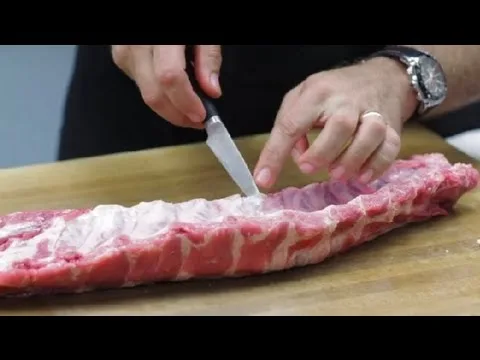
Image source: Bing (Web (fair-use with source credit))
The thin, papery membrane on the bone side of pork ribs is called silver skin. If left on, it can become tough and chewy, hindering the tenderizing effect of the cooking process. It also prevents rubs and marinades from penetrating the meat effectively.
To remove it, slide a butter knife or a thin, flexible knife under the membrane at one end. Gently lift and separate the membrane from the bones, then grip it with a paper towel for better traction to pull it off completely.
Crafting Your Perfect Rib Rub: Flavor Foundation
Image source: Wikimedia Commons / KNOW MALTA by Peter Grima (CC BY-SA)
A good rib rub is the backbone of flavorful ribs. It's a dry mixture of spices that penetrates the meat during cooking, forming a flavorful crust. Common ingredients include brown sugar for sweetness and caramelization, paprika for color and depth, garlic powder and onion powder for savoriness, and black pepper and cayenne for a bit of heat.
Many rubs also include salt to help tenderize the meat. You can buy pre-made rubs or create your own blend. For the best results, apply the rub generously to all sides of the ribs at least 30 minutes before cooking, or even overnight in the refrigerator for deeper flavor.
The Air Fryer Rib Recipe Showdown: Key Differences to Watch For
When you look at different ribs air fryer recipe variations, you'll find some key points where they diverge. These differences aren't just minor tweaks; they significantly impact the final texture and flavor of your ribs. Understanding these distinctions helps you choose the recipe that best suits your taste and your air fryer's capabilities.
The primary variations often revolve around the prep method, the type of rub or marinade used, the cooking temperature, and critically, how and when BBQ sauce is applied. Some recipes call for a dry rub only, aiming for a crispy bark, while others might involve a light marinade. Even seemingly small changes in air fryer temperature can lead to vastly different results, from perfectly tender to overcooked and dry.
Air Fryer Rib Temperature & Time: The Golden Rules

Image source: Bing (Web (fair-use with source credit))
Achieving the perfect balance of tender meat and a slightly crispy exterior in an air fryer hinges on managing temperature and time effectively. Most recipes for pork ribs in an air fryer fall within a range of 350°F to 400°F (175°C to 200°C). A common strategy is to start at a slightly lower temperature, like 350°F, for the initial cook to gently tenderize the meat without drying it out, typically for about 20-30 minutes.
Then, you'll often increase the temperature to 380°F or 400°F for the final 10-15 minutes. This higher heat blasts the ribs, creating that desirable crispy bark and helping sauces caramelize if they’ve been applied. Total cooking time can range from 30 minutes for baby back ribs to 45-60 minutes for St.
Louis or spare ribs, depending on thickness and your specific air fryer model.
Step-by-Step: Foolproof Crispy Air Fryer Ribs
Ready to get those ribs cooking? This basic process will guide you from prep to plate, ensuring delicious results every time. Remember, practice makes perfect, and air fryer models can vary, so keep an eye on your ribs as they cook.
Phase 1: Tenderizing the Ribs
Start by preparing your ribs: trim silver skin and apply a generous coating of your favorite rib rub. Preheat your air fryer to 350°F (175°C). Arrange the ribs in a single layer in the air fryer basket, ensuring they don’t overlap.
If cooking a full rack that doesn't fit, consider cutting it into manageable 2-3 rib sections. You can explore air fryers suited for larger batches at airfrye.com/best-9-qt-air-fryer-for-large-batches/. Cook for 20-30 minutes, depending on the rib cut, flipping them halfway through to ensure even cooking.
Phase 2: Achieving That Perfect Crisp & Sauce
Image source: Bing (Web (fair-use with source credit))
Once the ribs are tender and starting to brown, carefully remove the basket and increase the air fryer temperature to 380°F, 400°F (190°C, 200°C). If you're using BBQ sauce, brush it onto the ribs now. Return the basket to the air fryer and cook for another 10-15 minutes, watching closely to prevent the sauce from burning.
The ribs should be nicely browned and bubbling. Allow the ribs to rest for about 5-10 minutes before cutting them into individual portions.
Common Air Fryer Rib Mistakes (And How to Avoid Them)
Even with the speed and convenience of an air fryer, it's easy to run into a few common pitfalls that can derail your rib-making dreams. The biggest culprit is often overcrowding the basket, which prevents proper air circulation and leads to unevenly cooked, steamed ribs instead of crisp, tender ones. Not preheating the air fryer sufficiently is another frequent error; it means your ribs start cooking at too low a temperature, hindering that crucial crisping phase.
Another common mistake is applying BBQ sauce too early in the cooking process. Because BBQ sauce contains sugar, it can burn at the high temperatures needed for crisping ribs, leaving you with bitter, blackened spots instead of a sweet, sticky glaze. It’s crucial to save the saucing for the final 10-15 minutes of cooking, allowing it to caramelize beautifully without scorching.
If you're wondering about specific brands, research suggests units like the Instant Vortex are popular for avoiding these issues due to their consistent temperature control. You can read more about them at airfrye.com/is-instant-vortex-air-fryer-good/.
When to Add BBQ Sauce (and Why Timing Matters)
The timing of your BBQ sauce application is critical for achieving that perfect sticky, caramelized finish without burning. As a general rule, you want to add your sauce during the last 10 to 15 minutes of cooking. This is because the sugars in most BBQ sauces can scorch quickly at the high temperatures used to crisp up the ribs.
Applying it too early means the sauce has too much time to burn, leading to a bitter taste and a less appealing look.
If you're using a thicker, store-bought sauce, you might even consider basting it on during the final 5-10 minutes. This helps ensure it’s just heated through and perfectly glossy. For a more robust flavor, some recipes suggest a light application during the last 15 minutes, then a second, more generous coat in the final 5 minutes.
This builds layers of flavor and achieves that beautiful, lacquered finish that makes ribs so irresistible. This technique is especially useful for busy parents looking for quick yet impressive meals, as highlighted in guides like airfrye.com/best-air-fryer-gift-for-working-parents-2/.
Air Fryer Ribs vs. Oven, Smoker, and Grill: A Fair Comparison
While the air fryer offers unmatched speed and a unique crispiness, it's helpful to see how it stacks up against other rib-cooking methods. Traditional smoking is king for deep, smoky flavor and a truly "fall-off-the-bone" texture that takes hours. The oven provides a more gentle, even cook but typically lacks the exterior crispiness you get from an air fryer or grill.
Grilling offers a fantastic char and smoky notes but requires more attention and can lead to uneven cooking if not managed carefully.
Here’s a quick breakdown of what each method brings to the table:
| Feature | Air Fryer Ribs | Oven-Baked Ribs | Smoked Ribs | Grilled Ribs |
|---|---|---|---|---|
| Cook Time | 30-60 minutes | 3-4 hours | 6-8 hours (low and slow) | 1-3 hours (depends on direct/indirect) |
| Texture | Tender with crispy edges/bark | Tender, often soft exterior | Very tender, smoky bark | Tender, charred, smoky |
| Flavor Profile | Savory, spiced, can be sauced well | Mild, relies heavily on rub/sauce | Deeply smoky, rich, complex | Smoky, charred, grilled notes |
| Effort Level | Low to Moderate | Moderate | High (requires constant monitoring) | Moderate to High |
| Best For | Weeknights, speed, crispiness | Even cooking, easier batch cooking | Deep flavor, ultimate tenderness | Char, quick smoky flavor |
Are Your Ribs Done? Checking for Tenderness and Temperature
Knowing when ribs are perfectly cooked is more about tenderness than hitting a specific temperature, though an accurate thermometer is still your best friend. For pork ribs, the general target internal temperature is between 195°F and 205°F (90.5°C, 96°C). This range indicates that the connective tissues, like collagen, have broken down sufficiently, making the meat incredibly tender and "fall-off-the-bone." Per guidelines from the U.S.
Department of Agriculture (USDA), pork should reach an internal temperature of 165°F (74°C) for safety, but the higher range is for optimal tenderness.
To check for doneness, you can use a digital instant-read thermometer inserted into the thickest part of the meat, avoiding the bone. Another great test is the "bend test": carefully lift a section of ribs with tongs. If they bend easily and the meat starts to crack or pull away from the bones, they're likely ready.
You can also try to gently pull a bone; if it loosens easily, the ribs are done.
Quick Tips for Easiest Air Fryer Rib Cleanup
Cleaning up after cooking ribs can often feel like the most daunting part, but a few simple tricks can make it much easier. For starters, using parchment paper liners specifically designed for air fryers is a lifesaver. These catch most of the drippings and grease, so you can often just pull the liner out and discard it, leaving your air fryer basket significantly cleaner.
Make sure the liner has holes or isn't blocking airflow, as this is crucial for proper cooking. A guide on easy-to-clean air fryers like airfrye.com/best-8-qt-air-fryer-easy-to-clean/ can offer more appliance-specific advice.
If you don't have liners, a good quality non-stick spray on the basket beforehand can help prevent stubborn bits from sticking. After cooking and once the basket has cooled slightly, wipe out any excess grease with paper towels. Most modern air fryer baskets and trays are dishwasher-safe, which is often the most effective way to get them truly clean, following manufacturer guidelines where applicable.
This makes the cleanup process from a delicious rack of ribs a breeze.
Is Instant Vortex A Good Air Fryer (For Ribs and More)?
When it comes to air fryers, the Instant Vortex line has become a popular choice for home cooks. They're known for their user-friendly interfaces and solid performance across various cooking tasks, including ribs. Many models offer pre-set functions that can simplify the cooking process, potentially dialing in the right temperature and time for ribs with just a few button presses.
If you're looking for a reliable appliance that can handle recipes like our air fryer ribs, the Vortex series is often cited in consumer reviews for delivering crispy results.
Our research shows that models like the Instant Vortex Plus are frequently praised for their even cooking capabilities. This is crucial when cooking items like ribs, where consistent heat distribution prevents hot spots and ensures all parts of the rack cook uniformly. While specific features vary by model, some offer advanced digital controls, others simpler dial-based operation, the core technology is designed to provide that essential rapid air circulation for achieving crispy textures on everything from fries to, of course, ribs.
You can explore their offerings at Instant Brands' official website.
Is Instant Pot Same As Air Fryer?
It's a common point of confusion, but no, an Instant Pot is not the same as an air fryer, though some multi-cookers do combine functions. An Instant Pot is primarily a pressure cooker, designed to cook food rapidly under high pressure. This results in incredibly tender meats and quick cooking times for things like stews or beans, but it doesn't inherently create a crispy exterior.
Air fryers, on the other hand, use rapid air circulation to mimic deep-frying, developing a crisp crust on foods without submerging them in oil.
While some newer appliances integrate both pressure cooking and air frying capabilities (often called "dual-dual" or "combi-fry" models), a standalone Instant Pot focuses on moist-heat cooking via pressure. An air fryer excels at dry-heat cooking. So, if your goal is crispy ribs straight from the appliance without an extra finishing step, you need a dedicated air fryer or a combi-appliance designed for that function.
This distinction is important when choosing the right tool for specific recipes. You can delve deeper into this comparison at airfrye.com/is-instant-pot-same-as-air-fryer/.
Is Instant Pot Or Air Fryer Better?
The "better" appliance depends entirely on what you're trying to cook. For achieving that perfect, crispy texture on ribs, fries, or chicken wings, an air fryer is hands-down the superior choice. Its rapid air circulation technology is specifically designed for browning and crisping.
If your focus is on tenderizing meats quickly, cooking dried beans from scratch, or making stews and soups with deep, slow-cooked flavor in a fraction of the time, then an Instant Pot, with its pressure-cooking capabilities, is the winner.
Many kitchens benefit from having both, as they serve distinct purposes. For instance, you could use an Instant Pot to quickly tenderize beef ribs, then finish them in an air fryer to achieve a crispy exterior. If you're exploring a diverse cooking repertoire, understanding these core differences will help you select the right tool for the job, ensuring delicious results whether you're making that sought-after air fryer ribs recipe or a hearty pot of chili.
The choice between them often comes down to prioritizing speed and crispiness versus tenderization and moist-heat cooking, a debate explored further at airfrye.com/is-instant-pot-or-air-fryer-better/.
Air Fryer Banana Chips Recipe
While we're focusing on ribs, it's worth noting the versatility of air fryers. Take banana chips, for example. A simple air fryer banana chips recipe can turn ripe bananas into a wonderfully crispy, healthy snack.
You thinly slice ripe bananas, toss them with a little oil and maybe some cinnamon for flavor, and then air fry them at a relatively low temperature, around 300-325°F (150-160°C), for about 10-15 minutes, flipping halfway.
This requires a bit of care to prevent burning, but the payoff is a satisfyingly crunchy chip that beats store-bought versions. It's a great demonstration of how an air fryer can achieve different textures, from tender ribs to crunchy snacks, all by adjusting temperature and time. This adaptability is why an air fryer is such a popular kitchen appliance for a wide range of cooking needs.
What Is The Best Cooking Method For Short Ribs?
For short ribs, the "best" cooking method generally prioritizes slow, moist heat to break down the tough connective tissues and render the deliciously rich marbling. Braising is arguably the gold standard. This involves searing the short ribs first to build flavor, then simmering them in a flavorful liquid (like beef broth, red wine, and aromatics) in a covered pot, either in the oven or on the stovetop, for 2.5 to 4 hours.
This long, slow cook results in incredibly tender, fork-tender meat that practically melts in your mouth.
While short ribs can be cooked in an air fryer, they usually require a preliminary step to achieve that signature melt-in-your-mouth tenderness. A common approach is to braise them first (as described above) and then use the air fryer for a quick sear or reheating to crisp up the exterior if desired. This combi-method ensures both tenderness and a desirable texture.
For recipes specifically focusing on air fryer ribs, we've seen that pork ribs are generally a more straightforward and reliable option for achieving great results without extensive pre-cooking. You can find discussions on optimal preparation methods for various rib types at airfrye.com/what-is-the-best-cooking-method-for-short-ribs/.