
Finding solid paleo air fryer recipes that actually deliver on flavor and texture feels harder than it should be. Most online recipes either sneak in non-paleo ingredients like breadcrumbs and soy, or they treat the air fryer like a glorified mini oven without adjusting for how differently it cooks. The result is dry chicken, soggy vegetables, or burnt coatings that leave you wondering why you bothered.
The good news is that air frying is genuinely one of the best cooking methods for the paleo diet when you understand a few key principles. Air fryers cut cooking time by roughly 25% compared to conventional ovens while using up to 80% less oil than deep frying. Once you know which ingredients, temperatures, and techniques work in this appliance, the whole system clicks.
Here's everything you need to start turning out paleo meals that are crispy, fast, and actually worth eating.
Quick Answer
Paleo air fryer recipes use whole, unprocessed ingredients like grass-fed meats, wild-caught seafood, and organic vegetables cooked at high heat with minimal oil. The best paleo coatings rely on almond flour, coconut flour, or tapioca starch instead of grain-based breadcrumbs. Lean proteins need extra attention since air fryers can dry them out quickly.
Preheating the fryer, cooking in single layers, and using the right oil at the right temperature make the biggest difference.
Why Air Fryers Are a Paleo Kitchen Game-Changer
The paleo diet centers on eating whole, unprocessed foods. That means lots of protein, vegetables, and healthy fats, with a hard no on grains, refined sugar, legumes, and seed oils. The air fryer fits into that framework almost perfectly.
An air fryer is a compact countertop convection oven that circulates superheated air around food at high speed. This rapid air circulation creates a crispy exterior without submerging food in oil. For anyone following a grain-free, dairy-free lifestyle, that's a major win.
You get the crunch and caramelization people crave from fried food without the inflammatory oils and empty carbohydrates.
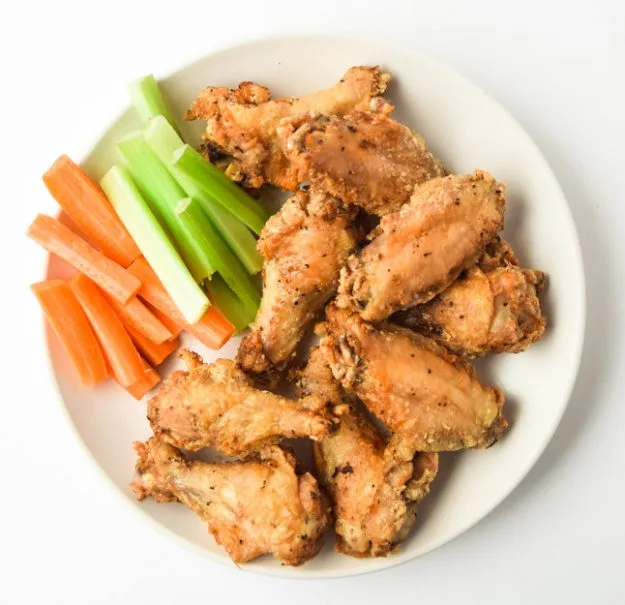
Image source: Bing (Web (fair-use with source credit))
A 2023 study published in the journal Foods found that air frying produced food with significantly less fat than deep frying while maintaining comparable texture and color. That aligns directly with paleo principles of maximizing nutrient density and minimizing processed inputs.
Most paleo air fryer recipes take between 12 and 25 minutes. Compare that to roasting a whole chicken or baking sweet potato fries in a conventional oven, and the time savings add up fast. For busy families or anyone meal prepping on Sundays, the air fryer becomes the most-used appliance in the kitchen.
The appliance's smaller capacity is actually an advantage for paleo cooking. It forces you to cook in single layers, which means better airflow, more even crisping, and food that actually browns instead of steaming. Work with its compact design instead of fighting against it.
If you're sizing an air fryer specifically for paleo batch cooking, our guide to the best 8 qt air fryer for roasting chicken breaks down what capacity works for families who cook whole birds and big vegetable trays on repeat.
The Biggest Mistakes People Make Cooking Paleo in an Air Fryer
Not all air fryer attempts end well. Paleo cooking in particular has some unique pitfalls that standard recipes won't warn you about. These are the errors that come up most often in user reviews and recipe feedback.
Overcrowding the basket. This is the number one complaint across all air fryer cooking, but it hits paleo recipes especially hard. Paleo proteins like chicken thighs and salmon fillets release moisture. Pile them on top of each other and that moisture has nowhere to go.
The result is steamed, rubbery food instead of crispy, golden results. Cook in batches if needed. A single layer with airflow between pieces is non-negotiable.
Using the wrong coatings. Grain-free breading behaves very differently from traditional flour or breadcrumb coatings. Almond flour burns faster than wheat flour. Coconut flour absorbs so much moisture that it can turn coatings gummy if the ratio is off.
Tapioca starch crisps beautifully but needs a binder like egg to stick to the protein. Swapping these flours blindly into a standard air fryer recipe is a recipe for disappointment.
Ignoring oil smoke points. Just because an oil is paleo-friendly doesn't mean it belongs in a 400°F air fryer. Extra virgin olive oil has a smoke point around 325°F to 375°F. Crank the air fryer to 400°F and that oil starts breaking down, producing off-flavors and potentially harmful compounds.
Avocado oil at 520°F or refined coconut oil at 450°F are better high-heat choices.
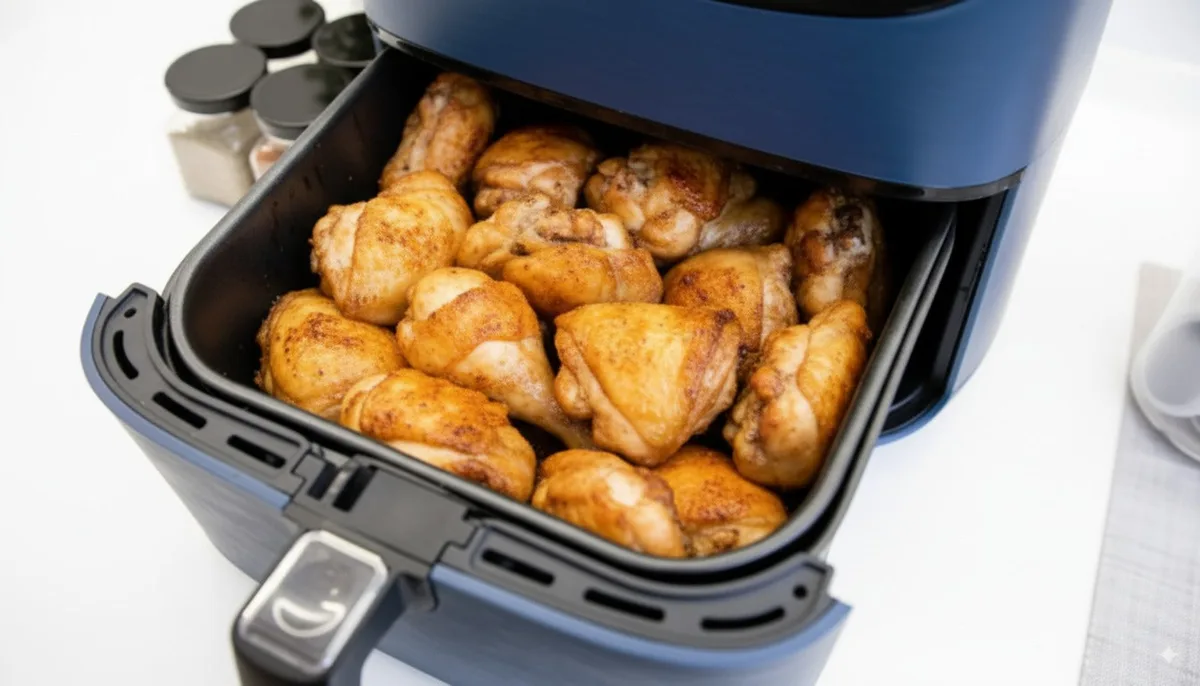
Image source: Bing (Web (fair-use with source credit))
Skipping the preheat. Many air fryer recipes skip preheating because the appliance heats up fast. That's fine for frozen fries. It's a problem for proteins that need immediate high-heat contact to develop a crust.
Preheating for 2 to 3 minutes at your target temperature gives paleo coatings the best chance of crisping rather than sticking.
Overcooking lean proteins. Chicken breast, white fish, and pork tenderloin have very little fat to protect them during the air fryer's aggressive convection. Without careful timing, these proteins go from done to bone-dry in under three minutes. Use a meat thermometer.
Pull chicken at 160°F and let carryover heat bring it to the USDA-recommended 165°F.
The other common mistake is store-bought "paleo" sauces and marinades that contain hidden sugar, soy, or seed oils. Always read ingredient labels carefully. A tablespoon of honey or coconut aminos mixed with avocado oil and garlic is honestly just as easy and fully compliant.
If you're using an Instant Vortex and wondering whether tossing the basket in the dishwasher causes any issues, our article on whether the Instant Vortex air fryer is dishwasher safe covers what holds up and what doesn't over time.
Best Paleo Ingredients That Actually Work in an Air Fryer
The paleo diet eliminates entire food groups. That means your air fryer pantry looks different from what most recipe blogs recommend. Here are the ingredients that consistently perform well and the ones to skip.
Proteins That Thrive in an Air Fryer
Chicken thighs are the single best cut for air frying. The higher fat content compared to breast meat keeps them juicy even at 400°F. Skin-on thighs develop crackling-crispy skin in about 22 minutes at 400°F.
Salmon fillets cook in just 8 to 10 minutes at 375°F with crispy skin and a tender interior. Wild-caught sockeye and king salmon have the fat content to handle the air fryer's intense heat without drying out.
Pork chops, especially bone-in, do well at 380°F for 12 to 14 minutes with a light avocado oil coating. Boneless chops need closer monitoring since they have less fat.
Ground beef or bison can be formed into patties or meatballs. Patties cook in 10 minutes at 375°F. The air fryer renders fat efficiently, so leaner ground meats benefit from a tablespoon of coconut aminos mixed in for moisture.
Shrimp cook in as little as 6 minutes at 400°F, making them one of the fastest paleo proteins you can air fry. Toss them in avocado oil and a pinch of sea salt before loading the basket.
Vegetables That Really Shine
Some vegetables respond to air frying dramatically better than others. The ones that hold up best:
- Brussels sprouts: Halved and tossed in avocado oil, they go sweet and deeply caramelized in 14 minutes at 400°F.
- Broccoli florets: Crisp-tender in 8 to 10 minutes at 380°F. The edges char slightly, which adds a great smoky flavor.
- Sweet potato fries: Cut thin and soaked in cold water for 20 minutes beforehand, then tossed in tapioca starch. They crisp up in 15 to 18 minutes at 400°F.
- Zucchini rounds or sticks: Work great as a chip alternative when coated in almond flour. Cook in 8 to 10 minutes at 375°F.
- Cauliflower florets: Roast beautifully at 400°F for 12 to 14 minutes. Toss with turmeric and garlic powder for a golden color.
- Asparagus: Quick-cooking and perfect in the air fryer. 6 to 8 minutes at 400°F with avocado oil and a squeeze of lemon.
Avoid vegetables with very high water content like cucumbers, tomatoes, or raw spinach. They don't crisp. They shrivel and steam, and you'll be disappointed with the result.
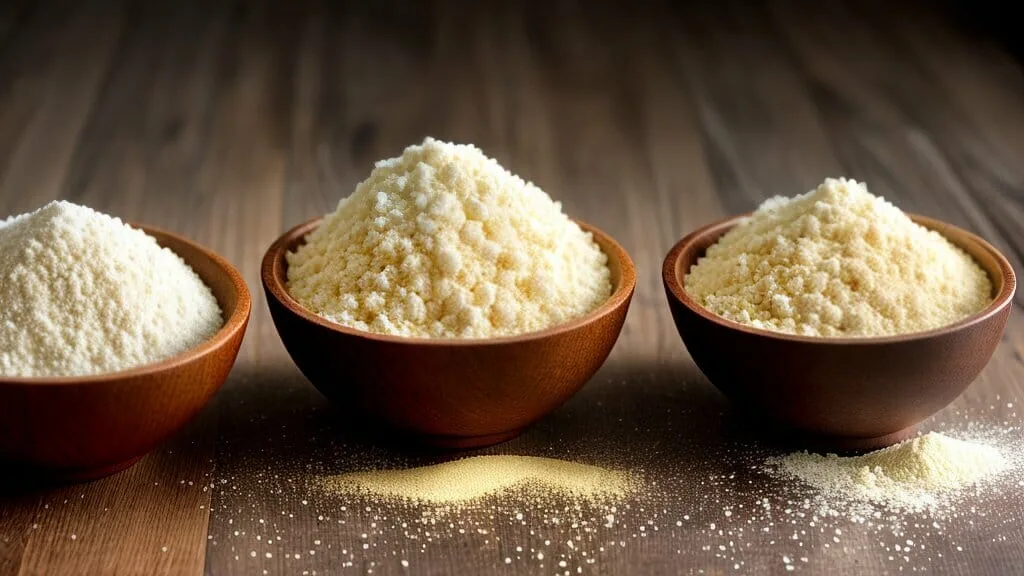
Image source: Bing (Web (fair-use with source credit))
For bigger families working through a lot of protein and vegetables each week, a larger air fryer makes batch cooking far more realistic. Our review of the best 9 quart air fryer for big family details which models handle larger loads without sacrificing crispiness.
Oils That Are Paleo and Air Fryer-Safe
Not every paleo oil survives air fryer temperatures. Use this quick reference:
| Oil | Smoke Point | Paleo Compliant | Best Air Fryer Use |
|---|---|---|---|
| Avocado oil | 520°F | Yes | All-purpose, high-heat cooking |
| Refined coconut oil | 450°F | Yes | Coating and light frying |
| Ghee (if tolerated) | 485°F | Primal/paleo gray area | Sautéing and roasting |
| Extra virgin olive oil | 325 to 375°F | Yes | Low-temp cooking only, under 350°F |
| Coconut oil (virgin) | 350°F | Yes | Marinades and low-temp recipes |
Always choose refined avocado oil as your default for air frying. Its neutral flavor and exceptionally high smoke point make it the most reliable option across every recipe category.
How to Get Crispy Results Without Grains, Breading, or Seed Oils
This is the question that separates successful paleo air fryers from frustrated ones. Traditional frying relies on wheat flour, cornmeal, or panko to create that satisfying crunch. Paleo cooking needs a different approach.
Almond flour is the workhorse paleo coating. It browns well, has a mild nutty flavor that complements most proteins, and crisps at 375°F without burning. The downside is cost.
Almond flour runs roughly $10 to $14 per pound as of 2026, which adds up if you're breading chicken for a family of four every week.
Coconut flour is the budget option at roughly $4 to $6 per pound. It absorbs roughly three times more liquid than almond flour, so a little goes a long way. Use about one-quarter the amount you'd use of almond flour.
Combine it with an egg or two and a splash of coconut milk to make a wet batter consistency. Coconut flour coatings produce a lighter, slightly more delicate crunch.
Tapioca starch and arrowroot starch create the shiniest, crispiest finish of the paleo flours. They're best used as a final dusting over a protein that's already been dipped in egg. Tapioca starch gets almost glass-like at 400°F, which mimics the appearance of a traditional fried coating surprisingly well.
Arrowroot behaves similarly but has a slightly softer crunch.
Cassava flour behaves the most like traditional wheat flour of any paleo option. It has a neutral flavor and a fine, soft texture. Use it in a standard breading station (egg wash, then cassava flour, then back to egg, then cassava again) for the most breadcrumb-like result.
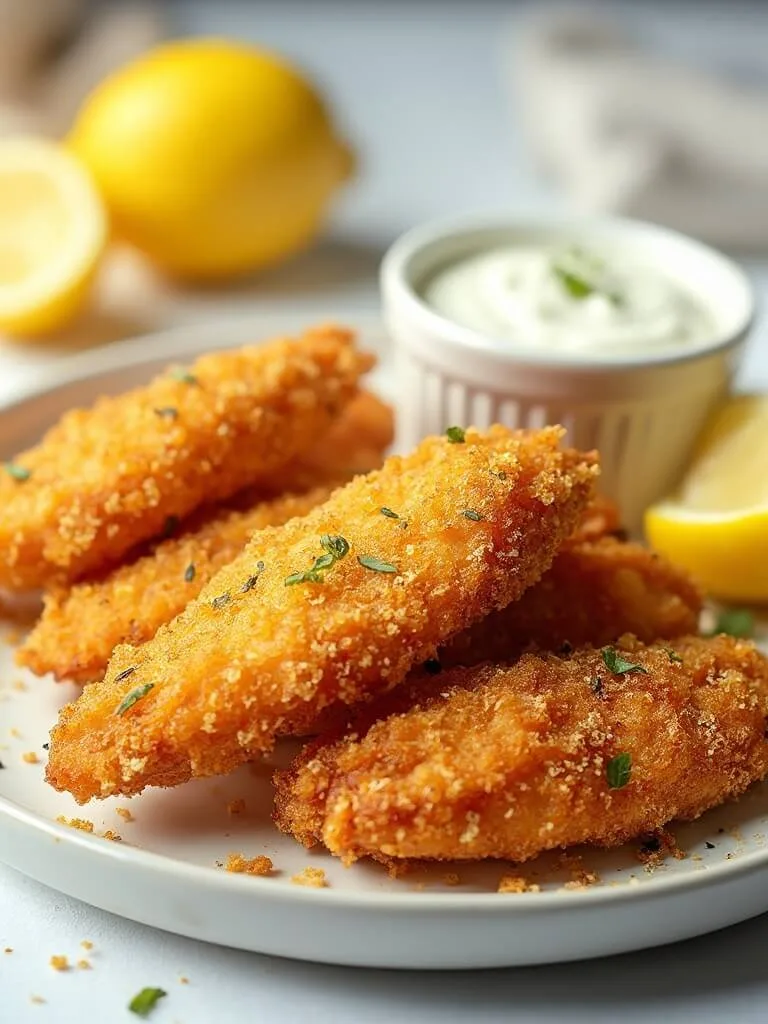
Image source: Bing (Web (fair-use with source credit))
The Basic Paleo Breading Station
Here's a step-by-step setup that works for chicken tenders, zucchini fries, fish fillets, and shrimp:
Set up two shallow bowls. Bowl one gets a beaten egg (or two, depending on batch size). Bowl two gets your chosen paleo coating (almond flour, coconut flour, or a blend) seasoned with sea salt, garlic powder, and any spices you like.
Pat the protein or vegetable dry. Any surface moisture prevents the coating from sticking. Use paper towels.
Dip in egg, let excess drip off, then press firmly into the coating. The pressing step matters. Gently laying the food into the flour creates a thin, patchy coating. Pressing creates an even, thick layer that stays on during cooking.
Let the coated pieces rest on a plate for 2 to 3 minutes. This brief rest helps the coating set and adhere. Skip this and the breading slides off in the air fryer's airflow.
Spritz lightly with avocado oil. A quick mist from an oil sprayer helps the coating brown and crisp. Don't drench it. A light, even coat is all you need.
Air fry at 375°F to 400°F depending on thickness. Flip once at the halfway point. Check for doneness with a thermometer for proteins.
One more tip from testing across multiple recipes: mixing almond flour and tapioca starch at a 3-to-1 ratio gives you the best of both worlds. The almond flour provides body and nuttiness while the tapioca starch adds that satisfying glass-like snap.
If you're making a lot of coated recipes in bulk for meal prep, you'll appreciate a model with smart controls that remembers your preferred settings. Our roundup of the best 8 qt air fryer with smart controls highlights which models nail repeatable results.
Paleo Air Fryer Proteins: Chicken, Beef, Pork, and Seafood Compared
Not every protein behaves the same in an air fryer. Here's a practical breakdown of how the main paleo protein categories compare in terms of ease, timing, and final result.
| Protein | Recommended Temp | Cook Time | Difficulty | Best Coating/Binder |
|---|---|---|---|---|
| Chicken thighs (bone-in, skin-on) | 400°F | 22 to 25 min | Easy | Dry spice rub, no binder needed |
| Chicken breast (boneless) | 375°F | 14 to 18 min | Moderate | Almond flour or cassava flour |
| Salmon fillets (skin-on) | 375°F | 8 to 10 min | Easy | Avocado oil spritz, sea salt |
| Shrimp (large, peeled) | 400°F | 6 to 8 min | Easy | Tapioca starch dusting |
| Beef short ribs | 380°F | 18 to 22 min | Moderate | Dry spice rub |
| Pork chops (bone-in) | 380°F | 12 to 14 min | Moderate | Almond flour with egg wash |
| Ground beef patties | 375°F | 10 to 12 min | Easy | Seasoned, no coating needed |
The proteins at the top of this list are your best starting point. Chicken thighs and salmon are forgiving, hard to overcook at recommended settings, and develop excellent texture from the air fryer's convection heat.
Ground meats and burger patties cook fast and clean in the air fryer, with rendered fat dripping away into the drip tray below. That's a genuine nutritional advantage over pan frying in a skillet where the meat sits in its own rendered fat. Beef short ribs, while not the most common air fryer cut, come out with a caramelized crust and tender interior if you've got at least an 8-quart model to accommodate the bone.
Our post on the best cooking method for short ribs includes a full comparison of air frying versus braising and grilling.
Pork chops deserve a special note because they're one of the leanest common cuts on this list. Without careful timing, they dry out fast. Brining them for 30 minutes in salted water before air frying makes a noticeable difference in the final moisture level.
Image source: Bing (Web (fair-use with source credit))
Seafood in general is fast-cooking, which is both its advantage and its risk. Shrimp are done in under 8 minutes and salmon in under 10. Set a timer every single time.
The difference between perfectly cooked salmon and overcooked salmon in an air fryer is roughly 90 seconds.
For batch-cooking proteins on a Sunday, the Instant Vortex series is one of the more popular options in this space. If you're considering one, our assessment of whether the Instant Vortex air fryer is good breaks down how it handles the paleo staples covered above.
The Best Paleo Coating and Binder Options (and Which Ones Fail)
Getting the coating right is where most paleo air fryer recipes succeed or fall apart. The wrong flour or binder means a bare patchy crust that slides off mid-cook. Here's what actually works and what to avoid.
Almond flour is the most versatile paleo coating. It browns well, has a mild nutty flavor that complements most proteins, and crisps at 375°F without burning. The downside is cost.
Almond flour runs roughly $10 to $14 per pound as of 2026, which adds up if you're breading chicken for a family of four every week.
Coconut flour is the budget option at roughly $4 to $6 per pound. It absorbs enormous amounts of liquid, so you need far less than almond flour. Use a quarter cup of coconut flour where you'd use a full cup of almond flour.
The flavor is slightly sweet, which works well for shrimp and sweet potato fries but can taste off on savory beef or pork.
Tapioca starch is the secret weapon for crunch. On its own, it creates an almost glass-like crispness at 400°F that genuinely mimics the snap of a traditional fried coating. It doesn't have much flavor, which makes it a great addition to any blend.
Mix it with almond flour at a 1-to-3 ratio for a coating that's both flavorful and shatteringly crisp.
Cassava flour is the closest paleo equivalent to all-purpose wheat flour. It has a neutral taste, fine texture, and behaves predictably in a standard breading station. It's also the most forgiving option for beginners.
The trade-off is that it doesn't get quite as crispy as tapioca-based blends.
Binders That Make Coatings Stick
Without breadcrumbs, paleo coatings need a reliable binder to adhere to protein. The most common options:
- Egg wash: The standard. One or two beaten eggs create a sticky surface that holds any paleo flour. Works for everything from chicken tenders to zucchini fries.
- Coconut cream: A good egg-free option for those on AIP. It's thicker than coconut milk and clings to food well enough for a light coating.
- Gelatin egg: Mix 1 tablespoon of unflavored gelatin with 1 tablespoon of warm water. Let it gel slightly, then use as you would an egg wash. This is an AIP workaround that actually holds up in the air fryer.
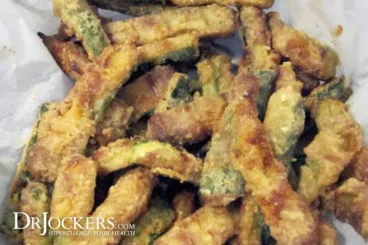
Image source: Bing (Web (fair-use with source credit))
Coatings That Fail
Plain coconut flour without enough binder turns gummy and paste-like. It needs significant moisture to hydrate properly, and even then, it doesn't crisp the way almond flour or tapioca does.
Flax meal sounds healthy but burns almost instantly at air fryer temperatures. It also has a strong, bitter flavor that overwhelms most recipes.
Psyllium husk powder works as a thickener in baking but creates a rubbery, unpleasant texture when used as an air fryer coating. Skip it entirely.
Nut meals with coarse texture, like pecan or walnut meal, burn before the protein cooks through. They're better used as a finishing sprinkle after cooking rather than a primary coating.
Paleo Air Fryer Vegetables That Don't Disappoint
Vegetables are where the air fryer earns its keep on a paleo diet. The intense circulating heat caramelizes edges, concentrates flavor, and turns simple produce into something you actually crave.
Brussels sprouts are the standout. Halve them, toss with avocado oil and sea salt, and air fry at 400°F for 14 minutes. The outer leaves go crispy and dark while the centers turn sweet and tender.
Add a drizzle of balsamic vinegar (check the label for no added sugar) in the last two minutes for a restaurant-quality side.
Sweet potato fries need one extra step to get truly crispy. Soak cut fries in cold water for 20 to 30 minutes to draw out surface starch, then pat them completely dry. Toss with a light coating of tapioca starch and avocado oil.
Cook at 400°F for 15 to 18 minutes, shaking the basket twice. The tapioca starch is the difference between soft fries and ones with a real crunch.
Broccoli florets cook fast. Eight to ten minutes at 380°F gives you charred edges and a tender stem. Toss with garlic powder, smoked paprika, and a squeeze of lemon after they come out.
Zucchini chips are an underrated paleo snack. Slice zucchini into quarter-inch rounds, coat in almond flour with Italian seasoning, and air fry at 375°F for 8 to 10 minutes. They come out light and crispy, almost like a chip.
Image source: Bing (Web (fair-use with source credit))
Asparagus takes 6 to 8 minutes at 400°F. Thick spears work better than thin ones, which can overcook and go limp. A light coating of avocado oil and a pinch of garlic powder is all you need.
Cauliflower florets roast beautifully at 400°F for 12 to 14 minutes. Toss them with turmeric, cumin, and a little sea salt for a golden, slightly smoky result that works as a rice substitute or a side on its own.
Avoid raw leafy greens, sliced tomatoes, and anything with very high water content. These don't crisp in an air fryer. They dehydrate unevenly and end up as sad, wilted scraps.
For families roasting big trays of vegetables every week, a dual-basket model lets you cook two different veggies at different temperatures simultaneously. Our guide to the best 8 qt air fryer with dual basket covers which models handle this well.
Adapting Your Favorite Oven Recipes for the Air Fryer
Most conventional paleo recipes can be converted for the air fryer with two simple adjustments. Reduce the oven temperature by 25°F and reduce the cooking time by roughly 20 to 25%. That's the starting framework.
A recipe that calls for 400°F for 30 minutes in a conventional oven becomes 375°F for about 22 to 24 minutes in the air fryer. But timing varies by model and basket size, so treat these numbers as a starting point, not a guarantee.
The bigger adjustment is batch size. A sheet pan that holds 2 pounds of chicken thighs won't fit in a standard air fryer basket in a single layer. You'll need to cook in two batches.
Plan for that in your prep time.
Roasted chicken is a great example. A whole chicken won't fit in most air fryers, but spatchcocked (backbone removed, pressed flat) it fits in a 6-quart or larger basket. Cook at 375°F for 35 to 40 minutes, flipping once at the halfway point.
The skin gets remarkably crispy.
Baked salmon translates almost directly. Oven recipes at 400°F for 15 minutes become 375°F for 9 to 11 minutes in the air fryer. The skin crisps better in the air fryer than in most ovens.
Roasted root vegetables like carrots, parsnips, and beets need to be cut smaller for the air fryer. Halve or quarter them so they cook through in the shorter time window. Toss with avocado oil and roast at 380°F for 18 to 22 minutes.
One thing that doesn't translate well: recipes that rely on a liquid sauce or braising liquid. The air fryer's airflow evaporates moisture fast, which means sauces reduce and burn before the food cooks through. Save braised dishes for the stovetop or slow cooker.
If you're wondering whether an Instant Pot with an air fryer lid can handle these adapted recipes as well as a dedicated unit, our comparison of Instant Pot versus air fryer breaks down the performance differences.
AIP-Friendly Air Fryer Recipes When Eggs and Nuts Are Off the Table
The Autoimmune Protocol eliminates eggs and nuts, which removes the two most common paleo coating binders and flours. That sounds limiting, but there are workarounds that produce genuinely good results.
Coconut flour becomes your primary flour. Since it's AIP-compliant, you can use it for coatings, but remember the absorption rule. Use one-quarter the amount you'd use of almond flour and add extra liquid to compensate.
Coconut cream replaces egg wash as a binder. Full-fat coconut cream from a can is thick enough to coat protein. Dip your protein in coconut cream, then press into coconut flour or tapioca starch.
It's not as strong a binder as egg, so handle the coated pieces gently and let them rest for 3 minutes before cooking.
Tapioca starch is AIP-compliant and creates a surprisingly good crispy coating on its own. Dust fish fillets or chicken pieces lightly with tapioca starch and avocado oil. Cook at 375°F for the same times you'd use with an egg-based coating.
Gelatin eggs work as a binder when coconut cream alone isn't enough. Mix 1 tablespoon unflavored gelatin with 1 tablespoon warm water. Let it sit for 2 minutes until slightly thickened, then use it as a dip before coating.
It holds up well in the air fryer's heat.
Arrowroot starch is another AIP-safe option that behaves similarly to tapioca. It creates a slightly softer crunch but adheres well to coconut cream-coated proteins.
The biggest challenge with AIP air fryer cooking is the lack of nut-based coatings. Almond flour is off the table, and that removes the most versatile paleo breading option. Coconut flour and tapioca starch together get you close, but the flavor profile is different.
Expect a slightly sweeter, lighter crust rather than the nutty, savory crunch almond flour provides.
For AIP-friendly meal prep, focus on uncoated proteins and vegetables. A salmon fillet with avocado oil and sea salt needs no coating to come out perfectly. Roasted Brussels sprouts and sweet potato wedges are naturally AIP-compliant and cook beautifully in the air fryer with nothing more than oil and seasoning.
Meal Prepping Paleo Meals with an Air Fryer: A Realistic Workflow
The air fryer is a meal prep powerhouse if you build a system around it. Here's a workflow that works for a week of paleo lunches and dinners for two to four people.
Sunday prep session, 60 to 90 minutes:
Batch-cook proteins. Air fry 2 pounds of chicken thighs at 400°F for 22 minutes. While those cook, prep salmon fillets or shrimp for a second batch. Let everything cool, then portion into containers.
Roast vegetables in waves. Start with the longest-cooking items like sweet potato cubes and Brussels sprouts at 400°F for 15 to 18 minutes. Follow with quicker-cooking broccoli or zucchini at 380°F for 8 to 10 minutes.
Make a big batch of paleo coating mix. Combine 2 cups almond flour, half a cup tapioca starch, and your preferred seasonings in a sealed container. It keeps for weeks and cuts daily prep time to almost nothing.
Portion and store. Divide proteins and vegetables into glass containers. Keep sauces and dressings separate to avoid sogginess.
Weeknight assembly, 10 to 15 minutes:
Reheat pre-cooked protein in the air fryer at 350°F for 4 to 6 minutes. The air fryer reheats far better than a microwave, restoring crispiness instead of making food rubbery. Add a quick batch of fresh vegetables if you want something green.
For families doing this at scale, a 9-quart model makes a real difference. Our review of the best 9 qt air fryer for large batches covers which models handle full meal prep sessions without requiring endless back-to-back batches.
One practical tip: line the air fryer basket with perforated parchment paper during meal prep sessions. It prevents coated proteins from sticking and cuts cleanup time dramatically. Just make sure the parchment doesn't cover the entire bottom surface.
You still need airflow through the basket.
Air Fryer Temperatures, Timing, and Settings for Paleo Cooking
Getting the temperature and timing right is the difference between a perfect paleo meal and a dried-out disappointment. Here's a quick-reference guide for the most common paleo air fryer recipes.
| Food | Temperature | Time | Flip/Shake? |
|---|---|---|---|
| Chicken thighs (bone-in) | 400°F | 22 to 25 min | Flip once |
| Chicken breast (boneless) | 375°F | 14 to 18 min | Flip once |
| Salmon fillets (skin-on) | 375°F | 8 to 10 min | No flip needed |
| Shrimp (large) | 400°F | 6 to 8 min | Shake once |
| Pork chops (bone-in) | 380°F | 12 to 14 min | Flip once |
| Ground beef patties | 375°F | 10 to 12 min | Flip once |
| Brussels sprouts (halved) | 400°F | 14 min | Shake once |
| Sweet potato fries | 400°F | 15 to 18 min | Shake twice |
| Broccoli florets | 380°F | 8 to 10 min | Shake once |
| Asparagus | 400°F | 6 to 8 min | Shake once |
Always preheat for 2 to 3 minutes before loading food. Use a meat thermometer for proteins. Pull chicken at 160°F and let carryover heat bring it to the USDA-recommended 165°F.
For fish, the FDA recommends an internal temperature of 145°F.
If your air fryer doesn't display the actual basket temperature, know that most models run 10 to 15°F lower than the set temperature once food is added. Account for that drop, especially with lean proteins that have a narrow window between done and overdone.
Cleaning, Maintenance, and Safety Tips Most People Skip
A clean air fryer cooks better and lasts longer. Food residue on the heating element or basket affects airflow and creates smoke during subsequent cooks. Here's a maintenance routine that takes under five minutes.
After each use, let the basket cool for 10 minutes, then wash it with warm soapy water. Most air fryer baskets are dishwasher safe, but check your manufacturer's guidelines. For stuck-on coating residue, soak the basket in hot water with a tablespoon of baking soda for 15 minutes before scrubbing.
Wipe the interior and heating element with a damp cloth once a week. Grease buildup on the heating element is the most common cause of smoke during cooking. If you're cooking high-fat foods like bacon or chicken skin, place a small piece of bread in the drip tray to absorb excess grease.
Never submerge the main unit in water. The heating element and electrical components are not water-resistant. A quick wipe-down is all the base unit needs.
For safety, always place the air fryer on a heat-resistant surface with at least 5 inches of clearance behind the air vent. The rear exhaust gets hot enough to damage wall paint or melt plastic items nearby. Keep the unit away from the edge of the counter, especially in households with kids or pets.
If you notice a burning smell during cooking that isn't normal food browning, unplug the unit and check for food debris on the heating element. Persistent smoke or unusual smells warrant contacting the manufacturer before continuing use.
Frequently Asked Questions
Can you do paleo air fryer recipes in any air fryer?
Yes. Any standard air fryer works for paleo cooking. The main variable is capacity.
A 3.5-quart model handles meals for one to two people. Families of four or more will want at least 6 quarts to avoid cooking everything in multiple batches.
What oil is best for paleo air frying?
Avocado oil is the best all-purpose choice. Its 520°F smoke point handles every air fryer temperature without breaking down. Refined coconut oil at 450°F is a solid second option.
Avoid extra virgin olive oil for high-heat cooking since its smoke point sits between 325°F and 375°F.
How do you keep chicken from drying out in an air fryer?
Use bone-in, skin-on thighs instead of breast meat whenever possible. The fat and skin protect the meat during cooking. For breast meat, brine it in salted water for 30 minutes before cooking, and pull it at an internal temperature of 160°F.
Let it rest for 5 minutes before slicing.
Are air fryers actually healthy for a paleo diet?
Air frying uses up to 80% less oil than deep frying while producing a similar crispy texture. A 2023 study in the journal Foods found that air frying significantly reduced fat absorption compared to deep frying. For a diet focused on whole foods and minimal processed inputs, the air fryer is one of the better cooking appliances you can own.
Can you air fry frozen paleo foods?
Yes, but adjust the timing. Add 3 to 5 minutes to the cook time for frozen proteins and vegetables. There's no need to thaw first.
The air fryer handles frozen food well because the circulating air thaws and cooks simultaneously. Just make sure frozen items aren't clumped together, which blocks airflow.
What's the best air fryer size for paleo meal prepping?
For one to two people, a 3.5 to 5.5-quart model is sufficient. For families of three to six, go with 6 to 9 quarts. Larger baskets let you cook full meal prep batches in fewer rounds, which saves significant time on Sundays.