
Many people wonder about radiation safety when using air fryers. This guide explains that air fryers do NOT use ionizing radiation like microwaves. Instead, they use hot air circulation to cook food, making them a safe and healthy alternative for achieving crispy results. We’ll delve into how they work and address common concerns.
Is There Radiation in Air Fryer
Welcome to our comprehensive guide that aims to answer the burning question on many minds: “Is there radiation in an air fryer?” In an era where we’re increasingly conscious about our health and the technology we bring into our homes, it’s natural to be curious about how appliances work, especially those that promise healthier versions of our favorite fried foods. You’ve probably heard that air fryers are a healthier alternative to deep frying, but what about safety? Let’s dive deep and demystify the technology behind your air fryer, so you can cook with confidence.
We’ll cover everything from what an air fryer actually is and how it works, to the science behind its cooking method. By the end of this guide, you’ll understand precisely why air fryers are considered safe and free from harmful radiation.
Key Takeaways
- Air fryers utilize convection cooking, not microwave radiation. They circulate hot air to create crispy food, similar to a small convection oven.
- They are considered safe for home use, with no risk of harmful radiation exposure.
- The primary components are a heating element and a fan, which work together to distribute heat evenly.
- Understand the difference between ionizing and non-ionizing radiation to clarify air fryer safety.
- Proper maintenance and usage ensure your air fryer operates efficiently and safely.
Understanding How Air Fryers Work
The first step to understanding if an air fryer emits radiation is to understand its fundamental operating principle. Many people associate cooking appliances with different types of energy and radiation, and it’s easy to get confused.
The Magic of Convection Cooking
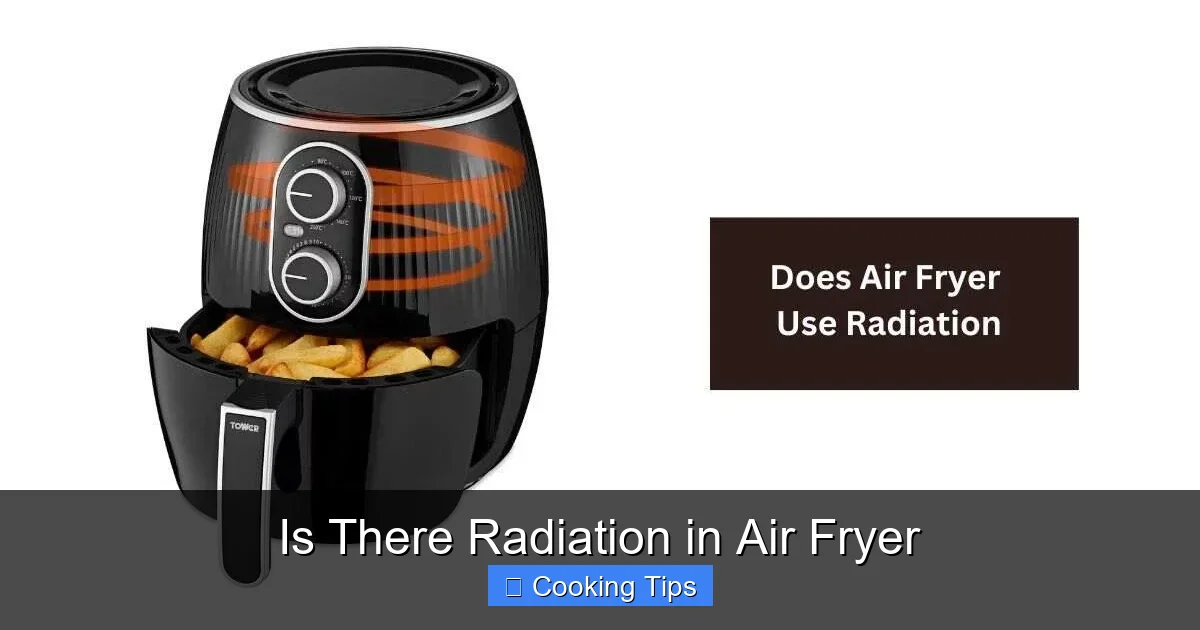
An air fryer is essentially a small, powerful convection oven. It doesn’t use microwaves, which are a form of non-ionizing radiation. Instead, it relies on a heating element, typically located at the top, and a high-speed fan.
Here’s a simple breakdown:
1. Heating Element: This component heats up the air inside the cooking chamber. It’s similar to the element you might find in a regular oven or toaster oven.
2. Fan: The powerful fan circulates this superheated air rapidly around the food. This constant movement of hot air is what creates the signature crispy texture that air fryers are known for.
3. Basket or Tray: The food is placed in a perforated basket or tray, allowing the hot air to flow around all sides, ensuring even cooking and crisping.
This process mimics deep frying by quickly cooking the exterior of the food, making it golden brown and crunchy, but without submerging it in oil. Think of it as baking with a very intense, focused blast of hot air.
The Role of Hot Air
The key takeaway here is that an air fryer uses *hot air* as its primary cooking medium. It’s the same principle as a convection oven, just on a smaller, more intense scale. The air is heated and then forced to circulate at high speed, effectively “frying” the food with hot air. This contrasts sharply with microwave ovens, which use electromagnetic waves to excite water molecules within the food.
Addressing the Radiation Question Directly
Now, let’s get straight to the heart of the matter: radiation. It’s crucial to differentiate between the types of radiation.
Types of Radiation: Ionizing vs. Non-Ionizing
When people worry about radiation from appliances, they often think of the kind that can be harmful. This is typically *ionizing radiation*, which has enough energy to remove electrons from atoms and molecules. Examples include X-rays and gamma rays.
Appliances like microwave ovens use *non-ionizing radiation* (microwaves), which is a form of electromagnetic radiation. While microwaves can heat food by causing water molecules to vibrate, they do not have enough energy to damage DNA or cells in the way ionizing radiation can. Regulatory bodies like the FDA set strict limits for microwave leakage from ovens to ensure public safety.
Where Air Fryers Stand
Air fryers, as we’ve established, use convection heating. They do not produce ionizing radiation. They also do not produce microwave radiation. The heating element produces infrared radiation, which is a form of electromagnetic radiation that we feel as heat. This is the same kind of heat produced by the sun, a fireplace, or a regular oven. Infrared radiation is not harmful in the context of cooking with an air fryer.
In simple terms: An air fryer heats your food with hot air, not with any form of radiation that poses a health risk.

Visual guide about Is There Radiation in Air Fryer
Image source: kitchenxpart.com
Safety Standards and Certifications
Visual guide about Is There Radiation in Air Fryer
Image source: kitchenxpart.com
Appliance manufacturers are required to adhere to strict safety standards. Air fryers sold in reputable markets are designed and tested to ensure they operate safely.
Regulatory Oversight
In countries like the United States, the Food and Drug Administration (FDA) and the Consumer Product Safety Commission (CPSC) oversee the safety of kitchen appliances. These agencies ensure that products meet specific safety regulations. For microwave ovens, they ensure that radiation leakage is within safe limits. For other appliances like air fryers, the focus is on electrical safety, material safety, and proper functioning.
What Certifications Mean
When you see certifications like UL (Underwriters Laboratories) or ETL (Intertek) on an appliance, it means the product has been tested and meets specific safety standards. These certifications are independent assurances that the appliance has undergone rigorous safety evaluations. Air fryers that carry these certifications are designed to be safe for home use.
Potential Concerns and How to Address Them
Visual guide about Is There Radiation in Air Fryer
Image source: sarahscoop.com
While air fryers are safe, like any kitchen appliance, proper usage and maintenance are key to ensuring continued safety and optimal performance.
Overheating and Electrical Safety
The primary safety concerns with any electrical appliance revolve around electrical faults, overheating, and fire hazards.
Tips for Safe Operation:
- Follow Manufacturer Instructions: Always read and follow the specific user manual for your air fryer model. This includes recommended cooking times, temperatures, and cleaning procedures.
- Proper Placement: Ensure your air fryer is placed on a stable, heat-resistant surface, away from flammable materials like curtains or paper towels.
- Ventilation: Make sure the air vents on your air fryer are not blocked. Proper ventilation prevents overheating.
- Avoid Overfilling: Do not overfill the air fryer basket. This can lead to uneven cooking and potential overheating. If you’re cooking a large batch, consider cooking in stages. For instance, learning to cook bone-in chicken thighs in an air fryer might require careful placement to ensure even cooking.
- Unplug When Not in Use: Always unplug your air fryer when you’re finished cooking and when cleaning it.
- Inspect Regularly: Check the power cord for any signs of damage. If you notice any frayed wires or damage, discontinue use and contact the manufacturer or a qualified technician.
Material Safety
Most air fryers are made with food-grade plastics and non-stick coatings, often PFOA-free. However, it’s always good practice to be aware of the materials used.
What to Look For:
- Non-Stick Coatings: Many air fryer baskets and trays feature non-stick coatings to prevent food from sticking and for easy cleanup. Look for PFOA-free or PTFE-free coatings if this is a concern for you.
- BPA-Free Plastics: Ensure any plastic components that come into contact with food are BPA-free.
- Avoid Overheating Non-Stick Surfaces: While durable, extreme overheating or using abrasive cleaning tools can damage non-stick coatings over time, potentially releasing small particles. Always use non-abrasive sponges or brushes for cleaning.
Benefits of Using an Air Fryer (Beyond Safety)
Understanding that your air fryer is radiation-free is reassuring. But its benefits extend far beyond just safety.
Healthier Cooking
The primary draw of air fryers is their ability to produce crispy, delicious food with significantly less oil compared to deep frying. This can lead to:
- Reduced fat and calorie intake.
- Lower consumption of unhealthy compounds that can form during high-temperature deep frying.
Whether you’re cooking a classic like boneless chicken wings or trying something new like artichokes, you can achieve great results with minimal oil.
Speed and Convenience
Air fryers heat up much faster than conventional ovens and cook food more quickly due to the concentrated hot air circulation. This makes them ideal for busy weeknights. You can quickly whip up meals like hot dogs or even entire meals like pot pies in a fraction of the time.
Versatility
While known for “frying,” air fryers can also roast, bake, and reheat food. From crispy waffle fries to perfectly cooked bacon, their capabilities are surprisingly broad. You can even experiment with baking cakes or preparing breakfast items like eggs or omelettes.
Easy Cleanup
Most air fryer baskets and trays are dishwasher safe or easy to clean with soap and water, making post-meal cleanup a breeze.
Conclusion
So, to definitively answer the question: “Is there radiation in an air fryer?” The answer is a resounding **no**, not in any harmful or concerning way. Air fryers operate using the principle of convection cooking, circulating hot air to crisp your food. They do not emit ionizing radiation, nor do they use microwave radiation. They are a safe and effective kitchen appliance when used according to the manufacturer’s instructions.
By understanding the technology behind your air fryer, you can feel confident in its safety and continue to enjoy delicious, healthier meals. Embrace the convenience, the speed, and the crispiness that your air fryer brings to your kitchen. Happy cooking!