
Concerns about appliance safety are common. This guide dives deep into whether the Power XL Air Fryer is toxic, examining its materials, manufacturing processes, and user safety guidelines. We’ll clarify common misconceptions and provide actionable advice to ensure you can enjoy healthier, crispier meals without worry. Learn how to maximize your Power XL Air Fryer’s safety and longevity.
Is the Power Xl Air Fryer Toxic
The convenience and health benefits of air fryers have made them a popular kitchen appliance. Among the many brands available, the Power XL Air Fryer stands out. However, as with any kitchen gadget that involves heating food, questions about safety and potential toxicity can arise. This comprehensive guide will address the common concerns about whether your Power XL Air Fryer is toxic, explore the materials used, and provide practical tips for safe and healthy cooking.
Many people wonder about the materials used in their kitchen appliances, especially those that heat food to high temperatures. It’s natural to want to ensure that what you’re cooking in is safe for your family. We’ll break down the components of the Power XL Air Fryer and discuss what makes them safe for everyday use. By understanding the manufacturing process and recommended usage, you can enjoy delicious air-fried meals with peace of mind.
Key Takeaways
- Material Safety: The Power XL Air Fryer is typically constructed with food-grade, non-toxic materials like stainless steel and BPA-free plastics.
- Non-Stick Coatings: While some older non-stick coatings raised concerns, modern air fryers, including Power XL models, often use PTFE or ceramic coatings that are safe when used as directed and not overheated or scratched.
- Manufacturing Standards: Reputable brands like Power XL adhere to strict safety regulations and quality control measures for their appliances.
- Proper Usage is Key: Avoiding overheating, using appropriate utensils, and regular cleaning are crucial for maintaining the safety and integrity of the air fryer’s components.
- Ventilation Matters: Ensuring adequate ventilation during use prevents overheating of the appliance and potential release of fumes.
- Troubleshooting Fumes: If you experience unusual smells or fumes, consult the troubleshooting section for immediate steps.
[FEATURED_IMAGE_PLACEHOLDER]
Understanding Air Fryer Components and Safety
Air fryers work by circulating hot air around food, mimicking the crispiness of deep-frying with significantly less oil. The main parts of an air fryer that come into contact with food are the basket, tray, and any internal racks. The exterior housing is also made of various materials.
When discussing toxicity, we often look at the materials used, the coatings applied, and how the appliance is manufactured and operated. Reputable brands like Power XL invest heavily in ensuring their products meet safety standards. Let’s look at the typical materials found in a Power XL Air Fryer and why they are generally considered safe.
Materials Used in the Power Xl Air Fryer
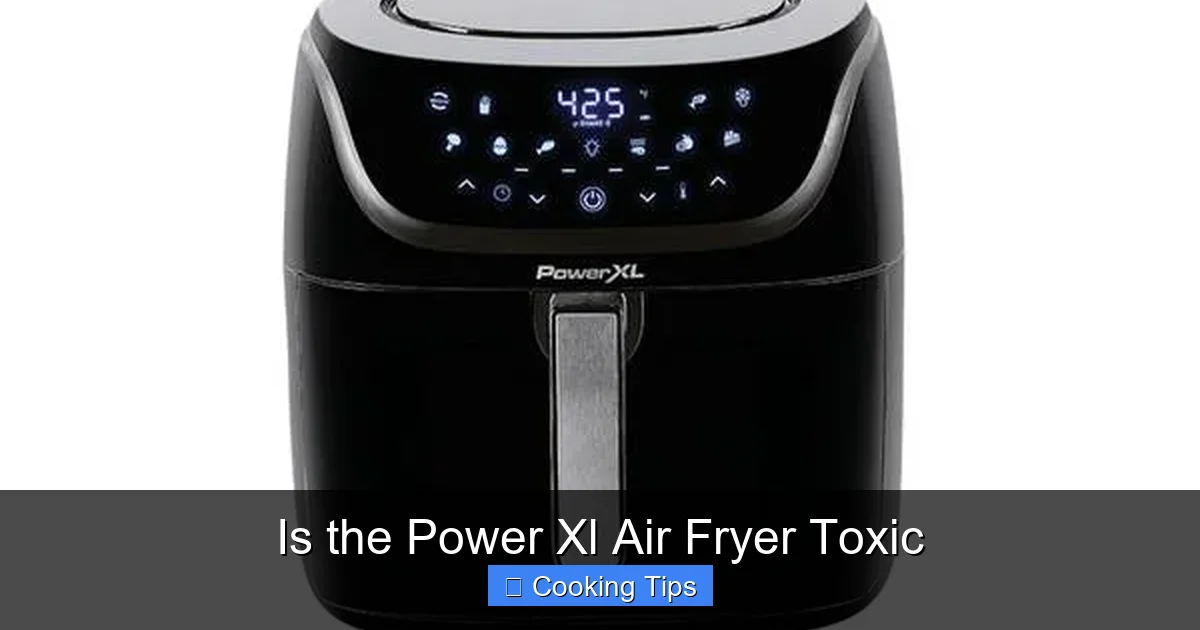
The Power XL Air Fryer, like most modern kitchen appliances, is designed with user safety and durability in mind. The primary materials used are:
Visual guide about Is the Power Xl Air Fryer Toxic
Image source: products.blains.com
Basket and Tray Construction
The parts that directly hold your food are usually made from a combination of metal and non-stick coatings.
- Stainless Steel: Many components, particularly the racks or inner baskets, are made from high-quality stainless steel. Stainless steel is a durable, non-reactive metal that doesn’t leach harmful substances into food. It’s widely used in cookware and food preparation for its safety and longevity.
- Non-Stick Coatings: This is often where the most questions arise. Power XL air fryers typically feature non-stick coatings on their baskets and trays to prevent food from sticking and make cleaning easier. Historically, concerns were raised about per- and polyfluoroalkyl substances (PFAS), often associated with older non-stick technologies like Teflon. However, modern non-stick coatings, including those used by Power XL, have evolved significantly.
- PTFE (Polytetrafluoroethylene): This is a common type of non-stick coating. When used correctly and not subjected to extreme overheating (above 500°F or 260°C), PTFE is generally considered safe. The concern arises if the coating is scratched or overheated, potentially releasing fumes. Power XL uses PFOA-free PTFE, meaning it does not contain perfluorooctanoic acid, a chemical that was previously used in the manufacturing of some non-stick coatings and has been linked to health concerns.
- Ceramic Coatings: Some newer models or specific components might use ceramic-based non-stick coatings. These are often praised for being naturally non-toxic and free from any chemical concerns. They offer good non-stick properties and are durable.
Exterior Housing
The outer shell of the Power XL Air Fryer is typically made from heat-resistant, durable plastics. These plastics are usually BPA-free (Bisphenol A), a chemical that some studies have linked to potential health issues. Manufacturers aim to use materials that can withstand the heat generated by the appliance while remaining stable and safe for proximity to the cooking chamber.
Manufacturing Standards and Certifications
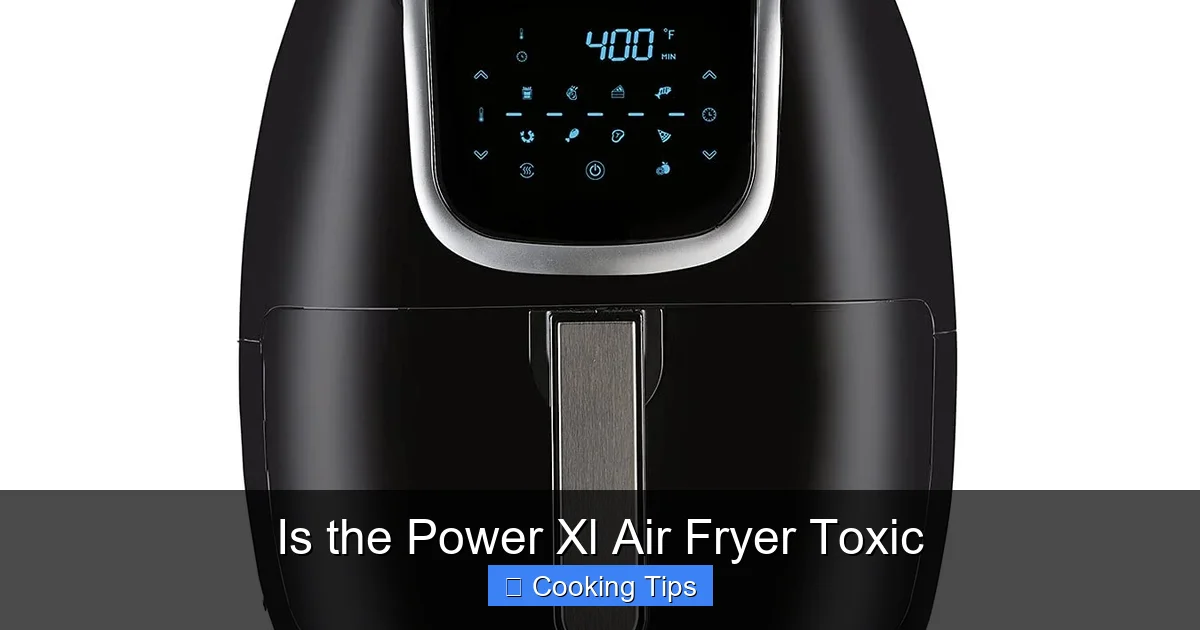
Reputable appliance manufacturers, including those that produce Power XL products, operate under strict manufacturing standards and often seek certifications from independent bodies. These certifications ensure that the product meets safety requirements for both electrical and material safety.
Visual guide about Is the Power Xl Air Fryer Toxic
Image source: m.media-amazon.com
- UL Listing or ETL Certification: Many Power XL appliances carry certifications from organizations like Underwriters Laboratories (UL) or Intertek (ETL). These certifications indicate that the product has been tested and meets recognized safety standards for electrical appliances, including fire and shock hazards.
- Food-Grade Materials: The emphasis is on using food-grade materials for any component that comes into direct or indirect contact with food. This means the materials are deemed safe for their intended use in food preparation and consumption.
Addressing Common Concerns: Fumes and Overheating
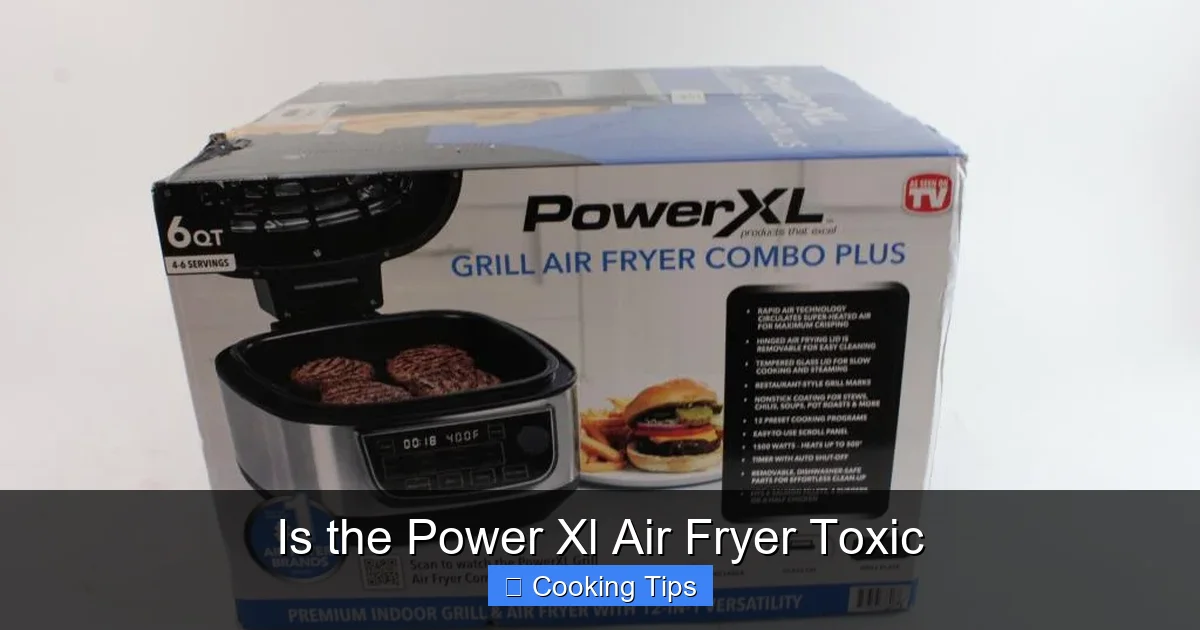
One of the most common sources of anxiety regarding new appliances, including air fryers, is the initial smell or potential fumes. This is a normal part of the manufacturing and break-in process for many appliances.
Visual guide about Is the Power Xl Air Fryer Toxic
Image source: content.propertyroom.com
Initial Use Smells
When you first use your Power XL Air Fryer, you might notice a slight odor. This is typically due to residual manufacturing oils or protective coatings on the heating elements or internal components burning off. It’s often described as a “new appliance smell.”
How to Minimize Initial Smells:
- Run an Empty Cycle: Before cooking food for the first time, run the air fryer empty at a moderate temperature (e.g., 350°F or 175°C) for about 10-15 minutes. Place it in a well-ventilated area, like near an open window or under your kitchen exhaust fan.
- Wipe Down Components: Ensure the basket and tray are clean according to the manufacturer’s instructions before the first use. Some users also find wiping down the interior lightly with a damp cloth (once cooled) helps.
- Ventilation is Key: Always ensure your air fryer has good airflow around it. Never place it directly against a wall or inside a cabinet while in use.
Overheating and Non-Stick Coatings
The primary concern with non-stick coatings, particularly PTFE, is overheating. When PTFE is heated beyond its safe temperature limit (around 500°F or 260°C), it can start to break down and release fumes. These fumes can be harmful if inhaled in significant quantities and can cause temporary flu-like symptoms in humans, sometimes referred to as “polymer fume fever.”
Safe Usage Practices to Prevent Overheating:
- Adhere to Recipe Temperatures: Always follow recommended cooking temperatures. Most air fryer recipes fall well within the safe operating range of the non-stick coatings.
- Avoid Empty Heating: Do not leave the empty basket or tray heating for extended periods, especially at high temperatures.
- Use Appropriate Utensils: To protect the non-stick surface, use silicone, wooden, or plastic utensils. Avoid metal utensils that can scratch the coating. This also helps preserve the basket for future use, like when you want to cook a crab cake in the air fryer or other delicate items.
- Inspect for Damage: Regularly check the non-stick coating for any signs of peeling, chipping, or deep scratches. If the coating is significantly damaged, it’s best to consider replacing the basket or tray.
How to Keep Your Power Xl Air Fryer Safe and Non-Toxic
Beyond understanding the materials, proper care and maintenance are essential for ensuring your Power XL Air Fryer remains safe to use over time.
Regular Cleaning is Crucial
Food debris and grease buildup can not only affect cooking performance but can also potentially degrade components if left unaddressed. Regular cleaning prevents this buildup.
Cleaning Steps:
- Cool Down: Always unplug the air fryer and allow it to cool down completely before cleaning.
- Remove Basket and Tray: Take out the basket and tray.
- Wash with Warm, Soapy Water: Wash the basket and tray with warm water and mild dish soap. Use a soft sponge or cloth. For stubborn residue, you can let them soak in warm, soapy water for a short period.
- Avoid Abrasives: Never use steel wool, abrasive scouring pads, or harsh chemical cleaners, as these can damage the non-stick coating and other surfaces.
- Wipe Down Interior and Exterior: Once the basket and tray are clean and dry, wipe down the interior of the air fryer (avoiding heating elements if visible) and the exterior with a damp cloth.
- Ensure Dryness: Make sure all components are completely dry before reassembling and storing the air fryer.
Consistent cleaning ensures that you’re always cooking on a fresh surface, and it helps maintain the integrity of the non-stick coating, contributing to its safe operation. For more specific cleaning advice, always refer to your Power XL Air Fryer’s user manual.
Proper Storage
Store your air fryer in a clean, dry place. Ensure there is some ventilation around it, not packed tightly in a cupboard where moisture can be trapped.
Listen to Your Appliance
If your Power XL Air Fryer starts making unusual noises, emitting strange smells that persist beyond the initial break-in period, or malfunctioning in any way, it’s important to stop using it and consult the troubleshooting section of your manual or contact customer support. Sometimes, issues like how to pause Power XL air fryer operations might be simple, but persistent problems could indicate a deeper issue.
Troubleshooting Unusual Smells or Fumes
While the Power XL Air Fryer is designed for safe operation, issues can occasionally arise. Here’s how to address unusual smells or fumes:
Persistent Odor After Initial Use
- Check for Food Debris: Ensure the heating element and the interior are free of any burnt food particles.
- Deep Clean: Perform a thorough cleaning as described above, paying attention to any crevices.
- Run a Lemon Cycle: Some users find that running an empty cycle with water and lemon slices can help neutralize persistent odors. Ensure the air fryer is cool before adding water and lemon.
Smell of Burning Plastic or Electrical Issues
- Immediately Unplug: If you smell burning plastic or an electrical burning odor, unplug the appliance immediately.
- Inspect for Damage: Check the power cord and the exterior for any signs of melting or damage.
- Contact Customer Support: Do not attempt to use the appliance further. Contact Power XL customer support to discuss the issue. This is critical for ensuring your safety.
Smell of Overheated Coating
- Reduce Temperature/Cooking Time: If you’ve been cooking at very high temperatures for extended periods, the non-stick coating might be releasing fumes. Lower the temperature or shorten the cooking time.
- Ensure Food is Present: Avoid running the air fryer at high heat without food in the basket, as this can lead to overheating of the coating.
- Check Coating Integrity: Inspect the coating for damage. If it looks compromised, consider replacement.
By understanding these potential issues and knowing how to address them, you can ensure your Power XL Air Fryer continues to be a safe addition to your kitchen, perfect for everything from cooking a steak on the air fryer to baking a small cake in the air fryer.
Conclusion: Your Power Xl Air Fryer is Likely Safe
Based on the materials used, manufacturing standards, and typical usage, the Power XL Air Fryer is generally considered safe and not toxic. The brand prioritizes using food-grade, non-toxic materials like stainless steel and BPA-free plastics. While concerns about non-stick coatings are valid, modern PFOA-free PTFE and ceramic options are safe when used as directed and not subjected to extreme overheating or physical damage.
The key to enjoying your Power XL Air Fryer for years to come, safely and effectively, lies in proper usage and maintenance. By adhering to recommended temperatures, using the right utensils, cleaning regularly, and being mindful of the appliance’s condition, you can minimize any potential risks. If you ever experience unusual smells or malfunctions, don’t hesitate to consult the user manual or contact customer support. With a little care, your Power XL Air Fryer will be a healthy and reliable tool for creating delicious meals.