
Wondering if your Ninja air fryer is non-toxic? This guide explores the materials used in Ninja air fryers, focusing on non-stick coatings and general safety. We’ll help you understand what makes an air fryer safe for your kitchen and provide tips for using your Ninja air fryer with peace of mind. Cook healthy and confidently with our easy-to-understand information.
Key Takeaways
- Ninja air fryers generally use food-grade, non-toxic materials. This includes stainless steel, BPA-free plastics, and ceramic-coated baskets that are safe for cooking.
- Non-stick coatings are a key consideration. Most Ninja air fryers utilize ceramic or PTFE-free non-stick coatings, which are considered safe when used correctly.
- Proper usage and maintenance are crucial for safety. Avoiding high heat for extended periods, not using abrasive cleaners, and replacing damaged baskets prevent potential issues.
- Ventilation and cleaning are important for overall air fryer health. Ensuring proper airflow and regular cleaning helps maintain the appliance and prevent the buildup of residue.
- Look for certifications and manufacturer information. Reputable brands like Ninja often provide detailed information about their product materials and safety standards.
Is the Ninja Air Fryer Non Toxic? Your Guide to Safe Cooking
The rise of air fryers has been incredible. They offer a healthier way to enjoy crispy favorites without all the deep-frying oil. And when it comes to air fryers, Ninja is a brand many people trust. But with any kitchen appliance that heats food, a common question pops up: Is the Ninja air fryer non toxic?
You want to know that what you’re cooking in is safe for your family. This guide will dive deep into the materials used in Ninja air fryers, the non-stick coatings, and what safety measures you can take. We’ll help you feel confident about using your Ninja air fryer for all your delicious meals, from crispy fries to perfectly cooked roasts.
Understanding Appliance Safety
Before we get into the specifics of Ninja air fryers, let’s talk about what makes any kitchen appliance “non-toxic.” Generally, it means the materials used in the appliance do not release harmful chemicals into your food, especially when heated. This is particularly important for cookware and appliances that come into direct contact with food.
Key areas of concern often include:
- The materials of the cooking basket or tray.
- Any non-stick coatings used.
- The plastics used in the exterior or internal components.
- The heating element and its surrounding parts.
Reputable manufacturers, like Ninja, design their products with food safety in mind, adhering to various industry standards and regulations.
Materials Used in Ninja Air Fryers
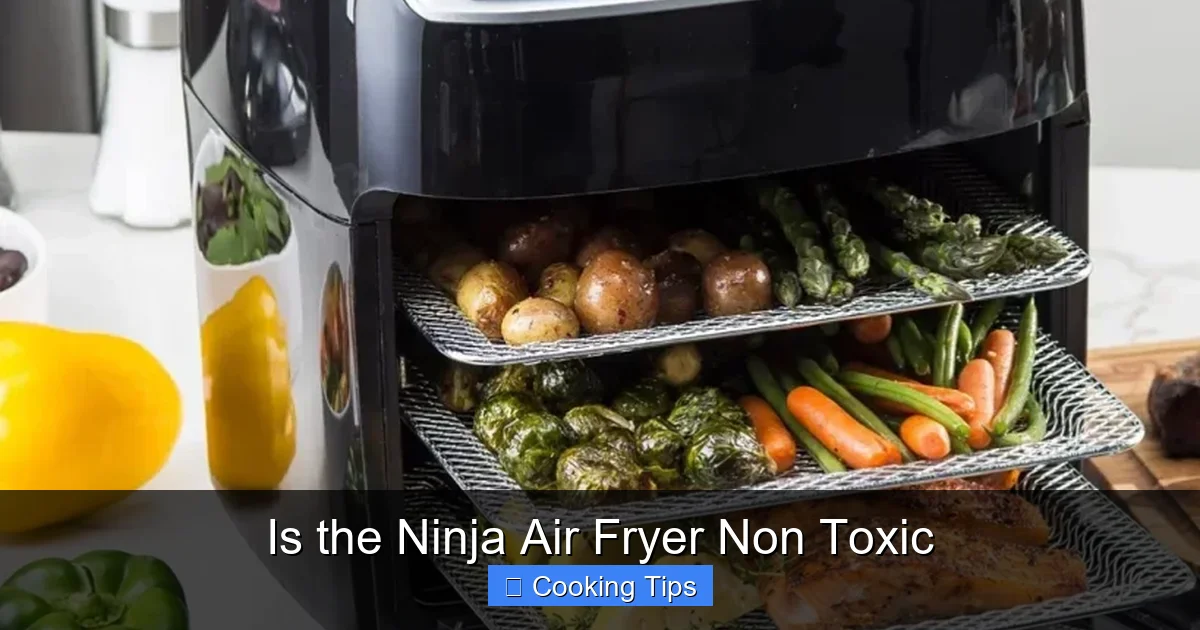
Visual guide about Is the Ninja Air Fryer Non Toxic
Image source: sustainablykindliving.com
Ninja is known for building durable and high-quality kitchen appliances. They typically use a combination of materials designed for both performance and safety.
Cooking Basket and Tray Materials
The primary component that directly touches your food is the cooking basket or tray. Ninja air fryers often feature baskets made from:
- Stainless Steel: This is a very common and safe material for cookware. It’s durable, doesn’t react with food, and is easy to clean.
- Ceramic Coatings: Many Ninja models use ceramic-based non-stick coatings. These are often preferred over traditional Teflon because they are generally considered more stable at high temperatures and free from PFOA and PTFE.
Exterior and Interior Components
The outer casing and other internal parts of the Ninja air fryer are usually made from:
- BPA-Free Plastics: Ninja, like most major appliance manufacturers, is mindful of using plastics that are safe for food contact areas or where they might be exposed to heat. BPA-free plastics are designed to avoid the potential health concerns associated with Bisphenol A.
- High-Quality Metals: Internal components and structural elements are often made from robust metals designed to withstand the heat and operational demands of the appliance.
The Non-Stick Coating: A Closer Look
The non-stick coating on your air fryer basket is perhaps the most scrutinized aspect when it comes to toxicity. Many people worry about chemicals like PFOA (perfluorooctanoic acid) and PTFE (polytetrafluoroethylene), commonly known as Teflon.
What Ninja Typically Uses:
Ninja has largely moved towards using ceramic-based non-stick coatings or coatings that are specifically marketed as PTFE-free.
* Ceramic Non-Stick: These coatings are often derived from natural minerals. They provide good non-stick properties and are generally considered safe for cooking. When heated, they are less likely to break down and release harmful fumes compared to older generations of non-stick coatings.
* PTFE-Free Coatings: Some manufacturers offer coatings that do not contain PTFE. These are often proprietary blends designed to offer non-stick functionality without the specific chemical compounds that raise concerns for some consumers.
Why the Concern About PFOA and PTFE?
Historically, PFOA was used in the manufacturing process of PTFE-based non-stick coatings. PFOA has been linked to various health issues. While PFOA is no longer used in the production of most non-stick cookware, some consumers remain cautious about any potential for residual PFOA or the degradation of PTFE at very high temperatures.
When PTFE coatings are overheated (typically above 500°F or 260°C), they can begin to break down and release fumes that can be harmful to birds and cause flu-like symptoms in humans (“polymer fume fever”). However, most air fryers operate at temperatures well below this threshold, and it’s rare for typical cooking to reach such extreme levels.
Using Non-Stick Coatings Safely
Regardless of the type of non-stick coating, proper care and usage are key to its longevity and safety:
- Avoid High Heat for Prolonged Periods: While Ninja air fryers are designed for high-heat cooking, consistently running them at their absolute maximum temperature for extended durations without food can stress the coating.
- Use Non-Abrasive Utensils: Always use silicone, wooden, or plastic utensils to avoid scratching the non-stick surface. Metal utensils can easily damage the coating, leading to flaking.
- Clean Gently: Use a soft sponge and mild dish soap. Avoid steel wool or abrasive scrubbers, which will scratch and wear down the coating.
- Don’t Use Aerosol Cooking Sprays (Sometimes): Some cooking sprays can build up on non-stick surfaces over time and become difficult to remove, potentially damaging the coating. Ninja often recommends using a little oil instead.
If your air fryer basket’s non-stick coating begins to chip or flake significantly, it’s best to consider replacing the basket or the appliance. Small scratches are usually not a major concern, but significant damage compromises both the non-stick performance and potentially the material integrity.
Ninja Air Fryer Safety Features and Certifications
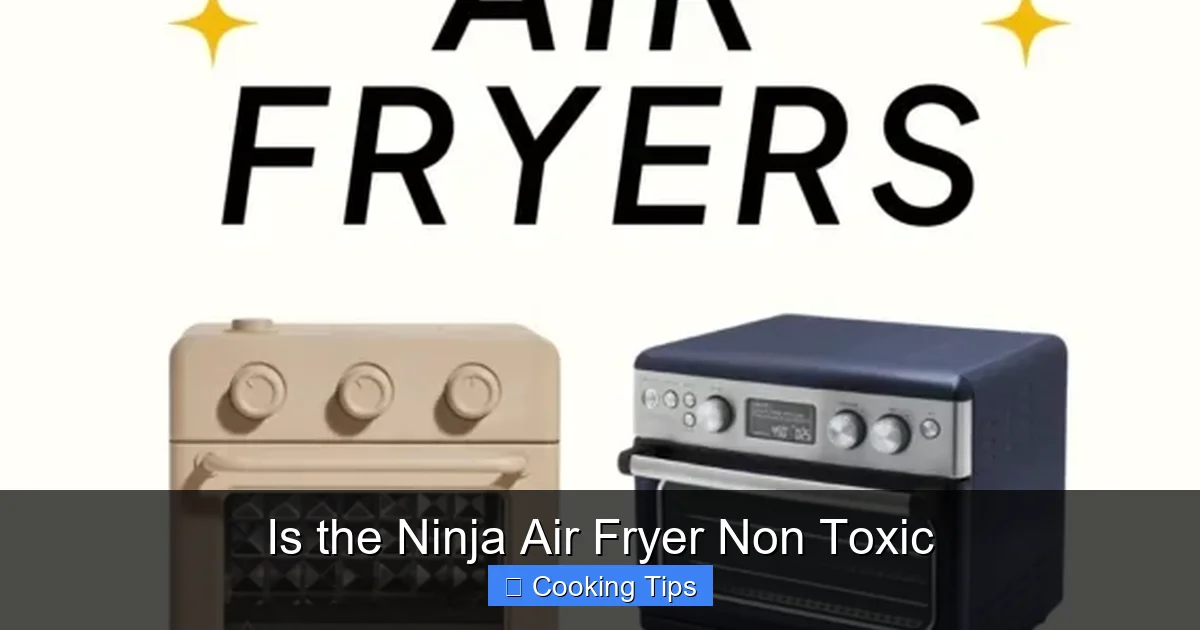
Visual guide about Is the Ninja Air Fryer Non Toxic
Image source: sustainablykindliving.com
Ninja is a reputable brand that adheres to safety standards. While specific certifications can vary slightly by model and region, you can generally expect the following:
UL Certification (or equivalent)
Many Ninja appliances carry the UL mark (or a similar certification from other testing laboratories like ETL). This indicates that the product has been tested and meets established safety requirements for electrical and fire hazards.
Food-Grade Materials
Manufacturers like Ninja are required to use food-grade materials for components that come into contact with food. This ensures that the materials are safe for their intended use and do not leach harmful substances.
Manufacturer Transparency
Ninja’s website and product manuals often provide information about the materials used in their appliances. If you have specific concerns, checking the product documentation or contacting Ninja customer support directly is a good step. For example, if you’re interested in cooking specific items, you might find information on how to best prepare them. For instance, learning how to cook a roast in a Ninja air fryer involves understanding the basket’s capacity and heat distribution, which are related to the materials used.
Tips for Ensuring a Non-Toxic Air Frying Experience
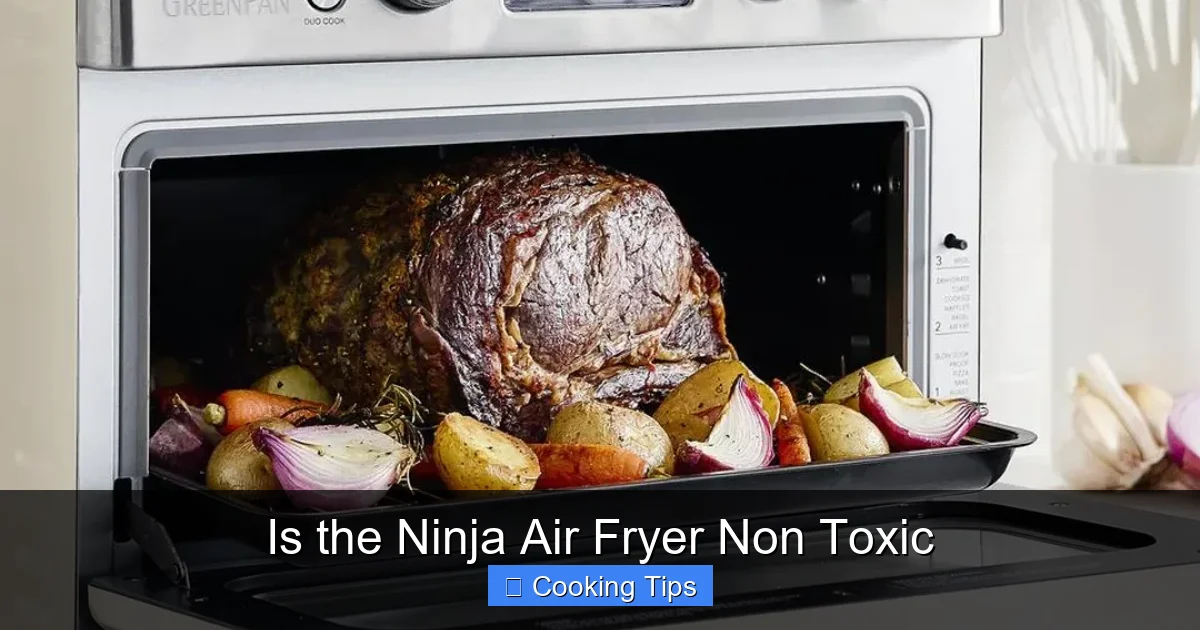
Visual guide about Is the Ninja Air Fryer Non Toxic
Image source: sustainablykindliving.com
Beyond the materials of the air fryer itself, there are practical steps you can take to ensure your cooking is as healthy and safe as possible.
1. Initial Cleaning and Burn-Off
When you first get your Ninja air fryer, it’s recommended to clean it thoroughly according to the manufacturer’s instructions. Some appliances may also recommend a brief “burn-off” period (running the empty appliance at a medium temperature for a few minutes) to remove any manufacturing residues. This can help eliminate any initial odors or potential contaminants. Always follow the specific instructions in your Ninja manual for this.
2. Proper Usage and Temperature Control
* **Follow Recommended Temperatures:** Stick to the temperature guidelines provided in recipes or on your appliance. While Ninja air fryers are robust, consistently exceeding recommended temperatures for extended periods isn’t advisable for any appliance with non-stick surfaces.
* **Don’t Overcrowd the Basket:** Overcrowding can lead to uneven cooking and may cause food to stick, which can then require more vigorous cleaning, potentially damaging the coating.
* **Use a Little Oil (If Needed): For certain foods, a light spritz or brush of oil can help with browning and prevent sticking, reducing the reliance on the non-stick coating itself and ensuring even cooking. This is especially helpful for things like vegetables or if you’re trying to get that perfect crisp on something like homemade fries, where you might want to know how to make waffle fries in the air fryer.
3. Regular Cleaning and Maintenance
This is paramount for both hygiene and the longevity of your air fryer.
* Daily Cleaning: After each use, once the appliance has cooled down, remove the basket and clean it. Most Ninja air fryer baskets are dishwasher safe, but handwashing with a soft sponge is often recommended to preserve the non-stick coating.
* Deep Cleaning: Periodically, you might need to clean the interior of the air fryer cavity. Ensure the appliance is unplugged and completely cool. You can use a damp cloth to wipe down the inside walls. Avoid spraying cleaning solutions directly into the unit.
* Check for Damage: Regularly inspect the cooking basket and any removable trays for signs of significant wear, chipping, or scratching.
4. Proper Ventilation
Ensure your air fryer is placed on a stable, heat-resistant surface with adequate space around it for ventilation. Most air fryers require space behind and on the sides to allow hot air to escape. This prevents overheating of the external components and ensures the appliance functions efficiently.
5. Consider Accessories Carefully
If you use accessories like parchment paper liners or silicone mats, ensure they are rated for the temperatures you are using and that they don’t obstruct airflow. Improperly used accessories can sometimes lead to overheating or uneven cooking.
Troubleshooting: What If I See Something Concerning?
If you notice unusual odors, smoke, or if your food starts sticking excessively, here’s what to do:
Unusual Odors or Smoke
* First Use: This can sometimes happen during the initial burn-off or if there’s a small manufacturing residue. Follow the burn-off instructions in your manual.
* Food Debris: Ensure the heating element and interior are clean. Small food particles can burn and cause smoke.
* Damaged Coating: If smoke persists and cleaning doesn’t help, it might indicate the non-stick coating is degrading.
Food Sticking to the Basket
* Coating Damage: This is often the main culprit if food consistently sticks. Inspect the basket for scratches or chips.
* Not Enough Oil: For certain foods, a little oil is necessary to prevent sticking, even with a non-stick surface.
* **Incorrect Temperature/Time:** Food might be cooking too long at too low a temperature, causing it to dry out and stick.
If you encounter persistent issues or are concerned about the condition of your air fryer’s basket, it’s always best to consult your Ninja manual or contact Ninja customer support for guidance. They can advise on replacement parts or troubleshooting steps specific to your model. For example, if you’re trying to cook something that requires precise handling, like a delicate crab cake, ensuring your basket is in good condition is crucial for a successful outcome, similar to when you learn how to cook a crab cake in the air fryer.
Conclusion: Cooking Confidently with Your Ninja Air Fryer
When it comes to answering “Is the Ninja air fryer non toxic?”, the answer is generally yes, when used as intended. Ninja prioritizes safety by using high-quality, food-grade materials and often opting for ceramic or PTFE-free non-stick coatings. These materials are designed to withstand the heat of air frying without releasing harmful chemicals.
The key to maintaining a non-toxic cooking environment lies in understanding your appliance and using it properly. By following manufacturer instructions, cleaning your air fryer regularly, using appropriate utensils, and avoiding overheating, you can ensure that your Ninja air fryer remains a safe and healthy addition to your kitchen for years to come. Enjoy the convenience and delicious results that air frying offers, knowing you’re cooking with a product designed with your well-being in mind.