
Seeing smoke from your air fryer can be concerning, but it’s often a normal part of the cooking process. This guide will help you understand why your air fryer might be smoking, differentiate between normal and problematic smoke, and provide practical tips to keep your appliance running smoothly. Learn how to prevent smoke and ensure a pleasant cooking experience.
Is The Air Fryer Supposed To Smoke
Congratulations on your air fryer! It’s a fantastic kitchen tool that can help you make healthier, crispier versions of your favorite foods. From golden french fries to perfectly cooked chicken, the air fryer is a game-changer. But what happens when you notice smoke coming from your appliance? Is that normal? You’re not alone in wondering! Many people experience this, and it can be a bit alarming.
This comprehensive guide will dive deep into the world of air fryer smoke. We’ll explore why it happens, what different types of smoke mean, and most importantly, how you can prevent and fix it. By the end of this article, you’ll feel confident in understanding your air fryer’s behavior and ensuring you get the best cooking results without any smoky surprises.
Key Takeaways
- Smoke from an air fryer can be normal, especially when cooking fatty foods or if there’s residue.
- White smoke is often caused by burning food particles or grease.
- Black or dark grey smoke usually indicates overheating or a more serious issue with the appliance.
- Regular cleaning and proper preheating can significantly reduce or prevent smoke.
- Overcrowding the basket or using food with high fat content are common culprits for smoke.
- If smoke persists or is accompanied by unusual smells, turn off the appliance and consult the manual or customer support.
Understanding Air Fryer Smoke: What’s Normal?
Let’s address the big question right away: can your air fryer smoke, and is it supposed to? The short answer is: sometimes, yes. A little bit of smoke, especially white or light grey smoke, can be perfectly normal under certain circumstances.
Air fryers work by circulating hot air at high speeds around your food. This process, much like a convection oven, requires high temperatures. When food, particularly fatty foods, cooks, it releases oils and fats. These can drip down into the heating element or the base of the air fryer. When these oils and fats come into contact with the hot surfaces, they can burn and create smoke.
Think of it like this: if you were to pan-fry bacon on the stovetop, you’d expect some smoke as the fat renders and heats up. An air fryer is essentially doing a similar job, just with hot air instead of direct heat from a pan.
When Smoke is a Sign of a Problem
While a small amount of smoke might be normal, there are definitely times when smoke indicates an issue. The color and density of the smoke are key indicators.
* White or Light Grey Smoke: This is typically the most common and often benign type of smoke. It usually means that some food debris or oil residue has accumulated at the bottom of the air fryer or on the heating element and is now burning off. This is usually harmless but indicates it’s time for a good cleaning.
* Dark Grey or Black Smoke: If you see thick, dark grey or black smoke, this is a sign that something is not right. It could mean that the food inside has burned significantly, or, more worryingly, that the air fryer itself is overheating or has an internal issue. This type of smoke can also indicate that the heating element is malfunctioning or that there’s a serious buildup of burnt-on grease.
Why is Your Air Fryer Smoking? Common Causes
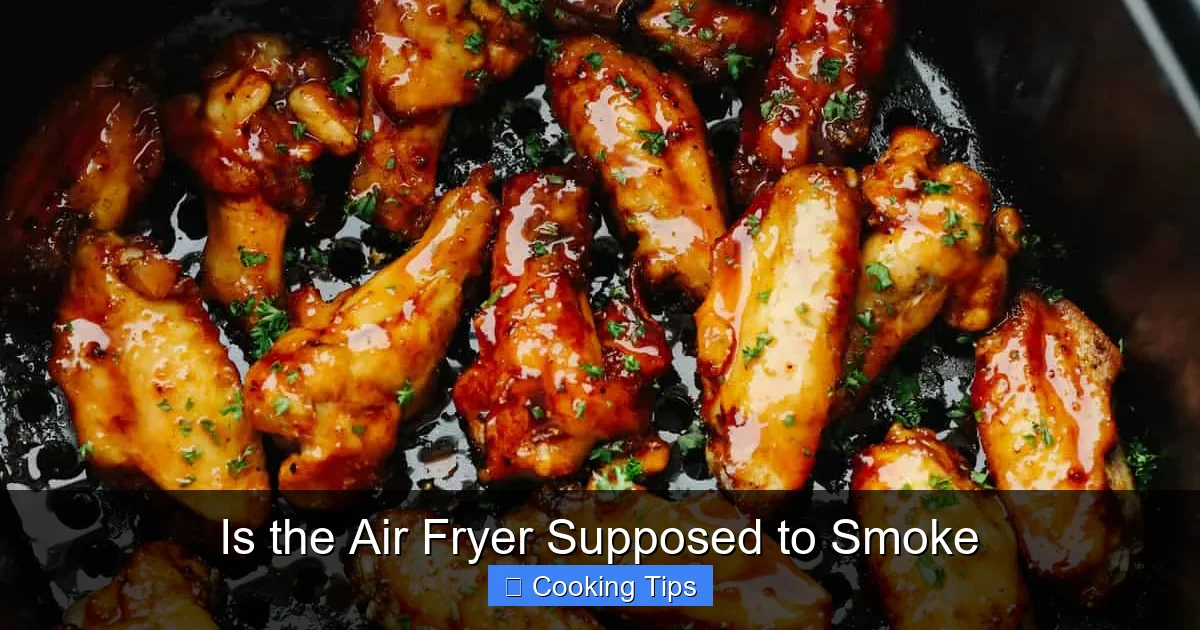
Visual guide about Is the Air Fryer Supposed to Smoke
Image source: therecipecritic.com
Understanding the root causes of smoke is the first step to preventing it. Here are the most frequent culprits:
1. Food Debris and Grease Buildup
This is by far the most common reason for an air fryer to smoke. Over time, small food particles, crumbs, and rendered fat can accumulate in the bottom of the basket, the drip tray, or even on the heating element. When the air fryer heats up for your next cooking session, these remnants burn, producing smoke.
Imagine cooking some delicious pork steaks or crispy waffle fries. Little bits might escape and get stuck. If not cleaned thoroughly, these bits will turn into smoke the next time you use the machine.
2. Fatty Foods
Certain foods are naturally higher in fat content. When these foods cook, they release more oil and grease. Think about bacon, chicken wings with the skin on, fatty cuts of meat, or even some sausages. This excess fat can drip and splatter, leading to smoke.
If you’re planning to cook something like bacon or bone-in chicken thighs, be prepared for the possibility of some smoke, and ensure your air fryer is clean beforehand.
3. Overcrowding the Basket
When you stuff too much food into the air fryer basket, it prevents the hot air from circulating properly. This can lead to uneven cooking, where some parts of the food burn while others are undercooked. The parts that burn will char and produce smoke.
It’s tempting to cook a large batch at once, but if your food is piled high, it’s a recipe for smoke and less-than-ideal results. For best results, cook in batches if needed.
4. Using Too Much Oil (or the Wrong Kind)
While air fryers are designed to use minimal oil, some recipes might call for a bit more. If you use too much oil, especially if it’s an oil with a low smoke point, it can easily overheat and burn, causing smoke.
Even if you’re using a spray bottle, ensure you’re not dousing the food. A light mist is usually all that’s needed.
5. Preheating Issues or Very High Temperatures
Sometimes, smoke can occur during the initial preheating phase. If your air fryer isn’t used regularly, there might be a small amount of dust or residue on the heating element that burns off during the first few minutes. This is usually a one-time occurrence.
Also, cooking at extremely high temperatures for extended periods can increase the likelihood of smoke, especially if there are any residual fats present.
6. Damaged or Malfunctioning Parts
In rare cases, smoke can be a sign of a more serious issue with the air fryer itself. If the heating element is damaged, or if there’s an internal electrical problem, it could produce excessive smoke or even sparks.
How to Prevent Your Air Fryer From Smoking
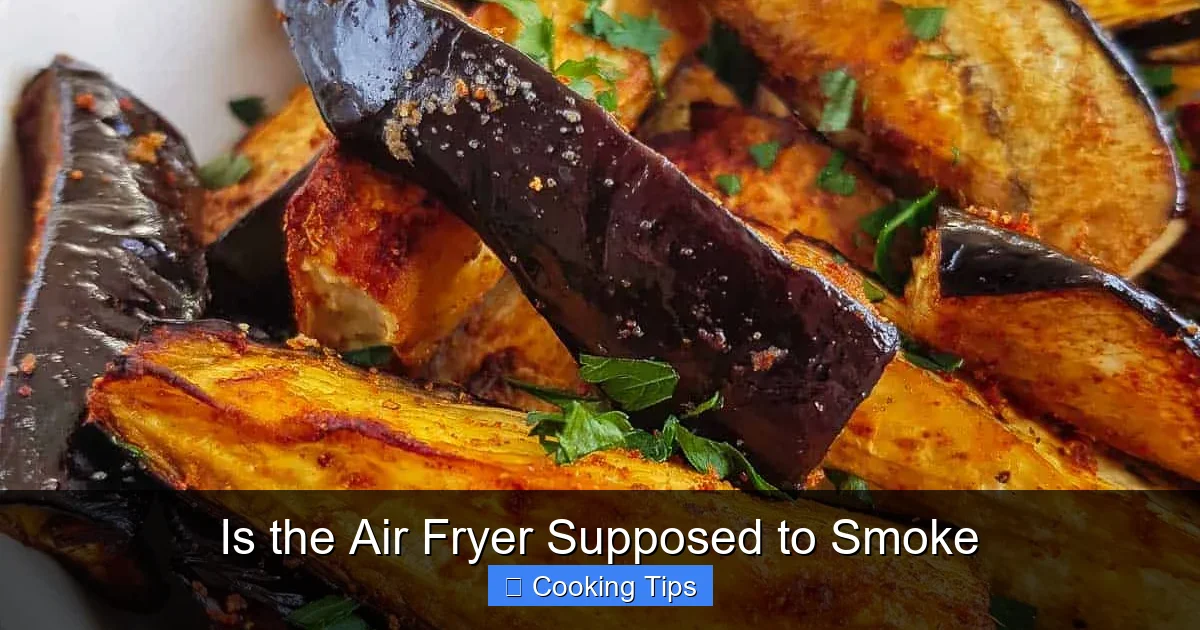
Visual guide about Is the Air Fryer Supposed to Smoke
Image source: hintofhealthy.com
The good news is that most of the time, air fryer smoke can be prevented with a few simple practices. Here’s how to keep your air fryer clean and smoke-free:
1. Clean Your Air Fryer Regularly and Thoroughly
This is the golden rule of air fryer maintenance and smoke prevention. A clean air fryer is a happy, smoke-free air fryer.
Daily or After Each Use Cleaning:
- Ensure the air fryer is unplugged and completely cool.
- Remove the basket and any drip tray.
- Wash the basket and tray with warm, soapy water. Use a non-abrasive sponge or cloth to remove any stuck-on food particles.
- Dry all parts thoroughly before reassembling or storing.
Deep Cleaning (Weekly or Bi-weekly, Depending on Use):
- Clean the Heating Element: This is crucial. The heating element is usually located at the top of the air fryer, behind a protective cover. Always unplug the appliance and ensure it’s cool before attempting this. Some models have removable covers for the heating element; check your manual. Use a damp cloth or a soft brush to gently wipe away any grease or food residue. Be careful not to use too much water, and never submerge the main unit.
- Clean the Interior Base: Wipe down the inside of the air fryer cavity, paying attention to corners where grease might accumulate.
- Check the Exterior: Wipe down the outside of the air fryer with a damp cloth.
*Tip: For stubborn, burnt-on food, you can try placing a damp paper towel in the basket for a few minutes to help loosen it before washing.*
2. Manage Fatty Foods Wisely
When cooking foods high in fat, take extra precautions:
- Use a Drip Tray or Foil: If your air fryer has a removable drip tray, make sure it’s clean and in place. For models without one, or for extra protection, you can place a piece of aluminum foil (with holes poked in it to allow air circulation) at the bottom of the main chamber, beneath the basket. This catches most of the dripping fat.
- Blot Excess Fat: Before cooking particularly fatty items, you can lightly pat them with a paper towel to remove some of the surface fat.
- Consider Cooking Methods: For certain very fatty items like bacon, some people find that pre-cooking it slightly in a pan or microwave can render out some of the fat before it goes into the air fryer, reducing smoke.
If you’re cooking something like BBQ ribs, the rendered fat can definitely cause some smoke, so proper cleaning is essential.
3. Avoid Overcrowding
Give your food space! This ensures that the hot air can circulate freely around all the pieces.
- Cook in Batches: If you have a large amount of food, it’s better to cook it in two or more batches. This will result in more evenly cooked, crispier food and less smoke.
- Arrange Food in a Single Layer: Try to arrange your food in a single layer in the basket. If necessary, stack items loosely, ensuring there are gaps for air to flow.
4. Use Oil Sparingly and Correctly
Remember, the air fryer uses hot air to “fry,” not oil.
- Use a Light Coating: For most foods, a light mist of cooking spray or a teaspoon of oil tossed with the food is sufficient.
- Choose the Right Oil: Use oils with a medium to high smoke point, such as avocado oil, canola oil, or grapeseed oil. Avoid oils like extra virgin olive oil for high-temperature cooking, as it can burn easily.
5. Preheat Your Air Fryer (Sometimes!)
While not always strictly necessary, preheating your air fryer for 3-5 minutes at the desired temperature can help ensure it reaches the correct cooking temperature quickly. This can sometimes lead to more efficient cooking and less smoke, especially if the smoke is due to the initial heating of residual debris. However, if you’re cooking something very delicate, you might skip this step. Always consult your manual for specific recommendations.
Troubleshooting: What to Do When Your Air Fryer IS Smoking
Visual guide about Is the Air Fryer Supposed to Smoke
Image source: i.redd.it
Despite your best efforts, your air fryer might still smoke. Here’s what to do in different situations:
Scenario 1: Light White Smoke and You Just Started Cooking
* **Likely Cause:** Minor food debris or a small amount of oil residue burning off.
* **What to Do:**
1. **Don’t Panic:** A little bit of white smoke is often normal, especially on first use or after a deep clean.
2. **Check the Food:** Ensure the food isn’t directly touching the heating element (if visible) and that it’s not an excessively fatty food that’s sputtering.
3. **Continue Cooking (if mild):** If the smoke is light and dissipates quickly, it’s probably fine.
4. **Clean Later:** Make a note to give your air fryer a thorough cleaning after this cooking session.
Scenario 2: Persistent White Smoke Throughout Cooking
* **Likely Cause:** Significant grease buildup, overcrowding, or cooking very fatty foods without precautions.
* **What to Do:**
1. **Pause Cooking:** Turn off the air fryer and unplug it.
2. **Check the Basket:** Carefully remove the basket (it will be hot!) and check for any large pieces of food or excessive grease.
3. **Clean the Drip Tray/Bottom:** If you can safely access the bottom of the air fryer without moving the main unit, check for any pooled grease.
4. **Wipe Down:** If safe to do so, use a damp cloth to wipe down the accessible areas.
5. **Restart Cooking (if resolved):** If you’ve cleaned up the main culprits, you can restart cooking.
6. **Consider a Deep Clean:** Plan a more thorough cleaning session soon.
Scenario 3: Dark Grey or Black Smoke, or Burning Smell
* **Likely Cause:** Serious food burning, overheating, or a potential appliance malfunction.
* **What to Do:**
1. **IMMEDIATELY Turn Off and Unplug:** This is a safety precaution.
2. **Ventilate the Area:** Open windows to clear the smoke.
3. **Do Not Use:** Do not attempt to continue cooking or turn the appliance back on.
4. **Allow to Cool Completely:** Let the air fryer cool down entirely.
5. **Inspect for Damage:** Once cool, carefully inspect the air fryer for any signs of damage, especially around the heating element or power cord.
6. **Consult Your Manual:** Refer to your air fryer’s user manual for troubleshooting specific to your model.
7. **Contact Manufacturer Support:** If you see black smoke or suspect a malfunction, it’s best to contact the manufacturer’s customer support. Using a faulty appliance can be dangerous.
Tips for Specific Foods That Might Cause Smoke
Some foods are notorious for causing a bit of smoke. Here are tips for a few:
* **Bacon:** This is a classic. Ensure your air fryer is spotless before starting. Place a piece of foil with holes poked in it at the bottom of the main chamber (under the basket) to catch the immense amount of grease. Cook in smaller batches if possible. You can find detailed guides on how to cook bacon in a vortex air fryer or other models.
* **Chicken Wings/Skins:** The fat in chicken skin can render and cause smoke. Ensure the basket and drip tray are clean. You can also pat the wings dry and remove excess skin if you want to minimize smoke.
* **Fatty Meats (e.g., Pork Belly, Sausages):** Similar to bacon, these will render fat. Use foil protection underneath and clean diligently. Learning how to cook a pork steak in the air fryer will also highlight the importance of managing grease.
* **Frozen Foods:** Some frozen foods, like certain breaded items, can have coatings that burn easily if the temperature is too high or if they are overcooked. Stick to recommended cooking times and temperatures. If you’re wondering about specific items, resources like how to cook a frozen burger in the air fryer can offer guidance.
Conclusion
Seeing smoke from your air fryer doesn’t always mean disaster! In many cases, a little white smoke is a normal byproduct of cooking, especially with fatty foods or if there’s minor residue. The key is to differentiate between normal smoke and signs of trouble.
By understanding the causes – primarily food debris, fatty foods, and overcrowding – and implementing regular cleaning and smart cooking practices, you can significantly reduce or eliminate unwanted smoke. Always prioritize safety: if you encounter dark smoke, unusual smells, or suspect a malfunction, turn off and unplug your appliance immediately and consult your manual or the manufacturer.
With a little care and attention, your air fryer will continue to be a reliable and healthy way to prepare delicious meals. Happy air frying!