
Thinking about using silicone in your air fryer? You’re in the right place! This guide dives deep into whether silicone is safe for air frying, covering everything you need to know. We’ll explore materials, best practices, and potential concerns to ensure you can cook with confidence.
Key Takeaways
- Silicone’s heat resistance makes it generally safe for air fryer use, as most food-grade silicone can withstand high temperatures.
- Always choose 100% food-grade silicone that is BPA-free and FDA-approved for maximum safety.
- Check for specific temperature ratings on silicone products; ensure they exceed your air fryer’s maximum temperature.
- Avoid using damaged or worn-out silicone, as it can degrade and potentially leach chemicals.
- Proper placement and avoiding direct contact with heating elements are crucial for safe silicone use in an air fryer.
- Cleaning silicone thoroughly after each use prevents residue buildup and maintains its safety and durability.
Is Silicone Safe for Cooking in an Air Fryer? Your Comprehensive Guide
The air fryer has revolutionized home cooking, offering a healthier and quicker way to achieve crispy, delicious results. As you explore the versatility of your air fryer, you might wonder about the best accessories to use. Silicone cookware and accessories are popular choices, but a common question arises: “Is silicone safe for cooking in an air fryer?” The short answer is yes, but with important considerations. This guide will provide you with everything you need to know to use silicone safely and effectively in your air fryer.
You’ll learn about the properties of silicone that make it suitable for high-heat cooking, what to look for when purchasing silicone products for your air fryer, and crucial tips for using them correctly. We’ll also touch upon potential concerns and how to address them, ensuring you can cook with confidence.
Understanding Silicone and Its Properties
Visual guide about Is Silicone Safe for Cooking in Air Fryer
Image source: everydayfamilycooking.com
Before we dive into air fryer specifics, let’s understand what silicone is. Silicone is a synthetic polymer that is derived from silicon, oxygen, carbon, and hydrogen. It’s known for its flexibility, durability, and resistance to both high and low temperatures. This makes it a popular material for cookware, bakeware, kitchen utensils, and even baby bottles.
Food-Grade Silicone: The Key to Safety
Not all silicone is created equal. When it comes to food contact, especially in a cooking appliance like an air fryer, it’s paramount to use **food-grade silicone**. This type of silicone has been tested and approved by regulatory bodies like the U.S. Food and Drug Administration (FDA) to be safe for contact with food.
Key characteristics of food-grade silicone include:
- BPA-Free: Bisphenol A (BPA) is a chemical that can leach from plastics and other materials into food. Food-grade silicone is free from BPA, making it a safer alternative.
- Phthalate-Free: Similar to BPA, phthalates are chemicals that can be harmful. Food-grade silicone is also free from these.
- Non-Toxic: It’s designed not to release any harmful substances into your food, even at high temperatures.
Temperature Resistance
One of the primary reasons silicone is a good candidate for air frying is its excellent temperature resistance. Most high-quality, food-grade silicone can withstand temperatures ranging from -40°F (-40°C) up to 446°F (230°C). Air fryers typically operate within a temperature range of 150°F to 400°F (65°C to 200°C). This overlap in temperature resistance means that most silicone accessories are well within the safe operating limits of an air fryer.
Why Use Silicone in Your Air Fryer?
Visual guide about Is Silicone Safe for Cooking in Air Fryer
Image source: i5.walmartimages.com
Silicone accessories offer several advantages when used in an air fryer:
Non-Stick Properties
Silicone’s naturally non-stick surface means food is less likely to stick to the accessory, making cleanup a breeze. This is especially helpful for sticky or delicate foods.
Easy to Clean
Most silicone items are dishwasher safe or can be easily washed by hand with soap and water. Their smooth surface prevents food particles from adhering, simplifying the cleaning process.
Flexibility and Durability
Silicone is highly flexible, making it easy to fold, store, and use in various shapes and sizes, like air fryer liners or silicone muffin cups. It’s also very durable and can withstand repeated use without degrading quickly.
Heat Distribution
While not its primary function, silicone can help distribute heat somewhat evenly, contributing to consistent cooking results.
Versatile Shapes and Sizes
Silicone comes in a variety of forms suitable for air frying, including:
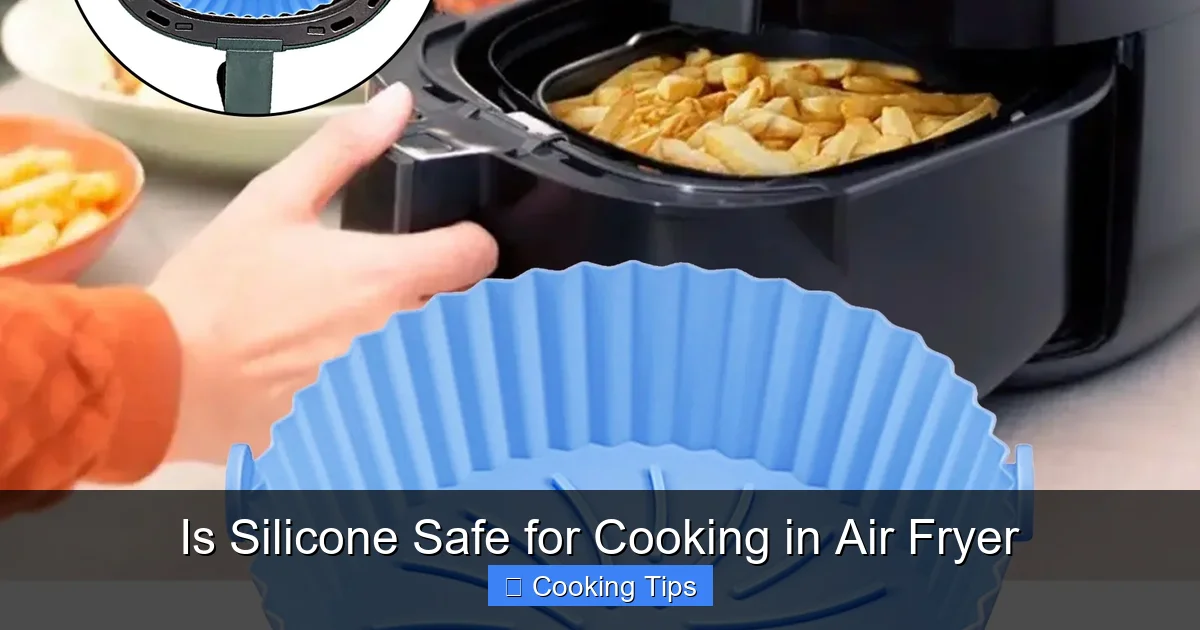
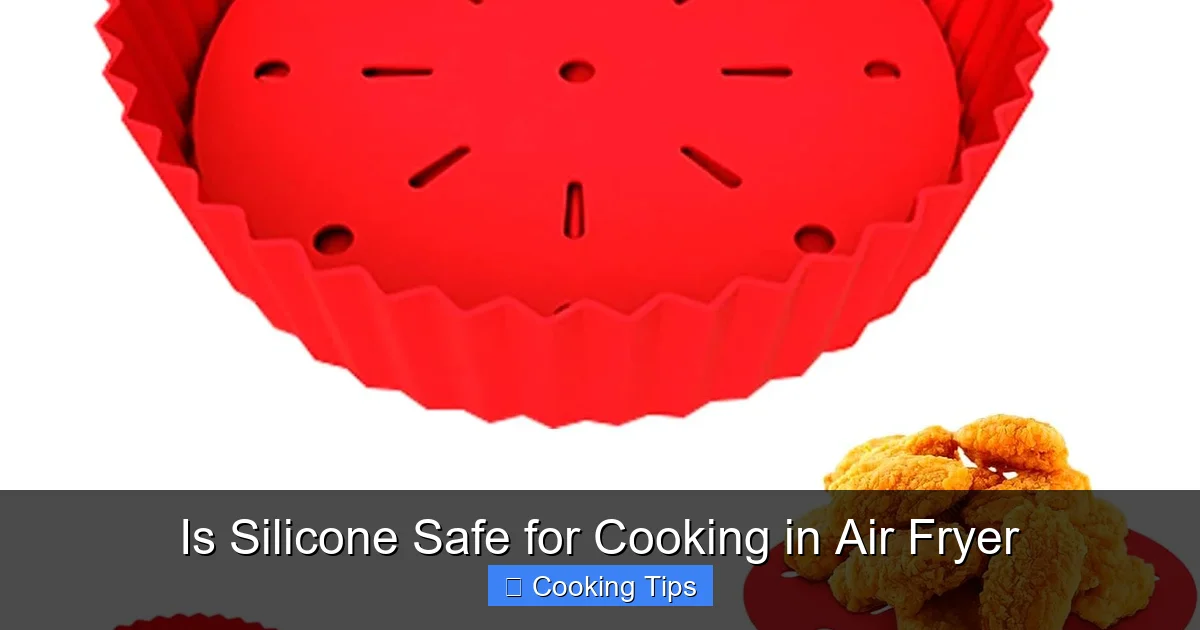
- Air Fryer Liners: These are designed to fit specific air fryer basket sizes, preventing food from sticking and making cleanup easier.
- Silicone Molds and Cups: Perfect for baking small items like muffins, cupcakes, or portioning out snacks.
- Silicone Tongs and Spatulas: Gentle on your air fryer’s non-stick coating and safe for high heat.
- Silicone Oven Mitts/Pot Holders: Useful for handling hot accessories.
Potential Concerns and How to Address Them
Visual guide about Is Silicone Safe for Cooking in Air Fryer
Image source: m.media-amazon.com
While silicone is generally safe, there are a few potential concerns to be aware of and mitigate:
1. Low-Quality Silicone
The biggest risk comes from using silicone that is not 100% food-grade or is made with fillers. Cheaper silicone products might contain plasticizers or other additives that can leach into food at high temperatures, posing health risks.
How to Address:
- Always buy from reputable brands that clearly state their products are 100% food-grade, BPA-free, and FDA-approved.
- Check product reviews for any mentions of odor or taste transfer.
- Perform a “pinch test”: Pinch and twist a small section of the silicone. If it turns white, it likely contains fillers. 100% silicone should maintain its color.
2. Melting or Deforming
Although silicone has a high heat threshold, using it improperly can lead to melting or deformation. This can happen if the silicone comes into direct contact with the heating element in the air fryer or if it’s exposed to temperatures significantly exceeding its rating.
How to Address:
- Never let silicone touch the heating element. Ensure there’s always food or liquid between the silicone and the element, or that the silicone is positioned away from it.
- Check the maximum temperature rating of your silicone product. If your air fryer goes above 446°F (230°C), do not use standard silicone accessories.
- Ensure proper air circulation. Overcrowding your air fryer or using a liner that completely blocks airflow can lead to overheating of accessories.
3. Odor or Taste Transfer
Some silicone products can retain odors from previous cooking sessions, or they might impart a slight “rubbery” taste to food, especially during the first few uses.
How to Address:
- Season new silicone: Before first use, wash the silicone item and then “bake” it in the air fryer or oven at a high temperature (e.g., 400°F / 200°C) for about 10-15 minutes. This can help burn off any residual manufacturing odors.
- Deep cleaning: For stubborn odors, soak the silicone item in a mixture of baking soda and water or wash it with a mild vinegar solution.
- Dedicated use: Consider having separate silicone items for sweet and savory dishes if odor transfer is a significant concern for you.
4. Airflow Obstruction
Air fryers work by circulating hot air rapidly around the food. If you use a silicone liner that is too large or doesn’t have proper perforations, it can impede this airflow, leading to uneven cooking and reducing the crispiness of your food. This is particularly important if you’re cooking items that require good circulation, like chicken wings or fries. For instance, when learning how to cook boneless chicken wings in air fryer, ensuring good airflow is paramount.
How to Address:
- Choose the right size: Opt for silicone liners specifically designed for your air fryer model or size.
- Look for perforated liners or liners with strategic cutouts that allow air to circulate freely.
- Avoid overfilling the basket with food or accessories, which can also block airflow.
Step-by-Step Guide: Using Silicone Safely in Your Air Fryer
Ready to start using your silicone accessories? Follow these steps for a safe and successful cooking experience.
Step 1: Select the Right Silicone Product
This is the most crucial step.
- Verify Food-Grade Quality: Ensure the product is labeled as 100% food-grade, BPA-free, and FDA-approved. Look for reputable brands.
- Check Temperature Rating: Confirm that the silicone’s maximum temperature rating is higher than your air fryer’s highest setting.
- Inspect for Damage: Before each use, check the silicone for any tears, holes, or signs of degradation. Do not use damaged silicone.
Step 2: Prepare the Silicone Accessory
This applies especially to new silicone items.
- Wash Thoroughly: Wash the silicone accessory with warm, soapy water to remove any dust or manufacturing residue. Rinse well.
- “Season” if Necessary: For new items that might have an odor, consider the “baking” method described in the concerns section.
Step 3: Position the Silicone in the Air Fryer
Placement is key to safety and effective cooking.
- Place on a Flat Surface: Whether it’s a liner or a mold, ensure it sits flat within the air fryer basket.
- Avoid Direct Contact with Heating Element: Make sure the silicone is not touching the heating element at the top of the air fryer. If you’re using a liner, ensure it doesn’t collapse and touch the element.
- Allow for Airflow: If using a liner, ensure it doesn’t completely seal the basket. Perforated liners or those with cutouts are ideal. If using molds, don’t pack them too tightly together.
Step 4: Add Your Food
Once the silicone accessory is in place, you can add your food.
- Even Distribution: Arrange your food in a single layer for best results, whether it’s directly in the silicone or placed inside it.
- Consider Weight: For lighter foods placed in very flexible silicone molds, they might shift. Ensure food is distributed to keep the silicone stable.
Step 5: Set Air Fryer Temperature and Time
Follow your recipe’s instructions for temperature and time.
- Adhere to Recommended Temperatures: Use temperatures within the safe range for both your air fryer and the silicone.
- Monitor Cooking: Keep an eye on your food, especially during the initial uses with a new accessory, to ensure everything is cooking as expected.
Step 6: Remove Food and Accessory Safely
High temperatures require caution.
- Use Oven Mitts: The air fryer basket and any accessories inside will be hot. Always use oven mitts or heat-resistant gloves.
- Lift Carefully: Gently lift the silicone accessory out of the basket, ensuring no hot food spills.
- Allow to Cool: Let the silicone accessory cool down before attempting to clean it.
Step 7: Clean the Silicone Accessory
Proper cleaning extends the life and safety of your silicone.
- Hand Wash or Dishwasher: Wash with warm, soapy water. Most silicone is dishwasher safe (top rack is often recommended).
- Remove Stubborn Residue: For any stuck-on food, soak the item in warm, soapy water for a while before cleaning.
- Dry Completely: Ensure the silicone is fully dry before storing to prevent mold or mildew.
When NOT to Use Silicone in Your Air Fryer
While versatile, there are times when silicone might not be the best choice:
- When Direct Heating Element Contact is Unavoidable: If your air fryer design makes it impossible to keep the silicone away from the heating element, it’s best to avoid using it.
- If the Silicone is Damaged: Any signs of wear and tear, discoloration, or tears mean the silicone should be discarded.
- If You Have Doubts About its Quality: If you can’t confirm it’s 100% food-grade and BPA-free, err on the side of caution and use a different accessory.
- For Extremely High Temperatures: If you plan to cook at temperatures significantly above 450°F (230°C), consult the manufacturer’s specifications for your silicone product.
Conclusion
So, is silicone safe for cooking in your air fryer? Yes, for the most part! The key to safe and enjoyable use lies in choosing the right products and using them correctly. By prioritizing 100% food-grade, BPA-free silicone from reputable brands and being mindful of placement and temperature limits, you can confidently use silicone accessories to enhance your air frying experience. From easy cleanup with liners to baking small treats in molds, silicone can be a valuable and safe addition to your air fryer kitchen. Remember to always inspect your silicone for damage and clean it thoroughly after each use. Happy air frying!