
Worried about plastic in your air fryer? This guide clarifies which plastics are safe and which to avoid, ensuring your cooking is healthy and delicious. We’ll explore the types of plastics used, how to identify them, and provide essential tips for safe air fryer use. Prioritize your health by understanding the materials that come into contact with your food.
Are you new to the wonderful world of air frying? You’ve probably discovered how quickly and efficiently it can cook your favorite foods to crispy perfection. From a simple hot dog to a more complex pot pie, the air fryer is a kitchen marvel. But as you get more comfortable, a question might pop up: “Is plastic air fryer safe?” It’s a valid concern, as we’re all increasingly aware of how different materials can interact with heat and our food.
This comprehensive guide will dive deep into the safety of plastics in air fryers. We’ll explore what makes certain plastics safe for cooking and what to look out for. By the end, you’ll feel confident in making informed decisions about your air fryer and its accessories, ensuring your meals are not only delicious but also healthy.
- Understand Plastic Types: Not all plastics are created equal. Food-grade plastics, especially those rated for high heat, are generally safe for air fryer use.
- Look for BPA-Free Labels: BPA (Bisphenol A) is a chemical that can leach into food, so always opt for products labeled “BPA-free.”
- Check for Heat Resistance: Air fryers reach high temperatures. Ensure any plastic components are designed to withstand these temperatures without melting or degrading.
- Manufacturer’s Instructions are Key: Always follow the manufacturer’s guidelines for your specific air fryer model regarding the use of plastic accessories or components.
- Avoid Damaged or Old Plastics: Over time, plastics can degrade. If a plastic part is scratched, warped, or discolored, it’s best to replace it.
- Prioritize Metal or Glass: When in doubt, opt for accessories made from stainless steel, glass, or silicone, which are generally considered more stable at high temperatures.
Understanding Air Fryer Construction
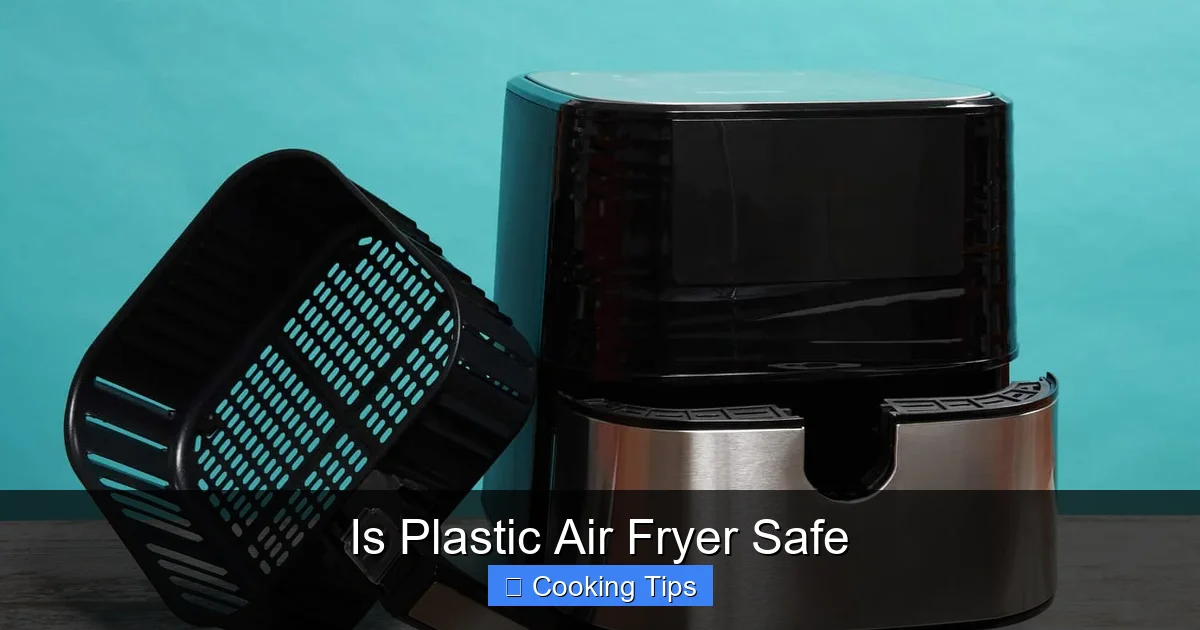
Before we tackle the question of plastic safety, let’s briefly look at how air fryers are constructed. Most air fryers have an outer casing made of durable plastic. This plastic is typically designed to withstand the heat generated by the appliance. Inside, you’ll find the cooking basket and tray. These are often made of:
- Non-stick coated metal: This is the most common material for baskets and trays. The coating is usually PTFE-based (like Teflon), but newer models might use ceramic or other non-stick alternatives.
- Stainless steel: Some higher-end models or accessories might use stainless steel, which is robust and heat-resistant.
However, sometimes manufacturers include plastic components or accessories, like spatulas, egg molds, or dividers. This is where the real question of safety comes into play.
The Science Behind Plastic Safety in Cooking
Visual guide about Is Plastic Air Fryer Safe
Image source: kitchenseer.com
The safety of plastic in cooking applications hinges on a few key factors:
What Makes a Plastic “Food-Safe”?
Not all plastics are created equal. For use in food preparation or cooking, plastics must meet certain standards to be considered “food-safe.” This generally means they are:
- Non-toxic: They should not leach harmful chemicals into food, even when heated.
- Durable: They should maintain their structural integrity under normal use conditions.
- Heat-resistant: This is the most critical factor for air fryers. They need to withstand the high temperatures involved without melting, warping, or degrading.
BPA and Other Chemicals of Concern
One of the most well-known chemicals found in some plastics is Bisphenol A (BPA). BPA has been linked to various health concerns, which is why many manufacturers now produce “BPA-free” products. While BPA is more commonly associated with food storage containers, it’s good practice to avoid any plastic that contains it, especially when heat is involved.
Other chemicals can also be a concern. The key is that the plastic is specifically designed and tested for use with food at elevated temperatures.
Identifying Food-Grade Plastics
You can often identify the type of plastic used by looking for a recycling symbol with a number inside it. While this symbol primarily indicates how the plastic can be recycled, it also gives clues about its composition.
* #1 PET/PETE (Polyethylene Terephthalate): Commonly used for water bottles and food jars. Generally considered safe for single-use food contact but not ideal for high heat.
* #2 HDPE (High-Density Polyethylene): Used for milk jugs and detergent bottles. More durable than PET but still not typically designed for high-heat cooking.
* #3 PVC (Polyvinyl Chloride): Less common in food packaging due to health concerns. Avoid plastics with this symbol for food use.
* #4 LDPE (Low-Density Polyethylene): Used for plastic bags and squeeze bottles. Not suitable for high-heat applications.
* #5 PP (Polypropylene): Used for yogurt containers, margarine tubs, and reusable food containers. This is a more heat-resistant plastic and is often found in microwave-safe containers. It’s a better candidate for some high-heat applications but still needs to be rated for it.
* #6 PS (Polystyrene): Used for disposable cups and plates. Not safe for high-heat cooking.
* #7 Other: This category includes various plastics, including some that contain BPA (like polycarbonate). It’s essential to check specific product labeling if it falls under this category.
For air fryer use, you’re primarily looking for plastics that are specifically rated for high temperatures. Often, these will be made from polypropylene (#5 PP) or other high-performance plastics that are explicitly tested and approved for such use.
When is Plastic in Air Fryers Considered Safe?
Visual guide about Is Plastic Air Fryer Safe
Image source: kitchenseer.com
The crucial factor is whether the plastic component or accessory has been manufactured and certified for use in high-heat cooking appliances like air fryers.
Manufacturer’s Intent and Certifications
The most reliable indicator of safety is the manufacturer’s explicit statement. If a plastic part comes with your air fryer, or if you purchase a plastic accessory for your air fryer, it should be clearly labeled as safe for high-heat use. Look for terms like:
* “Food-grade”
* “BPA-free”
* “Heat-resistant”
* “Dishwasher safe” (while not directly related to cooking heat, it implies a certain level of durability and resistance to heat and detergents)
* Specific temperature ratings
If the manufacturer provides instructions or guarantees for the plastic component’s use in an air fryer, you can generally trust it. For instance, some air fryer models come with silicone or plastic accessories like egg molds or dividers. These are designed by the manufacturer to withstand the air fryer’s environment.
High-Temperature Plastics
Certain types of plastics are naturally more heat-resistant than others. Polypropylene (PP, #5) is a common choice for kitchenware intended for higher temperatures. Some specialized plastics are even more robust. If a plastic product doesn’t have a recycling number or is simply labeled “high-heat plastic,” it’s usually a good sign, provided it’s from a reputable brand.
When to Be Cautious or Avoid Plastic
There are several scenarios where you should exercise caution or avoid using plastic in your air fryer:
1. Unlabeled or Generic Plastic Accessories
If you buy a third-party plastic accessory – like a baking pan or mold – that doesn’t clearly state it’s safe for air fryer use or high temperatures, it’s best to err on the side of caution. Cheap, generic plastic items are often not made to withstand the temperatures of an air fryer, which can reach up to 400°F (200°C).
2. Melting, Warping, or Discoloration
If you notice any plastic part that has melted, warped, discolored, or feels brittle, it’s a clear sign that it has been exposed to temperatures it wasn’t designed for. Such parts should be discarded immediately. This is especially important for the main cooking basket and tray. If your air fryer’s non-stick coating is damaged, it’s time to consider replacement.
3. Using Plastic Wrap or Bags
Never use standard plastic wrap (like cling film) or plastic bags (unless they are specifically designed for oven or microwave use at high temperatures, which is rare) inside your air fryer. These materials are not designed to withstand the intense heat and can melt, catch fire, or release harmful fumes and chemicals into your food.
4. Using Plastics Not Rated for High Heat
Even if a plastic is labeled “BPA-free,” it doesn’t automatically mean it’s safe for air frying. The plastic needs to be specifically rated for the temperatures your air fryer reaches. For example, many reusable food containers are microwave-safe but not necessarily air-fryer safe.
Practical Tips for Safe Air Frying with Plastic
Visual guide about Is Plastic Air Fryer Safe
Image source: kitchenseer.com
To ensure you’re air frying safely, especially when plastic is involved, follow these practical tips:
Always Read the Manual
Your air fryer’s user manual is your best friend. It will specify what materials are safe for use within the appliance and provide cleaning instructions. Pay close attention to any warnings or recommendations regarding accessories.
Inspect Your Air Fryer Regularly
Before each use, give your air fryer’s basket and tray a quick visual inspection. Look for any signs of damage to the non-stick coating or any plastic components.
Clean Plastic Accessories Properly
If you have plastic accessories, clean them according to the manufacturer’s instructions. Avoid abrasive cleaners or scrubbers that could damage the surface. Gentle washing with soap and water is usually sufficient. If they are dishwasher safe, ensure you place them on the top rack to avoid direct heat exposure from the heating element.
When in Doubt, Choose Other Materials
If you’re unsure about the safety of a plastic accessory, it’s always better to opt for alternatives made from:
* Stainless steel: Durable, rust-resistant, and safe for high temperatures. Great for baking pans, racks, or skewers.
* Glass: Oven-safe glass dishes can sometimes be used in air fryers, provided they fit and are designed for high heat. Be cautious of extreme temperature changes.
* Silicone: High-quality, food-grade silicone is generally safe for air fryers and is flexible, making it great for molds and liners. Ensure it’s rated for the specific temperatures.
For example, if you’re looking to bake something delicate like a cake, a silicone cake pan specifically designed for oven use would be a safer bet than an unknown plastic one. Similarly, for cooking items like crab cakes or pork steaks, using the air fryer’s metal basket is the standard and safest approach.
Consider Buying Reputable Brands
When purchasing air fryer accessories, stick to well-known brands that have a reputation for quality and safety. They are more likely to adhere to safety standards and provide clear product information.
Troubleshooting: What if a Plastic Part Melts?
If you accidentally use a plastic item that melts in your air fryer, follow these steps:
1. **Unplug the Air Fryer Immediately:** Safety first! Turn off and unplug the appliance.
2. **Let it Cool Completely:** Do not attempt to clean a hot appliance. Allow it to cool down entirely, which could take several hours.
3. **Remove the Melted Plastic:** Once cool, carefully try to remove as much of the melted plastic as possible. You might need a plastic scraper or spatula (made of a heat-resistant material, of course!). Be gentle to avoid scratching the interior.
4. **Clean Thoroughly:** Use warm, soapy water and a soft cloth or sponge to clean the affected area. You may need to repeat this process several times.
5. **Check for Damage:** Inspect the interior of the air fryer, including the heating element and fan, for any residual plastic or damage. If the melted plastic is inaccessible or has damaged internal components, it might be time to contact the manufacturer or consider replacing the unit.
6. **Ventilate:** After cleaning, run the air fryer on a high heat setting for 10-15 minutes with the basket empty to help dissipate any lingering smells or fumes. Ensure the area is well-ventilated during this process.
7. **Discard the Damaged Plastic Item:** The melted plastic item is no longer safe to use and should be thrown away.
Conclusion: Air Frying with Confidence
So, “is plastic air fryer safe?” The answer is nuanced: **yes, if it’s the right kind of plastic, used as intended.** The plastic components that come with your air fryer, or accessories specifically designed and marketed for high-heat use, are generally safe. These are typically made from high-grade, heat-resistant plastics that have undergone safety testing.
However, it’s crucial to be discerning. Always prioritize products that are clearly labeled “food-grade,” “BPA-free,” and “heat-resistant.” Never use non-approved plastics, plastic wrap, or bags inside your air fryer. When in doubt, choosing accessories made from stainless steel, glass, or high-quality silicone is a safer bet.
By understanding the materials, following manufacturer guidelines, and practicing a little caution, you can continue to enjoy all the crispy, delicious meals your air fryer has to offer, knowing you’re doing so safely and healthily. Happy air frying!