
Discover if your Philips air fryer is safe to use with our comprehensive guide. We cover design, operation, and maintenance to ensure you can cook delicious, healthy meals with confidence. Learn about safety certifications and best practices for everyday use.
Is Philips Air Fryer Safe
Air fryers have taken the kitchen by storm, and for good reason! They offer a healthier way to enjoy crispy, delicious foods without the need for excessive oil. Philips, a pioneer in air fryer technology, is a brand many trust. But as with any kitchen appliance, a common question arises: “Is Philips Air Fryer Safe?”
This guide is here to answer that question thoroughly. We’ll dive into the safety aspects of Philips air fryers, from their design and materials to how to use and maintain them safely. Whether you’re a seasoned air fryer user or new to this cooking method, you’ll gain peace of mind knowing you’re using your appliance correctly and safely. Let’s get started!
Key Takeaways
- Philips air fryers are designed with multiple safety features to prevent overheating and electrical hazards, making them generally very safe for home use.
- Proper usage and maintenance are crucial for ensuring the continued safety and optimal performance of your Philips air fryer.
- Understanding the materials used and their safety standards, like BPA-free plastics and non-stick coatings, provides further reassurance.
- Following manufacturer guidelines for cleaning, operation, and placement minimizes potential risks and extends the appliance’s lifespan.
- Recognizing and addressing common issues through troubleshooting can prevent safety concerns and maintain a secure cooking environment.
[FEATURED_IMAGE_PLACEHOLDER]
Understanding Air Fryer Safety
Before we focus specifically on Philips, it’s helpful to understand general air fryer safety. Air fryers work by circulating hot air at high speeds around your food. This process mimics deep frying but requires significantly less oil. The key components involved are a heating element, a fan, and a basket or drawer where the food is placed.
How Air Fryers Work Safely
The enclosed nature of the air fryer basket is a primary safety feature. It contains the hot air and prevents splattering of hot oil or food, which can happen with traditional frying methods. The rapid air technology ensures even cooking and browning without submerging food in hot oil.
Potential Safety Concerns with Any Appliance
Like any electrical kitchen appliance, potential concerns can arise if they are misused or not properly maintained. These can include:
- Overheating
- Electrical faults
- Material safety (e.g., concerns about non-stick coatings or plastics)
- Fire hazards from food buildup
It’s important to address these potential issues proactively.
Philips Air Fryer: Designed with Safety in Mind
Visual guide about Is Philips Air Fryer Safe
Image source: img.kavosdraugas.lt
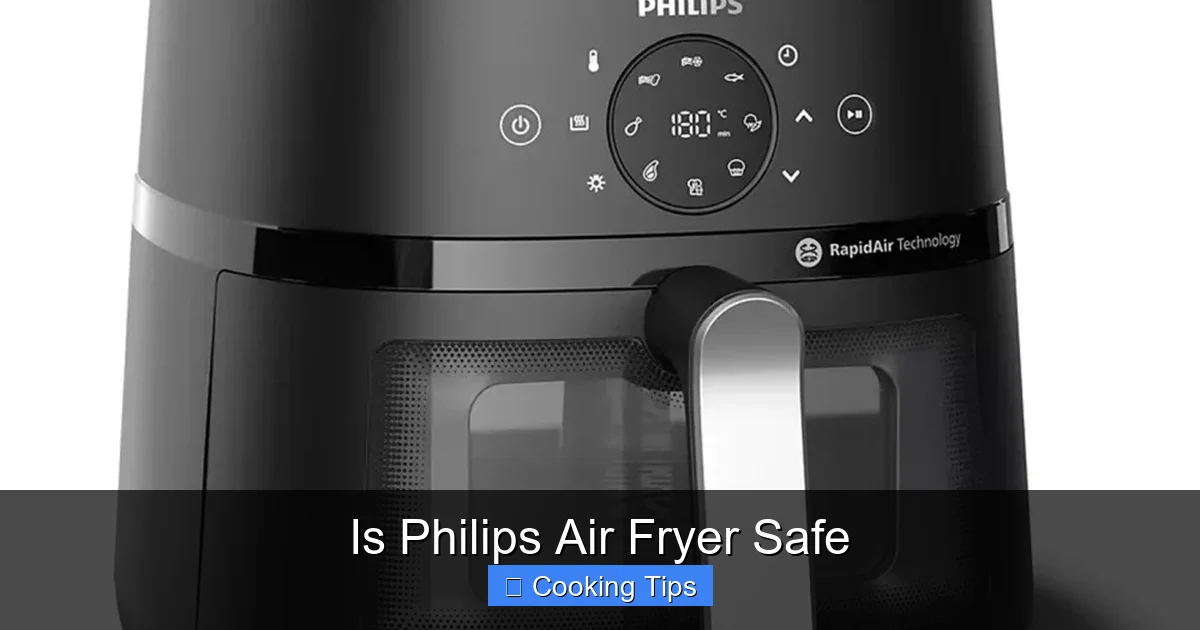
Philips has been at the forefront of air fryer innovation, and safety has always been a core consideration in their product development. They employ several design and technological features to ensure their air fryers are safe for everyday use.
High-Quality Materials
Philips air fryers typically use high-quality, food-grade materials. This includes:
- BPA-free plastics: The exterior and some internal components are often made from plastics that are free from Bisphenol A, a chemical that has raised health concerns in some applications. This ensures that no harmful chemicals leach into your food.
- Non-stick coatings: The baskets and drawers often feature durable, PFOA-free non-stick coatings. Perfluorooctanoic acid (PFOA) is a chemical that was once common in non-stick cookware but is now largely phased out due to health and environmental concerns. Philips aims to use safer alternatives.
- Stainless steel and other durable metals: Internal parts and heating elements are made from robust materials designed for high heat and longevity.
Advanced Safety Mechanisms
Philips integrates several safety mechanisms into their air fryers:
- Automatic shut-off: Most Philips models have an automatic shut-off feature. This means the air fryer will turn off by itself when the timer reaches zero or when the basket is removed. This prevents overcooking and reduces the risk of fire.
- Overheat protection: Built-in thermostats prevent the appliance from reaching dangerously high temperatures. If the air fryer gets too hot, the system will automatically reduce power or shut down.
- Cool-touch exteriors: Many Philips air fryer models are designed with insulated exteriors and handles, so you can safely touch the appliance even when it’s in operation.
- Stable design: The appliances are designed to be stable on your countertop, reducing the risk of tipping over.
Safe Usage of Your Philips Air Fryer
Visual guide about Is Philips Air Fryer Safe
Image source: media.binglee.com.au
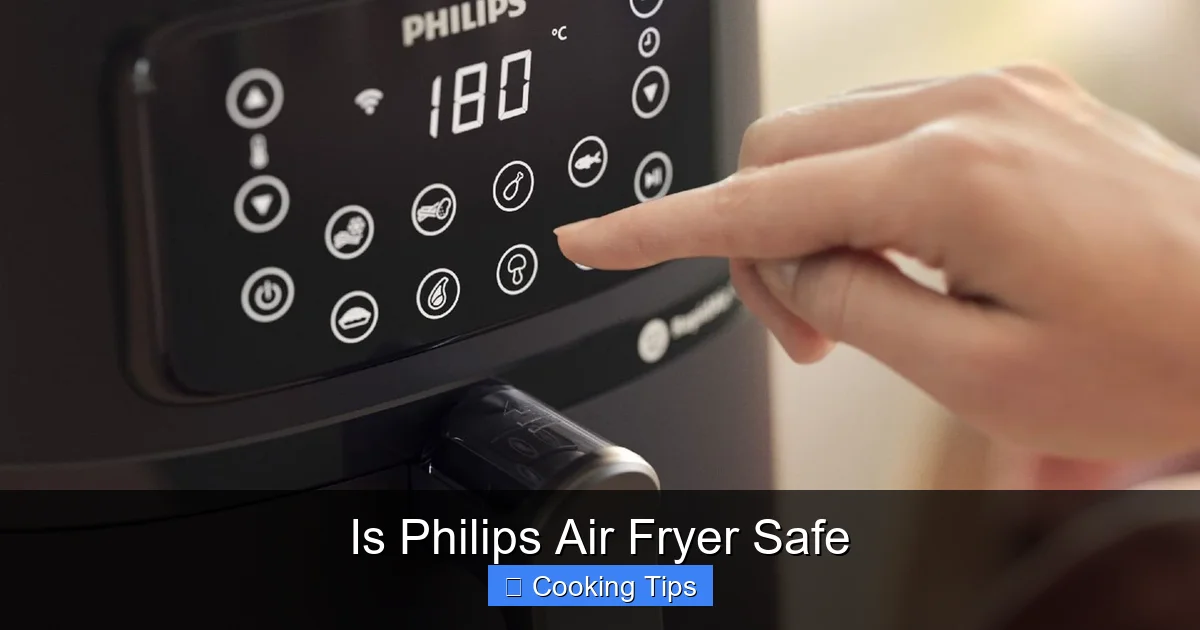
Even the safest appliance can pose risks if not used correctly. Here’s how to ensure you’re using your Philips air fryer safely:
Step 1: Reading the Manual
This might seem obvious, but it’s the most critical step! Each Philips air fryer model has specific instructions and safety warnings. Always read your user manual thoroughly before first use and refer back to it if you have any questions.
Step 2: Proper Placement
* Clearance is key: Place your air fryer on a stable, heat-resistant surface, like a countertop. Ensure there is adequate ventilation around the appliance. Leave at least 4-6 inches of space around the back and sides, and 8-12 inches above the air fryer to allow heat to escape freely. This prevents the appliance from overheating and protects your cabinets and walls.
* Avoid flammable materials: Never place your air fryer near curtains, paper towels, or other flammable items.
* Consider the outlet: Plug the air fryer into a dedicated, grounded electrical outlet. Avoid using extension cords if possible, as they can sometimes be a fire hazard with high-wattage appliances.
Step 3: Preheating and Cooking
* Preheating: Many recipes recommend preheating your air fryer. This helps food cook more evenly and achieve that desired crispiness. Follow the manufacturer’s recommended preheating times and temperatures.
* Don’t overcrowd the basket: Overcrowding your air fryer basket is a common mistake that can lead to uneven cooking and potentially cause the appliance to work harder than necessary. Leave space for air to circulate around the food. For best results, cook in batches if needed. This is especially important when cooking items like boneless chicken wings or fries.
* Use appropriate accessories: If you use accessories like racks or pans, ensure they are specifically designed for your Philips air fryer model and are placed correctly.
* Be cautious with very greasy foods: Foods that are extremely high in fat, like some cuts of bacon, can cause grease to drip and potentially smoke. You can mitigate this by placing a piece of parchment paper (with holes punched in it) at the bottom of the basket, or by cleaning the drip tray regularly.
Step 4: Handling Hot Foods
* Use oven mitts or tongs: The basket and the food inside will be very hot after cooking. Always use oven mitts or tongs to remove the basket and handle the food. Never touch the heating element.
* Allow cooling: Let the basket cool slightly before cleaning.
Maintaining Your Philips Air Fryer for Safety
Visual guide about Is Philips Air Fryer Safe
Image source: butik24.dk
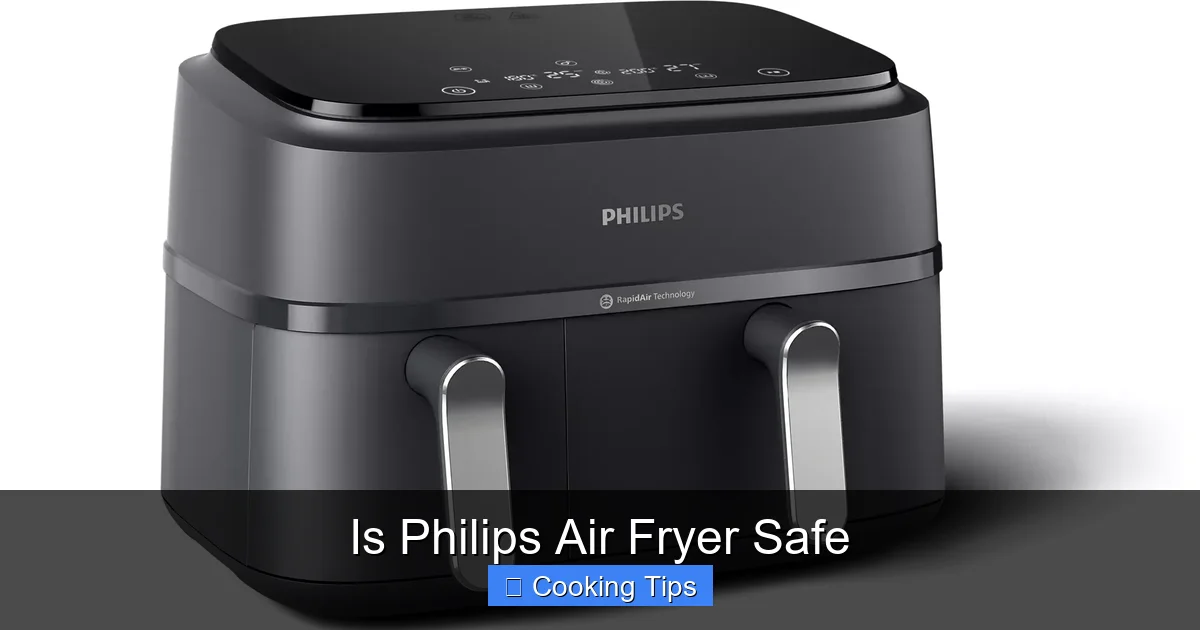
Regular cleaning and maintenance are vital not only for performance but also for safety. Buildup of food particles and grease can become a fire hazard.
Step 1: Cleaning After Each Use
* Unplug and cool: Always unplug the air fryer and allow it to cool completely before cleaning.
* Wash the basket and drawer: The basket and drawer are usually dishwasher safe, but check your manual. If washing by hand, use warm, soapy water and a non-abrasive sponge. Avoid harsh scrubbers that can damage the non-stick coating.
* Wipe down the interior and exterior: Use a damp cloth to wipe down the inside of the air fryer and the exterior.
* Clean the heating element (carefully): If you see any buildup on the heating element, you can gently clean it with a soft brush or damp cloth *once it has completely cooled and is unplugged*. Be very careful not to damage it.
Step 2: Deep Cleaning and Inspection
* Periodically deep clean: Set aside time for a more thorough cleaning every few weeks or months, depending on usage. This might involve removing the basket holder for easier access to the interior.
* Check for damage: During cleaning, inspect the power cord, plug, basket, and any other parts for signs of wear or damage. If you notice any issues, contact Philips customer support.
Troubleshooting Common Safety-Related Issues
Even with careful use, you might encounter minor issues. Here’s how to address them safely:
Issue: Smoke is coming from the air fryer.
* Possible Cause 1: Food debris: Grease or food particles have built up in the basket, drawer, or heating element.
* Solution: Ensure the appliance is unplugged and cooled. Thoroughly clean the basket, drawer, and heating element as described above.
* Possible Cause 2: Overly fatty food: You are cooking food with a very high fat content, and the fat is dripping and smoking.
* Solution: Try placing a slice of bread or a small amount of parchment paper (with holes) at the bottom of the drawer to catch excess fat, or cook in smaller batches.
* Possible Cause 3: Damaged non-stick coating: The non-stick coating on the basket is peeling.
* Solution: If the non-stick coating is significantly damaged, it’s best to replace the basket or consider replacing the appliance, as the damaged coating may not be safe.
Issue: The air fryer smells like burning plastic.
* Possible Cause 1: New appliance smell: A faint plastic smell can sometimes occur with the first few uses as manufacturing residues burn off.
* Solution: Run the air fryer empty at a high temperature for 10-15 minutes. Ensure good ventilation. The smell should dissipate.
* Possible Cause 2: Foreign object: A piece of plastic packaging or something else has fallen into the appliance and is near the heating element.
* **Solution: Ensure the appliance is unplugged and completely cool. Carefully inspect the interior and remove any foreign objects.
Issue: The appliance is making unusual noises.
* Possible Cause: Loose parts or fan obstruction.
* **Solution:** Ensure the basket is properly seated. If the noise persists, unplug the appliance and check if the fan (usually at the back or top) is obstructed by any food debris. Consult your manual for specific instructions on accessing and cleaning the fan area.
Are There Specific Safety Concerns with Philips Air Fryers?
Based on user reports and manufacturer information, there are no widespread, inherent safety defects unique to Philips air fryers that differentiate them significantly from other reputable brands. Their commitment to quality materials and safety features addresses the common concerns associated with air fryer technology.
When people express concerns, they are usually related to general air fryer use, such as:
- Potential concerns about PFOA/PFAS in non-stick coatings (which Philips addresses by using PFOA-free materials).
- The heating element’s proximity to food and potential for charring if not used correctly.
- Overheating if ventilation is blocked.
By following the guidelines above, these potential issues can be effectively managed. For example, when cooking foods like a steak or ribs, managing cooking times and temperatures is key to avoiding charring.
Conclusion
So, “Is Philips Air Fryer Safe?” The answer is a resounding **yes**, provided it is used and maintained correctly. Philips designs its air fryers with robust safety features, high-quality materials, and user-friendly operation in mind. Their commitment to safety, from BPA-free plastics to automatic shut-off mechanisms, offers peace of mind.
By understanding how your air fryer works, following proper usage guidelines, and performing regular maintenance, you can ensure a safe and enjoyable cooking experience for years to come. Enjoy exploring the delicious and healthier meals your Philips air fryer can help you create!