
Worried about using oil in your air fryer? This guide clarifies that, yes, oil is generally safe and even beneficial in air fryers for achieving that perfect crispy texture. We’ll explore the best types of oils to use, the right amounts, and how to use them effectively for delicious, healthier meals.
Is Oil Safe In Air Fryer
So, you’ve joined the air fryer club, and you’re loving those golden, crispy results. But a question might be buzzing in your mind: “Is oil safe in an air fryer?” It’s a common concern, especially since air fryers are often touted as a healthier alternative to deep frying. The short answer is a resounding YES, oil is not only safe but often essential for getting the best out of your air fryer. In this comprehensive guide, we’ll dive deep into everything you need to know about using oil in your air fryer, from choosing the right types to understanding how to use them for optimal flavor and texture.
You’ll learn why oil is your friend in the air fryer, which oils are best suited for this cooking method, how much oil you should be using, and the proper techniques to apply it. We’ll also cover common mistakes to avoid and how to keep your air fryer in top shape. Get ready to unlock the full potential of your air fryer with our expert tips!
Key Takeaways
- Oil is generally safe and beneficial for air frying when used correctly. It helps achieve a crispy exterior and prevents food from sticking.
- Choose the right oil: Opt for oils with a medium to high smoke point, such as avocado oil, olive oil, canola oil, or coconut oil.
- Use oil sparingly: Air fryers require much less oil than traditional frying. A light spray or a tablespoon is often enough.
- Apply oil correctly: Lightly coat food or use an oil spray for even distribution. Avoid pouring large amounts directly into the basket.
- Clean your air fryer regularly: Oil residue can build up and cause smoking or affect performance.
- Avoid aerosol sprays: Some contain propellants that can damage the air fryer basket coating over time.
Why Use Oil in an Air Fryer?
You might be thinking, “If it’s an air fryer, why do I need oil?” It’s a valid question! Air fryers work by circulating hot air around your food at high speeds. This mimics the crisping effect of deep frying without submerging food in oil. However, adding a little bit of oil enhances this process significantly.
Achieving that Golden Crisp
Oil plays a crucial role in achieving that desirable crispy texture on your food. When oil is heated, it helps to conduct heat more efficiently to the surface of the food. This promotes browning and creates a crunchy exterior. Without any oil, some foods might turn out dry or less appealingly crisp, even with the hot air circulation. Think about french fries; a little oil is what makes them perfectly golden and crunchy.
Preventing Sticking
Another key benefit of using oil is to prevent your food from sticking to the air fryer basket. A light coating of oil acts as a non-stick barrier, ensuring that your food releases easily once cooked. This is especially helpful for delicate items or when cooking foods that tend to adhere to surfaces.
Enhancing Flavor
Beyond texture, oil also carries flavor. A touch of the right oil can impart subtle notes to your dishes, enhancing their overall taste. It helps marinades adhere better and contributes to a more satisfying culinary experience.
What Kind of Oil Can You Use?
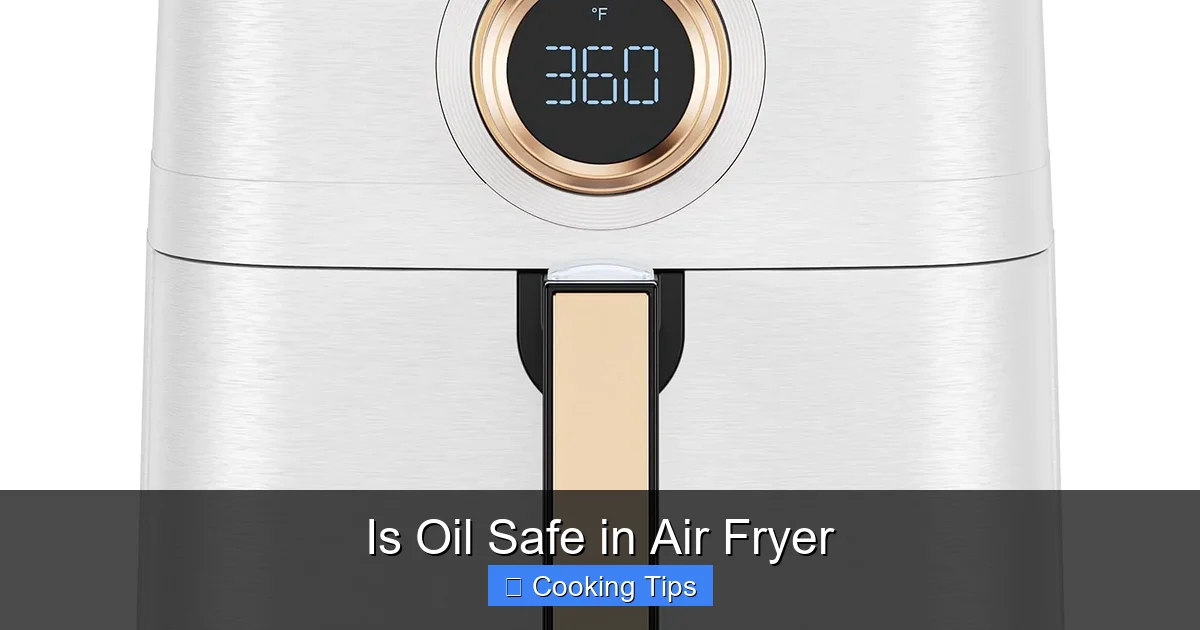
Visual guide about Is Oil Safe in Air Fryer
Image source: m.media-amazon.com
Not all oils are created equal, especially when it comes to high-heat cooking like air frying. The most important factor to consider is the oil’s smoke point. The smoke point is the temperature at which an oil begins to break down and smoke. When an oil smokes, it can release harmful compounds and impart an unpleasant burnt flavor to your food.
Oils with a High Smoke Point
For air frying, you want to choose oils with a medium to high smoke point, generally above 350°F (175°C). Here are some excellent choices:
* Avocado Oil: With a smoke point of around 520°F (270°C), avocado oil is a superstar for high-heat cooking. It’s also rich in healthy monounsaturated fats.
* Light Olive Oil / Refined Olive Oil: While extra virgin olive oil has a lower smoke point (around 375°F or 190°C), refined or light olive oil has a higher smoke point (around 470°F or 245°C). This makes it a suitable choice for most air frying applications.
* Canola Oil: A widely available and affordable option, canola oil has a smoke point of about 400°F (204°C). It’s a neutral-flavored oil that works well for various dishes.
* Coconut Oil: Refined coconut oil has a smoke point around 400°F (204°C) and can impart a subtle tropical flavor. Unrefined coconut oil has a lower smoke point, so refined is preferred for air frying.
* Grapeseed Oil: This oil has a smoke point of approximately 420°F (216°C) and a very neutral flavor.
* Sunflower Oil (High Oleic): Look for high oleic sunflower oil, which has a smoke point of about 450°F (232°C). Regular sunflower oil has a lower smoke point.
Oils to Use with Caution or Avoid
* Extra Virgin Olive Oil (EVOO): While delicious for dressings and finishing, EVOO has a lower smoke point (around 375°F or 190°C). If your air fryer reaches temperatures significantly higher than this, it can burn and smoke. If you do use it, keep the temperature lower, or use it very sparingly.
* Butter: Butter contains milk solids that can burn easily at high temperatures. If you want a buttery flavor, consider using clarified butter (ghee) which has a higher smoke point, or adding a bit of butter towards the end of the cooking time.
* Flaxseed Oil, Walnut Oil, and other nut oils (unrefined): These oils often have low smoke points and can become bitter when heated. They are best reserved for cold applications.
How Much Oil Should You Use?
Visual guide about Is Oil Safe in Air Fryer
Image source: m.media-amazon.com
This is where the “healthier” aspect really shines. Unlike deep frying, air frying requires a minimal amount of oil. Overusing oil can lead to a greasy finish, excess smoke, and make cleaning more challenging.
The “Less is More” Principle
Generally, you only need a tablespoon or two of oil for a whole batch of food, depending on the quantity and type of food you’re cooking. For instance, when making something like boneless chicken wings, a light coating is all that’s needed.
Using Oil Sprays vs. Pouring
* Oil Sprays: These are incredibly convenient for even distribution. However, a word of caution: avoid *aerosol* oil sprays. The propellants in these cans can degrade the non-stick coating on your air fryer basket over time. Instead, opt for a non-aerosol pump spray bottle. You can fill these with your preferred cooking oil.
* Brushing or Tossing: For larger batches or when you want to ensure every piece is coated, you can toss your food in a bowl with a tablespoon or two of oil. Alternatively, you can use a pastry brush to lightly coat individual items. This method gives you excellent control over the amount of oil used.
Examples of Oil Usage:
* French Fries: Toss about 1-2 pounds of cut potatoes with 1-2 tablespoons of avocado or canola oil until lightly coated.
* Chicken Pieces: For items like bone-in chicken thighs, you might brush them lightly with oil or use a quick spray before seasoning.
* Vegetables: Toss broccoli florets, asparagus spears, or sliced bell peppers with about a tablespoon of oil for a nice char and crisp.
* Frozen Foods: Many frozen pre-portioned foods are already coated and don’t require additional oil. Check the packaging. If you want to crisp them up a bit more, a light spray can help.
Step-by-Step: How to Use Oil in Your Air Fryer
Visual guide about Is Oil Safe in Air Fryer
Image source: images-na.ssl-images-amazon.com
Using oil in your air fryer is simple, but following these steps ensures you get the best results and maintain your appliance.
Step 1: Prepare Your Food
Ensure your food is dry. Patting down meats or vegetables with a paper towel before adding oil helps the oil adhere better and promotes crisping, rather than steaming.
Step 2: Choose and Measure Your Oil
Select an oil with an appropriate smoke point. Measure out the small amount you intend to use, whether it’s a tablespoon or two for tossing, or filling your oil sprayer.
Step 3: Apply the Oil
* Tossing Method: Place your food in a mixing bowl. Drizzle the measured oil over the food. Gently toss with your hands or a spatula until evenly coated.
* Brushing Method: If you’re cooking larger items or want more control, use a pastry brush to apply a thin layer of oil directly to the food’s surface.
* Spraying Method: If using a pump spray bottle, hold it a few inches away from the food and spray evenly. You may need to flip the food to spray both sides.
Step 4: Place Food in the Air Fryer Basket
Arrange the oiled food in a single layer in the air fryer basket. Overcrowding will prevent hot air from circulating, leading to uneven cooking and less crispiness. You might need to cook in batches.
Step 5: Air Fry as Directed
Set your air fryer to the recommended temperature and cooking time for your specific food. For best results, give the basket a shake halfway through cooking to ensure even browning.
Tips for Optimal Oil Usage and Crispy Results
Beyond the basic steps, here are some extra tips to elevate your air frying game:
* Preheat Your Air Fryer: Just like a conventional oven, preheating your air fryer for a few minutes (usually around 350-400°F or 175-200°C) helps your food cook more evenly and achieve crispier results from the start.
* **Shake It Up!** For smaller items like fries or nuggets, shaking the basket halfway through the cooking cycle is crucial for ensuring all sides get exposed to the hot air and oil for maximum crispiness.
* **Don’t Overcrowd the Basket**: This is a golden rule for air frying. If food is piled too high, the hot air can’t circulate properly. Cook in batches if necessary to ensure each piece gets the full air fryer treatment. This is also true when cooking multiple items, like a chicken pot pie and a side of vegetables.
* **Experiment with Seasonings**: Oil helps seasonings stick to your food. Experiment with different herbs, spices, and rubs to enhance the flavor profile of your air-fried creations.
* **Consider a Light Coating for Proteins**: For foods like marinated pork tenderloin or chicken breasts, a light brush of oil before seasoning can help create a beautiful crust.
* **Use Parchment Liners or Mats (with caution)**: Perforated parchment paper liners or silicone mats can make cleanup easier. However, ensure they don’t completely block airflow and never use them without food in the basket, as they can fly up and get caught in the heating element. Always follow your air fryer manufacturer’s instructions regarding liners.
Troubleshooting Common Air Fryer Oil Issues
Even with the best intentions, you might run into a few snags. Here’s how to troubleshoot:
My Air Fryer is Smoking Excessively
This is often due to using an oil with a smoke point that’s too low for the cooking temperature, or using too much oil.
* Solution: Ensure you’re using an oil with a high smoke point. Turn off the air fryer, let it cool slightly, and carefully remove the basket to wipe out any excess oil. Check your air fryer manual for specific cleaning instructions. Avoid high-heat ingredients that might burn and smoke, like certain marinades with sugars.
My Food is Greasy, Not Crispy
This can happen if you’ve used too much oil, or if the basket was overcrowded.
* Solution: Next time, use less oil. Make sure you’re not using aerosol sprays. Try to use a single layer of food, and shake the basket frequently.
My Food is Sticking to the Basket
This usually means not enough oil was used, or the non-stick coating is wearing off.
* Solution: Ensure a light coating of oil on your food. If the non-stick coating is damaged, it might be time to consider a replacement basket or air fryer. Using parchment liners can also help with sticking, but again, use them correctly.
Cleaning Your Air Fryer After Using Oil
Proper cleaning is vital for the longevity and performance of your air fryer, especially after using oil.
Regular Cleaning
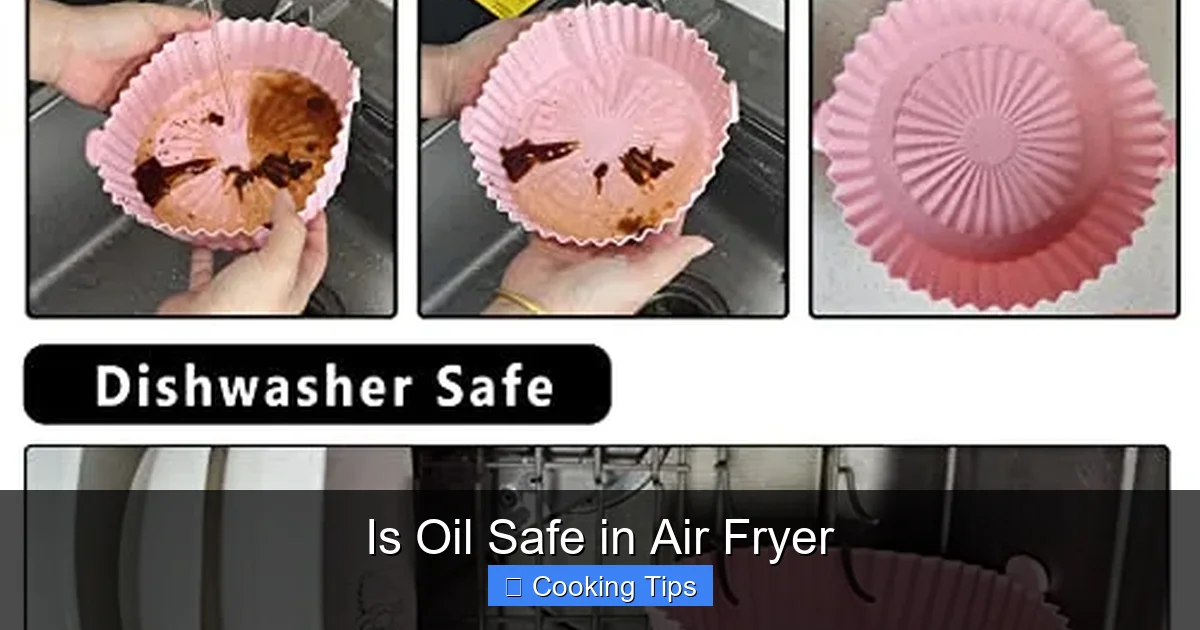
After each use, once the air fryer has cooled down, wash the basket and tray with warm, soapy water. Use a soft sponge or non-abrasive scrubber. For stubborn residue, you can soak the basket for a bit.
Deep Cleaning
Periodically, you’ll want to do a more thorough clean. This might involve:
1. Wipe Down the Interior and Exterior: Use a damp cloth to wipe down the inside and outside of the air fryer.
2. Clean the Heating Element: Some air fryers have a heating element that can be accessed for cleaning. Refer to your manual.
3. Address Buildup: If you notice a sticky residue or persistent smell, you can run the air fryer empty at a moderate temperature (e.g., 300°F or 150°C) for a few minutes with a bit of water and lemon slices or vinegar in the basket to steam and loosen residue. Wipe clean afterward.
Conclusion
So, is oil safe in an air fryer? Absolutely! When used correctly, oil is a valuable tool for enhancing the texture, flavor, and overall success of your air-fried meals. By choosing the right oils, using them sparingly, and applying them properly, you can achieve those coveted crispy results that make air frying so popular. Remember to prioritize oils with higher smoke points, opt for non-aerosol sprays or gentle tossing, and always keep your air fryer clean. With these tips, you’re well on your way to mastering the art of air frying, one perfectly crisp bite at a time. Happy air frying!