
Wondering if your air fryer dishes can go in the dishwasher? This guide will help you determine if your air fryer components are dishwasher-safe. We’ll cover how to check your manual, identify materials, and the best cleaning practices to ensure your air fryer lasts. Following these steps will help you avoid damage and keep your air fryer running smoothly.
Are you wondering if you can simply toss your air fryer basket into the dishwasher after a delicious meal? It’s a common question for air fryer owners who want to simplify their cleanup routine. While many air fryer components are indeed dishwasher-safe, not all of them are. Putting the wrong part in the dishwasher can lead to damage, reduced performance, and even safety hazards.
This comprehensive guide will walk you through everything you need to know to determine if your air fryer dishes are dishwasher-safe. We’ll cover how to check your user manual, identify materials that can withstand the dishwasher, and the best practices for cleaning your air fryer accessories to ensure they last for years to come. By the end of this guide, you’ll feel confident in your ability to clean your air fryer effectively and safely.
Key Takeaways
- Always check your air fryer’s manual first. This is the most reliable source of information regarding dishwasher safety for your specific model.
- Identify removable parts: Most air fryers have removable baskets and trays that are candidates for dishwasher cleaning.
- Understand material limitations: Non-stick coatings, certain plastics, and decorative elements may not be dishwasher-safe and can be damaged by high heat and harsh detergents.
- Handwashing is often the safest bet: If unsure or if parts are delicate, handwashing with mild soap and warm water is the best approach.
- Know the signs of damage: Warped parts, peeling non-stick coatings, or discolored plastics indicate that a part is not dishwasher-safe.
- Rinse thoroughly after cooking: A quick rinse after use can significantly reduce the need for harsh cleaning and extend the life of your air fryer parts.
Why is Dishwasher Safety Important for Air Fryer Parts?
Your air fryer is a fantastic kitchen appliance that makes cooking faster and healthier. After enjoying crispy fries or perfectly cooked chicken wings, the last thing you want is a tedious cleanup. Knowing which parts can go into the dishwasher saves you time and effort. However, blindly tossing everything in can be detrimental.
Potential Damage from Dishwashers
Dishwashers use high heat, strong detergents, and forceful water jets. These elements can:
* Damage non-stick coatings: Many air fryer baskets and trays have non-stick coatings to prevent food from sticking. High heat and abrasive dishwasher detergents can cause these coatings to peel, chip, or scratch, compromising their effectiveness and potentially releasing harmful chemicals.
* Degrade plastic components: Some air fryers use plastic parts, such as handles or internal components. Prolonged exposure to high heat in a dishwasher can cause plastics to warp, crack, or become brittle.
* Cause discoloration: Certain materials can discolor when exposed to the harsh environment of a dishwasher.
* Affect electronic parts: While usually not a concern for removable parts, it’s crucial to remember that the main unit of your air fryer is NOT submersible or dishwasher-safe.
Understanding these risks highlights why it’s essential to know what’s safe to put in your dishwasher.
Step-by-Step Guide to Determining Dishwasher Safety

Visual guide about Is My Air Fryer Dishwasher Safe
Image source: airfryerbro.com
Let’s get down to the nitty-gritty of how to figure out if your air fryer dishes are safe for a spin in the dishwasher.
Step 1: Consult Your Air Fryer’s User Manual
Visual guide about Is My Air Fryer Dishwasher Safe
Image source: i.ytimg.com
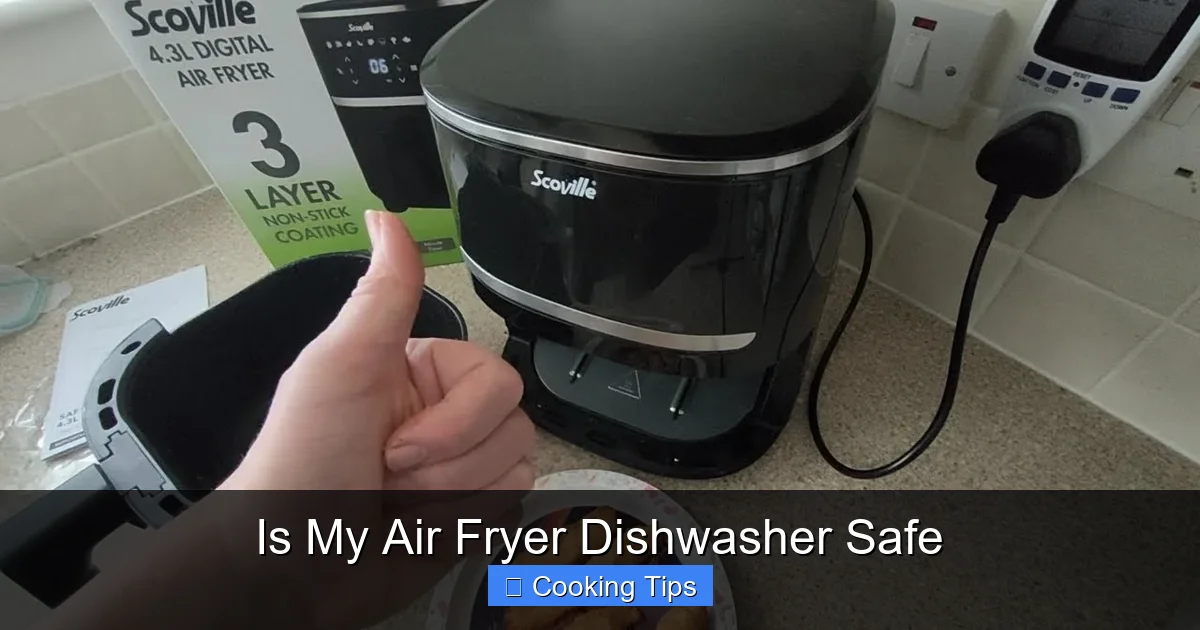
This is hands-down the most critical step. Your air fryer’s manufacturer knows their product best.
Locating the Manual
* Physical copy: If you still have the original manual that came with your air fryer, great! Look for sections on cleaning and maintenance.
* Online: If you’ve lost the physical copy, don’t worry. Most manufacturers have their manuals available for download on their websites. Search for your specific air fryer model number.
* Manufacturer’s website: Look for a “Support,” “Downloads,” or “Manuals” section on the brand’s website.
What to Look For in the Manual
Once you have the manual, specifically look for:
* **Cleaning Instructions:** This section will detail how to clean various parts of your air fryer. It will explicitly state which parts are dishwasher-safe and which require handwashing.
* Dishwasher-Safe Symbols: Some manuals might use symbols to indicate dishwasher safety. Familiarize yourself with these symbols.
* Material Information: The manual might provide details about the materials used in your air fryer’s components, which can help you infer dishwasher safety if direct instructions are vague.
If the manual clearly states that a specific part, like the basket or crisper plate, is dishwasher-safe, you can proceed with confidence.
Step 2: Identify Removable Parts
Visual guide about Is My Air Fryer Dishwasher Safe
Image source: cdn.shopify.com
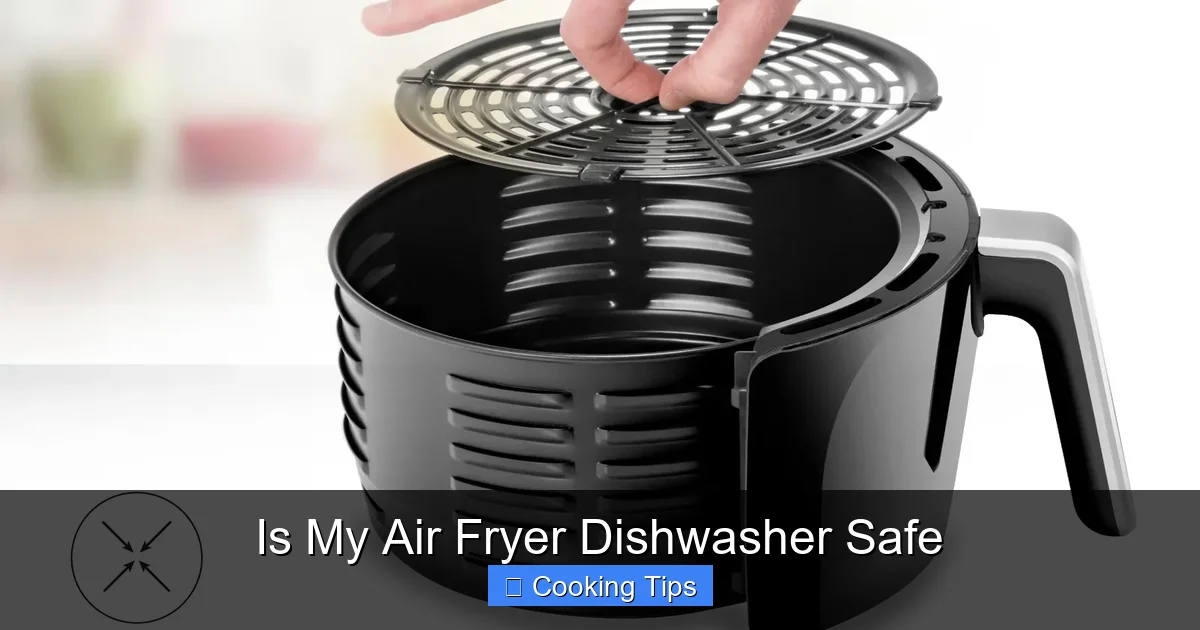
Most air fryers consist of a main unit and removable accessories. The main unit, containing the heating element and electronics, is never dishwasher-safe. Focus your attention on the removable components.
Common Removable Parts
* Basket: This is where you place your food. It’s often the part most coated in food residue.
* Crisper Plate/Tray: This accessory sits inside the basket, allowing air to circulate more freely.
* Drawer/Liner: Some air fryers have a removable drawer that holds the basket.
* Grill Grates or Skewers: If your air fryer came with these accessories, their dishwasher safety will also be specified.
For example, if you’re making something like a [how-to-cook-a-steak-on-the-air-fryer], the steak juices will collect in the basket. Knowing if that basket can go in the dishwasher makes post-meal cleanup much easier.
Step 3: Understand Material Types and Their Dishwasher Suitability
Even if your manual doesn’t explicitly state dishwasher safety, understanding the materials of your air fryer’s parts can give you a good indication.
Materials to Be Cautious With
* Non-stick Coatings (Teflon, Ceramic-Coated): While many non-stick surfaces are designed to be durable, they are often the most vulnerable to dishwasher damage. High heat and abrasive detergents can degrade these coatings over time. If the coating looks worn, scratched, or is peeling, it’s best to handwash.
* Certain Plastics: Not all plastics are created equal. Plastics designed to withstand high heat (like those marked “BPA-free” and often with a high-temperature rating) might be dishwasher-safe. However, flimsy or thin plastics are likely to warp. Always check for markings like “Dishwasher Safe” on the plastic itself.
* Aluminum: Raw aluminum can oxidize and darken in a dishwasher. However, anodized or coated aluminum parts might be fine.
* Painted or Decorated Parts: Any parts with painted designs or decorative finishes are generally not dishwasher-safe, as the paint can chip or fade.
Materials Often Found to Be Dishwasher-Safe
* Stainless Steel: Most stainless steel components, like racks or certain types of baskets, are highly durable and can handle dishwashers well.
* Tempered Glass: Glass bowls or trays are typically dishwasher-safe, provided they are not overly decorative.
* High-Quality, Heat-Resistant Plastics: As mentioned, some plastics are specifically engineered for dishwasher use.
Step 4: Inspect for Dishwasher-Safe Markings
Sometimes, manufacturers etch or mold dishwasher-safe symbols directly onto the parts themselves.
Common Dishwasher-Safe Symbols
* **A symbol of plates and glasses in a rack:** This is the universal symbol for dishwasher safety.
* **”Dishwasher Safe” text:** Some parts may simply have this phrase printed or embossed on them.
If you find these markings on your air fryer basket or tray, you can generally assume they are safe to put in the dishwasher.
Step 5: Consider the Age and Condition of Your Air Fryer Parts
An older air fryer with parts that have already seen significant use and wear might not hold up as well in a dishwasher as a newer one.
Signs of Wear and Tear
* Fading or Chipped Non-stick Coating: If the coating is no longer smooth and intact, it’s best to handwash.
* Scratches or Dents: Deep scratches can compromise the integrity of a non-stick surface or create areas where food and bacteria can hide.
* Warping: If a part looks bent or misshapen, it has likely been exposed to too much heat, and continuing to dishwash it could worsen the problem.
If your air fryer parts are in pristine condition, and your manual or markings indicate dishwasher safety, you’re likely good to go. If they show signs of wear, handwashing is a safer bet. For instance, if you’ve been air frying things like [how-to-cook-bacon-in-my-ninja-air-fryer] and the grease has built up, a damaged non-stick coating could make cleaning even harder.
Step 6: When in Doubt, Handwash!
This is the golden rule of air fryer cleaning. If you’re not 100% sure whether a part is dishwasher-safe, or if the manual is unclear, it is always safer to handwash it.
The Gentle Handwashing Method
1. Let it cool: Always allow the air fryer parts to cool down completely before cleaning.
2. Rinse immediately: As soon as possible after cooking, rinse the basket and tray under warm running water. This removes most loose food particles.
3. Use mild dish soap and warm water: For tougher residue, use a soft sponge or cloth with a few drops of mild dish soap.
4. Avoid abrasive scrubbers: Do not use steel wool, abrasive sponges, or harsh scouring pads, as these can scratch non-stick coatings and other surfaces.
5. **Dry thoroughly:** Ensure all parts are completely dry before reassembling or storing them to prevent rust or mold.
Handwashing might take a few extra minutes, but it’s the best way to preserve the lifespan and effectiveness of your air fryer accessories, especially if you’re unsure about dishwasher compatibility. For example, when preparing delicate items like a [how-to-cook-a-crab-cake-in-the-air-fryer], you’ll want to ensure all parts are impeccably clean without causing any damage.
Troubleshooting Common Cleaning Issues
Even with careful cleaning, you might encounter some issues. Here are a few common problems and how to solve them:
Stubborn Food Residue
* **Solution:** Soak the affected part in warm, soapy water for 15-30 minutes. For very tough spots, you can make a paste of baking soda and water and gently scrub.
Stuck-on Grease
* **Solution:** A degreasing dish soap can be very effective. You can also try heating the air fryer to a low temperature (around 200°F or 95°C) for a few minutes with a damp cloth inside (but not submerged), which can sometimes loosen grease before washing. Always unplug and cool down before handling.
Discoloration of Metal Parts
* **Solution:** This can sometimes be due to mineral deposits from water or slight oxidation. A paste of lemon juice and baking soda, or a specialized metal polish (if recommended for your material), can help restore shine.
Conclusion
So, is your air fryer dish dishwasher safe? The answer hinges on your specific model and its components. Always prioritize checking your user manual – it’s your most reliable guide. Understand the materials of your removable parts, look for explicit dishwasher-safe markings, and if there’s any doubt, err on the side of caution and handwash.
By taking a few moments to confirm dishwasher safety, you can save yourself the headache of replacing damaged parts and ensure your air fryer continues to be a star in your kitchen for years to come. Happy cooking and happy cleaning!